"7ad89cffa44984cf"{"id":"1002527","slug":"fighters-pack","title":"Fighters Pack","category":"Characters \u0026 Creatures","engine":"4.26+,5.0+","assetVersion":"","engineVersion":"Engine Version: 4.26+,5.0+","tag":"Characters","accent":"blue","visual":"character","summary":"Examine the Fighters Pack, featuring lowpoly fantasy and ninja character models built on the Epic skeleton with script and Animationblueprint integration.","platform":"Unreal Engine","indexPolicy":"index","publishedAt":"2026-11-13T09:19:17.814Z","updatedAt":"2026-11-13T09:19:17.814Z","sourceNotes":[],"fileContents":[],"compatibility":["Unreal Engine","Engine Version: 4.26+,5.0+"],"featuredImage":{"alt":"Fighters Pack","src":"/wp-content/uploads/published/2026/11/444947e254a5-2c9a0972-e42d-401d-b44a-71b612787fb3-df820b48ad.webp"},"hasDownloadLink":true,"downloads":0,"terms":[{"taxonomy":"category","slug":"characters-and-creatures","name":"Characters \u0026 Creatures"}],"galleryImages":[{"src":"/wp-content/uploads/published/2026/11/eb46e909e308-8d81913f-3310-44fe-9fed-0787b1c7ad61-eb4a834c20.webp","alt":"Fighters Pack"},{"src":"/wp-content/uploads/published/2026/11/5fa64e94b0d1-4fcde201-5dd4-4012-8441-caea1130710b-1043c46206.webp","alt":"Fighters Pack"},{"src":"/wp-content/uploads/published/2026/11/b42e98fd0b82-25e6cb24-7953-40ec-8025-6478ec676126-35fd632d3d.webp","alt":"Fighters Pack"},{"src":"/wp-content/uploads/published/2026/11/9695b9016a44-c5809ff2-e728-47f6-8f7a-721fa3595ff6-0545f2469e.webp","alt":"Fighters Pack"},{"src":"/wp-content/uploads/published/2026/11/aa5dee1e1932-d2ab61c1-0694-43fa-b4b7-e0f75bdd8472-48be229610.webp","alt":"Fighters Pack"},{"src":"/wp-content/uploads/published/2026/11/3499d2919677-edf10924-3e57-448c-b791-3d0dcd92bbe2-f5ff0e5e7c.webp","alt":"Fighters Pack"},{"src":"/wp-content/uploads/published/2026/11/e8e16b9d2873-7e29697b-3588-427f-9388-f99a5f12285d-4a7d301829.webp","alt":"Fighters Pack"},{"src":"/wp-content/uploads/published/2026/11/ae1f50d9be68-073a042a-7674-485c-ab94-3a572a18fe64-616160b736.webp","alt":"Fighters Pack"},{"src":"/wp-content/uploads/published/2026/11/c727c38cc0d0-7c520a31-c222-4527-9eff-340d6b3c9532-ac307f6171.webp","alt":"Fighters Pack"},{"src":"/wp-content/uploads/published/2026/11/4e8d7bb5ad3b-bafee915-5737-4e76-abec-8d6c3e3be8ee-c8a61551ad.webp","alt":"Fighters Pack"}],"accessPanel":{"kind":"resource","title":"Get this resource","eyebrow":"Free resource","message":"Download this resource in your browser.","fileName":"Content.7z","safetyNote":"Resources are manually reviewed before listing to improve quality and reduce obvious risks.","actionLabel":"Get this resource","resourceType":"Resource archive","versions":[]},"contentHtml":"\u003cp\u003eDirect integration into an interactive project begins by mapping incoming character rigs to the animation graph. The Fighters Pack provides character assets rigged to the Epic skeleton, allowing quick pairing with animation libraries without manual retargeting steps. Because the joint hierarchy adheres to the standard Epic layout, developers bypass the typical friction of manual bone alignment, missing twist joints, or broken roll channels. Character meshes import ready to hook directly into existing locomotion trees, strike libraries, and combat state graphs.\u003c/p\u003e \u003ch2\u003eIntegrating Fighters Pack Skeletons into Animation Pipelines\u003c/h2\u003e \u003cp\u003eSkeleton uniformity stands out as the primary operational advantage when deploying multiple characters across a game environment. Every model in this collection utilizes the Epic skeleton, ensuring consistent orientation, naming conventions, and joint proportions across all meshes. This structural alignment allows any animation intended for the standard hierarchy to execute without distorted geometry or irregular joint bending.\u003c/p\u003e \u003cp\u003eIn combat-focused titles, animation systems frequently demand extensive motion data: directional transitions, combo variations, parries, hit reactions, and recovery states. Because these character meshes share the identical Epic skeleton, an animation asset applied to one character functions cleanly across the rest. Studios can author or assign a single universal combat library—including dodging, rapid attacks, and aerial motion—and instantly distribute it to every fighter included in the collection.\u003c/p\u003e \u003cp\u003eThis uniform skeletal basis eliminates the time sink of baking separate animation variants or setting up multiple retargeting profiles. When an animator refines a root motion roll, a leap sequence, or a stationary guard pose, the change propagates seamlessly across every variant model in the roster. That leaves a unified workflow where rigging discrepancies never compromise rapid gameplay testing or iteration cycles.\u003c/p\u003e \u003ch2\u003eStyle Variation Across Lowpoly Fighter and Ninja Archetypes\u003c/h2\u003e \u003cp\u003eGame balance and visual clarity often dictate having recognizable combatants on screen simultaneously. The collection supplies characters differentiated by aesthetic style, offering distinct silhouettes for varied player or non-player roles. The roster spans distinct aesthetic themes, incorporating fantasy motifs, martial fighters, and ninja archetypes, enabling developers to assign specific visual identities to different factions, enemy classes, or player selections.\u003c/p\u003e \u003cp\u003eThe lowpoly construction provides immediate advantages for performance-critical projects. Streamlined mesh topology ensures that rendering overhead remains controlled, making these characters ideal candidates for scenes that require multiple active combatants, wandering patrols, or large group engagements. Visual clarity is preserved through clean geometric definitions, enabling players to read telegraphs, posture shifts, and incoming strikes instantly during fast-paced encounters.\u003c/p\u003e \u003cp\u003eThe visual distinction among the characters supports varied combat identities:\u003c/p\u003e\n\u003cul\u003e\n\u003cli\u003eAgile ninja models fitting stealth, infiltration, or rapid acrobatic attack styles.\u003c/li\u003e\n\u003cli\u003eFantasy combatants suited for arena brawlers, dungeon skirmishes, or magical combat scenarios.\u003c/li\u003e\n\u003cli\u003eDiverse fighter styles capable of serving as rival duelists, faction guards, or mercenary squads.\u003c/li\u003e\n\u003c/ul\u003e \u003cp\u003eBecause the pack does not force a single, uniform character skin across every model, teams can assemble diverse encounters without visual monotony. The contrast in stylistic traits helps delineate difficulty ranks or unit specialties on the battlefield while keeping the baseline asset profile cohesive.\u003c/p\u003e \u003ch2\u003eImplementing Logic via Script and Animationblueprint Assets\u003c/h2\u003e \u003cp\u003eDeploying responsive combatants requires an active connection between player commands, state machines, and skeletal joint transforms. The inclusion of dedicated script components alongside the Animationblueprint bridges this gap directly within the game architecture.\u003c/p\u003e \u003cp\u003eThe Animationblueprint acts as the central processor for skeletal motion, organizing how animations blend depending on gameplay variables. It controls complex state transitions such as the interpolation from a sprinting run into an immediate guard posture, or blending multiple upper-body attacks onto an ongoing lower-body locomotion loop. With the Animationblueprint pre-structured for the Epic skeleton, configuring directional blend spaces and action states avoids the tedious setup of rebuilding base graphs from blank blueprints.\u003c/p\u003e \u003cp\u003eWorking in tandem with these animation graphs, script functionality manages character behavioral parameters. Gameplay scripts process the movement commands, evaluate state conditions like jumping, rolling, or landing, and relay the corresponding values back into the Animationblueprint variables. This linkage between logic scripts and skeletal blend nodes guarantees tight responsiveness when testing hit detection, attack timing, and evasive motion in real-time execution environments.\u003c/p\u003e \u003ch2\u003eUnifying Fighters Pack Characters with the Mega Bundle Workflow\u003c/h2\u003e \u003cp\u003eExpanding a character roster often introduces asset fragmentation when disparate packages feature conflicting scale, non-standard naming schemes, or isolated skeleton hierarchies. The Fighters Pack addresses this through native compatibility with the All My 3D Characters Mega Bundle. This shared lineage guarantees that characters across both packages operate under the same production conventions.\u003c/p\u003e \u003cp\u003eTeams building comprehensive projects can integrate these lowpoly fighter and ninja assets into broader rosters derived from the bundle without encountering technical clashes. Animation graphs, control rigs, socket attachments for equipment, and shared scripting components move cleanly between individual character models. This consistency simplifies long-term repository maintenance, as developers do not need to maintain multiple divergent character controller systems or unique skeleton profiles.\u003c/p\u003e \u003cp\u003eStandardized asset structures reduce project maintenance overhead over time. By maintaining structural fidelity with the creator's broader catalog, teams can continuously swap, test, and expand their active character assets while relying on the same proven baseline of Epic skeleton rigging, Animationblueprint state management, and versatile lowpoly designs.\u003c/p\u003e\n\n\u003ch2\u003eMore From The Same Workflow\u003c/h2\u003e\n\u003cul\u003e\n\u003cli\u003e\u003ca href=\"https://3dcghub.com/fighter-drone/\" rel=\"noopener noreferrer\"\u003eFighter Drone\u003c/a\u003e\u003c/li\u003e\n\u003cli\u003e\u003ca href=\"https://3dcghub.com/cyberpunk-mercenary/\" rel=\"noopener noreferrer\"\u003eCyberpunk Mercenary\u003c/a\u003e\u003c/li\u003e\n\u003cli\u003e\u003ca href=\"https://3dcghub.com/close-combat-fighter/\" rel=\"noopener noreferrer\"\u003eClose Combat: Fighter\u003c/a\u003e\u003c/li\u003e\n\u003cli\u003e\u003ca href=\"https://3dcghub.com/character-werewolf/\" rel=\"noopener noreferrer\"\u003eCharacter Werewolf\u003c/a\u003e\u003c/li\u003e\n\u003cli\u003e\u003ca href=\"https://3dcghub.com/creatures-mega-pack/\" rel=\"noopener noreferrer\"\u003eCreatures Mega Pack\u003c/a\u003e\u003c/li\u003e\n\u003c/ul\u003e","contentTextLength":6466,"navigation":{"current":50,"total":4499,"previous":{"id":"1002528","slug":"forestcreaturekit","title":"ForestCreatureKit","category":"Creatures \u0026 Monsters","platform":"Unreal Engine","updatedAt":"2026-11-13T09:21:17.724Z"},"next":{"id":"1002526","slug":"fantasy-knight","title":"Fantasy Knight","category":"Characters \u0026 Creatures","platform":"Unreal Engine","updatedAt":"2026-11-13T09:17:55.626Z"}},"relatedResources":[{"id":"1000459","slug":"fighter-drone","title":"Fighter Drone","category":"Characters \u0026 Creatures","engine":"4.26+,5.0+","assetVersion":"","engineVersion":"Engine Version: 4.26+,5.0+","tag":"Characters","accent":"blue","visual":"character","summary":"A sci-fi Fighter Drone rigged with 8 bones, 10 animations, 6 PBR textures, and an Unreal animation blueprint with adjustable eye emissive and arm rotation contr","platform":"Unreal Engine","indexPolicy":"index","publishedAt":"2026-07-11T04:47:57.511Z","updatedAt":"2026-07-11T04:47:57.511Z","sourceNotes":[],"fileContents":[],"compatibility":["Unreal Engine","Engine Version: 4.26+,5.0+"],"featuredImage":{"alt":"Fighter Drone","src":"https://media.fab.com/image_previews/gallery_images/e475dcdf-7b02-48f4-ae3b-046a18e33f20/12988c09-627d-4315-96ce-2b3f3eb407a0.png"},"hasDownloadLink":true,"downloads":1},{"id":"1002370","slug":"cyberpunk-mercenary","title":"Cyberpunk Mercenary","category":"Characters \u0026 Creatures","engine":"4.24+,5.0+","assetVersion":"","engineVersion":"Engine Version: 4.24+,5.0+","tag":"Characters","accent":"blue","visual":"character","summary":"Cyberpunk Mercenary pairs a futuristic helmet-and-jacket fighter with sword, weapon, script, and animation blueprint support plus real-time previews.","platform":"Unreal Engine","indexPolicy":"index","publishedAt":"2026-11-09T18:39:04.969Z","updatedAt":"2026-11-09T18:39:04.969Z","sourceNotes":[],"fileContents":[],"compatibility":["Unreal Engine","Engine Version: 4.24+,5.0+"],"featuredImage":{"alt":"Cyberpunk Mercenary","src":"/wp-content/uploads/published/2026/11/d1b03fec6b87-3ae32fba-a023-4a0b-bcf9-a6ae2d9f8bf9-3090ca29a7.webp"},"hasDownloadLink":true,"downloads":0},{"id":"10677","slug":"close-combat-fighter","title":"Close Combat: Fighter","category":"Gameplay Features","engine":"4.26+,5.0+","assetVersion":"Engine version: 4.26+,5.0+","engineVersion":"4.18","tag":"Gameplay Features","accent":"blue","visual":"animation","summary":"Close Combat: Fighter provides a versatile foundation for developers building action-packed titles. This template includes essential systems for movement, skills, and character progression.","platform":"Unreal Engine","indexPolicy":"noindex","publishedAt":"2026-03-03T15:58:31.000Z","updatedAt":"2026-04-19T15:49:57.000Z","sourceNotes":[],"fileContents":[],"compatibility":["Unreal Engine","Engine version: 4.26+,5.0+"],"featuredImage":{"alt":"Close Combat: Fighter","src":"https://3dcghub.com/wp-content/uploads/2026/03/4de6eeb7-9df9-4c76-9a99-8058524224ee.webp"},"hasDownloadLink":true,"downloads":1}]}
Characters
Fighters Pack
Examine the Fighters Pack, featuring lowpoly fantasy and ninja character models built on the Epic skeleton with script and Animationblueprint integration.
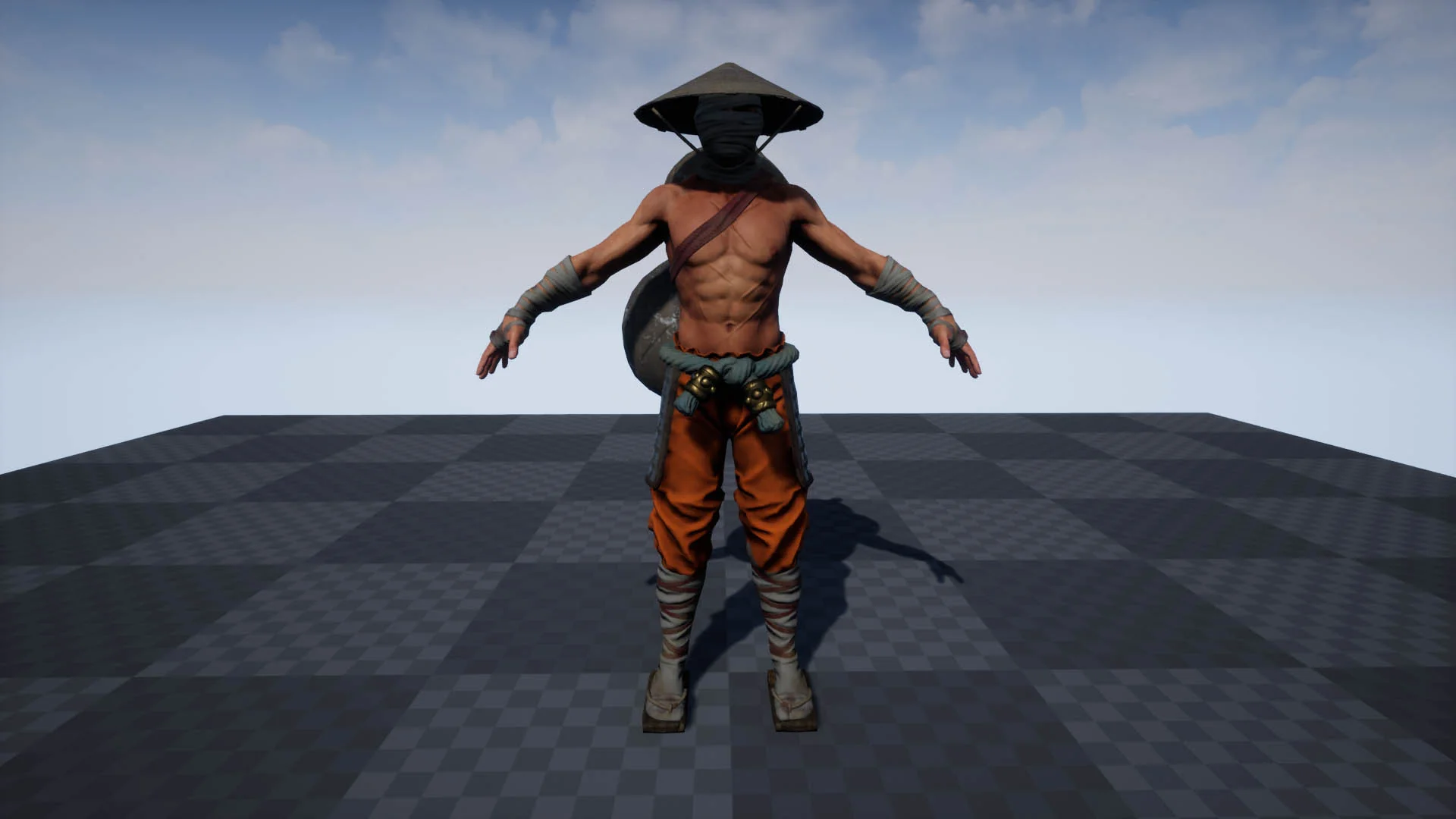
Direct integration into an interactive project begins by mapping incoming character rigs to the animation graph. The Fighters Pack provides character assets rigged to the Epic skeleton, allowing quick pairing with animation libraries without manual retargeting steps. Because the joint hierarchy adheres to the standard Epic layout, developers bypass the typical friction of manual bone alignment, missing twist joints, or broken roll channels. Character meshes import ready to hook directly into existing locomotion trees, strike libraries, and combat state graphs.
Integrating Fighters Pack Skeletons into Animation Pipelines
Skeleton uniformity stands out as the primary operational advantage when deploying multiple characters across a game environment. Every model in this collection utilizes the Epic skeleton, ensuring consistent orientation, naming conventions, and joint proportions across all meshes. This structural alignment allows any animation intended for the standard hierarchy to execute without distorted geometry or irregular joint bending.
In combat-focused titles, animation systems frequently demand extensive motion data: directional transitions, combo variations, parries, hit reactions, and recovery states. Because these character meshes share the identical Epic skeleton, an animation asset applied to one character functions cleanly across the rest. Studios can author or assign a single universal combat library—including dodging, rapid attacks, and aerial motion—and instantly distribute it to every fighter included in the collection.
This uniform skeletal basis eliminates the time sink of baking separate animation variants or setting up multiple retargeting profiles. When an animator refines a root motion roll, a leap sequence, or a stationary guard pose, the change propagates seamlessly across every variant model in the roster. That leaves a unified workflow where rigging discrepancies never compromise rapid gameplay testing or iteration cycles.
Style Variation Across Lowpoly Fighter and Ninja Archetypes
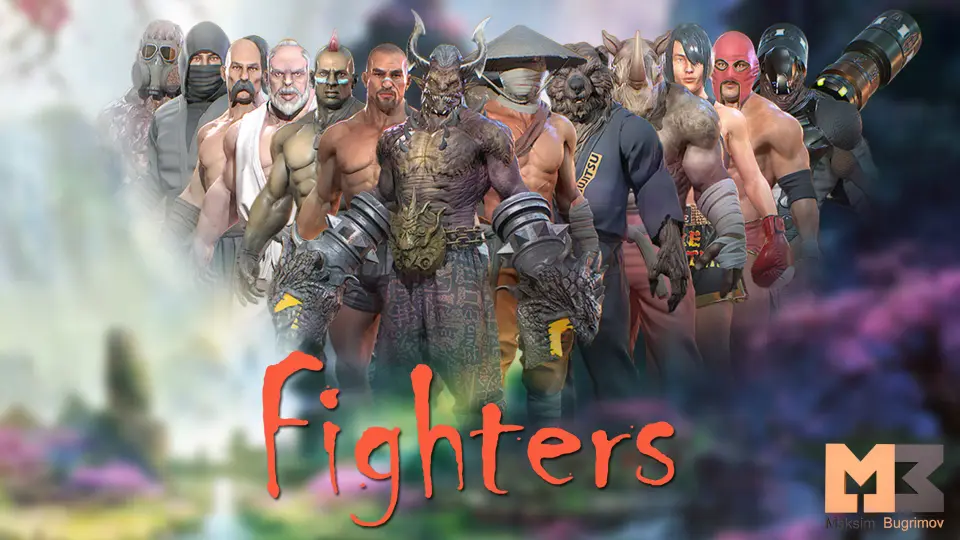
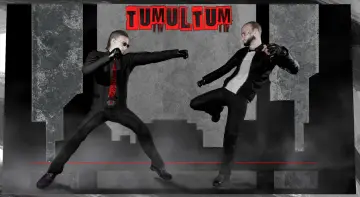
Game balance and visual clarity often dictate having recognizable combatants on screen simultaneously. The collection supplies characters differentiated by aesthetic style, offering distinct silhouettes for varied player or non-player roles. The roster spans distinct aesthetic themes, incorporating fantasy motifs, martial fighters, and ninja archetypes, enabling developers to assign specific visual identities to different factions, enemy classes, or player selections.
The lowpoly construction provides immediate advantages for performance-critical projects. Streamlined mesh topology ensures that rendering overhead remains controlled, making these characters ideal candidates for scenes that require multiple active combatants, wandering patrols, or large group engagements. Visual clarity is preserved through clean geometric definitions, enabling players to read telegraphs, posture shifts, and incoming strikes instantly during fast-paced encounters.
The visual distinction among the characters supports varied combat identities:
Fantasy combatants suited for arena brawlers, dungeon skirmishes, or magical combat scenarios.
Diverse fighter styles capable of serving as rival duelists, faction guards, or mercenary squads.
Because the pack does not force a single, uniform character skin across every model, teams can assemble diverse encounters without visual monotony. The contrast in stylistic traits helps delineate difficulty ranks or unit specialties on the battlefield while keeping the baseline asset profile cohesive.
Implementing Logic via Script and Animationblueprint Assets
Deploying responsive combatants requires an active connection between player commands, state machines, and skeletal joint transforms. The inclusion of dedicated script components alongside the Animationblueprint bridges this gap directly within the game architecture.
The Animationblueprint acts as the central processor for skeletal motion, organizing how animations blend depending on gameplay variables. It controls complex state transitions such as the interpolation from a sprinting run into an immediate guard posture, or blending multiple upper-body attacks onto an ongoing lower-body locomotion loop. With the Animationblueprint pre-structured for the Epic skeleton, configuring directional blend spaces and action states avoids the tedious setup of rebuilding base graphs from blank blueprints.
Working in tandem with these animation graphs, script functionality manages character behavioral parameters. Gameplay scripts process the movement commands, evaluate state conditions like jumping, rolling, or landing, and relay the corresponding values back into the Animationblueprint variables. This linkage between logic scripts and skeletal blend nodes guarantees tight responsiveness when testing hit detection, attack timing, and evasive motion in real-time execution environments.
Unifying Fighters Pack Characters with the Mega Bundle Workflow
Expanding a character roster often introduces asset fragmentation when disparate packages feature conflicting scale, non-standard naming schemes, or isolated skeleton hierarchies. The Fighters Pack addresses this through native compatibility with the All My 3D Characters Mega Bundle. This shared lineage guarantees that characters across both packages operate under the same production conventions.
Teams building comprehensive projects can integrate these lowpoly fighter and ninja assets into broader rosters derived from the bundle without encountering technical clashes. Animation graphs, control rigs, socket attachments for equipment, and shared scripting components move cleanly between individual character models. This consistency simplifies long-term repository maintenance, as developers do not need to maintain multiple divergent character controller systems or unique skeleton profiles.
Standardized asset structures reduce project maintenance overhead over time. By maintaining structural fidelity with the creator's broader catalog, teams can continuously swap, test, and expand their active character assets while relying on the same proven baseline of Epic skeleton rigging, Animationblueprint state management, and versatile lowpoly designs.
 Characters
 Characters
 Characters
 Gameplay Features