"7ad89cffa44984cf"{"id":"1002526","slug":"fantasy-knight","title":"Fantasy Knight","category":"Characters \u0026 Creatures","engine":"4.26+,5.0+","assetVersion":"","engineVersion":"Engine Version: 4.26+,5.0+","tag":"Characters","accent":"blue","visual":"character","summary":"Examine the Fantasy Knight character package, featuring modular material slots, APEX cloth physics, Animationblueprint setups, and attack trail support.","platform":"Unreal Engine","indexPolicy":"index","publishedAt":"2026-11-13T09:17:55.626Z","updatedAt":"2026-11-13T09:17:55.626Z","sourceNotes":[],"fileContents":[],"compatibility":["Unreal Engine","Engine Version: 4.26+,5.0+"],"featuredImage":{"alt":"Fantasy Knight","src":"/wp-content/uploads/published/2026/11/b329084d39df-721a1787-db94-430b-9fb3-e7e150661741-f0a2b79a26.webp"},"hasDownloadLink":true,"downloads":0,"terms":[{"taxonomy":"category","slug":"characters-and-creatures","name":"Characters \u0026 Creatures"}],"galleryImages":[{"src":"/wp-content/uploads/published/2026/11/04c90811814b-7212cf20-daf8-4edf-9bba-3a47bc416c36-4610b79fde.webp","alt":"Fantasy Knight"},{"src":"/wp-content/uploads/published/2026/11/35e29c701179-40c16220-22c0-45a1-bdf0-ab844f574afd-a6c2ceb586.webp","alt":"Fantasy Knight"},{"src":"/wp-content/uploads/published/2026/11/3fdce14d4d78-8b895ffe-5c86-484f-b96c-b8dadeb27072-72a3f9c54f.webp","alt":"Fantasy Knight"},{"src":"/wp-content/uploads/published/2026/11/389ca29a57d0-37554831-0353-4c7f-a4c2-98fcac0f5fa6-525b67b1cf.webp","alt":"Fantasy Knight"},{"src":"/wp-content/uploads/published/2026/11/690711b38e46-aa3e7f68-7e10-433b-9891-2033f9654a9e-e42e3601cd.webp","alt":"Fantasy Knight"}],"accessPanel":{"kind":"resource","title":"Get this resource","eyebrow":"Free resource","message":"Download this resource in your browser.","fileName":"Content.7z","safetyNote":"Resources are manually reviewed before listing to improve quality and reduce obvious risks.","actionLabel":"Get this resource","resourceType":"Resource archive","versions":[]},"contentHtml":"\u003ch2\u003eArmor Partitioning and Material Customization in the Fantasy Knight\u003c/h2\u003e\u003cp\u003eModular surface definition forms the core of the Fantasy Knight character model. Rather than locking the male warrior into a single monolithic texture sheet, the asset separates the surface properties across critical anatomical and protective boundaries. Creators can isolate and alter the materials assigned to the helmet, shoulderpads, breastplate, arms, legs, accessories, and cloth. This division grants direct control over the character's visual hierarchy, enabling swift adjustments to metal finishes, heraldic color palettes, and surface wear without demanding mesh reconstruction.\u003c/p\u003e\u003cp\u003eBy treating the helmet, breastplate, shoulderpads, and limb defenses as distinct material targets, the asset supports diverse unit tiering within a single production. A developer can present a pristine, polished steel breastplate for a palace guard while swapping the arm and leg materials to darkened, unpolished iron for weathered frontline troops. The inclusion of an independent material channel for accessories ensures that secondary accoutrements—such as clasps, buckles, leather scabbards, or ornamental brooches—can be balanced against the primary plate armor to maintain distinct material separation across the model's silhouette.\u003c/p\u003e\u003cp\u003eSeparating the cloth from the surrounding plating proves equally vital. Because medieval fantasy designs rely heavily on surcoats, padded undergarments, cloaks, or sashes to break up continuous metallic sheen, having a dedicated cloth material allows for immediate retinting and surface tuning. Adjusting fabric colorways, woven patterns, or matte roughness values alongside high-specularity metal plates gives teams the flexibility to build cohesive squad factions, rank badges, or distinctive player-character uniforms directly inside their rendering pipeline.\u003c/p\u003e\u003ch2\u003eDynamic Fabric Behavior Through APEX Cloth Simulation\u003c/h2\u003e\u003cp\u003eStatic fabric can compromise the visual weight of an otherwise heavy, plate-armored warrior. The Fantasy Knight addresses physical motion by incorporating dedicated APEX files configured for cloth simulation. These physics data sets allow soft-surface segments of the model to react dynamically to gravity, character velocity, and environmental forces instead of relying solely on rigid skeletal skinning.\u003c/p\u003e\u003cp\u003eIn real-time rendering, dynamic cloth adds essential secondary motion during high-momentum combat and traversal. When the male knight pivots, sprints, or recovers from heavy swings, the simulated cloth elements fold, billow, and drape naturally across the rigid surfaces of the breastplate and greaves. This interaction prevents stiff clipping and softens the mechanical transitions between baked animations, grounding the character firmly within the physical rules of the game scene.\u003c/p\u003e\u003cp\u003eThe APEX pipeline establishes collision boundaries against the underlying character skeleton. As the limbs articulate through wide sword strikes or defensive stances, the cloth simulation calculates resistance against the arm and leg plates, preserving volume and natural fold behavior. For projects demanding a heightened sense of realism or grounded fantasy weight, dynamic cloth mechanics elevate the overall visual standard of every encounter.\u003c/p\u003e\u003ch2\u003eAnimationblueprint Logic and Motion Pipelines for the Knight\u003c/h2\u003e\u003cp\u003eVisual assets require an underlying mechanical bridge to interface with gameplay systems, and this character integrates an Animationblueprint alongside script support to coordinate movement states. The Animationblueprint governs how the male knight transitions through idle stances, acceleration cycles, directional dodges, and attack recoveries. Having an operational animation blueprint structure streamlines the process of tying player inputs directly to the character’s skeletal rig.\u003c/p\u003e\u003cp\u003eScripts interface with this animation framework to handle functional parameters such as movement speeds, blend spaces, and state-driven mesh reactions. When integrating the character into third-person action games or role-playing titles, technical artists can hook into the blueprint to synchronize upper-body combat swings with lower-body locomotion. This decoupled state blending ensures that the knight can strike, block, or cast without sliding unnaturally across terrain.\u003c/p\u003e\u003cp\u003eThe animation blueprint also serves as the operational host for notifying external events during character actions. Hit windows, sound effect triggers for heavy metal footsteps, and timing points for secondary physics can be keyed precisely within the animation timeline. Because the skeletal hierarchy accounts for both heavy rigid plating and simulated fabric, the animation pipeline maintains clean, predictable deformation throughout complex movement sequences.\u003c/p\u003e\u003ch2\u003eCombat Readability and VFX Attack Trails Compatibility\u003c/h2\u003e\u003cp\u003eFluid character movement in fantasy melee games relies on crisp, readable visual feedback, especially during fast-paced combat exchanges. The Fantasy Knight features native compatibility with VFX Attack Trails, providing direct support for swooping weapon arcs and visual momentum markers during strike animations.\u003c/p\u003e\u003cp\u003eAttack trails translate complex sword swings into readable visual arcs that inform the player of weapon range, trajectory, and timing. By ensuring compatibility with dedicated attack trail systems, developers can affix trail emitters along weapon sockets or armor points without dealing with broken coordinate systems or socket misalignments. The resulting combat animations display vibrant ribbons of light or stylized motion blurs that accentuate every swing of the knight's arm pieces and shoulderpads.\u003c/p\u003e\u003cp\u003eThis synergy between model articulation, animation blueprint pacing, and visual combat effects makes the knight immediately adaptable for action combat loops. Whether delivering an overhead cleave or executing a spinning parry, the character commands clear screen presence, making dodge timings, parry windows, and weapon reaches instantly readable to the player.\u003c/p\u003e\u003ch2\u003eMedieval and Fantasy Role Alignment\u003c/h2\u003e\u003cp\u003eThe Fantasy Knight delivers a versatile visual identity tailored for medieval fantasy environments, from desolate ruined keeps to bustling castle courtyards. Built as a male warrior outfitted with complete plate components and flexible cloth underpinnings, the character functions effectively as a stalwart player avatar, an imposing wandering mercenary, or a standardized elite adversary within an enemy roster.\u003c/p\u003e\u003cp\u003eThe combination of individual armor material partitions, APEX cloth files, and structured blueprint logic reduces the engineering overhead needed to deploy a fully functional warrior into an active level. Teams evaluating character assets for fantasy adventures gain a grounded medieval foundation that balances detailed modular surfacing with the physics and animation infrastructure necessary for responsive real-time combat.\u003c/p\u003e\n\n\u003ch2\u003eMore From The Same Workflow\u003c/h2\u003e\n\u003cul\u003e\n\u003cli\u003e\u003ca href=\"https://3dcghub.com/modular-fantasy-knights/\" rel=\"noopener noreferrer\"\u003eModular Fantasy Knights\u003c/a\u003e\u003c/li\u003e\n\u003cli\u003e\u003ca href=\"https://3dcghub.com/dark-knight/\" rel=\"noopener noreferrer\"\u003eDark Knight\u003c/a\u003e\u003c/li\u003e\n\u003cli\u003e\u003ca href=\"https://3dcghub.com/undead-horse-and-unholy-knight/\" rel=\"noopener noreferrer\"\u003eUndead Horse and Unholy Knight\u003c/a\u003e\u003c/li\u003e\n\u003cli\u003e\u003ca href=\"https://3dcghub.com/esm-royal-knight-golden-bird/\" rel=\"noopener noreferrer\"\u003eESM Royal Knight: Golden Bird\u003c/a\u003e\u003c/li\u003e\n\u003cli\u003e\u003ca href=\"https://3dcghub.com/gothic-knight/\" rel=\"noopener noreferrer\"\u003eGothic Knight\u003c/a\u003e\u003c/li\u003e\n\u003c/ul\u003e","contentTextLength":7000,"navigation":{"current":51,"total":4499,"previous":{"id":"1002527","slug":"fighters-pack","title":"Fighters Pack","category":"Characters \u0026 Creatures","platform":"Unreal Engine","updatedAt":"2026-11-13T09:19:17.814Z"},"next":{"id":"1002525","slug":"fallen-knight","title":"Fallen Knight","category":"Game Development Resource","platform":"Unreal Engine","updatedAt":"2026-11-13T09:16:26.308Z"}},"relatedResources":[{"id":"1002499","slug":"modular-fantasy-knights","title":"Modular Fantasy Knights","category":"Characters \u0026 Creatures","engine":"4.26+,5.0+","assetVersion":"","engineVersion":"Engine Version: 4.26+,5.0+","tag":"Characters","accent":"blue","visual":"character","summary":"Explore Modular Fantasy Knights: 59 skeletal meshes, APEX cloth files, dynamic master materials, and UE4 Mannequin compatibility for RPG and MMO projects.","platform":"Unreal Engine","indexPolicy":"index","publishedAt":"2026-11-12T18:23:45.507Z","updatedAt":"2026-11-12T18:23:45.507Z","sourceNotes":[],"fileContents":[],"compatibility":["Unreal Engine","Engine Version: 4.26+,5.0+"],"featuredImage":{"alt":"Modular Fantasy Knights","src":"/wp-content/uploads/published/2026/11/b470911995c7-9135ea8a-8765-4abf-9a62-3c4f537ed1f5-a98c61938a.webp"},"hasDownloadLink":true,"downloads":0},{"id":"1001997","slug":"dark-knight","title":"Dark Knight","category":"Characters \u0026 Creatures","engine":"4.26+,5.0+","assetVersion":"","engineVersion":"Engine Version: 4.26+,5.0+","tag":"Characters","accent":"blue","visual":"character","summary":"Examine the Dark Knight asset featuring 40 combat animations, five distinct skins, 4096 texture maps, and an Epic Skeleton rig for fantasy projects.","platform":"Unreal Engine","indexPolicy":"index","publishedAt":"2026-10-26T12:15:31.161Z","updatedAt":"2026-10-26T12:15:31.161Z","sourceNotes":[],"fileContents":[],"compatibility":["Unreal Engine","Engine Version: 4.26+,5.0+"],"featuredImage":{"alt":"Dark Knight","src":"/wp-content/uploads/published/2026/10/5ad705f8aeed-bbe08623-7dbf-4f4e-98c0-dcea3acee61f-fcfc0a96a1.webp"},"hasDownloadLink":true,"downloads":0},{"id":"3746","slug":"undead-horse-and-unholy-knight","title":"Undead Horse and Unholy Knight","category":"Characters \u0026 Creatures","engine":"5.0+","assetVersion":"Engine version: 5.0+","engineVersion":"5.2","tag":"Characters","accent":"blue","visual":"character","summary":"Enhance your dark fantasy game with the Undead Horse and Unholy Knight set. Featuring handpainted textures and full animation support for Unreal Engine.","platform":"Unreal Engine","indexPolicy":"index","publishedAt":"2026-02-09T09:23:01.000Z","updatedAt":"2026-04-19T15:57:34.000Z","sourceNotes":[],"fileContents":[],"compatibility":["Unreal Engine","Engine version: 5.0+"],"featuredImage":{"alt":"Undead Horse and Unholy Knight","src":"https://3dcghub.com/wp-content/uploads/2026/02/f23a4409-941f-44d4-8fe6-62f82648f339.webp"},"hasDownloadLink":true,"downloads":0}]}
Characters
Fantasy Knight
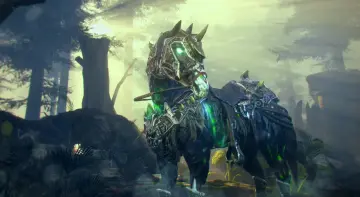
Examine the Fantasy Knight character package, featuring modular material slots, APEX cloth physics, Animationblueprint setups, and attack trail support.
Armor Partitioning and Material Customization in the Fantasy Knight
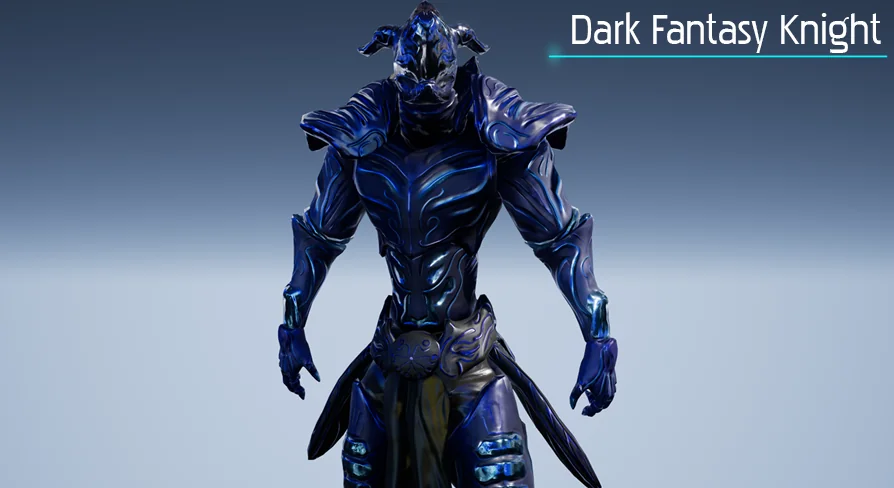
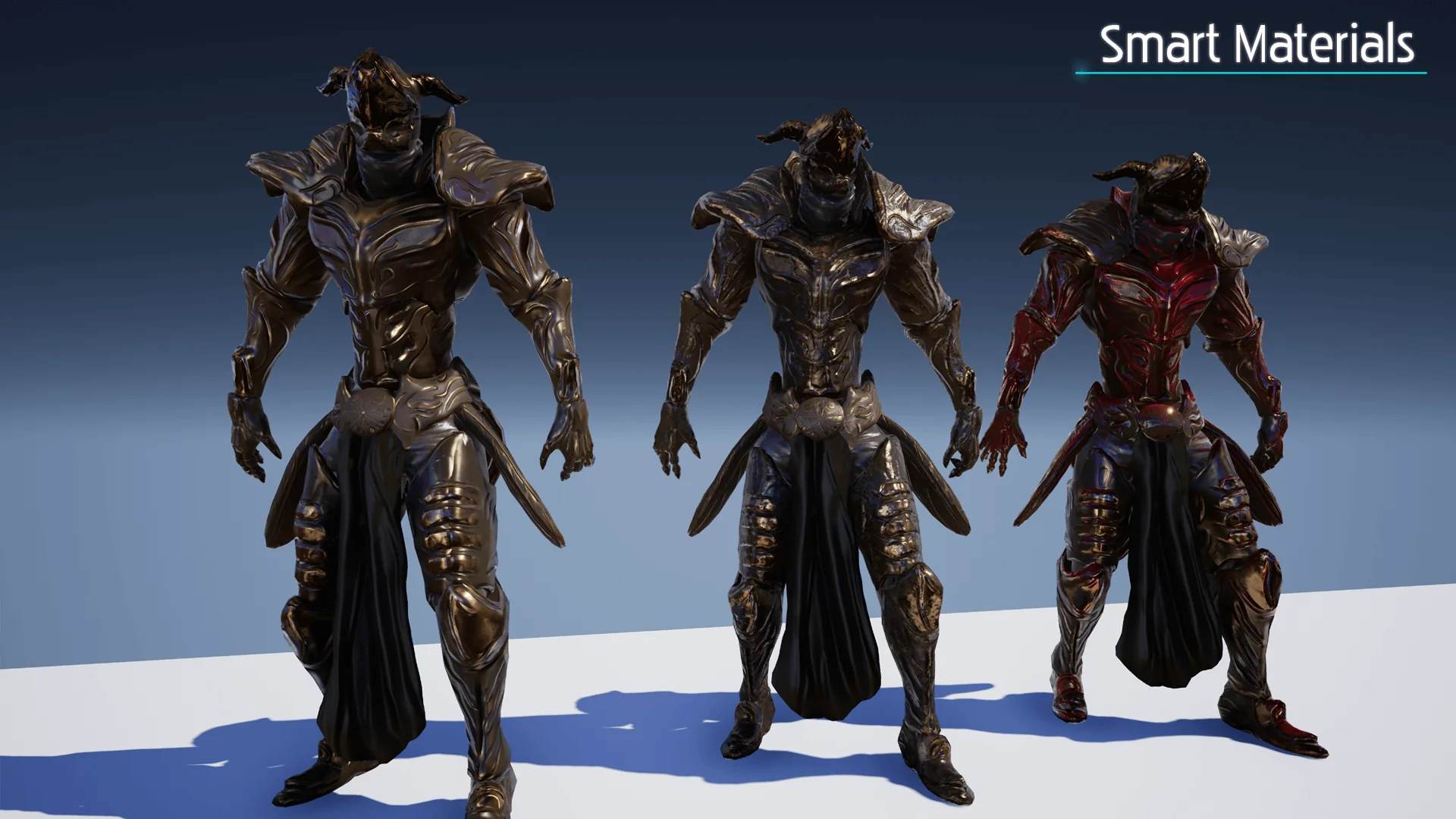
Modular surface definition forms the core of the Fantasy Knight character model. Rather than locking the male warrior into a single monolithic texture sheet, the asset separates the surface properties across critical anatomical and protective boundaries. Creators can isolate and alter the materials assigned to the helmet, shoulderpads, breastplate, arms, legs, accessories, and cloth. This division grants direct control over the character's visual hierarchy, enabling swift adjustments to metal finishes, heraldic color palettes, and surface wear without demanding mesh reconstruction.
By treating the helmet, breastplate, shoulderpads, and limb defenses as distinct material targets, the asset supports diverse unit tiering within a single production. A developer can present a pristine, polished steel breastplate for a palace guard while swapping the arm and leg materials to darkened, unpolished iron for weathered frontline troops. The inclusion of an independent material channel for accessories ensures that secondary accoutrements—such as clasps, buckles, leather scabbards, or ornamental brooches—can be balanced against the primary plate armor to maintain distinct material separation across the model's silhouette.
Separating the cloth from the surrounding plating proves equally vital. Because medieval fantasy designs rely heavily on surcoats, padded undergarments, cloaks, or sashes to break up continuous metallic sheen, having a dedicated cloth material allows for immediate retinting and surface tuning. Adjusting fabric colorways, woven patterns, or matte roughness values alongside high-specularity metal plates gives teams the flexibility to build cohesive squad factions, rank badges, or distinctive player-character uniforms directly inside their rendering pipeline.
Dynamic Fabric Behavior Through APEX Cloth Simulation
Static fabric can compromise the visual weight of an otherwise heavy, plate-armored warrior. The Fantasy Knight addresses physical motion by incorporating dedicated APEX files configured for cloth simulation. These physics data sets allow soft-surface segments of the model to react dynamically to gravity, character velocity, and environmental forces instead of relying solely on rigid skeletal skinning.
In real-time rendering, dynamic cloth adds essential secondary motion during high-momentum combat and traversal. When the male knight pivots, sprints, or recovers from heavy swings, the simulated cloth elements fold, billow, and drape naturally across the rigid surfaces of the breastplate and greaves. This interaction prevents stiff clipping and softens the mechanical transitions between baked animations, grounding the character firmly within the physical rules of the game scene.
The APEX pipeline establishes collision boundaries against the underlying character skeleton. As the limbs articulate through wide sword strikes or defensive stances, the cloth simulation calculates resistance against the arm and leg plates, preserving volume and natural fold behavior. For projects demanding a heightened sense of realism or grounded fantasy weight, dynamic cloth mechanics elevate the overall visual standard of every encounter.
Animationblueprint Logic and Motion Pipelines for the Knight
Visual assets require an underlying mechanical bridge to interface with gameplay systems, and this character integrates an Animationblueprint alongside script support to coordinate movement states. The Animationblueprint governs how the male knight transitions through idle stances, acceleration cycles, directional dodges, and attack recoveries. Having an operational animation blueprint structure streamlines the process of tying player inputs directly to the character’s skeletal rig.
Scripts interface with this animation framework to handle functional parameters such as movement speeds, blend spaces, and state-driven mesh reactions. When integrating the character into third-person action games or role-playing titles, technical artists can hook into the blueprint to synchronize upper-body combat swings with lower-body locomotion. This decoupled state blending ensures that the knight can strike, block, or cast without sliding unnaturally across terrain.
The animation blueprint also serves as the operational host for notifying external events during character actions. Hit windows, sound effect triggers for heavy metal footsteps, and timing points for secondary physics can be keyed precisely within the animation timeline. Because the skeletal hierarchy accounts for both heavy rigid plating and simulated fabric, the animation pipeline maintains clean, predictable deformation throughout complex movement sequences.
Combat Readability and VFX Attack Trails Compatibility
Fluid character movement in fantasy melee games relies on crisp, readable visual feedback, especially during fast-paced combat exchanges. The Fantasy Knight features native compatibility with VFX Attack Trails, providing direct support for swooping weapon arcs and visual momentum markers during strike animations.
Attack trails translate complex sword swings into readable visual arcs that inform the player of weapon range, trajectory, and timing. By ensuring compatibility with dedicated attack trail systems, developers can affix trail emitters along weapon sockets or armor points without dealing with broken coordinate systems or socket misalignments. The resulting combat animations display vibrant ribbons of light or stylized motion blurs that accentuate every swing of the knight's arm pieces and shoulderpads.
This synergy between model articulation, animation blueprint pacing, and visual combat effects makes the knight immediately adaptable for action combat loops. Whether delivering an overhead cleave or executing a spinning parry, the character commands clear screen presence, making dodge timings, parry windows, and weapon reaches instantly readable to the player.
Medieval and Fantasy Role Alignment
The Fantasy Knight delivers a versatile visual identity tailored for medieval fantasy environments, from desolate ruined keeps to bustling castle courtyards. Built as a male warrior outfitted with complete plate components and flexible cloth underpinnings, the character functions effectively as a stalwart player avatar, an imposing wandering mercenary, or a standardized elite adversary within an enemy roster.
The combination of individual armor material partitions, APEX cloth files, and structured blueprint logic reduces the engineering overhead needed to deploy a fully functional warrior into an active level. Teams evaluating character assets for fantasy adventures gain a grounded medieval foundation that balances detailed modular surfacing with the physics and animation infrastructure necessary for responsive real-time combat.
 Characters
 Characters
 Characters
 Characters