"f813c18d2170b1f6"{"id":"1000056","slug":"evil-forest-creature","title":"Evil Forest Creature","category":"Characters \u0026 Creatures","engine":"5.0+","assetVersion":"","engineVersion":"5.0+","tag":"Characters","accent":"blue","visual":"character","summary":"A game-ready evil forest creature with a control rig, animation blueprint, and blueprint-based grass toggle for fantasy character setup.","platform":"Unreal Engine","publishedAt":"2026-05-24T15:48:39.520Z","updatedAt":"2026-05-24T15:48:39.520Z","sourceNotes":[],"fileContents":[],"compatibility":["Unreal Engine","Engine version: 5.0+"],"featuredImage":{"alt":"Evil Forest Creature","src":"/wp-content/uploads/published/2026/05/8b5c4ab7e59b-057c8b38-07c3-4d24-a003-ae99c63ea201-92481ec937.webp"},"hasDownloadLink":true,"downloads":5,"terms":[{"taxonomy":"category","slug":"characters-and-creatures","name":"Characters \u0026 Creatures"}],"galleryImages":[{"src":"/wp-content/uploads/published/2026/05/bec13c69d68a-83d2b3e8-693c-47ec-a0e1-2fdef9e0c3b9-01891b81d3.webp","alt":"Evil Forest Creature"},{"src":"/wp-content/uploads/published/2026/05/b4bfd16bc157-55271373-f4a9-4c3b-91a3-1340530776d2-e494ac0f57.webp","alt":"Evil Forest Creature"},{"src":"/wp-content/uploads/published/2026/05/6209fcf89946-93e91271-5186-4136-a65b-ded29db42cce-ee7447d744.webp","alt":"Evil Forest Creature"},{"src":"/wp-content/uploads/published/2026/05/abed0c27bbd6-aae5ea5a-2bcf-46b2-bf9c-8a3e3341da33-00c6473b5b.webp","alt":"Evil Forest Creature"},{"src":"/wp-content/uploads/published/2026/05/a07031aa2c29-6255dd3d-a614-4b1a-ad5f-dab80979bef7-942ec445e6.webp","alt":"Evil Forest Creature"},{"src":"/wp-content/uploads/published/2026/05/c563b904043f-b6befc76-32c2-4605-91ea-fe4d662fa219-98752ed6e6.webp","alt":"Evil Forest Creature"}],"accessPanel":{"kind":"resource","title":"Access this resource","eyebrow":"Free Download","message":"Log in or create a free account to start your download.","fileName":"Content.7z","safetyNote":"Resources are manually reviewed before listing to improve quality and reduce obvious risks.","actionLabel":"Download Free","resourceType":"Resource archive"},"contentHtml":"\u003cp\u003eWhen a scene needs a hostile fantasy character without starting from a blank rigging and animation setup, \u003cstrong\u003eEvil Forest Creature\u003c/strong\u003e Fits that part of the pipeline directly. It is presented as a game-ready forest creature with an evil tone, and the asset also includes a ready control rig for projects that need animation work beyond whatever existing motions are already available.\u003c/p\u003e\n\u003cp\u003eThat combination makes the asset most relevant in a workflow where the character has to move from placement to animation quickly. Instead of treating the creature as a static model, the setup points toward immediate use in a game context, with rigging support already in place and an animation blueprint named among its tags. The overall identity stays very clear: this is a stylized, wooden, magical forest monster rather than a neutral fantasy character that could be pushed in any direction.\u003c/p\u003e \u003ch2\u003eStarting with a game-ready evil forest creature\u003c/h2\u003e\n\u003cp\u003eThe strongest practical detail here is the game-ready status. That places the character in the implementation stage rather than the concept stage. For a developer or artist assembling a forest encounter, enemy cast, or stylized fantasy scene, the creature arrives as something intended for direct production use.\u003c/p\u003e\n\u003cp\u003eThe character theme is equally specific. Tags point to \u003cstrong\u003eCharacter\u003c/strong\u003e, \u003cstrong\u003eDemon\u003c/strong\u003e, \u003cstrong\u003eEvil\u003c/strong\u003e, \u003cstrong\u003eFantasy\u003c/strong\u003e, \u003cstrong\u003eCreature\u003c/strong\u003e, \u003cstrong\u003eMonster\u003c/strong\u003e, \u003cstrong\u003eMagic\u003c/strong\u003e, and \u003cstrong\u003eForest\u003c/strong\u003e. Alongside \u003cstrong\u003eWood\u003c/strong\u003e And \u003cstrong\u003eWooden\u003c/strong\u003e, those details frame the creature as a supernatural woodland threat rather than a generic beast. The handpainted and stylized tags reinforce that visual direction. In practice, that gives the asset a narrower but more useful identity: it belongs in scenes where an exaggerated fantasy look matters as much as the creature itself.\u003c/p\u003e \u003ch2\u003eUsing the grass blueprint switch in a scene\u003c/h2\u003e\n\u003cp\u003eOne of the clearest setup options is the note that grass can be turned off with blueprint. That small implementation detail matters because it affects how the creature reads in different shots and different gameplay spaces.\u003c/p\u003e\n\u003cp\u003eGrass attached to a character can contribute to its forest identity, making it feel like something grown out of the environment instead of simply placed inside it. At the same time, a production may need a cleaner outline, a different mood, or a less overgrown version of the same monster. The blueprint-based toggle gives that adjustment path without changing the creature’s core concept. In one scene, the grassy elements can support the sense of a living woodland horror. In another, turning them off can simplify the silhouette or shift the look toward a harsher wooden demon. The detail is narrow, but it speaks directly to implementation flexibility inside a level or character setup workflow.\u003c/p\u003e \u003ch2\u003eControl rig for custom animation work\u003c/h2\u003e\n\u003cp\u003eThe asset includes a ready control rig, and that is one of its most useful production-facing features. It means the creature is not limited to being viewed only through a fixed presentation. If the existing animations are not enough, the rig is already there for creating your own.\u003c/p\u003e\n\u003cp\u003eThis changes how the character can be used across a project. A forest monster often needs more than one behavior set: idle presence, attack timing, stalking movement, or scene-specific acting. The stated purpose of the ready control rig is exactly to cover that need when preset animation coverage does not fully match the project. That keeps the creature usable for teams or solo creators who want to push beyond the available motions and build animations that fit their own encounter design or cinematic timing. Since the tags also include \u003cstrong\u003eRig\u003c/strong\u003e, \u003cstrong\u003eControl\u003c/strong\u003e, and \u003cstrong\u003eAnimationblueprint\u003c/strong\u003e, the asset’s identity is not just visual. It is tied to a practical animation pipeline.\u003c/p\u003e \u003ch3\u003eAnimation preview and existing motion context\u003c/h3\u003e\n\u003cp\u003eThere is also an animation preview, which places the character in motion rather than treating it as a still-only creature design. Even without expanded technical breakdowns, the mention of existing animations matters because the control rig is positioned as the answer for cases where those existing ones are not enough.\u003c/p\u003e\n\u003cp\u003eThat creates a two-layer usage pattern. First, the character can be approached as a ready animated creature. Second, it can become a custom animation subject when production needs change. This is a useful distinction for implementation, because it suggests a project can begin with what is already available and then move into custom work only when necessary. The asset therefore supports both immediate use and later adjustment without changing to another character.\u003c/p\u003e \u003ch2\u003eStylized wooden monster direction\u003c/h2\u003e\n\u003cp\u003eEvil Forest Creature is tightly defined by its tags, and that makes the creative use case easier to read. This is not a general-purpose humanoid or an all-genre enemy. It is a stylized, handpainted, wooden forest monster with magical and demonic associations.\u003c/p\u003e\n\u003cp\u003eThat combination gives it a specific place in visual development. The handpainted and stylized terms point toward a crafted fantasy look rather than realism. The wooden and grass-related details support a creature that feels physically connected to the forest. The demon, evil, and magic tags push the character away from a neutral nature spirit and toward something more threatening. Used together, those traits make the creature suited to hostile woodland scenes, dark fantasy encounters, and character lineups where a natural material base needs to carry an unmistakably sinister mood. The visual identity is focused enough that it can help define the tone of a scene instead of merely filling space in it.\u003c/p\u003e \u003ch2\u003eWhat is included in the character setup, and what is not\u003c/h2\u003e\n\u003cp\u003eThe asset description makes one limitation clear: the VFX shown in preview material are not included. They are only Photoshop used for preview.\u003c/p\u003e\n\u003cp\u003eThat is an important production note because it separates the character itself from the extra presentation treatment around it. The creature, the blueprint grass toggle, and the ready control rig are part of the usable setup described here. Visual effects seen in promotional imagery are not part of that package. For implementation, this means the character should be evaluated on its own model, rigging, animation-related setup, and stylistic theme rather than on any added atmospheric effects layered into preview visuals. In a real project, the creature fits as a game-ready animated fantasy monster with adjustable grass presentation and a control rig for custom motion work. It works best in a production that needs an evil forest presence already pointed toward practical character setup rather than one that begins and ends as a static creature concept.\u003c/p\u003e\n\n\u003ch2\u003eExplore Similar Assets\u003c/h2\u003e\n\u003cul\u003e\n\u003cli\u003e\u003ca href=\"https://3dcghub.com/bear-female/\" title=\"Bear - Female\"\u003eBear - Female\u003c/a\u003e\u003c/li\u003e\n\u003cli\u003e\u003ca href=\"https://3dcghub.com/deer-family/\" title=\"Deer Family\"\u003eDeer Family\u003c/a\u003e\u003c/li\u003e\n\u003cli\u003e\u003ca href=\"https://3dcghub.com/forest-golems/\" title=\"Forest Golems\"\u003eForest Golems\u003c/a\u003e\u003c/li\u003e\n\u003cli\u003e\u003ca href=\"https://3dcghub.com/golem-creature/\" title=\"Golem Creature\"\u003eGolem Creature\u003c/a\u003e\u003c/li\u003e\n\u003cli\u003e\u003ca href=\"https://3dcghub.com/vulture/\" title=\"Vulture\"\u003eVulture\u003c/a\u003e\u003c/li\u003e\n\u003c/ul\u003e","contentTextLength":6669,"navigation":{"current":1739,"total":3651,"previous":{"id":"1000055","slug":"european-alleys","title":"European Alleys","category":"Cities","platform":"Unreal Engine","updatedAt":"2026-05-24T15:49:10.937Z"},"next":{"id":"1000054","slug":"eternal-temple","title":"Eternal Temple","category":"Fantasy","platform":"Unreal Engine","updatedAt":"2026-05-24T15:30:50.281Z"}},"relatedResources":[{"id":"1000610","slug":"forest-guardian","title":"Forest Guardian","category":"Characters \u0026 Creatures","engine":"5.1+","assetVersion":"","engineVersion":"Engine Version: 5.1+","tag":"Characters","accent":"blue","visual":"character","summary":"Low poly stylized rigged character with modularity options including swappable horns, masks, and accessories, plus environment props like a scythe and platform.","platform":"Unreal Engine","publishedAt":"2026-07-20T20:04:16.119Z","updatedAt":"2026-07-20T20:04:16.119Z","sourceNotes":[],"fileContents":[],"compatibility":["Unreal Engine","Engine Version: 5.1+"],"featuredImage":{"alt":"Forest Guardian","src":"/wp-content/uploads/published/2026/07/af4a33abf840-0c6d6d6d-f995-4c67-b520-f216a7404a69-6d6521920a.webp"},"hasDownloadLink":true,"downloads":0},{"id":"1753","slug":"bear-female","title":"Bear - Female","category":"Characters \u0026 Creatures","engine":"5.1+","assetVersion":"Engine version: 5.1+","engineVersion":"5.1","tag":"Characters","accent":"blue","visual":"character","summary":"Enhance your game with this realistic female bear 3D model. Features 80+ animations, 4K textures, and mobile-ready optimization for professional projects.","platform":"Unreal Engine","publishedAt":"2026-02-06T20:52:02.000Z","updatedAt":"2026-04-19T15:58:29.000Z","sourceNotes":[],"fileContents":[],"compatibility":["Unreal Engine","Engine version: 5.1+"],"featuredImage":{"alt":"Bear - Female","src":"https://3dcghub.com/wp-content/uploads/2026/02/294b6e6b-6e4d-4b7b-bea8-2c587af8c5f4.webp"},"hasDownloadLink":true,"downloads":0},{"id":"2201","slug":"deer-family","title":"Deer Family","category":"Characters \u0026 Creatures","engine":"5.1+","assetVersion":"Engine version: 5.1+","engineVersion":"5.1","tag":"Characters","accent":"blue","visual":"character","summary":"Enhance your digital environments with this professional Deer Family asset pack. Includes realistic Stag, Doe, and Calf models with over 65 animations.","platform":"Unreal Engine","publishedAt":"2026-02-07T08:23:05.000Z","updatedAt":"2026-04-19T15:58:05.000Z","sourceNotes":[],"fileContents":[],"compatibility":["Unreal Engine","Engine version: 5.1+"],"featuredImage":{"alt":"Deer Family","src":"https://3dcghub.com/wp-content/uploads/2026/02/05745e04-e7a8-4ad7-b7b8-3b75b91c5d48.webp"},"hasDownloadLink":true,"downloads":0}]}
Characters
Evil Forest Creature
A game-ready evil forest creature with a control rig, animation blueprint, and blueprint-based grass toggle for fantasy character setup.
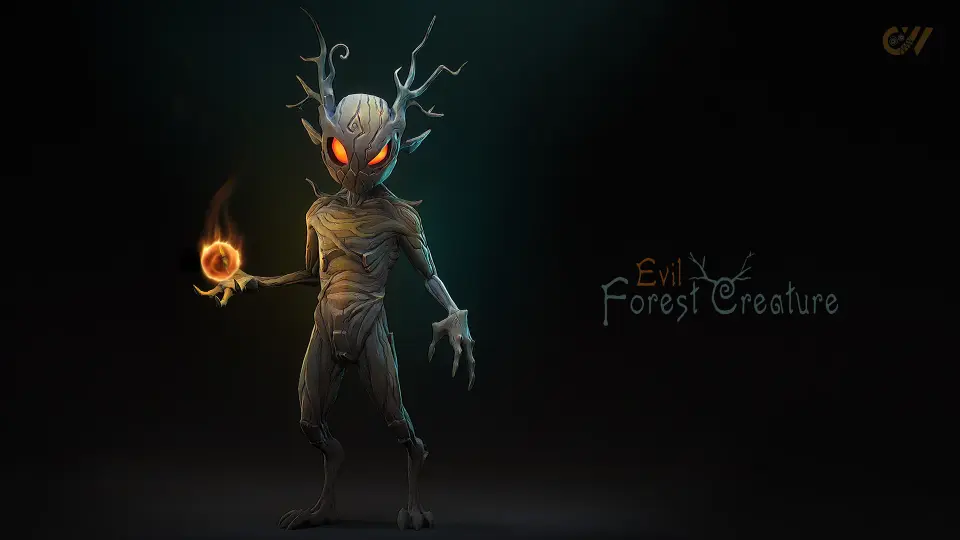
When a scene needs a hostile fantasy character without starting from a blank rigging and animation setup, Evil Forest Creature Fits that part of the pipeline directly. It is presented as a game-ready forest creature with an evil tone, and the asset also includes a ready control rig for projects that need animation work beyond whatever existing motions are already available.
That combination makes the asset most relevant in a workflow where the character has to move from placement to animation quickly. Instead of treating the creature as a static model, the setup points toward immediate use in a game context, with rigging support already in place and an animation blueprint named among its tags. The overall identity stays very clear: this is a stylized, wooden, magical forest monster rather than a neutral fantasy character that could be pushed in any direction.
Starting with a game-ready evil forest creature
The strongest practical detail here is the game-ready status. That places the character in the implementation stage rather than the concept stage. For a developer or artist assembling a forest encounter, enemy cast, or stylized fantasy scene, the creature arrives as something intended for direct production use.
The character theme is equally specific. Tags point to Character, Demon, Evil, Fantasy, Creature, Monster, Magic, and Forest. Alongside Wood And Wooden, those details frame the creature as a supernatural woodland threat rather than a generic beast. The handpainted and stylized tags reinforce that visual direction. In practice, that gives the asset a narrower but more useful identity: it belongs in scenes where an exaggerated fantasy look matters as much as the creature itself.
Using the grass blueprint switch in a scene
One of the clearest setup options is the note that grass can be turned off with blueprint. That small implementation detail matters because it affects how the creature reads in different shots and different gameplay spaces.
Grass attached to a character can contribute to its forest identity, making it feel like something grown out of the environment instead of simply placed inside it. At the same time, a production may need a cleaner outline, a different mood, or a less overgrown version of the same monster. The blueprint-based toggle gives that adjustment path without changing the creature’s core concept. In one scene, the grassy elements can support the sense of a living woodland horror. In another, turning them off can simplify the silhouette or shift the look toward a harsher wooden demon. The detail is narrow, but it speaks directly to implementation flexibility inside a level or character setup workflow.
Control rig for custom animation work
The asset includes a ready control rig, and that is one of its most useful production-facing features. It means the creature is not limited to being viewed only through a fixed presentation. If the existing animations are not enough, the rig is already there for creating your own.
This changes how the character can be used across a project. A forest monster often needs more than one behavior set: idle presence, attack timing, stalking movement, or scene-specific acting. The stated purpose of the ready control rig is exactly to cover that need when preset animation coverage does not fully match the project. That keeps the creature usable for teams or solo creators who want to push beyond the available motions and build animations that fit their own encounter design or cinematic timing. Since the tags also include Rig, Control, and Animationblueprint, the asset’s identity is not just visual. It is tied to a practical animation pipeline.
Animation preview and existing motion context
There is also an animation preview, which places the character in motion rather than treating it as a still-only creature design. Even without expanded technical breakdowns, the mention of existing animations matters because the control rig is positioned as the answer for cases where those existing ones are not enough.
That creates a two-layer usage pattern. First, the character can be approached as a ready animated creature. Second, it can become a custom animation subject when production needs change. This is a useful distinction for implementation, because it suggests a project can begin with what is already available and then move into custom work only when necessary. The asset therefore supports both immediate use and later adjustment without changing to another character.
Stylized wooden monster direction
Evil Forest Creature is tightly defined by its tags, and that makes the creative use case easier to read. This is not a general-purpose humanoid or an all-genre enemy. It is a stylized, handpainted, wooden forest monster with magical and demonic associations.
That combination gives it a specific place in visual development. The handpainted and stylized terms point toward a crafted fantasy look rather than realism. The wooden and grass-related details support a creature that feels physically connected to the forest. The demon, evil, and magic tags push the character away from a neutral nature spirit and toward something more threatening. Used together, those traits make the creature suited to hostile woodland scenes, dark fantasy encounters, and character lineups where a natural material base needs to carry an unmistakably sinister mood. The visual identity is focused enough that it can help define the tone of a scene instead of merely filling space in it.
What is included in the character setup, and what is not
The asset description makes one limitation clear: the VFX shown in preview material are not included. They are only Photoshop used for preview.
That is an important production note because it separates the character itself from the extra presentation treatment around it. The creature, the blueprint grass toggle, and the ready control rig are part of the usable setup described here. Visual effects seen in promotional imagery are not part of that package. For implementation, this means the character should be evaluated on its own model, rigging, animation-related setup, and stylistic theme rather than on any added atmospheric effects layered into preview visuals. In a real project, the creature fits as a game-ready animated fantasy monster with adjustable grass presentation and a control rig for custom motion work. It works best in a production that needs an evil forest presence already pointed toward practical character setup rather than one that begins and ends as a static creature concept.
 Characters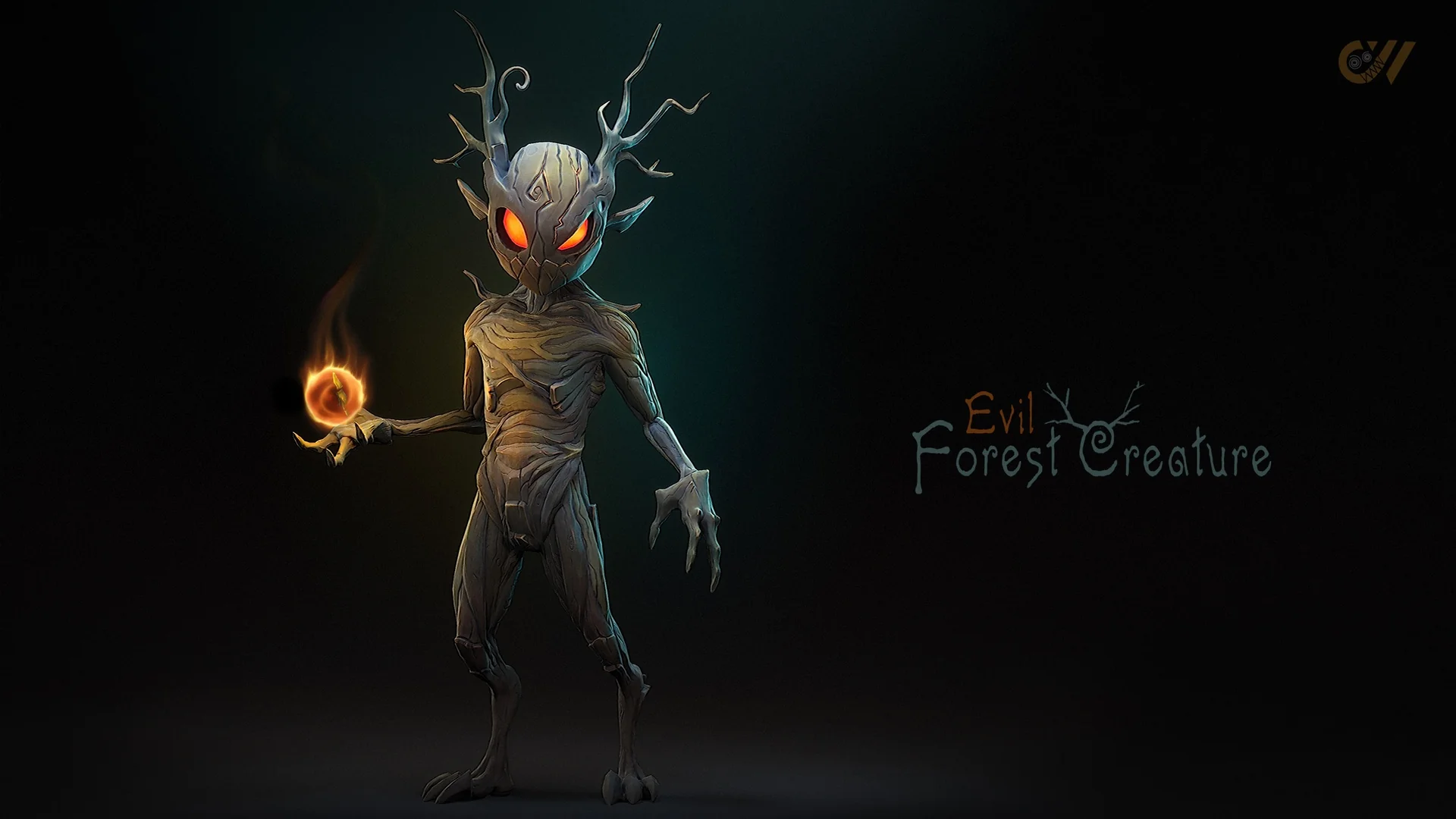
 Characters
 Characters
 Characters