"059e11fbf316ed56"{"id":"1001291","slug":"combat-magic-animations","title":"Combat Magic Animations","category":"Combat","engine":"5.6+","assetVersion":"","engineVersion":"Engine Version: 5.6+","tag":"Combat","accent":"blue","visual":"animation","summary":"Explore Combat Magic Animations: motion-capture spellcasting, levitation, and fireball attacks rigged for Epicskeleton, Mannequin, and MetaHuman.","platform":"Unreal Engine","publishedAt":"2026-10-01T14:40:33.091Z","updatedAt":"2026-10-01T14:40:33.091Z","sourceNotes":[],"fileContents":[],"compatibility":["Unreal Engine","Engine Version: 5.6+"],"featuredImage":{"alt":"Combat Magic Animations","src":"/wp-content/uploads/published/2026/10/d3f290c18e81-3ba0f522-78ae-4551-a66a-5ab112513774-baffa4f516.webp"},"hasDownloadLink":true,"downloads":0,"terms":[{"taxonomy":"category","slug":"combat","name":"Combat"}],"galleryImages":[{"src":"/wp-content/uploads/published/2026/10/6e1203fc7a7f-1ff6346f-cd33-49b6-bcab-58a8f93c37fa-8c34b01939.webp","alt":"Combat Magic Animations"},{"src":"/wp-content/uploads/published/2026/10/4e4062a27432-01268419-ec93-44b8-8917-60c63d4b3096-6f5dd5206a.webp","alt":"Combat Magic Animations"},{"src":"/wp-content/uploads/published/2026/10/43cb39061d30-6cdc5898-5d7d-4cd4-b67f-9904cb2d929f-b86812a61d.webp","alt":"Combat Magic Animations"},{"src":"/wp-content/uploads/published/2026/10/d23983b8c3bd-3574b54f-fd30-4bfa-b749-c0165b44fdf8-2e91c5ea56.webp","alt":"Combat Magic Animations"},{"src":"/wp-content/uploads/published/2026/10/947405a8c0f4-9423044a-bbc8-46fb-a677-1e83d796d566-ba57c64c63.webp","alt":"Combat Magic Animations"},{"src":"/wp-content/uploads/published/2026/10/0da3e036137a-99cc72c6-e0b6-4c6f-a8da-9059a35ad2f4-cb94072501.webp","alt":"Combat Magic Animations"},{"src":"/wp-content/uploads/published/2026/10/c174bcd1d195-4a246549-769b-4297-84c2-6fbf03061019-9bc4ac5298.webp","alt":"Combat Magic Animations"},{"src":"/wp-content/uploads/published/2026/10/ee4b8faaaa3b-4b5d25ac-3003-4f6a-b9bc-4ac40532ac78-b26409e5a4.webp","alt":"Combat Magic Animations"},{"src":"/wp-content/uploads/published/2026/10/c37dcfc24ccd-3e8e58fc-9af5-470e-a639-3a4b1eec85c2-9c69c62227.webp","alt":"Combat Magic Animations"},{"src":"/wp-content/uploads/published/2026/10/ef453d403aea-e16a0663-f5f0-45ad-a835-55a29b541e68-98b6ed9417.webp","alt":"Combat Magic Animations"}],"accessPanel":{"kind":"resource","title":"Download this resource","eyebrow":"Free Download","message":"Log in or create a free account to start your download.","fileName":"Content.7z","safetyNote":"Resources are manually reviewed before listing to improve quality and reduce obvious risks.","actionLabel":"Download Free","resourceType":"Resource archive"},"contentHtml":"\u003ch2\u003eImplementing Combat Magic Animations Across Epicskeleton and MetaHuman Rigs\u003c/h2\u003e\n\u003cp\u003eIntegrating spellcasting into an action RPG begins at the skeletal rig level. Combat Magic Animations targets common character structures, functioning directly with the Mannequin, Epicskeleton, and MetaHuman setups. Because these assets are fully rigged and recorded using optical motion capture, standard retargeting pipelines apply cleanly across different character proportions without breaking limb alignment or distorting the spine during complex body twists.\u003c/p\u003e\n\u003cp\u003eImplementing these assets into an animation blueprint requires mapping transition states between standard locomotive blends and active combat stances. The captured performances include realistic shifts in center of gravity, which prevents characters from floating unnaturally during heavy cast windups. When hooking these assets into state machines, developers can split the skeleton at the torso for upper-body casting or execute them as full-body root motion montages to let the recorded momentum drive character displacement across the ground.\u003c/p\u003e\n\u003cp\u003eSmooth blending is central to how these animations function. Transitions between idle combat poses, rapid defensive warding, and offensive casting rely on consistent lead-in and lead-out keyframes. This allows seamless transitions between consecutive magic strikes without snapping the arms or abruptly resetting hip rotation.\u003c/p\u003e \u003ch2\u003eMotion-Capture Spellcasting, Levitation, and Fireball Throws\u003c/h2\u003e\n\u003cp\u003eCapturing the physical exertion behind casting is essential for grounding fantasy combat. The motion capture in this library covers a wide variety of combat magic actions, ranging from sudden offensive attacks to sustained channeling. A primary component of the offensive toolkit is the fireball throw, animated with weight and follow-through that conveys the force required to launch a projectile. Rather than relying on simple hand gestures, these sequences recruit the legs, hips, and shoulders to sell the physical cost of casting.\u003c/p\u003e\n\u003cp\u003eLevitation animations introduce vertical variety into combat encounters. These sequences manage the shift from ground-based casting to airborne suspension, offering stable loops that work cleanly for hovering mages, aerial sorcery, or boss-phase transitions. The floating poses retain subtle residual body motion derived from the mocap performance, preventing the rigid, static look common in synthetic keyframed hovering.\u003c/p\u003e\n\u003cp\u003eSpellcasting actions cover both rapid strikes and elongated ritual animations. The pacing balances high-tempo combat responsiveness with a cinematic feel suited for real-time cutscenes or scripted gameplay moments. Attack animations are broken down into distinct activation phases, impact releases, and recovery states, making it straightforward to insert visual effect notifies, audio cues, and projectile spawning events precisely at the point of release.\u003c/p\u003e \u003ch2\u003eWeaponized Sorcery with Staff and Spellbook Animations\u003c/h2\u003e\n\u003cp\u003eSpellcaster combat often relies on dedicated focus items, and this collection provides motions adapted for staff wielding and spellbook manipulation. Casting with a staff demands distinct two-handed and single-handed stances that keep the weapon aligned with character momentum during battle. The staff sequences incorporate ground strikes, sweeping wards, and focused projectile directing, maintaining solid grip points that simplify socket attachment on Epicskeleton and MetaHuman meshes.\u003c/p\u003e\n\u003cp\u003eSpellbook animations require specialized hand articulation to handle active grimoires in the middle of a fight. The performances integrate book handling into casting cycles, managing open-page reading, quick page turns, and defensive postures where the tome serves as a warding conduit. These actions give wizard and mage classes an authentic academic yet combat-ready presence on the battlefield.\u003c/p\u003e\n\u003cp\u003eCharacters operating within darker fantasy archetypes benefit from witchcraft and sorcery animations that emphasize aggressive, kinetic body language. The movements diverge from traditional upright wizard poses, favoring low, predatory stances, erratic hand gesturing, and sharp directional releases. This variety enables clear visual differentiation between distinct character classes—such as disciplined wizards, primal witches, and aggressive battle mages—all within the same core animation set.\u003c/p\u003e \u003ch2\u003eTactical Defense, Witchcraft, and System Compatibility with Tavern Animations\u003c/h2\u003e\n\u003cp\u003eA complete magical combat system requires defensive utility as much as offensive capability. Combat Magic Animations supplies protective barriers, parrying motions, and reactionary defenses built to counter incoming melee and ranged attacks. Defensive casting sequences feature braced postures, shielding impacts, and rapid recovery frames, allowing gameplay programmers to implement responsive parry windows and reactive magic shield mechanics.\u003c/p\u003e\n\u003cp\u003eFor projects expanding beyond isolated combat encounters, the asset maintains ecosystem compatibility with Tavern Animations. This interoperability ensures that characters can switch from civilian, seated, or relaxed tavern interactions into full battle readiness without jarring stylistic contrasts. The consistent motion-capture basis preserves natural movement rhythms across both ambient and combat settings.\u003c/p\u003e\n\u003cp\u003eAs part of Combat Animations Bundle 2, this set fits into broader fantasy animation architectures. Whether orchestrating close-quarters witchcraft duels, wide-area fireball barrages, or airborne levitation sequences, the library provides the structural mocap foundation necessary for responsive, cinematic spellcasting.\u003c/p\u003e\n\n\u003ch2\u003eRelated Resources Worth Checking\u003c/h2\u003e\n\u003cul\u003e\n\u003cli\u003e\u003ca href=\"https://3dcghub.com/essential-magic-staff-animation-pack/\" title=\"Essential Magic Staff Animation Pack\"\u003eEssential Magic Staff Animation Pack\u003c/a\u003e\u003c/li\u003e\n\u003cli\u003e\u003ca href=\"https://3dcghub.com/boss-animations-pack/\" title=\"Boss Animations Pack\"\u003eBoss Animations Pack\u003c/a\u003e\u003c/li\u003e\n\u003cli\u003e\u003ca href=\"https://3dcghub.com/female-twinkatana/\" title=\"Female TwinKatana\"\u003eFemale TwinKatana\u003c/a\u003e\u003c/li\u003e\n\u003cli\u003e\u003ca href=\"https://3dcghub.com/big-zombie-animation-pack/\" title=\"Big Zombie Animation Pack\"\u003eBig Zombie Animation Pack\u003c/a\u003e\u003c/li\u003e\n\u003cli\u003e\u003ca href=\"https://3dcghub.com/ghostsamurai_katana/\" title=\"GhostSamurai_Katana\"\u003eGhostSamurai_Katana\u003c/a\u003e\u003c/li\u003e\n\u003c/ul\u003e","contentTextLength":5747,"navigation":{"current":6,"total":3238,"previous":{"id":"1001292","slug":"comic-book-cutscene","title":"Comic Book Cutscene","category":"Widgets \u0026 Controls","platform":"Unreal Engine","updatedAt":"2026-10-01T15:14:47.270Z"},"next":{"id":"1001290","slug":"turn-based-rpg-template","title":"Turn-Based RPG Template","category":"Game Systems","platform":"Unreal Engine","updatedAt":"2026-10-01T12:58:01.677Z"}},"relatedResources":[{"id":"1000599","slug":"essential-magic-staff-animation-pack","title":"Essential Magic Staff Animation Pack","category":"Combat","engine":"5.5+","assetVersion":"","engineVersion":"Engine Version: 5.5+","tag":"Combat","accent":"blue","visual":"animation","summary":"A magic staff combat animation pack with a playable character blueprint, Battle Mage stance, crouch, dash, levitating moves, and Enhanced Input for action RPGs.","platform":"Unreal Engine","publishedAt":"2026-07-18T14:03:25.510Z","updatedAt":"2026-07-18T14:03:25.510Z","sourceNotes":[],"fileContents":[],"compatibility":["Unreal Engine","Engine Version: 5.5+"],"featuredImage":{"alt":"Essential Magic Staff Animation Pack","src":"/wp-content/uploads/published/2026/07/28b6d90db916-861d0996-e5f9-41d1-a6d5-85fc2bfa5aea-05ac8e7fe4.webp"},"hasDownloadLink":true,"downloads":1},{"id":"5539","slug":"boss-animations-pack","title":"Boss Animations Pack","category":"Combat","engine":"5.0+","assetVersion":"Engine version: 5.0+","engineVersion":"5.0","tag":"Combat","accent":"blue","visual":"animation","summary":"Boost your game's combat with this professional Boss Animations Pack. Includes staff attacks, combos, and root motion for Unreal Engine's Epic Skeleton.","platform":"Unreal Engine","publishedAt":"2026-02-17T15:53:54.000Z","updatedAt":"2026-04-19T15:56:44.000Z","sourceNotes":[],"fileContents":[],"compatibility":["Unreal Engine","Engine version: 5.0+"],"featuredImage":{"alt":"Boss Animations Pack","src":"https://3dcghub.com/wp-content/uploads/2026/02/929bca9a-8be1-4e61-9abd-1dfece48f983.webp"},"hasDownloadLink":true,"downloads":4},{"id":"5639","slug":"female-twinkatana","title":"Female TwinKatana","category":"Combat","engine":"5.1+","assetVersion":"Engine version: 5.1+","engineVersion":"4.27","tag":"Combat","accent":"blue","visual":"animation","summary":"Enhance your game with over 150 professional female twin katana combat animations. Optimized for Unreal Engine 5, this pack includes FBX files and weapon meshes","platform":"Unreal Engine","publishedAt":"2026-02-17T16:17:36.000Z","updatedAt":"2026-04-19T15:56:43.000Z","sourceNotes":[],"fileContents":[],"compatibility":["Unreal Engine","Engine version: 5.1+"],"featuredImage":{"alt":"Female TwinKatana","src":"https://3dcghub.com/wp-content/uploads/2026/02/823aaf58-324a-4047-a7cc-d105682d3fd6.webp"},"hasDownloadLink":true,"downloads":3}]}
Combat
Combat Magic Animations
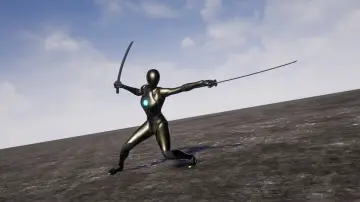
Explore Combat Magic Animations: motion-capture spellcasting, levitation, and fireball attacks rigged for Epicskeleton, Mannequin, and MetaHuman.
Category:Unreal Engine,CombatPlatform: Unreal EngineEngine Version: 5.6+Published: Oct 1, 2026
Combat
Resource overview
Implementing Combat Magic Animations Across Epicskeleton and MetaHuman Rigs
Integrating spellcasting into an action RPG begins at the skeletal rig level. Combat Magic Animations targets common character structures, functioning directly with the Mannequin, Epicskeleton, and MetaHuman setups. Because these assets are fully rigged and recorded using optical motion capture, standard retargeting pipelines apply cleanly across different character proportions without breaking limb alignment or distorting the spine during complex body twists.
Implementing these assets into an animation blueprint requires mapping transition states between standard locomotive blends and active combat stances. The captured performances include realistic shifts in center of gravity, which prevents characters from floating unnaturally during heavy cast windups. When hooking these assets into state machines, developers can split the skeleton at the torso for upper-body casting or execute them as full-body root motion montages to let the recorded momentum drive character displacement across the ground.
Smooth blending is central to how these animations function. Transitions between idle combat poses, rapid defensive warding, and offensive casting rely on consistent lead-in and lead-out keyframes. This allows seamless transitions between consecutive magic strikes without snapping the arms or abruptly resetting hip rotation.
Motion-Capture Spellcasting, Levitation, and Fireball Throws
Capturing the physical exertion behind casting is essential for grounding fantasy combat. The motion capture in this library covers a wide variety of combat magic actions, ranging from sudden offensive attacks to sustained channeling. A primary component of the offensive toolkit is the fireball throw, animated with weight and follow-through that conveys the force required to launch a projectile. Rather than relying on simple hand gestures, these sequences recruit the legs, hips, and shoulders to sell the physical cost of casting.
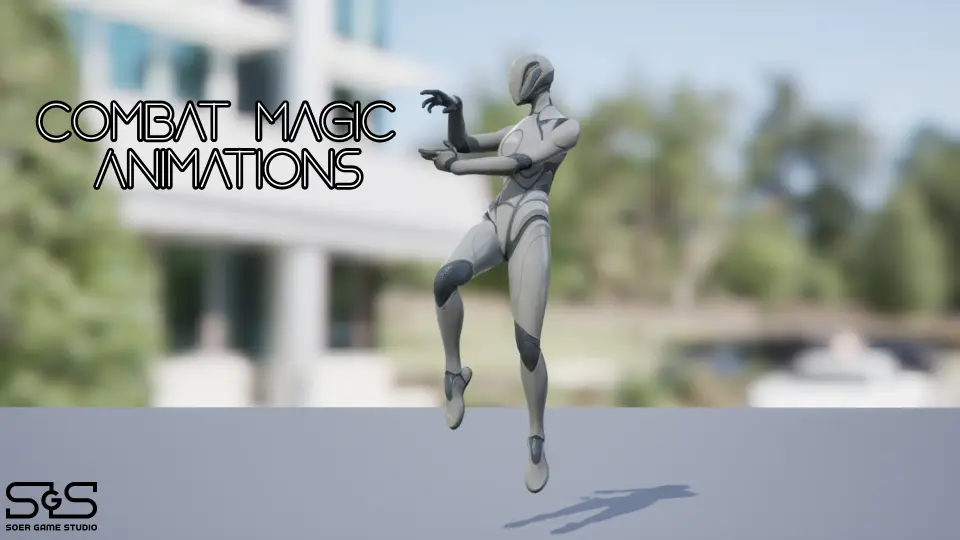
Levitation animations introduce vertical variety into combat encounters. These sequences manage the shift from ground-based casting to airborne suspension, offering stable loops that work cleanly for hovering mages, aerial sorcery, or boss-phase transitions. The floating poses retain subtle residual body motion derived from the mocap performance, preventing the rigid, static look common in synthetic keyframed hovering.
Spellcasting actions cover both rapid strikes and elongated ritual animations. The pacing balances high-tempo combat responsiveness with a cinematic feel suited for real-time cutscenes or scripted gameplay moments. Attack animations are broken down into distinct activation phases, impact releases, and recovery states, making it straightforward to insert visual effect notifies, audio cues, and projectile spawning events precisely at the point of release.
Weaponized Sorcery with Staff and Spellbook Animations
Spellcaster combat often relies on dedicated focus items, and this collection provides motions adapted for staff wielding and spellbook manipulation. Casting with a staff demands distinct two-handed and single-handed stances that keep the weapon aligned with character momentum during battle. The staff sequences incorporate ground strikes, sweeping wards, and focused projectile directing, maintaining solid grip points that simplify socket attachment on Epicskeleton and MetaHuman meshes.
Spellbook animations require specialized hand articulation to handle active grimoires in the middle of a fight. The performances integrate book handling into casting cycles, managing open-page reading, quick page turns, and defensive postures where the tome serves as a warding conduit. These actions give wizard and mage classes an authentic academic yet combat-ready presence on the battlefield.
Characters operating within darker fantasy archetypes benefit from witchcraft and sorcery animations that emphasize aggressive, kinetic body language. The movements diverge from traditional upright wizard poses, favoring low, predatory stances, erratic hand gesturing, and sharp directional releases. This variety enables clear visual differentiation between distinct character classes—such as disciplined wizards, primal witches, and aggressive battle mages—all within the same core animation set.
Tactical Defense, Witchcraft, and System Compatibility with Tavern Animations
A complete magical combat system requires defensive utility as much as offensive capability. Combat Magic Animations supplies protective barriers, parrying motions, and reactionary defenses built to counter incoming melee and ranged attacks. Defensive casting sequences feature braced postures, shielding impacts, and rapid recovery frames, allowing gameplay programmers to implement responsive parry windows and reactive magic shield mechanics.
For projects expanding beyond isolated combat encounters, the asset maintains ecosystem compatibility with Tavern Animations. This interoperability ensures that characters can switch from civilian, seated, or relaxed tavern interactions into full battle readiness without jarring stylistic contrasts. The consistent motion-capture basis preserves natural movement rhythms across both ambient and combat settings.
As part of Combat Animations Bundle 2, this set fits into broader fantasy animation architectures. Whether orchestrating close-quarters witchcraft duels, wide-area fireball barrages, or airborne levitation sequences, the library provides the structural mocap foundation necessary for responsive, cinematic spellcasting.
 Combat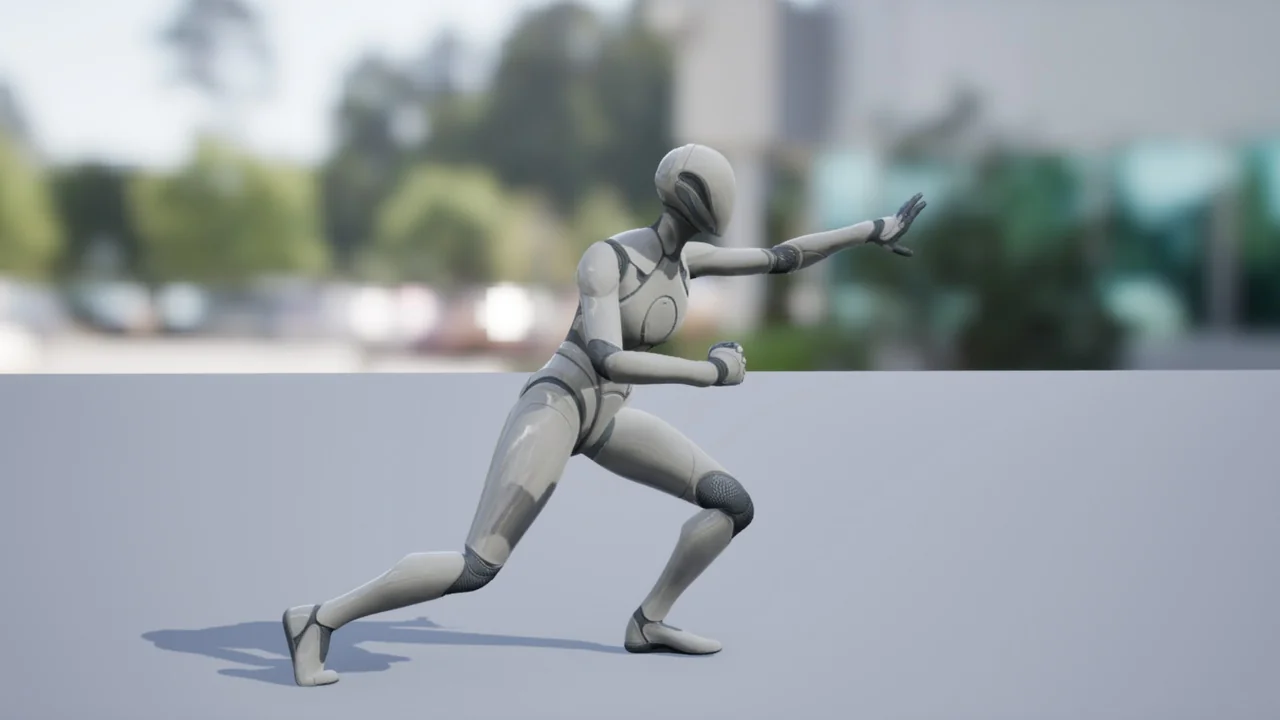
 Combat
 Combat
 Combat