"c68a05d5e51405b3"{"id":"1001868","slug":"character-wound-system","title":"Character Wound System","category":"Game Mechanics","engine":"4.25+,5.0+","assetVersion":"","engineVersion":"Engine Version: 4.25+,5.0+","tag":"Game Mechanics","accent":"blue","visual":"character","summary":"Explore the Character Wound System, a Blueprint-driven dynamic blood mask solution for animated and ragdoll characters using SceneCapture2D.","platform":"Unreal Engine","publishedAt":"2026-10-22T11:11:46.217Z","updatedAt":"2026-10-22T11:11:46.217Z","sourceNotes":[],"fileContents":[],"compatibility":["Unreal Engine","Engine Version: 4.25+,5.0+"],"featuredImage":{"alt":"Character Wound System","src":"/wp-content/uploads/published/2026/10/fb0505f31880-8a093cc9-b4c7-4270-8ae0-f3ffca50d615-fe1545b96a.webp"},"hasDownloadLink":true,"downloads":0,"terms":[{"taxonomy":"category","slug":"game-mechanics","name":"Game Mechanics"}],"galleryImages":[{"src":"/wp-content/uploads/published/2026/10/f36c7cbd7f78-9852140b-5c3f-42f8-837d-d166257d9dc8-62cb136c32.webp","alt":"Character Wound System"},{"src":"/wp-content/uploads/published/2026/10/2cede7241270-b607dbe2-f71d-4988-a6af-0f51ab6a8cf2-abc3f3a406.webp","alt":"Character Wound System"},{"src":"/wp-content/uploads/published/2026/10/74f39e16e3f0-bed012b6-1dc5-4c4e-bc4c-a51d11d0b2e8-f148cfb248.webp","alt":"Character Wound System"},{"src":"/wp-content/uploads/published/2026/10/9d3f1bec6d18-d6d2a9ad-d949-4121-9a67-1dac85db9a03-e717a631f5.webp","alt":"Character Wound System"},{"src":"/wp-content/uploads/published/2026/10/a2ebcc92421e-b8019fb7-30a8-4538-9b04-fb3352003182-4cb157b3e2.webp","alt":"Character Wound System"},{"src":"/wp-content/uploads/published/2026/10/1d8411b13c71-845fdcec-bbc3-4777-8dd1-2cff53f5a02d-68d8c95007.webp","alt":"Character Wound System"}],"accessPanel":{"kind":"resource","title":"Download this resource","eyebrow":"Free Download","message":"Log in or create a free account to start your download.","fileName":"Character Wound System.7z","safetyNote":"Resources are manually reviewed before listing to improve quality and reduce obvious risks.","actionLabel":"Download Free","resourceType":"Resource archive"},"contentHtml":"\u003cp\u003eIn horror experiences, shooter mechanics, and visceral melee encounters, static impact decals frequently break immersion when applied to living, moving targets. A character shifting from a hit reaction animation directly into a physics-driven fall needs continuous, accurate visual trauma that stays anchored to the body. Character Wound System addresses this exact problem space, translating ballistic impacts and melee strikes into localized surface wounds across skeletal meshes without locking developers into complex low-level engine rewrites.\u003c/p\u003e\u003ch2\u003eDynamic Hit Feedback in Animation and Ragdoll States\u003c/h2\u003e\u003cp\u003eCombat sequences in action and survival games demand fluid transitions between scripted motion and unscripted physics. Enemy models frequently switch from standard run cycles, strafes, or wind-up animations into full ragdoll states when knocked down, incapacitated, or eliminated. Maintaining accurate wound visuals across these rapid state shifts often complicates traditional decal projection methods.\u003c/p\u003e\u003cp\u003eCharacter Wound System supports full body damage mapping while the character is actively executing motion clips or tumbling in active ragdoll mode. Because the wounds map directly to the mesh rather than relying on floating scene-space components, bullet penetrations, blade slashes, and blunt force strikes remain locked to the specific limb or torso segment where the collision occurred. When a character collapses down an incline or gets thrown against obstacles, the previously applied damage traces maintain their visual position across the deforming mesh.\u003c/p\u003e\u003ch2\u003eThe Blueprint Architecture and SceneCapture2D Hit Rendering\u003c/h2\u003e\u003cp\u003eEngineering a dynamic wound layer often carries concerns about constant rendering overhead. Character Wound System avoids continuous per-tick texture regeneration by relying entirely on an event-driven Blueprint architecture paired with a SceneCapture2D component.\u003c/p\u003e\u003cp\u003eRather than running a continuous capture loop that drains GPU time, the SceneCapture2D component remains dormant until a hit event is registered. When an impact is triggered via collision or line trace, the system requests a new hit, fires the SceneCapture2D once to stamp the damage coordinate into the blood mask, and immediately stops capturing. When no new hits are being registered, the system introduces no extra performance cost and incurs no additional draw calls.\u003c/p\u003e\u003cp\u003eFor the underlying character material, the rendering cost remains lightweight. The character shader simply samples an additional texture map containing the generated blood mask, avoiding layered multi-pass mesh duplication or expensive post-process screen reads.\u003c/p\u003e\u003ch2\u003eBlood Mask Dilatation and Material Customization\u003c/h2\u003e\u003cp\u003eTexture seams represent one of the most visible challenges when baking projection hits directly onto unwrapped skeletal meshes. An impact falling along the boundary of a UV island can produce jagged cutoffs, unpainted borders, or visible artifacts along the inner arms, torso sides, or neck.\u003c/p\u003e\u003cp\u003eTo solve this, Character Wound System routes the generated capture through an additional step using Render Material to RenderTarget. This operation dilates the blood mask, expanding the pixel perimeter around each wound mark to bridge UV boundaries cleanly. As a result, surface wounds span naturally across seam splits without exposing the blank geometry beneath.\u003c/p\u003e\u003cp\u003eBecause the output of this pipeline is a standard grayscale or color texture mask, technical artists retain complete control over the final visual response. The mask can drive simple flat blood decals, or it can be plugged into advanced layered shaders to modulate normal map detail, wetness roughness levels, subsurface scattering, metallic values, and color tinting. Developers can easily build custom blood shaders that match the exact visual fidelity and art direction of their project.\u003c/p\u003e\u003ch2\u003eAuthoring Mesh UVs in External DCC Tools\u003c/h2\u003e\u003cp\u003eTo support full body damage without graphical cross-talk, the target 3D models require a specific UV configuration prior to being imported into the engine. Character Wound System requires a dedicated second UV channel—similar to a standard lightmap UV setup—that provides a non-overlapping unwrap of the entire character mesh.\u003c/p\u003e\u003cp\u003eIf a mesh uses overlapping UV shells to mirror texture resolution across symmetrical limbs, hits stamped onto the left arm would mirror identically onto the right arm. Setting up a non-overlapping second UV channel ensures that every surface coordinate on the character maps to a unique pixel address within the blood mask.\u003c/p\u003e\u003cp\u003ePreparing a character for the system involves unwrapping the secondary UV layout inside a dedicated digital content creation suite such as Blender or Autodesk Maya. Once an asset has a clean, non-overlapping channel assigned, the Blueprint logic reads that specific index to isolate every wound to its precise collision point.\u003c/p\u003e\u003ch2\u003eIntegration Profiles and Project Applicability\u003c/h2\u003e\u003cp\u003eBecause Character Wound System is built without C++ dependencies, it fits cleanly into lightweight indie pipelines and solo development setups where native compilation is not desired. Solo developers and small technical art teams working on horror titles, tactical shooters, or dark fantasy brawlers can incorporate dynamic injury reactions without rebuilding engine binaries or diagnosing low-level memory handling.\u003c/p\u003e\u003cp\u003eCreators who need visceral hit reactions on custom enemies, zombies, or player avatars gain an accessible damage pipeline that avoids runtime overhead during idle gameplay. Provided the production pipeline accounts for secondary UV unwrapping in DCC software, Character Wound System offers a direct, adaptable path to high-impact character damage.\u003c/p\u003e\n\n\u003ch2\u003eRelated Resources Worth Checking\u003c/h2\u003e\n\u003cul\u003e\n\u003cli\u003e\u003ca href=\"https://3dcghub.com/advanced-phone-system-v3-replicated/\" title=\"Advanced Phone System V3 Replicated\"\u003eAdvanced Phone System V3 Replicated\u003c/a\u003e\u003c/li\u003e\n\u003cli\u003e\u003ca href=\"https://3dcghub.com/rpg-soulslike-stats-system/\" title=\"RPG/Soulslike Stats System\"\u003eRPG/Soulslike Stats System\u003c/a\u003e\u003c/li\u003e\n\u003cli\u003e\u003ca href=\"https://3dcghub.com/uaim-advanced-lock-on-targeting-and-prediction-system/\" title=\"uAim - Advanced Lock-On Targeting and Prediction System\"\u003euAim - Advanced Lock-On Targeting and Prediction System\u003c/a\u003e\u003c/li\u003e\n\u003cli\u003e\u003ca href=\"https://3dcghub.com/trail-hunter-pro-footprints-and-tracks-with-multiplayer-and-worldpartition/\" title=\"Trail Hunter PRO - Footprints and Tracks with Multiplayer \u0026amp; WorldPartition\"\u003eTrail Hunter PRO - Footprints and Tracks with Multiplayer \u0026amp; WorldPartition\u003c/a\u003e\u003c/li\u003e\n\u003cli\u003e\u003ca href=\"https://3dcghub.com/envirosense-immersive-hand-ik/\" title=\"EnviroSense: Immersive Hand IK\"\u003eEnviroSense: Immersive Hand IK\u003c/a\u003e\u003c/li\u003e\n\u003c/ul\u003e","contentTextLength":5918,"navigation":{"current":57,"total":3860,"previous":{"id":"1001869","slug":"christmas-holiday","title":"Christmas Holiday","category":"Fantasy","platform":"Unreal Engine","updatedAt":"2026-10-22T11:12:29.358Z"},"next":{"id":"1001867","slug":"buttons-levers-knobs-a-customizable-puzzles-asset-pack","title":"Buttons, Levers, Knobs - A customizable puzzles asset-pack","category":"Tools, Objects \u0026 Decor","platform":"Unreal Engine","updatedAt":"2026-10-22T11:10:36.562Z"}},"relatedResources":[{"id":"1001298","slug":"advanced-phone-system-v3-replicated","title":"Advanced Phone System V3 Replicated","category":"Game Mechanics","engine":"5.1+","assetVersion":"","engineVersion":"Engine Version: 5.1+","tag":"Game Mechanics","accent":"blue","visual":"mech","summary":"Explore the Advanced Phone System V3 Replicated for Unreal Engine, featuring 15 Blueprints, multiplayer sync, NPC dialogue, and in-game smartphone apps.","platform":"Unreal Engine","publishedAt":"2026-10-02T06:00:01.725Z","updatedAt":"2026-10-02T06:00:01.725Z","sourceNotes":[],"fileContents":[],"compatibility":["Unreal Engine","Engine Version: 5.1+"],"featuredImage":{"alt":"Advanced Phone System V3 Replicated","src":"/wp-content/uploads/published/2026/10/085245bcd14e-a13d28d0-643a-4a32-bc84-d79f901d6112-a65bc3e443.webp"},"hasDownloadLink":true,"downloads":0},{"id":"10442","slug":"rpg-soulslike-stats-system","title":"RPG/Soulslike Stats System","category":"Game Mechanics","engine":"5.6+","assetVersion":"Engine version: 5.6+","engineVersion":"5.4","tag":"Game Mechanics","accent":"blue","visual":"character","summary":"Enhance your game's progression with the RPG/Soulslike Stats System. This modular resource allows developers to create complex character attributes and derived stats with ease.","platform":"Unreal Engine","publishedAt":"2026-03-03T15:24:21.000Z","updatedAt":"2026-04-19T15:50:02.000Z","sourceNotes":[],"fileContents":[],"compatibility":["Unreal Engine","Engine version: 5.6+"],"featuredImage":{"alt":"RPG/Soulslike Stats System","src":"https://3dcghub.com/wp-content/uploads/2026/03/80f9c12e-8a83-440c-a934-795958d44985.webp"},"hasDownloadLink":true,"downloads":0},{"id":"1000445","slug":"uaim-advanced-lock-on-targeting-and-prediction-system","title":"uAim - Advanced Lock-On Targeting and Prediction System","category":"Game Mechanics","engine":"5.7","assetVersion":"Asset Version: 1.0","engineVersion":"Engine Version: 5.7","tag":"Game Mechanics","accent":"blue","visual":"mech","summary":"uAim is a C++ lock-on targeting and movement prediction system for Unreal Engine, covering character camera lock-on, turrets, homing projectiles, and procedural","platform":"Unreal Engine","publishedAt":"2026-07-11T00:18:00.368Z","updatedAt":"2026-07-11T00:18:00.368Z","sourceNotes":[],"fileContents":[],"compatibility":["Unreal Engine","Asset Version: 1.0","Engine Version: 5.7"],"featuredImage":{"alt":"uAim - Advanced Lock-On Targeting and Prediction System","src":"/wp-content/uploads/published/2026/07/207da5fa5aa8-68d32af6-9231-4022-8483-b4902303679b-9fcd15de94.webp"},"hasDownloadLink":true,"downloads":0}]}
Game Mechanics
Character Wound System
Explore the Character Wound System, a Blueprint-driven dynamic blood mask solution for animated and ragdoll characters using SceneCapture2D.
Category:Unreal Engine,Game MechanicsPlatform: Unreal EngineEngine Version: 4.25+,5.0+Published: Oct 22, 2026
Game Mechanics
Resource overview
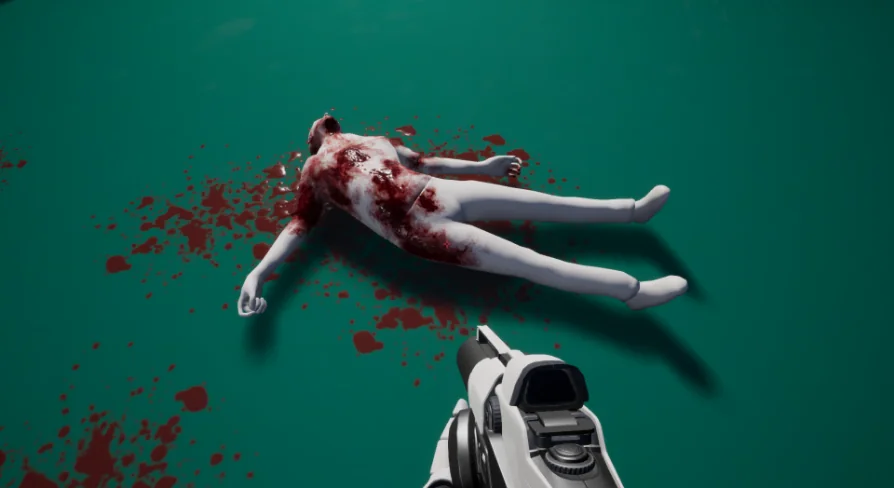
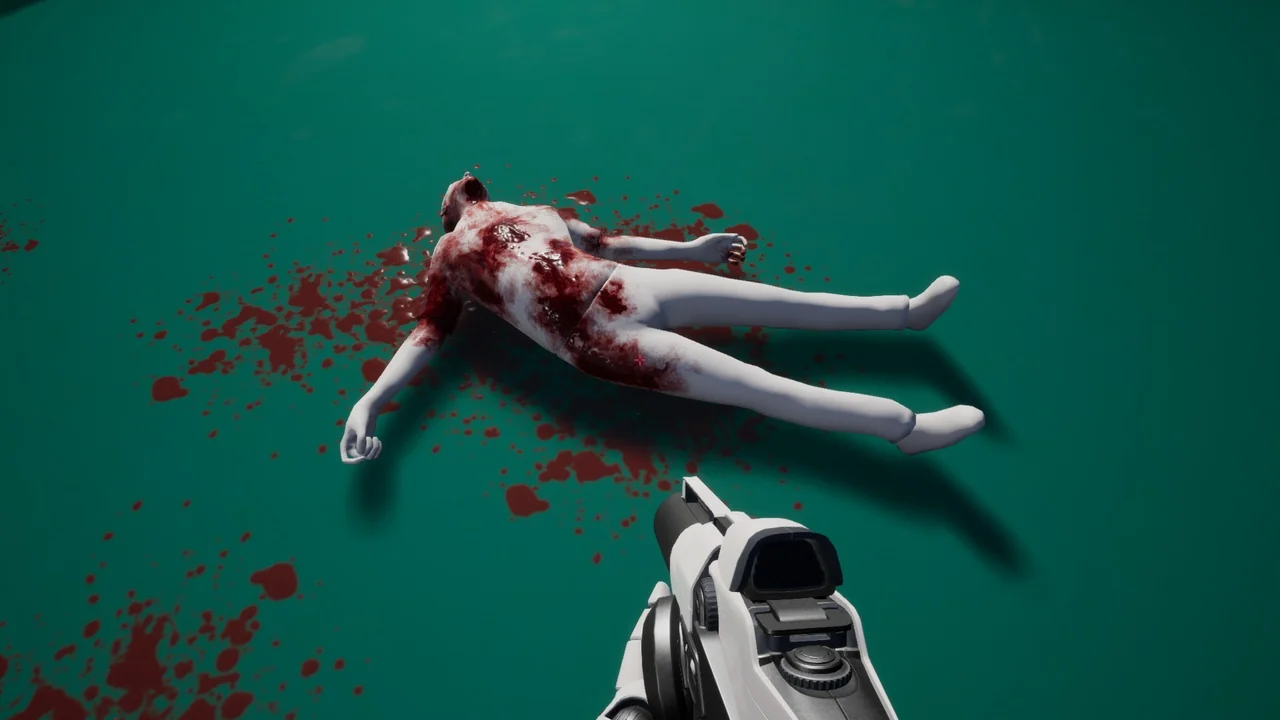
In horror experiences, shooter mechanics, and visceral melee encounters, static impact decals frequently break immersion when applied to living, moving targets. A character shifting from a hit reaction animation directly into a physics-driven fall needs continuous, accurate visual trauma that stays anchored to the body. Character Wound System addresses this exact problem space, translating ballistic impacts and melee strikes into localized surface wounds across skeletal meshes without locking developers into complex low-level engine rewrites.
Dynamic Hit Feedback in Animation and Ragdoll States
Combat sequences in action and survival games demand fluid transitions between scripted motion and unscripted physics. Enemy models frequently switch from standard run cycles, strafes, or wind-up animations into full ragdoll states when knocked down, incapacitated, or eliminated. Maintaining accurate wound visuals across these rapid state shifts often complicates traditional decal projection methods.
Character Wound System supports full body damage mapping while the character is actively executing motion clips or tumbling in active ragdoll mode. Because the wounds map directly to the mesh rather than relying on floating scene-space components, bullet penetrations, blade slashes, and blunt force strikes remain locked to the specific limb or torso segment where the collision occurred. When a character collapses down an incline or gets thrown against obstacles, the previously applied damage traces maintain their visual position across the deforming mesh.
The Blueprint Architecture and SceneCapture2D Hit Rendering
Engineering a dynamic wound layer often carries concerns about constant rendering overhead. Character Wound System avoids continuous per-tick texture regeneration by relying entirely on an event-driven Blueprint architecture paired with a SceneCapture2D component.
Rather than running a continuous capture loop that drains GPU time, the SceneCapture2D component remains dormant until a hit event is registered. When an impact is triggered via collision or line trace, the system requests a new hit, fires the SceneCapture2D once to stamp the damage coordinate into the blood mask, and immediately stops capturing. When no new hits are being registered, the system introduces no extra performance cost and incurs no additional draw calls.
For the underlying character material, the rendering cost remains lightweight. The character shader simply samples an additional texture map containing the generated blood mask, avoiding layered multi-pass mesh duplication or expensive post-process screen reads.
Blood Mask Dilatation and Material Customization
Texture seams represent one of the most visible challenges when baking projection hits directly onto unwrapped skeletal meshes. An impact falling along the boundary of a UV island can produce jagged cutoffs, unpainted borders, or visible artifacts along the inner arms, torso sides, or neck.
To solve this, Character Wound System routes the generated capture through an additional step using Render Material to RenderTarget. This operation dilates the blood mask, expanding the pixel perimeter around each wound mark to bridge UV boundaries cleanly. As a result, surface wounds span naturally across seam splits without exposing the blank geometry beneath.
Because the output of this pipeline is a standard grayscale or color texture mask, technical artists retain complete control over the final visual response. The mask can drive simple flat blood decals, or it can be plugged into advanced layered shaders to modulate normal map detail, wetness roughness levels, subsurface scattering, metallic values, and color tinting. Developers can easily build custom blood shaders that match the exact visual fidelity and art direction of their project.
Authoring Mesh UVs in External DCC Tools
To support full body damage without graphical cross-talk, the target 3D models require a specific UV configuration prior to being imported into the engine. Character Wound System requires a dedicated second UV channel—similar to a standard lightmap UV setup—that provides a non-overlapping unwrap of the entire character mesh.
If a mesh uses overlapping UV shells to mirror texture resolution across symmetrical limbs, hits stamped onto the left arm would mirror identically onto the right arm. Setting up a non-overlapping second UV channel ensures that every surface coordinate on the character maps to a unique pixel address within the blood mask.
Preparing a character for the system involves unwrapping the secondary UV layout inside a dedicated digital content creation suite such as Blender or Autodesk Maya. Once an asset has a clean, non-overlapping channel assigned, the Blueprint logic reads that specific index to isolate every wound to its precise collision point.
Integration Profiles and Project Applicability
Because Character Wound System is built without C++ dependencies, it fits cleanly into lightweight indie pipelines and solo development setups where native compilation is not desired. Solo developers and small technical art teams working on horror titles, tactical shooters, or dark fantasy brawlers can incorporate dynamic injury reactions without rebuilding engine binaries or diagnosing low-level memory handling.
Creators who need visceral hit reactions on custom enemies, zombies, or player avatars gain an accessible damage pipeline that avoids runtime overhead during idle gameplay. Provided the production pipeline accounts for secondary UV unwrapping in DCC software, Character Wound System offers a direct, adaptable path to high-impact character damage.
 Game Mechanics
 Game Mechanics
 Game Mechanics
 Game Mechanics