"a338a1d501976271"{"id":"1001337","slug":"cathedral-of-the-dead-victorian-cathedral-cathedral-church","title":"Cathedral Of The Dead (Victorian Cathedral, Cathedral, Church)","category":"Victorian","engine":"4.26+,5.0+","assetVersion":"","engineVersion":"Engine Version: 4.26+,5.0+","tag":"Victorian","accent":"blue","visual":"mech","summary":"Victorian cathedral environment pack featuring 42+ modular pieces, 20+ iconic meshes, vertex painting shaders, and tiling materials for dark fantasy scenes.","platform":"Unreal Engine","publishedAt":"2026-10-04T10:02:26.219Z","updatedAt":"2026-10-04T10:02:26.219Z","sourceNotes":[],"fileContents":[],"compatibility":["Unreal Engine","Engine Version: 4.26+,5.0+"],"featuredImage":{"alt":"Cathedral Of The Dead (Victorian Cathedral, Cathedral, Church)","src":"/wp-content/uploads/published/2026/10/34c3fd1d7fd8-4f37ff23-d25a-402c-9ca1-d8264a3a04b6-30ee99214a.webp"},"hasDownloadLink":true,"downloads":0,"terms":[{"taxonomy":"category","slug":"victorian","name":"Victorian"}],"galleryImages":[{"src":"/wp-content/uploads/published/2026/10/c6c45877bb62-9b598d03-3a57-4b6b-ad87-1f7b732ce4a8-e83419f8f9.webp","alt":"Cathedral Of The Dead (Victorian Cathedral, Cathedral, Church)"},{"src":"/wp-content/uploads/published/2026/10/c25f57415895-a4ca9ed4-a9ad-4697-915f-59af6bb18d0b-c924cf81d9.webp","alt":"Cathedral Of The Dead (Victorian Cathedral, Cathedral, Church)"},{"src":"/wp-content/uploads/published/2026/10/81d8d3b4d21a-4f721fd6-36e9-46e1-818c-d44117a00495-ac7caa7f22.webp","alt":"Cathedral Of The Dead (Victorian Cathedral, Cathedral, Church)"},{"src":"/wp-content/uploads/published/2026/10/4098a6a00962-8b20610e-5699-45cd-8177-d8db2999a02d-96568f585f.webp","alt":"Cathedral Of The Dead (Victorian Cathedral, Cathedral, Church)"},{"src":"/wp-content/uploads/published/2026/10/5d3976d5330f-81bddeef-24d3-423d-b08e-4a70a86d21cf-ee71921023.webp","alt":"Cathedral Of The Dead (Victorian Cathedral, Cathedral, Church)"},{"src":"/wp-content/uploads/published/2026/10/8982ec81db1a-52d36e42-fa85-4796-a3b8-e169903fc4cf-c831f8bea1.webp","alt":"Cathedral Of The Dead (Victorian Cathedral, Cathedral, Church)"},{"src":"/wp-content/uploads/published/2026/10/28b5f03a2dcc-d140435b-2fd9-4d42-a56f-bf96c056782d-7d0bd78062.webp","alt":"Cathedral Of The Dead (Victorian Cathedral, Cathedral, Church)"},{"src":"/wp-content/uploads/published/2026/10/509090989314-695cb580-b97d-4ad9-be58-a62702b78dea-46e5376400.webp","alt":"Cathedral Of The Dead (Victorian Cathedral, Cathedral, Church)"},{"src":"/wp-content/uploads/published/2026/10/9456d5b6a392-ff7fbb06-dde2-4244-98cf-2dd4c35ca584-3a68565d40.webp","alt":"Cathedral Of The Dead (Victorian Cathedral, Cathedral, Church)"},{"src":"/wp-content/uploads/published/2026/10/92695bc53c1e-db029267-9fad-4393-9ff1-41fccece2e9e-cd68c3c795.webp","alt":"Cathedral Of The Dead (Victorian Cathedral, Cathedral, Church)"}],"accessPanel":{"kind":"resource","title":"Download this resource","eyebrow":"Free Download","message":"Log in or create a free account to start your download.","fileName":"Content.7z","safetyNote":"Resources are manually reviewed before listing to improve quality and reduce obvious risks.","actionLabel":"Download Free","resourceType":"Resource archive"},"contentHtml":"\u003ch2\u003eArchitecture of the Cultist Temple Worshiping Azrael\u003c/h2\u003e\n\u003cp\u003eStepping into the environment immediately establishes a somber, threatening scale. The visual design depicts a cultist cathedral consecrated to Azrael, the angel of death, drawing structural and atmospheric cues from dark, challenging hack-and-slash titles. Rather than presenting a clean historical sanctuary, the setting merges classic Victorian architectural proportions with dramatic, surreal elements that suggest dark rituals and abandonment.\u003c/p\u003e\n\u003cp\u003eThe space balances realism and fantasy through its PBR implementation. Realistic masonry, timber framing, and arched entryways form the structural backbone, while macabre environmental storytelling shifts the space into horror. Cultist motifs, crypt-like layouts, and ruined hall arrangements communicate the presence of death throughout the interior. Because the proportions adhere to realistic architectural measurements, the surreal departures—such as bone-strewn features, religious iconography, and ritual sites—stand out sharply against the traditional Victorian stonework.\u003c/p\u003e \u003ch2\u003eBuilding with Modular Cathedral Pieces and Iconic Structural Meshes\u003c/h2\u003e\n\u003cp\u003eLevel composition is driven by a kit of more than 42 modular cathedral pieces. These elements permit designers to assemble expansive halls, narrow crypt passages, elevated naves, and towering sanctums from the ground up. Because the pieces conform to consistent structural rules, they are not locked strictly to a single church design; developers can reconfigure them to build alternative Victorian structures, tombs, or ruined dungeons.\u003c/p\u003e\n\u003cp\u003eTo prevent modular repetition across large-scale halls, the package includes more than 20 iconic unique meshes. These focal pieces serve as structural anchors, breaking up repetitive wall segments, archways, and colonnades. Accompanying these larger architectural volumes is a collection of fill-in props created to dress the scene, outfitting cold stone floors with narrative context, cult worship implements, and spatial clutter necessary to make the abandoned temple feel inhabited by death-worshiping acolytes.\u003c/p\u003e \u003ch2\u003eShaders, Vertex Painting, and Dynamic Material Instances\u003c/h2\u003e\n\u003cp\u003eSurfaces inside the cathedral rely on an adaptable shader setup designed to add layer variation directly within the editor. The master shader systems support two-material vertex painting, allowing environment artists to manually blend distinct surfaces across walls, steps, and columns to simulate dampness, weathering, or deterioration without relying on unique texture bakes.\u003c/p\u003e\n\u003cp\u003eThe customizable instanced materials are configured to support advanced surface dynamics, including:\u003c/p\u003e\n\u003cul\u003e\n\u003cli\u003eTessellation parameters for real geometric surface displacement.\u003c/li\u003e\n\u003cli\u003eSubsurface scattering to handle believable light transmission through specific organic or translucent props.\u003c/li\u003e\n\u003cli\u003eWind functions and vertex animation for hanging fabrics and dynamic decorative elements.\u003c/li\u003e\n\u003cli\u003eSpecialized glass shading for church windows and ornamental glazing.\u003c/li\u003e\n\u003c/ul\u003e\n\u003cp\u003eThese shader controls allow builders to tune how light and movement interact with the structural assets, matching different lighting conditions from moonlit crypts to torchlit sacrificial chambers.\u003c/p\u003e \u003ch2\u003eTiling Materials, Channel Architecture, and Decal Dressing\u003c/h2\u003e\n\u003cp\u003eSurface texturing is anchored by more than 15 tiling materials alongside designated trim sheets. The material library encompasses standard structural surfaces like wood, carved stone, and ornate floor tiles, alongside specialized organic textures such as fabric and bones. The trims and tileable maps are modular by design, meaning they can be adapted across secondary assets or used across outside environments within broader medieval, dungeon, or fantasy projects.\u003c/p\u003e\n\u003cp\u003eEvery tiling material is authored with a comprehensive set of texture maps to ensure physical fidelity under dynamic illumination. The channels include base color, normal maps, roughness, metalness, and ambient occlusion. Depending on the material requirements, instances also incorporate emissive masks for glowing runes or ritual fixtures, opacity masks, or custom masks configured for specialized blending. Across the environment, texel density is standardized at approximately 512 pixels per meter, maintaining consistent visual sharpness from ground-level paving up to high vaulted ceilings.\u003c/p\u003e\n\u003cp\u003eTo further disrupt clean surface tiling, blood decals and damage decals are provided. These allow level designers to project splatters, cracks, structural wear, and signs of violent desecration over stonework, steps, and altars, reinforcing the narrative tone of an active or abandoned cult site.\u003c/p\u003e \u003ch2\u003eScene Optimization, Collision, and Level Setup\u003c/h2\u003e\n\u003cp\u003eLarge modular scenes often create performance overhead if technical details are overlooked, but the assets here include customized lightmap UV layouts designed to bake clean, artifact-free static lighting across complex curved vaults and gothic traceries. Colliders are also customized per mesh, ensuring player navigation stays smooth around intricate pillars, railings, and elevated walkways without getting hung up on complex geometry.\u003c/p\u003e\n\u003cp\u003eThe pack comes complete with a pre-assembled, fully optimized cathedral scene. Inspired directly by the spatial density of the souls series, this showcase layout demonstrates how the 42+ modular pieces, iconic meshes, fill props, and decal layers intersect to form a playable level. For developers building Victorian horrors, dark medieval crypts, or grueling dungeon encounters, the setup demonstrates immediate structural scale while offering all the individual parts needed to construct customized temples of death.\u003c/p\u003e\n\n\u003ch2\u003eRelated Resources Worth Checking\u003c/h2\u003e\n\u003cul\u003e\n\u003cli\u003e\u003ca href=\"https://3dcghub.com/auge-mountaintop-observatory/\" title=\"Auge Mountaintop Observatory\"\u003eAuge Mountaintop Observatory\u003c/a\u003e\u003c/li\u003e\n\u003cli\u003e\u003ca href=\"https://3dcghub.com/the-abandoned-library/\" title=\"The Abandoned Library\"\u003eThe Abandoned Library\u003c/a\u003e\u003c/li\u003e\n\u003cli\u003e\u003ca href=\"https://3dcghub.com/sicka-mansion/\" title=\"SICKA MANSION\"\u003eSICKA MANSION\u003c/a\u003e\u003c/li\u003e\n\u003cli\u003e\u003ca href=\"https://3dcghub.com/florence-cathedral-pack-cathedral-environment-cathedral-cathedral-church-old/\" title=\"Florence Cathedral Pack ( Cathedral Environment Cathedral Cathedral Church Old )\"\u003eFlorence Cathedral Pack ( Cathedral Environment Cathedral Cathedral Church Old )\u003c/a\u003e\u003c/li\u003e\n\u003cli\u003e\u003ca href=\"https://3dcghub.com/cathedrals-churches/\" title=\"Cathedrals churches\"\u003eCathedrals churches\u003c/a\u003e\u003c/li\u003e\n\u003c/ul\u003e","contentTextLength":5792,"navigation":{"current":65,"total":3338,"previous":{"id":"1001338","slug":"concert-hall-environment","title":"Concert Hall - Environment","category":"Interior","platform":"Unreal Engine","updatedAt":"2026-10-04T10:03:28.324Z"},"next":{"id":"1001336","slug":"beach-island","title":"Beach Island","category":"Island","platform":"Unreal Engine","updatedAt":"2026-10-04T10:01:43.356Z"}},"relatedResources":[{"id":"1001163","slug":"auge-mountaintop-observatory","title":"Auge Mountaintop Observatory","category":"Victorian","engine":"5.2+","assetVersion":"","engineVersion":"Engine Version: 5.2+","tag":"Victorian","accent":"blue","visual":"mech","summary":"Technical breakdown of the Auge Mountaintop Observatory environment for Unreal Engine, covering Nanite foliage, master materials, and Lumen support.","platform":"Unreal Engine","publishedAt":"2026-09-11T14:10:48.446Z","updatedAt":"2026-09-11T14:10:48.446Z","sourceNotes":[],"fileContents":[],"compatibility":["Unreal Engine","Engine Version: 5.2+"],"featuredImage":{"alt":"Auge Mountaintop Observatory","src":"/wp-content/uploads/published/2026/09/0c65b7aa82d4-ca18a121-ba99-4635-ab99-6a85c43a0203-928d2f0860.webp"},"hasDownloadLink":true,"downloads":3},{"id":"1000388","slug":"the-abandoned-library","title":"The Abandoned Library","category":"Victorian","engine":"5.1+","assetVersion":"","engineVersion":"Engine Version: 5.1+","tag":"Victorian","accent":"blue","visual":"mech","summary":"Build eerie, neglected environments with 80+ PBR library props, featuring custom dirt materials, runtime stacking Blueprints, and real-time clock mechanics.","platform":"Unreal Engine","publishedAt":"2026-07-07T14:29:08.766Z","updatedAt":"2026-07-07T14:29:08.766Z","sourceNotes":[],"fileContents":[],"compatibility":["Unreal Engine","Engine Version: 5.1+"],"featuredImage":{"alt":"The Abandoned Library","src":"/wp-content/uploads/published/2026/07/de984685fb55-197e4358-4440-421e-b5d7-d644942f922e-005844a0ad.webp"},"hasDownloadLink":true,"downloads":1},{"id":"1000678","slug":"sicka-mansion","title":"SICKA MANSION","category":"Victorian","engine":"5.2+","assetVersion":"","engineVersion":"Engine Version: 5.2+","tag":"Victorian","accent":"blue","visual":"mech","summary":"SICKA MANSION delivers a full Victorian horror environment with nearly 200 props, character system, object inspection, hybrid lighting, and Niagara particles fo","platform":"Unreal Engine","publishedAt":"2026-07-22T14:53:18.949Z","updatedAt":"2026-07-22T14:53:18.949Z","sourceNotes":[],"fileContents":[],"compatibility":["Unreal Engine","Engine Version: 5.2+"],"featuredImage":{"alt":"SICKA MANSION","src":"/wp-content/uploads/published/2026/07/fa310693b10c-f45a39a2-9014-4980-bf08-dffeba55ee22-3178646f95.webp"},"hasDownloadLink":true,"downloads":0}]}
Victorian
Cathedral Of The Dead (Victorian Cathedral, Cathedral, Church)
Victorian cathedral environment pack featuring 42+ modular pieces, 20+ iconic meshes, vertex painting shaders, and tiling materials for dark fantasy scenes.
Category:Unreal Engine,VictorianPlatform: Unreal EngineEngine Version: 4.26+,5.0+Published: Oct 4, 2026
Victorian
Resource overview
Architecture of the Cultist Temple Worshiping Azrael
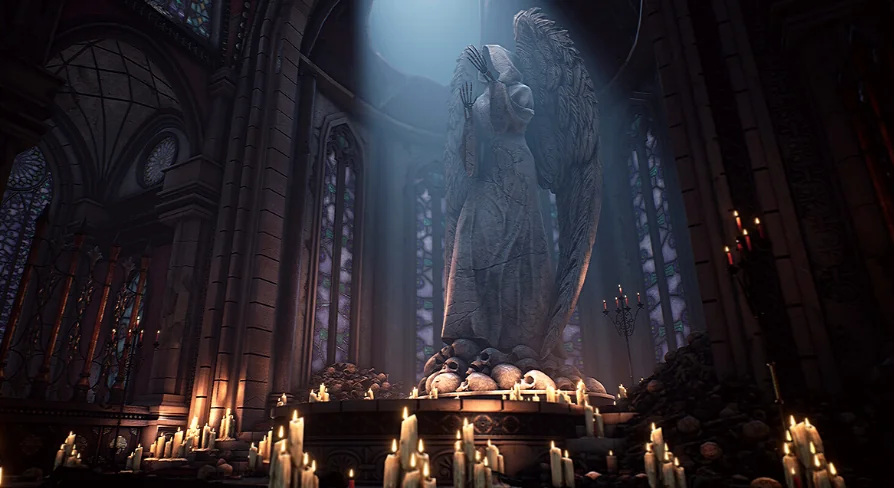
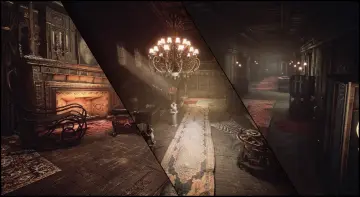
Stepping into the environment immediately establishes a somber, threatening scale. The visual design depicts a cultist cathedral consecrated to Azrael, the angel of death, drawing structural and atmospheric cues from dark, challenging hack-and-slash titles. Rather than presenting a clean historical sanctuary, the setting merges classic Victorian architectural proportions with dramatic, surreal elements that suggest dark rituals and abandonment.
The space balances realism and fantasy through its PBR implementation. Realistic masonry, timber framing, and arched entryways form the structural backbone, while macabre environmental storytelling shifts the space into horror. Cultist motifs, crypt-like layouts, and ruined hall arrangements communicate the presence of death throughout the interior. Because the proportions adhere to realistic architectural measurements, the surreal departures—such as bone-strewn features, religious iconography, and ritual sites—stand out sharply against the traditional Victorian stonework.
Building with Modular Cathedral Pieces and Iconic Structural Meshes
Level composition is driven by a kit of more than 42 modular cathedral pieces. These elements permit designers to assemble expansive halls, narrow crypt passages, elevated naves, and towering sanctums from the ground up. Because the pieces conform to consistent structural rules, they are not locked strictly to a single church design; developers can reconfigure them to build alternative Victorian structures, tombs, or ruined dungeons.
To prevent modular repetition across large-scale halls, the package includes more than 20 iconic unique meshes. These focal pieces serve as structural anchors, breaking up repetitive wall segments, archways, and colonnades. Accompanying these larger architectural volumes is a collection of fill-in props created to dress the scene, outfitting cold stone floors with narrative context, cult worship implements, and spatial clutter necessary to make the abandoned temple feel inhabited by death-worshiping acolytes.
Shaders, Vertex Painting, and Dynamic Material Instances
Surfaces inside the cathedral rely on an adaptable shader setup designed to add layer variation directly within the editor. The master shader systems support two-material vertex painting, allowing environment artists to manually blend distinct surfaces across walls, steps, and columns to simulate dampness, weathering, or deterioration without relying on unique texture bakes.
The customizable instanced materials are configured to support advanced surface dynamics, including:
Tessellation parameters for real geometric surface displacement.
Subsurface scattering to handle believable light transmission through specific organic or translucent props.
Wind functions and vertex animation for hanging fabrics and dynamic decorative elements.
Specialized glass shading for church windows and ornamental glazing.
These shader controls allow builders to tune how light and movement interact with the structural assets, matching different lighting conditions from moonlit crypts to torchlit sacrificial chambers.
Tiling Materials, Channel Architecture, and Decal Dressing
Surface texturing is anchored by more than 15 tiling materials alongside designated trim sheets. The material library encompasses standard structural surfaces like wood, carved stone, and ornate floor tiles, alongside specialized organic textures such as fabric and bones. The trims and tileable maps are modular by design, meaning they can be adapted across secondary assets or used across outside environments within broader medieval, dungeon, or fantasy projects.
Every tiling material is authored with a comprehensive set of texture maps to ensure physical fidelity under dynamic illumination. The channels include base color, normal maps, roughness, metalness, and ambient occlusion. Depending on the material requirements, instances also incorporate emissive masks for glowing runes or ritual fixtures, opacity masks, or custom masks configured for specialized blending. Across the environment, texel density is standardized at approximately 512 pixels per meter, maintaining consistent visual sharpness from ground-level paving up to high vaulted ceilings.
To further disrupt clean surface tiling, blood decals and damage decals are provided. These allow level designers to project splatters, cracks, structural wear, and signs of violent desecration over stonework, steps, and altars, reinforcing the narrative tone of an active or abandoned cult site.
Scene Optimization, Collision, and Level Setup
Large modular scenes often create performance overhead if technical details are overlooked, but the assets here include customized lightmap UV layouts designed to bake clean, artifact-free static lighting across complex curved vaults and gothic traceries. Colliders are also customized per mesh, ensuring player navigation stays smooth around intricate pillars, railings, and elevated walkways without getting hung up on complex geometry.
The pack comes complete with a pre-assembled, fully optimized cathedral scene. Inspired directly by the spatial density of the souls series, this showcase layout demonstrates how the 42+ modular pieces, iconic meshes, fill props, and decal layers intersect to form a playable level. For developers building Victorian horrors, dark medieval crypts, or grueling dungeon encounters, the setup demonstrates immediate structural scale while offering all the individual parts needed to construct customized temples of death.
 Victorian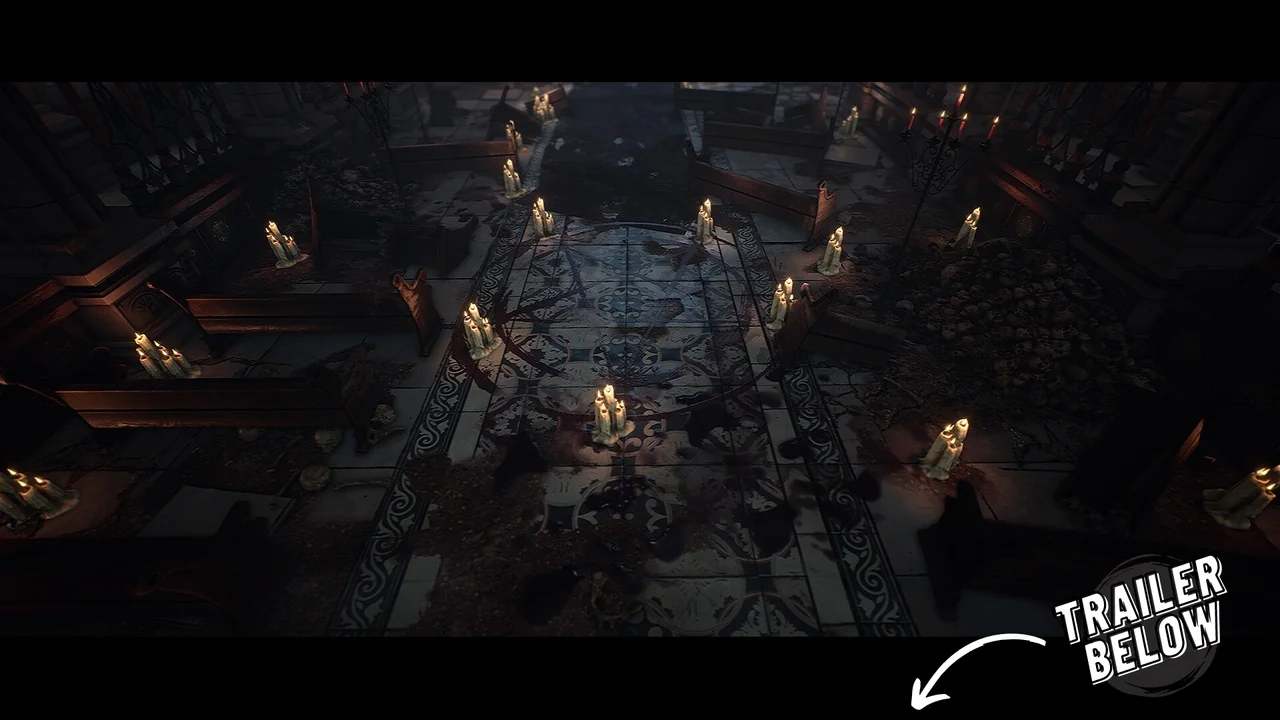
 Victorian
 Victorian
 Victorian