Introduction to ZXing For Unreal
ZXing For Unreal provides a robust solution for developers looking to implement scanning features within their applications. This plugin streamlines the process of extracting digital information from visual markers. By focusing on core scanning mechanics, it offers a reliable way to handle various code formats. This tool is specifically designed for the Unreal Engine ecosystem to ensure seamless integration into existing workflows.
Advanced Texture Reading Capabilities
The core strength of ZXing For Unreal lies in its ability to process specific Unreal Engine texture classes. It identifies barcode or QR code information from standard texture assets. Specifically, it supports UTexture2D, which is the standard format for static images. Moreover, the plugin extends its functionality to UTextureRenderTarget2D. This means it can interpret codes from dynamic textures generated during runtime.
Consequently, developers can capture live data from the game world and process it instantly. This dual support ensures that the tool is versatile enough for many different use cases. Whether you are working with static UI elements or dynamic in-game cameras, the plugin maintains its performance. As a result, the scanning process remains consistent across different asset types.
Seamless Decoding into Text
Once the plugin identifies a code within a texture, it initiates the decoding sequence. This process translates the visual patterns of a barcode or QR code into a standard text string. As a result, developers can use this text for various gameplay mechanics or data management tasks. Because the decoding happens directly within the plugin environment, it maintains a high level of efficiency.
Furthermore, the transition from image to string is handled automatically. Therefore, the complexity of manual data translation is completely removed from the developer’s workload. This automation allows teams to focus on how to use the decoded data rather than how to retrieve it. By simplifying the conversion, the plugin saves valuable development time.
Practical Development Resources
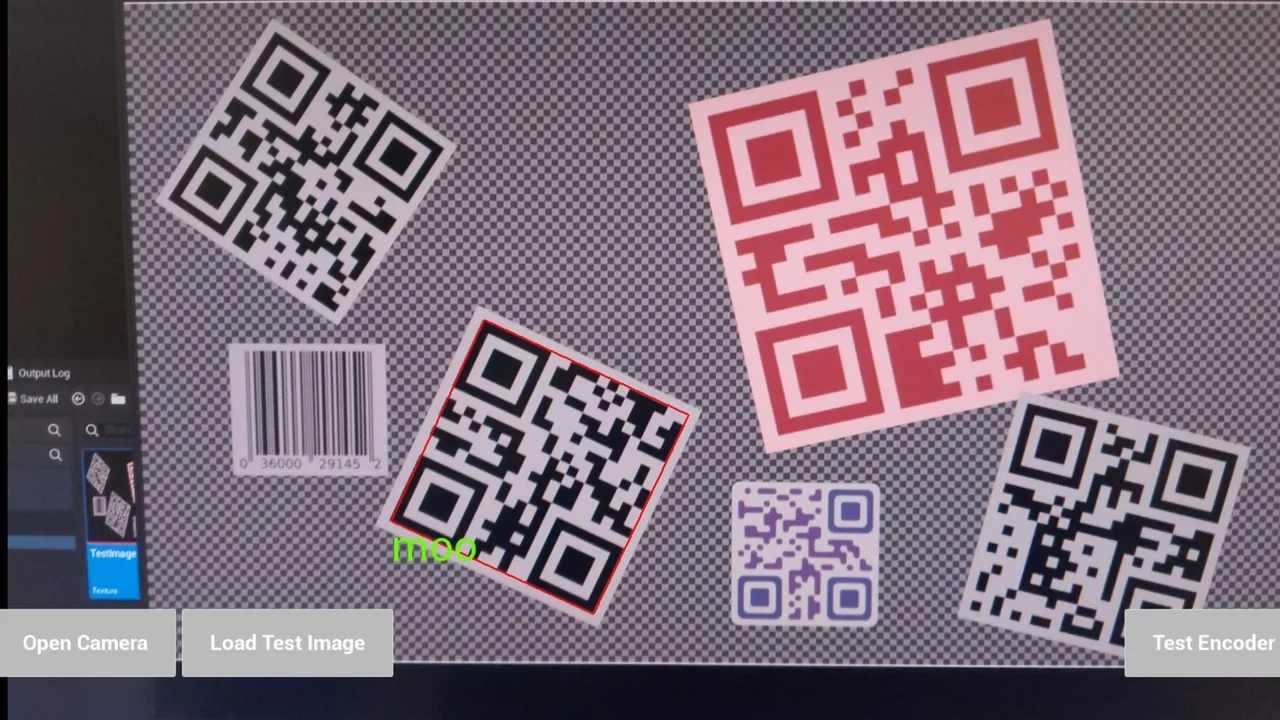
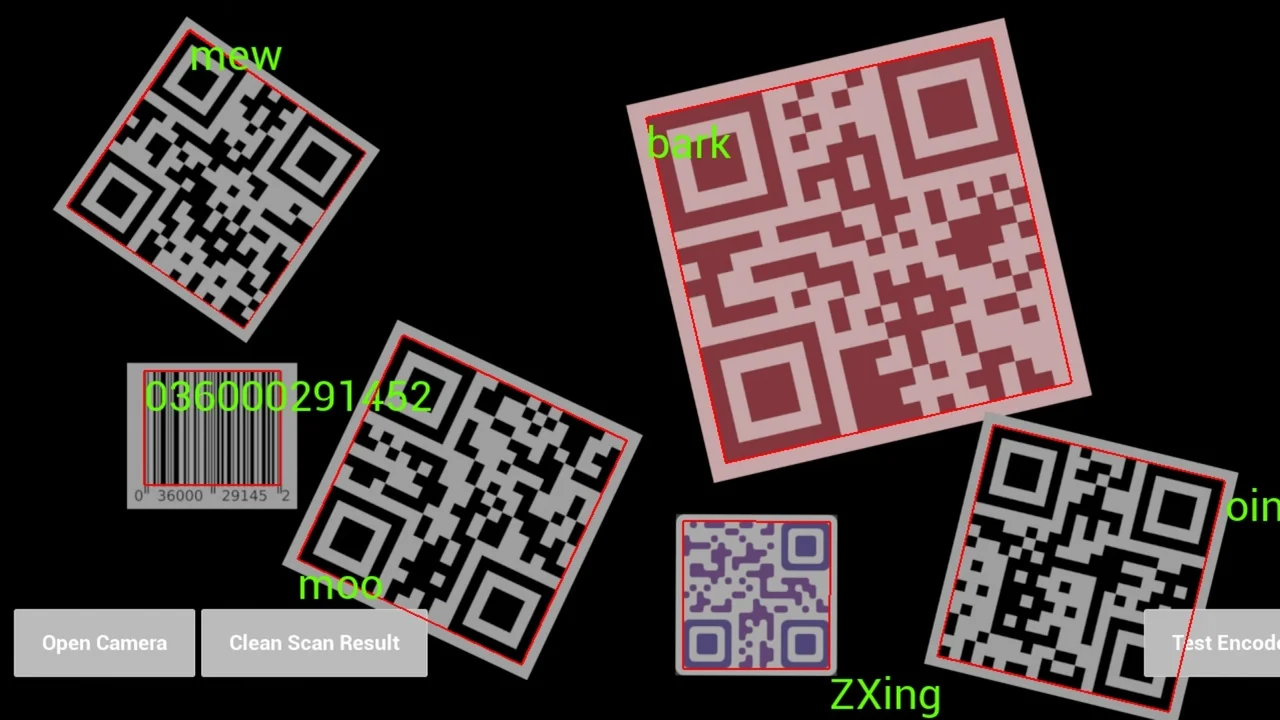
To facilitate a smooth integration process, the developer has included several helpful resources. A functional demo is available to illustrate how the plugin operates in a live environment. By exploring this demo, users can see the scanning logic in action. Additionally, detailed documentation is provided to answer technical questions. This documentation explains how to set up the system and interact with the texture inputs.
Therefore, setting up the scanner becomes a predictable and manageable task for any team. Having these resources ensures that users can maximize the potential of ZXing For Unreal without unnecessary delays. The combination of a working demo and clear instructions reduces the learning curve significantly. Consequently, developers can deploy scanning features with higher confidence.
Enhancing Project Functionality
Integrating ZXing For Unreal into a project allows for sophisticated interaction with visual codes. Since it supports both static and render-target textures, it fits into many different workflows. For instance, a player could scan an item in the game world, and the plugin would decode the data instantly. Furthermore, the ability to handle UTextureRenderTarget2D opens possibilities for in-game camera systems or UI-based scanners.
This flexibility makes it a valuable addition to any developer’s toolkit. By using this tool, you can bridge the gap between visual assets and digital data. The plugin provides the necessary infrastructure to handle complex scanning requirements. Overall, it is a focused utility that performs its primary task with precision.
Conclusion
ZXing For Unreal is a dedicated tool for reading and decoding visual codes. It bridges the gap between raw texture data and usable text strings. By utilizing the provided demo and documentation, developers can quickly implement these features. Overall, this plugin provides a straightforward path for adding barcode and QR code functionality to any Unreal Engine project.
Screenshots & Gallery