"d33c94b0a941547b"{"id":"1002743","slug":"venice-fast-building","title":"Venice - fast building","category":"Cities","engine":"5.0+","assetVersion":"","engineVersion":"Engine Version: 5.0+","tag":"Cities","accent":"blue","visual":"mech","summary":"Construct realistic Italian waterways and architecture using procedural generation and modular blueprints in Venice - fast building.","platform":"Unreal Engine","indexPolicy":"index","publishedAt":"2026-11-19T06:42:43.003Z","updatedAt":"2026-11-19T06:42:43.003Z","sourceNotes":[],"fileContents":[],"compatibility":["Unreal Engine","Engine Version: 5.0+"],"featuredImage":{"alt":"Venice - fast building","src":"/wp-content/uploads/published/2026/11/4f7edf3d3714-80e2fd26-9e4d-4f29-8254-547a3dfc335b-e073acd831.webp"},"fileSizeBytes":684054831,"hasDownloadLink":true,"downloads":0,"terms":[{"taxonomy":"category","slug":"cities","name":"Cities"}],"galleryImages":[{"src":"/wp-content/uploads/published/2026/11/abb170a40be6-8660e406-d402-4c46-b085-b8a6cb0de5d2-c1dd9e4b32.webp","alt":"Venice - fast building"},{"src":"/wp-content/uploads/published/2026/11/29afc6e79a4e-74fe5d68-db69-43b4-85f4-9e7bd41fdefc-ddf9431ef8.webp","alt":"Venice - fast building"},{"src":"/wp-content/uploads/published/2026/11/3bbcbaf2838d-53cd437a-9b8e-4915-85f1-da19dbdc0596-253386b1e4.webp","alt":"Venice - fast building"},{"src":"/wp-content/uploads/published/2026/11/52a3015da418-f7a9a030-6ab6-4e0b-b8c8-faa6703a52d5-ee70fa7912.webp","alt":"Venice - fast building"},{"src":"/wp-content/uploads/published/2026/11/7f53d44aaa11-3373bee0-23a8-42f2-bcea-f3b6ec27e608-dc6ce092c1.webp","alt":"Venice - fast building"},{"src":"/wp-content/uploads/published/2026/11/992323a54bf9-ae0748b3-099f-4ca6-abde-7ef81a451288-201a8364e4.webp","alt":"Venice - fast building"},{"src":"/wp-content/uploads/published/2026/11/03193f3113de-1e9b4e58-a063-4df9-88d0-67230611455d-976854da84.webp","alt":"Venice - fast building"},{"src":"/wp-content/uploads/published/2026/11/28df1f5cf028-350cb991-0f6e-49b1-9268-714d2c857015-d8fc94c312.webp","alt":"Venice - fast building"},{"src":"/wp-content/uploads/published/2026/11/6a7b1b37ede3-443941bc-c45d-4601-81a1-f73ef7a5e2d2-8ce30ce464.webp","alt":"Venice - fast building"},{"src":"/wp-content/uploads/published/2026/11/2a90c80d2087-252775d4-a5b7-40b0-bb31-83d22eb2c9f0-ac93e77d53.webp","alt":"Venice - fast building"}],"accessPanel":{"kind":"resource","title":"Get this resource","safetyNote":"Resources are manually reviewed before listing to improve quality and reduce obvious risks.","fileName":"Content.7z","resourceType":"Resource archive","versions":[]},"contentHtml":"\u003ch2\u003eRapid Procedural Building Generation with PB_building\u003c/h2\u003e\n\u003cp\u003eDensely packed historical cityscapes demand immense amounts of distinct geometry, varied silhouettes, and textured surfaces. Setting up realistic Italian urban environments, particularly historical waterfront districts, presents a difficult logistical challenge when every wall, sill, and storefront must be hand-placed. The toolkit approaches this challenge through two distinct workflows: fully automated procedural layout and detailed modular assembly.\u003c/p\u003e\n\u003cp\u003eAt the center of the rapid-iteration workflow is PB_building. Placing this blueprint into a level via drag-and-drop triggers an automatic generation routine that populates complete, realistic architectural forms without manual brick-by-brick construction. Instead of requiring artists to manually position base floors, upper wall facades, window placements, and roof caps, the blueprint assembles a finished, randomized structure immediately upon placement in the scene viewport.\u003c/p\u003e\n\u003cp\u003eThis automated procedural approach proves especially valuable when filling wide urban backdrops, mid-ground streetscapes, and dense canal borders where dozens of buildings must share a cohesive architectural style while maintaining sufficient visual variation. Rather than duplicating static meshes that produce repetitive visual patterns across a skyline, the procedural logic introduces variety automatically across successive building placements.\u003c/p\u003e \u003ch2\u003eGranular Control Using Modular Venice Building Blueprints\u003c/h2\u003e\n\u003cp\u003eProcedural generation works well for broad urban scale, but narrative areas, player-accessible paths, and hero vistas require pinpoint art direction. When pure randomization yields an arrangement that conflicts with gameplay navigation or specific staging requirements, the toolkit offers dedicated modular blueprints to construct architectural elements piece by piece.\u003c/p\u003e\n\u003cp\u003eIndividual facade construction relies on three core blueprints separated by vertical tier: BP_first_floor, BP_wall, and BP_roof. Each component addresses specific functional needs associated with historical architecture along streets and waterfronts.\u003c/p\u003e\n\u003cp\u003eBP_first_floor handles street-level and canal-level interactions. This blueprint configures realistic entry points through selectable doorways, ground-floor windows, and localized storefronts. Using storefront options allows level designers to alternate between residential access points and lively street-side commerce, grounding the bottom edge of any structure.\u003c/p\u003e\n\u003cp\u003eBP_wall controls the upper levels of the structure. Rather than generating plain flat surfaces, it exposes detailed facade variations necessary for historical realism. The blueprint allows users to generate windows equipped with awnings, classic window sills, decorative railings, and localized leak decals that mimic rainwater runoff and moisture weathering. For facades requiring more dimensional depth, BP_wall also supports window assemblies integrated directly with protruding balconies.\u003c/p\u003e\n\u003cp\u003eBP_roof crowns the structure, providing the appropriate cap to finish the vertical assembly. By stacking BP_first_floor, custom instances of BP_wall, and BP_roof, designers retain complete authority over floor counts, window spacing, facade wear, and structural silhouette while preserving the same material and geometric quality found in the automated generators.\u003c/p\u003e \u003ch2\u003eConstructing Venice Canals and Waterway Infrastructure\u003c/h2\u003e\n\u003cp\u003eAuthentic Italian waterfront environments require believable water channels framed by masonry embankments. BP_canals provides a specialized spline-based solution dedicated to constructing these waterway borders throughout a level.\u003c/p\u003e\n\u003cp\u003eBy routing the spline along designated channel pathways, artists can draw out stone canal walls that match the winding curves of historical city centers. The spline system handles variable embankment geometry, including the integration of steps descending directly into the water. Adding steps to the canal wall is handled inside the blueprint parameters under the steps category. Clicking the plus icon introduces a new array element; once expanded, the settings permit fine-tuning the placement, dimension, and configuration of stairs leading down toward the water surface.\u003c/p\u003e\n\u003cp\u003eEdge protection along these embankments is similarly customizable. BP_canals allows users to select between different railing styles along the upper ledge of the canal wall, or omit railings entirely to produce open docks and stone quays where small craft can pull flush against the stone.\u003c/p\u003e \u003ch2\u003eWaterline Rendering and Secondary Level Dressing\u003c/h2\u003e\n\u003cp\u003eWorking with water surfaces intersecting detailed vessel geometry often introduces visual clipping issues, particularly around sunken or hollow hulls. The toolkit accounts for this through the Unreal Engine rendering pipeline. Running the console command \u003ccode\u003eR.CustomDepth 1\u003c/code\u003e Enables the custom depth pass required to prevent canal water from rendering inside the interior of gondolas placed in the channels. Activating this setting ensures that water planes clip properly around the hull perimeter, keeping the boat seating and deck dry.\u003c/p\u003e\n\u003cp\u003eBeyond architecture and water channels, the package includes supporting blueprints to round out urban composition. Bridges can be spanned across the spline-generated canals to connect pedestrian networks across parallel streets. Blueprints for random tree placement introduce organic foliage against stone masonry, softening sharp architectural lines and adding natural variation to plazas, courtyards, and canal margins.\u003c/p\u003e \u003ch2\u003eProcedural Behavior Across Engine Versions\u003c/h2\u003e\n\u003cp\u003eLevel designers implementing the package across different project versions should be aware of procedural seed handling in Unreal Engine. In engine version 4.25 and newer releases, the random generation algorithms governing blueprints like the building and tree generators produce different randomized results than those visible in older reference screenshots. The procedural logic remains completely operational and intact across newer releases, but the specific seed distributions and asset selections will construct different permutations of buildings and foliage distributions upon placement.\u003c/p\u003e\n\u003cp\u003eEnvironment artists, level designers, and technical teams constructing European city layouts benefit most from this setup. Whether a project calls for an entire waterway district populated in minutes using PB_building and BP_canals, or precise architectural dressing using modular floor, wall, and balcony components, the package provides the flexibility needed to scale between rapid generation and targeted manual layout.\u003c/p\u003e\n\n\u003ch2\u003eContinue Browsing Similar Packs\u003c/h2\u003e\n\u003cul\u003e\n\u003cli\u003e\u003ca href=\"https://3dcghub.com/skyscraper-modular-fps-map/\" rel=\"noopener noreferrer\"\u003eSkyscraper Modular FPS Map\u003c/a\u003e\u003c/li\u003e\n\u003cli\u003e\u003ca href=\"https://3dcghub.com/modern-buildings-pack/\" rel=\"noopener noreferrer\"\u003eModern Buildings Pack\u003c/a\u003e\u003c/li\u003e\n\u003cli\u003e\u003ca href=\"https://3dcghub.com/venice-italian-city/\" rel=\"noopener noreferrer\"\u003eVenice - Italian City\u003c/a\u003e\u003c/li\u003e\n\u003cli\u003e\u003ca href=\"https://3dcghub.com/british-city-pack/\" rel=\"noopener noreferrer\"\u003eBritish - City Pack\u003c/a\u003e\u003c/li\u003e\n\u003cli\u003e\u003ca href=\"https://3dcghub.com/cyberpunk-buildings-pack/\" rel=\"noopener noreferrer\"\u003eCyberpunk Buildings Pack\u003c/a\u003e\u003c/li\u003e\n\u003c/ul\u003e","contentTextLength":6709,"navigation":{"current":14,"total":4676,"previous":{"id":"1002744","slug":"victorian-house-only-exterior","title":"Victorian House (Only Exterior)","category":"Victorian","platform":"Unreal Engine","updatedAt":"2026-11-19T06:54:57.106Z"},"next":{"id":"1002742","slug":"kubikos-cube-world","title":"KUBIKOS - Cube World","category":"Fantasy","platform":"Unreal Engine","updatedAt":"2026-11-19T06:41:48.365Z"}},"relatedResources":[{"id":"28010","slug":"skyscraper-modular-fps-map","title":"Skyscraper Modular FPS Map","category":"Cities","engine":"4.26+,5.0+","assetVersion":"Engine version: 4.26+,5.0+","engineVersion":"","tag":"Cities","accent":"blue","visual":"city","summary":"Skyscraper Modular FPS Map focuses on a fast setup path for team-based shooter spaces. Its modular building pieces, prop-heavy dressing, and rooftop city setting make it useful for laying out custom combat areas without starting from scratch.","platform":"Unreal Engine","indexPolicy":"index","publishedAt":"2026-04-30T14:22:09.000Z","updatedAt":"2026-04-30T14:22:10.000Z","sourceNotes":[],"fileContents":[],"compatibility":["Unreal Engine","Engine version: 4.26+,5.0+"],"featuredImage":{"alt":"Skyscraper Modular FPS Map","src":"https://3dcghub.com/wp-content/uploads/2026/04/4ef2733e174e_0c3e0d58-4493-4dc3-99bc-181ad6e2b55f.webp"},"fileSizeBytes":1180938152,"hasDownloadLink":true,"downloads":3},{"id":"1000738","slug":"modern-buildings-pack","title":"Modern Buildings Pack","category":"Cities","engine":"5.1+","assetVersion":"","engineVersion":"Engine Version: 5.1+","tag":"Cities","accent":"blue","visual":"mech","summary":"Forty low-poly modular Unreal Engine buildings built from Blueprints, using only six textures and seven UV channels for flexible architectural variation.","platform":"Unreal Engine","indexPolicy":"index","publishedAt":"2026-07-27T03:51:02.594Z","updatedAt":"2026-07-27T03:51:02.594Z","sourceNotes":[],"fileContents":[],"compatibility":["Unreal Engine","Engine Version: 5.1+"],"featuredImage":{"alt":"Modern Buildings Pack","src":"/wp-content/uploads/published/2026/07/a22bba4f460a-e55e5dd3-97bb-4f15-a3f7-7c989b9eab20-361f9a7460.webp"},"fileSizeBytes":332241222,"hasDownloadLink":true,"downloads":2},{"id":"27752","slug":"venice-italian-city","title":"Venice - Italian City","category":"Cities","engine":"5.4+","assetVersion":"Engine version: 5.4+","engineVersion":"","tag":"Cities","accent":"blue","visual":"city","summary":"Venice - Italian City focuses on the kinds of scenes that need canals, stone bridges, narrow streets, courtyards, cafés, and historic squares in one cohesive setting. It combines a detailed production-ready core with modular expansion potential, varied ligh...","platform":"Unreal Engine","indexPolicy":"index","publishedAt":"2026-04-28T17:14:53.000Z","updatedAt":"2026-04-28T17:14:54.000Z","sourceNotes":[],"fileContents":[],"compatibility":["Unreal Engine","Engine version: 5.4+"],"featuredImage":{"alt":"Venice - Italian City","src":"https://3dcghub.com/wp-content/uploads/2026/04/ba31257f45d5_b73e861b-d58e-453c-9fba-29ea3529e247.webp"},"fileSizeBytes":11285363169,"hasDownloadLink":true,"downloads":3}]}
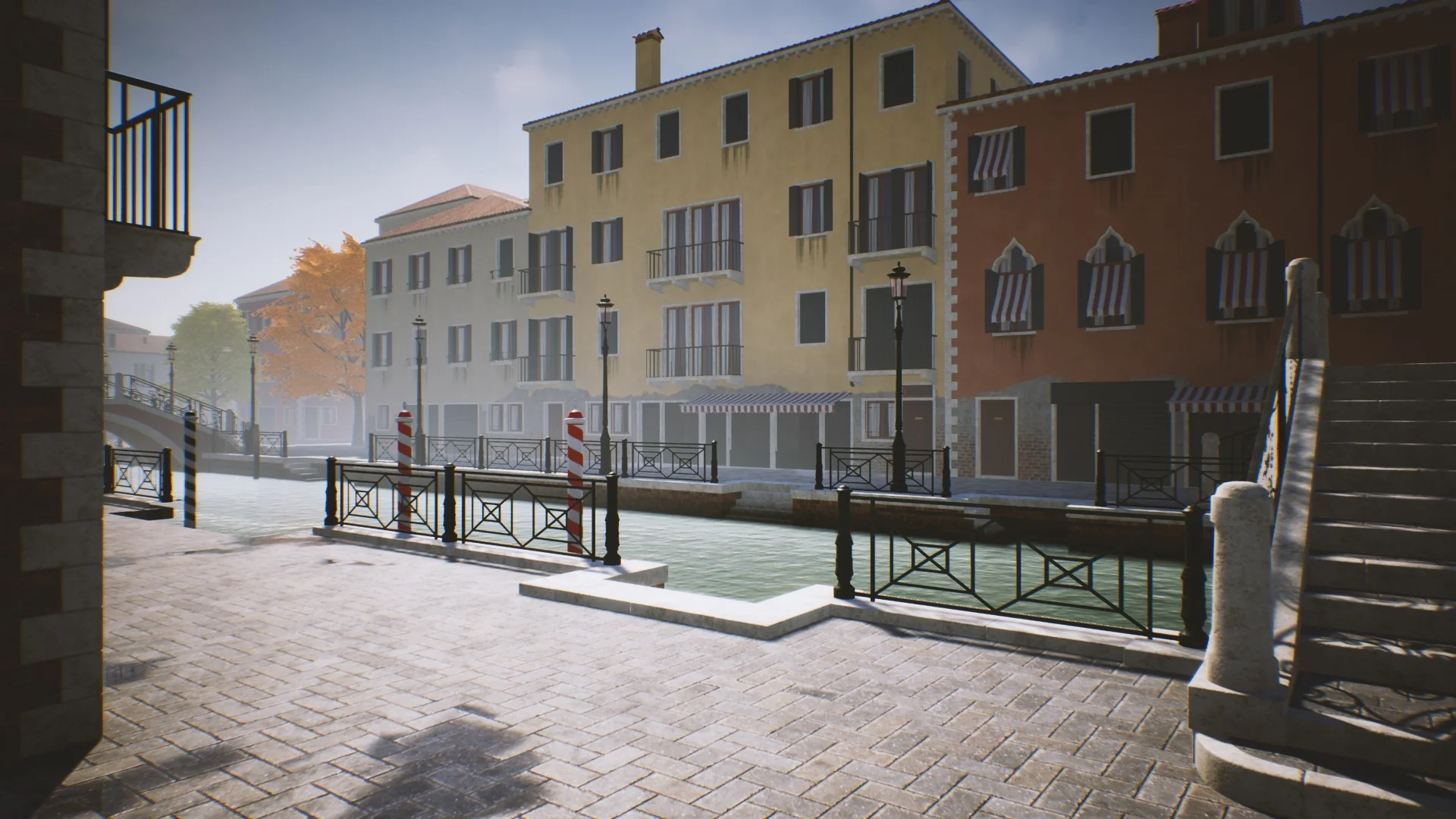
Resource screenshots
1 / 10
Join our channel
Follow 3DCGHUB on Telegram for new resource drops, migration updates, and community notices.
Rapid Procedural Building Generation with PB_building
Densely packed historical cityscapes demand immense amounts of distinct geometry, varied silhouettes, and textured surfaces. Setting up realistic Italian urban environments, particularly historical waterfront districts, presents a difficult logistical challenge when every wall, sill, and storefront must be hand-placed. The toolkit approaches this challenge through two distinct workflows: fully automated procedural layout and detailed modular assembly.
At the center of the rapid-iteration workflow is PB_building. Placing this blueprint into a level via drag-and-drop triggers an automatic generation routine that populates complete, realistic architectural forms without manual brick-by-brick construction. Instead of requiring artists to manually position base floors, upper wall facades, window placements, and roof caps, the blueprint assembles a finished, randomized structure immediately upon placement in the scene viewport.
This automated procedural approach proves especially valuable when filling wide urban backdrops, mid-ground streetscapes, and dense canal borders where dozens of buildings must share a cohesive architectural style while maintaining sufficient visual variation. Rather than duplicating static meshes that produce repetitive visual patterns across a skyline, the procedural logic introduces variety automatically across successive building placements.
Granular Control Using Modular Venice Building Blueprints
Procedural generation works well for broad urban scale, but narrative areas, player-accessible paths, and hero vistas require pinpoint art direction. When pure randomization yields an arrangement that conflicts with gameplay navigation or specific staging requirements, the toolkit offers dedicated modular blueprints to construct architectural elements piece by piece.
Individual facade construction relies on three core blueprints separated by vertical tier: BP_first_floor, BP_wall, and BP_roof. Each component addresses specific functional needs associated with historical architecture along streets and waterfronts.
BP_first_floor handles street-level and canal-level interactions. This blueprint configures realistic entry points through selectable doorways, ground-floor windows, and localized storefronts. Using storefront options allows level designers to alternate between residential access points and lively street-side commerce, grounding the bottom edge of any structure.
BP_wall controls the upper levels of the structure. Rather than generating plain flat surfaces, it exposes detailed facade variations necessary for historical realism. The blueprint allows users to generate windows equipped with awnings, classic window sills, decorative railings, and localized leak decals that mimic rainwater runoff and moisture weathering. For facades requiring more dimensional depth, BP_wall also supports window assemblies integrated directly with protruding balconies.
BP_roof crowns the structure, providing the appropriate cap to finish the vertical assembly. By stacking BP_first_floor, custom instances of BP_wall, and BP_roof, designers retain complete authority over floor counts, window spacing, facade wear, and structural silhouette while preserving the same material and geometric quality found in the automated generators.
Constructing Venice Canals and Waterway Infrastructure
Authentic Italian waterfront environments require believable water channels framed by masonry embankments. BP_canals provides a specialized spline-based solution dedicated to constructing these waterway borders throughout a level.
By routing the spline along designated channel pathways, artists can draw out stone canal walls that match the winding curves of historical city centers. The spline system handles variable embankment geometry, including the integration of steps descending directly into the water. Adding steps to the canal wall is handled inside the blueprint parameters under the steps category. Clicking the plus icon introduces a new array element; once expanded, the settings permit fine-tuning the placement, dimension, and configuration of stairs leading down toward the water surface.
Edge protection along these embankments is similarly customizable. BP_canals allows users to select between different railing styles along the upper ledge of the canal wall, or omit railings entirely to produce open docks and stone quays where small craft can pull flush against the stone.
Waterline Rendering and Secondary Level Dressing
Working with water surfaces intersecting detailed vessel geometry often introduces visual clipping issues, particularly around sunken or hollow hulls. The toolkit accounts for this through the Unreal Engine rendering pipeline. Running the console command R.CustomDepth 1 Enables the custom depth pass required to prevent canal water from rendering inside the interior of gondolas placed in the channels. Activating this setting ensures that water planes clip properly around the hull perimeter, keeping the boat seating and deck dry.
Beyond architecture and water channels, the package includes supporting blueprints to round out urban composition. Bridges can be spanned across the spline-generated canals to connect pedestrian networks across parallel streets. Blueprints for random tree placement introduce organic foliage against stone masonry, softening sharp architectural lines and adding natural variation to plazas, courtyards, and canal margins.
Procedural Behavior Across Engine Versions
Level designers implementing the package across different project versions should be aware of procedural seed handling in Unreal Engine. In engine version 4.25 and newer releases, the random generation algorithms governing blueprints like the building and tree generators produce different randomized results than those visible in older reference screenshots. The procedural logic remains completely operational and intact across newer releases, but the specific seed distributions and asset selections will construct different permutations of buildings and foliage distributions upon placement.
Environment artists, level designers, and technical teams constructing European city layouts benefit most from this setup. Whether a project calls for an entire waterway district populated in minutes using PB_building and BP_canals, or precise architectural dressing using modular floor, wall, and balcony components, the package provides the flexibility needed to scale between rapid generation and targeted manual layout.
 Cities
 Cities
 Cities