"6c6413bef81af556"{"id":"28010","slug":"skyscraper-modular-fps-map","title":"Skyscraper Modular FPS Map","category":"Cities","engine":"4.26+,5.0+","assetVersion":"Engine version: 4.26+,5.0+","engineVersion":"","tag":"Cities","accent":"blue","visual":"city","summary":"Skyscraper Modular FPS Map focuses on a fast setup path for team-based shooter spaces. Its modular building pieces, prop-heavy dressing, and rooftop city setting make it useful for laying out custom combat areas without starting from scratch.","platform":"Unreal Engine","publishedAt":"2026-04-30T14:22:09.000Z","updatedAt":"2026-04-30T14:22:10.000Z","sourceNotes":[],"fileContents":[],"compatibility":["Unreal Engine","Engine version: 4.26+,5.0+"],"featuredImage":{"alt":"Skyscraper Modular FPS Map","src":"https://3dcghub.com/wp-content/uploads/2026/04/4ef2733e174e_0c3e0d58-4493-4dc3-99bc-181ad6e2b55f.webp"},"hasDownloadLink":true,"downloads":2,"terms":[{"taxonomy":"category","slug":"cities","name":"Cities"},{"taxonomy":"post_tag","slug":"environment","name":"Environment"},{"taxonomy":"post_tag","slug":"prop","name":"Prop"},{"taxonomy":"post_tag","slug":"unreal-engine-5","name":"Unreal Engine 5"}],"galleryImages":[{"src":"https://3dcghub.com/wp-content/uploads/2026/04/67dab44f085e_86f83807-952e-46aa-851b-f1b2c5854644.webp","alt":"Skyscraper Modular FPS Map"},{"src":"https://3dcghub.com/wp-content/uploads/2026/04/0f5315739cf7_8998d79b-6318-4fc4-bed6-28a0f5603ed0.webp","alt":"Skyscraper Modular FPS Map"},{"src":"https://3dcghub.com/wp-content/uploads/2026/04/d70dc3b9c2c3_2db1289a-5aaa-4ec0-b90d-091875a13720.webp","alt":"Skyscraper Modular FPS Map"},{"src":"https://3dcghub.com/wp-content/uploads/2026/04/cbd8b4527238_7b0b6fd6-c86e-41bd-a468-b64b178bc8a1.webp","alt":"Skyscraper Modular FPS Map"},{"src":"https://3dcghub.com/wp-content/uploads/2026/04/1850e7ce0bae_1d7b5403-393b-4237-b4b7-11cebed2dffd.webp","alt":"Skyscraper Modular FPS Map"},{"src":"https://3dcghub.com/wp-content/uploads/2026/04/e6e501128d43_b8fd0fd2-4e53-406b-a054-4cd6feb507b2.webp","alt":"Skyscraper Modular FPS Map"},{"src":"https://3dcghub.com/wp-content/uploads/2026/04/894fea6860b1_319b5cd8-6903-4df3-8262-9da5acac0457.webp","alt":"Skyscraper Modular FPS Map"},{"src":"https://3dcghub.com/wp-content/uploads/2026/04/a8a2fb22005f_44c229bd-9d4b-41ca-a2d3-23fc44b1b088.webp","alt":"Skyscraper Modular FPS Map"},{"src":"https://3dcghub.com/wp-content/uploads/2026/04/b0a42ffe13df_5b81b98b-47e6-416c-a831-57f7bb29e6aa.webp","alt":"Skyscraper Modular FPS Map"},{"src":"https://3dcghub.com/wp-content/uploads/2026/04/6ff67b1c9d13_60b09b47-9de5-4597-8ce1-e78fcce24aff.webp","alt":"Skyscraper Modular FPS Map"}],"accessPanel":{"kind":"resource","title":"Access this resource","eyebrow":"Free Download","message":"Log in or create a free account to start your download.","fileName":"Content.7z","safetyNote":"All resources are 100% manually reviewed to eliminate all risks.","actionLabel":"Download Free","resourceType":"Resource archive"},"contentHtml":"\u003cp\u003eSetting up a team-based shooter space usually starts with the same problem: getting a playable layout in place quickly without ending up in an empty test arena. Skyscraper Modular FPS Map takes that route through modular building pieces, giving you a rooftop environment that can be arranged into your own layout while still carrying a finished visual frame through set dressing props and a surrounding city backdrop.\u003c/p\u003e \u003ch2\u003eStarting with modular building pieces\u003c/h2\u003e\n\u003cp\u003eThe core of this map is its use of modular building pieces. That matters most during the first stage of implementation, when the main goal is to block out combat space and establish how teams move through the environment. Instead of treating the map as a fixed scene, the modular approach supports creating your own layout in a short amount of time.\u003c/p\u003e \u003cp\u003eFor a team-based FPS workflow, that gives this resource a clear role. You can begin with the structural elements, shape the routes and encounter spaces you want, then refine the environment around that layout. The emphasis stays on assembly and rearrangement rather than on building every section from the ground up.\u003c/p\u003e \u003cp\u003eThe setting also guides the kind of structure these pieces belong to. This is a skyscraper-top environment, so the modular elements fit a construction-heavy, industrial shooter space rather than a natural landscape or interior-only scene. The realistic and industrial tags reinforce that direction, keeping the visual identity tied to built surfaces and functional architecture.\u003c/p\u003e \u003ch2\u003eTeam based FPS shooter map layout on a skyscraper\u003c/h2\u003e\n\u003cp\u003eThis map is specifically framed as a team-based FPS shooter map, which places the layout question at the center of how it will be used. Team-based spaces need readable routes, clear points of pressure, and enough structure to support movement and cover. The modular setup helps with that because it gives room to shape the level according to the kind of match flow you want.\u003c/p\u003e \u003cp\u003eThe rooftop location adds another strong identity to the combat space. Placing the action on top of a skyscraper immediately narrows the environment into a high-rise setting with a strong sense of elevation. That can help a level feel distinct even before extra dressing is added, because the setting itself already carries a focused visual theme.\u003c/p\u003e \u003cp\u003eThe surrounding background city extends that theme beyond the immediate play area. Rather than leaving the rooftop isolated, the city context frames the map with an urban skyline. This keeps the space from feeling detached and gives the level a more complete environment around the primary combat zone.\u003c/p\u003e \u003ch2\u003eSet dressing props and background city\u003c/h2\u003e\n\u003cp\u003eOnce the base layout is in place, the next stage is making it feel like a finished shooter environment rather than a simple arrangement of modules. This map includes lots of set dressing props, which is important for adding visual density to the level. In practical use, props help bridge the gap between a functional layout and a believable scene.\u003c/p\u003e \u003cp\u003eThat prop-heavy dressing works especially well with the construction and industrial tone suggested by the map. A rooftop setting can easily feel sparse if it relies only on structural forms, so the presence of many set dressing props gives the environment more texture and more visual variation. It supports the impression that this is not just a platform in the sky, but a built and inhabited part of a larger urban space.\u003c/p\u003e \u003cp\u003eThe background city contributes to that same effect in a broader way. The immediate level remains the main focus, but the skyline around it expands the sense of place. For creators who want the map to feel grounded in a realistic urban setting, that surrounding city is one of the clearest pieces of environmental support in the package.\u003c/p\u003e \u003ch2\u003ePBR, realistic, industrial shooter usage\u003c/h2\u003e\n\u003cp\u003eThe map is tagged with PBR, realistic, shooter, level, construction, industrial, and simulation. Taken together, those details place it firmly in a realistic FPS environment rather than in a stylized or abstract direction. That makes the asset a good fit when the goal is to stage combat inside a modern built setting with clear industrial character.\u003c/p\u003e \u003cp\u003eFrom a creative usage standpoint, the strongest path is straightforward: assemble the space with the modular building pieces, use the rooftop setting to define the identity of the level, and lean on the set dressing props to give the scene more finish. The city backdrop then carries the surrounding atmosphere without changing the main role of the map as a playable team-based shooter environment.\u003c/p\u003e \u003cp\u003eIts most practical strength is the combination of speed and structure. The map gives you modular parts for layout building, a skyscraper-top theme that is already specific, and enough environmental dressing to move from rough arrangement toward a more complete combat space. For anyone working on a team-based FPS level with a realistic industrial tone, that makes it a useful starting point for both setup and iterative layout work.\u003c/p\u003e\n\n\u003ch2\u003eRelated Resources Worth Checking\u003c/h2\u003e\n\u003cul\u003e\n\u003cli\u003e\u003ca href=\"https://3dcghub.com/mountain-village-environment-village-modular-village-houses-village-props/\" title=\"Mountain Village Environment (Village, Modular Village Houses, Village Props)\"\u003eMountain Village Environment (Village, Modular Village Houses, Village Props)\u003c/a\u003e\u003c/li\u003e\n\u003cli\u003e\u003ca href=\"https://3dcghub.com/medieval-props-kit/\" title=\"Medieval Props Kit\"\u003eMedieval Props Kit\u003c/a\u003e\u003c/li\u003e\n\u003cli\u003e\u003ca href=\"https://3dcghub.com/medieval-props-pack/\" title=\"Medieval Props Pack\"\u003eMedieval Props Pack\u003c/a\u003e\u003c/li\u003e\n\u003cli\u003e\u003ca href=\"https://3dcghub.com/military-props-pack-high-quality-3d-assets-for-game-dev/\" title=\"Military Props Pack\"\u003eMilitary Props Pack\u003c/a\u003e\u003c/li\u003e\n\u003c/ul\u003e","contentTextLength":5156,"navigation":{"current":1298,"total":3140,"previous":{"id":"28024","slug":"sci-fi-robot-factory-environment","title":"Sci-Fi Robot Factory Environment","category":"Sci-Fi","platform":"Unreal Engine","updatedAt":"2026-04-30T15:53:07.000Z"},"next":{"id":"27997","slug":"soviet-village-environment-pack","title":"Soviet Village Environment Pack","category":"Buildings \u0026 Architecture","platform":"Unreal Engine","updatedAt":"2026-04-30T13:58:46.000Z"}},"relatedResources":[{"id":"7491","slug":"vista-buildings","title":"Vista Buildings","category":"Cities","engine":"4.26+,5.0+","assetVersion":"Engine version: 4.26+,5.0+","engineVersion":"","tag":"Cities","accent":"blue","visual":"city","summary":"Enhance your digital environments with a collection of low-poly background buildings. Perfect for creating expansive city skylines and realistic urban horizons in Unreal Engine.","platform":"Unreal Engine","publishedAt":"2026-02-21T13:55:55.000Z","updatedAt":"2026-04-19T15:55:58.000Z","sourceNotes":[],"fileContents":[],"compatibility":["Unreal Engine","Engine version: 4.26+,5.0+"],"featuredImage":{"alt":"Vista Buildings","src":"https://3dcghub.com/wp-content/uploads/2026/02/69249356-2fd2-4b09-b541-2509cd2567d8.webp"},"hasDownloadLink":true,"downloads":1},{"id":"1000547","slug":"roof-city-pack","title":"Roof - City Pack","category":"Cities","engine":"4.26+,5.0+","assetVersion":"","engineVersion":"Engine Version: 4.26+,5.0+","tag":"Cities","accent":"blue","visual":"city","summary":"Realistic Unreal Engine rooftop pack with modular roofs, HVAC units, fire escapes, pipes, decals, and blueprints for FPS, parkour, and cinematic scenes.","platform":"Unreal Engine","publishedAt":"2026-07-15T05:47:33.330Z","updatedAt":"2026-07-15T05:47:33.330Z","sourceNotes":[],"fileContents":[],"compatibility":["Unreal Engine","Engine Version: 4.26+,5.0+"],"featuredImage":{"alt":"Roof - City Pack","src":"/wp-content/uploads/published/2026/07/a7e0788b515d-8c08ea7c-c8c6-4d5e-a712-b27051ae731b-8bc84cb246.webp"},"hasDownloadLink":true,"downloads":1},{"id":"7140","slug":"forgotten-alley","title":"Forgotten Alley","category":"Cities","engine":"4.26+,5.0+","assetVersion":"Engine version: 4.26+,5.0+","engineVersion":"4.10","tag":"Cities","accent":"blue","visual":"city","summary":"Discover a stunning 3D environment where ancient traditional alleys meet the glow of modern skyscrapers. This asset provides a rich, atmospheric setting for game developers and digital artists.","platform":"Unreal Engine","publishedAt":"2026-02-20T17:51:34.000Z","updatedAt":"2026-04-19T15:56:03.000Z","sourceNotes":[],"fileContents":[],"compatibility":["Unreal Engine","Engine version: 4.26+,5.0+"],"featuredImage":{"alt":"Forgotten Alley","src":"https://3dcghub.com/wp-content/uploads/2026/02/cba3c29e-8424-4ffe-a492-ba69eec988c6.webp"},"hasDownloadLink":true,"downloads":0}]}
Cities
Skyscraper Modular FPS Map
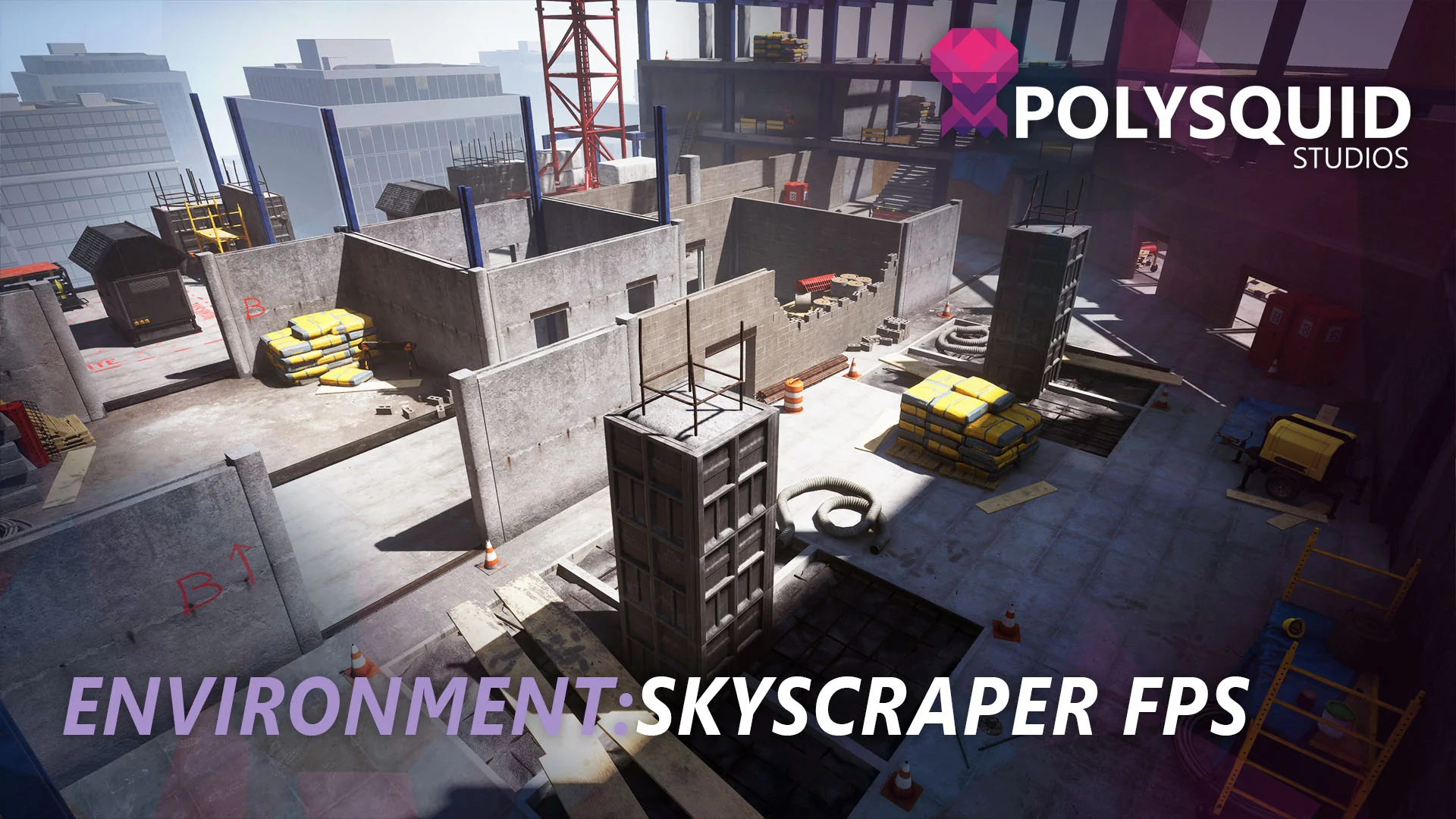
Skyscraper Modular FPS Map focuses on a fast setup path for team-based shooter spaces. Its modular building pieces, prop-heavy dressing, and rooftop city setting make it useful for laying out custom combat areas without starting from scratch.
Setting up a team-based shooter space usually starts with the same problem: getting a playable layout in place quickly without ending up in an empty test arena. Skyscraper Modular FPS Map takes that route through modular building pieces, giving you a rooftop environment that can be arranged into your own layout while still carrying a finished visual frame through set dressing props and a surrounding city backdrop.
Starting with modular building pieces
The core of this map is its use of modular building pieces. That matters most during the first stage of implementation, when the main goal is to block out combat space and establish how teams move through the environment. Instead of treating the map as a fixed scene, the modular approach supports creating your own layout in a short amount of time.
For a team-based FPS workflow, that gives this resource a clear role. You can begin with the structural elements, shape the routes and encounter spaces you want, then refine the environment around that layout. The emphasis stays on assembly and rearrangement rather than on building every section from the ground up.
The setting also guides the kind of structure these pieces belong to. This is a skyscraper-top environment, so the modular elements fit a construction-heavy, industrial shooter space rather than a natural landscape or interior-only scene. The realistic and industrial tags reinforce that direction, keeping the visual identity tied to built surfaces and functional architecture.
Team based FPS shooter map layout on a skyscraper
This map is specifically framed as a team-based FPS shooter map, which places the layout question at the center of how it will be used. Team-based spaces need readable routes, clear points of pressure, and enough structure to support movement and cover. The modular setup helps with that because it gives room to shape the level according to the kind of match flow you want.
The rooftop location adds another strong identity to the combat space. Placing the action on top of a skyscraper immediately narrows the environment into a high-rise setting with a strong sense of elevation. That can help a level feel distinct even before extra dressing is added, because the setting itself already carries a focused visual theme.
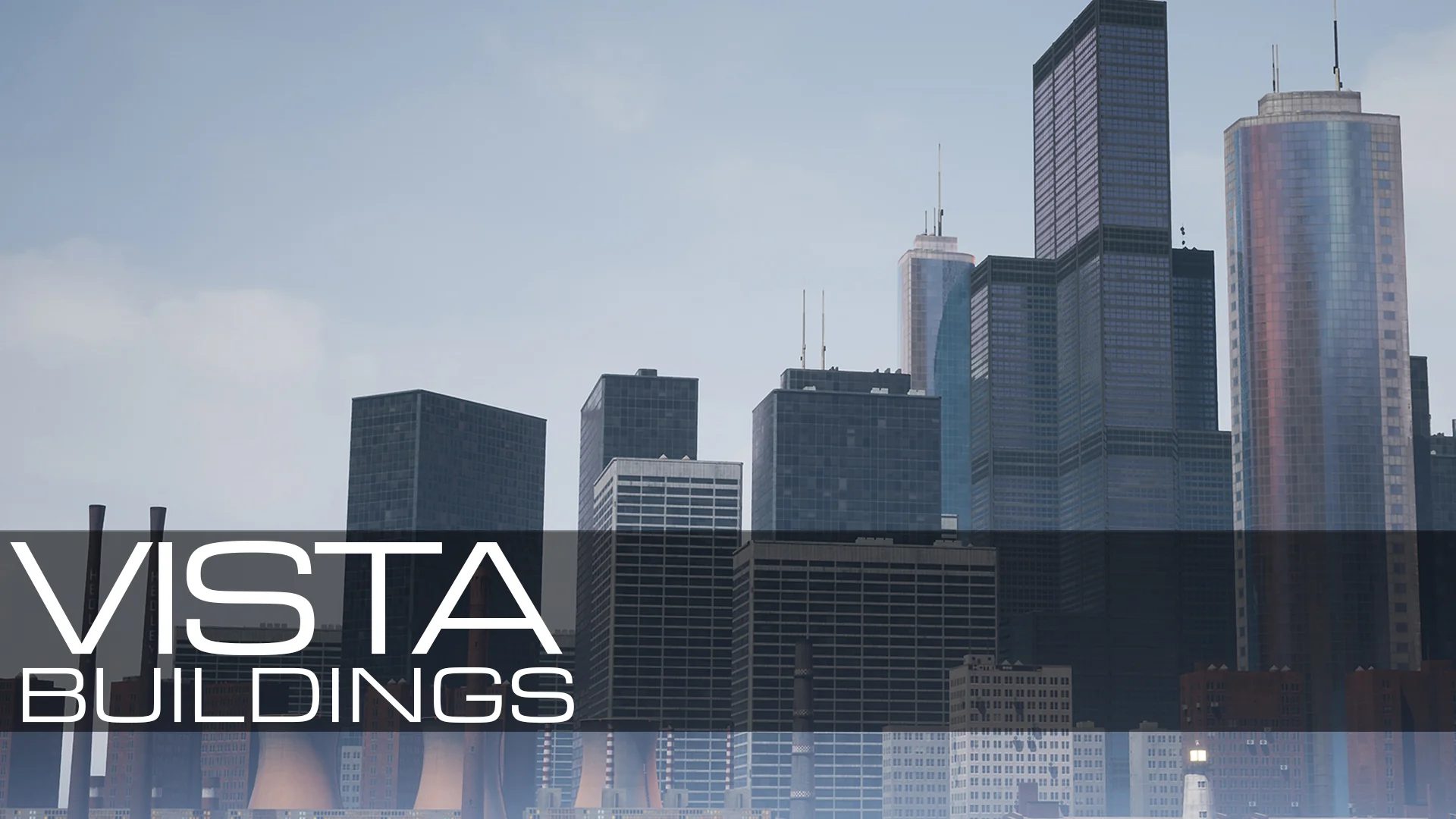
The surrounding background city extends that theme beyond the immediate play area. Rather than leaving the rooftop isolated, the city context frames the map with an urban skyline. This keeps the space from feeling detached and gives the level a more complete environment around the primary combat zone.
Set dressing props and background city
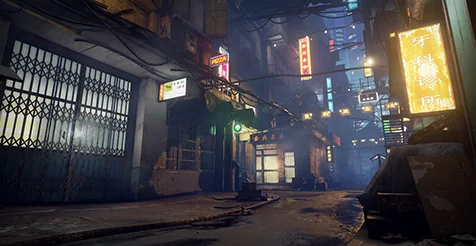
Once the base layout is in place, the next stage is making it feel like a finished shooter environment rather than a simple arrangement of modules. This map includes lots of set dressing props, which is important for adding visual density to the level. In practical use, props help bridge the gap between a functional layout and a believable scene.
That prop-heavy dressing works especially well with the construction and industrial tone suggested by the map. A rooftop setting can easily feel sparse if it relies only on structural forms, so the presence of many set dressing props gives the environment more texture and more visual variation. It supports the impression that this is not just a platform in the sky, but a built and inhabited part of a larger urban space.
The background city contributes to that same effect in a broader way. The immediate level remains the main focus, but the skyline around it expands the sense of place. For creators who want the map to feel grounded in a realistic urban setting, that surrounding city is one of the clearest pieces of environmental support in the package.
PBR, realistic, industrial shooter usage
The map is tagged with PBR, realistic, shooter, level, construction, industrial, and simulation. Taken together, those details place it firmly in a realistic FPS environment rather than in a stylized or abstract direction. That makes the asset a good fit when the goal is to stage combat inside a modern built setting with clear industrial character.
From a creative usage standpoint, the strongest path is straightforward: assemble the space with the modular building pieces, use the rooftop setting to define the identity of the level, and lean on the set dressing props to give the scene more finish. The city backdrop then carries the surrounding atmosphere without changing the main role of the map as a playable team-based shooter environment.
Its most practical strength is the combination of speed and structure. The map gives you modular parts for layout building, a skyscraper-top theme that is already specific, and enough environmental dressing to move from rough arrangement toward a more complete combat space. For anyone working on a team-based FPS level with a realistic industrial tone, that makes it a useful starting point for both setup and iterative layout work.
 Cities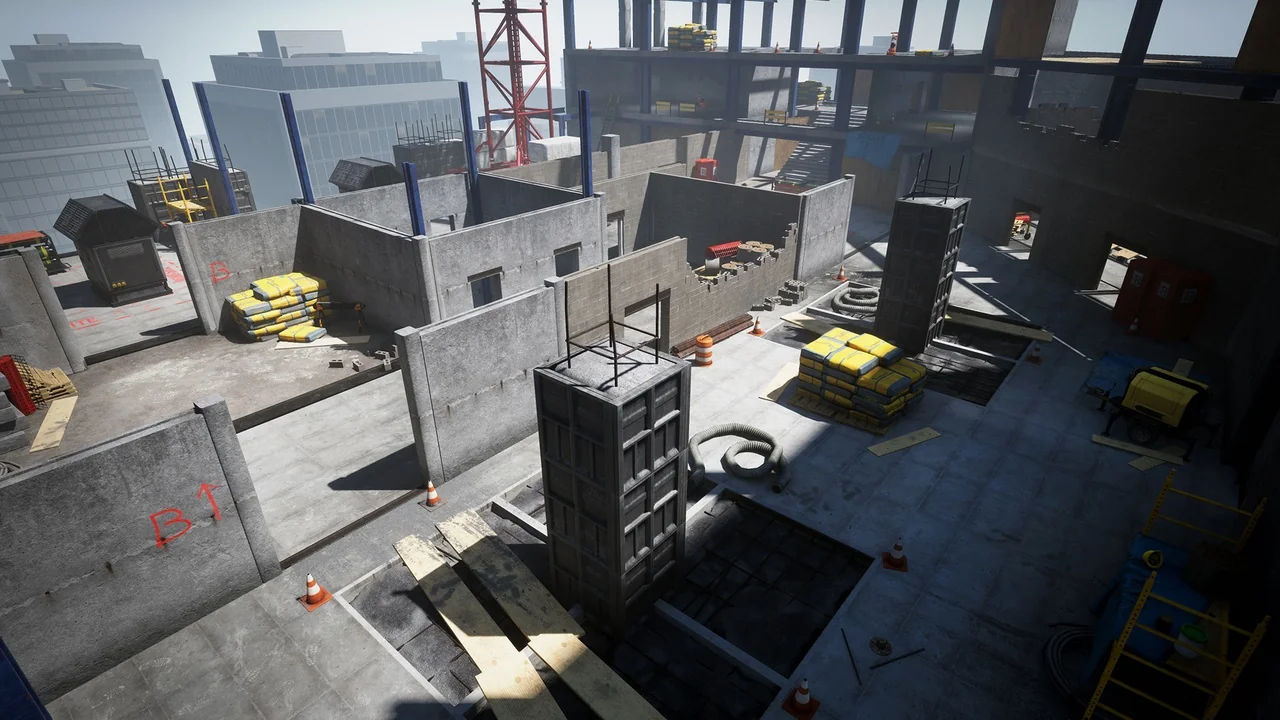
 Cities
 Cities
 Cities