Real-Time Shadow Generation vs. SDF Methods
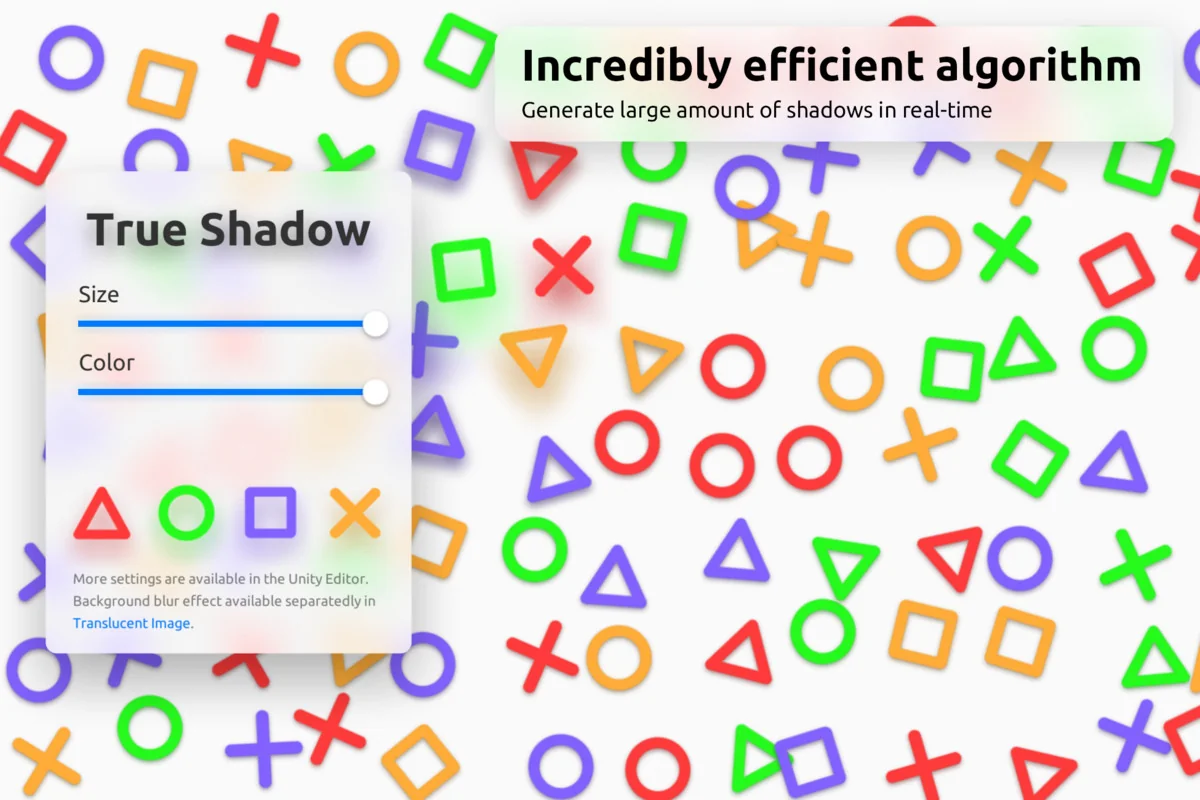
True Shadow provides a technical alternative to the standard Signed Distance Field (SDF) methods often used for UI depth. By utilizing a generation algorithm designed to produce smoother results than SDF-based systems, the tool allows for the creation of soft shadows and glows that maintain visual fidelity without the aliasing or artifacts sometimes found in procedural distance-based techniques. This approach is intended to move developers away from the practice of manually creating and importing shadow textures, which can be time-consuming and difficult to adjust once integrated into a project.
The system operates on a What-You-See-Is-What-You-Get (WYSIWYG) basis. This allows for immediate visual feedback within the Unity Editor as developers adjust parameters such as size, spread, and offset. Because the shadows are generated dynamically, changes to the UI layout or element shapes are reflected instantly, removing the need for external asset iteration.
Stylistic Flexibility with Blend Modes and Layering
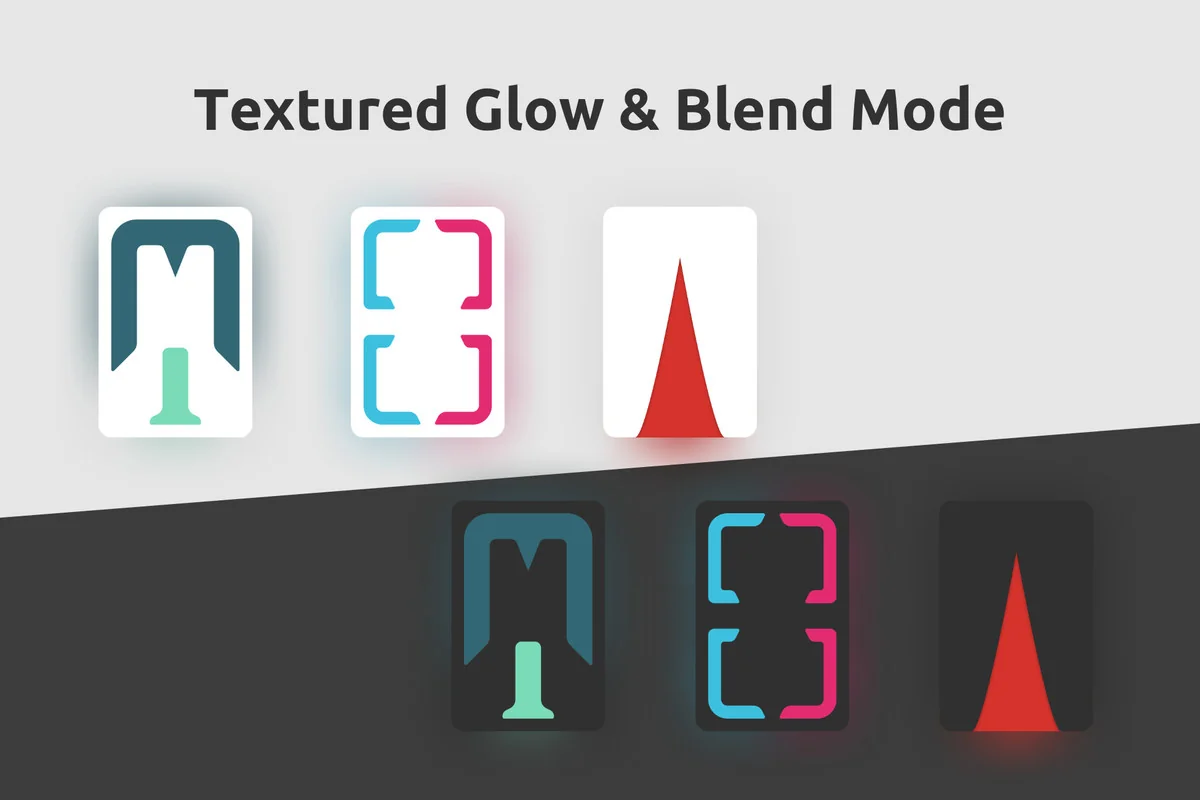
Beyond standard drop shadows, the tool is capable of emulating glow effects by applying color tints and textures to the generated shadows. This functionality is expanded through the inclusion of multiple blend modes, including Normal, Additive, Screen, and Multiply. These modes allow the UI elements to interact visually with the background and other interface layers in various ways, such as creating vibrant neon effects or subtle depth transitions.
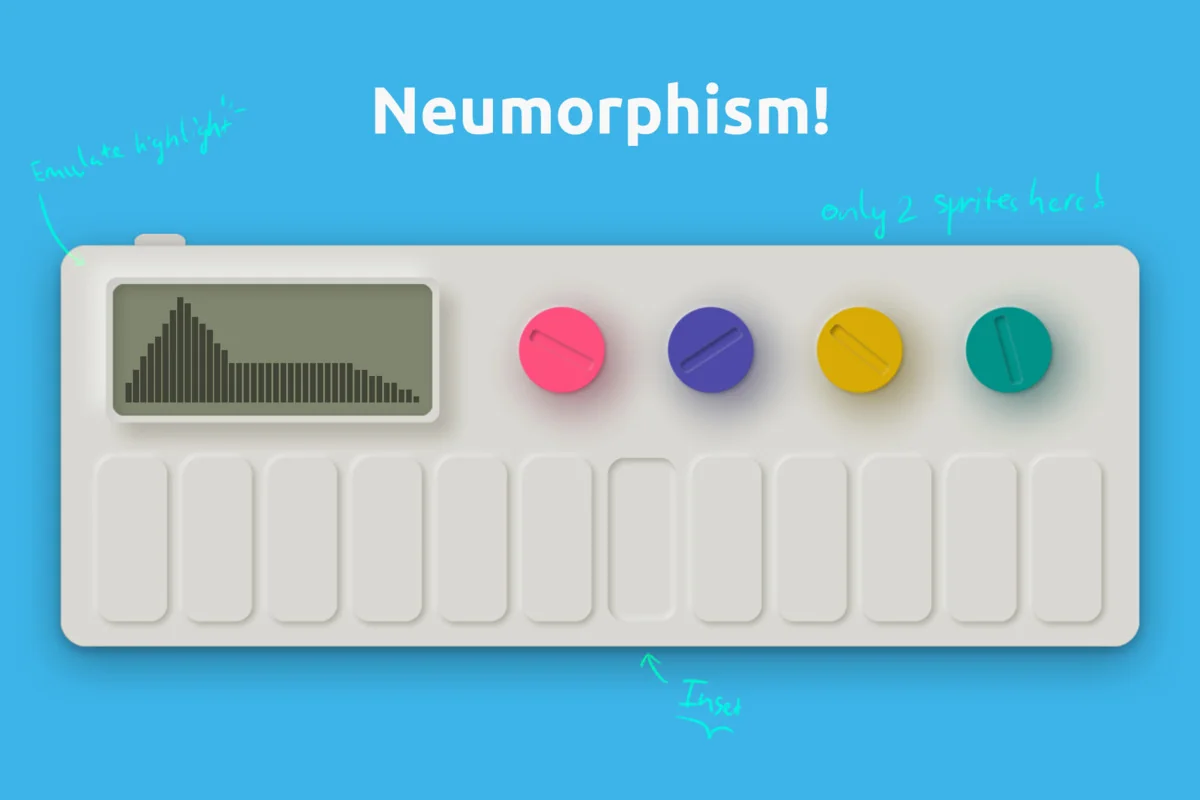
The ability to combine multiple shadow and glow components on a single UI element facilitates the creation of neumorphic designs. Neumorphism relies on the interplay of light and dark shadows to simulate physical extrusion or indentation on a flat surface. By stacking different shadow configurations with specific offsets and colors, developers can achieve this tactile aesthetic directly within the Unity UI framework.
Integration with Diverse UI Components
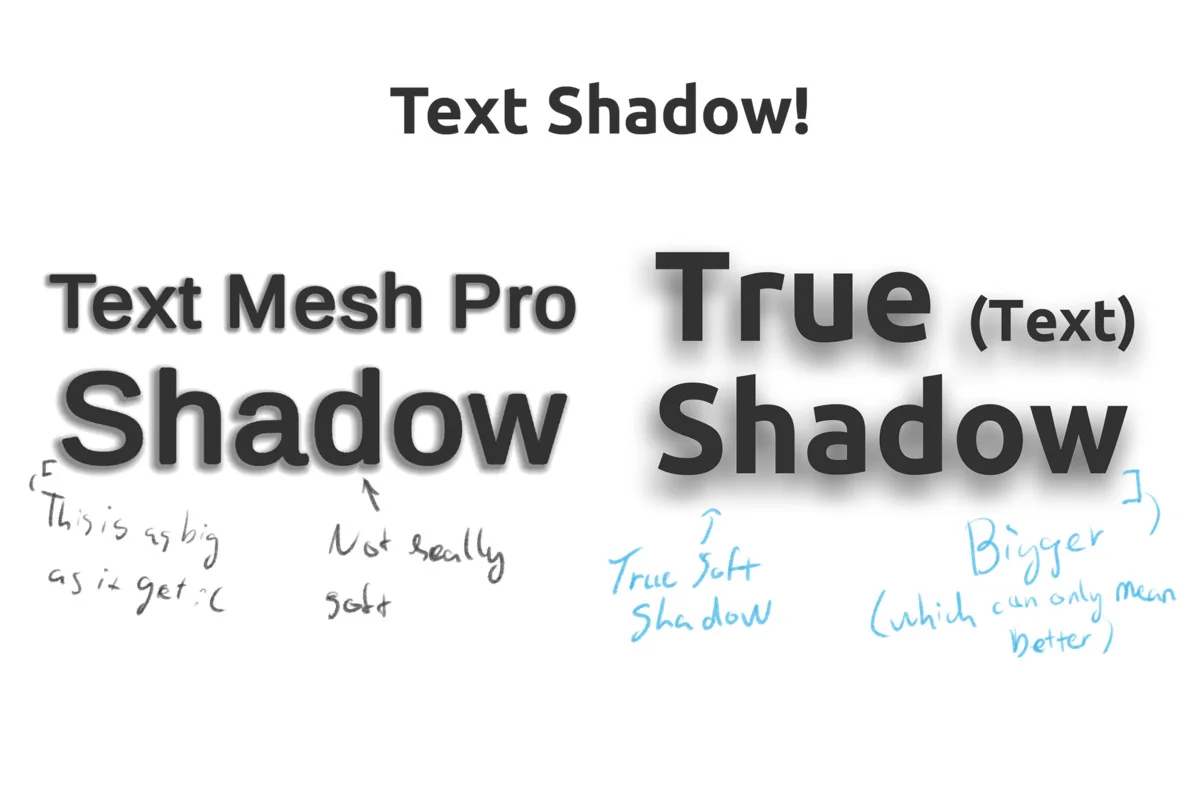
True Shadow is designed to work with a wide range of standard and specialized UI elements. It supports all basic image types, including Simple, Sliced, Tiled, and Filled, ensuring that shadows adapt correctly to different sprite scaling methods. Both uGUI Text and TextMeshPro are supported, allowing for deep shadows or outer glows on typography. For developers working with vector assets, the tool remains compatible with SVGs via the Vector Graphics package.
A notable feature is the support for Raw Image components, which enables the projection of 2D shadows or glows from 3D objects that are rendered to a texture. This bridges the gap between 3D scene elements and the 2D interface layer. Additionally, the tool respects Unity’s Layout Groups and Masking systems, ensuring that shadows are clipped or organized correctly within complex, automated UI hierarchies.
Handling Performance in Complex Interfaces
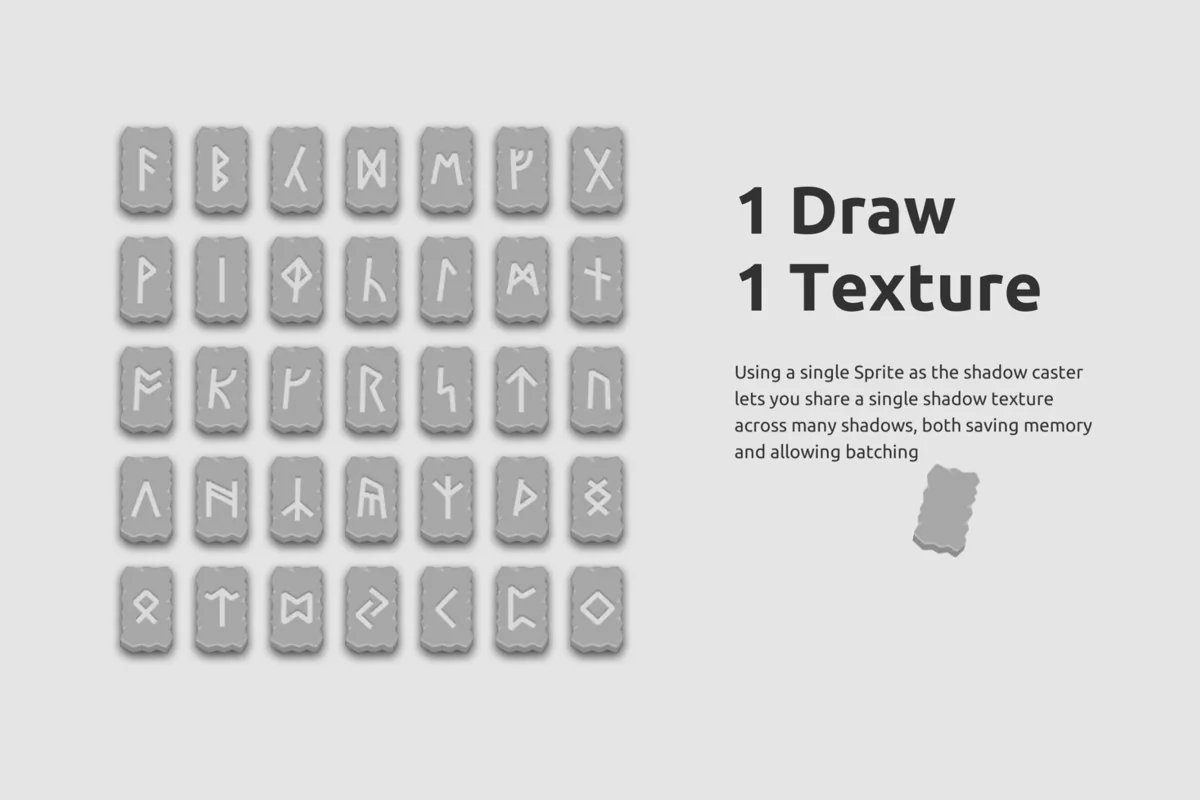
Generating high-quality blurs in real-time can be computationally expensive, but True Shadow addresses this through a dedicated caching system. When shadows are duplicated or reused across multiple UI elements, the system identifies these instances and reuses the cached shadow data. This optimization allows for the use of large shadow radii or numerous shadowed elements without significant performance degradation.
The algorithm behind the generation is derived from the technology used in Translucent Image, focusing on speed and efficiency. This performance-oriented design makes the tool suitable for hardware-constrained environments, including WebGL and Android platforms. The system also includes built-in support for animating shadows on interactive elements, providing automated visual feedback for hover, select, and click states without requiring manual animation controllers for every shadow property.
Extensibility and Third-Party Support
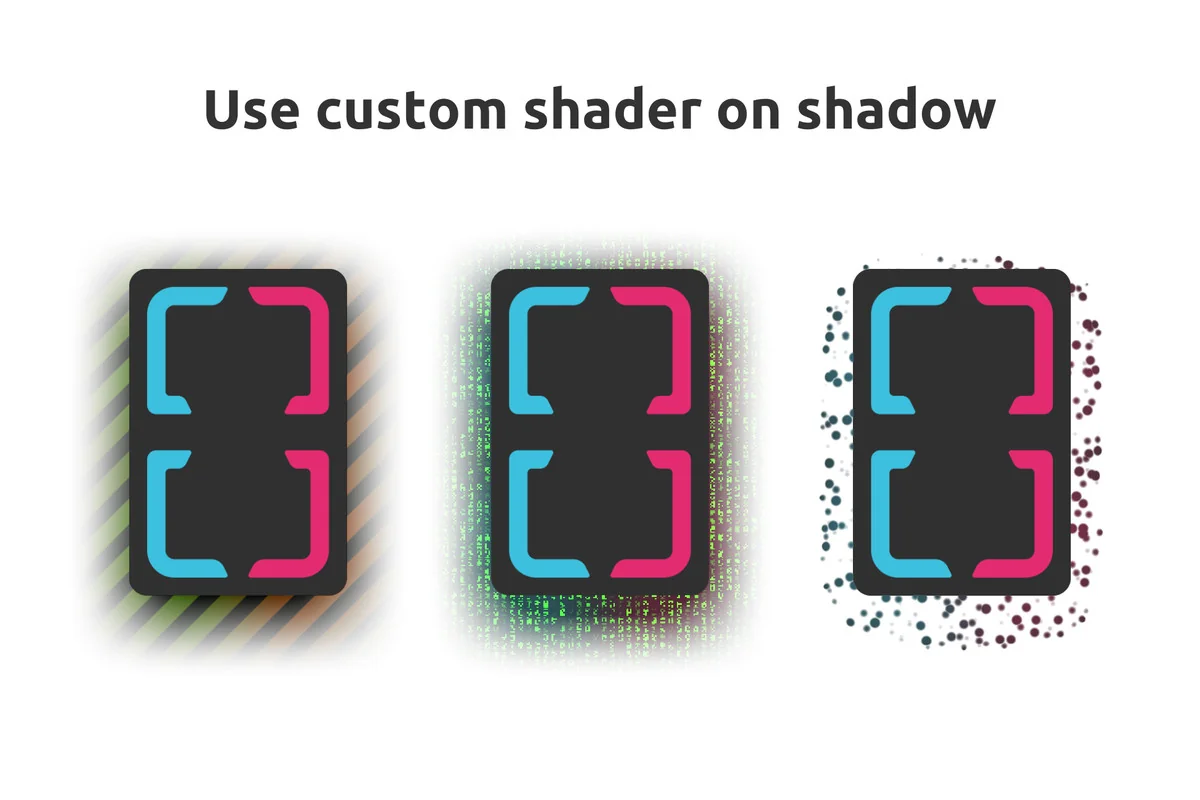
The tool is compatible with all Unity build platforms and render pipelines, including the Built-in Render Pipeline, Universal Render Pipeline (URP), and High Definition Render Pipeline (HDRP). It also supports custom Scriptable Render Pipelines (SRP). The architecture is designed to be extensible, allowing for the application of custom shaders to the shadows themselves for unique visual effects.
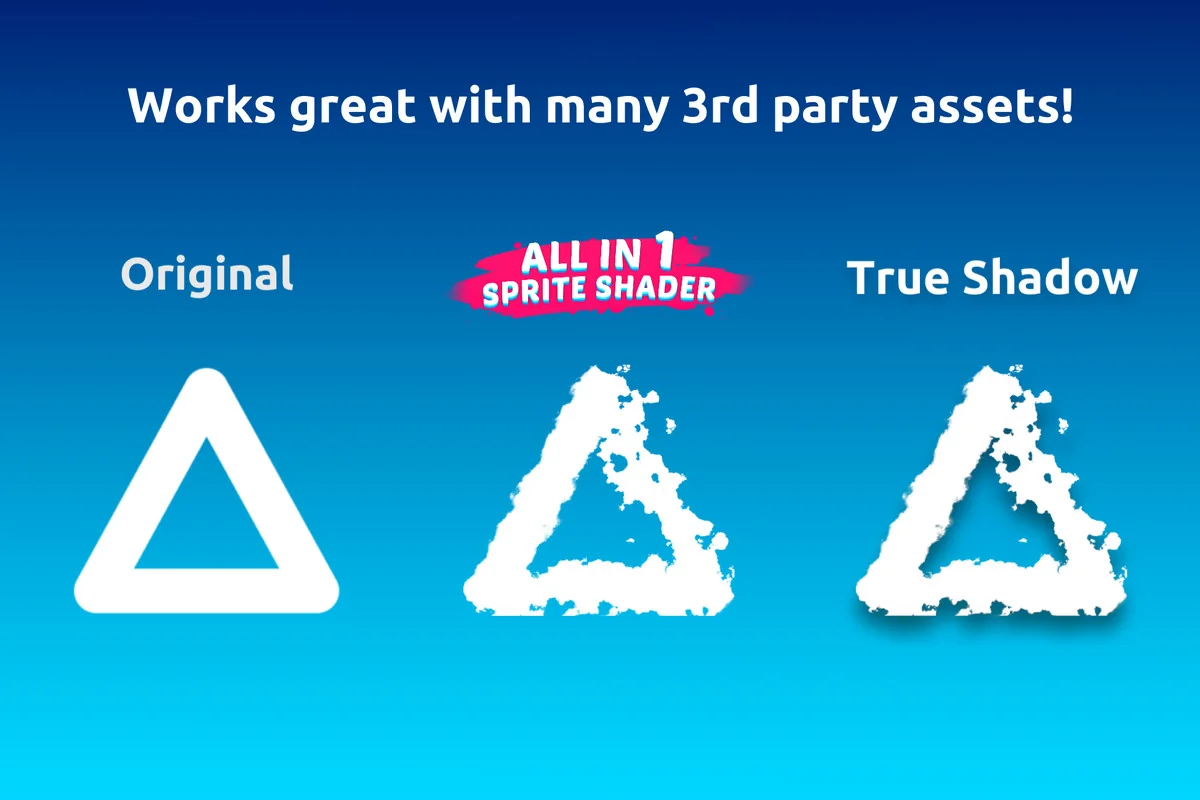
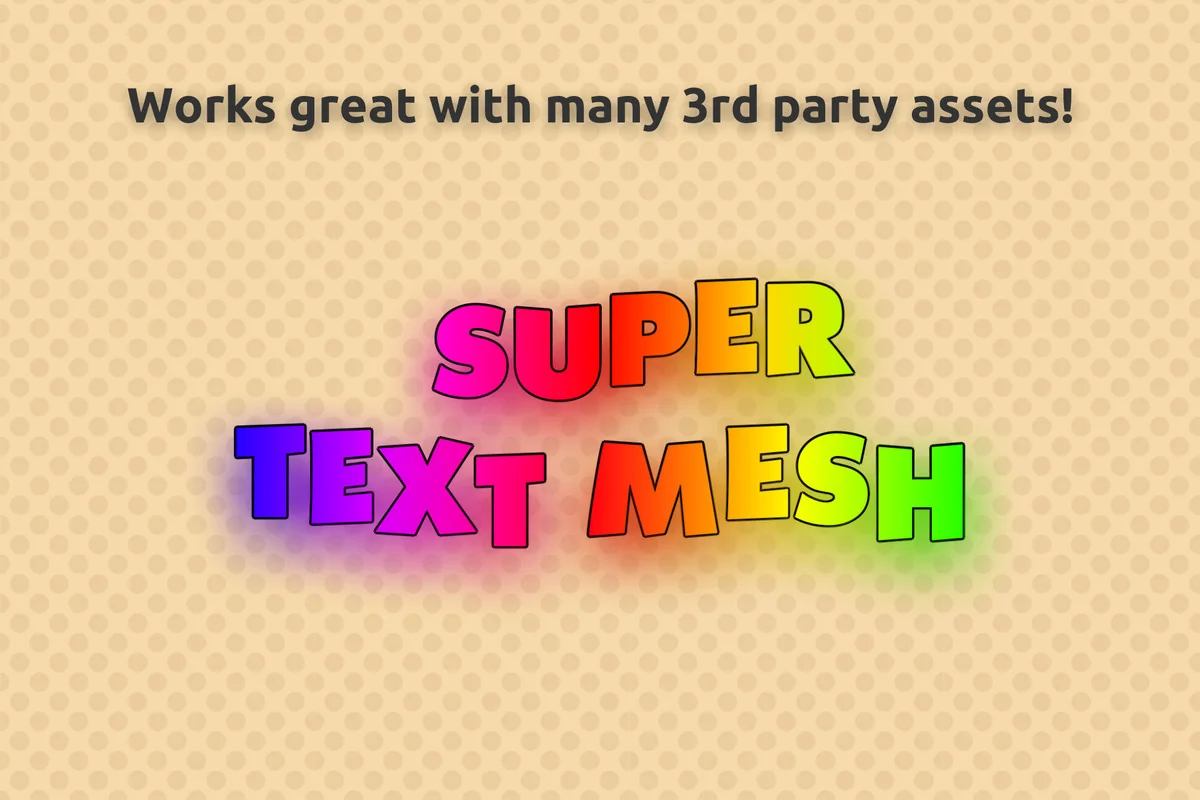
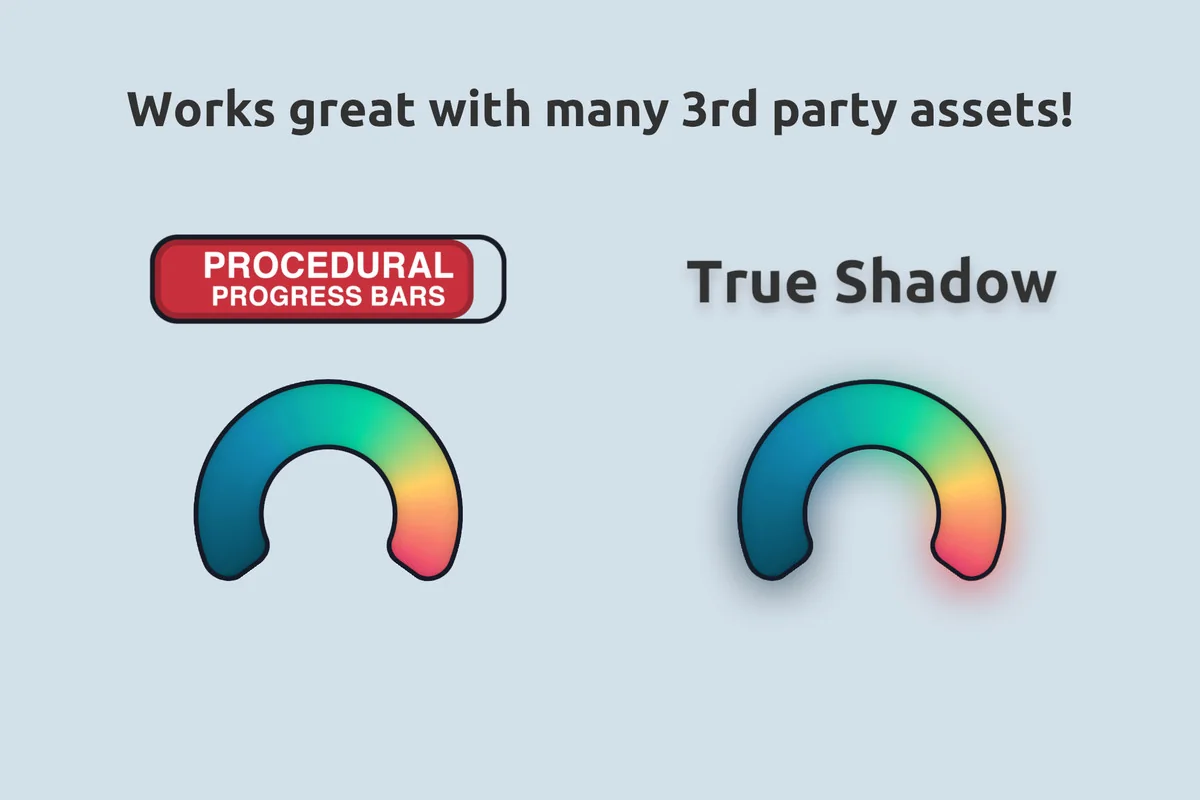
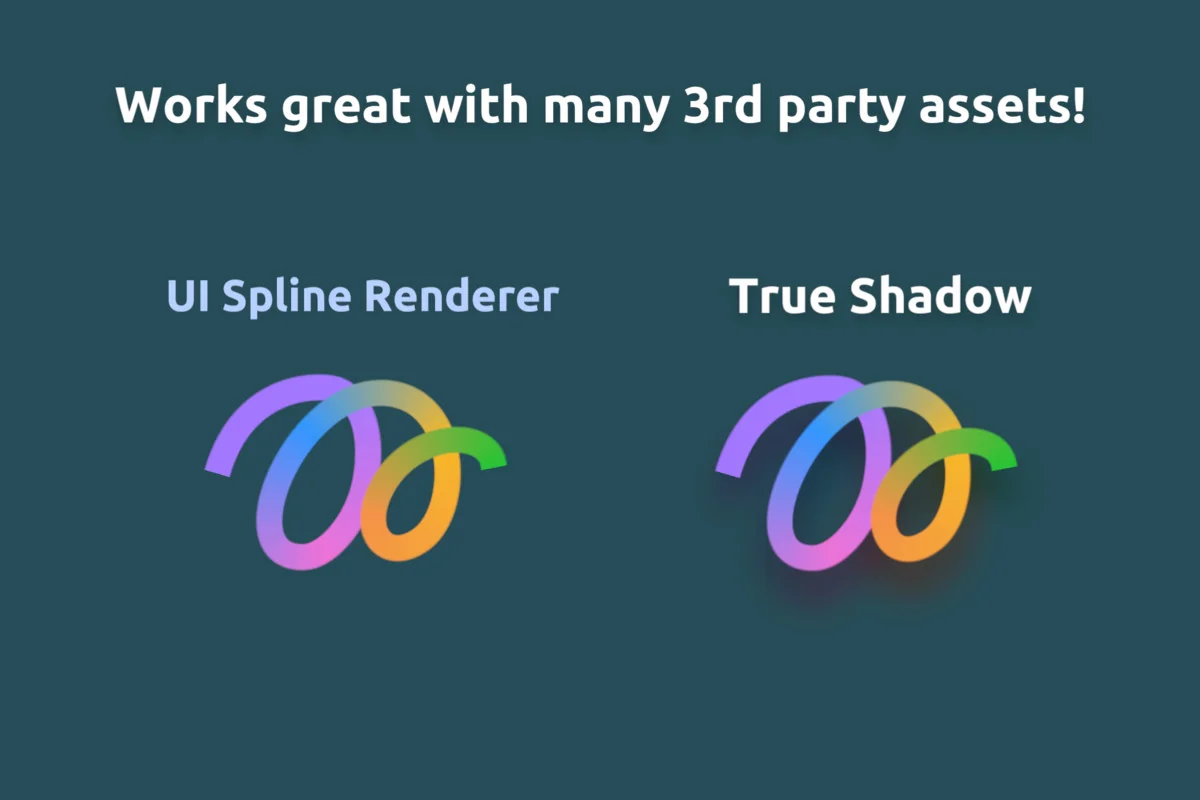
Compatibility extends to several popular third-party assets, including:
- Translucent Image
- All In 1 Sprite Shader
- Super Text Mesh
- Procedural Health and Progress Bars
- UI Spline Renderer
- Text Animator
Recent updates have introduced the ITrueShadowCustomHashProviderV2 interface, which simplifies the process of integrating custom UI components into the True Shadow workflow. This ensures that even non-standard UI solutions can benefit from synchronized shadow generation and caching. Technical refinements in version 1.14 have also addressed memory management and improved the reliability of the cache disabling functionality across multiple instances.
Preview Images
Protected download
Access this resource
All resources are 100% manually reviewed to eliminate all risks.