"031373f479d9561a"{"id":"1000253","slug":"subway-environment","title":"Subway Environment","category":"Cities","engine":"4.26+,5.0+","assetVersion":"","engineVersion":"Engine Version: 4.26+,5.0+","tag":"Cities","accent":"blue","visual":"city","summary":"Construct an underground urban transit level utilizing modular structure meshes, a detailed subway train, surface decals, and atmospheric particle effects.","platform":"Unreal Engine","publishedAt":"2026-06-30T21:49:55.516Z","updatedAt":"2026-06-30T21:49:55.516Z","sourceNotes":[],"fileContents":[],"compatibility":["Unreal Engine","Engine Version: 4.26+,5.0+"],"featuredImage":{"alt":"Subway Environment","src":"/wp-content/uploads/published/2026/06/d83859506063-a9f6622b-7dfb-4e26-adf8-63ecbbd2894d-581025c6cb.webp"},"hasDownloadLink":true,"downloads":2,"terms":[{"taxonomy":"category","slug":"cities","name":"Cities"}],"galleryImages":[{"src":"/wp-content/uploads/published/2026/06/55d7ad87595d-44bfd79a-ee1d-4996-a725-fab70239101e-997f3a5b9a.webp","alt":"Subway Environment"},{"src":"/wp-content/uploads/published/2026/06/baeb86979108-dc06e209-577b-4ca6-a9d7-1e910a0d001e-0f2fc10a8f.webp","alt":"Subway Environment"},{"src":"/wp-content/uploads/published/2026/06/60e4775a6382-81a22344-2c8a-4d51-9d2e-1d20254ba097-3657fab58e.webp","alt":"Subway Environment"},{"src":"/wp-content/uploads/published/2026/06/d9414dc84632-28f339c5-0475-49fb-8a8c-5258c01638dd-788d5f71e7.webp","alt":"Subway Environment"},{"src":"/wp-content/uploads/published/2026/06/f83d66d5ab71-3d8847ec-b70f-498a-a87a-8f559de5965f-a75427c5d7.webp","alt":"Subway Environment"},{"src":"/wp-content/uploads/published/2026/06/ca9469f0feda-a23f8582-76c9-4786-8dc1-055803bba589-e30285ee3d.webp","alt":"Subway Environment"},{"src":"/wp-content/uploads/published/2026/06/6e6858d1540a-b1da59f3-9b65-41e9-8333-757f69a10eee-a620573a61.webp","alt":"Subway Environment"},{"src":"/wp-content/uploads/published/2026/06/01def3b7beae-62ba73b4-dc37-4dd0-a735-350d7e8f61af-c6c9fe85eb.webp","alt":"Subway Environment"},{"src":"/wp-content/uploads/published/2026/06/ee61d0faa032-c762e924-a6c7-4a47-a887-f90c033549e1-b38c355053.webp","alt":"Subway Environment"}],"accessPanel":{"kind":"video-resource","title":"Download this video resource","eyebrow":"Free Download","message":"Log in or create a free account to start your download.","fileName":"Content.7z","safetyNote":"Resources are manually reviewed before listing to improve quality and reduce obvious risks.","actionLabel":"Download Free","resourceType":"Video download"},"contentHtml":"\u003ch2\u003eInitializing the Modular Structural Layout\u003c/h2\u003e\n\u003cp\u003eWhen initiating the development of an underground transit scene, the first phase of implementation relies on establishing the physical boundaries and navigational space. Constructing the Subway Environment relies heavily on utilizing foundational assets to map out the footprint of the station. By utilizing a modular approach, level designers can rapidly assemble the primary architecture of the metro area. The modular structure meshes snap together, allowing for the construction of expansive urban transportation hubs or tight, constrained rail corridors depending on the specific needs of the project.\u003c/p\u003e\n\u003cp\u003eThis structural assembly is the critical first step in defining the pathway through the urban space. By arranging the modular pieces, developers dictate the flow of the level, separating the pedestrian platform areas from the hazardous rail zones. The modularity ensures that the building layout can be adapted to fit specific spatial requirements, forming the essential physical blocks of the city transit environment before any secondary detailing or atmospheric elements are applied to the scene.\u003c/p\u003e\n\u003ch2\u003eApplying Materials and Detail Textures\u003c/h2\u003e\n\u003cp\u003eFollowing the structural assembly, the next step in the environment pipeline involves defining the surface qualities of the newly assembled building layout. A key component of this material setup is the use of detail textures. When applied directly to the modular structure meshes, detail textures help maintain visual density across the expansive surfaces of the level, ensuring that large walls and floors do not appear flat or low-resolution.\u003c/p\u003e\n\u003cp\u003eInstead of relying solely on broad material properties, these detail textures introduce fine-level surface information that holds up when viewed closely by a camera or player. This application is critical for grounding the building architecture in reality. Ensuring that the foundational materials of the transit station visually support the subsequent layers of environmental storytelling is a necessary step in urban level design.\u003c/p\u003e\n\u003ch2\u003eLayering Environmental Wear with Decals\u003c/h2\u003e\n\u003cp\u003eThe modular nature of the structural meshes requires a dedicated detailing pass to prevent the environment from appearing overly uniform or artificially clean. To achieve the lived-in aesthetic of a heavily trafficked urban space, developers can utilize a specific set of surface projection tools. The detailing process utilizes a variety of graffiti, damage, and grunge decals that can be layered directly onto the textured surfaces of the station infrastructure.\u003c/p\u003e\n\u003cp\u003eApplying grunge decals allows artists to simulate the accumulation of dirt, grime, and pollution that naturally collects in a subterranean city environment. By strategically placing these grunge layers near the floorboards, corners, or rail lines, the scene immediately gains depth and history. Furthermore, damage decals can be introduced to suggest physical wear and tear on the building structure itself, breaking up the pristine edges of the modular meshes and simulating the heavy impact of daily mass transit.\u003c/p\u003e\n\u003cp\u003eThe strategic application of these decals breaks up the tiling nature inherent to modular building workflows. When a single wall mesh is repeated multiple times to form a long metro tunnel, layering distinct graffiti and damage decals over specific sections effectively masks the repetition. The graffiti decals also provide a tool for injecting localized urban culture into the scene. Artists can place graffiti along the walls of the metro tracks or within the station layout to add visual interest and authenticity to the transportation setting, tricking the eye into perceiving a unique, continuous urban surface.\u003c/p\u003e\n\u003ch2\u003eStaging the Detailed Subway Train\u003c/h2\u003e\n\u003cp\u003eAt the core of the transportation theme is the physical transit vehicle itself. The Subway Environment is visually anchored by a detailed subway train designed to occupy the rail sections of the constructed level. Implementing this train car provides a crucial focal point for the overall scene. Staging the train involves considering the sightlines established during the modular blocking phase, using the vehicle as a visual anchor that draws attention down the length of the rail corridor.\u003c/p\u003e\n\u003cp\u003eDepending on how the level designer has configured the modular structure meshes, the detailed subway train can be staged directly at the passenger platform, parked idle on a side rail, or positioned dynamically within the main tunnel architecture. The integration of this detailed asset ensures that the central purpose of the environment is visually communicated by a dedicated vehicle mesh that matches the structural fidelity of the surrounding station.\u003c/p\u003e\n\u003ch2\u003eIntegrating Dynamic Particle Effects\u003c/h2\u003e\n\u003cp\u003eTo transition the environment from a static architectural space into an active scene, the implementation pipeline must incorporate dynamic elements. Integrating water, steam, and smoke particle effects is a vital step in establishing the subterranean atmosphere. Artists can deploy water particle effects throughout the level to simulate environmental moisture, leaks from the city infrastructure above, or standing water near the rail beds.\u003c/p\u003e\n\u003cp\u003eIn addition, the steam and smoke particle effects provide essential atmospheric density to the urban setting. By placing steam effects near ventilation grates, utility pipes, or the detailed subway train itself, developers can obscure distant structural meshes and create a moody, convincing climate. Smoke effects can similarly be utilized to add continuous motion to the air, ensuring that the metro environment feels appropriately active and integrated into a larger, breathing city ecosystem.\u003c/p\u003e\n\u003ch2\u003eFinalizing the Scene with Audio Assets\u003c/h2\u003e\n\u003cp\u003eThe final layer of implementation for the subway level involves the auditory experience. The environment construction is not limited strictly to visual meshes and materials; it also relies on a selection of sound effects designed to complement the visual assets. By integrating these sound effects into the scene, developers can pair the visual feedback of the water and steam/smoke particle effects with their corresponding audio.\u003c/p\u003e\n\u003cp\u003eLayering these sound effects over the ambient space of the modular structure meshes and the detailed subway train finalizes the environmental setup. This combination of visual staging, atmospheric particle integration, and targeted audio placement results in a cohesive urban transportation level that addresses all facets of a believable underground transit system.\u003c/p\u003e\n\n\u003ch2\u003eContinue Browsing Similar Packs\u003c/h2\u003e\n\u003cul\u003e\n\u003cli\u003e\u003ca href=\"https://3dcghub.com/subway-hyperloop-train-station-modular-futuristic-sci-fi/\" title=\"SUBWAY HYPERLOOP TRAIN STATION MODULAR FUTURISTIC SCI FI\"\u003eSUBWAY HYPERLOOP TRAIN STATION MODULAR FUTURISTIC SCI FI\u003c/a\u003e\u003c/li\u003e\n\u003cli\u003e\u003ca href=\"https://3dcghub.com/city-subway-tunnel/\" title=\"City Subway Tunnel\"\u003eCity Subway Tunnel\u003c/a\u003e\u003c/li\u003e\n\u003cli\u003e\u003ca href=\"https://3dcghub.com/qa-modular-parking/\" title=\"QA Modular Parking\"\u003eQA Modular Parking\u003c/a\u003e\u003c/li\u003e\n\u003cli\u003e\u003ca href=\"https://3dcghub.com/forgotten-alley/\" title=\"Forgotten Alley\"\u003eForgotten Alley\u003c/a\u003e\u003c/li\u003e\n\u003cli\u003e\u003ca href=\"https://3dcghub.com/hong-kong-street/\" title=\"Hong Kong Street\"\u003eHong Kong Street\u003c/a\u003e\u003c/li\u003e\n\u003c/ul\u003e","contentTextLength":6664,"navigation":{"current":1097,"total":3223,"previous":{"id":"1000254","slug":"subway","title":"Subway","category":"Industrial","platform":"Unreal Engine","updatedAt":"2026-06-30T21:55:22.710Z"},"next":{"id":"1000251","slug":"unreal-engine-5-the-complete-automotive-cinematic-course","title":"Unreal Engine 5 - The Complete Automotive Cinematic Course","category":"Unreal Engine","platform":"Unreal Engine","updatedAt":"2026-06-30T21:27:39.957Z"}},"relatedResources":[{"id":"1001109","slug":"modular-subway-tunnels","title":"Modular Subway Tunnels","category":"Industrial","engine":"4.26+,5.0+","assetVersion":"","engineVersion":"Engine Version: 4.26+,5.0+","tag":"Industrial","accent":"blue","visual":"mech","summary":"A modular kit for building subway tunnels and underground rooms, including rails, pipes, hermetic doors, furniture, and a technical train for Unreal and Unity.","platform":"Unreal Engine","publishedAt":"2026-09-07T07:50:51.958Z","updatedAt":"2026-09-07T07:50:51.958Z","sourceNotes":[],"fileContents":[],"compatibility":["Unreal Engine","Engine Version: 4.26+,5.0+"],"featuredImage":{"alt":"Modular Subway Tunnels","src":"/wp-content/uploads/published/2026/09/61d89297ef4d-edf779ea-b395-4cd8-b3c5-ab28b72ece9f-2084d0cc6d.webp"},"hasDownloadLink":true,"downloads":0},{"id":"1000360","slug":"cca-subway-train-terminal","title":"CCA Subway Train Terminal","category":"Interior","engine":"4.26+,5.0+","assetVersion":"","engineVersion":"Engine Version: 4.26+,5.0+","tag":"Interior","accent":"blue","visual":"mech","summary":"A modular Unreal Engine environment featuring 97 meshes, master materials, and RMA-packed textures for building realistic underground transit systems.","platform":"Unreal Engine","publishedAt":"2026-07-06T07:27:02.064Z","updatedAt":"2026-07-06T07:27:02.064Z","sourceNotes":[],"fileContents":[],"compatibility":["Unreal Engine","Engine Version: 4.26+,5.0+"],"featuredImage":{"alt":"CCA Subway Train Terminal","src":"/wp-content/uploads/published/2026/07/3afb5a39310d-aecfce65-da85-4688-840d-c0bddd8cdc77-589aa46564.webp"},"hasDownloadLink":true,"downloads":1},{"id":"1000254","slug":"subway","title":"Subway","category":"Industrial","engine":"4.26+,5.0+","assetVersion":"","engineVersion":"Engine Version: 4.26+,5.0+","tag":"Industrial","accent":"blue","visual":"mech","summary":"Construct realistic underground transit networks with a modular collection of platforms, technical rooms, spline-driven tunnels, and customizable train blueprin","platform":"Unreal Engine","publishedAt":"2026-06-30T21:55:22.710Z","updatedAt":"2026-06-30T21:55:22.710Z","sourceNotes":[],"fileContents":[],"compatibility":["Unreal Engine","Engine Version: 4.26+,5.0+"],"featuredImage":{"alt":"Subway","src":"/wp-content/uploads/published/2026/06/c872537741a5-64daf0a1-bc5d-47d4-b07e-3fc4ecca9c7f-5b87ebb9d0.webp"},"hasDownloadLink":true,"downloads":0}]}
Cities
Subway Environment
Construct an underground urban transit level utilizing modular structure meshes, a detailed subway train, surface decals, and atmospheric particle effects.
Category:Unreal Engine,CitiesPlatform: Unreal EngineEngine Version: 4.26+,5.0+Published: Jun 30, 2026
Cities
Resource overview
Initializing the Modular Structural Layout
When initiating the development of an underground transit scene, the first phase of implementation relies on establishing the physical boundaries and navigational space. Constructing the Subway Environment relies heavily on utilizing foundational assets to map out the footprint of the station. By utilizing a modular approach, level designers can rapidly assemble the primary architecture of the metro area. The modular structure meshes snap together, allowing for the construction of expansive urban transportation hubs or tight, constrained rail corridors depending on the specific needs of the project.
This structural assembly is the critical first step in defining the pathway through the urban space. By arranging the modular pieces, developers dictate the flow of the level, separating the pedestrian platform areas from the hazardous rail zones. The modularity ensures that the building layout can be adapted to fit specific spatial requirements, forming the essential physical blocks of the city transit environment before any secondary detailing or atmospheric elements are applied to the scene.
Applying Materials and Detail Textures
Following the structural assembly, the next step in the environment pipeline involves defining the surface qualities of the newly assembled building layout. A key component of this material setup is the use of detail textures. When applied directly to the modular structure meshes, detail textures help maintain visual density across the expansive surfaces of the level, ensuring that large walls and floors do not appear flat or low-resolution.
Instead of relying solely on broad material properties, these detail textures introduce fine-level surface information that holds up when viewed closely by a camera or player. This application is critical for grounding the building architecture in reality. Ensuring that the foundational materials of the transit station visually support the subsequent layers of environmental storytelling is a necessary step in urban level design.
Layering Environmental Wear with Decals
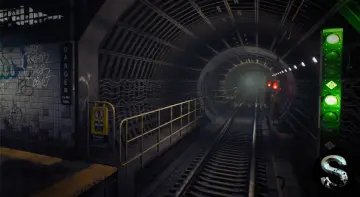
The modular nature of the structural meshes requires a dedicated detailing pass to prevent the environment from appearing overly uniform or artificially clean. To achieve the lived-in aesthetic of a heavily trafficked urban space, developers can utilize a specific set of surface projection tools. The detailing process utilizes a variety of graffiti, damage, and grunge decals that can be layered directly onto the textured surfaces of the station infrastructure.
Applying grunge decals allows artists to simulate the accumulation of dirt, grime, and pollution that naturally collects in a subterranean city environment. By strategically placing these grunge layers near the floorboards, corners, or rail lines, the scene immediately gains depth and history. Furthermore, damage decals can be introduced to suggest physical wear and tear on the building structure itself, breaking up the pristine edges of the modular meshes and simulating the heavy impact of daily mass transit.
The strategic application of these decals breaks up the tiling nature inherent to modular building workflows. When a single wall mesh is repeated multiple times to form a long metro tunnel, layering distinct graffiti and damage decals over specific sections effectively masks the repetition. The graffiti decals also provide a tool for injecting localized urban culture into the scene. Artists can place graffiti along the walls of the metro tracks or within the station layout to add visual interest and authenticity to the transportation setting, tricking the eye into perceiving a unique, continuous urban surface.
Staging the Detailed Subway Train
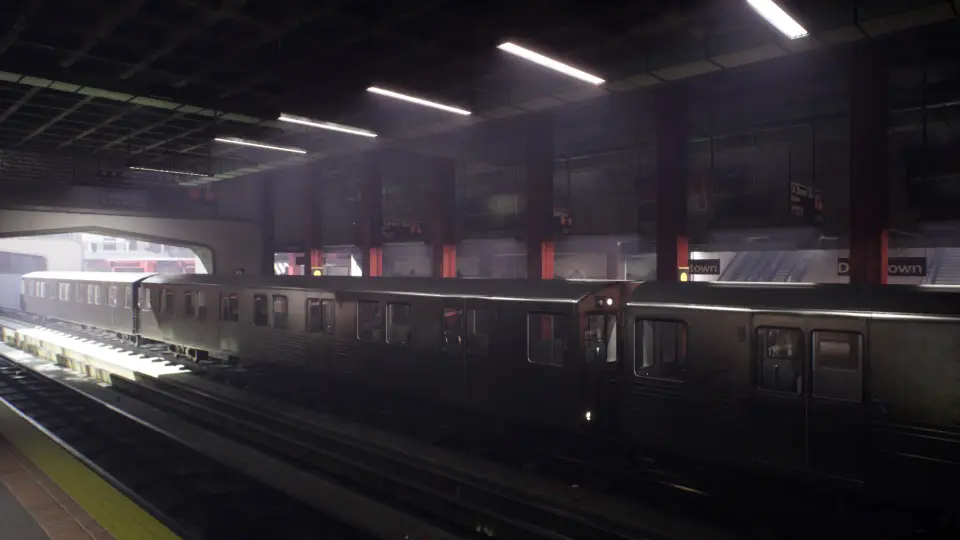
At the core of the transportation theme is the physical transit vehicle itself. The Subway Environment is visually anchored by a detailed subway train designed to occupy the rail sections of the constructed level. Implementing this train car provides a crucial focal point for the overall scene. Staging the train involves considering the sightlines established during the modular blocking phase, using the vehicle as a visual anchor that draws attention down the length of the rail corridor.
Depending on how the level designer has configured the modular structure meshes, the detailed subway train can be staged directly at the passenger platform, parked idle on a side rail, or positioned dynamically within the main tunnel architecture. The integration of this detailed asset ensures that the central purpose of the environment is visually communicated by a dedicated vehicle mesh that matches the structural fidelity of the surrounding station.
Integrating Dynamic Particle Effects
To transition the environment from a static architectural space into an active scene, the implementation pipeline must incorporate dynamic elements. Integrating water, steam, and smoke particle effects is a vital step in establishing the subterranean atmosphere. Artists can deploy water particle effects throughout the level to simulate environmental moisture, leaks from the city infrastructure above, or standing water near the rail beds.
In addition, the steam and smoke particle effects provide essential atmospheric density to the urban setting. By placing steam effects near ventilation grates, utility pipes, or the detailed subway train itself, developers can obscure distant structural meshes and create a moody, convincing climate. Smoke effects can similarly be utilized to add continuous motion to the air, ensuring that the metro environment feels appropriately active and integrated into a larger, breathing city ecosystem.
Finalizing the Scene with Audio Assets
The final layer of implementation for the subway level involves the auditory experience. The environment construction is not limited strictly to visual meshes and materials; it also relies on a selection of sound effects designed to complement the visual assets. By integrating these sound effects into the scene, developers can pair the visual feedback of the water and steam/smoke particle effects with their corresponding audio.
Layering these sound effects over the ambient space of the modular structure meshes and the detailed subway train finalizes the environmental setup. This combination of visual staging, atmospheric particle integration, and targeted audio placement results in a cohesive urban transportation level that addresses all facets of a believable underground transit system.
 Cities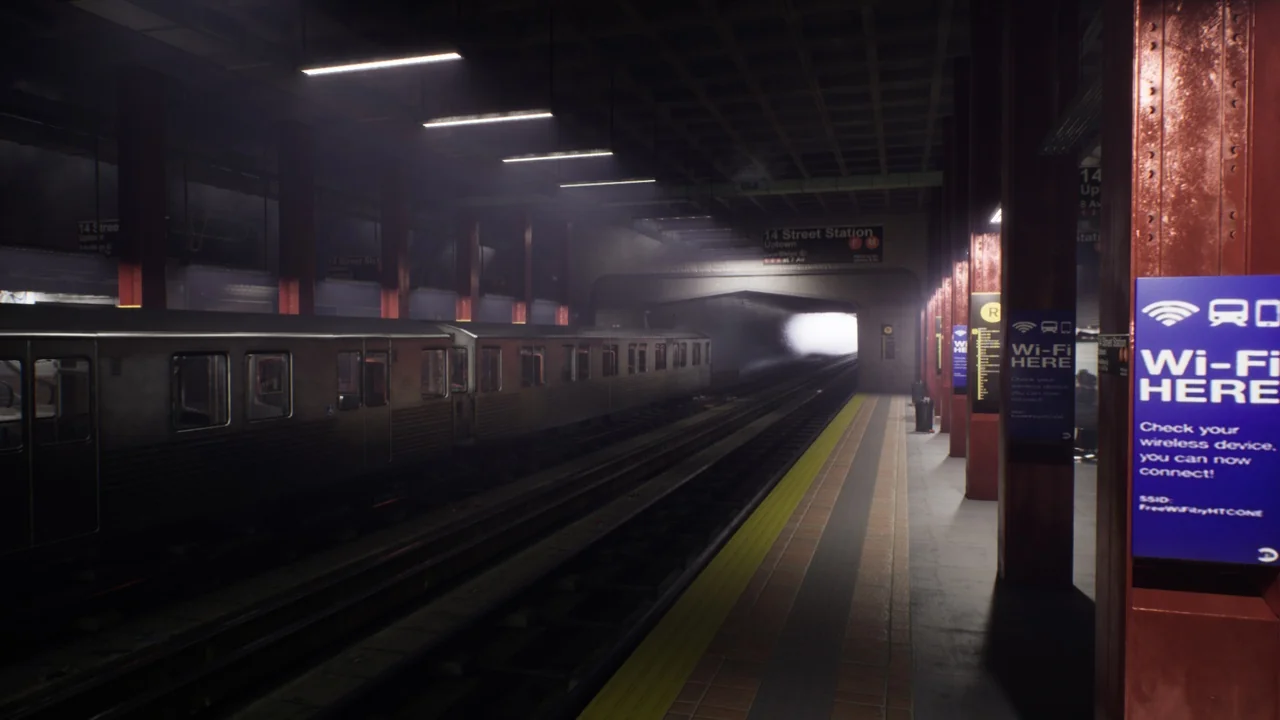
 Industrial
 Interior
 Industrial