Sand movement for deserts, dust, and storm scenes
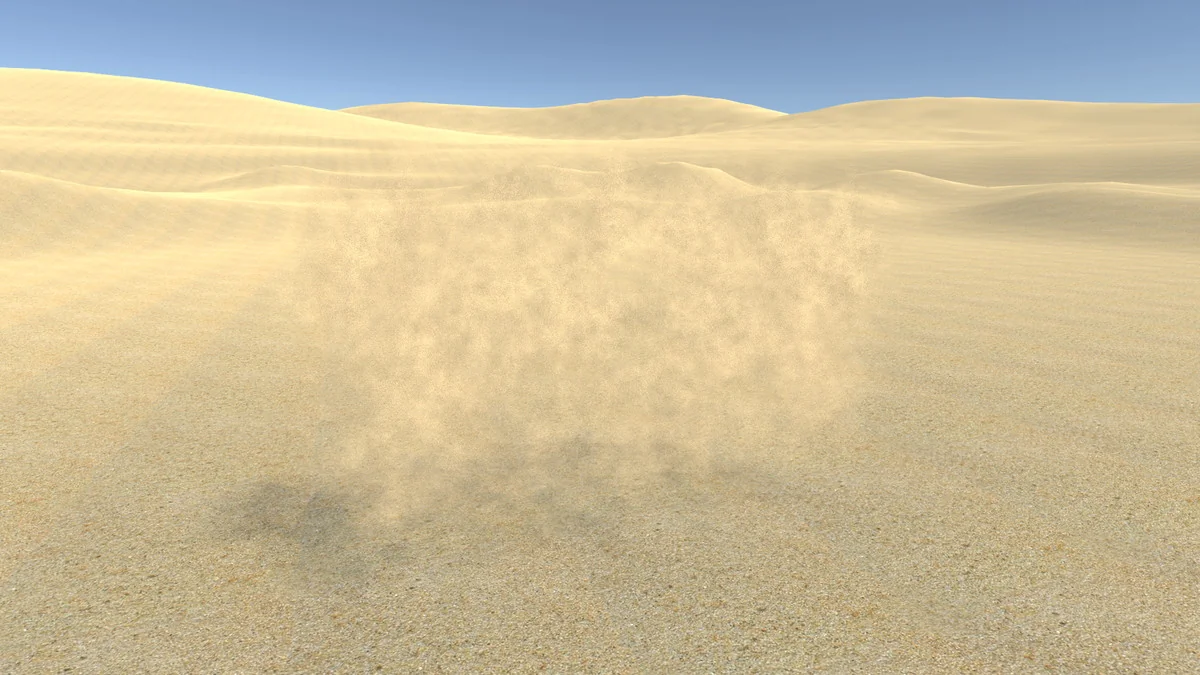
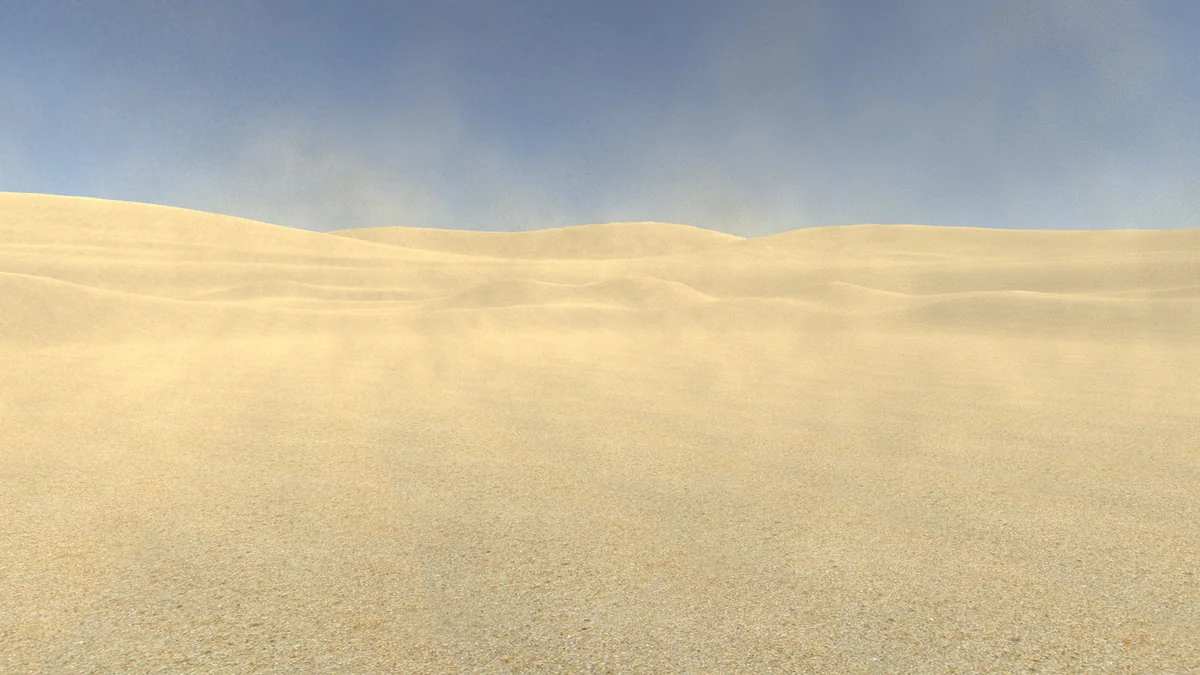
Desert wind, drifting dust, and fast-moving sand need effects that read clearly the moment they appear on screen. Sand Effects Pack focuses on that kind of motion. It includes 10 sand effects, and 9 of those are completely 3D particle systems with sound effects, so the visuals and audio work together instead of feeling separate. That makes the pack a practical fit for scenes where sand needs to feel active rather than decorative.
The overall set matches the kind of environments suggested by the tags and effect style: deserts, dust, storms, sandstorms, and sand tornadoes. Those situations can be difficult to stage cleanly, especially when the scene needs movement that is noticeable without becoming complicated to manage. Here, the effects are already organized as prefabs, so they can be placed directly into a game and used as scene dressing, atmospheric motion, or a more focused environmental event.
Because the effects are simple and immediate, they can support both background detail and moments that call attention to changing conditions in the world. A sand drift can sit quietly in the distance, while a stronger effect can help a storm scene feel more forceful. The pack stays centered on that kind of practical visual use.
Drop-in prefabs with no scripts attached
The setup is straightforward. The effects are described as very simple to use: take the prefabs and drop them into the game. No scripts were used to create the effects, so the package is focused on direct placement rather than custom logic. That can make it easier to try different sand variations in a scene without building extra systems around them first.
Resizing is also handled through standard size values, which keeps adjustment work familiar. Instead of forcing a custom workflow, the effects stay close to normal Unity usage. That matters when an artist or developer wants to tune the look of the sand quickly, especially during level dressing or while checking how the effect sits against terrain, props, or sky lighting.
The package is built for all platforms supported by the project. It also works with BiRP, URP, and HDRP, so the same set can fit different rendering setups without changing the basic intent of the effects. The package comes as a unitypackage and contains 45 assets.
Render pipeline support and Unity version notes
Pipeline support is one of the more specific parts of the pack. BiRP uses Shader Graph, and Shader Graph is included with the resource. The effects can also be changed to built-in render using Tools>RPchanger. For HDRP and URP, a Support package from Unity 2020.3 is needed, while Unity 2022 and later no longer require that Support package.
The compatibility range is listed for Unity 2020.3.18, 2022.3.12, and 6000.0.67. The original Unity version is 2020.3.18. That gives a clear picture of where the pack sits in the Unity timeline and helps explain why the shader updates in later versions matter. Version 4.0 updated all shaders and optimized the effects, while earlier updates addressed issues such as shader behavior in Unity 2022+, hard borders on HDRP and URP, and depth handling for Deferred render paths or orthographic cameras.
There is also a version history behind the current setup. Earlier updates added URP and HDRP support, replaced shaders with Shader Graph, and fixed shader issues such as broken connections and opacity bugs. That history matters because the pack is not just a single visual set; it is a shader-driven resource that has been adjusted to keep the same sand look working across different pipeline changes.
Shader control and texture detail
The sand shader includes various customization options, which gives the pack room to fit different scene styles instead of locking everything into one fixed look. That kind of flexibility is useful when the same sand effect needs to appear softer in one environment and more aggressive in another. The shader work is paired with several texture sizes: 1024×1024, 512×512, 256×256, and 64×512.
Those sizes suggest a mix of detailed and narrower texture use within the pack, which lines up with an effects set that relies on sand motion and surface variation. Since the effects are already prepared as prefabs and do not depend on scripts, the shader and texture side carries more of the visual work. The result is a resource that stays focused on sand presentation rather than on procedural setup.
For artists and developers working on storms, deserts, or any scene that needs moving sand and dust, the main advantage is directness. The effects can be placed quickly, resized with standard values, and used across supported Unity pipelines without needing to build the visuals from scratch. Projects that want sand movement with matching sound effects will get the most immediate use from it.
Visual Breakdown
Protected download
Access this resource
All resources are 100% manually reviewed to eliminate all risks.