"1f00f67f9253451b"{"id":"1000957","slug":"motorbike-interact-animations-pack","title":"Motorbike Interact Animations Pack","category":"Variety","engine":"5.0+","assetVersion":"","engineVersion":"Engine Version: 5.0+","tag":"Variety","accent":"blue","visual":"animation","summary":"30 motorbike interaction animations covering driver and passenger enter/exit, idle states, helmet interaction, steering turns, and walk-back loops for open-worl","platform":"Unreal Engine","publishedAt":"2026-08-14T15:06:27.899Z","updatedAt":"2026-08-14T15:06:27.899Z","sourceNotes":[],"fileContents":[],"compatibility":["Unreal Engine","Engine Version: 5.0+"],"featuredImage":{"alt":"Motorbike Interact Animations Pack","src":"/wp-content/uploads/published/2026/08/e2594bd0ed7e-13a82980-8828-46af-a1ad-eaa530af2ab8-669fa87a98.webp"},"hasDownloadLink":true,"downloads":1,"terms":[{"taxonomy":"category","slug":"variety-animations","name":"Variety"}],"galleryImages":[{"src":"/wp-content/uploads/published/2026/08/7c83bea0dc98-d35d5fdf-5f6b-431a-9cdf-ba243cccb65b-4699202a91.webp","alt":"Motorbike Interact Animations Pack"},{"src":"/wp-content/uploads/published/2026/08/059a495c8f3b-a01b3c5d-44ba-4a6b-b97a-e1221d33848a-713d5b82e0.webp","alt":"Motorbike Interact Animations Pack"},{"src":"/wp-content/uploads/published/2026/08/56281aa32762-14ee5de5-76ef-483d-9582-298ef799e63a-134300d6ad.webp","alt":"Motorbike Interact Animations Pack"},{"src":"/wp-content/uploads/published/2026/08/8164df51dd5a-4335c554-c022-40cb-8314-ec7e8813c48d-73e3aa0b52.webp","alt":"Motorbike Interact Animations Pack"},{"src":"/wp-content/uploads/published/2026/08/6a1cad099162-20ef7f35-20f2-4f67-84e7-4629648a0cfb-748597197b.webp","alt":"Motorbike Interact Animations Pack"}],"accessPanel":{"kind":"resource","title":"Download this resource","eyebrow":"Free Download","message":"Log in or create a free account to start your download.","fileName":"Content.7z","safetyNote":"Resources are manually reviewed before listing to improve quality and reduce obvious risks.","actionLabel":"Download Free","resourceType":"Resource archive"},"contentHtml":"\u003cp\u003eThe Motorbike Interact Animations Pack is a collection of 30 motorbike interaction animations built for open-world projects where characters need to approach, mount, ride, and leave a motorbike. Rather than a set of generic locomotion clips, it focuses specifically on the choreography around a two-wheeled vehicle: getting in, getting out, sitting still, turning the handlebars, and a few supporting moves.\u003c/p\u003e \u003ch2\u003eStarting with Entry and Exit\u003c/h2\u003e\n\u003cp\u003eThe pack leads with driver enter and exit animations, covering the core transition between walking and riding. For a motorbike, the enter motion has to read clearly whether the character is swinging a leg over the seat or stepping onto the bike from the side. The exit animation mirrors that in reverse, giving the player a confident moment of stepping away from the vehicle. Alongside these, the passenger enter and exit animations round out the set, so a second character can climb on and off without breaking the interaction.\u003c/p\u003e\n\u003cp\u003eHaving separate driver and passenger versions is important for game moments beyond solo riding. A passenger seat opens up chase sequences, escort missions, or simply letting an NPC tag along. The pack supplies both sides of that exchange, which saves time when building a motorbike support system.\u003c/p\u003e \u003ch2\u003eIdle States for Driver and Passenger\u003c/h2\u003e\n\u003cp\u003eOnce the character is on the bike, the idle animations keep the scene alive. The driver idle animation covers the most common state: the bike is stationary, the engine may be running, and the rider is waiting. This is the loop that players see at traffic lights, at a quest turn-in point, or when they have the motorbike parked but haven't dismounted yet. The passenger idle animation does the same work for the second seat, so the passenger does not freeze while the driver interacts with the world.\u003c/p\u003e\n\u003cp\u003eIdle loops are often the difference between a motorbike that feels like a vehicle and one that feels like a prop. Because the pack includes both driver and passenger idles, the whole bike can sit in the game world with all characters acting naturally.\u003c/p\u003e \u003ch2\u003eHelmet Interaction, Steering, and Walk-Back\u003c/h2\u003e\n\u003cp\u003eThree extra pieces of interaction round out the set. The helmet interact animation adds a small pre-ride ritual that many open-world games use: the character puts on or takes off a helmet before getting on or after getting off. It grounds the motorbike in a world with safety habits, and it gives the player a clear visual signal that riding is about to start or end.\u003c/p\u003e\n\u003cp\u003eSteering turns cover the natural movement of the handlebars while the motorbike is being maneuvered. Whether it is a subtle turn at low speed or a full handlebar snap, these animation clips let the upper body follow the front wheel instead of staying locked in one pose.\u003c/p\u003e\n\u003cp\u003eThe walk-back animation is a practical addition that is easy to overlook. Parked motorbikes often need to be repositioned, and a walk-back clip with start, loop, and end sections gives the game the ability to handle the bike being reversed without a janky transition. Having a start, a loop, and an end means the animation can be used in a state machine and loop cleanly while the bike is moving backward.\u003c/p\u003e \u003ch2\u003eAssembling an Open-World Motorbike Flow\u003c/h2\u003e\n\u003cp\u003eStrung together, these animations form a simple but complete interaction narrative. The player walks up to the motorbike, puts on a helmet if that interaction is triggered, enters the vehicle, and then transitions into the driver idle. When it's time to leave, the exit animation cues and the player can walk away. If a passenger is present, the same sequence applies to the second seat.\u003c/p\u003e\n\u003cp\u003eThe walk-back, start, loop, and end clips give the game an easy way to handle a common open-world request: reversing the bike out of a tight parking spot or turning it around in a narrow alley. The steering turns slot in whenever the player changes direction, and the idle loops cover every moment when the bike is not moving.\u003c/p\u003e\n\u003cp\u003eThis is not a full riding animation set with acceleration, braking, and cornering at speed. It is specifically an interaction pack, meant to cover the moments before and after the actual ride. For an open-world team, those interaction moments are often the easiest to skip, and having a ready-made set lets them polish the phase where characters touch the vehicle.\u003c/p\u003e\n\u003cp\u003eThe Motorbike Interact Animations Pack is aimed at developers working on open-world games where motorbikes are an available form of transport. Because the animations are handmade, they carry a crafted feel that translates into more believable vehicle interactions. For gameplay programmers, animation designers, or indie teams that need to fill out a motorbike module quickly, this 30-clip collection covers the essential enter, exit, idle, helmet, steering, and walk-back behaviors in one place.\u003c/p\u003e\n\n\u003ch2\u003eMore From The Same Workflow\u003c/h2\u003e\n\u003cul\u003e\n\u003cli\u003e\u003ca href=\"https://3dcghub.com/car-interact-animations-vol-1/\" title=\"Car Interact Animations VOL. 1\"\u003eCar Interact Animations VOL. 1\u003c/a\u003e\u003c/li\u003e\n\u003cli\u003e\u003ca href=\"https://3dcghub.com/mocap-western-animation-library/\" title=\"Mocap - Western Animation Library\"\u003eMocap - Western Animation Library\u003c/a\u003e\u003c/li\u003e\n\u003cli\u003e\u003ca href=\"https://3dcghub.com/morbid-motions-animations-and-poses/\" title=\"Morbid Motions | Animations and Poses\"\u003eMorbid Motions | Animations and Poses\u003c/a\u003e\u003c/li\u003e\n\u003cli\u003e\u003ca href=\"https://3dcghub.com/military-animation-pack-i-unarmed/\" title=\"Military Animation Pack I (Unarmed)\"\u003eMilitary Animation Pack I (Unarmed)\u003c/a\u003e\u003c/li\u003e\n\u003cli\u003e\u003ca href=\"https://3dcghub.com/interaction-animations-interactive-animated-pack/\" title=\"Interaction Animations | Interactive Animated Pack\"\u003eInteraction Animations | Interactive Animated Pack\u003c/a\u003e\u003c/li\u003e\n\u003c/ul\u003e","contentTextLength":4977,"navigation":{"current":370,"total":3222,"previous":{"id":"1000958","slug":"niagara-mega-vfx-pack-vol-1","title":"Niagara Mega VFX Pack vol. 1","category":"Variety","platform":"Unreal Engine","updatedAt":"2026-08-14T15:13:49.332Z"},"next":{"id":"1000956","slug":"modular-medieval-town-medieval-town-medieval-village-fantasy-town","title":"Modular Medieval Town (Medieval Town, Medieval Village, Fantasy Town)","category":"Towns \u0026 Villages","platform":"Unreal Engine","updatedAt":"2026-08-14T15:02:12.705Z"}},"relatedResources":[{"id":"1000798","slug":"car-interact-animations-vol-1","title":"Car Interact Animations VOL. 1","category":"Variety","engine":"4.27,5.0+","assetVersion":"","engineVersion":"Engine Version: 4.27,5.0+","tag":"Variety","accent":"blue","visual":"animation","summary":"A collection of 26 car interaction animations covering driver and passenger enter/exit, idles, honking, gear changes, steering, look-back loops, and death seque","platform":"Unreal Engine","publishedAt":"2026-07-30T15:30:22.531Z","updatedAt":"2026-07-30T15:30:22.531Z","sourceNotes":[],"fileContents":[],"compatibility":["Unreal Engine","Engine Version: 4.27,5.0+"],"featuredImage":{"alt":"Car Interact Animations VOL. 1","src":"/wp-content/uploads/published/2026/07/abcba5354568-9ae90b34-1917-490d-86a3-7b5240f7c10c-348ce38151.webp"},"hasDownloadLink":true,"downloads":5},{"id":"1000955","slug":"mocap-western-animation-library","title":"Mocap - Western Animation Library","category":"Variety","engine":"5.1+","assetVersion":"","engineVersion":"Engine Version: 5.1+","tag":"Variety","accent":"blue","visual":"animation","summary":"90 western motion capture animations with body and finger data for Unreal Engine 5 cinematics, covering duels, saloon life, deaths, and horse work with loops an","platform":"Unreal Engine","publishedAt":"2026-08-14T14:51:46.206Z","updatedAt":"2026-08-14T14:51:46.206Z","sourceNotes":[],"fileContents":[],"compatibility":["Unreal Engine","Engine Version: 5.1+"],"featuredImage":{"alt":"Mocap - Western Animation Library","src":"/wp-content/uploads/published/2026/08/2a3ed0777334-d8974bda-65fd-4e05-8e7f-c6281c2c4175-a0cb0ab85a.webp"},"hasDownloadLink":true,"downloads":1},{"id":"1000997","slug":"kawaii-animations-100","title":"KAWAII ANIMATIONS 100","category":"Variety","engine":"5.0+","assetVersion":"","engineVersion":"Engine Version: 5.0+","tag":"Variety","accent":"blue","visual":"animation","summary":"A growing anime-style animation pack for female characters with locomotion, idles, sit/sleep, and four combat styles. Now at 629 animations.","platform":"Unreal Engine","publishedAt":"2026-08-19T15:39:04.115Z","updatedAt":"2026-08-19T15:39:04.115Z","sourceNotes":[],"fileContents":[],"compatibility":["Unreal Engine","Engine Version: 5.0+"],"featuredImage":{"alt":"KAWAII ANIMATIONS 100","src":"/wp-content/uploads/published/2026/08/7ed1dbb27104-7137b28f-a978-42c6-9c3a-9ddaa860a097-ace60ea4bf.webp"},"hasDownloadLink":true,"downloads":7}]}
Variety
Motorbike Interact Animations Pack
30 motorbike interaction animations covering driver and passenger enter/exit, idle states, helmet interaction, steering turns, and walk-back loops for open-worl
Category:Unreal Engine,VarietyPlatform: Unreal EngineEngine Version: 5.0+Published: Aug 14, 2026
Variety
Resource overview
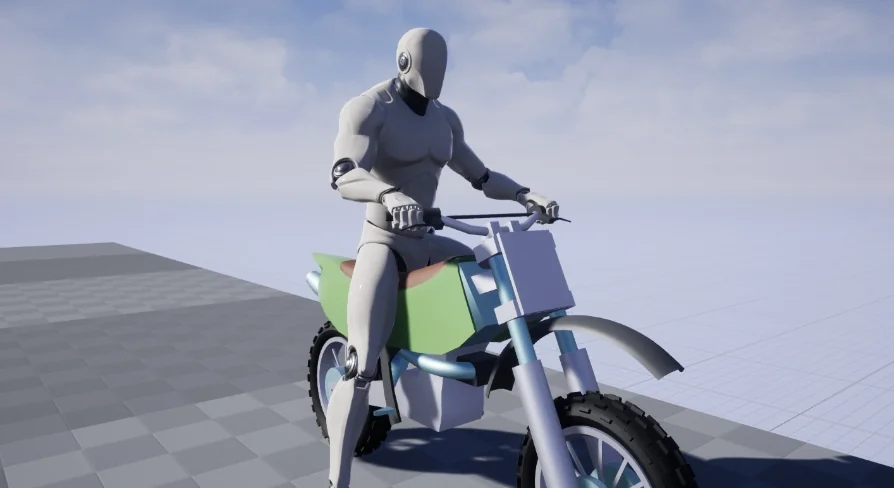
The Motorbike Interact Animations Pack is a collection of 30 motorbike interaction animations built for open-world projects where characters need to approach, mount, ride, and leave a motorbike. Rather than a set of generic locomotion clips, it focuses specifically on the choreography around a two-wheeled vehicle: getting in, getting out, sitting still, turning the handlebars, and a few supporting moves.
Starting with Entry and Exit
The pack leads with driver enter and exit animations, covering the core transition between walking and riding. For a motorbike, the enter motion has to read clearly whether the character is swinging a leg over the seat or stepping onto the bike from the side. The exit animation mirrors that in reverse, giving the player a confident moment of stepping away from the vehicle. Alongside these, the passenger enter and exit animations round out the set, so a second character can climb on and off without breaking the interaction.
Having separate driver and passenger versions is important for game moments beyond solo riding. A passenger seat opens up chase sequences, escort missions, or simply letting an NPC tag along. The pack supplies both sides of that exchange, which saves time when building a motorbike support system.
Idle States for Driver and Passenger
Once the character is on the bike, the idle animations keep the scene alive. The driver idle animation covers the most common state: the bike is stationary, the engine may be running, and the rider is waiting. This is the loop that players see at traffic lights, at a quest turn-in point, or when they have the motorbike parked but haven't dismounted yet. The passenger idle animation does the same work for the second seat, so the passenger does not freeze while the driver interacts with the world.
Idle loops are often the difference between a motorbike that feels like a vehicle and one that feels like a prop. Because the pack includes both driver and passenger idles, the whole bike can sit in the game world with all characters acting naturally.
Helmet Interaction, Steering, and Walk-Back
Three extra pieces of interaction round out the set. The helmet interact animation adds a small pre-ride ritual that many open-world games use: the character puts on or takes off a helmet before getting on or after getting off. It grounds the motorbike in a world with safety habits, and it gives the player a clear visual signal that riding is about to start or end.
Steering turns cover the natural movement of the handlebars while the motorbike is being maneuvered. Whether it is a subtle turn at low speed or a full handlebar snap, these animation clips let the upper body follow the front wheel instead of staying locked in one pose.
The walk-back animation is a practical addition that is easy to overlook. Parked motorbikes often need to be repositioned, and a walk-back clip with start, loop, and end sections gives the game the ability to handle the bike being reversed without a janky transition. Having a start, a loop, and an end means the animation can be used in a state machine and loop cleanly while the bike is moving backward.
Assembling an Open-World Motorbike Flow
Strung together, these animations form a simple but complete interaction narrative. The player walks up to the motorbike, puts on a helmet if that interaction is triggered, enters the vehicle, and then transitions into the driver idle. When it's time to leave, the exit animation cues and the player can walk away. If a passenger is present, the same sequence applies to the second seat.
The walk-back, start, loop, and end clips give the game an easy way to handle a common open-world request: reversing the bike out of a tight parking spot or turning it around in a narrow alley. The steering turns slot in whenever the player changes direction, and the idle loops cover every moment when the bike is not moving.
This is not a full riding animation set with acceleration, braking, and cornering at speed. It is specifically an interaction pack, meant to cover the moments before and after the actual ride. For an open-world team, those interaction moments are often the easiest to skip, and having a ready-made set lets them polish the phase where characters touch the vehicle.
The Motorbike Interact Animations Pack is aimed at developers working on open-world games where motorbikes are an available form of transport. Because the animations are handmade, they carry a crafted feel that translates into more believable vehicle interactions. For gameplay programmers, animation designers, or indie teams that need to fill out a motorbike module quickly, this 30-clip collection covers the essential enter, exit, idle, helmet, steering, and walk-back behaviors in one place.
 Variety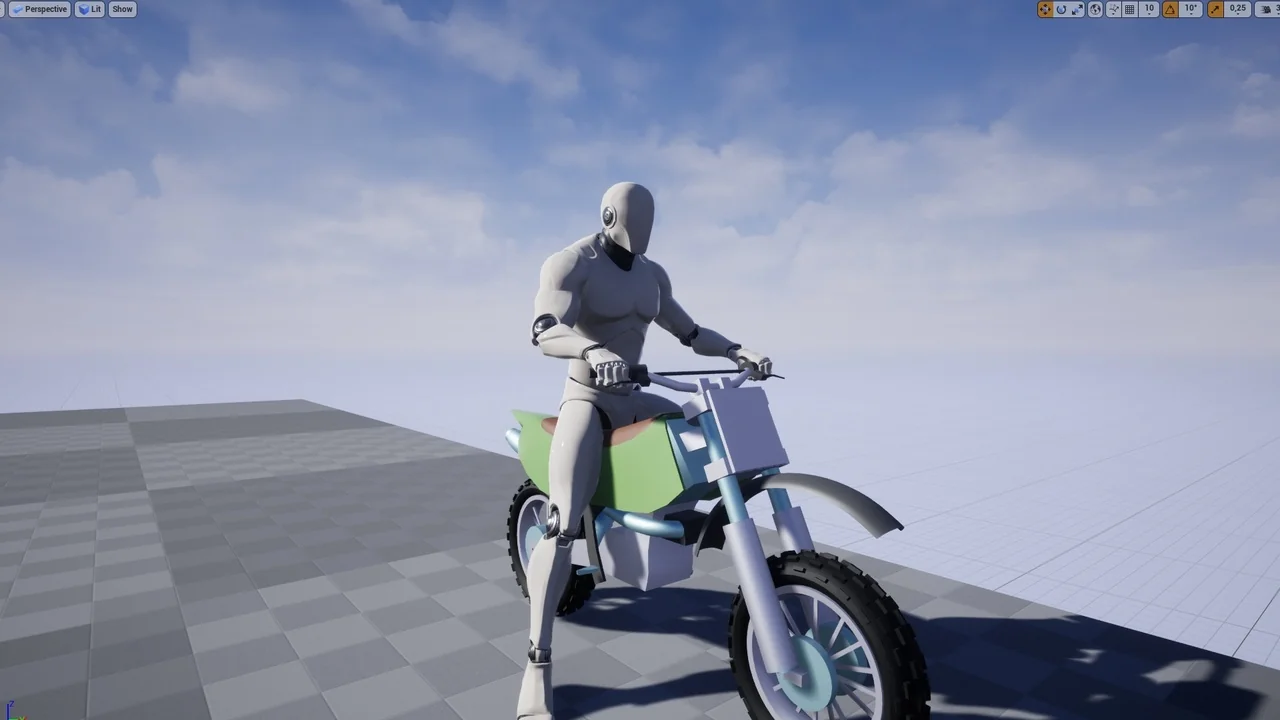
 Variety
 Variety
 Variety