"6ac84fdb0bd06614"{"id":"28204","slug":"military-boat-rigged-bp-controllable-w-skins-military-boat-boats-soldier","title":"Military Boat - Rigged/BP Controllable W/Skins ( Military Boat Boats Soldier )","category":"Vehicles \u0026 Transportation","engine":"4.26+,5.0+","assetVersion":"Engine version: 4.26+,5.0+","engineVersion":"","tag":"Vehicles","accent":"blue","visual":"audio","summary":"Military Boat – Rigged/BP Controllable W/Skins brings a drivable military watercraft into Unreal Engine with a setup that already includes assets, maps, and materials. Its rigged and Blueprint-based structure gives artists and developers a clear starting po...","platform":"Unreal Engine","publishedAt":"2026-05-06T13:56:55.000Z","updatedAt":"2026-05-06T13:56:56.000Z","sourceNotes":[],"fileContents":[],"compatibility":["Unreal Engine","Engine version: 4.26+,5.0+"],"featuredImage":{"alt":"Military Boat - Rigged/BP Controllable W/Skins ( Military Boat Boats Soldier )","src":"https://3dcghub.com/wp-content/uploads/2026/05/293c1dc006da_32830d07-e5b5-4939-b7ff-4caf04bcfd06.webp"},"hasDownloadLink":true,"downloads":1,"terms":[{"taxonomy":"category","slug":"vehicles-and-transportation","name":"Vehicles \u0026 Transportation"},{"taxonomy":"post_tag","slug":"environment","name":"Environment"},{"taxonomy":"post_tag","slug":"unreal-engine-5","name":"Unreal Engine 5"},{"taxonomy":"post_tag","slug":"vehicles","name":"Vehicles"}],"galleryImages":[{"src":"https://3dcghub.com/wp-content/uploads/2026/05/ae04b0233251_b6106726-6fca-4024-abc8-d078ef639943.webp","alt":"Military Boat - Rigged/BP Controllable W/Skins ( Military Boat Boats Soldier )"},{"src":"https://3dcghub.com/wp-content/uploads/2026/05/06b4da58745b_f47d5716-55bf-4f84-92ba-af301d1976a6.webp","alt":"Military Boat - Rigged/BP Controllable W/Skins ( Military Boat Boats Soldier )"},{"src":"https://3dcghub.com/wp-content/uploads/2026/05/66b6b3e9dcd5_5fac59bf-7643-4bd1-8f38-59743487bca2.webp","alt":"Military Boat - Rigged/BP Controllable W/Skins ( Military Boat Boats Soldier )"},{"src":"https://3dcghub.com/wp-content/uploads/2026/05/09fdf2ae3380_923dcf30-1695-4ef8-9184-eb46fd2d76f7.webp","alt":"Military Boat - Rigged/BP Controllable W/Skins ( Military Boat Boats Soldier )"},{"src":"https://3dcghub.com/wp-content/uploads/2026/05/767f312067ea_f93350ab-6334-4e73-8c56-ba663114a95d.webp","alt":"Military Boat - Rigged/BP Controllable W/Skins ( Military Boat Boats Soldier )"}],"accessPanel":{"kind":"resource","title":"Access this resource","eyebrow":"Free Download","message":"Log in or create a free account to start your download.","fileName":"Content.7z","safetyNote":"All resources are 100% manually reviewed to eliminate all risks.","actionLabel":"Download Free","resourceType":"Resource archive"},"contentHtml":"\u003cp\u003eDropping a controllable watercraft into a level is usually less about the hull itself and more about how quickly it can move from prop to active scene element. Military Boat – Rigged/BP Controllable W/Skins takes that route directly. The project includes everything pictured, with assets, maps, and materials created in Unreal Engine, so the setup already points toward actual scene use instead of a loose collection of parts.\u003c/p\u003e\n\u003cp\u003eThe asset’s identity is straightforward: this is a military boat with a rigged setup, Blueprint-based control, and skins. The tags around it reinforce that role clearly, placing it in vehicle, drivable, watercraft, script, boat, driving, military, and Blueprint workflows. That makes it easy to read as more than a static model. It fits projects where the boat needs to exist as an active part of movement, staging, or mission structure rather than as background decoration alone.\u003c/p\u003e \u003ch2\u003eGetting Military Boat into an Unreal Engine scene\u003c/h2\u003e\n\u003cp\u003eBecause the project includes all pictured assets, maps, and materials created in Unreal Engine, the package is positioned as a ready scene component instead of a bare mesh drop. For environment artists, that matters when blocking out a harbor, patrol route, dock area, or shoreline encounter. The boat can sit as a centerpiece, but the included scene-related content also helps it read in context.\u003c/p\u003e\n\u003cp\u003eThe visual target is equally specific. Each asset was created for realistic AAA-quality visuals, style, and budget. That does not just describe fidelity in a broad way; it places the boat in a production style where it needs to hold up in closer views, more grounded lighting, and more detailed surroundings. A military watercraft often becomes one of the first things a player notices in a waterside scenario, so realism in materials and presentation affects whether it reads like a believable gameplay object or just a decorative stand-in.\u003c/p\u003e\n\u003cp\u003eThat setup also gives developers a clean way to test pacing and placement. A drivable boat changes the way water spaces are built. Open stretches of water, narrow channels, guarded shorelines, and approach routes all become more meaningful when the vehicle is meant to move through them. A project that already arrives with maps and materials makes that first pass easier to evaluate inside Unreal Engine.\u003c/p\u003e \u003ch2\u003eRigged/BP Controllable and the driving side of the boat\u003c/h2\u003e\n\u003cp\u003eThe most practical part of the package is right in the name: Rigged/BP Controllable. A rigged boat gives animators and technical artists a stronger base for motion work, while Blueprint control points the asset toward direct interaction and gameplay use. The supporting tags—drivable, script, driving, and Blueprint—push that reading even further. This is not framed as a passive display model. It is meant to be handled as a controllable vehicle.\u003c/p\u003e\n\u003cp\u003eFor gameplay prototypes, that can mean patrol movement, extraction sequences, coastal traversal, or military staging where the boat becomes part of the player’s route. For cinematics, the same controllable structure can support more intentional blocking. A rigged vessel is easier to treat as an active performer in a shot, especially when the scene needs movement that feels planned rather than improvised.\u003c/p\u003e\n\u003cp\u003eThe military theme also sharpens how the asset can be used creatively. A generic civilian boat can fit almost anywhere, but a military boat carries narrative direction from the start. It implies operations, transport, defense, pursuit, or guarded access. That helps environment artists define the tone of a scene quickly. A shoreline with this boat present is no longer just a waterside location; it suggests control, readiness, and tactical activity.\u003c/p\u003e\n\u003cp\u003eSkins add another layer to that. The title confirms that the package includes skins, which gives the boat variation without changing its core role. Even without detailing exact skin styles, the presence of skins broadens how the same vehicle can be staged across different maps, mission beats, or visual setups inside the same project.\u003c/p\u003e \u003ch2\u003eSkins, materials, and realistic AAA-quality visuals\u003c/h2\u003e\n\u003cp\u003eThe project’s included materials are important because a military vehicle often depends on surface treatment as much as shape. Materials influence whether the boat feels at home in bright daylight, harsher operational scenes, or more controlled cinematic lighting. Since the materials are part of the Unreal Engine project content, the boat is not separated from the look-development stage. It arrives with the presentation layer already considered.\u003c/p\u003e\n\u003cp\u003eThat helps when the goal is consistency across a full scene. If the boat is placed near docks, coastal barriers, equipment zones, or other environment elements, matching material response becomes part of the sell. A realistic AAA-quality target suggests the boat is intended to sit comfortably in scenes where visual cohesion matters, especially when watercraft become focal points in medium or close framing.\u003c/p\u003e\n\u003cp\u003eSkins also help avoid repetition when the same watercraft role appears more than once. One boat can function as the hero object in a sequence, while another can sit further back as supporting scene dressing, still belonging to the same military setting. The asset’s value here is not in abstraction but in flexibility within a single visual language.\u003c/p\u003e \u003ch2\u003eUltimate Level Art Tool compatibility\u003c/h2\u003e\n\u003cp\u003eThe project is noted as compatible with the Ultimate Level Art Tool, also referred to as ULAT. That compatibility matters most for teams building larger scenes around the vehicle rather than isolating it as a single prop. ULAT is described as allowing fast creation of custom modular buildings and offering a seamless way to populate scenes naturally.\u003c/p\u003e\n\u003cp\u003eIn practical terms, that creates a useful pipeline connection. A military boat rarely lives in a vacuum. It usually needs context: structures near the water, modular coastal installations, support spaces, and believable scene population. Compatibility with ULAT suggests the project can sit inside a broader worldbuilding workflow where the boat is one piece of a larger operational environment.\u003c/p\u003e\n\u003cp\u003eThat makes the asset easier to think about at production scale. Instead of treating the boat as a one-off insert, artists can place it within a modular environment process that supports faster iteration. A military harbor, checkpoint, or shoreline compound becomes easier to assemble when the central vehicle asset and the surrounding level-building tool are already aligned.\u003c/p\u003e \u003ch2\u003eAnimation, Blueprint setup, and production use\u003c/h2\u003e\n\u003cp\u003eThe project credits separate work across art, animation, and Blueprint setup, which is a useful signal for implementation. The visual side and the functional side were both addressed, rather than leaving one to be solved after import. For teams evaluating production readiness, that combination is often what turns a themed vehicle into a usable scene element.\u003c/p\u003e\n\u003cp\u003eMilitary Boat – Rigged/BP Controllable W/Skins is at its best when treated as an active part of a level: a drivable watercraft with a military read, a rigged structure, Blueprint control, skins for variation, and Unreal Engine materials and maps already in place. For artists, it supports believable staging. For developers, it offers a clearer path from placement to interaction. That balance makes it easier to keep the boat in the project as more than set dressing.\u003c/p\u003e\n\n\u003ch2\u003eMore From The Same Workflow\u003c/h2\u003e\n\u003cul\u003e\n\u003cli\u003e\u003ca href=\"https://3dcghub.com/vehicles-gravity-template-vgt/\" title=\"Vehicles Gravity Template – VGT\"\u003eVehicles Gravity Template – VGT\u003c/a\u003e\u003c/li\u003e\n\u003c/ul\u003e","contentTextLength":7401,"navigation":{"current":1323,"total":3181,"previous":{"id":"28206","slug":"military-ninja-shadows-series","title":"Military Ninja - Shadows Series","category":"Combat","platform":"Unreal Engine","updatedAt":"2026-05-06T14:04:03.000Z"},"next":{"id":"28194","slug":"modular-soldier-pack-vol-1","title":"MODULAR SOLDIER PACK Vol. 1","category":"Humans","platform":"Unreal Engine","updatedAt":"2026-05-06T13:54:12.000Z"}},"relatedResources":[{"id":"5159","slug":"military-truck-rigged-bp-controllable-military-truck-army-drivable-car-3d","title":"Military Truck - Rigged/BP Controllable ( Military Truck Army Drivable Car 3D )","category":"Vehicles \u0026 Transportation","engine":"4.26+,5.0+","assetVersion":"Engine version: 4.26+,5.0+","engineVersion":"4.18","tag":"Vehicles","accent":"blue","visual":"mech","summary":"Enhance your project with a high-quality, drivable military truck for Unreal Engine. Featuring AAA visuals and a full Blueprint setup for easy integration.","platform":"Unreal Engine","publishedAt":"2026-02-14T17:58:00.000Z","updatedAt":"2026-04-19T15:57:00.000Z","sourceNotes":[],"fileContents":[],"compatibility":["Unreal Engine","Engine version: 4.26+,5.0+"],"featuredImage":{"alt":"Military Truck - Rigged/BP Controllable ( Military Truck Army Drivable Car 3D )","src":"https://3dcghub.com/wp-content/uploads/2026/02/2a08f5a0-548d-4b3c-80b8-341938a33ab3.webp"},"hasDownloadLink":true,"downloads":0},{"id":"5107","slug":"driveable-vehicle-ah-raider","title":"Driveable Vehicle : AH-Raider","category":"Vehicles \u0026 Transportation","engine":"5.0+","assetVersion":"Engine version: 5.0+","engineVersion":"4.16","tag":"Vehicles","accent":"blue","visual":"animation","summary":"Boost your Unreal Engine project with the AH-Raider. This drivable stealth helicopter features optimized blueprints, seven skins, and advanced weapon systems.","platform":"Unreal Engine","publishedAt":"2026-02-14T17:43:29.000Z","updatedAt":"2026-04-19T15:57:01.000Z","sourceNotes":[],"fileContents":[],"compatibility":["Unreal Engine","Engine version: 5.0+"],"featuredImage":{"alt":"Driveable Vehicle : AH-Raider","src":"https://3dcghub.com/wp-content/uploads/2026/02/99e4b997-773c-4bcc-b1c0-ddff44a70701.webp"},"hasDownloadLink":true,"downloads":0},{"id":"28621","slug":"dystopia-airship","title":"Dystopia Airship","category":"Vehicles \u0026 Transportation","engine":"4.26+,5.0+","assetVersion":"Engine version: 4.26+,5.0+","engineVersion":"","tag":"Vehicles","accent":"blue","visual":"mech","summary":"Dystopia Airship gives teams a ready-made flying vehicle for space, adventure, and dark fantasy scenes without starting from a static prop. It combines a rigged model, 10 animations, weapons, lighting, and a fabric physics banner in a single aircraft package.","platform":"Unreal Engine","publishedAt":"2026-05-17T15:03:32.000Z","updatedAt":"2026-05-17T15:03:33.000Z","sourceNotes":[],"fileContents":[],"compatibility":["Unreal Engine","Engine version: 4.26+,5.0+"],"featuredImage":{"alt":"Dystopia Airship","src":"https://3dcghub.com/wp-content/uploads/2026/05/b944786bd85b_d10d2c26-6d39-456d-97ca-043adc12e653.webp"},"hasDownloadLink":true,"downloads":1}]}
Vehicles
Military Boat - Rigged/BP Controllable W/Skins ( Military Boat Boats Soldier )
Military Boat – Rigged/BP Controllable W/Skins brings a drivable military watercraft into Unreal Engine with a setup that already includes assets, maps, and materials. Its rigged and Blueprint-based structure gives artists and developers a clear starting po...
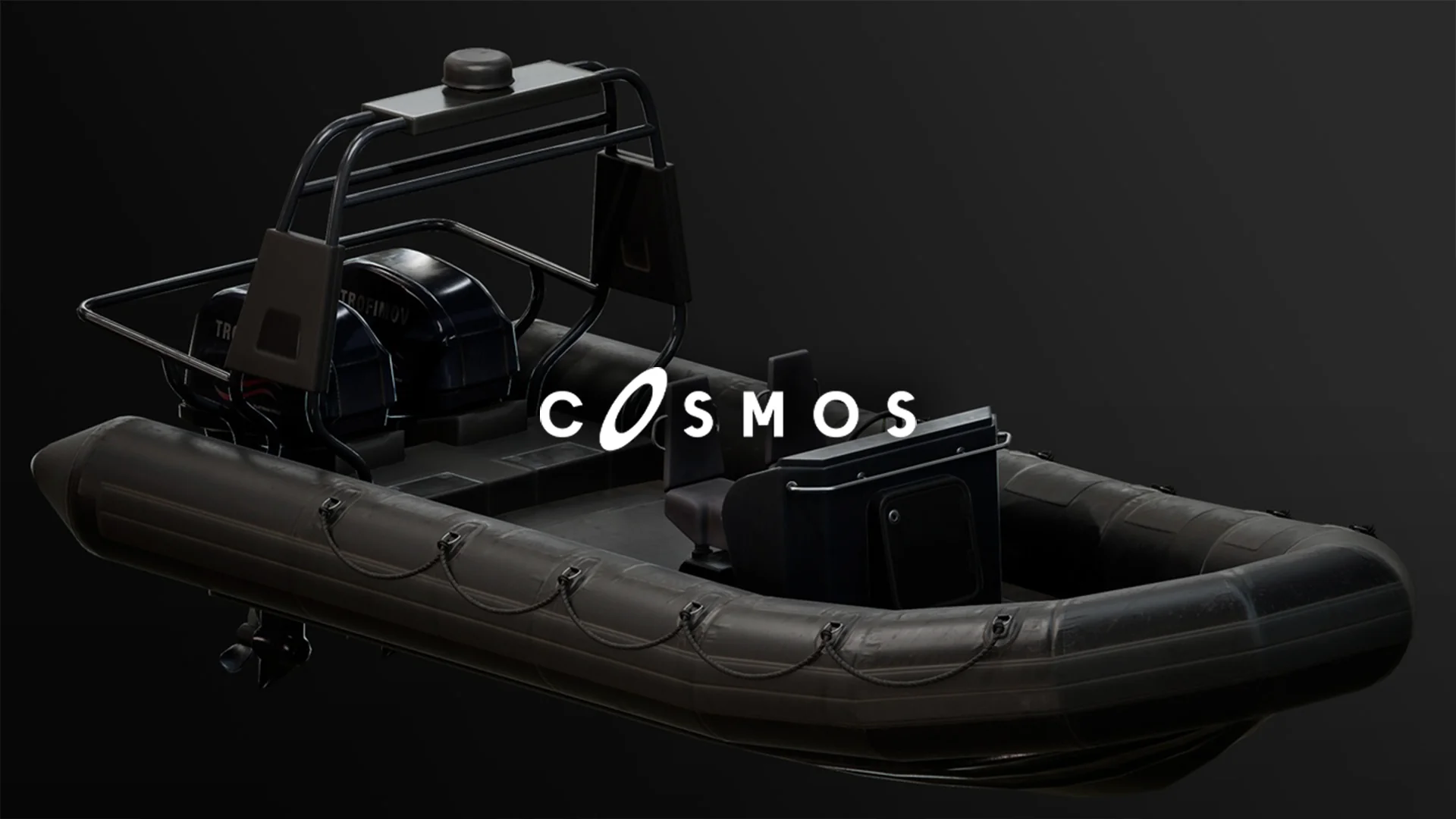
Dropping a controllable watercraft into a level is usually less about the hull itself and more about how quickly it can move from prop to active scene element. Military Boat – Rigged/BP Controllable W/Skins takes that route directly. The project includes everything pictured, with assets, maps, and materials created in Unreal Engine, so the setup already points toward actual scene use instead of a loose collection of parts.
The asset’s identity is straightforward: this is a military boat with a rigged setup, Blueprint-based control, and skins. The tags around it reinforce that role clearly, placing it in vehicle, drivable, watercraft, script, boat, driving, military, and Blueprint workflows. That makes it easy to read as more than a static model. It fits projects where the boat needs to exist as an active part of movement, staging, or mission structure rather than as background decoration alone.
Getting Military Boat into an Unreal Engine scene
Because the project includes all pictured assets, maps, and materials created in Unreal Engine, the package is positioned as a ready scene component instead of a bare mesh drop. For environment artists, that matters when blocking out a harbor, patrol route, dock area, or shoreline encounter. The boat can sit as a centerpiece, but the included scene-related content also helps it read in context.
The visual target is equally specific. Each asset was created for realistic AAA-quality visuals, style, and budget. That does not just describe fidelity in a broad way; it places the boat in a production style where it needs to hold up in closer views, more grounded lighting, and more detailed surroundings. A military watercraft often becomes one of the first things a player notices in a waterside scenario, so realism in materials and presentation affects whether it reads like a believable gameplay object or just a decorative stand-in.
That setup also gives developers a clean way to test pacing and placement. A drivable boat changes the way water spaces are built. Open stretches of water, narrow channels, guarded shorelines, and approach routes all become more meaningful when the vehicle is meant to move through them. A project that already arrives with maps and materials makes that first pass easier to evaluate inside Unreal Engine.
Rigged/BP Controllable and the driving side of the boat
The most practical part of the package is right in the name: Rigged/BP Controllable. A rigged boat gives animators and technical artists a stronger base for motion work, while Blueprint control points the asset toward direct interaction and gameplay use. The supporting tags—drivable, script, driving, and Blueprint—push that reading even further. This is not framed as a passive display model. It is meant to be handled as a controllable vehicle.
For gameplay prototypes, that can mean patrol movement, extraction sequences, coastal traversal, or military staging where the boat becomes part of the player’s route. For cinematics, the same controllable structure can support more intentional blocking. A rigged vessel is easier to treat as an active performer in a shot, especially when the scene needs movement that feels planned rather than improvised.
The military theme also sharpens how the asset can be used creatively. A generic civilian boat can fit almost anywhere, but a military boat carries narrative direction from the start. It implies operations, transport, defense, pursuit, or guarded access. That helps environment artists define the tone of a scene quickly. A shoreline with this boat present is no longer just a waterside location; it suggests control, readiness, and tactical activity.
Skins add another layer to that. The title confirms that the package includes skins, which gives the boat variation without changing its core role. Even without detailing exact skin styles, the presence of skins broadens how the same vehicle can be staged across different maps, mission beats, or visual setups inside the same project.
Skins, materials, and realistic AAA-quality visuals
The project’s included materials are important because a military vehicle often depends on surface treatment as much as shape. Materials influence whether the boat feels at home in bright daylight, harsher operational scenes, or more controlled cinematic lighting. Since the materials are part of the Unreal Engine project content, the boat is not separated from the look-development stage. It arrives with the presentation layer already considered.
That helps when the goal is consistency across a full scene. If the boat is placed near docks, coastal barriers, equipment zones, or other environment elements, matching material response becomes part of the sell. A realistic AAA-quality target suggests the boat is intended to sit comfortably in scenes where visual cohesion matters, especially when watercraft become focal points in medium or close framing.
Skins also help avoid repetition when the same watercraft role appears more than once. One boat can function as the hero object in a sequence, while another can sit further back as supporting scene dressing, still belonging to the same military setting. The asset’s value here is not in abstraction but in flexibility within a single visual language.
Ultimate Level Art Tool compatibility
The project is noted as compatible with the Ultimate Level Art Tool, also referred to as ULAT. That compatibility matters most for teams building larger scenes around the vehicle rather than isolating it as a single prop. ULAT is described as allowing fast creation of custom modular buildings and offering a seamless way to populate scenes naturally.
In practical terms, that creates a useful pipeline connection. A military boat rarely lives in a vacuum. It usually needs context: structures near the water, modular coastal installations, support spaces, and believable scene population. Compatibility with ULAT suggests the project can sit inside a broader worldbuilding workflow where the boat is one piece of a larger operational environment.
That makes the asset easier to think about at production scale. Instead of treating the boat as a one-off insert, artists can place it within a modular environment process that supports faster iteration. A military harbor, checkpoint, or shoreline compound becomes easier to assemble when the central vehicle asset and the surrounding level-building tool are already aligned.
Animation, Blueprint setup, and production use
The project credits separate work across art, animation, and Blueprint setup, which is a useful signal for implementation. The visual side and the functional side were both addressed, rather than leaving one to be solved after import. For teams evaluating production readiness, that combination is often what turns a themed vehicle into a usable scene element.
Military Boat – Rigged/BP Controllable W/Skins is at its best when treated as an active part of a level: a drivable watercraft with a military read, a rigged structure, Blueprint control, skins for variation, and Unreal Engine materials and maps already in place. For artists, it supports believable staging. For developers, it offers a clearer path from placement to interaction. That balance makes it easier to keep the boat in the project as more than set dressing.
 Vehicles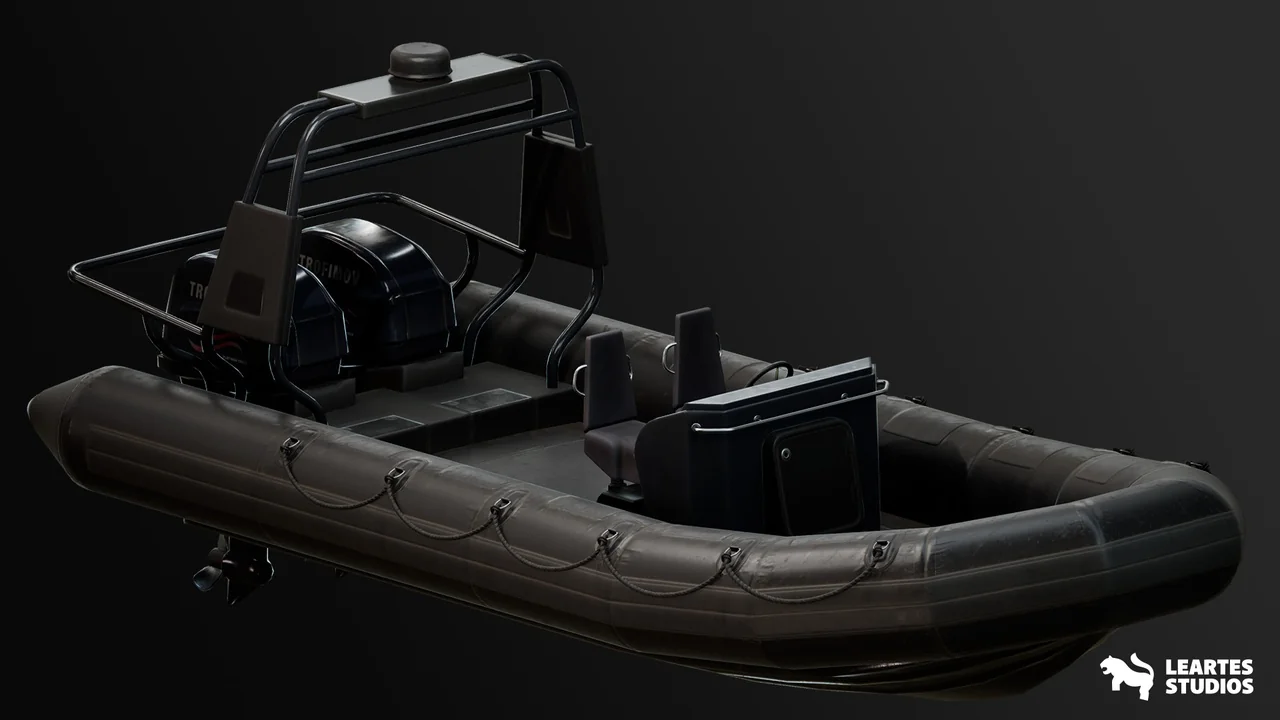
 Vehicles
 Vehicles
 Vehicles