"7b46a695175d8694"{"id":"1000379","slug":"metro-15-environment-pack","title":"Metro 15 - Environment Pack","category":"Horror","engine":"4.26+,5.0+","assetVersion":"","engineVersion":"Engine Version: 4.26+,5.0+","tag":"Horror","accent":"blue","visual":"city","summary":"A modular environment pack featuring 100+ meshes, particle effects, and sound FX, optimized for building realistic dystopian FPS and VR horror levels.","platform":"Unreal Engine","publishedAt":"2026-07-07T06:49:53.161Z","updatedAt":"2026-07-07T06:49:53.161Z","sourceNotes":[],"fileContents":[],"compatibility":["Unreal Engine","Engine Version: 4.26+,5.0+"],"featuredImage":{"alt":"Metro 15 - Environment Pack","src":"/wp-content/uploads/published/2026/07/fc60c54241a7-27f5739c-cd36-4ebe-bf62-9ec9c616340e-0725070b49.webp"},"hasDownloadLink":true,"downloads":0,"terms":[{"taxonomy":"category","slug":"horror","name":"Horror"}],"galleryImages":[{"src":"/wp-content/uploads/published/2026/07/b2a9239d86eb-7393b9bf-8cf2-4a5c-9922-4ab97f324563-08b14d8da7.webp","alt":"Metro 15 - Environment Pack"},{"src":"/wp-content/uploads/published/2026/07/a33fef499cf5-c8c961ea-27a3-43b7-85e5-b953ea248a34-668ab1f29d.webp","alt":"Metro 15 - Environment Pack"},{"src":"/wp-content/uploads/published/2026/07/fc3e10c44961-3a80d62e-c305-42e0-b175-4325ddbf9777-572fd35135.webp","alt":"Metro 15 - Environment Pack"},{"src":"/wp-content/uploads/published/2026/07/1e0b00a0e0e0-bcd169d0-b9dd-423a-abc9-2dbc44d63e96-0358be3818.webp","alt":"Metro 15 - Environment Pack"},{"src":"/wp-content/uploads/published/2026/07/06e9e7235e00-1ebf32ff-48e8-4951-b0e0-879467f05166-8f21fa1227.webp","alt":"Metro 15 - Environment Pack"},{"src":"/wp-content/uploads/published/2026/07/caf62d92ed93-8c2dafba-1b7a-47a2-920e-80d3cd04a5f5-79faac0df3.webp","alt":"Metro 15 - Environment Pack"},{"src":"/wp-content/uploads/published/2026/07/670530641013-7c70e180-d326-4a8a-a91e-d23ba8d0fb63-776a39d1fc.webp","alt":"Metro 15 - Environment Pack"},{"src":"/wp-content/uploads/published/2026/07/166aae064435-810cf7da-e847-49a6-b626-345ba46625ed-2cca0cff32.webp","alt":"Metro 15 - Environment Pack"},{"src":"/wp-content/uploads/published/2026/07/e45bfa4f12c6-0a5c12fb-b111-42b1-a7f5-c35dfee67db8-f32a177b6b.webp","alt":"Metro 15 - Environment Pack"},{"src":"/wp-content/uploads/published/2026/07/12611e58f61a-07b78c8f-1ec9-4a30-adbb-1b85bc680ff0-7adecf161f.webp","alt":"Metro 15 - Environment Pack"}],"accessPanel":{"kind":"resource","title":"Download this resource","eyebrow":"Free Download","message":"Log in or create a free account to start your download.","fileName":"Content.7z","safetyNote":"Resources are manually reviewed before listing to improve quality and reduce obvious risks.","actionLabel":"Download Free","resourceType":"Resource archive"},"contentHtml":"\u003ch2\u003eConstructing Dystopian FPS Environments\u003c/h2\u003e\n\u003cp\u003eWhen laying the groundwork for a realistic first-person shooter, the initial setup relies heavily on having a diverse but cohesive set of structural elements. The Metro 15 - Environment Pack provides the necessary foundation for building out gritty, subterranean spaces. By utilizing the provided assets, level designers can block out the navigable paths, choke points, and open transit areas essential for FPS gameplay. The assets are explicitly geared toward a dystopian aesthetic, allowing developers to craft oppressive, decaying underground transit systems that fit naturally into post-apocalyptic or grim futuristic settings.\u003c/p\u003e\n\u003cp\u003eBecause the environment is built with realism in mind, the implementation phase involves snapping together various architectural and prop elements to form a believable space. Developers can map out intricate tunnel networks and abandoned station platforms, ensuring that the visual identity of the level remains consistent from one corridor to the next. The focus on a realistic metro environment dictates how these spaces are organized, giving creators the tools to establish clear sightlines for combat or claustrophobic pathways for tension-heavy exploration.\u003c/p\u003e\n\u003ch2\u003eModular Assembly with 100+ Meshes\u003c/h2\u003e\n\u003cp\u003eAt the core of the spatial design process are over 100 individual meshes. Rather than providing a single, static scene, the pack is based on modularity. This approach allows developers to treat the meshes as a comprehensive building vocabulary, piecing them together to generate unique layouts without relying on entirely bespoke geometry for every room. The sheer volume of meshes ensures that creators can avoid obvious visual repetition, even when constructing expansive underground networks.\u003c/p\u003e\n\u003cp\u003eThis modular workflow opens up endless possibilities for reuse across different stages of a project. A single corridor mesh can be recontextualized with different prop placements, while structural pillars and platform edges can be arrayed to create sprawling transit hubs. By snapping these pieces together on a grid, level designers can rapidly iterate on their layouts, adjusting the flow of the environment based on playtesting feedback. The modular nature of the assets ensures that whether a developer is building a short, linear horror experience or a sprawling FPS level, the geometry scales to meet the spatial requirements of the project.\u003c/p\u003e\n\u003ch2\u003eImplementing Water and Sparkle Particles\u003c/h2\u003e\n\u003cp\u003eOnce the primary architecture is in place, the environment requires dynamic elements to break up the static nature of the meshes. The Metro 15 pack addresses this by including specific particle systems designed to enhance the decaying atmosphere. Developers can place drip particles under damaged ceiling meshes or exposed pipes, simulating the slow ingress of groundwater common in subterranean structures. To ground these drips in the environment, water rippler particles can be positioned on the floor, creating the illusion of standing puddles reacting to the environment above.\u003c/p\u003e\n\u003cp\u003eFor areas meant to convey mechanical failure or immediate danger, electric sparkle particles can be integrated into the scene. Placing these sparkles near broken light fixtures, exposed wiring, or derailed transit cars adds immediate visual interest and movement to the environment. These particle systems are crucial for environmental storytelling, allowing level artists to guide the player's eye toward points of interest or warn them of hazardous zones within the FPS layout. Layering these effects over the modular meshes transforms a clean architectural blockout into a grounded, realistic dystopian space.\u003c/p\u003e\n\u003ch2\u003eIntegrating Sound FX for Immersive Horror\u003c/h2\u003e\n\u003cp\u003eVisual fidelity is only one part of the environmental setup. To fully realize a horror or realistic atmosphere, audio must be tightly coupled with the visual elements. The inclusion of dedicated Sound FXs within the pack allows developers to anchor their dynamic elements with corresponding audio cues. Implementing these sounds involves placing audio emitters alongside the particle systems—for instance, pairing the visual drip particle with a rhythmic water droplet sound effect, or matching the electric sparkles with a harsh, crackling audio loop.\u003c/p\u003e\n\u003cp\u003eThis multisensory integration is especially critical when leaning into the horror tag associated with the assets. In a dimly lit metro tunnel, the echo of water or the sudden snap of an electrical short can drastically elevate the tension for the player. By providing these sound effects directly alongside the meshes and particles, the pack ensures that developers have the necessary components to build out the ambient soundscape simultaneously with the visual layout, streamlining the environment creation process.\u003c/p\u003e\n\u003ch2\u003eVR and AR Optimization\u003c/h2\u003e\n\u003cp\u003eDesigning for virtual and augmented reality requires strict adherence to performance budgets. The assets within the Metro 15 - Environment Pack are specifically optimized for VR and AR platforms, meaning the meshes, particle systems, and structural setups are tuned to maintain the high, consistent framerates required for stereoscopic rendering. When developers import these assets into a virtual reality pipeline, they can construct complex scenes without immediately hitting the performance bottlenecks that often accompany highly detailed realistic environments.\u003c/p\u003e\n\u003cp\u003eThis optimization is vital for virtual horror and immersive FPS projects, where dropped frames can instantly break immersion or cause player discomfort. The creator's background in developing performance-ready immersive spaces—demonstrated by previous works like the Pro-TEK Sci-Fi PBR VR Horror Corridor in Space and the Pro-TEK Sci-Fi PBR Laboratory Interior with Hologram—informs the technical setup of this pack. The assets are structured to balance the visual density of a realistic metro system with the demanding rendering constraints of VR hardware.\u003c/p\u003e\n\u003ch2\u003eProduction Readiness and Practical Application\u003c/h2\u003e\n\u003cp\u003eThe combination of structural meshes, dynamic particles, and integrated audio makes this a highly practical toolkit for immediate level production. Developers can quickly move from an initial gray-box layout to a fully dressed, atmospheric environment using only the contents of the pack. The alignment of the assets with modular workflows ensures that iteration remains fast and flexible throughout the development cycle.\u003c/p\u003e\n\u003cp\u003eBy leveraging the included VFX like water ripplers and electric sparks, alongside the environmental sound effects, creators can achieve a polished, realistic aesthetic without having to source peripheral assets from outside libraries. Whether the target is a traditional flat-screen dystopian shooter or a tense, virtual reality horror experience, the Metro 15 pack provides a cohesive, performance-conscious foundation for underground level design.\u003c/p\u003e\n\n\u003ch2\u003eRelated Resources Worth Checking\u003c/h2\u003e\n\u003cul\u003e\n\u003cli\u003e\u003ca href=\"https://3dcghub.com/the-great-marsh/\" title=\"The Great Marsh\"\u003eThe Great Marsh\u003c/a\u003e\u003c/li\u003e\n\u003cli\u003e\u003ca href=\"https://3dcghub.com/asylum-modular-pack/\" title=\"Asylum Modular Pack\"\u003eAsylum Modular Pack\u003c/a\u003e\u003c/li\u003e\n\u003cli\u003e\u003ca href=\"https://3dcghub.com/atmospheric-modular-underground-car-park-hallways/\" title=\"Atmospheric Modular Underground Car Park \u0026amp; Hallways\"\u003eAtmospheric Modular Underground Car Park \u0026amp; Hallways\u003c/a\u003e\u003c/li\u003e\n\u003cli\u003e\u003ca href=\"https://3dcghub.com/brushify-underworld-pack/\" title=\"Brushify - Underworld Pack\"\u003eBrushify - Underworld Pack\u003c/a\u003e\u003c/li\u003e\n\u003cli\u003e\u003ca href=\"https://3dcghub.com/supermarket/\" title=\"Supermarket\"\u003eSupermarket\u003c/a\u003e\u003c/li\u003e\n\u003c/ul\u003e","contentTextLength":6994,"navigation":{"current":1241,"total":3481,"previous":{"id":"1000380","slug":"middle-east","title":"Middle East","category":"Military / Warzone","platform":"Unreal Engine","updatedAt":"2026-07-07T07:30:18.989Z"},"next":{"id":"1000252","slug":"smooth-sync","title":"Smooth Sync","category":"Network \u0026 Multiplayer","platform":"Unreal Engine","updatedAt":"2026-07-06T18:48:58.674Z"}},"relatedResources":[{"id":"1000452","slug":"asylum","title":"Asylum","category":"Horror","engine":"4.26+,5.0+","assetVersion":"","engineVersion":"Engine Version: 4.26+,5.0+","tag":"Horror","accent":"blue","visual":"mech","summary":"Modular horror asylum environment with a four-storey building, basement, 300+ props, procedural dirt shader, and mesh/light unloading for high FPS.","platform":"Unreal Engine","publishedAt":"2026-07-11T01:31:27.483Z","updatedAt":"2026-07-11T01:31:27.483Z","sourceNotes":[],"fileContents":[],"compatibility":["Unreal Engine","Engine Version: 4.26+,5.0+"],"featuredImage":{"alt":"Asylum","src":"/wp-content/uploads/published/2026/07/77966c77c091-0c1de550-e564-4810-9352-1415132c9995-723888fd7b.webp"},"hasDownloadLink":true,"downloads":3},{"id":"8461","slug":"asylum-modular-pack","title":"Asylum Modular Pack","category":"Horror","engine":"4.26+,5.0+","assetVersion":"Engine version: 4.26+,5.0+","engineVersion":"4.26","tag":"Horror","accent":"blue","visual":"city","summary":"Build immersive and terrifying environments with the Asylum Modular Pack. This comprehensive collection features 100 modular meshes and cinematic sequences designed for high-performance horror games and films.","platform":"Unreal Engine","publishedAt":"2026-02-23T17:23:25.000Z","updatedAt":"2026-04-19T15:55:27.000Z","sourceNotes":[],"fileContents":[],"compatibility":["Unreal Engine","Engine version: 4.26+,5.0+"],"featuredImage":{"alt":"Asylum Modular Pack","src":"https://3dcghub.com/wp-content/uploads/2026/02/7c09c4a0-8c43-414f-850a-c348c66e51c4.webp"},"hasDownloadLink":true,"downloads":3},{"id":"8515","slug":"the-great-marsh","title":"The Great Marsh","category":"Horror","engine":"4.26+,5.0+","assetVersion":"Engine version: 4.26+,5.0+","engineVersion":"4.20","tag":"Horror","accent":"blue","visual":"city","summary":"Discover a realistic and desolate Eastern European swamp environment. This asset pack features dense fog, wind effects, and high-quality foliage perfect for horror or survival games.","platform":"Unreal Engine","publishedAt":"2026-02-23T17:39:12.000Z","updatedAt":"2026-04-19T15:55:25.000Z","sourceNotes":[],"fileContents":[],"compatibility":["Unreal Engine","Engine version: 4.26+,5.0+"],"featuredImage":{"alt":"The Great Marsh","src":"https://3dcghub.com/wp-content/uploads/2026/02/657a9afa-f946-49c3-b6bc-b25b01ac28bf.webp"},"hasDownloadLink":true,"downloads":1}]}
Horror
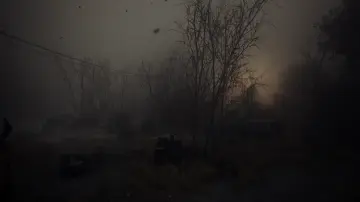
Metro 15 - Environment Pack
A modular environment pack featuring 100+ meshes, particle effects, and sound FX, optimized for building realistic dystopian FPS and VR horror levels.
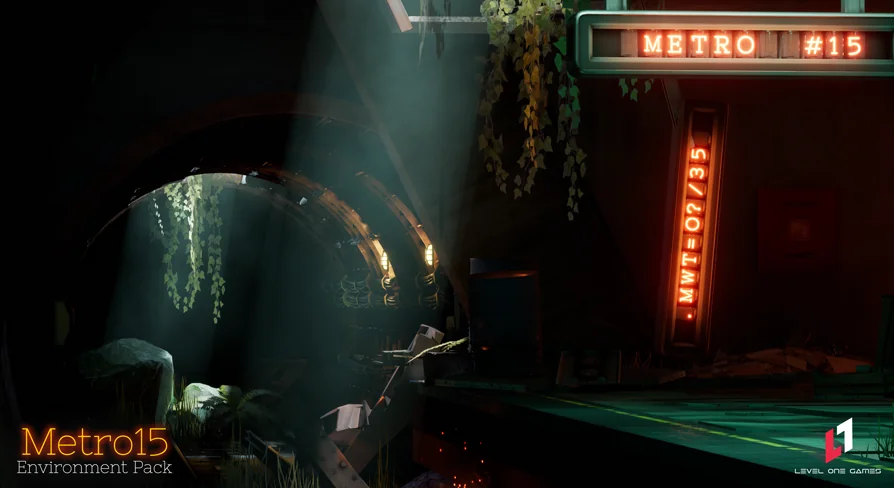
When laying the groundwork for a realistic first-person shooter, the initial setup relies heavily on having a diverse but cohesive set of structural elements. The Metro 15 - Environment Pack provides the necessary foundation for building out gritty, subterranean spaces. By utilizing the provided assets, level designers can block out the navigable paths, choke points, and open transit areas essential for FPS gameplay. The assets are explicitly geared toward a dystopian aesthetic, allowing developers to craft oppressive, decaying underground transit systems that fit naturally into post-apocalyptic or grim futuristic settings.
Because the environment is built with realism in mind, the implementation phase involves snapping together various architectural and prop elements to form a believable space. Developers can map out intricate tunnel networks and abandoned station platforms, ensuring that the visual identity of the level remains consistent from one corridor to the next. The focus on a realistic metro environment dictates how these spaces are organized, giving creators the tools to establish clear sightlines for combat or claustrophobic pathways for tension-heavy exploration.
Modular Assembly with 100+ Meshes
At the core of the spatial design process are over 100 individual meshes. Rather than providing a single, static scene, the pack is based on modularity. This approach allows developers to treat the meshes as a comprehensive building vocabulary, piecing them together to generate unique layouts without relying on entirely bespoke geometry for every room. The sheer volume of meshes ensures that creators can avoid obvious visual repetition, even when constructing expansive underground networks.
This modular workflow opens up endless possibilities for reuse across different stages of a project. A single corridor mesh can be recontextualized with different prop placements, while structural pillars and platform edges can be arrayed to create sprawling transit hubs. By snapping these pieces together on a grid, level designers can rapidly iterate on their layouts, adjusting the flow of the environment based on playtesting feedback. The modular nature of the assets ensures that whether a developer is building a short, linear horror experience or a sprawling FPS level, the geometry scales to meet the spatial requirements of the project.
Implementing Water and Sparkle Particles
Once the primary architecture is in place, the environment requires dynamic elements to break up the static nature of the meshes. The Metro 15 pack addresses this by including specific particle systems designed to enhance the decaying atmosphere. Developers can place drip particles under damaged ceiling meshes or exposed pipes, simulating the slow ingress of groundwater common in subterranean structures. To ground these drips in the environment, water rippler particles can be positioned on the floor, creating the illusion of standing puddles reacting to the environment above.
For areas meant to convey mechanical failure or immediate danger, electric sparkle particles can be integrated into the scene. Placing these sparkles near broken light fixtures, exposed wiring, or derailed transit cars adds immediate visual interest and movement to the environment. These particle systems are crucial for environmental storytelling, allowing level artists to guide the player's eye toward points of interest or warn them of hazardous zones within the FPS layout. Layering these effects over the modular meshes transforms a clean architectural blockout into a grounded, realistic dystopian space.
Integrating Sound FX for Immersive Horror
Visual fidelity is only one part of the environmental setup. To fully realize a horror or realistic atmosphere, audio must be tightly coupled with the visual elements. The inclusion of dedicated Sound FXs within the pack allows developers to anchor their dynamic elements with corresponding audio cues. Implementing these sounds involves placing audio emitters alongside the particle systems—for instance, pairing the visual drip particle with a rhythmic water droplet sound effect, or matching the electric sparkles with a harsh, crackling audio loop.
This multisensory integration is especially critical when leaning into the horror tag associated with the assets. In a dimly lit metro tunnel, the echo of water or the sudden snap of an electrical short can drastically elevate the tension for the player. By providing these sound effects directly alongside the meshes and particles, the pack ensures that developers have the necessary components to build out the ambient soundscape simultaneously with the visual layout, streamlining the environment creation process.
VR and AR Optimization
Designing for virtual and augmented reality requires strict adherence to performance budgets. The assets within the Metro 15 - Environment Pack are specifically optimized for VR and AR platforms, meaning the meshes, particle systems, and structural setups are tuned to maintain the high, consistent framerates required for stereoscopic rendering. When developers import these assets into a virtual reality pipeline, they can construct complex scenes without immediately hitting the performance bottlenecks that often accompany highly detailed realistic environments.
This optimization is vital for virtual horror and immersive FPS projects, where dropped frames can instantly break immersion or cause player discomfort. The creator's background in developing performance-ready immersive spaces—demonstrated by previous works like the Pro-TEK Sci-Fi PBR VR Horror Corridor in Space and the Pro-TEK Sci-Fi PBR Laboratory Interior with Hologram—informs the technical setup of this pack. The assets are structured to balance the visual density of a realistic metro system with the demanding rendering constraints of VR hardware.
Production Readiness and Practical Application
The combination of structural meshes, dynamic particles, and integrated audio makes this a highly practical toolkit for immediate level production. Developers can quickly move from an initial gray-box layout to a fully dressed, atmospheric environment using only the contents of the pack. The alignment of the assets with modular workflows ensures that iteration remains fast and flexible throughout the development cycle.
By leveraging the included VFX like water ripplers and electric sparks, alongside the environmental sound effects, creators can achieve a polished, realistic aesthetic without having to source peripheral assets from outside libraries. Whether the target is a traditional flat-screen dystopian shooter or a tense, virtual reality horror experience, the Metro 15 pack provides a cohesive, performance-conscious foundation for underground level design.
 Horror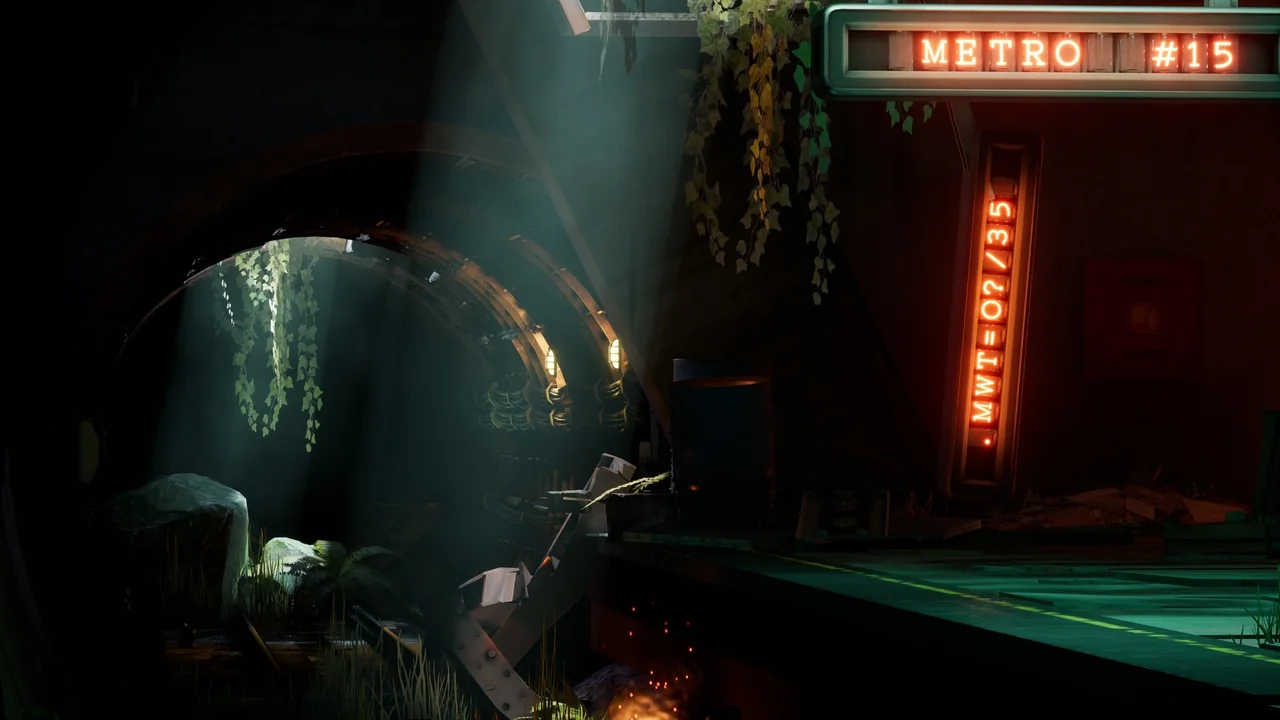
 Horror
 Horror
 Horror