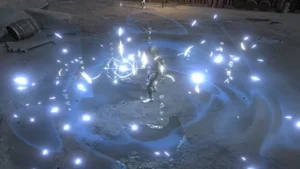
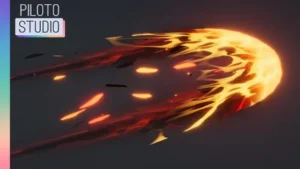
When a scene needs particles to do more than drift across the screen, Living Particles Gives you a set of shaders that can be adjusted property by property and reshaped into different visual effects. It fits naturally into spell work, ground-based effects, sci-fi moments, fantasy scenes, and other game situations where the particle look needs to stay flexible rather than fixed.
The package is especially useful when the same effect has to work in more than one setting. Ground effects can be tuned for a player impact, a magical burst, or a larger scene-wide reaction without changing the basic workflow. Because the effects are based on Unityâs Shuriken Particle System, the controls remain familiar while still leaving room to push the visuals in different directions.
Particles that react to the scene
One of the more direct uses for Living Particles is in gameplay moments that need clear feedback. The package includes audio reactive particle shaders, which opens the door to visuals that move with sound instead of remaining purely decorative. That makes the effect set relevant for music-driven sequences, dramatic hits, and other scenes where the audio and visuals need to feel linked.
The particle system also handles effects that can be affected by one player or several players without much loss of performance. That detail matters in active scenes where multiple characters may trigger the same style of effect, or where a shared visual response needs to stay consistent as the number of interactions increases. The packageâs GPU shaders were introduced as a way to boost FPS 2 to 4 times compared to the older shaders, which is a practical note for projects that rely heavily on repeated particle work.
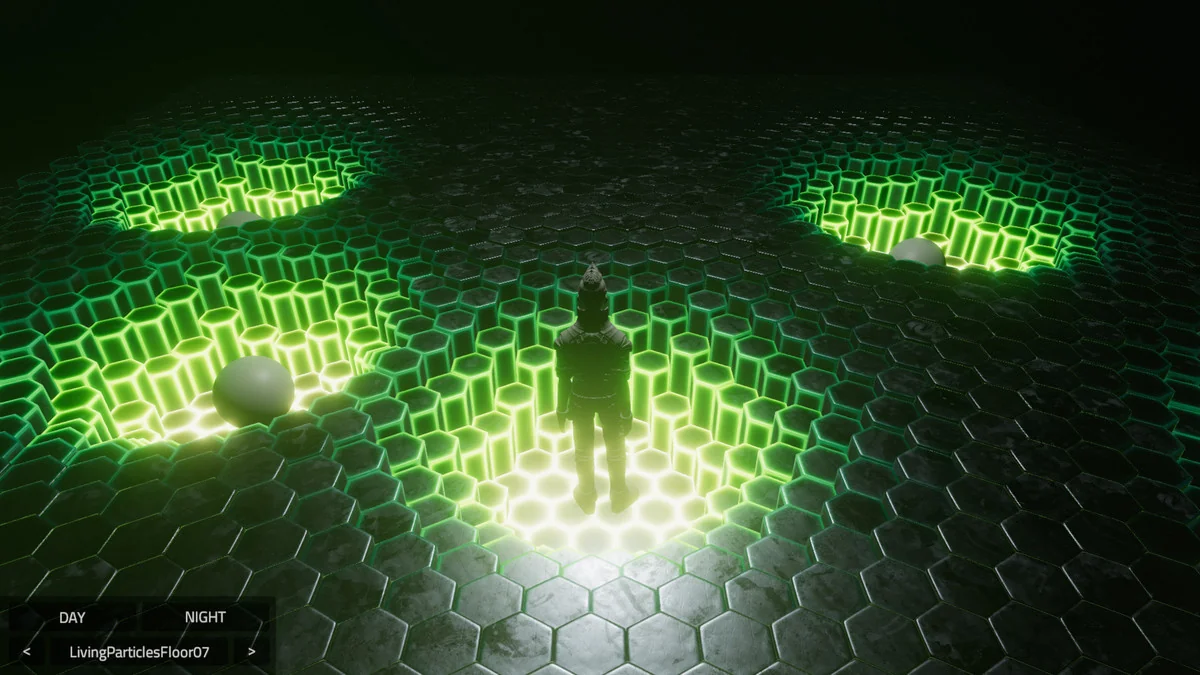
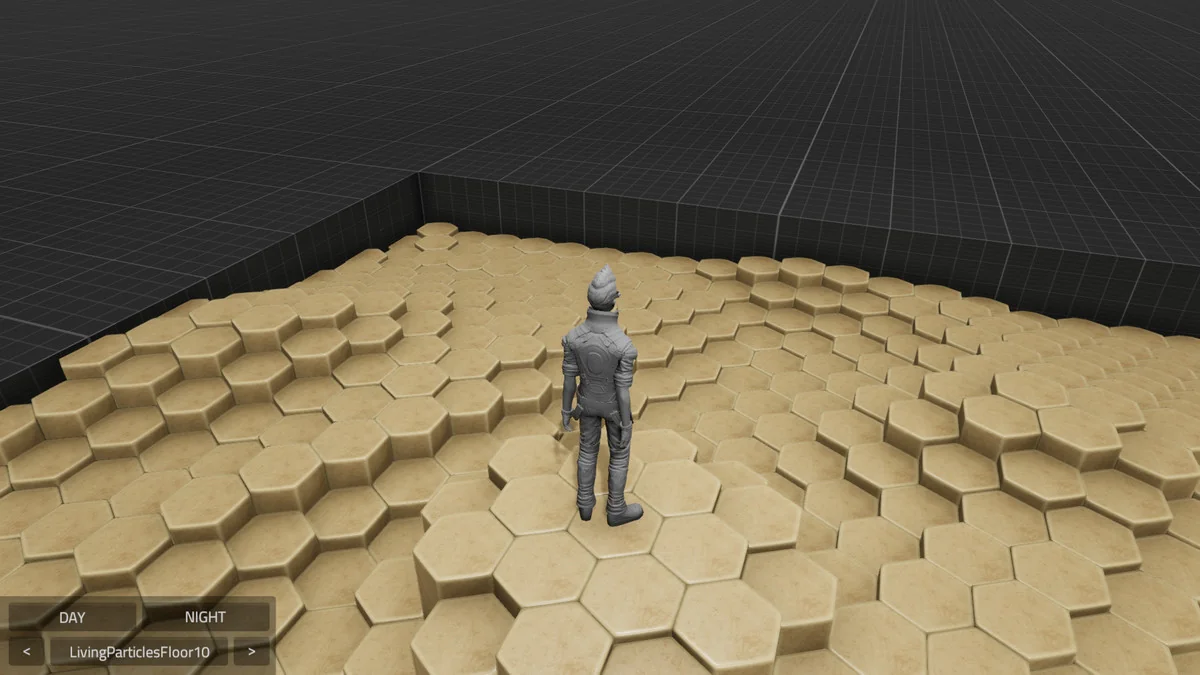
For ground-based effects, the update notes also mention that ground particles can be freely rotated and will move on the local Y-axis instead of the world Y-axis. That makes the visuals easier to place in uneven or directional scenes, especially when the effect needs to follow a specific orientation rather than a fixed global direction.
Editable shaders, morphing effects, and mesh particles
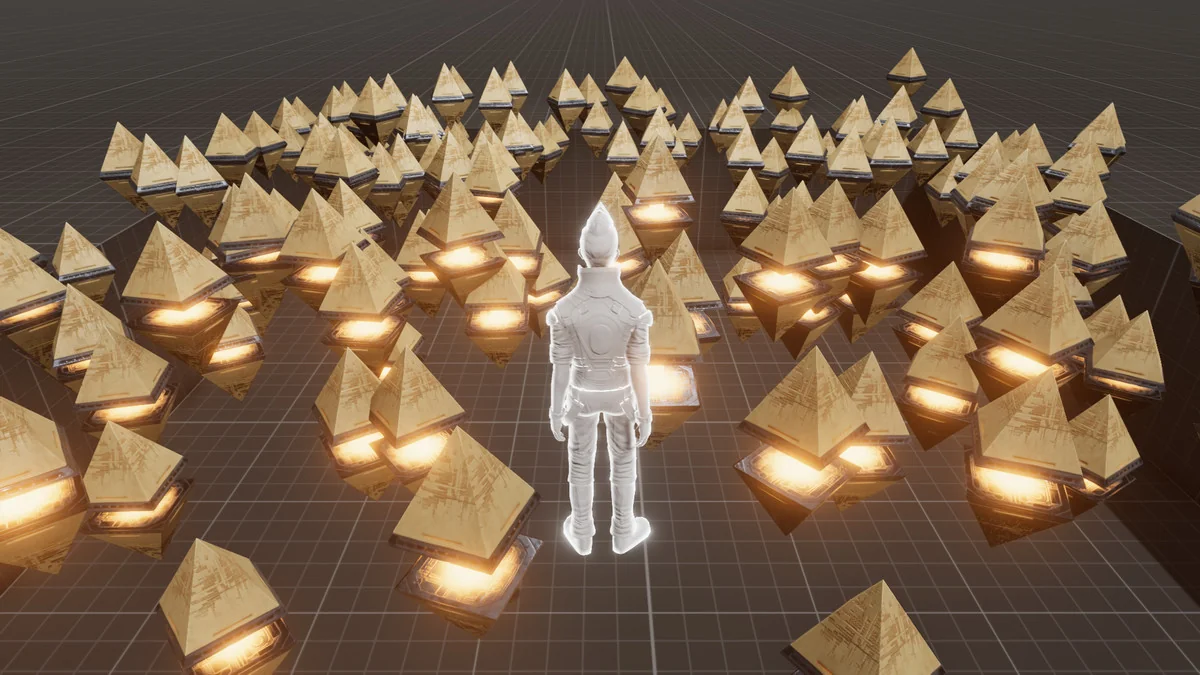
Living Particles is not limited to a single particle style. The pack includes morph effects and shaders, along with fully vertex-animated PBR mesh particles. That combination gives the library more range than a simple sprite-only particle set, especially when the effect needs a stronger sense of volume or shape.
HDRP shaders are made using native Shader Graph and are fully editable. That is a useful detail for artists who want to adjust the shader logic without feeling locked into a rigid setup. In the later updates, the HDRP shaders were also converted to Shader Graph, which keeps the workflow aligned with Unityâs newer pipeline tools.
The package also includes array shader variants and PBR shader variants. Those options make it easier to build different looks from the same base materials, whether the goal is a sharper spell impact, a more atmospheric environment effect, or a mesh particle that needs to sit cleanly inside a stylized scene.
Pipeline support across Built-In, URP, and HDRP
The current support line covers Built-In, HDRP, and URP. That matters for projects that are already committed to a rendering path and need particle shaders that fit into the existing setup rather than forcing a pipeline change. The compatibility notes also point to 2020.3.40f1 for Built-In, HDRP, and URP.
Version history shows that the package continued to expand pipeline support over time. HDRP and LWRP compatibility arrived in v1.3, URP support was added in v1.4a, and v1.5a added support for Unity 6 URP. The same update path also includes a fix for URP versions 2021 and above, which is useful if the project has already moved through newer Unity releases.
Beyond render pipeline support, the package is marked as mobile and VR ready. It also supports HDR, deferred rendering, forward rendering, and both linear and gamma workflows. Those details make the library easier to place into projects that need to move across different hardware targets or rendering setups without changing the effect language each time.
What comes with the pack
The content set is broad enough to give artists several ways to start:
- 34 complete VFX prefabs
- 19 gradients and ramps
- 50+ textures and noises
- Different ground patterns
- 12 VFX meshes
- Additional VFX textures and gradients for deeper customization
Those pieces point to a workflow where you can begin with a preset, then adjust the shader, texture, gradient, or mesh layer until the result fits the scene. The available prefabs give you ready-made starting points, while the gradients and textures help change the mood without rebuilding everything from scratch.
The package also includes an example Post Processing Stack V2 setup inside the asset, and that can be removed if a project already has its own post-processing solution imported. That is a small but practical detail for teams that keep their rendering stack organized in a specific way.
The current package size is 67.6 MB, with an asset count of 416 and a unitypackage delivery format. The latest version is 1.5a, released on May 02, 2025, and the asset was first published on Jan 09, 2018. For teams working in environment, sci-fi, fantasy, magic, or spell-heavy scenes, Living Particles is a strong fit when the goal is to keep particle visuals adjustable, pipeline-friendly, and useful across different game situations.
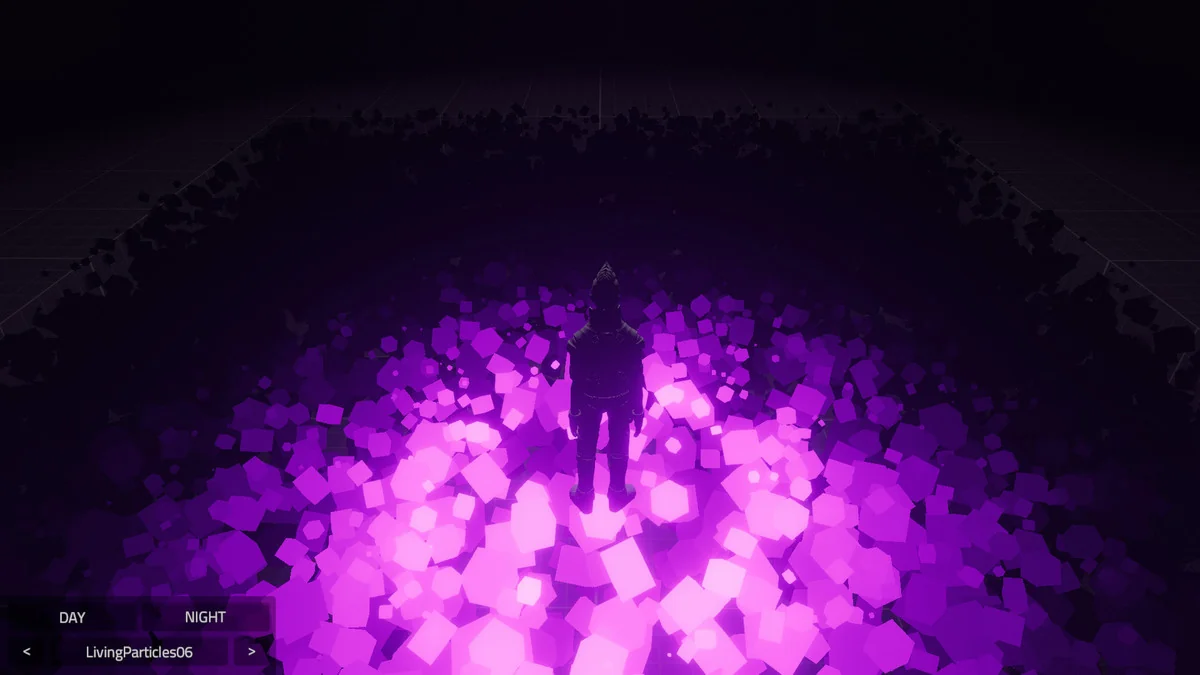
Visual Breakdown
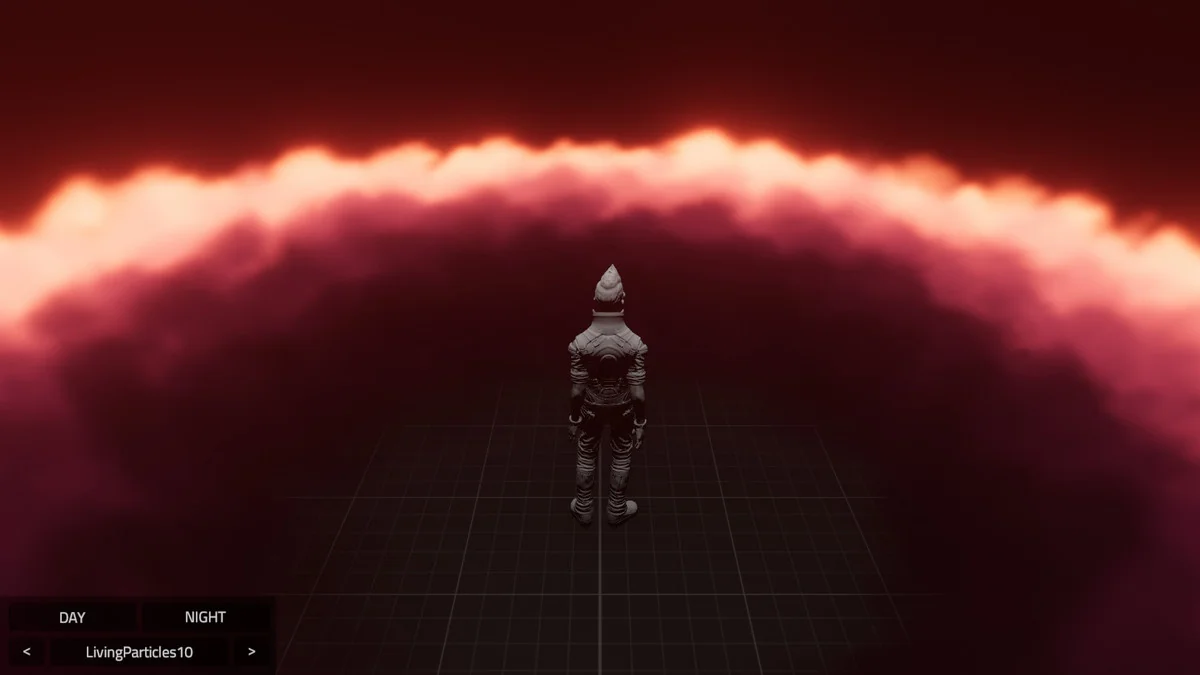
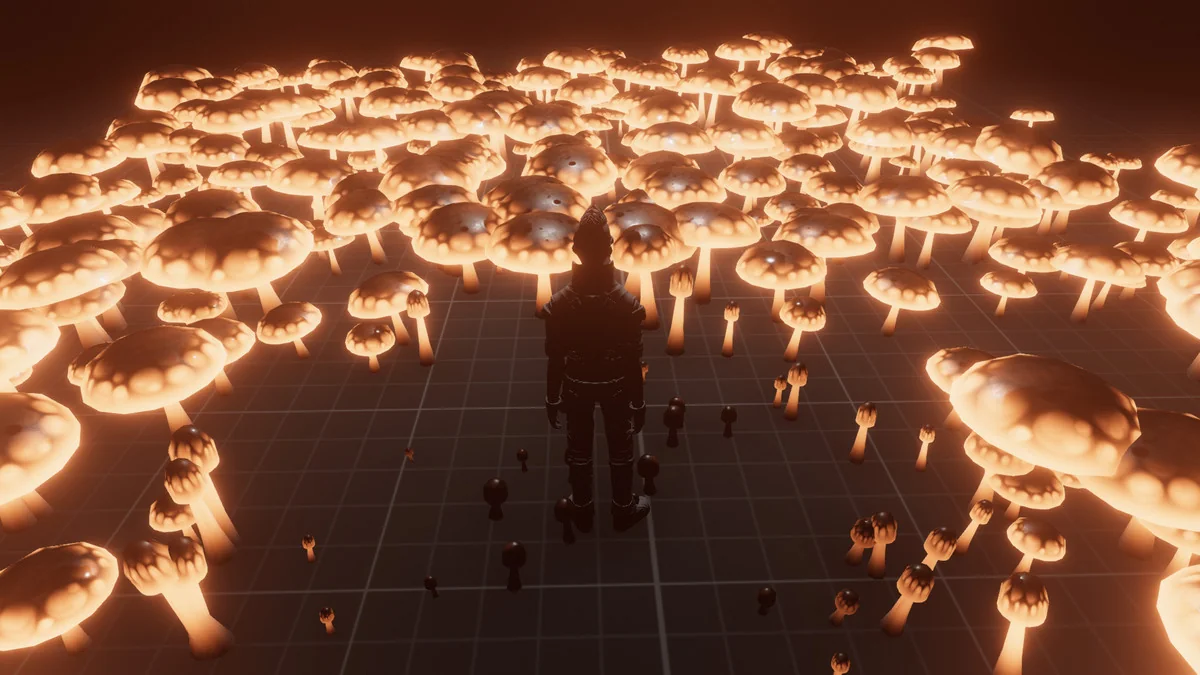
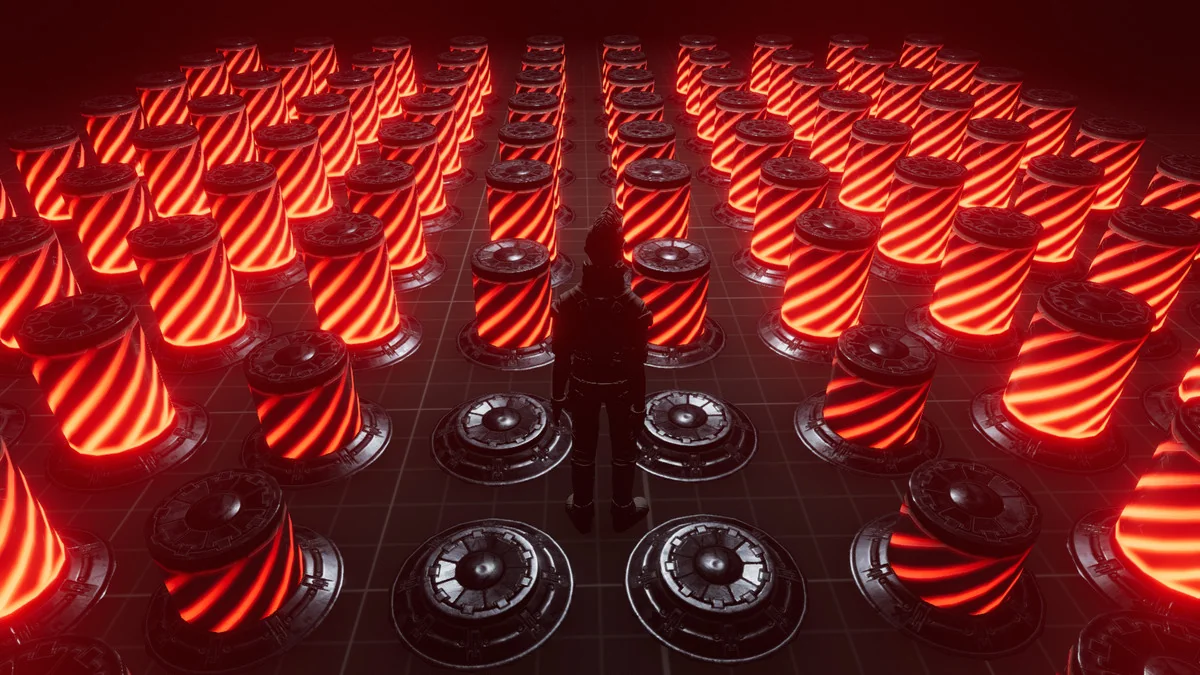
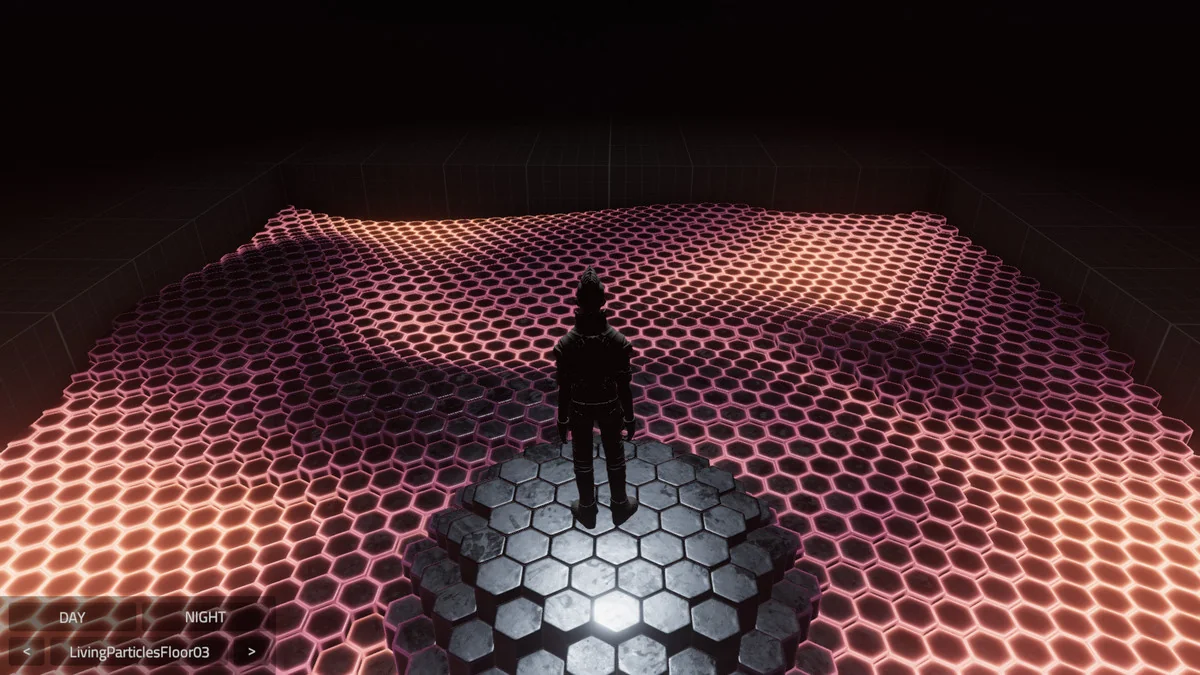
Protected download
Access this resource
All resources are 100% manually reviewed to eliminate all risks.