Deep Learning Integration for Locomotion
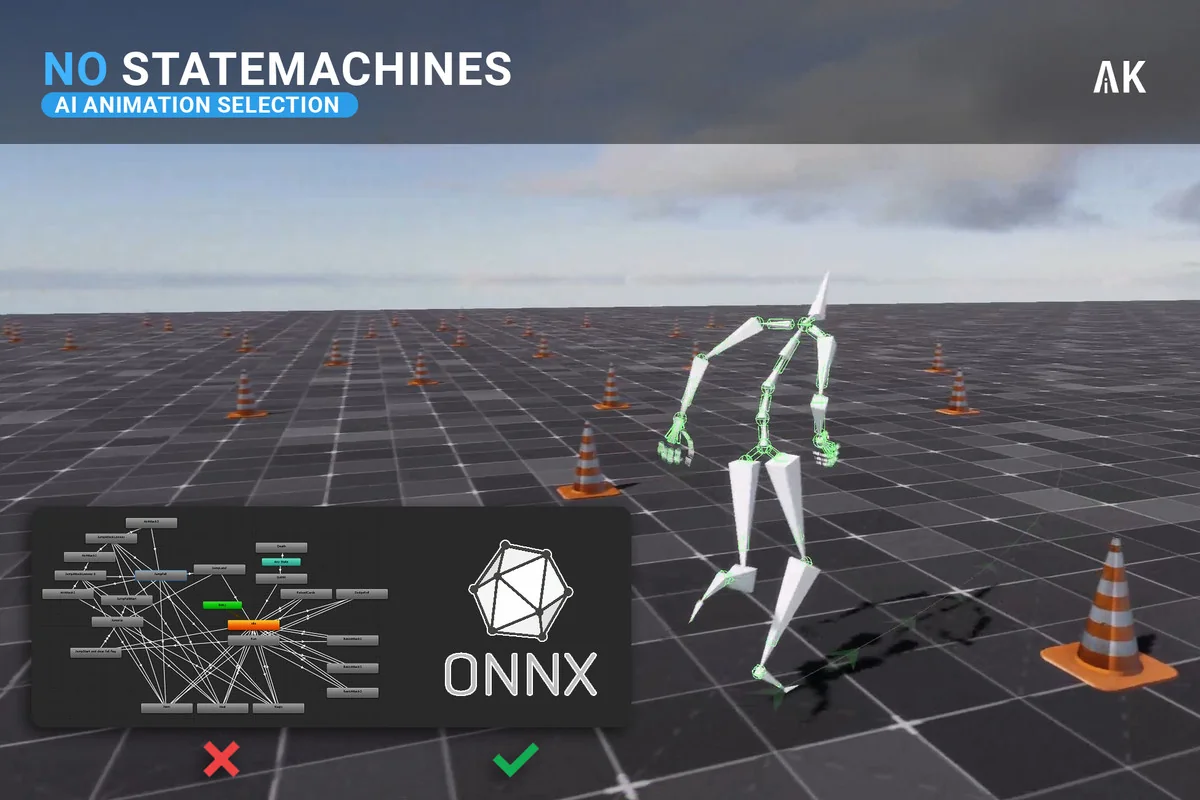
Learned Motion Matching is an animation tool for Unity designed to generate realistic and smooth transitions for basic humanoid locomotion. At its core, the package utilizes deep learning techniques to determine the most appropriate animations for a character at any given moment. This approach is based on the SIGGRAPH technical paper titled “Taming diffusion probabilistic models for character control,” published in 2024. By implementing these research-driven methods, the system aims to provide a higher level of fluid movement than traditional animation workflows.
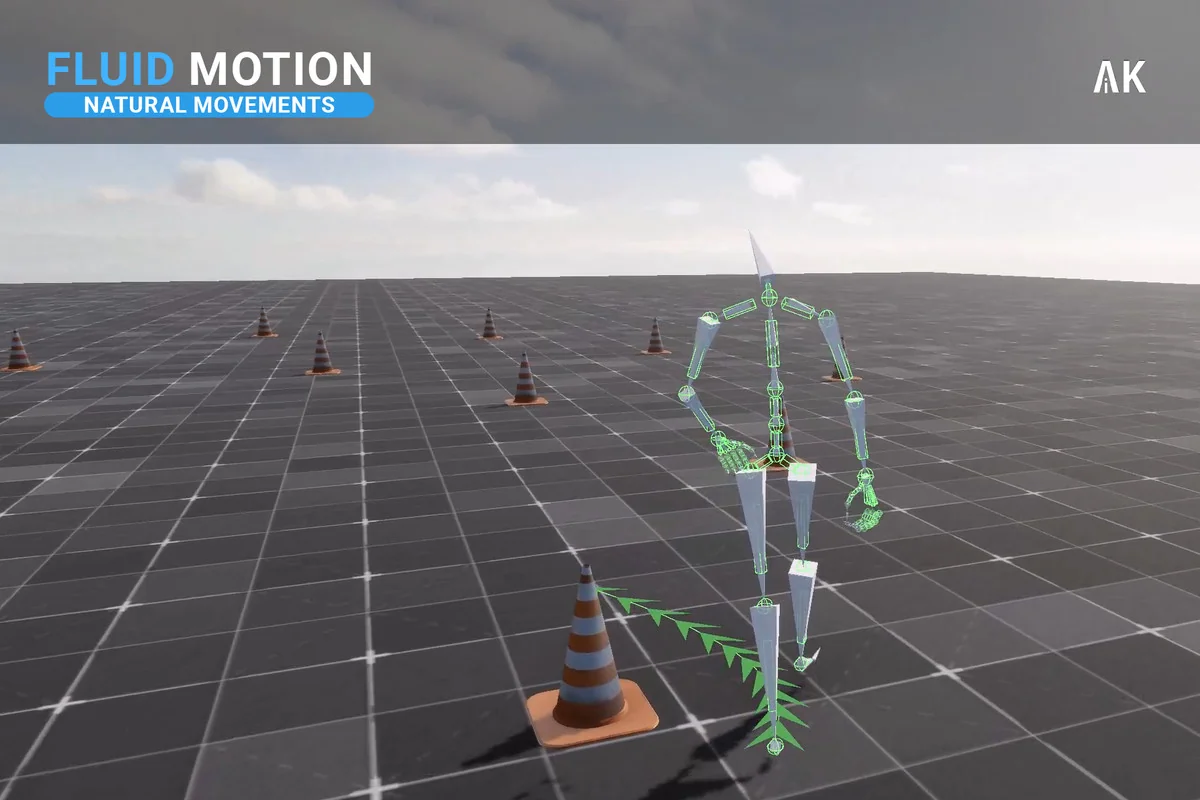
The system relies on a customizable kNN (k-Nearest Neighbors) classifier. This classifier allows developers to find a specific balance between fast, responsive character transitions and highly realistic movements. Because the system calculates motion dynamically, it avoids common issues found in standard State Machine animations, such as abrupt changes or lack of physical weight during movement shifts. The result is a motion profile characterized by natural weight-shifting and the elimination of foot sliding.
Waypoint Navigation and Path Precision
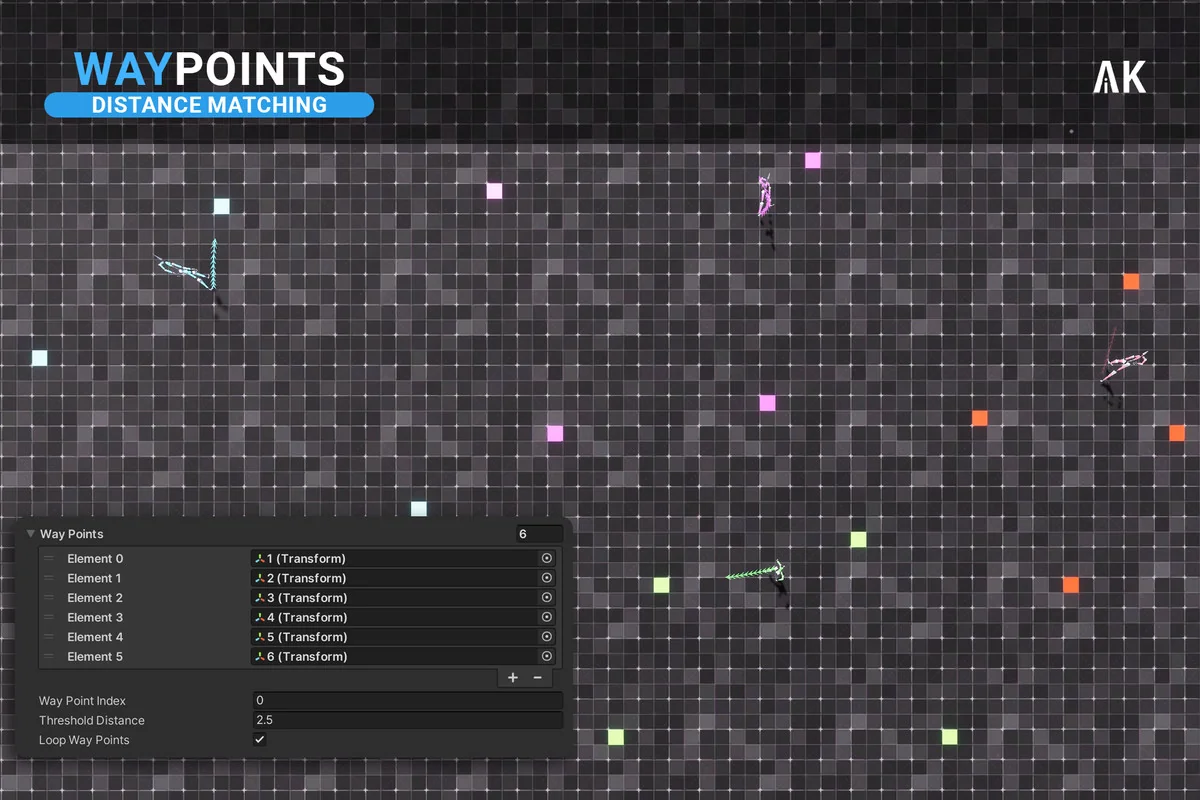
For characters that need to navigate specific environments, the tool includes an advanced Distance Matching system. This feature is powered by a Greedy Algorithm, allowing characters to follow custom-defined paths with high precision. This is particularly useful for NPCs or cinematic sequences where a character must move along a specific trajectory while maintaining natural animation states.
Developers can loop waypoints or adjust the character’s speed dynamically. This control over speed ensures that the character interacts with the environment appropriately, whether they are walking slowly through a tight space or moving quickly across an open area. The waypoint system is designed to integrate directly with the locomotion engine to ensure that speed changes do not break the realism of the animation.
Upper Body Customization and IK Interactions
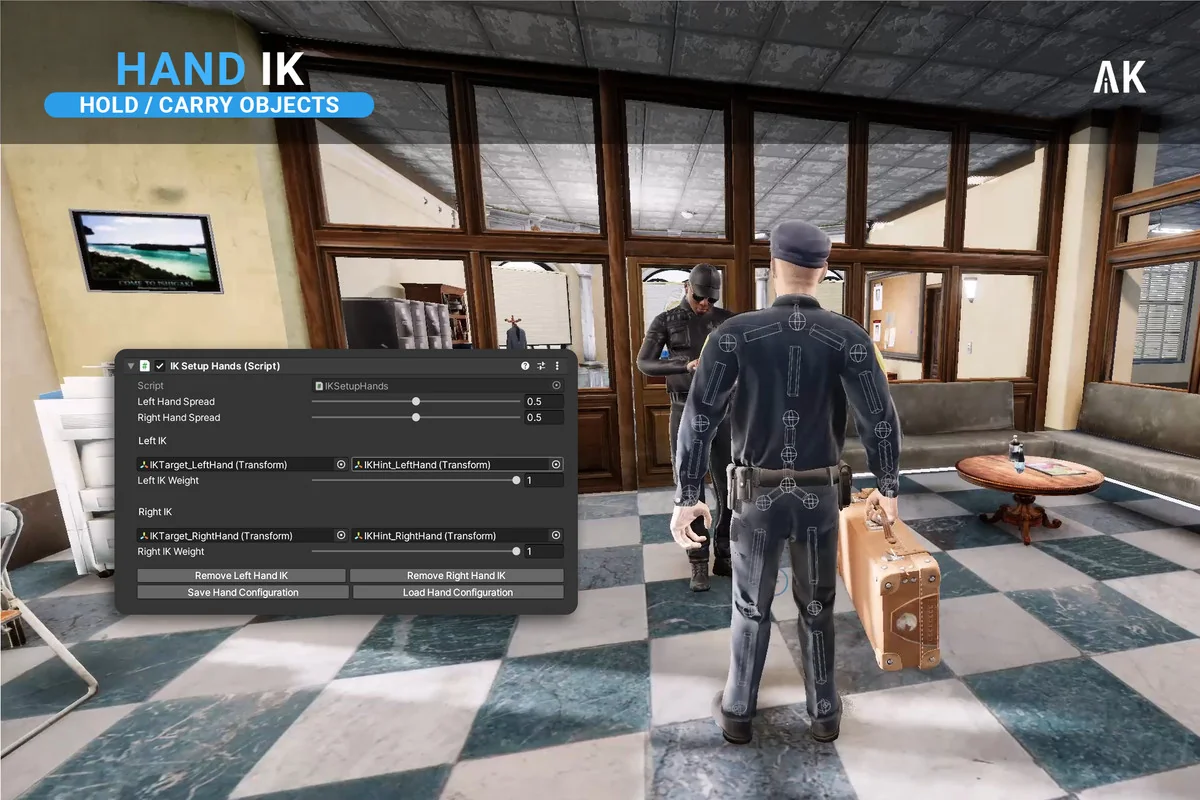
Beyond basic leg movement, the package provides tools for upper body customization, specifically focusing on hand and finger interactions. Using Inverse Kinematics (IK), the tool enables characters to grasp, hold, or manipulate objects in the world with realistic hand poses.
These interactions are highly adjustable. Developers can customize hand weights and fine-tune finger movements to create complex gestures. This allows for a more interactive character that doesn’t just move through a scene but actively engages with its surroundings. The IK system works in tandem with the locomotion data to ensure that reaching for an object does not disrupt the character’s balance or walking cycle.
Technical Requirements and Setup
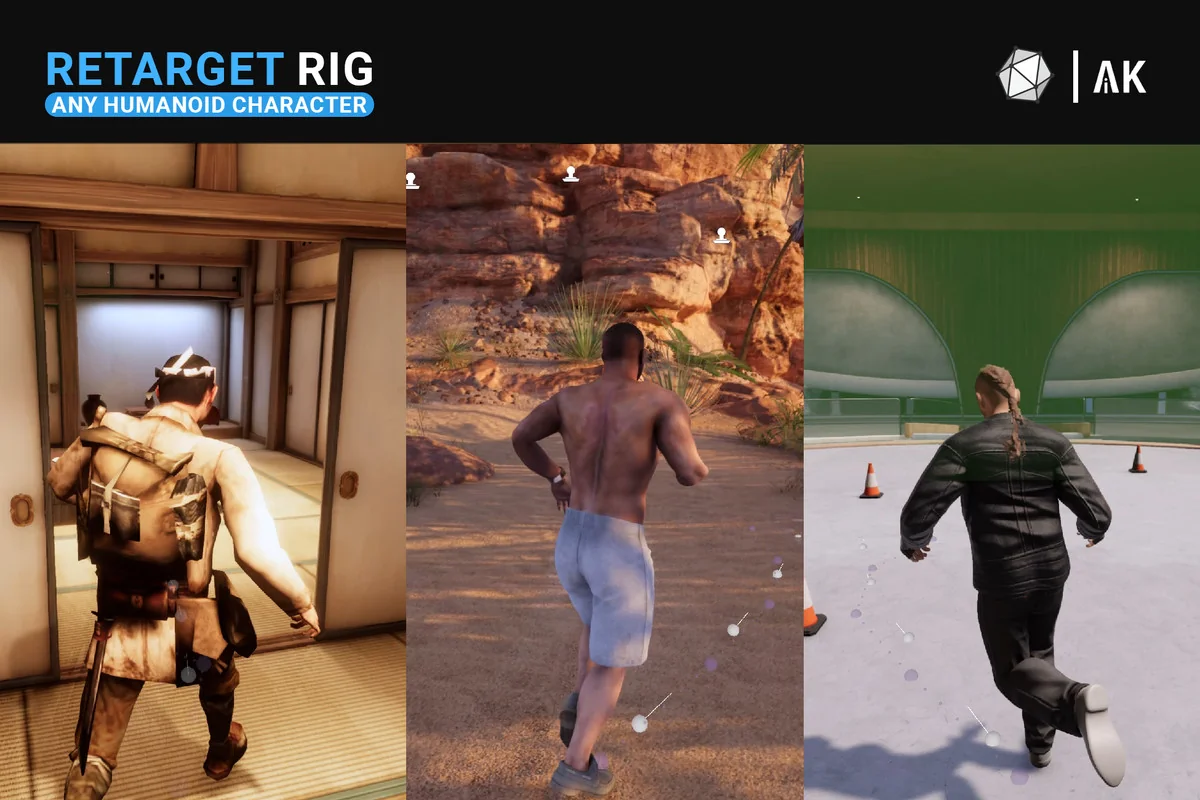
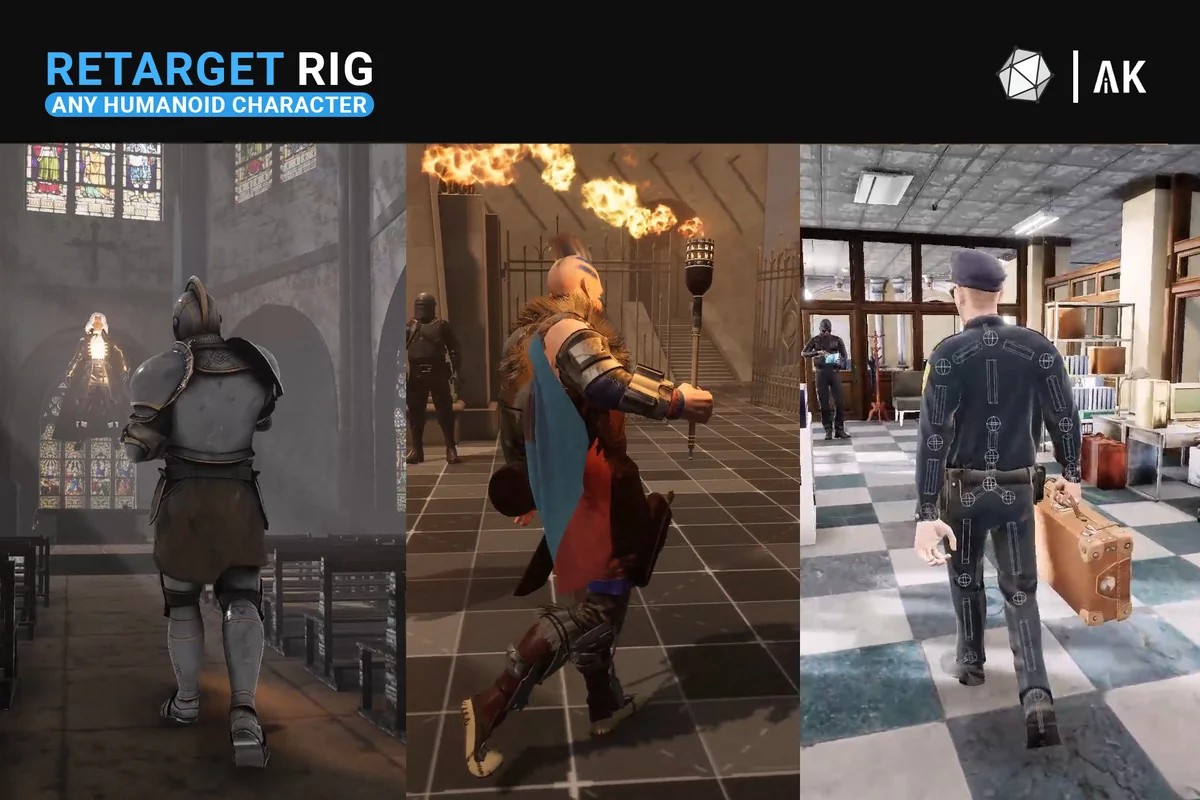
The package is built for a one-click setup process, making it accessible for any humanoid character model. However, there are specific technical dependencies that must be met for the system to function. It requires both the Animation Rigging package and the Sentis package to be installed via the Unity Package Manager.
A critical technical note for integration is the versioning of Sentis. This tool requires Sentis version 1.3, which is an older version of the package. It was originally developed for Unity version 2021.3.30 and is compatible with the Built-in, HDRP, and URP render pipelines. The total package includes 25 assets and maintains a small footprint of approximately 20.1 MB.
Specific Use Cases and Locomotion Constraints
While the tool provides a high degree of realism for standard movement, it is focused exclusively on basic human locomotion. This includes walking, running, and turning. It does not currently support advanced physical maneuvers such as jumping, vaulting, or climbing.
Additionally, the package does not include specialized or stylized motions. If a project requires a character to exhibit specific traits, such as limping, skipping, or unique combat stances, external animation data must be provided by the developer. The tool is best suited for projects requiring high-fidelity standard movement and precise path-following for humanoid actors.
Visual Breakdown
Protected download
Access this resource
All resources are 100% manually reviewed to eliminate all risks.