"4481da9c895ef786"{"id":"1000295","slug":"funeral-animations","title":"Funeral Animations","category":"Variety","engine":"5.3+","assetVersion":"","engineVersion":"Engine Version: 5.3+","tag":"Variety","accent":"blue","visual":"animation","summary":"A suite of 27 motion-captured funeral animations for narrative projects, featuring procession mechanics, coffin carrying, crying, and ceremonial priest motions.","platform":"Unreal Engine","publishedAt":"2026-07-03T17:46:42.152Z","updatedAt":"2026-07-03T17:46:42.152Z","sourceNotes":[],"fileContents":[],"compatibility":["Unreal Engine","Engine Version: 5.3+"],"featuredImage":{"alt":"Funeral Animations","src":"/wp-content/uploads/published/2026/07/3ea8ae2fab30-d92ed1d0-df89-46f3-8fbe-c73711dccb90-615d46656a.webp"},"hasDownloadLink":true,"downloads":1,"terms":[{"taxonomy":"category","slug":"variety-animations","name":"Variety"}],"galleryImages":[{"src":"/wp-content/uploads/published/2026/07/3ee7dff49624-a4c30e3e-7496-469c-8c9a-b1f67ca9e82f-fd73123a02.webp","alt":"Funeral Animations"},{"src":"/wp-content/uploads/published/2026/07/1db59f5ff239-2254061d-44c9-41e5-ad6d-069149e310ac-40bfb2e892.webp","alt":"Funeral Animations"},{"src":"/wp-content/uploads/published/2026/07/06044478ebd9-d849a71c-15e1-4669-812f-6fdba73045fa-fd1894f0c8.webp","alt":"Funeral Animations"},{"src":"/wp-content/uploads/published/2026/07/d0e7b18277ec-22fcb42c-145e-445e-bb68-4242be2dcf81-6e5e315d04.webp","alt":"Funeral Animations"},{"src":"/wp-content/uploads/published/2026/07/93b97ea4d999-459bcb6a-e998-4d31-9f9b-b8f1d54e6699-cbd3335015.webp","alt":"Funeral Animations"},{"src":"/wp-content/uploads/published/2026/07/bc5aa4089457-8d0392cd-1779-4f4b-86a3-ed847abaf1a4-2f9ab2bff5.webp","alt":"Funeral Animations"},{"src":"/wp-content/uploads/published/2026/07/df504d3ec76d-41a5aaa0-2de1-41d9-86b2-8e7225c420da-cbd41bbf06.webp","alt":"Funeral Animations"},{"src":"/wp-content/uploads/published/2026/07/b9ee8aba5f1f-ec181407-e8bd-43f3-bcf2-3f40008f2e9e-cd7a781c6f.webp","alt":"Funeral Animations"}],"accessPanel":{"kind":"resource","title":"Download this resource","eyebrow":"Free Download","message":"Log in or create a free account to start your download.","fileName":"Content.7z","safetyNote":"Resources are manually reviewed before listing to improve quality and reduce obvious risks.","actionLabel":"Download Free","resourceType":"Resource archive"},"contentHtml":"\u003cp\u003eCharacters moving in a slow, deliberate procession, bearing weight, and expressing visible grief are complex narrative requirements. The Funeral Animations pack provides a highly specific suite of motion-captured movements designed directly for somber cinematic sequences and story-driven moments. Built to populate narrative-themed projects, this collection addresses a niche but essential gap in character movement libraries, supplying the physical performances required to stage a complete burial or memorial scene.\u003c/p\u003e \u003ch2\u003eMotion Capture for Somber Narratives\u003c/h2\u003e\n\u003cp\u003eBy utilizing motion capture technology, these animations capture the nuanced physical toll of mourning. Rather than relying on rigid, hand-keyed approximations of sadness, the captured data translates the subtle shifts in weight, the bowing of shoulders, and the specific pacing of a funeral march directly to the 3D character. The reliance on motion capture for these specific actions solves a common production bottleneck. Hand-animating human grief often risks looking mechanical or overly melodramatic. Motion capture grounds the performance in authentic human physics, preserving the slight, involuntary twitches of a sobbing character or the heavy, deliberate steps of a pallbearer.\u003c/p\u003e \u003cp\u003eThe collection is based on a core set of 27 distinct animations. This volume allows development teams to populate an entire scene with varied behaviors rather than duplicating a single looping animation across a crowd of characters. The variety within these 27 files ensures that different attendees at the memorial can exhibit different stages and types of mourning, from quiet prayer to active, physical sobbing. This breadth of motion transforms a static background gathering into a believable narrative event.\u003c/p\u003e \u003ch2\u003eCoordinating the Procession and Coffin Bearers\u003c/h2\u003e\n\u003cp\u003eA central component of the pack involves the logistics of the funeral march itself. The inclusion of procession animations allows creators to set up the slow, unified walking pace characteristic of these ceremonies. This is crucial for establishing the timeline and spatial movement of the scene, moving characters smoothly through an environment.\u003c/p\u003e \u003cp\u003ePaired with the procession are specific carrying a coffin animations. Animating characters to carry a heavy, shared object is traditionally difficult, requiring precise arm placement and an altered gait that reflects the physical burden. These specific animations provide the necessary posture—arms locked in position to support the structure, shoulders engaged, and steps synchronized to maintain the illusion of shared weight. By applying these animations to multiple characters, a team can construct the core pallbearer sequence without having to manually keyframe the complex interactions between the characters.\u003c/p\u003e \u003ch2\u003eExpressing Grief: Crying, Sobbing, and Sympathy\u003c/h2\u003e\n\u003cp\u003eBeyond the logistics of the ceremony, the pack delivers a spectrum of emotional responses. The animations for crying and sobbing offer varying intensities of personal grief. Crying represents a quieter, more restrained sorrow, while sobbing involves heavier, full-body heaving and erratic breathing patterns translated into the character rig. These motions are vital for close-up cinematic shots where body language must carry the emotional weight of the scene.\u003c/p\u003e \u003cp\u003eIn addition to isolated grief, the pack includes sympathy animations. These motions govern the interactions between characters, such as one mourner turning to comfort another. This interpersonal movement is essential for establishing relationships between characters on screen, demonstrating shared loss and physical consolation within the narrative framework. The sympathy animations break up the visual repetition of a crowd. Instead of every character simply standing and crying, some can be actively consoling others, creating micro-narratives within the larger scene.\u003c/p\u003e \u003ch2\u003eCeremonial Roles: Priest and Prayer\u003c/h2\u003e\n\u003cp\u003eTo anchor the event, the collection includes specific animations tailored to the figures leading the ceremony. The priest animations provide the authoritative, guiding gestures needed for the individual officiating the funeral. These motions serve as the focal point for the surrounding attendees, dictating the rhythm of the event.\u003c/p\u003e \u003cp\u003eComplementing the officiant are prayer animations, which can be applied to both the priest and the congregation. Having multiple characters engaged in prayer adds a layer of collective reverence to the scene. These prayer motions allow background characters to remain active and engaged in the scene's context without drawing undue attention away from the primary narrative focus. The distinction between high-intensity grief like sobbing and low-intensity participation like prayer gives the scene dynamic range, allowing a cinematic camera to pan across quiet attendees before settling on a primary character who is physically overcome with emotion.\u003c/p\u003e \u003ch2\u003eMannequin Integration and Scene Blocking\u003c/h2\u003e\n\u003cp\u003eThe animations are based on the standard Mannequin rig, ensuring a predictable pipeline for character integration. By targeting the Mannequin, the motion capture data is primed for immediate use in blockouts and pre-visualization. Developers can drop the animations onto proxy characters to establish the timing, camera angles, and spatial requirements of the funeral scene before finalizing their custom character models.\u003c/p\u003e \u003cp\u003eWhen blocking out a narrative sequence, timing is everything. The inclusion of 27 different animations means a director can sequence a scene from start to finish. A sequence might open with the procession animations as the characters arrive, transition into the coffin-carrying animations as they move to the focal point, and then settle into the priest and prayer animations for the core of the scene. Meanwhile, the crying, sobbing, and sympathy animations can be distributed among the surrounding crowd to maintain a continuous atmosphere of mourning throughout the shot. Because the files are designated as motion capture character animations, they are built to be retargeted to the project's specific narrative characters, preserving the realistic weight and emotional nuance of the original capture across the final cast.\u003c/p\u003e\n\n\u003ch2\u003eMore From The Same Workflow\u003c/h2\u003e\n\u003cul\u003e\n\u003cli\u003e\u003ca href=\"https://3dcghub.com/healing-animations/\" title=\"Healing Animations\"\u003eHealing Animations\u003c/a\u003e\u003c/li\u003e\n\u003cli\u003e\u003ca href=\"https://3dcghub.com/severe-injury-animations/\" title=\"Severe Injury Animations\"\u003eSevere Injury Animations\u003c/a\u003e\u003c/li\u003e\n\u003cli\u003e\u003ca href=\"https://3dcghub.com/30-selections-kawaii-animations-100-mini/\" title=\"30 selections KAWAII ANIMATIONS 100 MINI\"\u003e30 selections KAWAII ANIMATIONS 100 MINI\u003c/a\u003e\u003c/li\u003e\n\u003cli\u003e\u003ca href=\"https://3dcghub.com/school-animations/\" title=\"School Animations\"\u003eSchool Animations\u003c/a\u003e\u003c/li\u003e\n\u003cli\u003e\u003ca href=\"https://3dcghub.com/minions-and-monsters-goblin-pack/\" title=\"Minions and Monsters: Goblin Pack\"\u003eMinions and Monsters: Goblin Pack\u003c/a\u003e\u003c/li\u003e\n\u003c/ul\u003e","contentTextLength":6331,"navigation":{"current":1110,"total":3269,"previous":{"id":"1000296","slug":"galapagos-tortoise","title":"Galapagos Tortoise","category":"Animals","platform":"Unreal Engine","updatedAt":"2026-07-03T17:49:30.825Z"},"next":{"id":"1000293","slug":"forest-tools-ultimate-scattering-system","title":"Forest Tools - Ultimate Scattering System","category":"Procedural Systems","platform":"Unreal Engine","updatedAt":"2026-07-03T17:46:38.058Z"}},"relatedResources":[{"id":"1000907","slug":"zero-gravity-animations","title":"Zero Gravity Animations","category":"Variety","engine":"5.3+","assetVersion":"","engineVersion":"Engine Version: 5.3+","tag":"Variety","accent":"blue","visual":"animation","summary":"28 motion-captured zero-G animations for sci-fi characters: fighting, shooting, hovering, soaring, working, and more. Compatible with Tavern Animations.","platform":"Unreal Engine","publishedAt":"2026-08-06T05:25:00.999Z","updatedAt":"2026-08-06T05:25:00.999Z","sourceNotes":[],"fileContents":[],"compatibility":["Unreal Engine","Engine Version: 5.3+"],"featuredImage":{"alt":"Zero Gravity Animations","src":"/wp-content/uploads/published/2026/08/df277c0e198b-b683c338-9b23-4987-b83d-bbdc43bf42e5-3aaf7e5e5b.webp"},"hasDownloadLink":true,"downloads":0},{"id":"1000752","slug":"morbid-motions-animations-and-poses","title":"Morbid Motions | Animations and Poses","category":"Variety","engine":"5.3+","assetVersion":"","engineVersion":"Engine Version: 5.3+","tag":"Variety","accent":"blue","visual":"animation","summary":"Horror-focused animation pack with 57 animations and 25 poses compatible with the Manny UE5 skeleton, covering zombie, undead, and dying character motion sets.","platform":"Unreal Engine","publishedAt":"2026-07-27T14:15:11.213Z","updatedAt":"2026-07-27T14:15:11.213Z","sourceNotes":[],"fileContents":[],"compatibility":["Unreal Engine","Engine Version: 5.3+"],"featuredImage":{"alt":"Morbid Motions | Animations and Poses","src":"/wp-content/uploads/published/2026/07/c6e6f80bc714-fdb22162-9895-4f41-b37c-97358ad0c8fa-2e8072fa8f.webp"},"hasDownloadLink":true,"downloads":1},{"id":"6341","slug":"healing-animations","title":"Healing Animations","category":"Variety","engine":"5.3+","assetVersion":"Engine version: 5.3+","engineVersion":"5.3","tag":"Variety","accent":"blue","visual":"animation","summary":"Enhance your game's realism with this collection of 42 professional healing and treatment animations, including bandaging, injections, and teammate revival.","platform":"Unreal Engine","publishedAt":"2026-02-19T14:48:41.000Z","updatedAt":"2026-04-19T15:56:26.000Z","sourceNotes":[],"fileContents":[],"compatibility":["Unreal Engine","Engine version: 5.3+"],"featuredImage":{"alt":"Healing Animations","src":"https://3dcghub.com/wp-content/uploads/2026/02/a0ebba8f-45d6-4a53-a168-874f4380618b.webp"},"hasDownloadLink":true,"downloads":4}]}
Variety
Funeral Animations
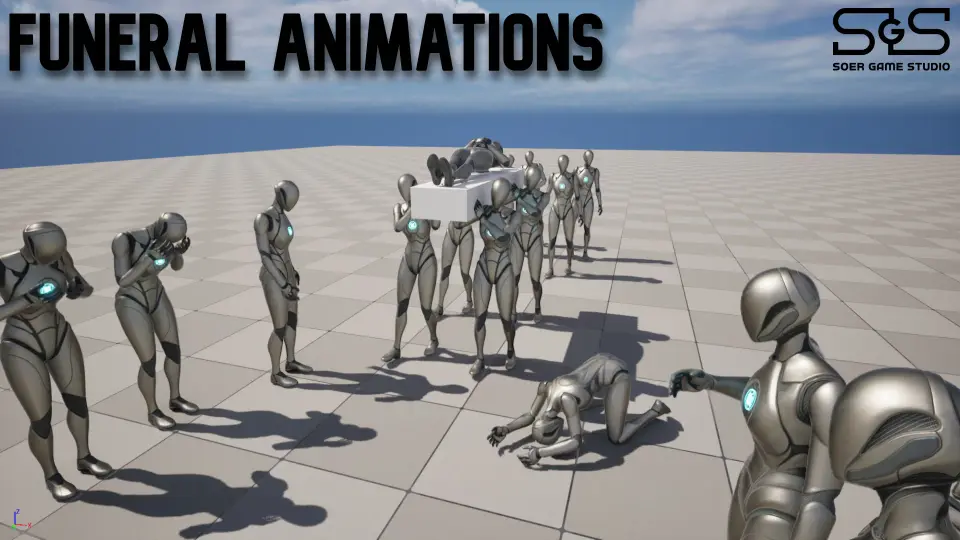
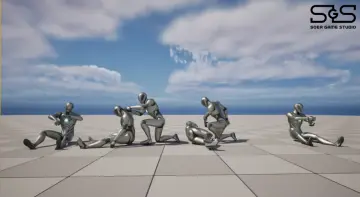
A suite of 27 motion-captured funeral animations for narrative projects, featuring procession mechanics, coffin carrying, crying, and ceremonial priest motions.
Characters moving in a slow, deliberate procession, bearing weight, and expressing visible grief are complex narrative requirements. The Funeral Animations pack provides a highly specific suite of motion-captured movements designed directly for somber cinematic sequences and story-driven moments. Built to populate narrative-themed projects, this collection addresses a niche but essential gap in character movement libraries, supplying the physical performances required to stage a complete burial or memorial scene.
Motion Capture for Somber Narratives
By utilizing motion capture technology, these animations capture the nuanced physical toll of mourning. Rather than relying on rigid, hand-keyed approximations of sadness, the captured data translates the subtle shifts in weight, the bowing of shoulders, and the specific pacing of a funeral march directly to the 3D character. The reliance on motion capture for these specific actions solves a common production bottleneck. Hand-animating human grief often risks looking mechanical or overly melodramatic. Motion capture grounds the performance in authentic human physics, preserving the slight, involuntary twitches of a sobbing character or the heavy, deliberate steps of a pallbearer.
The collection is based on a core set of 27 distinct animations. This volume allows development teams to populate an entire scene with varied behaviors rather than duplicating a single looping animation across a crowd of characters. The variety within these 27 files ensures that different attendees at the memorial can exhibit different stages and types of mourning, from quiet prayer to active, physical sobbing. This breadth of motion transforms a static background gathering into a believable narrative event.
Coordinating the Procession and Coffin Bearers
A central component of the pack involves the logistics of the funeral march itself. The inclusion of procession animations allows creators to set up the slow, unified walking pace characteristic of these ceremonies. This is crucial for establishing the timeline and spatial movement of the scene, moving characters smoothly through an environment.
Paired with the procession are specific carrying a coffin animations. Animating characters to carry a heavy, shared object is traditionally difficult, requiring precise arm placement and an altered gait that reflects the physical burden. These specific animations provide the necessary posture—arms locked in position to support the structure, shoulders engaged, and steps synchronized to maintain the illusion of shared weight. By applying these animations to multiple characters, a team can construct the core pallbearer sequence without having to manually keyframe the complex interactions between the characters.
Expressing Grief: Crying, Sobbing, and Sympathy
Beyond the logistics of the ceremony, the pack delivers a spectrum of emotional responses. The animations for crying and sobbing offer varying intensities of personal grief. Crying represents a quieter, more restrained sorrow, while sobbing involves heavier, full-body heaving and erratic breathing patterns translated into the character rig. These motions are vital for close-up cinematic shots where body language must carry the emotional weight of the scene.
In addition to isolated grief, the pack includes sympathy animations. These motions govern the interactions between characters, such as one mourner turning to comfort another. This interpersonal movement is essential for establishing relationships between characters on screen, demonstrating shared loss and physical consolation within the narrative framework. The sympathy animations break up the visual repetition of a crowd. Instead of every character simply standing and crying, some can be actively consoling others, creating micro-narratives within the larger scene.
Ceremonial Roles: Priest and Prayer
To anchor the event, the collection includes specific animations tailored to the figures leading the ceremony. The priest animations provide the authoritative, guiding gestures needed for the individual officiating the funeral. These motions serve as the focal point for the surrounding attendees, dictating the rhythm of the event.
Complementing the officiant are prayer animations, which can be applied to both the priest and the congregation. Having multiple characters engaged in prayer adds a layer of collective reverence to the scene. These prayer motions allow background characters to remain active and engaged in the scene's context without drawing undue attention away from the primary narrative focus. The distinction between high-intensity grief like sobbing and low-intensity participation like prayer gives the scene dynamic range, allowing a cinematic camera to pan across quiet attendees before settling on a primary character who is physically overcome with emotion.
Mannequin Integration and Scene Blocking
The animations are based on the standard Mannequin rig, ensuring a predictable pipeline for character integration. By targeting the Mannequin, the motion capture data is primed for immediate use in blockouts and pre-visualization. Developers can drop the animations onto proxy characters to establish the timing, camera angles, and spatial requirements of the funeral scene before finalizing their custom character models.
When blocking out a narrative sequence, timing is everything. The inclusion of 27 different animations means a director can sequence a scene from start to finish. A sequence might open with the procession animations as the characters arrive, transition into the coffin-carrying animations as they move to the focal point, and then settle into the priest and prayer animations for the core of the scene. Meanwhile, the crying, sobbing, and sympathy animations can be distributed among the surrounding crowd to maintain a continuous atmosphere of mourning throughout the shot. Because the files are designated as motion capture character animations, they are built to be retargeted to the project's specific narrative characters, preserving the realistic weight and emotional nuance of the original capture across the final cast.
 Variety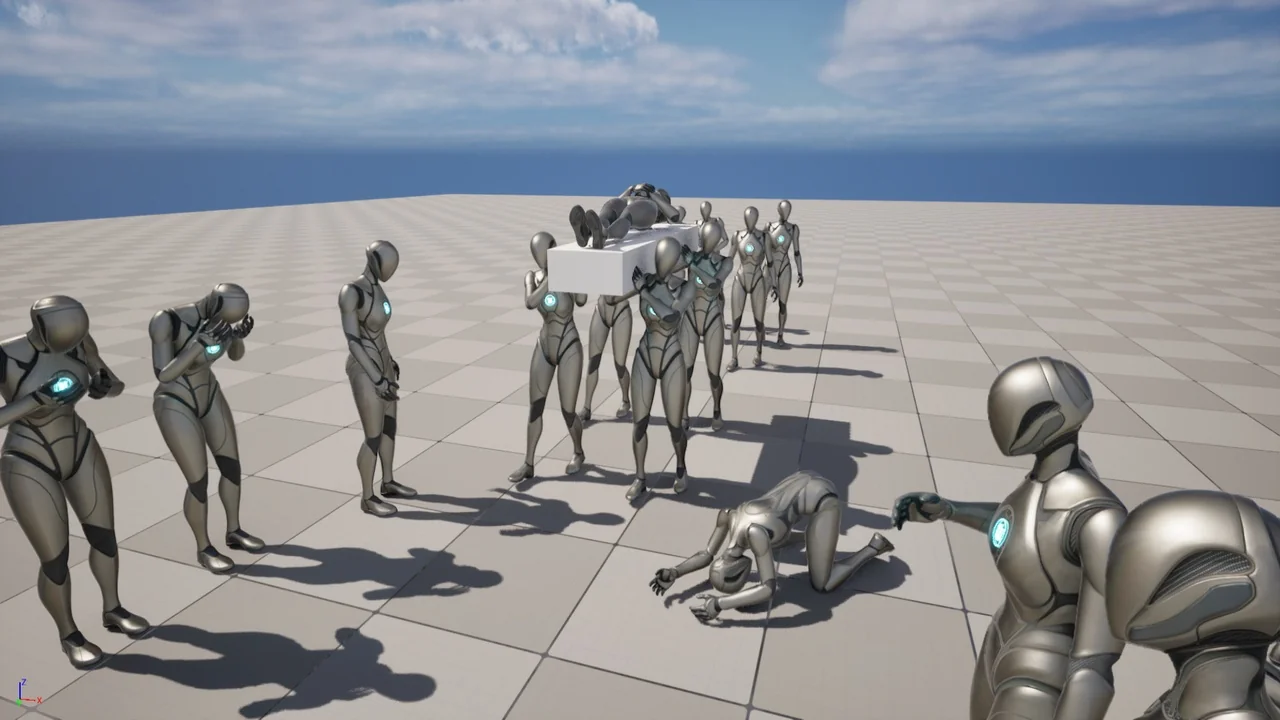
 Variety
 Variety
 Variety