"b00678cacce53329"{"id":"1002786","slug":"fantasy-fx-starter-pack","title":"Fantasy FX Starter Pack","category":"Game Development Resource","engine":"4.16+,5.0+","assetVersion":"","engineVersion":"Engine Version: 4.16+,5.0+","tag":"Game Development R","accent":"blue","visual":"mech","summary":"A realistic visual effects set tailored for fantasy games on mobile. Analyze how timing, visual scope, and starter assets fit early production pipelines.","platform":"Unreal Engine","indexPolicy":"index","publishedAt":"2026-11-20T07:09:12.751Z","updatedAt":"2026-11-20T07:09:12.751Z","sourceNotes":[],"fileContents":[],"compatibility":["Unreal Engine","Engine Version: 4.16+,5.0+"],"featuredImage":{"alt":"Fantasy FX Starter Pack","src":"/wp-content/uploads/published/2026/11/06e58c6b2aee-589309a0-33c3-4fb5-a867-4845061aeb4e-2f2592418b.webp"},"fileSizeBytes":87665970,"hasDownloadLink":true,"downloads":0,"terms":[],"galleryImages":[{"src":"/wp-content/uploads/published/2026/11/633e365bb924-0a38a9bc-bea0-4a0a-aa48-5e8d4ad49429-4aa186e2ea.webp","alt":"Fantasy FX Starter Pack"},{"src":"/wp-content/uploads/published/2026/11/8d5e4d50e420-a34c8e42-d748-41f3-bd3a-37521ae232af-2099905441.webp","alt":"Fantasy FX Starter Pack"},{"src":"/wp-content/uploads/published/2026/11/df7b71ac2ba0-f0470ac7-a095-46d2-adfb-86c55c8c4452-acf9a690d1.webp","alt":"Fantasy FX Starter Pack"},{"src":"/wp-content/uploads/published/2026/11/7a16f94a1e60-b61add2a-9cbf-475b-894d-c54ee4c1436e-4d1f168524.webp","alt":"Fantasy FX Starter Pack"},{"src":"/wp-content/uploads/published/2026/11/c9a122bfd71c-a288d743-a09b-444f-abf2-8cfa26a67555-2bda42c625.webp","alt":"Fantasy FX Starter Pack"},{"src":"/wp-content/uploads/published/2026/11/5583a871b74f-55112143-3b74-4aa6-98c8-9b7205e384d9-0e8b359fb2.webp","alt":"Fantasy FX Starter Pack"}],"accessPanel":{"kind":"resource","title":"Get this resource","safetyNote":"Resources are manually reviewed before listing to improve quality and reduce obvious risks.","fileName":"Content.7z","resourceType":"Resource archive","versions":[]},"contentHtml":"\u003cp\u003eEstablishing an effects pipeline for an interactive fantasy title frequently encounters an early roadblock. Art direction is established, world layouts are sketched, and character models begin to populate test levels, yet the moment an action occurs, the scene lacks visual feedback. Without moving effects, evaluating the clarity of combat, environmental energy, or spellcasting remains incomplete. The Fantasy FX Starter Pack addresses this stage directly: an effects package suited to fantasy games and designated as suitable for mobile platforms.\u003c/p\u003e\u003ch2\u003eEstablishing a Fantasy Baseline for Scene Motion\u003c/h2\u003e\u003cp\u003eThree core characteristics govern the scope of this package. It consists of visual effects, it is authored specifically for fantasy game settings, and it functions as a starter collection rather than an all-encompassing visual effects encyclopedia. A starter pack serves a distinct structural function in production. Rather than trying to account for every conceivable scenario across years of live service updates, a starter package provides immediate foundational material. It supplies the preliminary visual responses that allow designers to verify pacing, range, and impact long before dedicated custom effects passes take place.\u003c/p\u003e\u003cp\u003eBecause the material is tailored to the fantasy genre, it bypasses the friction of adapting unrelated scientific, contemporary, or sci-fi assets. The visual language aligns immediately with magical encounters, sword strikes, elemental clashes, or mystical triggers. For an early-stage build, having genre-appropriate effects ready to deploy ensures that preliminary testing reflects the mood and thematic identity of the final production.\u003c/p\u003e\u003ch2\u003eMobile Suitability and the FX Viewport\u003c/h2\u003e\u003cp\u003eThe designation of the package as suitable for mobile games introduces critical design parameters. Handheld titles operate under strict operational considerations that desktop and dedicated console experiences do not share. While modern handheld devices possess substantial processing power, screen real estate and hardware performance budgets remain constrained.\u003c/p\u003e\u003cp\u003eWhen effects are constructed with mobile deployment in mind, readability on small screens takes priority. On a phone or compact tablet, complex microscopic particle detail often collapses into indistinguishable visual clutter. Effective mobile visual effects rely on distinct silhouettes, clear temporal beats, and unambiguous shapes that read clearly even when viewed on a five-inch display under shifting lighting conditions. Starting a project with effects intended for mobile platforms eliminates the recurring need to strip down, downscale, or aggressively filter desktop-oriented assets that overwhelm smaller viewports.\u003c/p\u003e\u003ch2\u003eTime-Driven Visual FX in Real-Time Play\u003c/h2\u003e\u003cp\u003eDescriptive tagging identifies these assets through the concepts of Visual, Time, and Effect. While visual and effect confirm the core medium, the focus on time defines how these assets must be audited and implemented. A visual effect is never a static snapshot; its communicative value depends on how it unfolds, peaks, and dissipates across its duration.\u003c/p\u003e\u003cp\u003eEvaluating time-based effects requires observing the entire curve from anticipation to dissipation. An effect might look visually compelling in a still capture, yet fail in execution if its introductory frames linger too long or its aftermath obscures incoming player actions. In fast-paced fantasy gameplay, timing dictates gameplay readability. An effect that communicates a strike or magical event must deliver its primary visual information quickly, hold user attention for the required mechanical window, and clear the screen cleanly so the player can process the next action.\u003c/p\u003e\u003ch3\u003eIntegrating Starter Pack Elements Across Sequences\u003c/h3\u003e\u003cp\u003eWhen deploying starter assets across multiple interactions within a single level, temporal consistency becomes essential. If one visual effect maintains a rapid, sharp burst while a companion effect lingers through an extended decay, the visual hierarchy of the encounter can become confused. Reviewing the elements of the package side by side ensures that the temporal rhythms of combat and environmental feedback feel unified across the scene.\u003c/p\u003e\u003ch2\u003eRealistic Styling in a Fantasy Framework\u003c/h2\u003e\u003cp\u003eThe package carries specific designations for real and realistic styling. In visual effects design, realism within a fantasy setting refers to material behavior, kinetic weight, and illumination consistency rather than documentary physics. Rather than pursuing hyper-saturated, exaggerated, or cartoon-like visual motifs with flat outlines, realistic fantasy effects aim for plausible volume, natural light interaction, and coherent dissipation.\u003c/p\u003e\u003cp\u003eThis aesthetic choice places definitive demands on the rest of the visual pipeline. A realistic effect placed into an intensely stylized, low-poly, or cel-shaded environment will look detached from the surrounding world geometry. Conversely, in games featuring physically informed surface rendering, detailed textures, and moody ambient lighting, realistic visual effects integrate seamlessly. Selecting an asset collection that already adopts a realistic baseline ensures that environmental light blends convincingly with spell bursts and physical collisions.\u003c/p\u003e\u003ch2\u003eDeploying the FX Pack in Early Production Cycles\u003c/h2\u003e\u003cp\u003eThere are specific phases in the development cycle where a focused starter package provides the greatest utility. During pre-production, vertical slice creation, and greybox prototyping, design teams require functional visual cues to assess whether core mechanics feel responsive. Spending extensive engineering and art hours building bespoke particle setups during these exploratory phases often leads to discarded work when mechanical rules change.\u003c/p\u003e\u003cp\u003eDeploying this package allows teams to populate interactive spaces with convincing, genre-accurate feedback immediately. Playtesters can accurately perceive when abilities connect, when hazards trigger, and how visual noise accumulates during busy encounters. Once the design parameters are validated on the target mobile hardware, the starter assets serve as a tangible visual benchmark for any bespoke assets developed in later stages of production.\u003c/p\u003e\u003ch2\u003eEvaluating Starter Assets on Handheld Hardware\u003c/h2\u003e\u003cp\u003eTo determine if the collection fits a particular project, testing should always take place on actual mobile hardware rather than solely inside an editor viewport on a desktop monitor. Viewing realistic visual assets through an editor window can give an inaccurate impression of scale and luminance. When loaded onto a mobile device, the physical dimensions, pixel density, and frame consistency can be judged under authentic player conditions.\u003c/p\u003e\u003cp\u003eVerifying the assets on target devices confirms whether the realistic rendering holds its clarity across diverse background scenes, whether the temporal curves deliver clear gameplay communication, and whether the fantasy aesthetic reinforces the game's overall visual identity. By establishing these parameters early with a dedicated mobile starter set, development teams can progress into detailed production with a reliable, cohesive effects foundation.\u003c/p\u003e\n\n\u003ch2\u003eContinue Browsing Similar Packs\u003c/h2\u003e\n\u003cul\u003e\n\u003cli\u003e\u003ca href=\"https://3dcghub.com/medieval-rpg-toolkit-foley-fx/\" rel=\"noopener noreferrer\"\u003eMedieval RPG Toolkit - Foley FX\u003c/a\u003e\u003c/li\u003e\n\u003cli\u003e\u003ca href=\"https://3dcghub.com/portal-fx/\" rel=\"noopener noreferrer\"\u003ePortal FX\u003c/a\u003e\u003c/li\u003e\n\u003cli\u003e\u003ca href=\"https://3dcghub.com/top-down-starter-kit-swvictoria/\" rel=\"noopener noreferrer\"\u003eTop-Down Starter Kit [SWVictoria]\u003c/a\u003e\u003c/li\u003e\n\u003cli\u003e\u003ca href=\"https://3dcghub.com/rpg-fx-starter-pack/\" rel=\"noopener noreferrer\"\u003eRPG FX Starter Pack\u003c/a\u003e\u003c/li\u003e\n\u003cli\u003e\u003ca href=\"https://3dcghub.com/dragon-flame-fx/\" rel=\"noopener noreferrer\"\u003eDragon Flame FX\u003c/a\u003e\u003c/li\u003e\n\u003c/ul\u003e","contentTextLength":7270,"navigation":{"current":94,"total":4797,"previous":{"id":"1002787","slug":"fantasy-rpg-vfx-pack","title":"Fantasy RPG VFX Pack","category":"Spells \u0026 Combat","platform":"Unreal Engine","updatedAt":"2026-11-20T07:10:23.197Z"},"next":{"id":"1002785","slug":"explosion-pack-1-nature-elements","title":"Explosion Pack #1 - Nature Elements","category":"Variety","platform":"Unreal Engine","updatedAt":"2026-11-20T07:08:23.380Z"}},"relatedResources":[{"id":"6575","slug":"medieval-rpg-toolkit-foley-fx","title":"Medieval RPG Toolkit - Foley FX","category":"Sound Effects","engine":"4.27,5.0+","assetVersion":"Engine version: 4.27,5.0+","engineVersion":"4.27","tag":"Sound Effects","accent":"blue","visual":"audio","summary":"Elevate your fantasy game with the Medieval RPG Toolkit. This Foley FX pack includes footsteps, door sounds, item layers, and UI effects for immersive audio.","platform":"Unreal Engine","indexPolicy":"noindex","publishedAt":"2026-02-19T18:22:48.000Z","updatedAt":"2026-07-26T16:40:25.313Z","sourceNotes":[],"fileContents":[],"compatibility":["Audio","Engine version: 4.27,5.0+"],"featuredImage":{"alt":"Medieval RPG Toolkit - Foley FX","src":"https://3dcghub.com/wp-content/uploads/2026/02/daaeff0e-21a0-4ef3-8e2f-9082443aa639.webp"},"fileSizeBytes":10509844,"hasDownloadLink":true,"downloads":0},{"id":"8044","slug":"top-down-starter-kit-swvictoria","title":"Top-Down Starter Kit [SWVictoria]","category":"Fantasy","engine":"4.26+,5.0+","assetVersion":"Engine version: 4.26+,5.0+","engineVersion":"4.22","tag":"Fantasy","accent":"blue","visual":"city","summary":"Jumpstart your game development journey with this comprehensive stylized environment kit. It features high-quality 3D models and interactive elements designed specifically for top-down RPG and RTS projects.","platform":"Unreal Engine","indexPolicy":"noindex","publishedAt":"2026-02-22T16:35:52.000Z","updatedAt":"2026-04-19T15:55:36.000Z","sourceNotes":[],"fileContents":[],"compatibility":["Unreal Engine","Engine version: 4.26+,5.0+"],"featuredImage":{"alt":"Top-Down Starter Kit [SWVictoria]","src":"https://3dcghub.com/wp-content/uploads/2026/02/7af10873-930d-482d-9504-21cd40863ffd.webp"},"fileSizeBytes":940600273,"hasDownloadLink":true,"downloads":0},{"id":"16619","slug":"portal-fx","title":"Portal FX","category":"Spells \u0026 Combat","engine":"4.27,5.0+","assetVersion":"Engine version: 4.27,5.0+","engineVersion":"4.27","tag":"Spells \u0026 Combat","accent":"blue","visual":"animation","summary":"Portal FX is a versatile collection of 10 Niagara portal effects designed for high customization. With 29 user parameters and Blueprint support, it is ideal for creating dynamic gateways.","platform":"Unreal Engine","indexPolicy":"noindex","publishedAt":"2026-03-12T17:35:36.000Z","updatedAt":"2026-04-19T15:43:44.000Z","sourceNotes":[],"fileContents":[],"compatibility":["Unreal Engine","Engine version: 4.27,5.0+"],"featuredImage":{"alt":"Portal FX","src":"https://3dcghub.com/wp-content/uploads/2026/03/be6976c6-f2ac-4ae8-8016-19b35d59ee8f.webp"},"fileSizeBytes":215489110,"hasDownloadLink":true,"downloads":1}]}
Resource screenshots
1 / 6
Join our channel
Follow 3DCGHUB on Telegram for new resource drops, migration updates, and community notices.
Resources are manually reviewed before listing to improve quality and reduce obvious risks.
No account required
Game Development R
Fantasy FX Starter Pack
A realistic visual effects set tailored for fantasy games on mobile. Analyze how timing, visual scope, and starter assets fit early production pipelines.
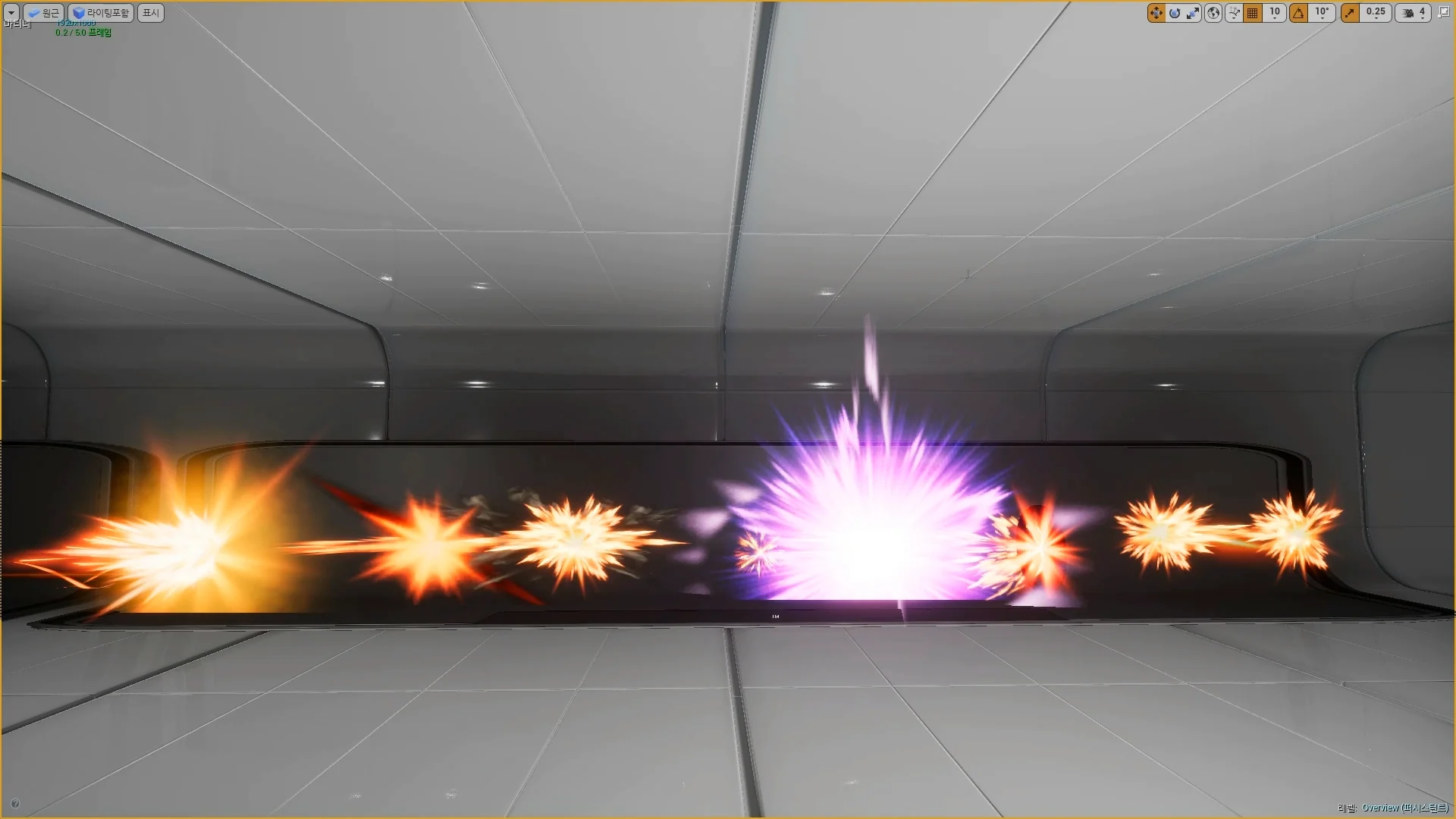
Establishing an effects pipeline for an interactive fantasy title frequently encounters an early roadblock. Art direction is established, world layouts are sketched, and character models begin to populate test levels, yet the moment an action occurs, the scene lacks visual feedback. Without moving effects, evaluating the clarity of combat, environmental energy, or spellcasting remains incomplete. The Fantasy FX Starter Pack addresses this stage directly: an effects package suited to fantasy games and designated as suitable for mobile platforms.
Establishing a Fantasy Baseline for Scene Motion
Three core characteristics govern the scope of this package. It consists of visual effects, it is authored specifically for fantasy game settings, and it functions as a starter collection rather than an all-encompassing visual effects encyclopedia. A starter pack serves a distinct structural function in production. Rather than trying to account for every conceivable scenario across years of live service updates, a starter package provides immediate foundational material. It supplies the preliminary visual responses that allow designers to verify pacing, range, and impact long before dedicated custom effects passes take place.
Because the material is tailored to the fantasy genre, it bypasses the friction of adapting unrelated scientific, contemporary, or sci-fi assets. The visual language aligns immediately with magical encounters, sword strikes, elemental clashes, or mystical triggers. For an early-stage build, having genre-appropriate effects ready to deploy ensures that preliminary testing reflects the mood and thematic identity of the final production.
Mobile Suitability and the FX Viewport
The designation of the package as suitable for mobile games introduces critical design parameters. Handheld titles operate under strict operational considerations that desktop and dedicated console experiences do not share. While modern handheld devices possess substantial processing power, screen real estate and hardware performance budgets remain constrained.
When effects are constructed with mobile deployment in mind, readability on small screens takes priority. On a phone or compact tablet, complex microscopic particle detail often collapses into indistinguishable visual clutter. Effective mobile visual effects rely on distinct silhouettes, clear temporal beats, and unambiguous shapes that read clearly even when viewed on a five-inch display under shifting lighting conditions. Starting a project with effects intended for mobile platforms eliminates the recurring need to strip down, downscale, or aggressively filter desktop-oriented assets that overwhelm smaller viewports.
Time-Driven Visual FX in Real-Time Play
Descriptive tagging identifies these assets through the concepts of Visual, Time, and Effect. While visual and effect confirm the core medium, the focus on time defines how these assets must be audited and implemented. A visual effect is never a static snapshot; its communicative value depends on how it unfolds, peaks, and dissipates across its duration.
Evaluating time-based effects requires observing the entire curve from anticipation to dissipation. An effect might look visually compelling in a still capture, yet fail in execution if its introductory frames linger too long or its aftermath obscures incoming player actions. In fast-paced fantasy gameplay, timing dictates gameplay readability. An effect that communicates a strike or magical event must deliver its primary visual information quickly, hold user attention for the required mechanical window, and clear the screen cleanly so the player can process the next action.
Integrating Starter Pack Elements Across Sequences
When deploying starter assets across multiple interactions within a single level, temporal consistency becomes essential. If one visual effect maintains a rapid, sharp burst while a companion effect lingers through an extended decay, the visual hierarchy of the encounter can become confused. Reviewing the elements of the package side by side ensures that the temporal rhythms of combat and environmental feedback feel unified across the scene.
Realistic Styling in a Fantasy Framework
The package carries specific designations for real and realistic styling. In visual effects design, realism within a fantasy setting refers to material behavior, kinetic weight, and illumination consistency rather than documentary physics. Rather than pursuing hyper-saturated, exaggerated, or cartoon-like visual motifs with flat outlines, realistic fantasy effects aim for plausible volume, natural light interaction, and coherent dissipation.
This aesthetic choice places definitive demands on the rest of the visual pipeline. A realistic effect placed into an intensely stylized, low-poly, or cel-shaded environment will look detached from the surrounding world geometry. Conversely, in games featuring physically informed surface rendering, detailed textures, and moody ambient lighting, realistic visual effects integrate seamlessly. Selecting an asset collection that already adopts a realistic baseline ensures that environmental light blends convincingly with spell bursts and physical collisions.
Deploying the FX Pack in Early Production Cycles
There are specific phases in the development cycle where a focused starter package provides the greatest utility. During pre-production, vertical slice creation, and greybox prototyping, design teams require functional visual cues to assess whether core mechanics feel responsive. Spending extensive engineering and art hours building bespoke particle setups during these exploratory phases often leads to discarded work when mechanical rules change.
Deploying this package allows teams to populate interactive spaces with convincing, genre-accurate feedback immediately. Playtesters can accurately perceive when abilities connect, when hazards trigger, and how visual noise accumulates during busy encounters. Once the design parameters are validated on the target mobile hardware, the starter assets serve as a tangible visual benchmark for any bespoke assets developed in later stages of production.
Evaluating Starter Assets on Handheld Hardware
To determine if the collection fits a particular project, testing should always take place on actual mobile hardware rather than solely inside an editor viewport on a desktop monitor. Viewing realistic visual assets through an editor window can give an inaccurate impression of scale and luminance. When loaded onto a mobile device, the physical dimensions, pixel density, and frame consistency can be judged under authentic player conditions.
Verifying the assets on target devices confirms whether the realistic rendering holds its clarity across diverse background scenes, whether the temporal curves deliver clear gameplay communication, and whether the fantasy aesthetic reinforces the game's overall visual identity. By establishing these parameters early with a dedicated mobile starter set, development teams can progress into detailed production with a reliable, cohesive effects foundation.
 Sound Effects
 Fantasy
 Spells & Combat