Introduction to Physics-Based Flight
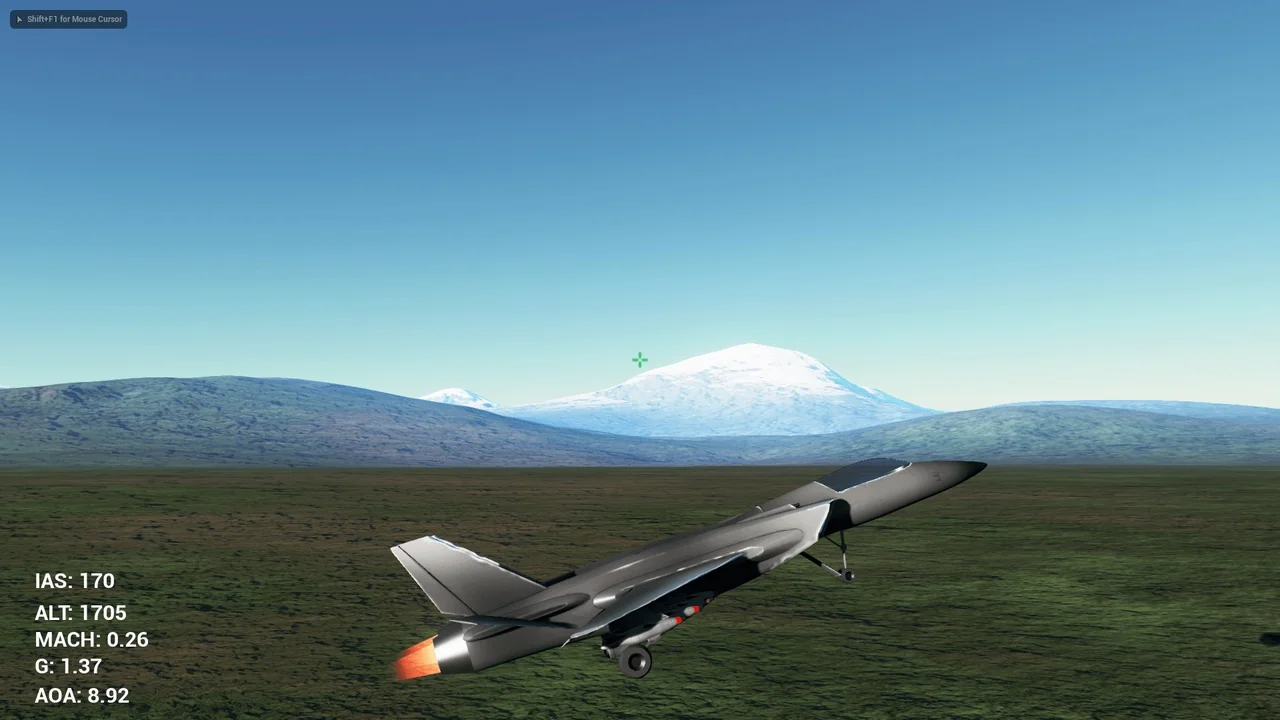
The Easy Flight Model is a specialized code plugin designed to bring realistic flight dynamics to your projects. By focusing on core physics principles, this tool provides a robust framework for simulating airborne objects. Consequently, developers can create convincing flight behaviors without manual animation. This system is particularly useful for those working within Unreal Engine 5.1, as demonstrated by the available example projects.
How the Simulation Works
The Easy Flight Model operates by analyzing the specific physical state of the object to which it is attached. Specifically, the system monitors the location, velocity, and mass of the physics object. Furthermore, it considers other essential properties to ensure the simulation remains accurate to the environment. This data serves as the foundation for all subsequent aerodynamic calculations.
Once the plugin gathers the necessary data, it computes the aerodynamic forces that would naturally act upon the object in real-time. These calculations are then translated into physics impulses. By applying these impulses directly to the object, the plugin generates movement that feels authentic and responsive. Therefore, the resulting flight path is a direct product of the object’s physical properties and speed.
Versatile Applications for Developers
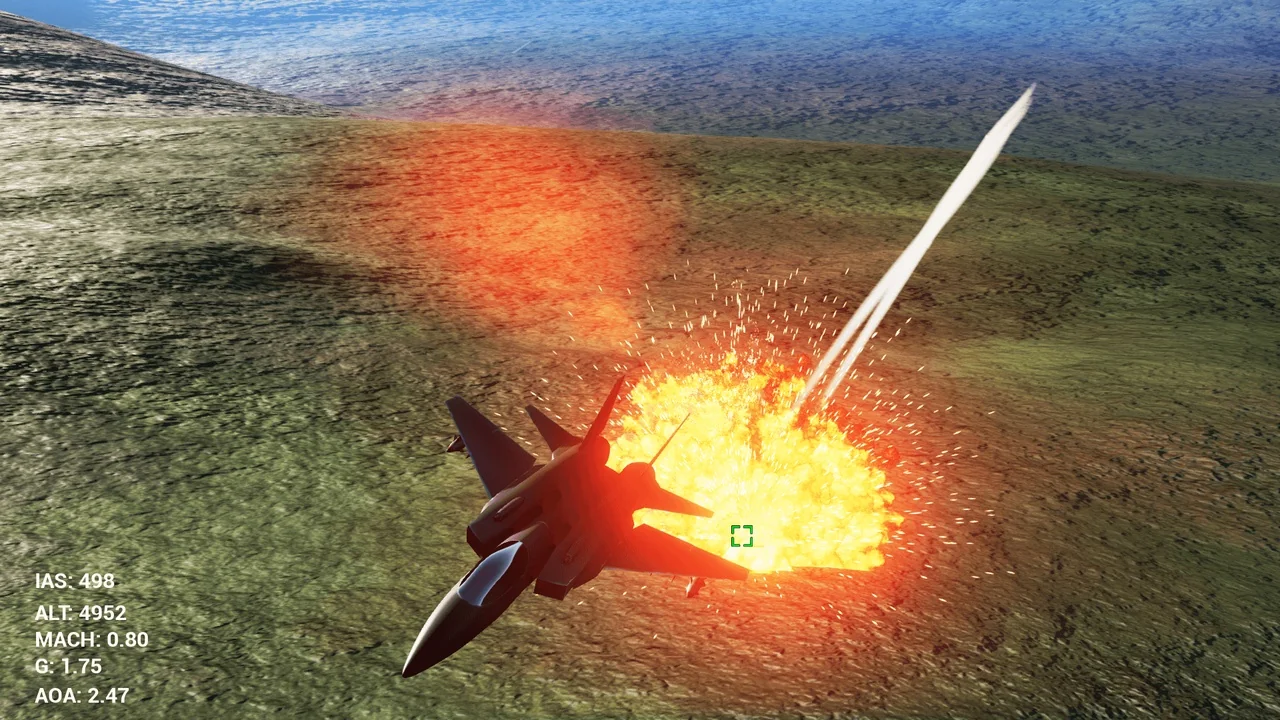
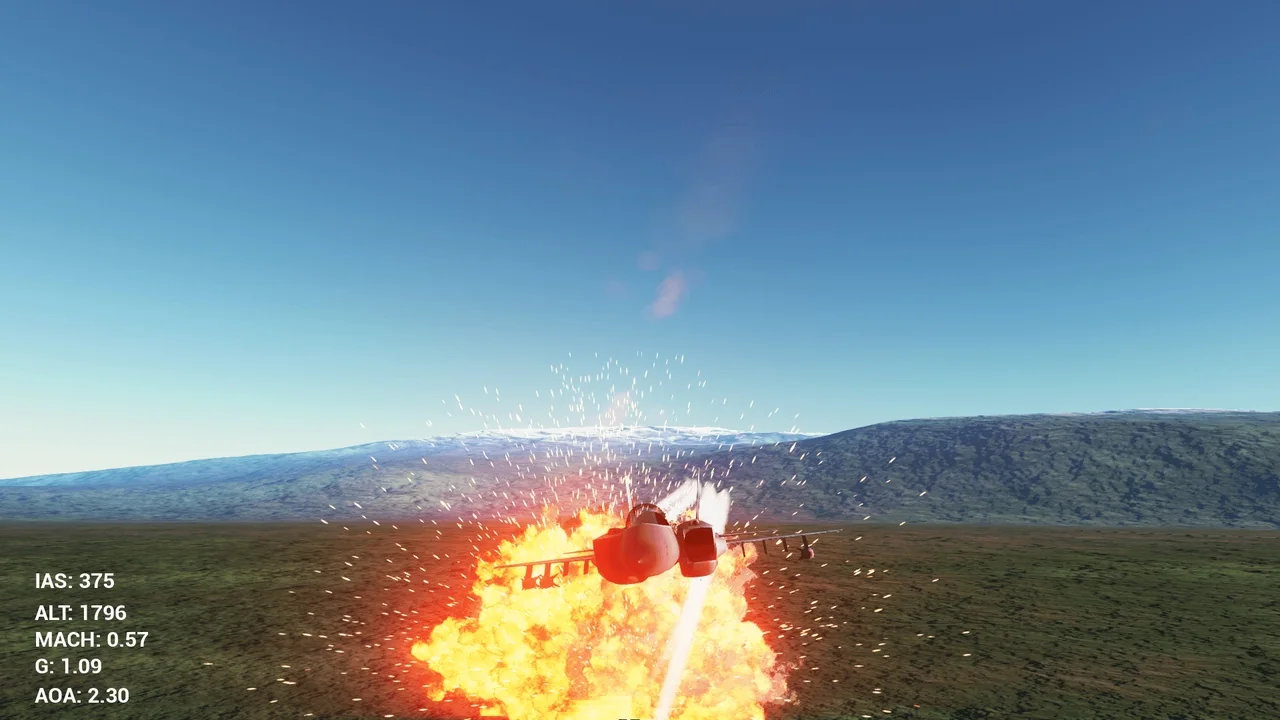
The flexibility of the Easy Flight Model allows it to be used for a variety of different assets. While it is primarily designed for fixed-wing airplanes, its utility extends to other aerodynamic bodies. For instance, the developer has confirmed its effectiveness for simulating objects that rely on ballistic or aerodynamic trajectories. Additionally, the plugin can handle complex physics interactions for both piloted and unpiloted objects.
According to the creator, the system is suitable for simulating:
- Almost any type of fixed-wing airplane.
- Gravity-fed or guided bombs.
- High-speed missiles.
- Other similar physics-driven objects.
Implementation and Workflow
As a code-based plugin, the Easy Flight Model is built to integrate seamlessly into existing physics workflows. The developer provides tutorial resources and example projects to help users understand the underlying mechanics. These examples, created for UE 5.1, showcase how the aerodynamic forces interact with standard physics objects. Consequently, users can observe how mass and velocity directly influence the resulting flight stability and performance.
Conclusion
In summary, the Easy Flight Model offers a scientific approach to flight simulation by prioritizing physics impulses over scripted movement. By calculating aerodynamic forces based on real-time data like mass and velocity, it provides a high degree of realism for aircraft and projectiles alike. This tool is an essential resource for developers who require accurate and dynamic flight behavior in their simulations.
Screenshots & Gallery