"a19e0535960bd083"{"id":"1002085","slug":"cyberpunk-street-girl","title":"Cyberpunk Street Girl","category":"Humans","engine":"4.26+,5.0+","assetVersion":"","engineVersion":"Engine Version: 4.26+,5.0+","tag":"Humans","accent":"blue","visual":"mech","summary":"A close look at Cyberpunk Street Girl, covering tactical mecha design, facial morph targets, animation blueprints, and machete combat setups.","platform":"Unreal Engine","publishedAt":"2026-10-26T15:54:43.180Z","updatedAt":"2026-10-26T15:54:43.180Z","sourceNotes":[],"fileContents":[],"compatibility":["Unreal Engine","Engine Version: 4.26+,5.0+"],"featuredImage":{"alt":"Cyberpunk Street Girl","src":"/wp-content/uploads/published/2026/10/1c1d8b4faa07-a7516b3d-3943-49da-b88a-f4733eb42462-808cc40316.webp"},"hasDownloadLink":true,"downloads":0,"terms":[{"taxonomy":"category","slug":"humans","name":"Humans"}],"galleryImages":[{"src":"/wp-content/uploads/published/2026/10/d1d7472e711d-60617dfd-d92b-4110-8f67-ea468c34f1d4-e79cdfae32.webp","alt":"Cyberpunk Street Girl"},{"src":"/wp-content/uploads/published/2026/10/a99f0d53013c-30ee460b-b074-4f90-b93b-338c80ac8a93-f1abd20df7.webp","alt":"Cyberpunk Street Girl"},{"src":"/wp-content/uploads/published/2026/10/e8138e7c21b3-4a3c2e7d-4074-419a-a148-c84aae00427f-cc53fab50a.webp","alt":"Cyberpunk Street Girl"},{"src":"/wp-content/uploads/published/2026/10/539484e75c5d-0b4b9bc1-a8bd-4309-96c7-a2f8c3835cef-fde63a8768.webp","alt":"Cyberpunk Street Girl"},{"src":"/wp-content/uploads/published/2026/10/30127b8751a4-149931be-2b29-4ed9-9c38-d37759045451-b400b6cd8c.webp","alt":"Cyberpunk Street Girl"},{"src":"/wp-content/uploads/published/2026/10/cf4f1daaff38-d56cbbe1-88ea-4368-bae1-7f01877fd7c3-b907d30170.webp","alt":"Cyberpunk Street Girl"},{"src":"/wp-content/uploads/published/2026/10/4ed13c4aca8c-f1eef124-26fa-4537-8512-c754b9661983-cdb521e473.webp","alt":"Cyberpunk Street Girl"},{"src":"/wp-content/uploads/published/2026/10/6fa072aef2fe-d66d2ec6-ad58-4148-8d97-979aa24a0d6a-d1feeff7d5.webp","alt":"Cyberpunk Street Girl"}],"accessPanel":{"kind":"resource","title":"Download this resource","eyebrow":"Free Download","message":"Log in or create a free account to start your download.","fileName":"Content.7z","safetyNote":"Resources are manually reviewed before listing to improve quality and reduce obvious risks.","actionLabel":"Download Free","resourceType":"Resource archive"},"contentHtml":"\u003cp\u003eRain-slicked alleyways, flickering holographic advertisements, and industrial transit hubs define the aesthetic world of near-future dystopian environments. Within these settings, characters must balance improvised urban street style with functional combat utility to look convincing. Cyberpunk Street Girl fits directly into high-density futuristic environments, serving as a combatant equipped for underground street conflicts, corporate security breaches, or solo survival operations in high-tech slums.\u003c/p\u003e \u003ch2\u003eTactical Mecha Elements of the Cyberpunk Street Girl\u003c/h2\u003e\n\u003cp\u003eThe visual identity of the character brings together civilian street aesthetics and militarized cybernetic upgrades. Blending realistic anatomical proportions with visible cyborg enhancements, the model captures the look of an individual modified for high-stakes urban conflict. The aesthetic relies heavily on tactical and mecha influences, moving away from purely decorative sci-fi costumes in favor of rugged, utilitarian gear.\u003c/p\u003e \u003cp\u003eAugmented limbs and mechanical surfaces suggest functional cyberware intended for durability and physical output. Plates, ports, and tactical framing across the body emphasize a mecha design language while maintaining human silhouette lines. This visual duality between organic form and engineered cybernetics allows the character to appear agile and dangerous, blending seamlessly into combat encounters where heavy armor would feel too rigid.\u003c/p\u003e \u003cp\u003eEquipped alongside the tactical attire is a machete, grounding the character in close-quarters skirmishes. Unlike standard projectile-focused loadouts, the addition of a sharp, lethal melee weapon introduces a raw, visceral edge to the package. The machete gives the model an aggressive physical silhouette, suitable for agile strike patterns, stealth assassinations, or desperate back-alley brawls where high-tech firepower meets brutal edge combat.\u003c/p\u003e \u003ch2\u003eFacial Morph Targets and Live Expression Pipelines\u003c/h2\u003e\n\u003cp\u003eDetailed facial articulation is essential for character models that participate in narrative cutscenes, interactive dialogue systems, or close-up gameplay moments. The model includes an extensive set of facial morph targets engineered to capture nuance across the entire head and face. These blend shapes provide precise control over eyebrows, eyelids, cheek movement, jaw articulation, and mouth shapes.\u003c/p\u003e \u003cp\u003eWith full morph target integration, the character easily connects to facial tracking pipelines, including Live Link workflows. The targets are dialed to register subtle micro-expressions, speech patterns, and intense combat reactions like grimacing, clenching, or shouting. Creators working with real-time motion capture can stream performance data directly to the face rig, bypassing the need to manually pose individual bone clusters for complex facial acting.\u003c/p\u003e \u003cp\u003eBeyond cinematic performances, these facial targets support scripted in-game reaction systems. When linked to game logic or custom scripts, the face can dynamically change based on gameplay events. Taking damage can trigger momentary pain shapes, engaging in a melee swing with the machete can produce a determined expression, and entering a dialogue trigger can shift the face into a neutral or conversational state without snapping.\u003c/p\u003e \u003ch2\u003eAnimation Blueprint Logic and Machete Combat Systems\u003c/h2\u003e\n\u003cp\u003eMovement and physical responsiveness rely on an integrated animation blueprint setup. Rather than being a static mesh bound to a simple pose, the asset is structured to feed directly into interactive locomotion systems and weapon-handling state machines. Locomotion logic handles typical movement transitions, letting the character shift smoothly between walking, running, crouching, and tactical ready stances.\u003c/p\u003e \u003cp\u003eThe presence of an animation blueprint simplifies the process of tying upper-body melee strikes into lower-body locomotion loops. Because the model is prepared to handle dedicated weapons like the machete, state machines can blend directional running with blade swings, parries, and recovery frames. Layered blending permits fluid torso rotations while the legs maintain ground traction, preventing the sliding or stiff animation blending that often breaks immersion in third-person action games.\u003c/p\u003e \u003cp\u003eScript hooks make it possible to coordinate weapon attachment, socket positioning, and combat states. Developers can bind the machete directly to hand or sheath sockets, orchestrating quick-draw maneuvers, weapon-switching routines, and dynamic attack chains. This internal organization ensures that combat timing, hit-frame triggers, and defensive transitions remain responsive during active player input.\u003c/p\u003e \u003ch2\u003eDeploying the Hero, Mercenary, and Warrior Archetypes\u003c/h2\u003e\n\u003cp\u003eThe structural design of the model supports multiple narrative and functional roles across various game types, matching specific profile archetypes:\u003c/p\u003e\n\u003cul\u003e \u003cli\u003e\u003cstrong\u003eHero Protagonist:\u003c/strong\u003e Serves as a determined lead character navigating oppressive corporate states or unraveling high-tech conspiracies, utilizing expressive facial targets to carry the emotional weight of a central story.\u003c/li\u003e \u003cli\u003e\u003cstrong\u003eUnderworld Mercenary:\u003c/strong\u003e Works as a hired blade, bodyguard, or enforcer taking contracts in lawless city sectors, where the tactical gear and cybernetic mecha implants visually communicate professional combat readiness.\u003c/li\u003e \u003cli\u003e\u003cstrong\u003eStreet Warrior:\u003c/strong\u003e Acts as an agile resistance fighter, faction scout, or boss encounter defending localized territory with fast melee strikes and ruthless close-combat efficiency.\u003c/li\u003e\n\u003c/ul\u003e \u003cp\u003eProjects seeking an expressive, melee-capable operative will find the character ready to step directly into tactical action titles, dystopian role-playing games, or stylized sci-fi stealth adventures without needing structural rigging overhauls.\u003c/p\u003e\n\n\u003ch2\u003eExplore Similar Assets\u003c/h2\u003e\n\u003cul\u003e\n\u003cli\u003e\u003ca href=\"https://3dcghub.com/cyberpunk-street/\" title=\"CYBERPUNK STREET\"\u003eCYBERPUNK STREET\u003c/a\u003e\u003c/li\u003e\n\u003cli\u003e\u003ca href=\"https://3dcghub.com/cyberpunk-street-boy/\" title=\"Cyberpunk Street Boy\"\u003eCyberpunk Street Boy\u003c/a\u003e\u003c/li\u003e\n\u003cli\u003e\u003ca href=\"https://3dcghub.com/cyberpunk-street-lights-cyberpunk-street-light-lamp-futuristic-fantasy-3d-art/\" title=\"Cyberpunk Street Lights ( Cyberpunk Street Light Lamp Futuristic Fantasy 3D Art)\"\u003eCyberpunk Street Lights ( Cyberpunk Street Light Lamp Futuristic Fantasy 3D Art)\u003c/a\u003e\u003c/li\u003e\n\u003cli\u003e\u003ca href=\"https://3dcghub.com/cyberpunk-street-assets/\" title=\"Cyberpunk street assets\"\u003eCyberpunk street assets\u003c/a\u003e\u003c/li\u003e\n\u003cli\u003e\u003ca href=\"https://3dcghub.com/modular-stylized-cyberpunk-street-cyberpunk-cyber-street-cyberpunk-stylized/\" title=\"Modular Stylized Cyberpunk Street ( Cyberpunk Cyber Street Cyberpunk Stylized )\"\u003eModular Stylized Cyberpunk Street ( Cyberpunk Cyber Street Cyberpunk Stylized )\u003c/a\u003e\u003c/li\u003e\n\u003c/ul\u003e","contentTextLength":5918,"navigation":{"current":6,"total":4026,"previous":{"id":"1002086","slug":"dragon-portal","title":"Dragon Portal","category":"Tools, Objects \u0026 Decor","platform":"Unreal Engine","updatedAt":"2026-10-26T15:55:41.873Z"},"next":{"id":"1002084","slug":"crystals","title":"Crystals","category":"Tools, Objects \u0026 Decor","platform":"Unreal Engine","updatedAt":"2026-10-26T15:53:48.524Z"}},"relatedResources":[{"id":"1001645","slug":"cyberpunk-street","title":"CYBERPUNK STREET","category":"Cyberpunk","engine":"4.22+,5.0+","assetVersion":"","engineVersion":"Engine Version: 4.22+,5.0+","tag":"Cyberpunk","accent":"blue","visual":"mech","summary":"Explore the modular CYBERPUNK STREET environment pack, featuring vertex-paintable surfaces, spline-based wires, customizable materials, and a demo scene.","platform":"Unreal Engine","publishedAt":"2026-10-13T02:29:04.369Z","updatedAt":"2026-10-13T02:29:04.369Z","sourceNotes":[],"fileContents":[],"compatibility":["Unreal Engine","Engine Version: 4.22+,5.0+"],"featuredImage":{"alt":"CYBERPUNK STREET","src":"/wp-content/uploads/published/2026/10/f4f9bd4d3485-4ff078f6-9e32-413c-aa92-3ca73448bb26-d43622898c.webp"},"hasDownloadLink":true,"downloads":2},{"id":"1001777","slug":"cyberpunk-street-boy","title":"Cyberpunk Street Boy","category":"Characters \u0026 Creatures","engine":"4.25+,5.0+","assetVersion":"","engineVersion":"Engine Version: 4.25+,5.0+","tag":"Characters","accent":"blue","visual":"character","summary":"Examine Cyberpunk Street Boy, featuring modular cybernetic design, PBR materials, facial morph targets, sword combat, and Animation Blueprint support.","platform":"Unreal Engine","publishedAt":"2026-10-20T03:25:10.457Z","updatedAt":"2026-10-20T03:25:10.457Z","sourceNotes":[],"fileContents":[],"compatibility":["Unreal Engine","Engine Version: 4.25+,5.0+"],"featuredImage":{"alt":"Cyberpunk Street Boy","src":"/wp-content/uploads/published/2026/10/52f458aff286-02fd65ac-9315-4dbb-b5bb-521bead39c80-4b9bde6c52.webp"},"hasDownloadLink":true,"downloads":1},{"id":"1001509","slug":"cyberpunk-street-lights-cyberpunk-street-light-lamp-futuristic-fantasy-3d-art","title":"Cyberpunk Street Lights ( Cyberpunk Street Light Lamp Futuristic Fantasy 3D Art)","category":"Street / Road","engine":"4.26+,5.0+","assetVersion":"","engineVersion":"Engine Version: 4.26+,5.0+","tag":"Street / Road","accent":"blue","visual":"mech","summary":"Examine the 29 unique meshes, game-ready optimization, and ULAT workflow integration of the Cyberpunk Street Lights 3D environment pack.","platform":"Unreal Engine","publishedAt":"2026-10-09T13:09:57.626Z","updatedAt":"2026-10-09T13:09:57.626Z","sourceNotes":[],"fileContents":[],"compatibility":["Unreal Engine","Engine Version: 4.26+,5.0+"],"featuredImage":{"alt":"Cyberpunk Street Lights ( Cyberpunk Street Light Lamp Futuristic Fantasy 3D Art)","src":"/wp-content/uploads/published/2026/10/f11b23ce452f-5c010d8a-e783-4903-90db-01b230c938ae-997f2e7ba8.webp"},"hasDownloadLink":true,"downloads":0}]}
Humans
Cyberpunk Street Girl
A close look at Cyberpunk Street Girl, covering tactical mecha design, facial morph targets, animation blueprints, and machete combat setups.
Category:Unreal Engine,HumansPlatform: Unreal EngineEngine Version: 4.26+,5.0+Published: Oct 26, 2026
Humans
Resource overview
Rain-slicked alleyways, flickering holographic advertisements, and industrial transit hubs define the aesthetic world of near-future dystopian environments. Within these settings, characters must balance improvised urban street style with functional combat utility to look convincing. Cyberpunk Street Girl fits directly into high-density futuristic environments, serving as a combatant equipped for underground street conflicts, corporate security breaches, or solo survival operations in high-tech slums.
Tactical Mecha Elements of the Cyberpunk Street Girl
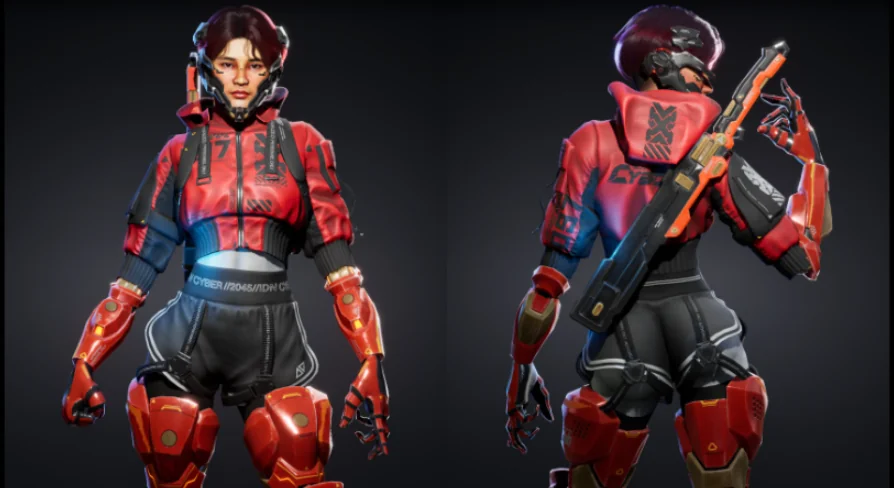
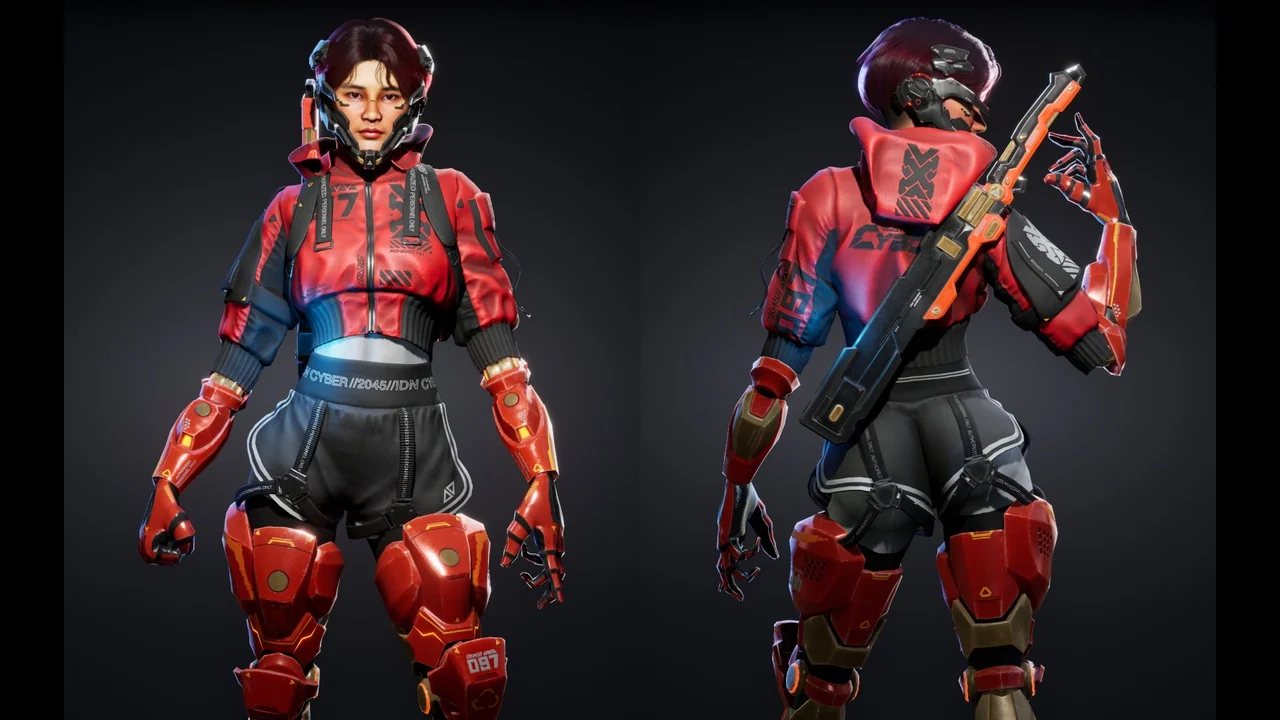
The visual identity of the character brings together civilian street aesthetics and militarized cybernetic upgrades. Blending realistic anatomical proportions with visible cyborg enhancements, the model captures the look of an individual modified for high-stakes urban conflict. The aesthetic relies heavily on tactical and mecha influences, moving away from purely decorative sci-fi costumes in favor of rugged, utilitarian gear.
Augmented limbs and mechanical surfaces suggest functional cyberware intended for durability and physical output. Plates, ports, and tactical framing across the body emphasize a mecha design language while maintaining human silhouette lines. This visual duality between organic form and engineered cybernetics allows the character to appear agile and dangerous, blending seamlessly into combat encounters where heavy armor would feel too rigid.
Equipped alongside the tactical attire is a machete, grounding the character in close-quarters skirmishes. Unlike standard projectile-focused loadouts, the addition of a sharp, lethal melee weapon introduces a raw, visceral edge to the package. The machete gives the model an aggressive physical silhouette, suitable for agile strike patterns, stealth assassinations, or desperate back-alley brawls where high-tech firepower meets brutal edge combat.
Facial Morph Targets and Live Expression Pipelines
Detailed facial articulation is essential for character models that participate in narrative cutscenes, interactive dialogue systems, or close-up gameplay moments. The model includes an extensive set of facial morph targets engineered to capture nuance across the entire head and face. These blend shapes provide precise control over eyebrows, eyelids, cheek movement, jaw articulation, and mouth shapes.
With full morph target integration, the character easily connects to facial tracking pipelines, including Live Link workflows. The targets are dialed to register subtle micro-expressions, speech patterns, and intense combat reactions like grimacing, clenching, or shouting. Creators working with real-time motion capture can stream performance data directly to the face rig, bypassing the need to manually pose individual bone clusters for complex facial acting.
Beyond cinematic performances, these facial targets support scripted in-game reaction systems. When linked to game logic or custom scripts, the face can dynamically change based on gameplay events. Taking damage can trigger momentary pain shapes, engaging in a melee swing with the machete can produce a determined expression, and entering a dialogue trigger can shift the face into a neutral or conversational state without snapping.
Animation Blueprint Logic and Machete Combat Systems
Movement and physical responsiveness rely on an integrated animation blueprint setup. Rather than being a static mesh bound to a simple pose, the asset is structured to feed directly into interactive locomotion systems and weapon-handling state machines. Locomotion logic handles typical movement transitions, letting the character shift smoothly between walking, running, crouching, and tactical ready stances.
The presence of an animation blueprint simplifies the process of tying upper-body melee strikes into lower-body locomotion loops. Because the model is prepared to handle dedicated weapons like the machete, state machines can blend directional running with blade swings, parries, and recovery frames. Layered blending permits fluid torso rotations while the legs maintain ground traction, preventing the sliding or stiff animation blending that often breaks immersion in third-person action games.
Script hooks make it possible to coordinate weapon attachment, socket positioning, and combat states. Developers can bind the machete directly to hand or sheath sockets, orchestrating quick-draw maneuvers, weapon-switching routines, and dynamic attack chains. This internal organization ensures that combat timing, hit-frame triggers, and defensive transitions remain responsive during active player input.
Deploying the Hero, Mercenary, and Warrior Archetypes
The structural design of the model supports multiple narrative and functional roles across various game types, matching specific profile archetypes:
Hero Protagonist: Serves as a determined lead character navigating oppressive corporate states or unraveling high-tech conspiracies, utilizing expressive facial targets to carry the emotional weight of a central story.
Underworld Mercenary: Works as a hired blade, bodyguard, or enforcer taking contracts in lawless city sectors, where the tactical gear and cybernetic mecha implants visually communicate professional combat readiness.
Street Warrior: Acts as an agile resistance fighter, faction scout, or boss encounter defending localized territory with fast melee strikes and ruthless close-combat efficiency.
Projects seeking an expressive, melee-capable operative will find the character ready to step directly into tactical action titles, dystopian role-playing games, or stylized sci-fi stealth adventures without needing structural rigging overhauls.
 Humans
 Cyberpunk
 Characters
 Street / Road