"c68a05d5e51405b3"{"id":"1000046","slug":"crash-and-smash-designed","title":"Crash \u0026 Smash - Designed","category":"Sound Effects","engine":"4.26+,5.0+","assetVersion":"","engineVersion":"4.26+,5.0+","tag":"Sound Effects","accent":"blue","visual":"mech","summary":"A destruction sound library with 350 stereo sounds across glass, metal, stone, wood, and plastic, plus heavy crash mixes and surround versions.","platform":"Unreal Engine","publishedAt":"2026-05-22T09:40:57.365Z","updatedAt":"2026-05-22T09:40:57.365Z","sourceNotes":[],"fileContents":[],"compatibility":["Audio","Engine version: 4.26+,5.0+"],"featuredImage":{"alt":"Crash \u0026 Smash - Designed","src":"/wp-content/uploads/published/2026/05/727c630a6772-538fb1bf-41c8-455b-bf68-b8d1884ce2b5-35d8c7ee34.webp"},"hasDownloadLink":true,"downloads":1,"terms":[{"taxonomy":"category","slug":"sound-effects","name":"Sound Effects"}],"galleryImages":[{"src":"/wp-content/uploads/published/2026/05/f1f7803b1974-83bbb4f4-02ea-4522-9e8c-206232fc05d8-6de8c4c2f1.webp","alt":"Crash \u0026 Smash - Designed"}],"accessPanel":{"kind":"resource","title":"Access this resource","eyebrow":"Free Download","message":"Log in or create a free account to start your download.","fileName":"Content.7z","safetyNote":"Resources are manually reviewed before listing to improve quality and reduce obvious risks.","actionLabel":"Download Free","resourceType":"Resource archive"},"contentHtml":"\u003cp\u003eSome destruction scenes fall apart at the sound stage long before the visuals do. A hit lands, debris flies, and the moment still feels thin because the audio lacks weight, material identity, or enough variation to carry repeated impacts. \u003cstrong\u003eCrash \u0026amp; Smash - Designed\u003c/strong\u003e Addresses that problem with a library focused on edited, layered, and designed destruction sounds rather than a loose pile of unshaped recordings.\u003c/p\u003e\n\u003cp\u003eThe collection contains \u003cstrong\u003e350 stereo sounds of destruction\u003c/strong\u003e. Instead of grouping everything into one broad folder of impacts, it separates the material character of the breakups into five distinct categories: \u003cstrong\u003eGlass, Metal, Stone, Wood, and Plastic\u003c/strong\u003e. Each category contains \u003cstrong\u003e50\u003c/strong\u003e Designed sounds focused on destruction and demolition, giving the library a clear internal structure that is useful when a project calls for a specific type of break or collision rather than a generic crash.\u003c/p\u003e \u003ch2\u003eCrash \u0026amp; Smash - Designed starts with material-specific destruction\u003c/h2\u003e\n\u003cp\u003eThe most concrete strength here is the way the library divides destruction by what is actually breaking. That matters when a scene needs the brittle sharpness of glass, the dense ring of metal, the heavy fracture of stone, the splintering body of wood, or the more lightweight snap and crack of plastic. Those are not interchangeable textures in practice, especially once multiple impacts start stacking up across a sequence.\u003c/p\u003e\n\u003cp\u003eEach of the five groups contains 50 sounds, and those sounds are described as \u003cstrong\u003eEdited, layered and designed\u003c/strong\u003e. That wording points to a library meant for immediate dramatic use. Rather than stopping at isolated source hits, the sounds have already been shaped into destruction elements with a stronger finished character. For editors, sound designers, and teams building scenes with repeated collisions or break events, that reduces the amount of prep needed before sounds can start carrying a moment.\u003c/p\u003e\n\u003cul\u003e\n\u003cli\u003eGlass\u003c/li\u003e\n\u003cli\u003eMetal\u003c/li\u003e\n\u003cli\u003eStone\u003c/li\u003e\n\u003cli\u003eWood\u003c/li\u003e\n\u003cli\u003ePlastic\u003c/li\u003e\n\u003c/ul\u003e\n\u003cp\u003eThat five-part split also helps keep selection practical. If a scene revolves around a shattering storefront, collapsing masonry, smashed props, or mixed debris passes, the material categories offer a direct path to the right tonal family without forcing a blind search through one large undifferentiated set.\u003c/p\u003e \u003ch2\u003e350 stereo sounds for destruction, demolition, and repeat variation\u003c/h2\u003e\n\u003cp\u003eA library with one or two strong crashes can help a single cue. A library with hundreds of destruction sounds becomes more useful once a production needs repeated impacts that should not feel copied from the same source. The stereo portion of Crash \u0026amp; Smash - Designed totals 350 sounds, giving it enough breadth to support multiple passes of damage, debris, or environmental breakage while staying inside one coherent sound palette.\u003c/p\u003e\n\u003cp\u003eThe wording around these sounds is important. They are not simply identified as destruction effects; they are framed as \u003cstrong\u003eDestruction and demolition\u003c/strong\u003e Sounds. That gives the set a wider dramatic range within the same theme. A hard crash can serve a single impact, while a more complex designed demolition sound can sit under a larger collapse or support a chain reaction of break events. Because the sounds are already layered, they also lend themselves to further recombination. The collection explicitly supports creating a vast amount of new crashes by \u003cstrong\u003eCombining, layering and arranging\u003c/strong\u003e The included material.\u003c/p\u003e\n\u003cp\u003eThat makes the pack useful in two different ways. It can act as a ready-made source of finished destruction hits, and it can also act as a component library for building custom variations. Editors who need speed can drop in the sounds as they are. Designers who want something less familiar can stack multiple elements from different material groups to build more complex collisions, collapses, and transitional damage cues.\u003c/p\u003e \u003ch2\u003eGlass, Metal, Stone, Wood, Plastic in scene work\u003c/h2\u003e\n\u003cp\u003eThe five material groups are where the library becomes easiest to map onto practical scenes. Destruction audio usually feels more convincing when the sound matches not just the force of an impact but the substance being hit, broken, or scattered. This collection is structured through that distinction.\u003c/p\u003e\n\u003cp\u003e\u003cstrong\u003eGlass\u003c/strong\u003e Fits moments that need brittleness, shatter, or sprayed fragments. \u003cstrong\u003eMetal\u003c/strong\u003e Brings a harder and more industrial destruction character. \u003cstrong\u003eStone\u003c/strong\u003e Points toward heavier breakage and more solid collapse textures. \u003cstrong\u003eWood\u003c/strong\u003e Covers splintering, cracking, and breaking structures or props. \u003cstrong\u003ePlastic\u003c/strong\u003e Serves lighter manufactured objects and synthetic break events. Those uses stay close to the naming of the categories themselves, but they also show why the breakdown matters inside an edit: each material changes the emotional read of the same visual action.\u003c/p\u003e\n\u003cp\u003eThe tags associated with the library also help clarify the kind of material it supports. \u003cstrong\u003eDestruction, Earthquake, Impact, and Realistic\u003c/strong\u003e Place it in scenes where force and physical damage need to come through clearly. An earthquake sequence, for example, often depends on mixed layers of cracking, falling, breaking, and impact debris. A demolition beat may need a combination of stone, metal, and wood. A realistic impact pass may require tight control over what kind of object is breaking and how heavy that break should feel. The library is well positioned for those kinds of scenes because its structure already separates the material textures that such moments rely on.\u003c/p\u003e \u003ch2\u003e5.0 surround creation and the included 2.0 stereo down-mixes\u003c/h2\u003e\n\u003cp\u003eBeyond the stereo set, the library also includes \u003cstrong\u003e100 mixed heavy Crash and Destruction Sounds in 5.0 Surround\u003c/strong\u003e. Those sounds are described as being \u003cstrong\u003eFully created and designed in surround\u003c/strong\u003e, not simply up-mixed from stereo. That is a meaningful distinction in a destruction library because wide break events and heavy impact moments often benefit from movement, spread, and a fuller sense of space when placed in a surround environment.\u003c/p\u003e\n\u003cp\u003eThe package also includes the \u003cstrong\u003eDown-mixed versions in 2.0 Stereo\u003c/strong\u003e. That gives the same heavy crash material a more direct route into stereo-focused work. In use, it means the collection does not separate the dramatic surround set from everyday stereo use. Teams cutting in stereo still get access to those heavier designed crash elements through the provided down-mixes, while productions working in surround can use the versions that were created for that format from the outset.\u003c/p\u003e\n\u003cp\u003eThis part of the library complements the five material categories rather than replacing them. The material groups provide targeted destruction building blocks. The heavy crash and destruction mixes offer broader, more forceful designed moments that can anchor major impacts, large collapses, or intense transitions between destruction beats.\u003c/p\u003e \u003ch2\u003eFrom the original Crash \u0026amp; Smash library to custom crash building\u003c/h2\u003e\n\u003cp\u003eAll sounds in this collection were designed from the original \u003cstrong\u003eCrash \u0026amp; Smash\u003c/strong\u003e Sound effects library. That places Crash \u0026amp; Smash - Designed in a clear workflow position: it is not presented as unrelated destruction material, but as a designed extension shaped from an existing crash and smash sound base.\u003c/p\u003e\n\u003cp\u003eFor production use, the bigger takeaway is how flexible the set remains even after that design work has been done. The library is explicit about one of its strongest practical uses: creating a vast amount of new crashes by \u003cstrong\u003eCombining, layering and arranging\u003c/strong\u003e The included sounds. That makes it suitable for scenes that need more than a one-sound solution. A single collapse can be built from stone plus wood. A wreck can lean on metal and glass. A synthetic prop break can use plastic with a heavier impact layer under it. The sounds are already designed, but they are still positioned as elements that invite further editorial construction.\u003c/p\u003e\n\u003cp\u003eThat is where this collection fits best in a production. It serves teams that need destruction sounds with a defined material identity, enough variation to avoid repetition, and heavier crash options for larger moments. Projects structured through impacts, demolition, realistic breakage, or earthquake-style destruction will get the most from a library that can function both as a set of ready-to-place cues and as a source for assembling new crash combinations.\u003c/p\u003e\n\n\u003ch2\u003eContinue Browsing Similar Packs\u003c/h2\u003e\n\u003cul\u003e\n\u003cli\u003e\u003ca href=\"https://3dcghub.com/monster-within/\" title=\"Monster Within\"\u003eMonster Within\u003c/a\u003e\u003c/li\u003e\n\u003cli\u003e\u003ca href=\"https://3dcghub.com/gun-sound-pack/\" title=\"Gun Sound Pack\"\u003eGun Sound Pack\u003c/a\u003e\u003c/li\u003e\n\u003cli\u003e\u003ca href=\"https://3dcghub.com/ambient-and-environment-sfx-pro/\" title=\"Ambient and Environment SFX Pro\"\u003eAmbient and Environment SFX Pro\u003c/a\u003e\u003c/li\u003e\n\u003cli\u003e\u003ca href=\"https://3dcghub.com/halloween-audio-kit/\" title=\"Halloween Audio Kit\"\u003eHalloween Audio Kit\u003c/a\u003e\u003c/li\u003e\n\u003cli\u003e\u003ca href=\"https://3dcghub.com/sword-combat-powerful-whooshes-sfx/\" title=\"Sword Combat Powerful Whooshes SFX\"\u003eSword Combat Powerful Whooshes SFX\u003c/a\u003e\u003c/li\u003e\n\u003c/ul\u003e","contentTextLength":8293,"navigation":{"current":1964,"total":3860,"previous":{"id":"1000047","slug":"crystals-and-crafting-environment-house-crafting-medieval-medieval-3d-old-3d","title":"Crystals and Crafting Environment ( House Crafting Medieval Medieval 3D Old 3D )","category":"Towns \u0026 Villages","platform":"Unreal Engine","updatedAt":"2026-05-22T10:59:33.907Z"},"next":{"id":"1000045","slug":"courtroom-environment","title":"Courtroom - Environment","category":"Interior","platform":"Unreal Engine","updatedAt":"2026-05-22T09:38:05.535Z"}},"relatedResources":[{"id":"1001894","slug":"medium-monster-sfx-2","title":"Medium Monster SFX 2","category":"Sound Effects","engine":"4.26+,5.0+","assetVersion":"","engineVersion":"Engine Version: 4.26+,5.0+","tag":"Sound Effects","accent":"blue","visual":"mech","summary":"Medium Monster SFX 2 provides realistic creature voice and sound effects designed for medieval fantasy enemies, trolls, and ogres up to four meters tall.","platform":"Unreal Engine","publishedAt":"2026-10-22T11:33:36.643Z","updatedAt":"2026-10-22T11:33:36.643Z","sourceNotes":[],"fileContents":[],"compatibility":["Unreal Engine","Engine Version: 4.26+,5.0+"],"featuredImage":{"alt":"Medium Monster SFX 2","src":"/wp-content/uploads/published/2026/10/d4acb5dffe80-7ca4663f-99cc-4791-891e-186907d63302-d34f55ae63.webp"},"hasDownloadLink":true,"downloads":0},{"id":"6559","slug":"gun-sound-pack","title":"Gun Sound Pack","category":"Sound Effects","engine":"4.26+,5.0+","assetVersion":"Engine version: 4.26+,5.0+","engineVersion":"4.10","tag":"Sound Effects","accent":"blue","visual":"audio","summary":"Enhance your game with 266 high-quality gun sound effects. Professionally designed for indie developers, this pack covers pistols, rifles, and shotguns.","platform":"Unreal Engine","publishedAt":"2026-02-19T18:19:02.000Z","updatedAt":"2026-04-19T15:56:22.000Z","sourceNotes":[],"fileContents":[],"compatibility":["Audio","Engine version: 4.26+,5.0+"],"featuredImage":{"alt":"Gun Sound Pack","src":"https://3dcghub.com/wp-content/uploads/2026/02/daedba10-f434-4b5a-9d2d-9baedd07ea65.webp"},"hasDownloadLink":true,"downloads":1},{"id":"6588","slug":"monster-within","title":"Monster Within","category":"Sound Effects","engine":"4.26+,5.0+","assetVersion":"Engine version: 4.26+,5.0+","engineVersion":"4.0","tag":"Sound Effects","accent":"blue","visual":"audio","summary":"Enhance your project with the Monster Within sound pack. Get high-quality monster roars, footsteps, and foley designed by industry experts for game developers.","platform":"Unreal Engine","publishedAt":"2026-02-19T18:31:38.000Z","updatedAt":"2026-04-19T15:56:21.000Z","sourceNotes":[],"fileContents":[],"compatibility":["Audio","Engine version: 4.26+,5.0+"],"featuredImage":{"alt":"Monster Within","src":"https://3dcghub.com/wp-content/uploads/2026/02/0218333f-0dc8-4503-aa7c-d446bbd05ae1.webp"},"hasDownloadLink":true,"downloads":1}]}
Sound Effects
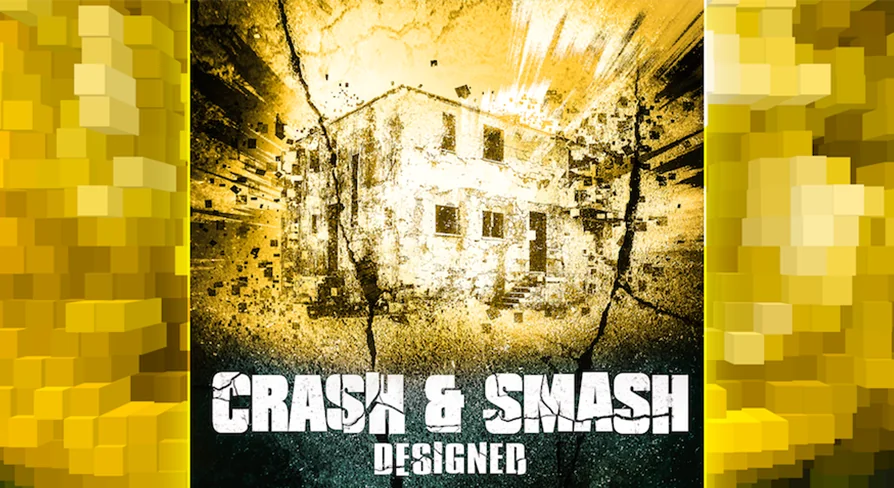
Crash & Smash - Designed
A destruction sound library with 350 stereo sounds across glass, metal, stone, wood, and plastic, plus heavy crash mixes and surround versions.
Category:Unreal Engine,Sound EffectsPlatform: Unreal EngineEngine version: 4.26+,5.0+Published: May 22, 2026
Sound Effects
Resource overview
Some destruction scenes fall apart at the sound stage long before the visuals do. A hit lands, debris flies, and the moment still feels thin because the audio lacks weight, material identity, or enough variation to carry repeated impacts. Crash & Smash - Designed Addresses that problem with a library focused on edited, layered, and designed destruction sounds rather than a loose pile of unshaped recordings.
The collection contains 350 stereo sounds of destruction. Instead of grouping everything into one broad folder of impacts, it separates the material character of the breakups into five distinct categories: Glass, Metal, Stone, Wood, and Plastic. Each category contains 50 Designed sounds focused on destruction and demolition, giving the library a clear internal structure that is useful when a project calls for a specific type of break or collision rather than a generic crash.
Crash & Smash - Designed starts with material-specific destruction
The most concrete strength here is the way the library divides destruction by what is actually breaking. That matters when a scene needs the brittle sharpness of glass, the dense ring of metal, the heavy fracture of stone, the splintering body of wood, or the more lightweight snap and crack of plastic. Those are not interchangeable textures in practice, especially once multiple impacts start stacking up across a sequence.
Each of the five groups contains 50 sounds, and those sounds are described as Edited, layered and designed. That wording points to a library meant for immediate dramatic use. Rather than stopping at isolated source hits, the sounds have already been shaped into destruction elements with a stronger finished character. For editors, sound designers, and teams building scenes with repeated collisions or break events, that reduces the amount of prep needed before sounds can start carrying a moment.
Glass
Metal
Stone
Wood
Plastic
That five-part split also helps keep selection practical. If a scene revolves around a shattering storefront, collapsing masonry, smashed props, or mixed debris passes, the material categories offer a direct path to the right tonal family without forcing a blind search through one large undifferentiated set.
350 stereo sounds for destruction, demolition, and repeat variation
A library with one or two strong crashes can help a single cue. A library with hundreds of destruction sounds becomes more useful once a production needs repeated impacts that should not feel copied from the same source. The stereo portion of Crash & Smash - Designed totals 350 sounds, giving it enough breadth to support multiple passes of damage, debris, or environmental breakage while staying inside one coherent sound palette.
The wording around these sounds is important. They are not simply identified as destruction effects; they are framed as Destruction and demolition Sounds. That gives the set a wider dramatic range within the same theme. A hard crash can serve a single impact, while a more complex designed demolition sound can sit under a larger collapse or support a chain reaction of break events. Because the sounds are already layered, they also lend themselves to further recombination. The collection explicitly supports creating a vast amount of new crashes by Combining, layering and arranging The included material.
That makes the pack useful in two different ways. It can act as a ready-made source of finished destruction hits, and it can also act as a component library for building custom variations. Editors who need speed can drop in the sounds as they are. Designers who want something less familiar can stack multiple elements from different material groups to build more complex collisions, collapses, and transitional damage cues.
Glass, Metal, Stone, Wood, Plastic in scene work
The five material groups are where the library becomes easiest to map onto practical scenes. Destruction audio usually feels more convincing when the sound matches not just the force of an impact but the substance being hit, broken, or scattered. This collection is structured through that distinction.
Glass Fits moments that need brittleness, shatter, or sprayed fragments. Metal Brings a harder and more industrial destruction character. Stone Points toward heavier breakage and more solid collapse textures. Wood Covers splintering, cracking, and breaking structures or props. Plastic Serves lighter manufactured objects and synthetic break events. Those uses stay close to the naming of the categories themselves, but they also show why the breakdown matters inside an edit: each material changes the emotional read of the same visual action.
The tags associated with the library also help clarify the kind of material it supports. Destruction, Earthquake, Impact, and Realistic Place it in scenes where force and physical damage need to come through clearly. An earthquake sequence, for example, often depends on mixed layers of cracking, falling, breaking, and impact debris. A demolition beat may need a combination of stone, metal, and wood. A realistic impact pass may require tight control over what kind of object is breaking and how heavy that break should feel. The library is well positioned for those kinds of scenes because its structure already separates the material textures that such moments rely on.
5.0 surround creation and the included 2.0 stereo down-mixes
Beyond the stereo set, the library also includes 100 mixed heavy Crash and Destruction Sounds in 5.0 Surround. Those sounds are described as being Fully created and designed in surround, not simply up-mixed from stereo. That is a meaningful distinction in a destruction library because wide break events and heavy impact moments often benefit from movement, spread, and a fuller sense of space when placed in a surround environment.
The package also includes the Down-mixed versions in 2.0 Stereo. That gives the same heavy crash material a more direct route into stereo-focused work. In use, it means the collection does not separate the dramatic surround set from everyday stereo use. Teams cutting in stereo still get access to those heavier designed crash elements through the provided down-mixes, while productions working in surround can use the versions that were created for that format from the outset.
This part of the library complements the five material categories rather than replacing them. The material groups provide targeted destruction building blocks. The heavy crash and destruction mixes offer broader, more forceful designed moments that can anchor major impacts, large collapses, or intense transitions between destruction beats.
From the original Crash & Smash library to custom crash building
All sounds in this collection were designed from the original Crash & Smash Sound effects library. That places Crash & Smash - Designed in a clear workflow position: it is not presented as unrelated destruction material, but as a designed extension shaped from an existing crash and smash sound base.
For production use, the bigger takeaway is how flexible the set remains even after that design work has been done. The library is explicit about one of its strongest practical uses: creating a vast amount of new crashes by Combining, layering and arranging The included sounds. That makes it suitable for scenes that need more than a one-sound solution. A single collapse can be built from stone plus wood. A wreck can lean on metal and glass. A synthetic prop break can use plastic with a heavier impact layer under it. The sounds are already designed, but they are still positioned as elements that invite further editorial construction.
That is where this collection fits best in a production. It serves teams that need destruction sounds with a defined material identity, enough variation to avoid repetition, and heavier crash options for larger moments. Projects structured through impacts, demolition, realistic breakage, or earthquake-style destruction will get the most from a library that can function both as a set of ready-to-place cues and as a source for assembling new crash combinations.
 Sound Effects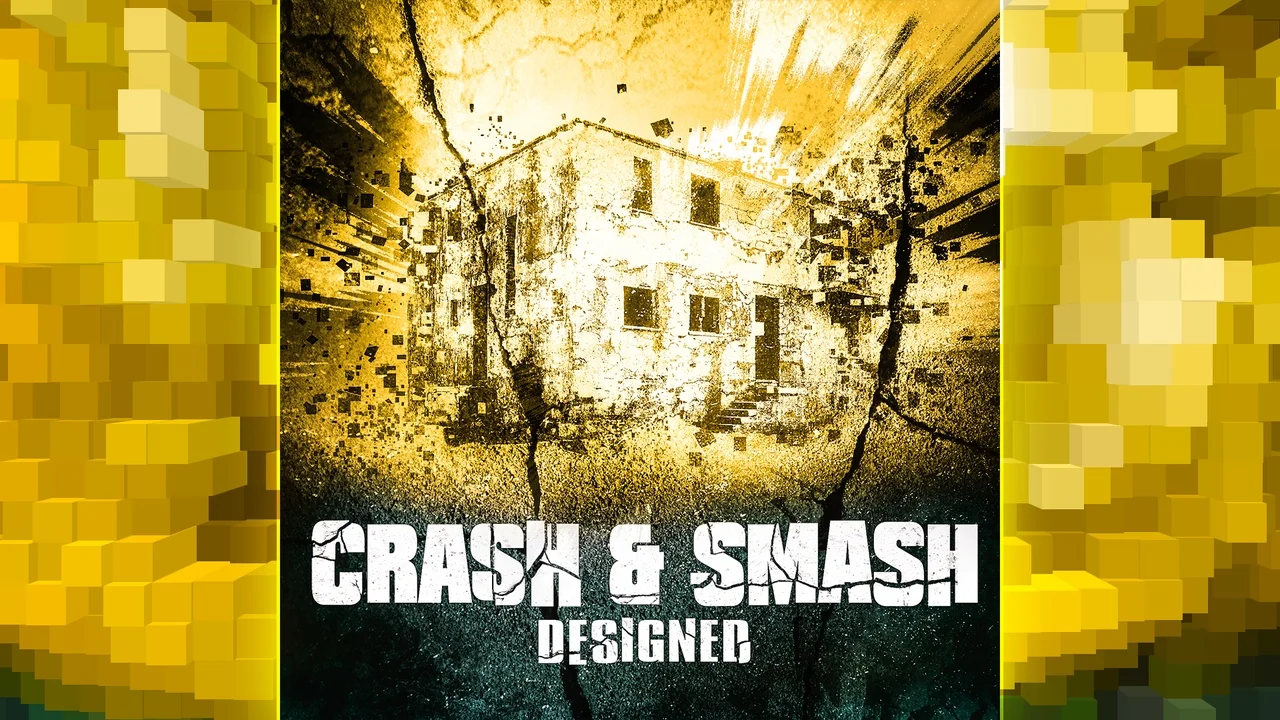
 Sound Effects
 Sound Effects
 Sound Effects