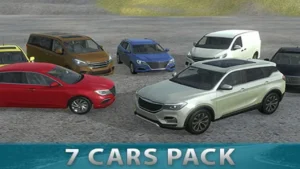
Modular Vehicle Architecture for Animation and Physics
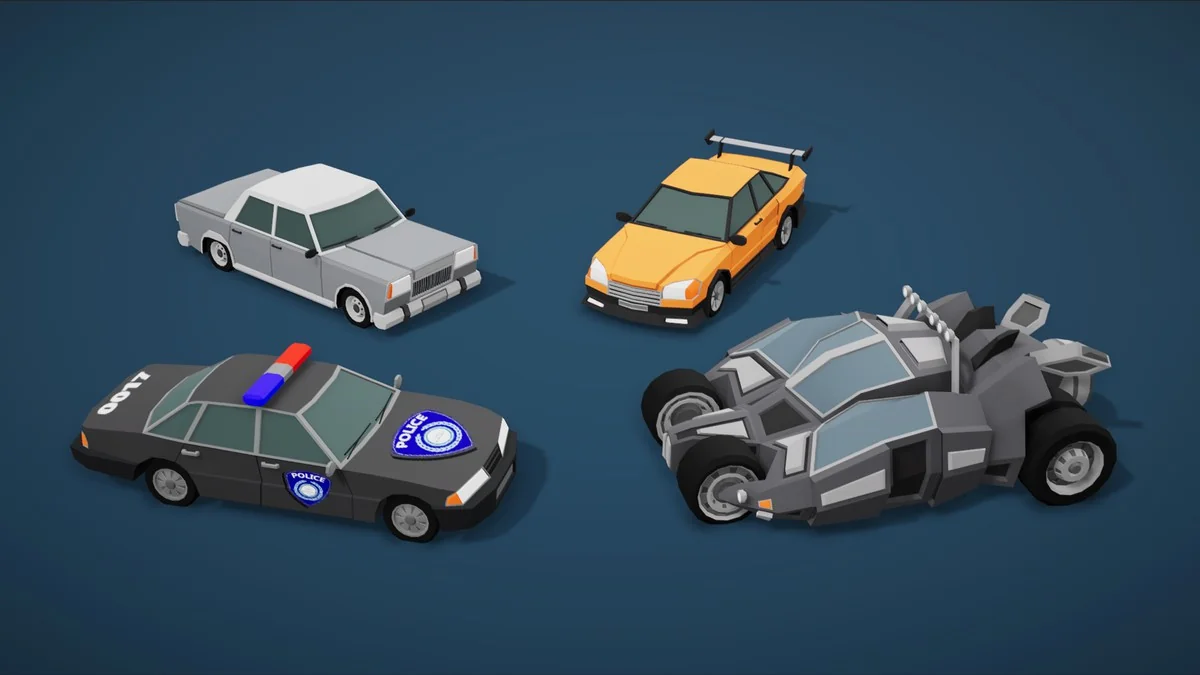
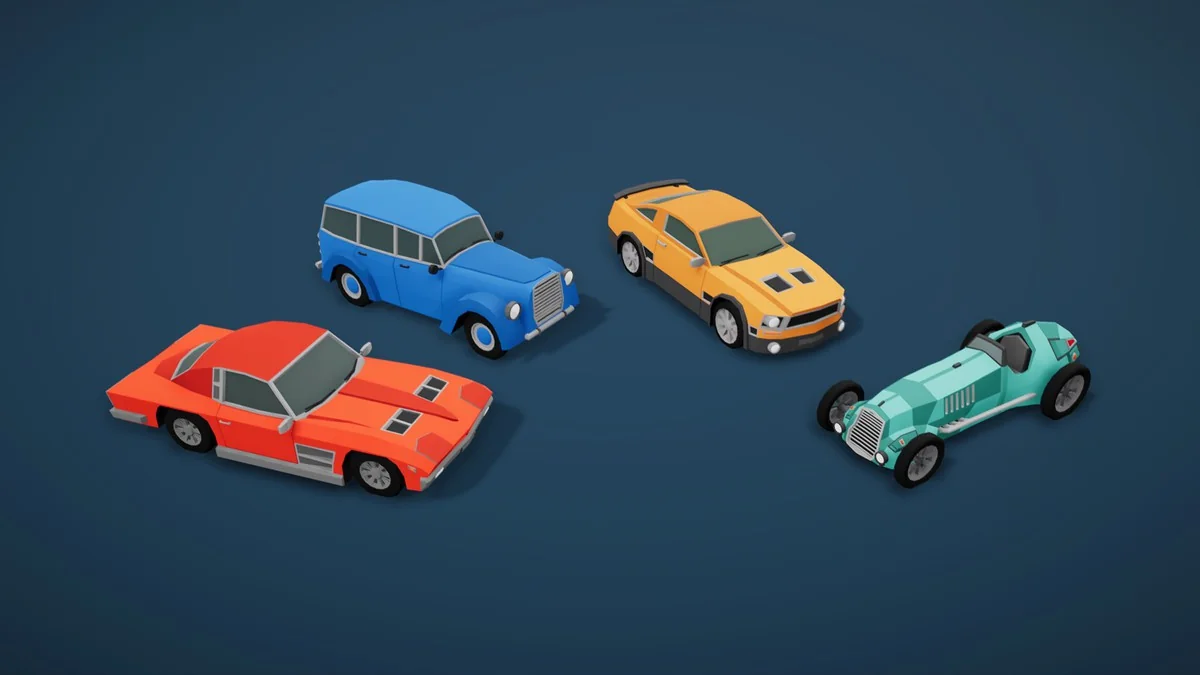
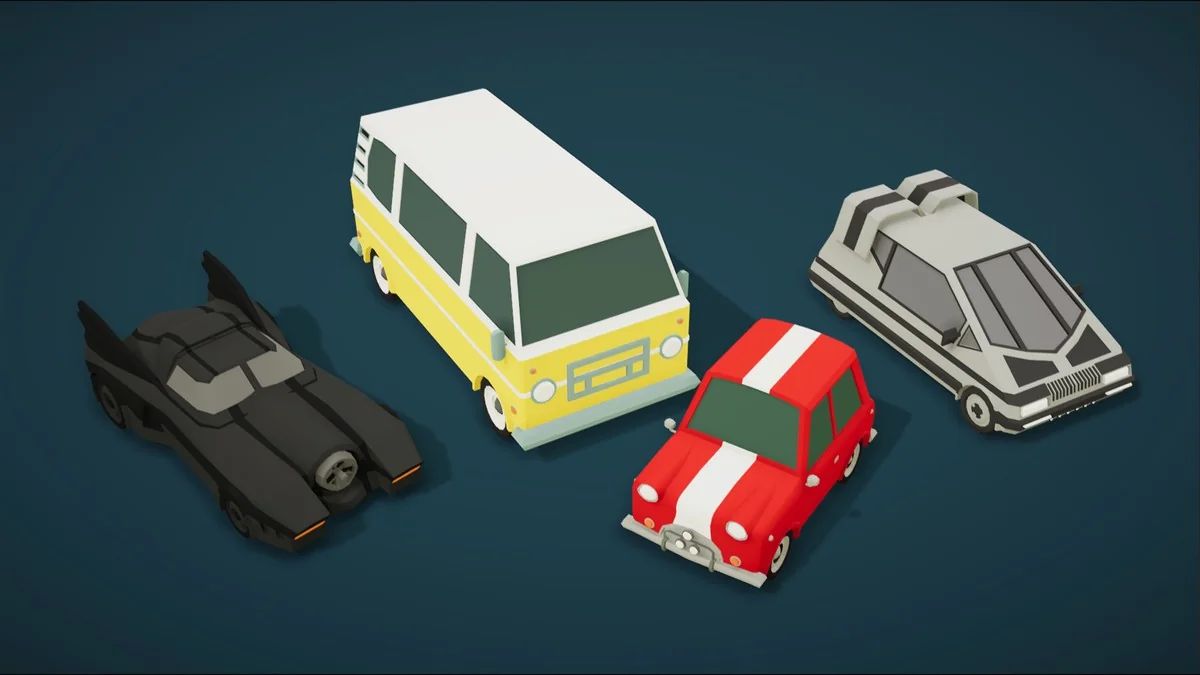
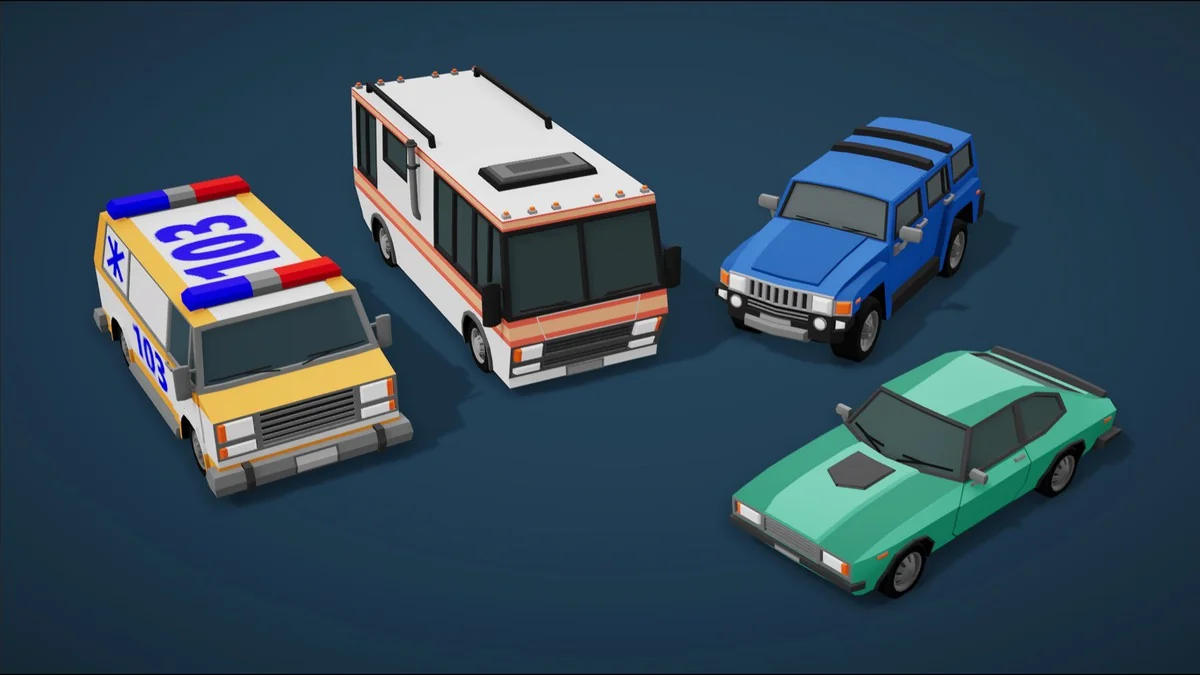
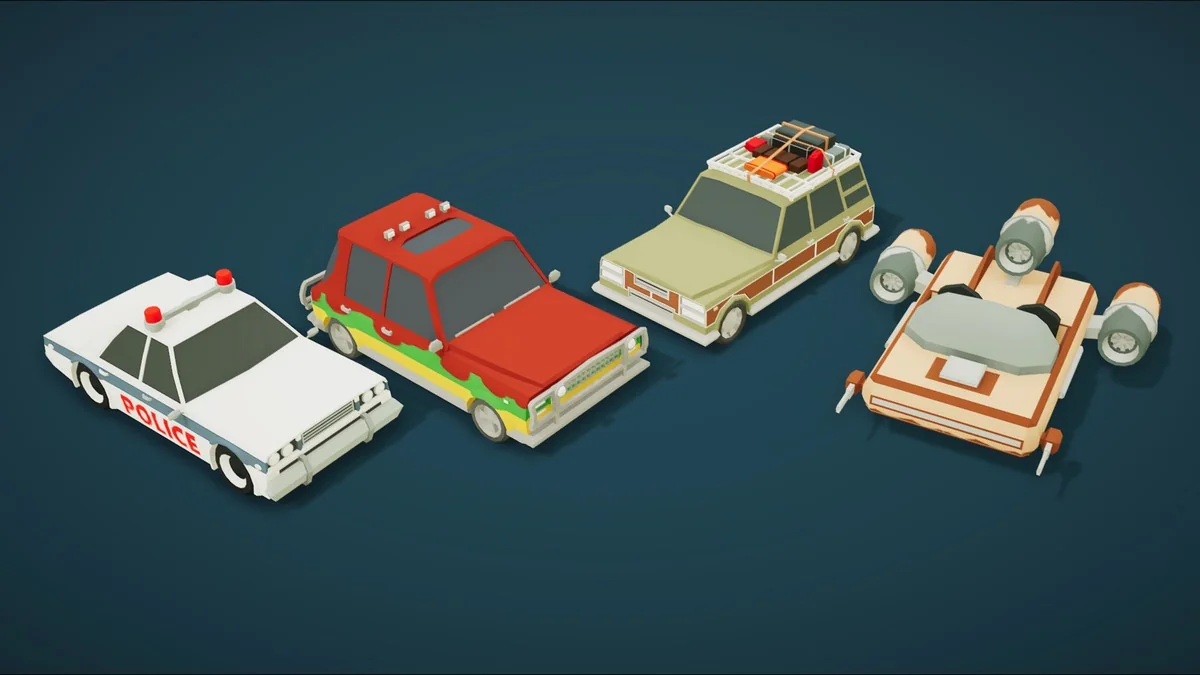
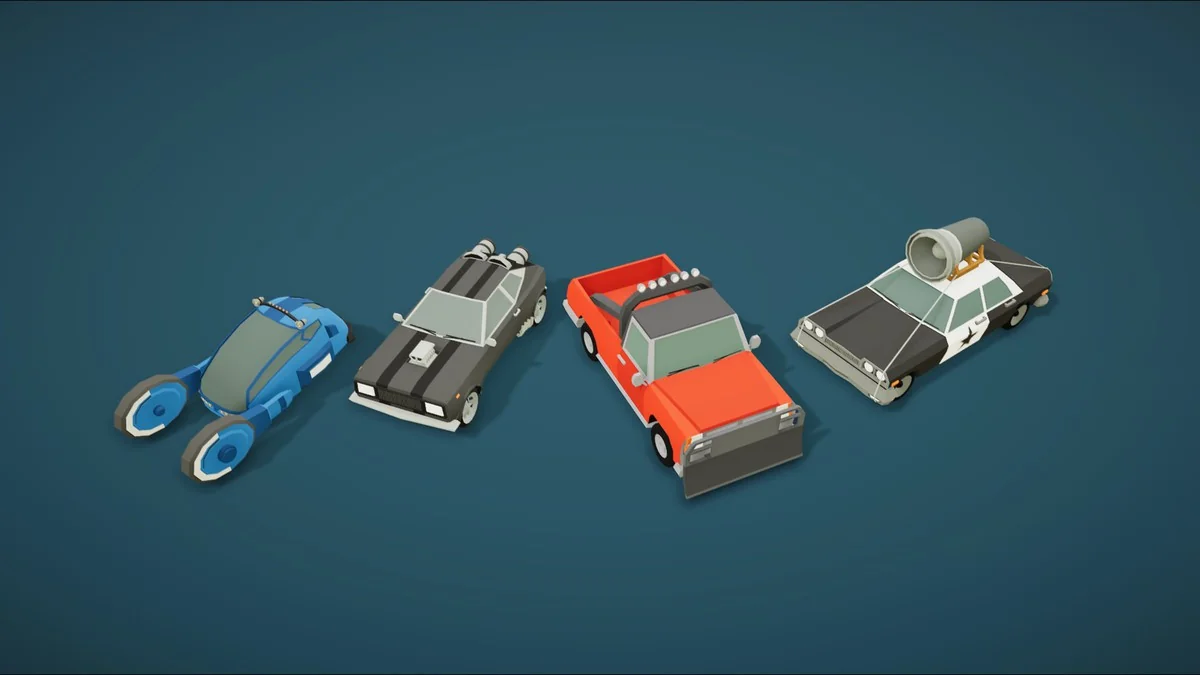
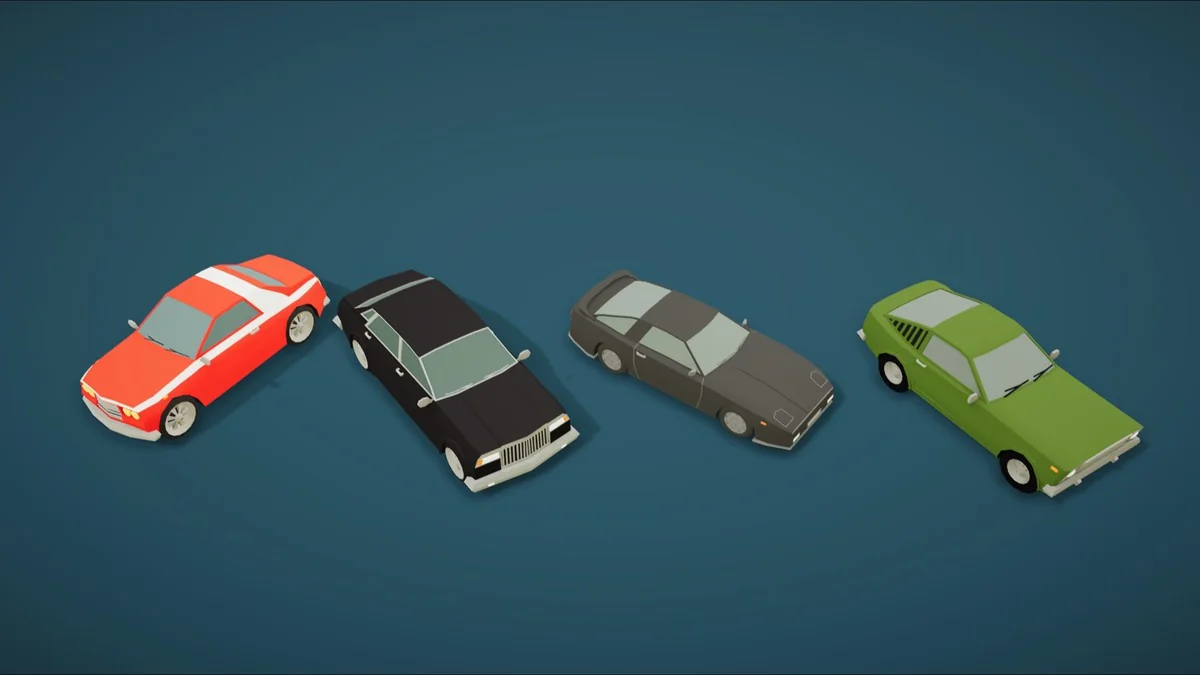
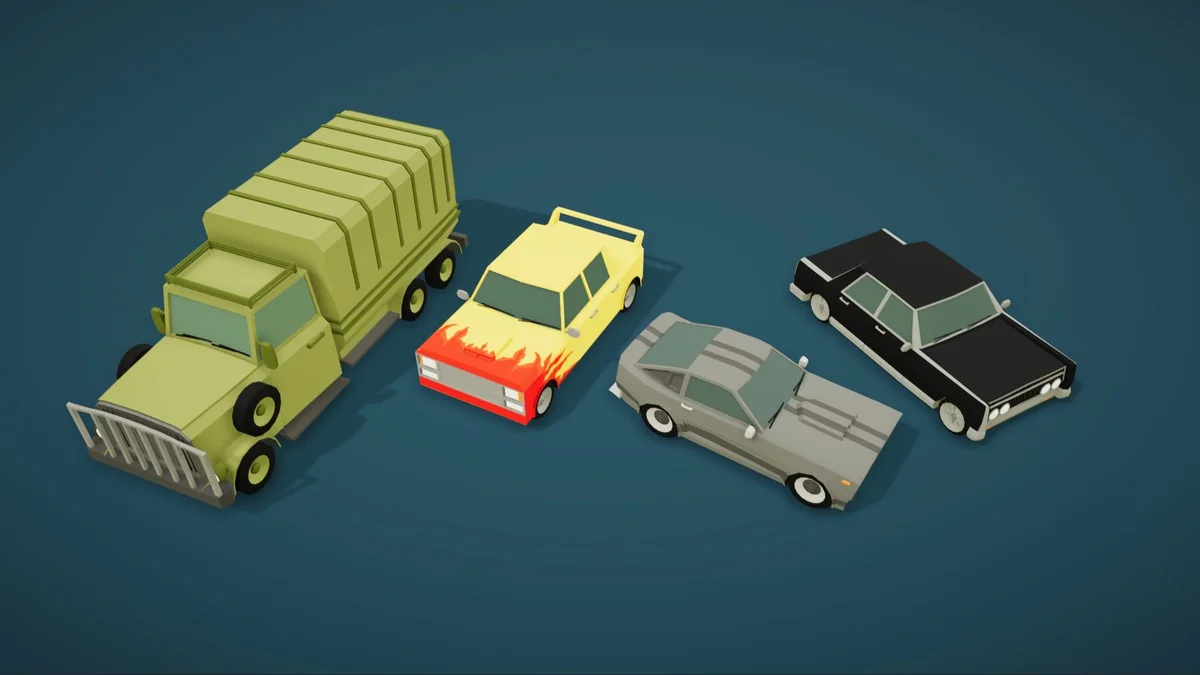
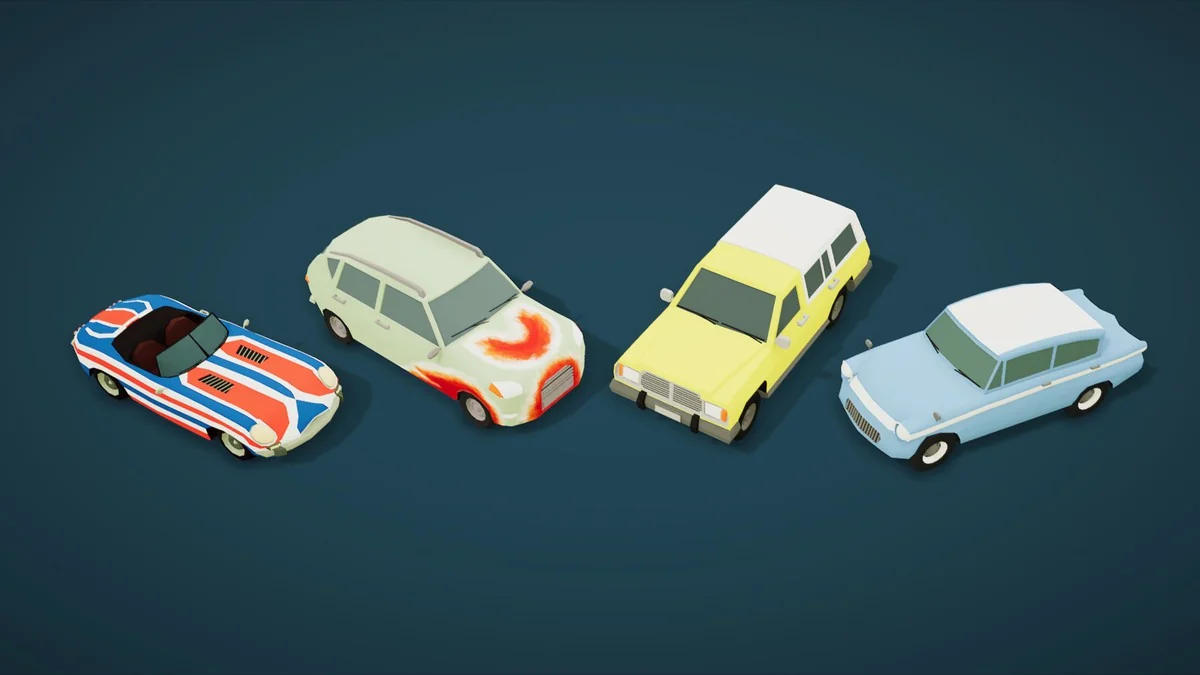
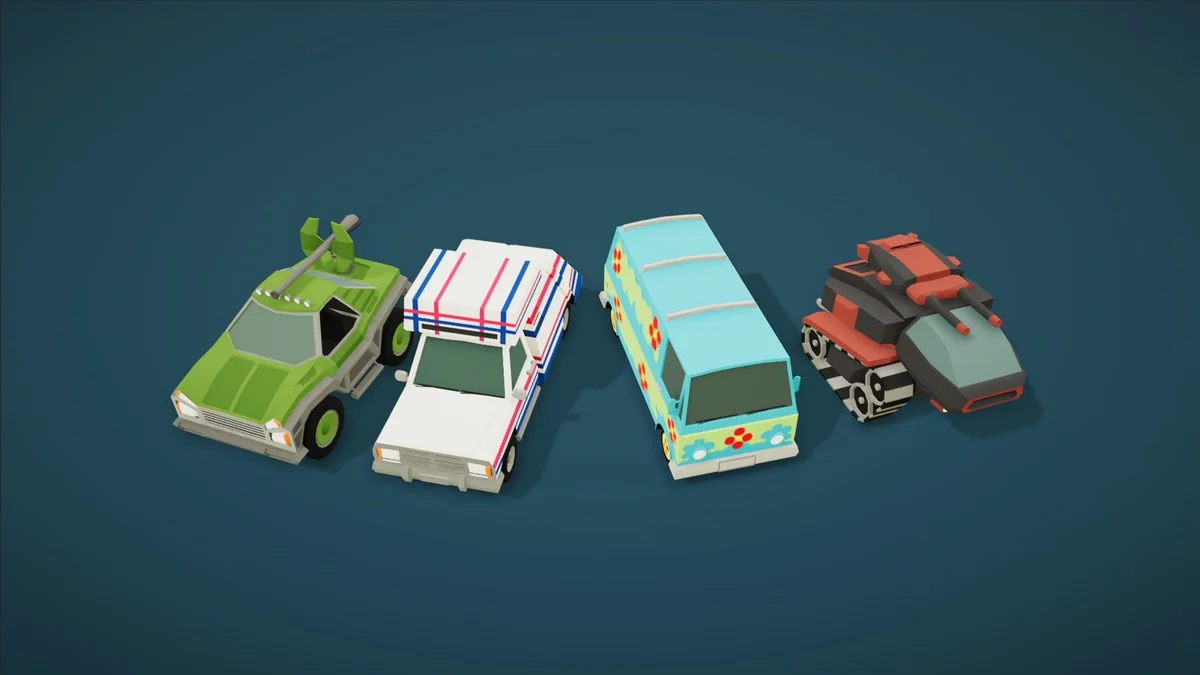
One of the primary considerations in this collection of 80 stylized cars is the structural separation of components to support interactive workflows. Each vehicle model is designed with wheels that are entirely separate from the main body. This specific geometry layout is essential for developers intending to implement vehicle simulation systems or custom animation controllers. By keeping the wheels as distinct sub-objects, the models are ready for integration with rotation scripts, steering logic, or physics-based suspension systems without requiring additional mesh editing in external software.
This modularity facilitates a range of technical implementations. For standard racing mechanics or arcade-style driving, the independent wheel meshes can be assigned to individual colliders or transform-based scripts. This setup ensures that the visual movement of the car—such as tire rotation and steering angles—can be accurately synchronized with the underlying game logic. Because the pack focuses on stylized, low-poly aesthetics, these mechanical animations remain performant even when multiple vehicles are active on screen simultaneously.
Performance Balancing for Mobile and Console Hardware
The technical specifications of the models are tailored for performance-sensitive environments, particularly mobile platforms. The polygon counts range from 1,200 to 3,000 per vehicle, providing enough detail to maintain a clear, stylized silhouette while keeping the draw call overhead manageable. This range makes the assets versatile enough for high-density traffic systems on mobile devices while still looking clean on desktop and console hardware.
Texture management follows a similar optimization strategy. Each model utilizes separate textures sized at 512×512 pixels. This resolution is a deliberate choice for mobile hardware, balancing visual clarity with memory efficiency. In a game environment where dozens of unique vehicles might be visible at once, these smaller texture footprints help prevent memory spikes and ensure smoother frame rates. The textures are included directly in the package, allowing for immediate placement within a scene without the need for complex material re-mapping.
Project Workflow and Prototyping Utility
The collection serves as a broad library for rapid prototyping and final game design. It aggregates content from four individual vehicle packs into a single resource, totaling 80 unique car models. This variety is particularly useful for world-building and environment design where visual diversity is needed to make a city or track feel populated. Developers can use these models to quickly establish the scale and aesthetic of a project during the early stages of development.
Because the models are optimized and ready for use, they allow for a faster transition from a greybox environment to a visually cohesive prototype. The consistent stylized art style across all 80 vehicles ensures that they can be mixed and matched within the same scene without visual clashing. This makes the pack suitable for hypercasual titles, stylized racing games, or as background traffic in more complex urban simulations.
Pipeline Compatibility and Implementation Details
The asset package is built to be compatible with multiple Unity versions and render pipelines. It supports Unity 2019.4.18 and 2020.3.43, ensuring stability across both Long-Term Support (LTS) versions. Furthermore, the models are designed to work across different rendering workflows, including the Built-in Render Pipeline, the Universal Render Pipeline (URP), and the High Definition Render Pipeline (HDRP).
The package is delivered as a .unitypackage file with a total size of 16.6 MB, making it a lightweight addition to project repositories. The asset count includes 324 individual items, covering the vehicles and their respective components. This technical flexibility allows the cars to be used in a wide array of project types, from simple mobile games utilizing the Built-in pipeline to more visually complex desktop projects leveraging URP or HDRP for advanced lighting and post-processing. The developer has also addressed previous minor issues through bug fixes in version 1.6, ensuring the models function as intended within the supported Unity environments.
Visual Breakdown