"7e6fc58c410f2894"{"id":"1000451","slug":"astronauts-pack","title":"Astronauts (Pack)","category":"Characters \u0026 Creatures","engine":"4.26+,5.0+","assetVersion":"","engineVersion":"Engine Version: 4.26+,5.0+","tag":"Characters","accent":"blue","visual":"character","summary":"Astronauts Pack delivers dirty-costume astronaut characters with horror-ready skull elements for space and sci-fi projects, including soldier and pilot variants","platform":"Unreal Engine","publishedAt":"2026-07-11T01:19:38.245Z","updatedAt":"2026-07-11T01:19:38.245Z","sourceNotes":[],"fileContents":[],"compatibility":["Unreal Engine","Engine Version: 4.26+,5.0+"],"featuredImage":{"alt":"Astronauts (Pack)","src":"/wp-content/uploads/published/2026/07/036384fec82e-0861c571-e0a0-4528-bce1-30b62d130733-173fc6a794.webp"},"hasDownloadLink":true,"downloads":0,"terms":[{"taxonomy":"category","slug":"characters-and-creatures","name":"Characters \u0026 Creatures"}],"galleryImages":[{"src":"/wp-content/uploads/published/2026/07/a029a0bef4ea-09b01b27-dc90-436c-9c26-8041d4377e37-2b33af8b5d.webp","alt":"Astronauts (Pack)"},{"src":"/wp-content/uploads/published/2026/07/48d6e16291f3-05d0c8b4-f8b4-4962-a131-0c49f71bf6ca-e6e79bbfb1.webp","alt":"Astronauts (Pack)"},{"src":"/wp-content/uploads/published/2026/07/c097d52a8f1e-013579d8-c642-4ea7-a3da-f288741e76e4-c8e8216ef6.webp","alt":"Astronauts (Pack)"},{"src":"/wp-content/uploads/published/2026/07/f2e25b66101b-7e323fa2-3b41-4414-a452-d6caf5541911-46d9a99261.webp","alt":"Astronauts (Pack)"},{"src":"/wp-content/uploads/published/2026/07/187971c39179-860607d5-def3-4726-9166-90efa68abe61-97f2d8403c.webp","alt":"Astronauts (Pack)"},{"src":"/wp-content/uploads/published/2026/07/9d7853df0978-5248dbdf-3449-4b1e-8ec6-08f5cf8315e9-2dae21fbed.webp","alt":"Astronauts (Pack)"},{"src":"/wp-content/uploads/published/2026/07/9d634ed56326-4282a9e7-d486-4674-a9bc-c83fda393c2e-c30577b4d8.webp","alt":"Astronauts (Pack)"},{"src":"/wp-content/uploads/published/2026/07/22a9f8ac9c99-4f03e979-53ab-4f57-b01a-914088ededfa-5732ac12b2.webp","alt":"Astronauts (Pack)"},{"src":"/wp-content/uploads/published/2026/07/cf7f66c3d2c1-ea86fab9-f20b-4753-a597-400db3ed0bd6-6cc6512f77.webp","alt":"Astronauts (Pack)"},{"src":"/wp-content/uploads/published/2026/07/4446fde777ce-a8fbce79-640f-4a20-b57f-9f0c8751b794-94430714b6.webp","alt":"Astronauts (Pack)"}],"accessPanel":{"kind":"resource","title":"Download this resource","eyebrow":"Free Download","message":"Log in or create a free account to start your download.","fileName":"Content.7z","safetyNote":"Resources are manually reviewed before listing to improve quality and reduce obvious risks.","actionLabel":"Download Free","resourceType":"Resource archive"},"contentHtml":"\u003cp\u003eAstronauts (Pack) brings together a set of space-faring character assets based on three distinct astronaut figures: a base Astronaut, an Astronaut Soldier, and an Astronaut Pilot. The package carries a clear identity rooted in science fiction and horror, leaning into the visual language of worn space suits and unsettling imagery rather than pristine, sterilized explorer gear.\u003c/p\u003e \u003ch2\u003eThree Astronaut Variants and Their Supporting Material\u003c/h2\u003e \u003cp\u003eAt the center of the package sit three characters: the Astronaut, the Astronaut Soldier, and the Astronaut Pilot. Each one comes bundled with its own set of video resources, giving users a direct look at how the character behaves and deforms inside the engine. Every variant ships with a Presentation video, which showcases the character's appearance and visual identity, and a Test Epic Skeleton video, which demonstrates how the character's rigging holds up under the standard Epic skeleton framework used across Unreal Engine projects.\u003c/p\u003e \u003cp\u003eThe base Astronaut also carries a dedicated Tutorial video, pointing to a guided walkthrough for working with that specific character. The presence of separate skeleton test recordings for all three variants signals that the developer put attention into validating each character's deformation and movement behavior against Epic's rigging standard rather than treating the skeleton check as an afterthought for only one representative model.\u003c/p\u003e \u003ch2\u003eDirty Costumes and the Skull Horror Element\u003c/h2\u003e \u003cp\u003eA defining visual trait across the package is the use of dirty costumes. Rather than presenting clean, mission-ready space suits, the characters wear suits stained and weathered with grime. This choice immediately shifts the tone away from optimistic space exploration and toward something more grounded, distressed, or hostile. The wear on the suits suggests prolonged exposure to harsh environments, conflict, or neglect.\u003c/p\u003e \u003cp\u003eAlongside the dirty costumes, the characters feature a skull element. This detail opens the door to horror scene creation. When combined with the grime on the costumes, the skull imagery turns the astronauts from standard sci-fi personnel into figures suitable for unsettling or frightening sequences. A space station corridor, a derelict ship interior, or a planetary outpost could all benefit from characters that already carry visual cues associated with danger and death.\u003c/p\u003e \u003ch2\u003eAstronaut Soldier and Astronaut Pilot Roles\u003c/h2\u003e \u003cp\u003eThe Astronaut Soldier and Astronaut Pilot expand the package beyond a single generic space suit. The Soldier designation implies a combat-oriented variant, fitting for scenarios involving armed conflict, security forces, or hostile encounters in space. The Pilot designation suggests a figure associated with operating spacecraft or manning stations, useful for cockpit scenes, flight decks, or operations centers.\u003c/p\u003e \u003cp\u003eHaving these distinct roles allows a project to populate its world with characters that carry functional identities rather than relying on a single uniform body. A scene set on a military starship could place Soldiers in corridors and Pilots near control panels, creating visual variety through role differentiation. Each variant's Presentation video gives a clear preview of how that specific character looks before placement.\u003c/p\u003e \u003ch2\u003eWhere the Package Fits: Space Projects to Horror Scenes\u003c/h2\u003e \u003cp\u003eThe package is built for space-style projects. The tag set attached to the resource reinforces this orientation, placing it within the Scifi category alongside Fantasy. The characters carry the Lowpoly and Pbr tags, indicating efficient geometry paired with physically based rendering materials. This combination suits real-time applications where performance matters and materials need to respond coherently to lighting.\u003c/p\u003e \u003cp\u003eThe Rpg and Script tags suggest the package reaches beyond static mesh drops. The presence of an Animation blueprint tag confirms that the characters come with animation logic wired into Blueprint systems, allowing for functional movement and behavior rather than purely visual placement. The Weapon tag further supports the combat potential of the Astronaut Soldier variant, hinting that armed configurations are part of the intended workflow.\u003c/p\u003e \u003cp\u003eFor creators working in the horror genre, the dirty costumes and skull detail provide a shortcut to atmosphere. Instead of manually weathering clean assets or adding horror elements from scratch, the characters arrive with those qualities already integrated. The visual state of the suits and the skull associations mean scenes of abandoned stations, infected crews, or nightmarish space phenomena can be assembled with characters that already match the intended mood.\u003c/p\u003e \u003ch2\u003eAnimation Skeletons and Engine Integration\u003c/h2\u003e \u003cp\u003eThe Test Epic Skeleton videos accompanying each character variant serve a practical purpose. Epic's skeleton standard is widely used across Unreal Engine character assets, and testing against it ensures compatibility with a broad range of existing animation sets and motion retargeting workflows. For developers who already use Epic-skeleton-compatible animations in their projects, these test videos provide advance confirmation that the astronauts should slot into established pipelines without requiring a custom rig overhaul.\u003c/p\u003e \u003cp\u003eThe Animation blueprint tag ties directly to this. Animation blueprints in Unreal Engine drive how characters transition between states, blend movement, and respond to gameplay logic. Having blueprints included means the characters are set up to function as driven Actors rather than passive meshes, reducing the setup work needed to get them moving in a level.\u003c/p\u003e \u003ch2\u003eTag Coverage and Genre Crossover\u003c/h2\u003e \u003cp\u003eThe tag list attached to the package reads: Character, Pbr, Lowpoly, Scifi, Fantasy, Script, Rpg, Weapon, Animationblueprint. This grouping reveals a resource that sits at the intersection of several practical categories. Character and Animationblueprint establish it as a driven, functional asset pack. Pbr and Lowpoly define the rendering and geometric profile. Scifi and Fantasy place it in speculative fiction territory, while Rpg, Script, and Weapon point toward combat-adjacent and gameplay-ready use.\u003c/p\u003e \u003cp\u003eThat tag spread means the package can serve multiple development contexts without leaving its core identity. A sci-fi RPG with space travel might use all three variants across different factions or crew roles. A horror experience set on a derelict vessel could lean heavily into the dirty costumes and skull element. A fantasy project with a space segment or otherworldly theme could pull in the astronaut figures for a surreal crossover sequence.\u003c/p\u003e \u003ch2\u003eWho Benefits From This Package\u003c/h2\u003e \u003cp\u003eDevelopers building space-themed games or experiences will find the core value here. The three variant structure means a team can populate a ship, station, or planetary surface with distinct personnel types rather than duplicating a single model. The included Tutorial video for the base Astronaut lowers the barrier to entry for working with the asset, while the Presentation and Skeleton test videos for each variant provide verification before integration.\u003c/p\u003e \u003cp\u003eCreators leaning into horror will benefit most from the dirty costumes and skull details. Those elements remove the need to manually distress or modify clean astronaut suits to achieve a frightening aesthetic. The package is set up to handle space-style projects at its base, with the horror elements layered on top as a ready-made directional shift for scenes that require tension and dread.\u003c/p\u003e\n\n\u003ch2\u003eRelated Resources Worth Checking\u003c/h2\u003e\n\u003cul\u003e\n\u003cli\u003e\u003ca href=\"https://3dcghub.com/space-male/\" title=\"Space Male\"\u003eSpace Male\u003c/a\u003e\u003c/li\u003e\n\u003cli\u003e\u003ca href=\"https://3dcghub.com/astronaut-soldier/\" title=\"Astronaut Soldier\"\u003eAstronaut Soldier\u003c/a\u003e\u003c/li\u003e\n\u003cli\u003e\u003ca href=\"https://3dcghub.com/astronova-bundle/\" title=\"Astronova - Bundle\"\u003eAstronova - Bundle\u003c/a\u003e\u003c/li\u003e\n\u003cli\u003e\u003ca href=\"https://3dcghub.com/rk-sci-fi-soldier/\" title=\"RK Sci-Fi Soldier\"\u003eRK Sci-Fi Soldier\u003c/a\u003e\u003c/li\u003e\n\u003cli\u003e\u003ca href=\"https://3dcghub.com/sci-fi-elite-trooper/\" title=\"SCI FI: ELITE TROOPER\"\u003eSCI FI: ELITE TROOPER\u003c/a\u003e\u003c/li\u003e\n\u003c/ul\u003e","contentTextLength":7566,"navigation":{"current":1307,"total":3618,"previous":{"id":"1000452","slug":"asylum","title":"Asylum","category":"Horror","platform":"Unreal Engine","updatedAt":"2026-07-11T01:31:27.483Z"},"next":{"id":"1000450","slug":"animated-curtains-vol-1","title":"Animated Curtains vol. 1","category":"Buildings \u0026 Architecture","platform":"Unreal Engine","updatedAt":"2026-07-11T01:14:08.778Z"}},"relatedResources":[{"id":"1666","slug":"astronaut-soldier","title":"Astronaut Soldier","category":"Characters \u0026 Creatures","engine":"4.26+,5.0+","assetVersion":"Engine version: 4.26+,5.0+","engineVersion":"4.18","tag":"Characters","accent":"blue","visual":"character","summary":"Enhance your sci-fi game with the Astronaut Soldier 3D character. Features 5 unique faces, PBR textures, and a custom weapon for immersive space adventures.","platform":"Unreal Engine","publishedAt":"2026-02-06T20:24:02.000Z","updatedAt":"2026-04-19T15:58:07.000Z","sourceNotes":[],"fileContents":[],"compatibility":["Unreal Engine","Engine version: 4.26+,5.0+"],"featuredImage":{"alt":"Astronaut Soldier","src":"https://3dcghub.com/wp-content/uploads/2026/02/ad597eb7-f602-463e-b433-682b3f761e65.webp"},"hasDownloadLink":true,"downloads":0},{"id":"3558","slug":"space-male","title":"Space Male","category":"Characters \u0026 Creatures","engine":"4.26+,5.0+","assetVersion":"Engine version: 4.26+,5.0+","engineVersion":"4.18","tag":"Characters","accent":"blue","visual":"character","summary":"Enhance your sci-fi game with this modular Space Male character. Low-poly, rigged to the Epic skeleton, and features customizable parts for UE4 and UE5.","platform":"Unreal Engine","publishedAt":"2026-02-09T08:33:31.000Z","updatedAt":"2026-04-19T15:57:36.000Z","sourceNotes":[],"fileContents":[],"compatibility":["Unreal Engine","Engine version: 4.26+,5.0+"],"featuredImage":{"alt":"Space Male","src":"https://3dcghub.com/wp-content/uploads/2026/02/262b8939-e45b-4d74-8ee0-7782cde41922.webp"},"hasDownloadLink":true,"downloads":0},{"id":"1683","slug":"astronova-bundle","title":"Astronova - Bundle","category":"Characters \u0026 Creatures","engine":"5.1+","assetVersion":"Engine version: 5.1+","engineVersion":"5.1","tag":"Characters","accent":"blue","visual":"character","summary":"Build realistic space worlds with the Astronova Bundle. Includes 130+ assets, modular characters, and MetaHuman support for high-end game development.","platform":"Unreal Engine","publishedAt":"2026-02-06T20:31:51.000Z","updatedAt":"2026-04-19T15:58:06.000Z","sourceNotes":[],"fileContents":[],"compatibility":["Unreal Engine","Engine version: 5.1+"],"featuredImage":{"alt":"Astronova - Bundle","src":"https://3dcghub.com/wp-content/uploads/2026/02/e0f23ead-0e7c-443f-965e-8b61a52731ca.webp"},"hasDownloadLink":true,"downloads":0}]}
Characters
Astronauts (Pack)
Astronauts Pack delivers dirty-costume astronaut characters with horror-ready skull elements for space and sci-fi projects, including soldier and pilot variants
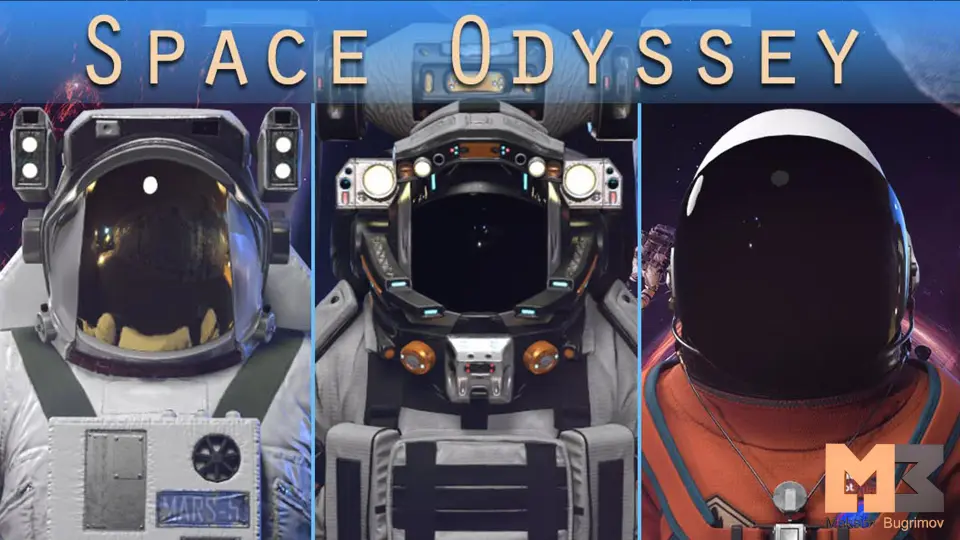
Astronauts (Pack) brings together a set of space-faring character assets based on three distinct astronaut figures: a base Astronaut, an Astronaut Soldier, and an Astronaut Pilot. The package carries a clear identity rooted in science fiction and horror, leaning into the visual language of worn space suits and unsettling imagery rather than pristine, sterilized explorer gear.
Three Astronaut Variants and Their Supporting Material
At the center of the package sit three characters: the Astronaut, the Astronaut Soldier, and the Astronaut Pilot. Each one comes bundled with its own set of video resources, giving users a direct look at how the character behaves and deforms inside the engine. Every variant ships with a Presentation video, which showcases the character's appearance and visual identity, and a Test Epic Skeleton video, which demonstrates how the character's rigging holds up under the standard Epic skeleton framework used across Unreal Engine projects.
The base Astronaut also carries a dedicated Tutorial video, pointing to a guided walkthrough for working with that specific character. The presence of separate skeleton test recordings for all three variants signals that the developer put attention into validating each character's deformation and movement behavior against Epic's rigging standard rather than treating the skeleton check as an afterthought for only one representative model.
Dirty Costumes and the Skull Horror Element
A defining visual trait across the package is the use of dirty costumes. Rather than presenting clean, mission-ready space suits, the characters wear suits stained and weathered with grime. This choice immediately shifts the tone away from optimistic space exploration and toward something more grounded, distressed, or hostile. The wear on the suits suggests prolonged exposure to harsh environments, conflict, or neglect.
Alongside the dirty costumes, the characters feature a skull element. This detail opens the door to horror scene creation. When combined with the grime on the costumes, the skull imagery turns the astronauts from standard sci-fi personnel into figures suitable for unsettling or frightening sequences. A space station corridor, a derelict ship interior, or a planetary outpost could all benefit from characters that already carry visual cues associated with danger and death.
Astronaut Soldier and Astronaut Pilot Roles
The Astronaut Soldier and Astronaut Pilot expand the package beyond a single generic space suit. The Soldier designation implies a combat-oriented variant, fitting for scenarios involving armed conflict, security forces, or hostile encounters in space. The Pilot designation suggests a figure associated with operating spacecraft or manning stations, useful for cockpit scenes, flight decks, or operations centers.
Having these distinct roles allows a project to populate its world with characters that carry functional identities rather than relying on a single uniform body. A scene set on a military starship could place Soldiers in corridors and Pilots near control panels, creating visual variety through role differentiation. Each variant's Presentation video gives a clear preview of how that specific character looks before placement.
Where the Package Fits: Space Projects to Horror Scenes
The package is built for space-style projects. The tag set attached to the resource reinforces this orientation, placing it within the Scifi category alongside Fantasy. The characters carry the Lowpoly and Pbr tags, indicating efficient geometry paired with physically based rendering materials. This combination suits real-time applications where performance matters and materials need to respond coherently to lighting.
The Rpg and Script tags suggest the package reaches beyond static mesh drops. The presence of an Animation blueprint tag confirms that the characters come with animation logic wired into Blueprint systems, allowing for functional movement and behavior rather than purely visual placement. The Weapon tag further supports the combat potential of the Astronaut Soldier variant, hinting that armed configurations are part of the intended workflow.
For creators working in the horror genre, the dirty costumes and skull detail provide a shortcut to atmosphere. Instead of manually weathering clean assets or adding horror elements from scratch, the characters arrive with those qualities already integrated. The visual state of the suits and the skull associations mean scenes of abandoned stations, infected crews, or nightmarish space phenomena can be assembled with characters that already match the intended mood.
Animation Skeletons and Engine Integration
The Test Epic Skeleton videos accompanying each character variant serve a practical purpose. Epic's skeleton standard is widely used across Unreal Engine character assets, and testing against it ensures compatibility with a broad range of existing animation sets and motion retargeting workflows. For developers who already use Epic-skeleton-compatible animations in their projects, these test videos provide advance confirmation that the astronauts should slot into established pipelines without requiring a custom rig overhaul.
The Animation blueprint tag ties directly to this. Animation blueprints in Unreal Engine drive how characters transition between states, blend movement, and respond to gameplay logic. Having blueprints included means the characters are set up to function as driven Actors rather than passive meshes, reducing the setup work needed to get them moving in a level.
Tag Coverage and Genre Crossover
The tag list attached to the package reads: Character, Pbr, Lowpoly, Scifi, Fantasy, Script, Rpg, Weapon, Animationblueprint. This grouping reveals a resource that sits at the intersection of several practical categories. Character and Animationblueprint establish it as a driven, functional asset pack. Pbr and Lowpoly define the rendering and geometric profile. Scifi and Fantasy place it in speculative fiction territory, while Rpg, Script, and Weapon point toward combat-adjacent and gameplay-ready use.
That tag spread means the package can serve multiple development contexts without leaving its core identity. A sci-fi RPG with space travel might use all three variants across different factions or crew roles. A horror experience set on a derelict vessel could lean heavily into the dirty costumes and skull element. A fantasy project with a space segment or otherworldly theme could pull in the astronaut figures for a surreal crossover sequence.
Who Benefits From This Package
Developers building space-themed games or experiences will find the core value here. The three variant structure means a team can populate a ship, station, or planetary surface with distinct personnel types rather than duplicating a single model. The included Tutorial video for the base Astronaut lowers the barrier to entry for working with the asset, while the Presentation and Skeleton test videos for each variant provide verification before integration.
Creators leaning into horror will benefit most from the dirty costumes and skull details. Those elements remove the need to manually distress or modify clean astronaut suits to achieve a frightening aesthetic. The package is set up to handle space-style projects at its base, with the horror elements layered on top as a ready-made directional shift for scenes that require tension and dread.
 Characters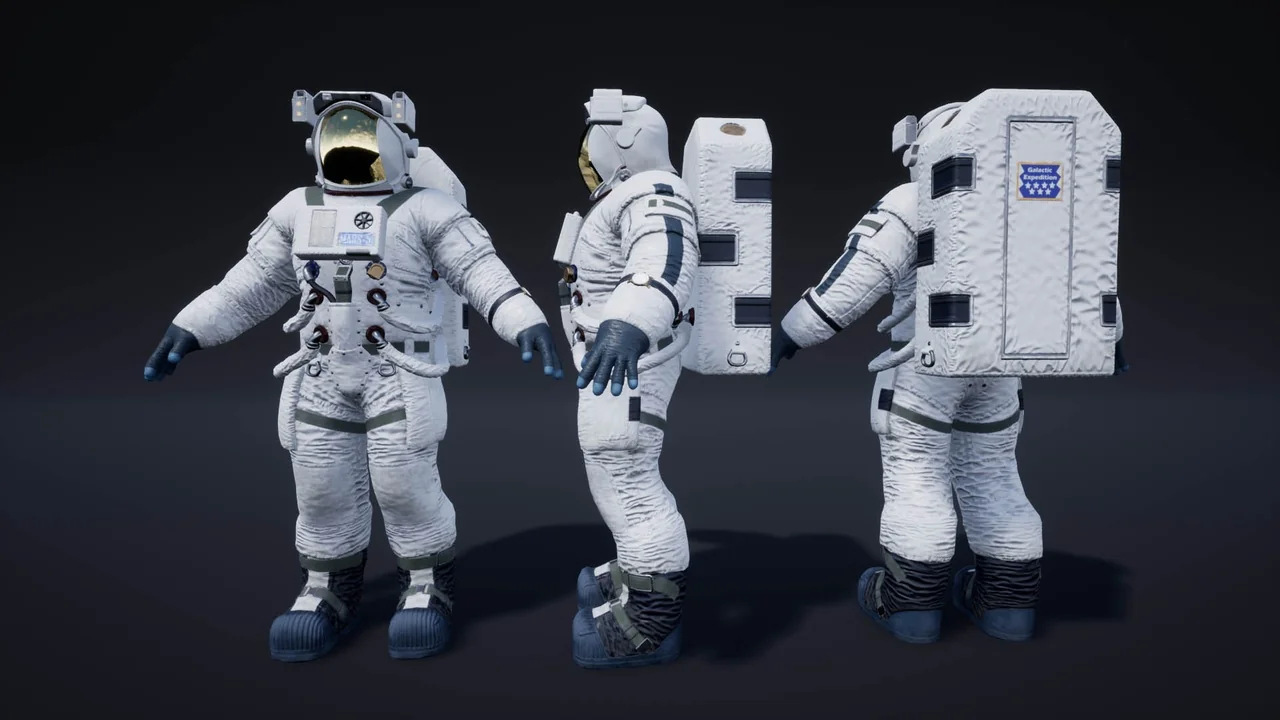
 Characters
 Characters
 Characters