"b00678cacce53329"{"id":"1002768","slug":"advancedmagicfx16","title":"AdvancedMagicFX16","category":"Spells \u0026 Combat","engine":"4.12+,5.0+","assetVersion":"","engineVersion":"Engine Version: 4.12+,5.0+","tag":"Spells \u0026 Combat","accent":"blue","visual":"mech","summary":"Explore AdvancedMagicFX16, featuring Niagara and Cascade magic VFX, particle LODs, Apex Destruction setup, and diverse elemental spell effects.","platform":"Unreal Engine","indexPolicy":"index","publishedAt":"2026-11-20T06:47:02.762Z","updatedAt":"2026-11-20T06:47:02.762Z","sourceNotes":[],"fileContents":[],"compatibility":["Unreal Engine","Engine Version: 4.12+,5.0+"],"featuredImage":{"alt":"AdvancedMagicFX16","src":"/wp-content/uploads/published/2026/11/e07136acfa86-919581dd-1616-4c99-8e1e-cb16cc458e97-b9209f805c.webp"},"fileSizeBytes":71992237,"hasDownloadLink":true,"downloads":0,"terms":[{"taxonomy":"category","slug":"spells-and-combat","name":"Spells \u0026 Combat"}],"galleryImages":[{"src":"/wp-content/uploads/published/2026/11/e151a75eed7c-8d8f4423-fc2b-4fb8-8f2d-0f3f903a2fa6-398a1cadf9.webp","alt":"AdvancedMagicFX16"},{"src":"/wp-content/uploads/published/2026/11/3284f7d396a8-ad80afc0-fd04-4d94-86e1-89c798ae56bd-c86ed2e4ee.webp","alt":"AdvancedMagicFX16"},{"src":"/wp-content/uploads/published/2026/11/e9a8f83cff68-08ea8a6b-6198-42fa-88f3-d487b22762b4-362455d3e2.webp","alt":"AdvancedMagicFX16"},{"src":"/wp-content/uploads/published/2026/11/31b590904dfd-b754c81f-2815-43e2-a63f-885edcc0263d-f800449d9d.webp","alt":"AdvancedMagicFX16"},{"src":"/wp-content/uploads/published/2026/11/7191cedd326b-89b95600-3ba6-45cf-a288-02299a03e7b1-1d02575152.webp","alt":"AdvancedMagicFX16"},{"src":"/wp-content/uploads/published/2026/11/ee8ace1967a9-cc152c47-53b0-4ba9-9dd1-2167cec01cbe-e55c582b9e.webp","alt":"AdvancedMagicFX16"},{"src":"/wp-content/uploads/published/2026/11/cc89845698ff-004a3967-e337-4ba4-b79d-592d453450d6-a9d95ad5d7.webp","alt":"AdvancedMagicFX16"},{"src":"/wp-content/uploads/published/2026/11/435aff8ae525-60f6263f-0aef-4697-be98-99a39820e498-2a33a3ab0d.webp","alt":"AdvancedMagicFX16"},{"src":"/wp-content/uploads/published/2026/11/43c448623ef5-9a98c1d2-ba9e-48f6-9d63-ff2950e2ac99-3e2e44a212.webp","alt":"AdvancedMagicFX16"},{"src":"/wp-content/uploads/published/2026/11/060e017d12df-300edc6a-a172-4d45-add9-bf785de51ed1-cdd1c47711.webp","alt":"AdvancedMagicFX16"}],"accessPanel":{"kind":"resource","title":"Get this resource","safetyNote":"Resources are manually reviewed before listing to improve quality and reduce obvious risks.","fileName":"Content.7z","resourceType":"Resource archive","versions":[]},"contentHtml":"\u003ch2\u003eVisual Dynamics in AdvancedMagicFX16\u003c/h2\u003e\n\u003cp\u003eSpells landing in an active play space rely on immediate silhouettes and clear visual language to communicate force, range, and elemental affiliation. AdvancedMagicFX16 provides a multifaceted toolkit of real-time particle systems tailored for magical combat, environmental interactions, and spellcasting sequences in Unreal Engine. The systems bridge both classic and contemporary particle architectures, delivering varied energy motifs that span raw kinetic stone impacts, fluid bubbles, stellar arcs, and dark swirling vortices.\u003c/p\u003e\n\u003cp\u003eWhether used for character-driven abilities, boss encounters, or interactive environmental hazards, the package supplies effects configured for direct application in action games and role-playing titles. Its inclusion of multiple elemental and geometric patterns ensures that developers can establish distinct spell tiers or damage types without having to build disparate particle behaviors from the ground up.\u003c/p\u003e \u003ch2\u003eElemental Motifs: From BurntRock to Dark Vortices\u003c/h2\u003e\n\u003cp\u003eThe library organizes its visual output around several clearly defined elemental themes and combat states. Among these, the BurntRock effect handles high-impact, earth-shattering strikes where molten or smoldering debris defines the primary visual aftermath. It functions naturally as an explosive ground pound, a meteor-style crash, or an earthen barrier shattering under heavy pressure.\u003c/p\u003e\n\u003cp\u003eIn contrast to dense stone, the collection includes delicate and fluid bubble effects, alongside crisp, freezing ice formations. Ice components deliver sharp crystalline structures and frosty dissipation, making them suited for crowd control spells, freezing blasts, or glacial terrain traps. The bubble effects introduce buoyant, spherical motion ideal for protective barriers, water-aligned sorcery, or specialized status ailments.\u003c/p\u003e\n\u003cp\u003eCelestial and cosmic mechanics appear through the shootingStar systems. These particles produce high-velocity trails and luminous descents, fitting long-range artillery spells, divine interventions, or astral summoning sequences. Ground-level targeting and containment are reinforced through dedicated magic circles, swirling vortices, and energetic dark magic presets. Dark energy arcs, sweeping circle projections, and rotational vortex channels allow designers to telegraph heavy area-of-effect spells or summon gates before triggering a catastrophic final hit effect.\u003c/p\u003e \u003ch2\u003eEngine Workflows Across Cascade and Niagara in AdvancedMagicFX16\u003c/h2\u003e\n\u003cp\u003eA major technical consideration when implementing combat visual effects across different project lifecycles is engine architecture compatibility. AdvancedMagicFX16 spans multiple generations of Unreal Engine workflows by providing native support for both Cascade and Niagara particle systems.\u003c/p\u003e\n\u003cp\u003eThe Cascade implementation provides deep backwards compatibility, operating natively across Unreal Engine 4.18 through UE 4.27. This broad operational window makes the package immediately usable in long-running production pipelines that maintain stable legacy builds rather than upgrading between major engine iterations.\u003c/p\u003e\n\u003cp\u003eFor modern projects migrating to newer framework standards, the package incorporates a dedicated NiagaraFX version suited to Unreal Engine 4.26 and subsequent releases, with visual demonstrations extending into Unreal Engine 5. Projects integrating these Niagara-based visual assets require the Cascade To Niagara plugin to properly leverage the modernized simulation architecture. This parallel availability enables teams to maintain identical aesthetic identities while transitioning their underlying VFX pipeline from legacy emitter modules to Niagara's scriptable, GPU-accelerated node framework.\u003c/p\u003e \u003ch2\u003eApex Destruction Setup and Particle LOD Management\u003c/h2\u003e\n\u003cp\u003ePhysical debris and fractured environmental reactions constitute a core component of several heavy-impact sequences within the pack, particularly those tied to the BurntRock emitter sets. To achieve these fractured physical states within Cascade under Unreal Engine 4.18 through UE 4.27, the assets utilize the engine's integrated Apex Destruction plugin.\u003c/p\u003e\n\u003cp\u003eProjects deploying these specific physical deformation systems must ensure the Apex Destruction module is active. To initialize it, navigate to the main editor toolbar, select Edit, open the Plugins window, locate Apex Destruction, toggle the Enable checkbox, and restart the editor. Failing to enable this plugin prevents the fractured mesh components within those select effects from calculating their kinematic fractures and mesh dispersal correctly.\u003c/p\u003e\n\u003cp\u003eAlongside physics simulation dependencies, the package integrates built-in particle Level of Detail (LOD) setups across its systems. Maintaining steady frame rates in combat-heavy scenes requires tight control over render passes, sprite counts, and emitter complexity. The particle LODs scale down emitter density, sub-particle counts, and simulation frequency as the viewing camera moves away from the origin point. This automatic culling and simplification prevents background spells or distant player hits from saturating GPU fill rates, ensuring consistent performance during chaotic multi-agent battles.\u003c/p\u003e \u003ch2\u003ePractical Combat Pipeline Integration\u003c/h2\u003e\n\u003cp\u003eA structured spell cycle generally requires three distinct visual phases: anticipation, projectile or field transit, and resolution. AdvancedMagicFX16 supplies components that cover each stage of this gameplay loop. Magic circles and rotating vortices serve cleanly as warm-up telegraphs beneath a caster's feet or above an enemy target. Projectile paths can utilize the directional trails found in shootingStar emitters, leading directly into BurntRock, ice spikes, or high-energy hit detonations upon target collision.\u003c/p\u003e\n\u003cp\u003eBecause the collection spans distinct elements like ice, dark energy, rock, and bubbles, designers can assign unique visual identifiers to specific damage matrices or faction behaviors without modifying base emitter structures. The inclusion of particle LODs and dual-engine system support makes the collection adaptable for both legacy UE4 titles and emerging UE5 projects seeking solid, performant combat feedback.\u003c/p\u003e\n\n\u003ch2\u003eExplore Similar Assets\u003c/h2\u003e\n\u003cul\u003e\n\u003cli\u003e\u003ca href=\"https://3dcghub.com/stylized-vfx-lightning/\" rel=\"noopener noreferrer\"\u003eStylized VFX - Lightning\u003c/a\u003e\u003c/li\u003e\n\u003cli\u003e\u003ca href=\"https://3dcghub.com/niagara-muzzle-flash-and-ejection-vfx-muzzle-flash-gun-vfx-bullet-vfx/\" rel=\"noopener noreferrer\"\u003eNiagara Muzzle Flash \u0026amp; Ejection VFX (Muzzle Flash, Gun VFX, Bullet VFX)\u003c/a\u003e\u003c/li\u003e\n\u003cli\u003e\u003ca href=\"https://3dcghub.com/niagara-toon-projectiles-2/\" rel=\"noopener noreferrer\"\u003eNiagara Toon Projectiles 2\u003c/a\u003e\u003c/li\u003e\n\u003cli\u003e\u003ca href=\"https://3dcghub.com/advanced-magic-fx-17/\" rel=\"noopener noreferrer\"\u003eAdvanced Magic FX 17\u003c/a\u003e\u003c/li\u003e\n\u003cli\u003e\u003ca href=\"https://3dcghub.com/advanced-magic-fx-11/\" rel=\"noopener noreferrer\"\u003eAdvanced Magic FX 11\u003c/a\u003e\u003c/li\u003e\n\u003c/ul\u003e","contentTextLength":6344,"navigation":{"current":112,"total":4797,"previous":{"id":"1002769","slug":"advancedmagicfx18","title":"AdvancedMagicFX18","category":"Spells \u0026 Combat","platform":"Unreal Engine","updatedAt":"2026-11-20T06:47:54.152Z"},"next":{"id":"1002767","slug":"advanced-magic-fx-17","title":"Advanced Magic FX 17","category":"Spells \u0026 Combat","platform":"Unreal Engine","updatedAt":"2026-11-20T06:45:58.757Z"}},"relatedResources":[{"id":"1002282","slug":"stylized-vfx-lightning","title":"Stylized VFX - Lightning","category":"Spells \u0026 Combat","engine":"4.26+,5.0+","assetVersion":"","engineVersion":"Engine Version: 4.26+,5.0+","tag":"Spells \u0026 Combat","accent":"blue","visual":"mech","summary":"Explore 70 unique stylized lightning VFX built with optimized Sub UV materials for rapid drag-and-drop scene staging and electric combat gameplay.","platform":"Unreal Engine","indexPolicy":"index","publishedAt":"2026-10-29T16:58:48.449Z","updatedAt":"2026-10-29T16:58:48.449Z","sourceNotes":[],"fileContents":[],"compatibility":["Unreal Engine","Engine Version: 4.26+,5.0+"],"featuredImage":{"alt":"Stylized VFX - Lightning","src":"/wp-content/uploads/published/2026/10/619a1b1e94e4-6f0ab4a7-5e66-4219-a0bd-6f1369979f8d-60a39083c1.webp"},"fileSizeBytes":9856152,"hasDownloadLink":true,"downloads":3},{"id":"1002131","slug":"niagara-muzzle-flash-and-ejection-vfx-muzzle-flash-gun-vfx-bullet-vfx","title":"Niagara Muzzle Flash \u0026 Ejection VFX (Muzzle Flash, Gun VFX, Bullet VFX)","category":"Spells \u0026 Combat","engine":"4.25+,5.0+","assetVersion":"","engineVersion":"Engine Version: 4.25+,5.0+","tag":"Spells \u0026 Combat","accent":"blue","visual":"mech","summary":"Explore Niagara Muzzle Flash \u0026 Ejection VFX, featuring 17 particle systems across 5 weapon classes with realistic muzzle flashes and bullet shell ejections.","platform":"Unreal Engine","indexPolicy":"index","publishedAt":"2026-10-29T09:12:22.074Z","updatedAt":"2026-10-29T09:12:22.074Z","sourceNotes":[],"fileContents":[],"compatibility":["Unreal Engine","Engine Version: 4.25+,5.0+"],"featuredImage":{"alt":"Niagara Muzzle Flash \u0026 Ejection VFX (Muzzle Flash, Gun VFX, Bullet VFX)","src":"/wp-content/uploads/published/2026/10/31a727bcc5b7-e1a79014-146f-40db-a58b-c05ead407923-cec126815f.webp"},"fileSizeBytes":232616178,"hasDownloadLink":true,"downloads":3},{"id":"1001542","slug":"niagara-toon-projectiles-2","title":"Niagara Toon Projectiles 2","category":"Spells \u0026 Combat","engine":"4.27+,5.0+","assetVersion":"","engineVersion":"Engine Version: 4.27+,5.0+","tag":"Spells \u0026 Combat","accent":"blue","visual":"mech","summary":"A close look at Niagara Toon Projectiles 2, featuring 15 stylized projectiles, paired hit and flash effects, distance spawning, and child blueprints.","platform":"Unreal Engine","indexPolicy":"index","publishedAt":"2026-10-09T17:35:04.454Z","updatedAt":"2026-10-09T17:35:04.454Z","sourceNotes":[],"fileContents":[],"compatibility":["Unreal Engine","Engine Version: 4.27+,5.0+"],"featuredImage":{"alt":"Niagara Toon Projectiles 2","src":"/wp-content/uploads/published/2026/10/ad84b8acd4a4-a2f1f772-720f-4ee9-9458-9f0a74d9748a-8844d17f77.webp"},"fileSizeBytes":84582552,"hasDownloadLink":true,"downloads":5}]}
Resource screenshots
1 / 10
Join our channel
Follow 3DCGHUB on Telegram for new resource drops, migration updates, and community notices.
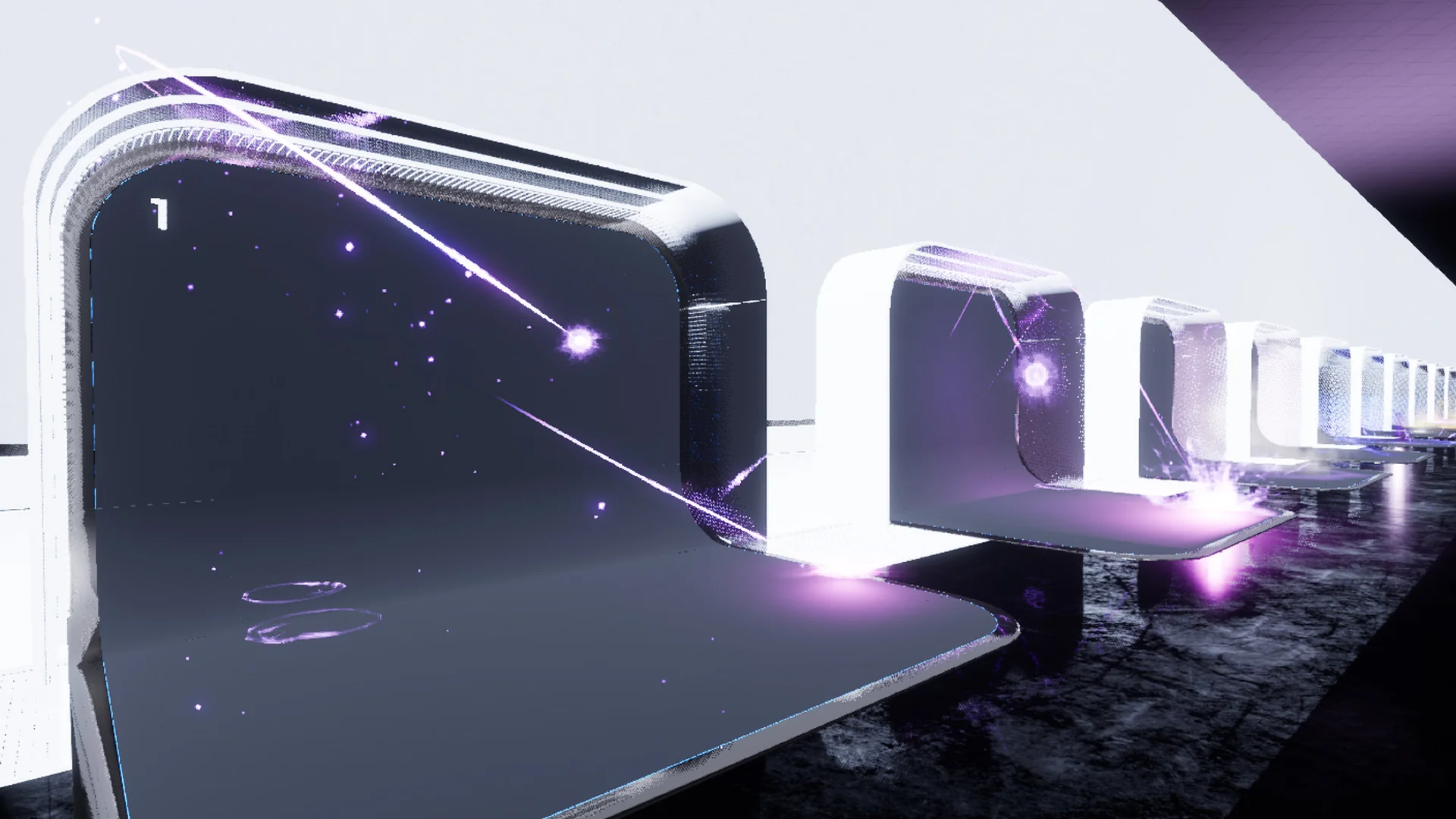
Spells landing in an active play space rely on immediate silhouettes and clear visual language to communicate force, range, and elemental affiliation. AdvancedMagicFX16 provides a multifaceted toolkit of real-time particle systems tailored for magical combat, environmental interactions, and spellcasting sequences in Unreal Engine. The systems bridge both classic and contemporary particle architectures, delivering varied energy motifs that span raw kinetic stone impacts, fluid bubbles, stellar arcs, and dark swirling vortices.
Whether used for character-driven abilities, boss encounters, or interactive environmental hazards, the package supplies effects configured for direct application in action games and role-playing titles. Its inclusion of multiple elemental and geometric patterns ensures that developers can establish distinct spell tiers or damage types without having to build disparate particle behaviors from the ground up.
Elemental Motifs: From BurntRock to Dark Vortices
The library organizes its visual output around several clearly defined elemental themes and combat states. Among these, the BurntRock effect handles high-impact, earth-shattering strikes where molten or smoldering debris defines the primary visual aftermath. It functions naturally as an explosive ground pound, a meteor-style crash, or an earthen barrier shattering under heavy pressure.
In contrast to dense stone, the collection includes delicate and fluid bubble effects, alongside crisp, freezing ice formations. Ice components deliver sharp crystalline structures and frosty dissipation, making them suited for crowd control spells, freezing blasts, or glacial terrain traps. The bubble effects introduce buoyant, spherical motion ideal for protective barriers, water-aligned sorcery, or specialized status ailments.
Celestial and cosmic mechanics appear through the shootingStar systems. These particles produce high-velocity trails and luminous descents, fitting long-range artillery spells, divine interventions, or astral summoning sequences. Ground-level targeting and containment are reinforced through dedicated magic circles, swirling vortices, and energetic dark magic presets. Dark energy arcs, sweeping circle projections, and rotational vortex channels allow designers to telegraph heavy area-of-effect spells or summon gates before triggering a catastrophic final hit effect.
Engine Workflows Across Cascade and Niagara in AdvancedMagicFX16
A major technical consideration when implementing combat visual effects across different project lifecycles is engine architecture compatibility. AdvancedMagicFX16 spans multiple generations of Unreal Engine workflows by providing native support for both Cascade and Niagara particle systems.
The Cascade implementation provides deep backwards compatibility, operating natively across Unreal Engine 4.18 through UE 4.27. This broad operational window makes the package immediately usable in long-running production pipelines that maintain stable legacy builds rather than upgrading between major engine iterations.
For modern projects migrating to newer framework standards, the package incorporates a dedicated NiagaraFX version suited to Unreal Engine 4.26 and subsequent releases, with visual demonstrations extending into Unreal Engine 5. Projects integrating these Niagara-based visual assets require the Cascade To Niagara plugin to properly leverage the modernized simulation architecture. This parallel availability enables teams to maintain identical aesthetic identities while transitioning their underlying VFX pipeline from legacy emitter modules to Niagara's scriptable, GPU-accelerated node framework.
Apex Destruction Setup and Particle LOD Management
Physical debris and fractured environmental reactions constitute a core component of several heavy-impact sequences within the pack, particularly those tied to the BurntRock emitter sets. To achieve these fractured physical states within Cascade under Unreal Engine 4.18 through UE 4.27, the assets utilize the engine's integrated Apex Destruction plugin.
Projects deploying these specific physical deformation systems must ensure the Apex Destruction module is active. To initialize it, navigate to the main editor toolbar, select Edit, open the Plugins window, locate Apex Destruction, toggle the Enable checkbox, and restart the editor. Failing to enable this plugin prevents the fractured mesh components within those select effects from calculating their kinematic fractures and mesh dispersal correctly.
Alongside physics simulation dependencies, the package integrates built-in particle Level of Detail (LOD) setups across its systems. Maintaining steady frame rates in combat-heavy scenes requires tight control over render passes, sprite counts, and emitter complexity. The particle LODs scale down emitter density, sub-particle counts, and simulation frequency as the viewing camera moves away from the origin point. This automatic culling and simplification prevents background spells or distant player hits from saturating GPU fill rates, ensuring consistent performance during chaotic multi-agent battles.
Practical Combat Pipeline Integration
A structured spell cycle generally requires three distinct visual phases: anticipation, projectile or field transit, and resolution. AdvancedMagicFX16 supplies components that cover each stage of this gameplay loop. Magic circles and rotating vortices serve cleanly as warm-up telegraphs beneath a caster's feet or above an enemy target. Projectile paths can utilize the directional trails found in shootingStar emitters, leading directly into BurntRock, ice spikes, or high-energy hit detonations upon target collision.
Because the collection spans distinct elements like ice, dark energy, rock, and bubbles, designers can assign unique visual identifiers to specific damage matrices or faction behaviors without modifying base emitter structures. The inclusion of particle LODs and dual-engine system support makes the collection adaptable for both legacy UE4 titles and emerging UE5 projects seeking solid, performant combat feedback.
 Spells & Combat
 Spells & Combat
 Spells & Combat