Improving AI Perception with Advanced Sight
Advanced Sight is an efficient and multi-threaded implementation of a sight perception system. It was created because the default AI perception provided in vanilla Unreal Engine often falls short for games requiring complex AI behaviors. Consequently, any project featuring stealth mechanics can benefit significantly from this robust alternative. It provides a very flexible way to set up sight ranges while giving the creator full control over agent behavior.
Optimized Multi-threaded Performance
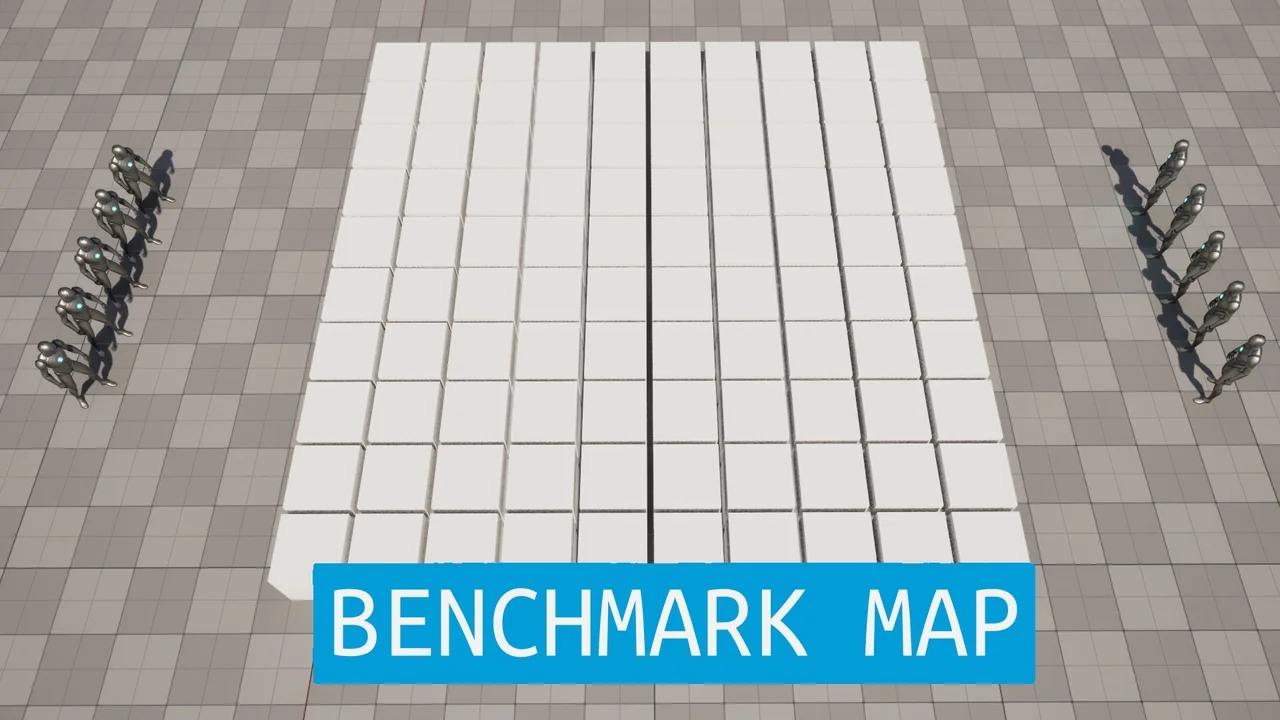
The system is built with efficiency in mind. Because it uses a multi-threaded architecture, it can handle complex perception tasks without compromising performance. This is particularly useful for games with numerous AI agents. Furthermore, the developer has ensured that the system remains stable even when agents are spawned dynamically during runtime.
Flexible Stealth and Perception Mechanics
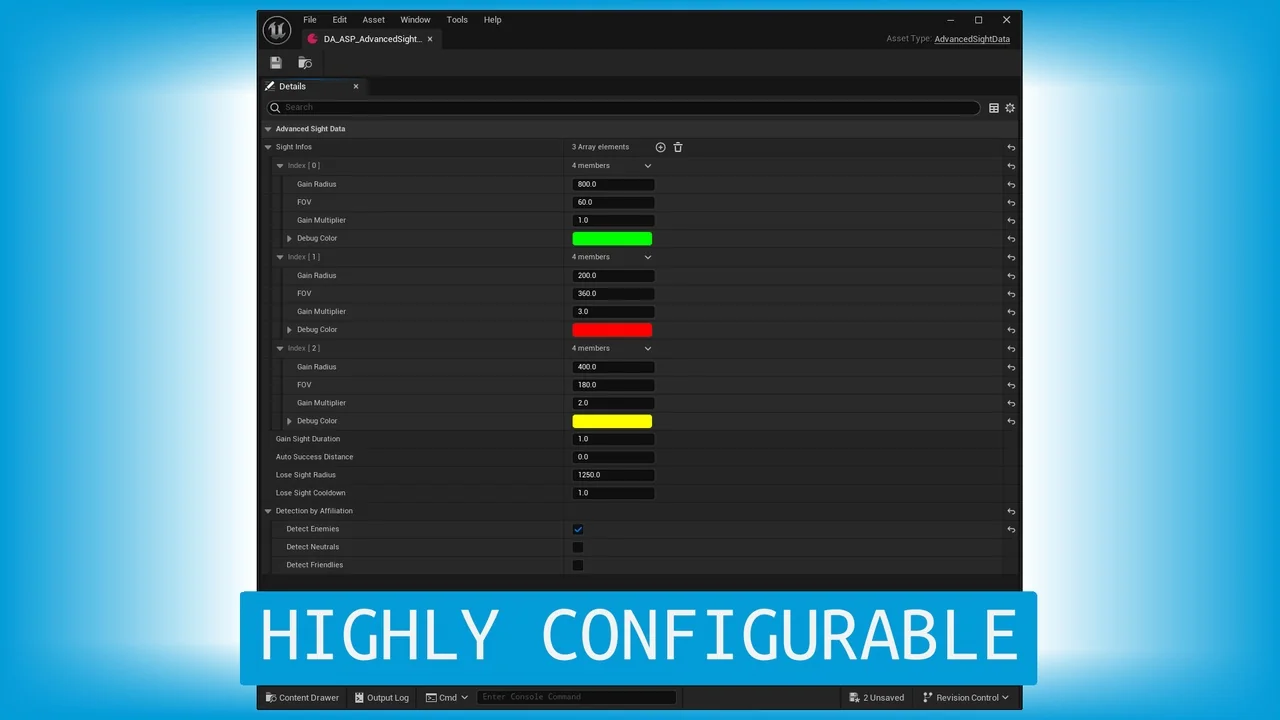
Advanced Sight allows for precise control over how AI agents interact with their environment. Developers can determine how fast an AI agent perceives a visible target. Additionally, they can control how quickly an agent forgets a target to return to its regular routine. This level of customization is essential for creating believable stealth gameplay where detection timing is critical.
Customizable Visibility Points and Gain Rates
A key feature of the system is the Advanced Sight Target Component. This component includes a Gain Rate property that allows for custom perception speeds for any target. Moreover, creators can use custom scene components as visibility points. These points allow different body parts to have unique Gain Rates. For example, a larger body part can be set with a higher rate so the agent is perceived faster when that point is visible. If multiple points are visible at once, the system automatically utilizes the one with the highest Gain Rate.
Advanced Team and Relationship Management
The system includes a sophisticated team relationship structure. Using data table row definitions, developers can define custom relationships such as friendly, neutral, or hostile. Previously, different IDs might have been considered hostile by default. However, this system allows for more nuanced interactions. Furthermore, the creator can update these team relationships during runtime using specific Blueprint callable functions.
Developer Tools and Debugging
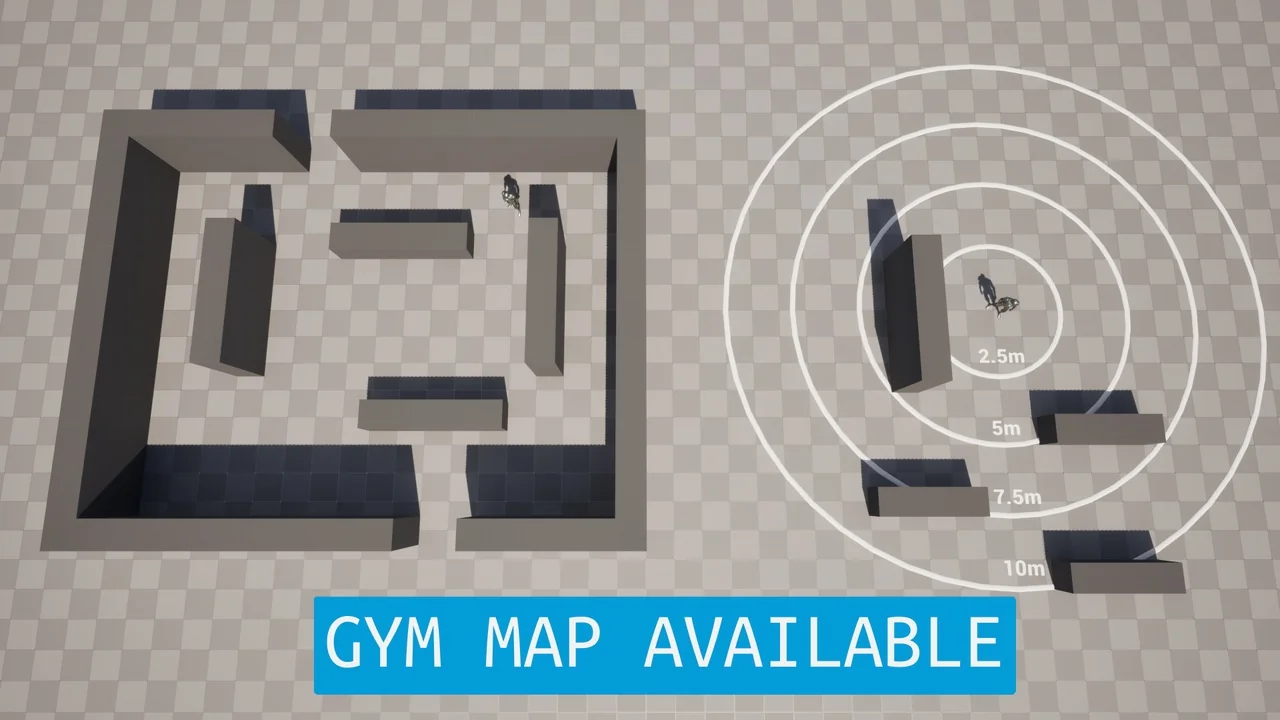
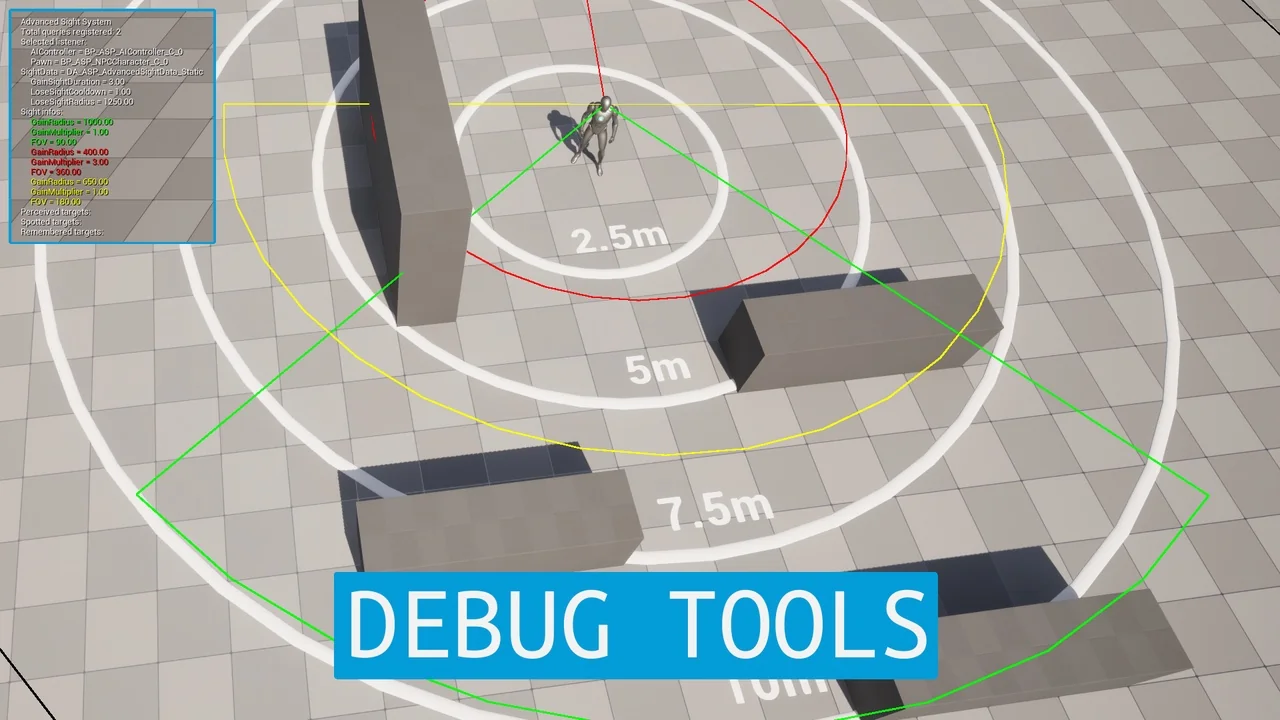
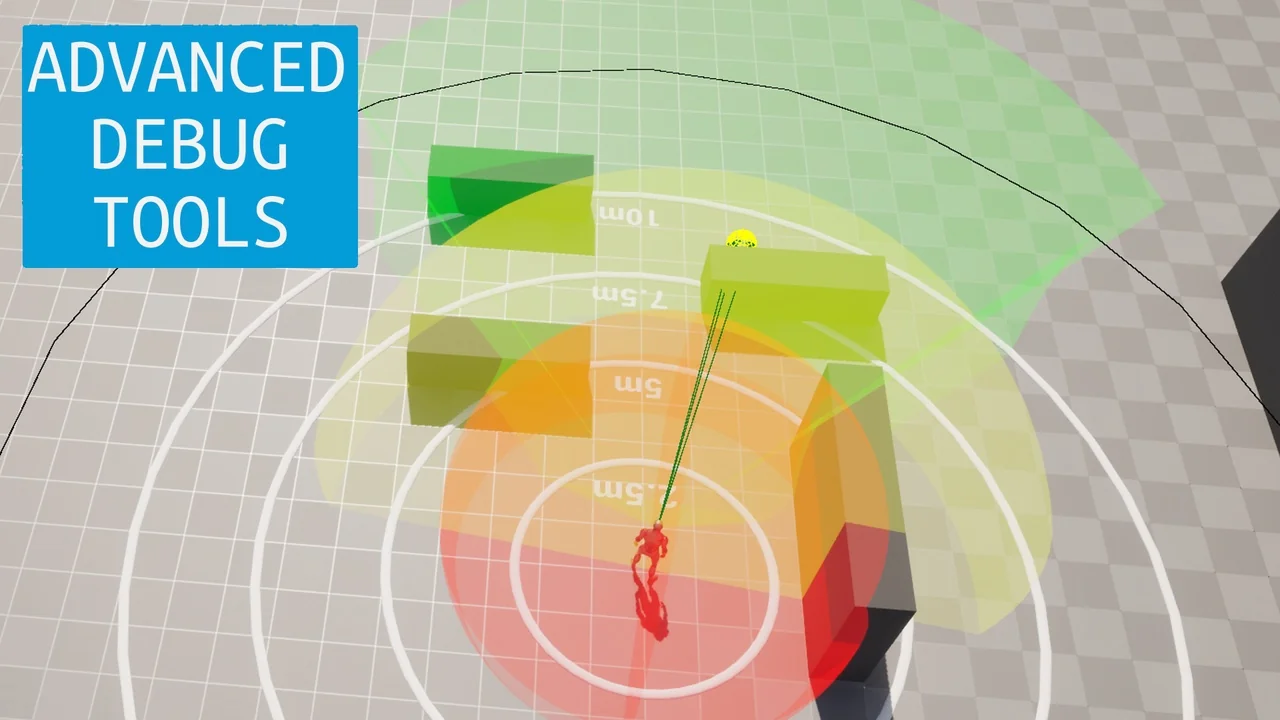
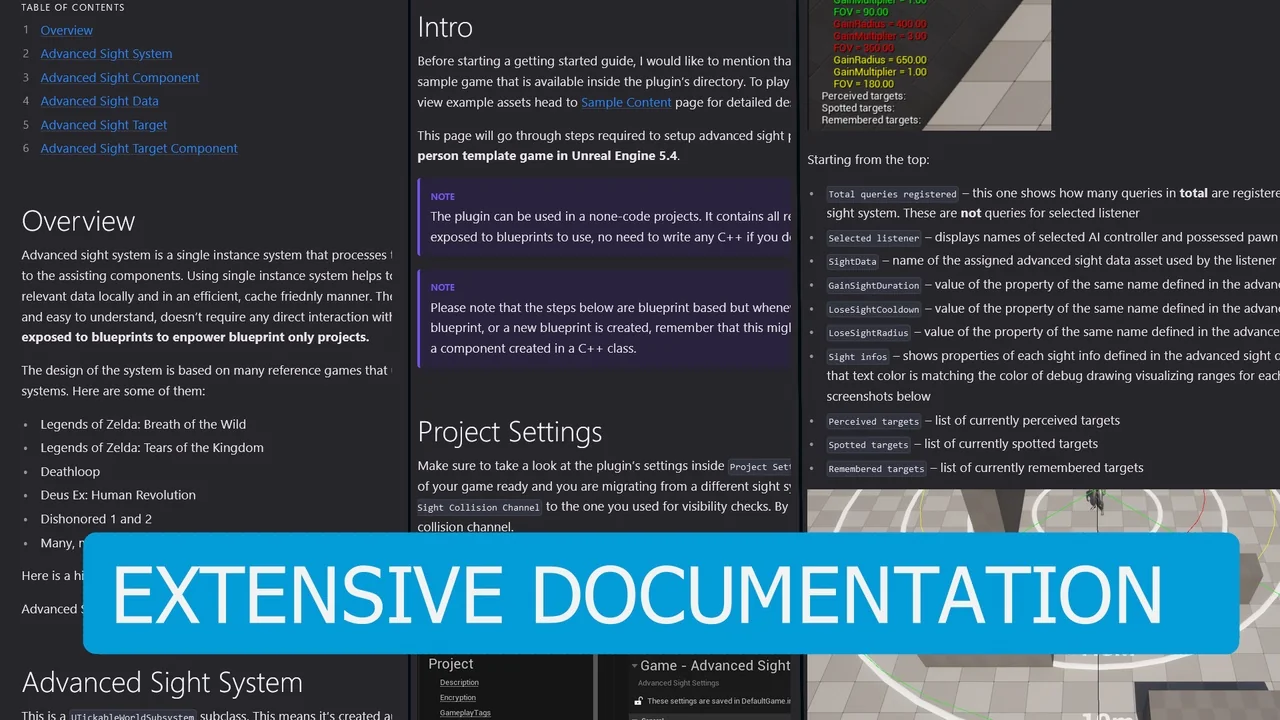
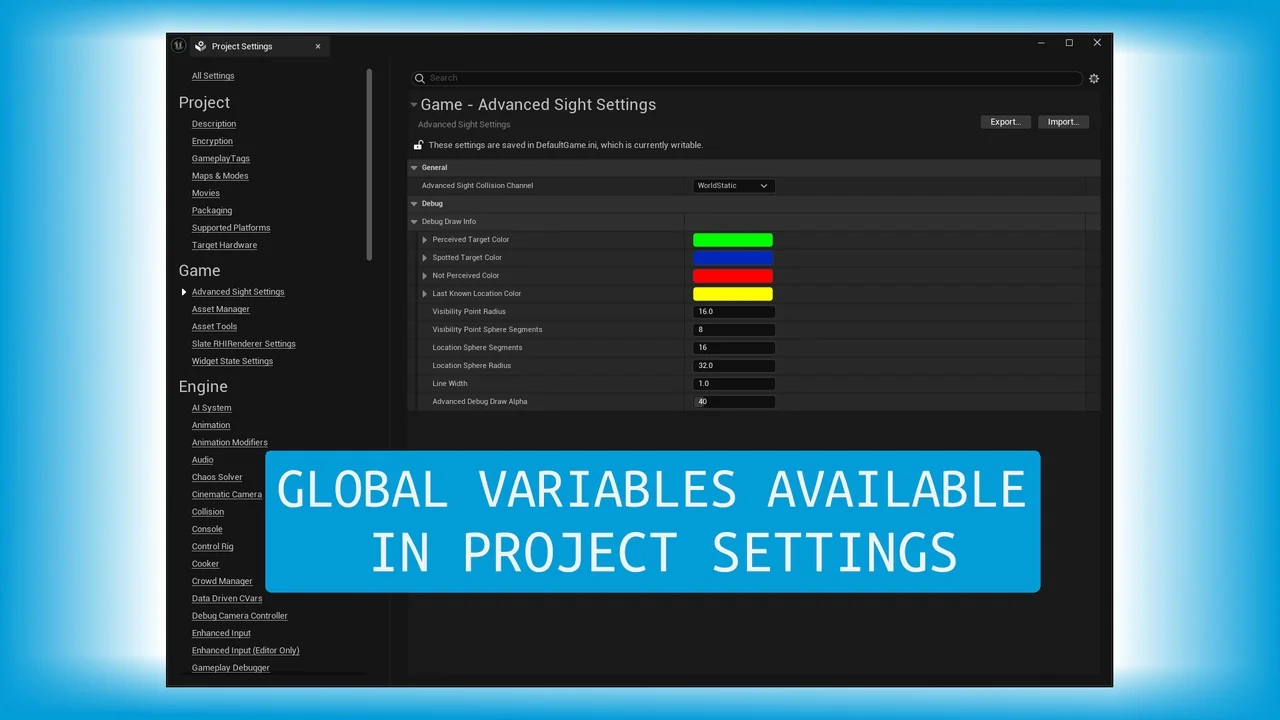
To help with implementation, Advanced Sight includes a Gym map featuring several examples. This allows developers to see the system in action, including how it handles Blueprint-only agents. Additionally, the system provides several debugging tools. These include verbose output logging, visual logger support, and debug drawing. These features make it easier to identify why a target is being perceived or why a state has changed.
Blueprint Integration and Control
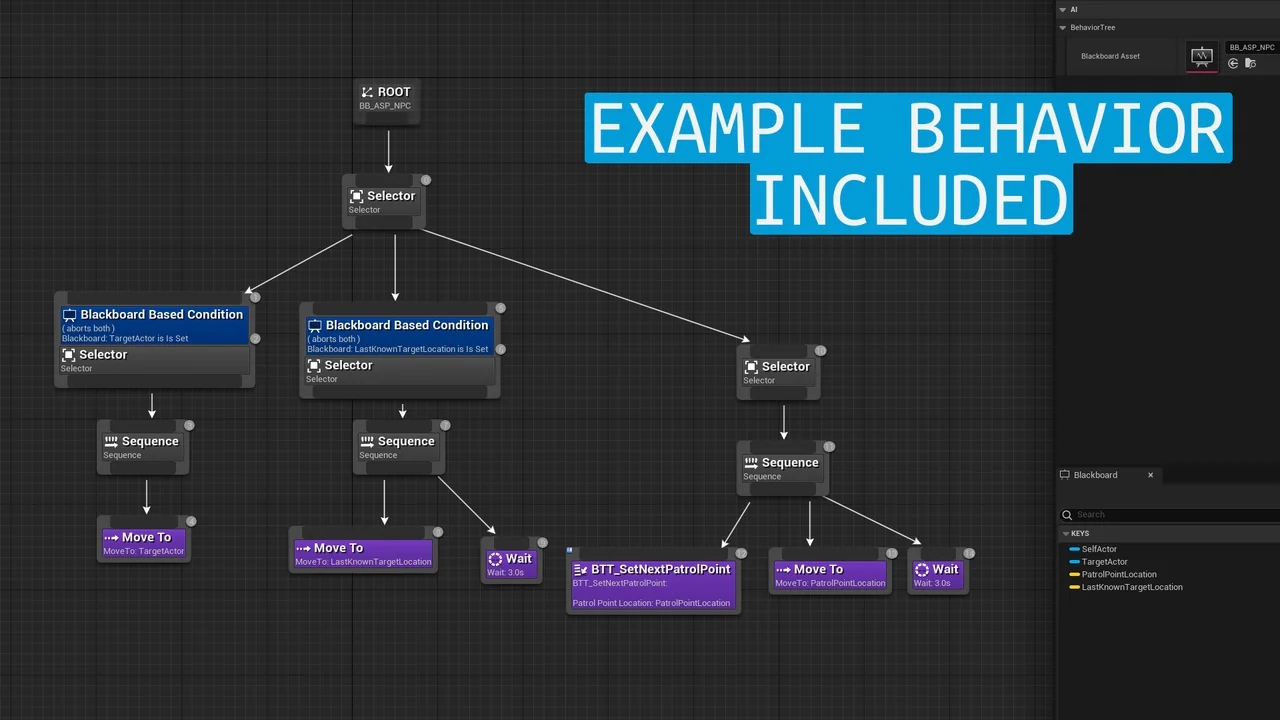
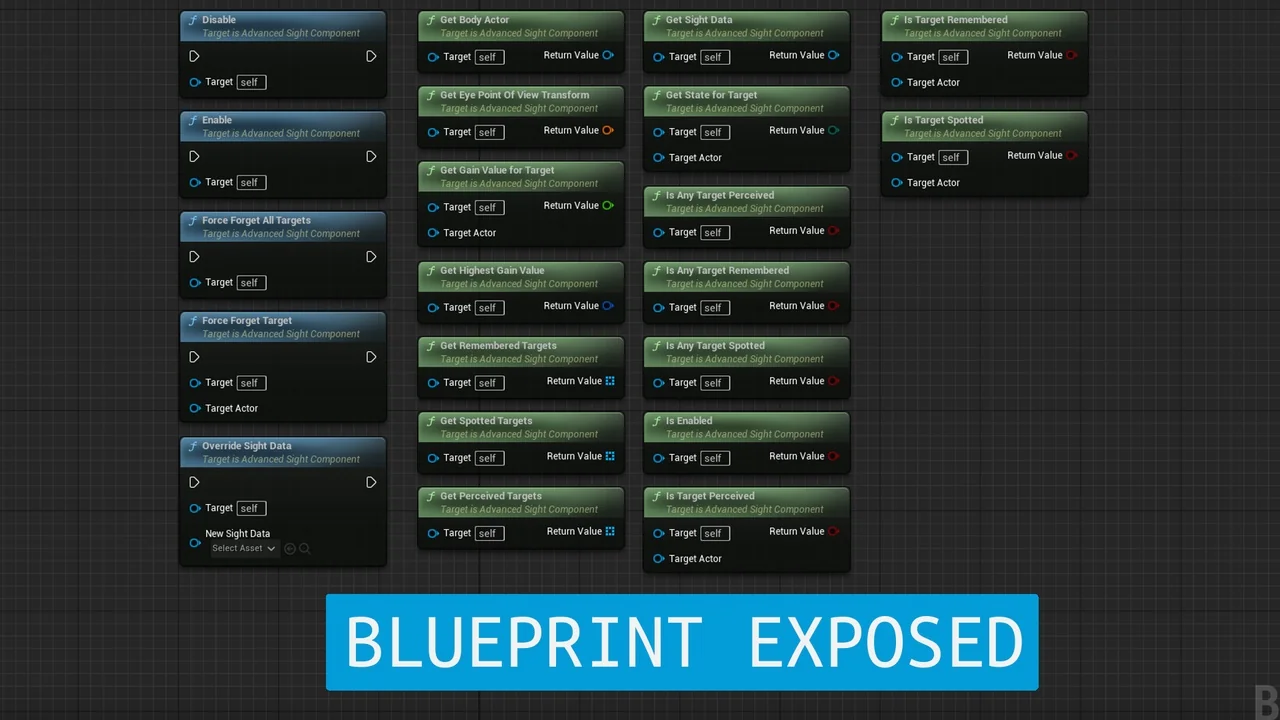
The system is highly accessible through Blueprints. It includes several callable functions such as “SetPerceivable,” which can make a target invisible to NPCs on the fly. Other functions like “AddGainToTarget” and “ForcePerceiveTarget” provide manual control over the perception logic. Consequently, developers can write custom logic that interacts seamlessly with the core sight system.
Conclusion
Advanced Sight provides a powerful and flexible alternative to standard AI tools. By offering multi-threaded performance and granular control over visibility, it serves as a vital resource for creating complex AI. Whether you are building a dedicated stealth game or simply need more reactive NPCs, this system offers the technical depth required for modern game development.
Screenshots & Gallery