Introduction to 3D Gaussian Splatting
The 3D Gaussians Plugin offers a streamlined solution for integrating real-world captures into photo-realistic 3D environments. This tool allows users to import and render 3D Gaussian Splatting data directly within the Unreal Engine editor. Consequently, creators can achieve high-fidelity scene reconstructions with just a few clicks. Furthermore, this technique provides accuracy that is equivalent to or better than NeRF.
High-Performance Rendering Features
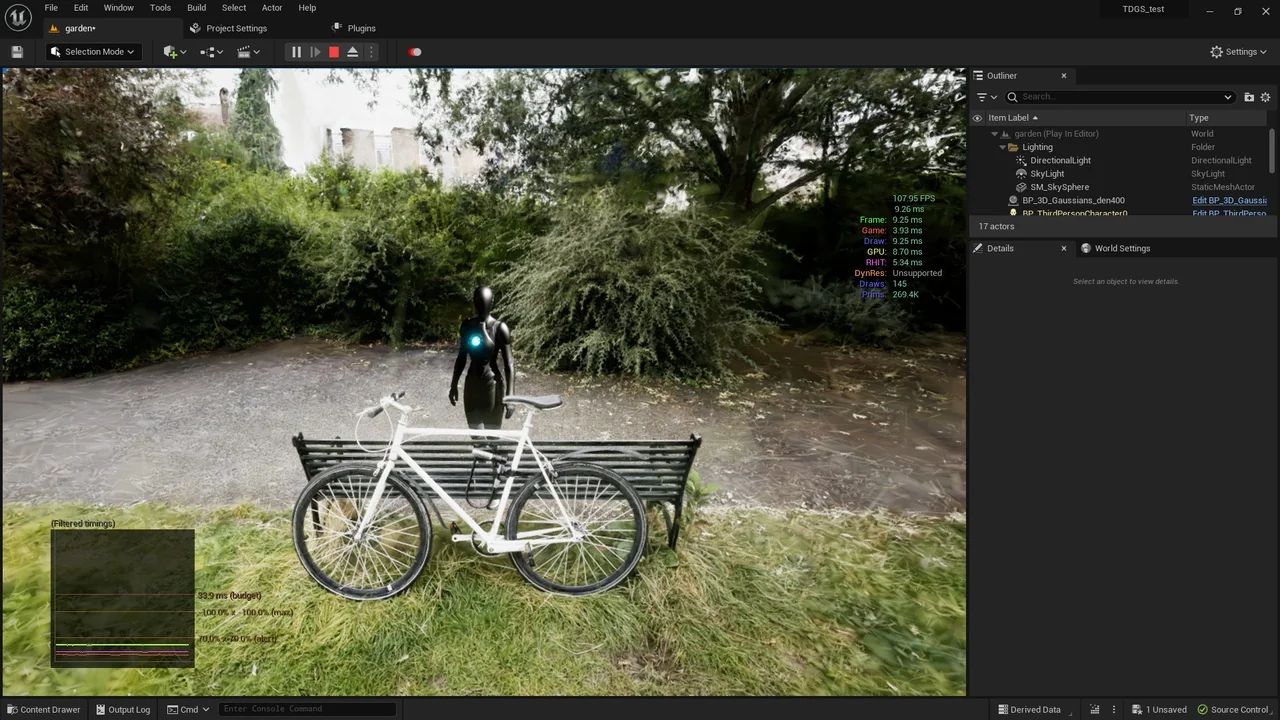
One of the primary advantages of the 3D Gaussians Plugin is its efficiency. It maintains a lower rendering load compared to traditional NeRF methods. For instance, users can achieve real-time performance between 30 and 100 FPS on an RTX3070. However, the exact frame rate depends heavily on the specific data being rendered. Additionally, the plugin supports the runtime loading of ply files for dynamic workflows.
Technical Implementation and Workflow
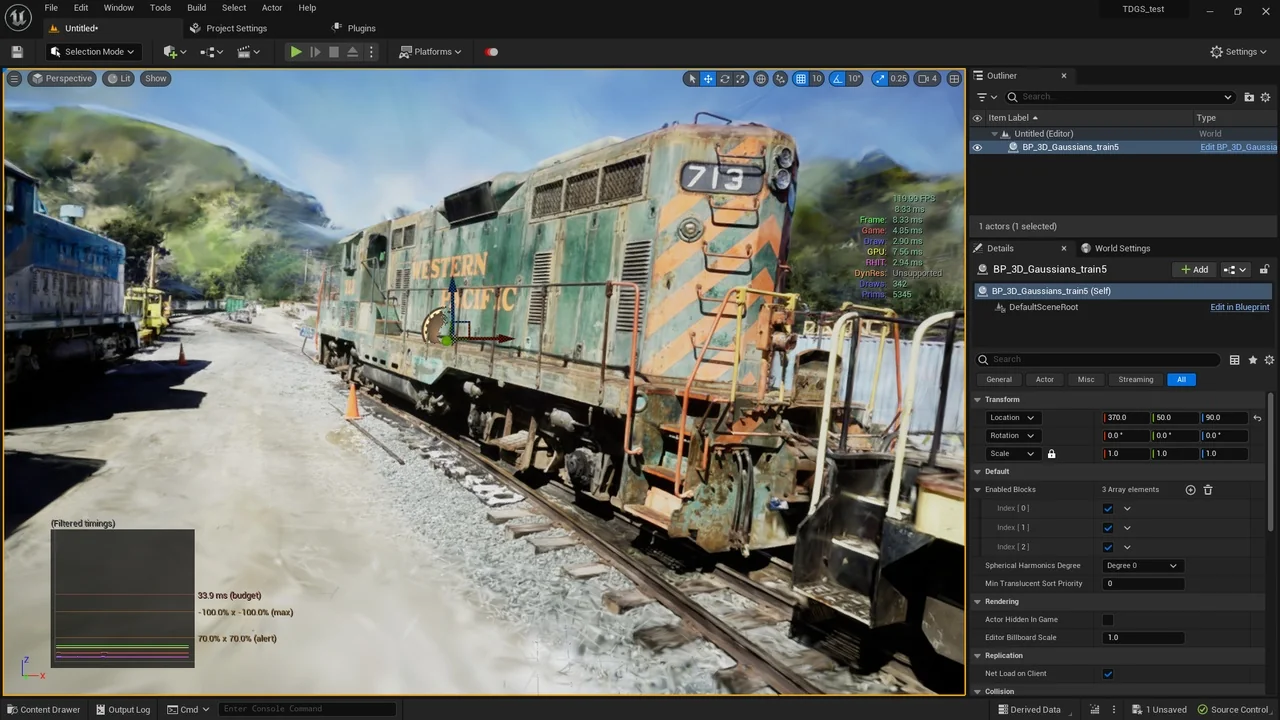
The developer built this plugin entirely within Niagara and the Material system. Therefore, it does not rely on external dependencies like Python, CUDA, or custom HLSL nodes. This architecture ensures a more native feel within the engine. Moreover, the import process is designed to be simple and user-friendly. Most users can begin rendering their training results after only a few clicks.
System Requirements and Compatibility
- A GPU that supports DirectX 12 is required.
- The plugin is fully implemented using Niagara particles.
- Training results from official implementations can be used.
Known Limitations and Considerations
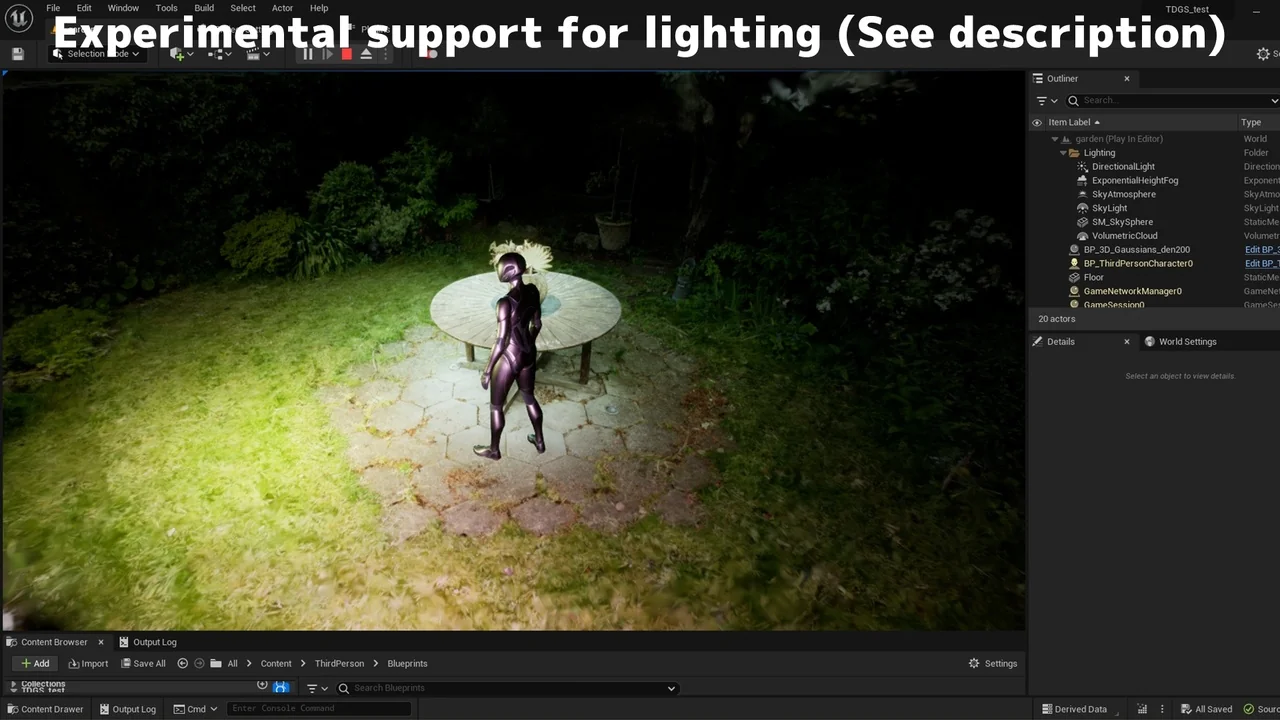
Despite its power, users should note some technical limitations. For example, the 3D Gaussians Plugin renders data using Niagara particles. Because Niagara has particle limits, the plugin imports data into multiple blocks. As a result, subtle seams may appear between these blocks upon close inspection. Lighting support also remains experimental at this stage.
While you can use Lit or Translucent materials, certain conditions may cause rendering issues. Moreover, Lumen global illumination is not fully supported by the plugin. Specifically, brightness may become unstable over time, and the data cannot emit GI light. Finally, there is no support for shadows or Ray Traced Translucency. Because the data uses translucent materials, sorting issues might occur with other transparent objects. Thus, multiple actors may not intersect correctly when placed together.
Conclusion
The 3D Gaussians Plugin provides an accessible way to bring high-quality real-world captures into Unreal Engine. By leveraging the Niagara system, it offers a high-performance alternative to other reconstruction methods. While some experimental features and limitations exist, it remains a robust tool for modern environment design.
Screenshots & Gallery