"fb5ea1e7d1b41445"{"id":"1002413","slug":"yui-specops-cat","title":"Yui - SpecOps Cat","category":"Humans","engine":"4.26+,5.0+","assetVersion":"","engineVersion":"Engine Version: 4.26+,5.0+","tag":"Humans","accent":"blue","visual":"mech","summary":"Explore Yui - SpecOps Cat, a 75k low-poly PBR stylized sci-fi soldier character featuring a UE4-compatible custom rig, rifle, and 7 color schemes.","platform":"Unreal Engine","indexPolicy":"index","publishedAt":"2026-11-10T12:11:16.963Z","updatedAt":"2026-11-10T12:11:16.963Z","sourceNotes":[],"fileContents":[],"compatibility":["Unreal Engine","Engine Version: 4.26+,5.0+"],"featuredImage":{"alt":"Yui - SpecOps Cat","src":"/wp-content/uploads/published/2026/11/b7fccd91a646-5f75946a-de66-4f28-8296-1f67921c0ddf-c82cf2ee53.webp"},"hasDownloadLink":true,"downloads":0,"terms":[{"taxonomy":"category","slug":"humans","name":"Humans"}],"galleryImages":[{"src":"/wp-content/uploads/published/2026/11/4a0e55dc1cf6-53b38508-f793-4ab7-9419-7c02aab06923-7c6e1712ad.webp","alt":"Yui - SpecOps Cat"},{"src":"/wp-content/uploads/published/2026/11/d772f71e34e7-391a7e94-436f-49b6-8275-47e3e4d9fd70-0ea25365b7.webp","alt":"Yui - SpecOps Cat"},{"src":"/wp-content/uploads/published/2026/11/6ab4a1b9f793-a72be092-7e3a-4f03-bba8-5b8554cbc241-04ea9bdd4c.webp","alt":"Yui - SpecOps Cat"},{"src":"/wp-content/uploads/published/2026/11/5d0d6740e695-e49e624a-dffb-432a-a39d-5898f2fd3941-86aeb83351.webp","alt":"Yui - SpecOps Cat"},{"src":"/wp-content/uploads/published/2026/11/089feb577c42-87e7df20-1a10-4709-8536-b7998c481608-01ea760998.webp","alt":"Yui - SpecOps Cat"},{"src":"/wp-content/uploads/published/2026/11/5443178178ea-f336f948-11b7-4ab0-a46f-43704ed8fcc2-afb7ae042f.webp","alt":"Yui - SpecOps Cat"},{"src":"/wp-content/uploads/published/2026/11/4da29ef3ded3-876145f9-321f-4107-a195-db75ae008c5d-3bc9ab9c01.webp","alt":"Yui - SpecOps Cat"},{"src":"/wp-content/uploads/published/2026/11/df5792a2b2ce-6cf27da6-f540-4b34-862b-aea13d4368ed-db4d990683.webp","alt":"Yui - SpecOps Cat"},{"src":"/wp-content/uploads/published/2026/11/27c0ee0ac82d-14b497a3-b2f4-4df6-8592-38572fded534-8b4a31627e.webp","alt":"Yui - SpecOps Cat"},{"src":"/wp-content/uploads/published/2026/11/d0456e78a471-e83763bc-0e77-47e4-95cc-e3a2b2927fea-aa6cf41158.webp","alt":"Yui - SpecOps Cat"}],"accessPanel":{"kind":"resource","title":"Get this resource","eyebrow":"Free resource","message":"Download this resource in your browser.","fileName":"Content.7z","safetyNote":"Resources are manually reviewed before listing to improve quality and reduce obvious risks.","actionLabel":"Get this resource","resourceType":"Resource archive","versions":[]},"contentHtml":"\u003ch2\u003eDeploying Yui Across Futuristic Combat Scenarios\u003c/h2\u003e\u003cp\u003eSci-fi action titles, third-person corridor shooters, and stylized arena battlers frequently require character designs that balance military hardware with bold thematic silhouettes. Yui addresses this space directly by combining the technical traits of a frontline soldier with a distinctive anime sensibility. Encased in a suit of protective power armor sculpted with unmistakable feline styling, the female operative serves as an agile, high-tech protagonist, an elite covert specialist, or an armored antagonist within speculative fiction worlds.\u003c/p\u003e\u003cp\u003eThe concept fits naturally into environments where combatants depend on mechanized suits to navigate hostile atmospheres or high-threat warzones. Orbital platforms, sterile industrial research labs, alien outposts, and neon-lit dystopian backdrops all match the cybernetic visual direction. Because the design integrates a standard-issue sci-fi rifle alongside the armored suit, the model functions immediately in projects emphasizing gunplay, directional evasion, and tactical maneuvering.\u003c/p\u003e\u003ch2\u003eAnatomy of the SpecOps Cat Power Armor and PBR Surface Workflow\u003c/h2\u003e\u003cp\u003eFrom an asset-construction standpoint, the model relies on a low-poly budget capped at 75,000 polygons. This density level preserves sharp bevels across the armor plating, complex joint segments, and feline-eared helmet contours without encumbering modern real-time rendering pipelines. The polygon distribution provides enough edge support around articulating limbs to prevent pinching during deep crouches, sprints, and combat rolls, which is essential for third-person camera perspectives positioned directly behind the operative.\u003c/p\u003e\u003cp\u003eSurface rendering is governed by a Physically Based Rendering (PBR) pipeline. Light interactions across the hard-surface plates accurately reflect the material differences between smooth protective shells, mechanical undergarments, and metallic sub-assemblies. The stylized treatment ensures that while surface materials respond realistically to environmental reflections, specular highlights, and ambient light, the underlying shape language preserves clean lines and vivid silhouettes suited for stylized or anime-adjacent game engines.\u003c/p\u003e\u003ch2\u003eRigging Architecture and UE4 Humanoid Integration\u003c/h2\u003e\u003cp\u003eAnimation pipelines often slow down when introducing non-standard armor shapes or stylized character proportions. Yui bypasses re-rigging friction through a custom skeleton engineered for full compatibility with the Unreal Engine 4 humanoid rig hierarchy. This allows standard animation packages, third-person movement sets, and bespoke combat mocap data targeting the UE4 humanoid standard to map directly onto the character without destructive bone reshaping.\u003c/p\u003e\u003cp\u003eSupport extends into real-time control via an integrated animation blueprint setup. Developers can plug character state machines directly into movement blend spaces, directional strafes, jumps, and weapon aiming offsets. Because the proportions align with established engine standards, standard locomotion blending behaves predictably, keeping ground contacts firm and preventing foot sliding across varied terrain elevations.\u003c/p\u003e\u003ch2\u003ePalette Configurations from Stealth Black to Slayer\u003c/h2\u003e\u003cp\u003eVisual variety is critical when establishing combat roles, faction allegiance, or customizable player loadouts. The package includes seven distinct color configurations applied across the power armor:\u003c/p\u003e\u003cul\u003e\u003cli\u003e\u003cstrong\u003eBase:\u003c/strong\u003e The foundational operational layout showcasing the primary standard-issue factory theme.\u003c/li\u003e\u003cli\u003e\u003cstrong\u003eBlack:\u003c/strong\u003e A low-visibility palette built for night drops, orbital infiltration, and deep stealth applications.\u003c/li\u003e\u003cli\u003e\u003cstrong\u003eWhite:\u003c/strong\u003e Tailored for arctic survival, sterile laboratory defenses, or vacuum-rated deep space operations.\u003c/li\u003e\u003cli\u003e\u003cstrong\u003eBrown:\u003c/strong\u003e Earth-toned camouflage suited for rocky crags, arid skirmishes, and wasteland combat.\u003c/li\u003e\u003cli\u003e\u003cstrong\u003eGreen:\u003c/strong\u003e A foliage-matched pattern suited for temperate patrol duties and forest combat zones.\u003c/li\u003e\u003cli\u003e\u003cstrong\u003eSlayer:\u003c/strong\u003e A hostile, aggressive color variant signaling high-threat encounter tiers or vanguard assault specialization.\u003c/li\u003e\u003cli\u003e\u003cstrong\u003eHunter:\u003c/strong\u003e A purposeful tracker scheme geared toward reconnaissance squads and wilderness scouting.\u003c/li\u003e\u003c/ul\u003e\u003cp\u003eThese surface variants provide immediate utility when staging multi-tier enemy waves. Designers can deploy lower-tier automated drones or standard troops using the Base or Brown uniforms while reserving the Slayer and Black variants for elite commanders or specialized boss-encounter phases, all without altering the fundamental character geometry.\u003c/p\u003e\u003ch2\u003eReady-to-Run Third-Person Controller and Showcase Setup\u003c/h2\u003e\u003cp\u003eEvaluating scale, animation responsiveness, and material performance in a blank viewport can consume valuable iteration time. To eliminate initial integration hurdles, the asset provides a dedicated showcase scene with an active third-person character controller completely wired and ready for testing. This level places the operative directly under user control, allowing creators to assess movement speed, camera distance, and material behavior across varied lighting conditions immediately upon loading.\u003c/p\u003e\u003cp\u003eThe test environment lines up all seven material variations side-by-side. This arrangement lets technical artists study texture response under dynamic directional lighting, inspect specular breaks across the 75k mesh, and verify how the rifle model nests against the armor across idle and movement stances. Script elements and pre-wired animation hooks demonstrate how the character handles input states, providing a clear baseline for teams seeking to migrate the logic into larger game frameworks.\u003c/p\u003e\u003ch2\u003eOperational Synergy with the SpecOps Wolf Archetype\u003c/h2\u003e\u003cp\u003eSingle-character releases can sometimes feel isolated within larger game productions that require thematic squad rosters. Yui is explicitly compatible with the Liv - SpecOps Wolf character, establishing a cohesive design language between feline and canine stylized power-armor models. Pairing the two assets allows development teams to build coordinated strike teams, buddy-system mechanics, dual-protagonist campaigns, or rival faction leaders with identical technical standards.\u003c/p\u003e\u003cp\u003eBecause both units share adjacent thematic styling, PBR workflows, and military-grade mechanical detailing, deploying them together maintains artistic consistency across scenes. Whether configured as reconnaissance partners, tactical skirmishers, or distinct character classes within a multiplayer shooter, Yui and Liv supply an expressive, technically balanced foundation for stylized sci-fi action.\u003c/p\u003e\n\n\u003ch2\u003eMore From The Same Workflow\u003c/h2\u003e\n\u003cul\u003e\n\u003cli\u003e\u003ca href=\"https://3dcghub.com/cosmo-cat-girl/\" rel=\"noopener noreferrer\"\u003eCosmo Cat Girl\u003c/a\u003e\u003c/li\u003e\n\u003cli\u003e\u003ca href=\"https://3dcghub.com/galactic-cat/\" rel=\"noopener noreferrer\"\u003eGalactic Cat\u003c/a\u003e\u003c/li\u003e\n\u003cli\u003e\u003ca href=\"https://3dcghub.com/cat-girl-101/\" rel=\"noopener noreferrer\"\u003eCat girl 101\u003c/a\u003e\u003c/li\u003e\n\u003cli\u003e\u003ca href=\"https://3dcghub.com/female-gang-01/\" rel=\"noopener noreferrer\"\u003eFemale Gang 01\u003c/a\u003e\u003c/li\u003e\n\u003cli\u003e\u003ca href=\"https://3dcghub.com/k-pop-series-sun/\" rel=\"noopener noreferrer\"\u003eK-POP SERIES - Sun\u003c/a\u003e\u003c/li\u003e\n\u003c/ul\u003e","contentTextLength":6576,"navigation":{"current":6,"total":4340,"previous":{"id":"1002414","slug":"g2-cyborg-characters","title":"G2: Cyborg Characters","category":"Mechanical \u0026 Robots","platform":"Unreal Engine","updatedAt":"2026-11-10T12:14:19.479Z"},"next":{"id":"1002412","slug":"western-characters-series-2025-adventure-survival-shooter-action-cowboy-man","title":"Western Characters Series 2025 - Adventure Survival Shooter Action Cowboy Man","category":"Humans","platform":"Unreal Engine","updatedAt":"2026-11-10T12:10:14.228Z"}},"relatedResources":[{"id":"1000456","slug":"cosmo-cat-girl","title":"Cosmo Cat Girl","category":"Humans","engine":"4.26+,5.0+","assetVersion":"","engineVersion":"Engine Version: 4.26+,5.0+","tag":"Humans","accent":"blue","visual":"mech","summary":"Cosmo Cat Girl is a fully rigged, low-poly Unreal Engine character with 52 Apple Blendshapes, modular outfits, 4K textures, and an Epic Skeleton-based rig teste","platform":"Unreal Engine","indexPolicy":"index","publishedAt":"2026-07-11T02:04:42.672Z","updatedAt":"2026-07-11T02:04:42.672Z","sourceNotes":[],"fileContents":[],"compatibility":["Unreal Engine","Engine Version: 4.26+,5.0+"],"featuredImage":{"alt":"Cosmo Cat Girl","src":"/wp-content/uploads/published/2026/07/416ece716fa2-c7bb1ab6-22a2-41ed-931e-059b35548a5a-5ab5a47aa7.webp"},"hasDownloadLink":true,"downloads":0},{"id":"2686","slug":"galactic-cat","title":"Galactic Cat","category":"Humans","engine":"4.26+,5.0+","assetVersion":"Engine version: 4.26+,5.0+","engineVersion":"4.18","tag":"Humans","accent":"blue","visual":"character","summary":"Enhance your project with the Galactic Cat, a professionally optimized 3D character. Featuring 4K textures and 5 armor skins for sci-fi and RPG games.","platform":"Unreal Engine","indexPolicy":"index","publishedAt":"2026-02-07T14:54:35.000Z","updatedAt":"2026-04-19T15:57:59.000Z","sourceNotes":[],"fileContents":[],"compatibility":["Unreal Engine","Engine version: 4.26+,5.0+"],"featuredImage":{"alt":"Galactic Cat","src":"https://3dcghub.com/wp-content/uploads/2026/02/b1948b02-1d56-4d1b-8a59-ea096aff0cef.webp"},"hasDownloadLink":true,"downloads":0},{"id":"2666","slug":"cat-girl-101","title":"Cat girl 101","category":"Humans","engine":"5.3+","assetVersion":"Engine version: 5.3+","engineVersion":"5.3","tag":"Humans","accent":"blue","visual":"character","summary":"Enhance your project with this high-quality stylized cat girl character for Unreal Engine 5.3. Featuring 4K textures, IK rigging, and a unique cartoon aesthetic","platform":"Unreal Engine","indexPolicy":"index","publishedAt":"2026-02-07T14:45:41.000Z","updatedAt":"2026-04-19T15:57:59.000Z","sourceNotes":[],"fileContents":[],"compatibility":["Unreal Engine","Engine version: 5.3+"],"featuredImage":{"alt":"Cat girl 101","src":"https://3dcghub.com/wp-content/uploads/2026/02/6f3d3954-fe7c-4c34-8f2b-97b8b6e42227.webp"},"hasDownloadLink":true,"downloads":0}]}
Humans
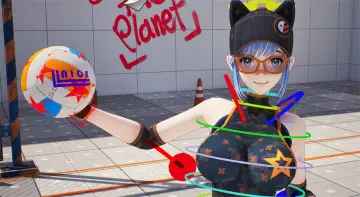
Yui - SpecOps Cat
Explore Yui - SpecOps Cat, a 75k low-poly PBR stylized sci-fi soldier character featuring a UE4-compatible custom rig, rifle, and 7 color schemes.
Category:Unreal Engine,HumansPlatform: Unreal EngineEngine Version: 4.26+,5.0+Published: Nov 10, 2026
Humans
Resource overview
Deploying Yui Across Futuristic Combat Scenarios
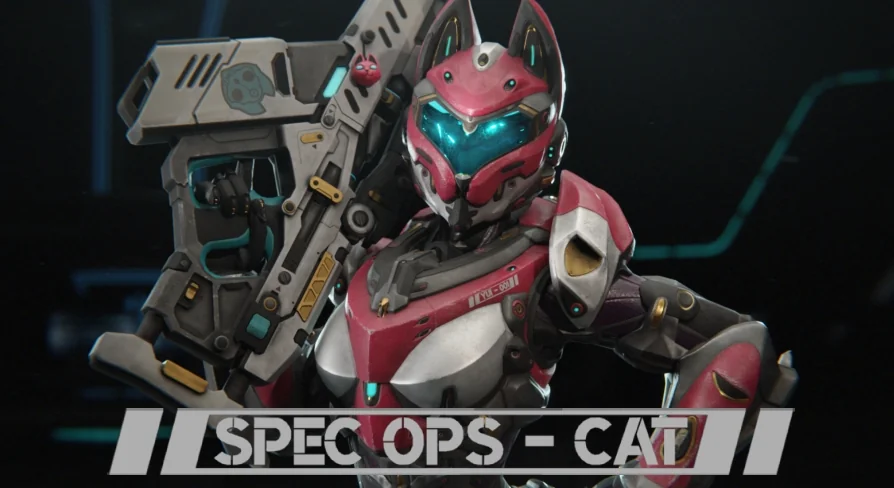
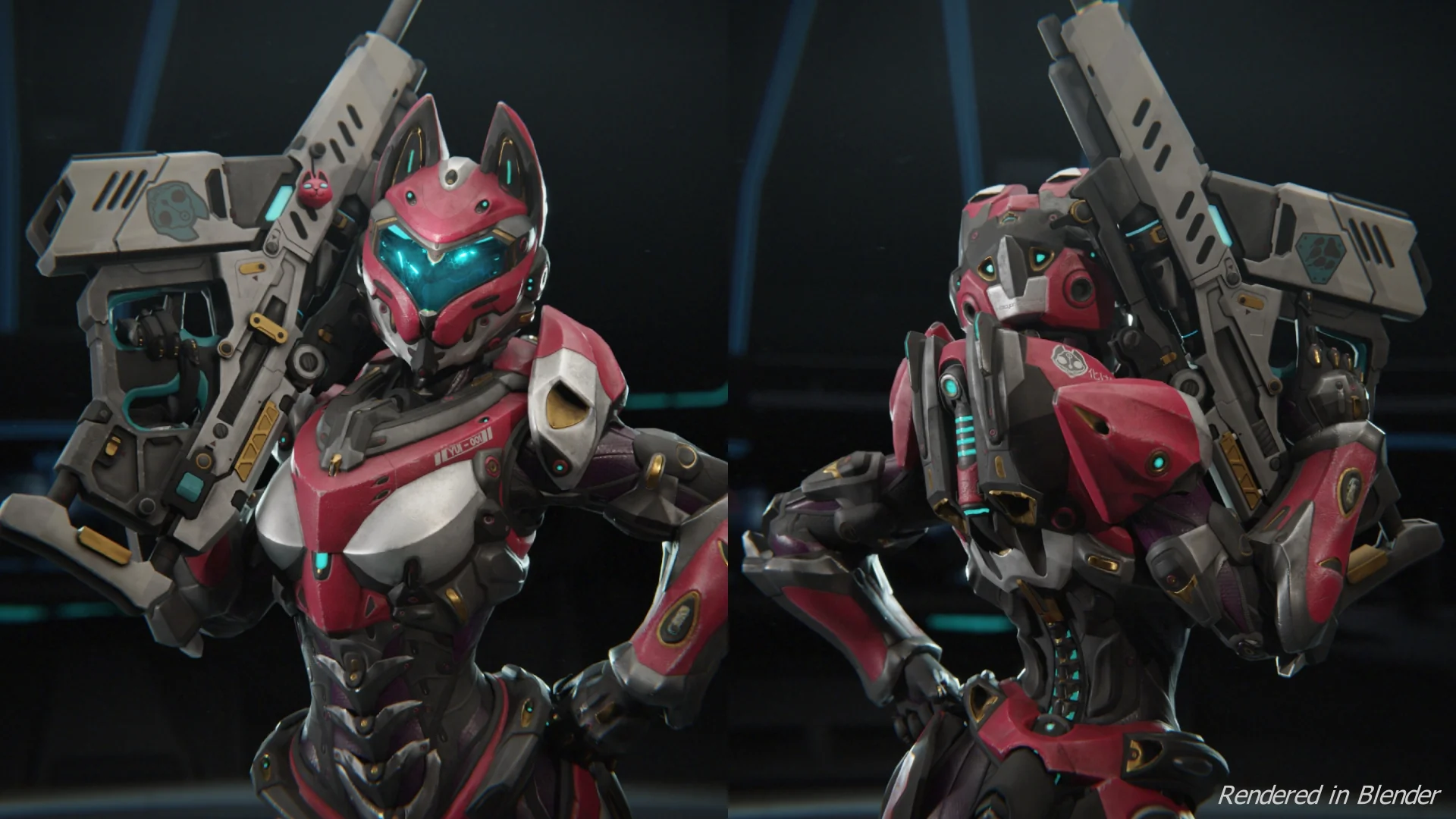
Sci-fi action titles, third-person corridor shooters, and stylized arena battlers frequently require character designs that balance military hardware with bold thematic silhouettes. Yui addresses this space directly by combining the technical traits of a frontline soldier with a distinctive anime sensibility. Encased in a suit of protective power armor sculpted with unmistakable feline styling, the female operative serves as an agile, high-tech protagonist, an elite covert specialist, or an armored antagonist within speculative fiction worlds.
The concept fits naturally into environments where combatants depend on mechanized suits to navigate hostile atmospheres or high-threat warzones. Orbital platforms, sterile industrial research labs, alien outposts, and neon-lit dystopian backdrops all match the cybernetic visual direction. Because the design integrates a standard-issue sci-fi rifle alongside the armored suit, the model functions immediately in projects emphasizing gunplay, directional evasion, and tactical maneuvering.
Anatomy of the SpecOps Cat Power Armor and PBR Surface Workflow
From an asset-construction standpoint, the model relies on a low-poly budget capped at 75,000 polygons. This density level preserves sharp bevels across the armor plating, complex joint segments, and feline-eared helmet contours without encumbering modern real-time rendering pipelines. The polygon distribution provides enough edge support around articulating limbs to prevent pinching during deep crouches, sprints, and combat rolls, which is essential for third-person camera perspectives positioned directly behind the operative.
Surface rendering is governed by a Physically Based Rendering (PBR) pipeline. Light interactions across the hard-surface plates accurately reflect the material differences between smooth protective shells, mechanical undergarments, and metallic sub-assemblies. The stylized treatment ensures that while surface materials respond realistically to environmental reflections, specular highlights, and ambient light, the underlying shape language preserves clean lines and vivid silhouettes suited for stylized or anime-adjacent game engines.
Rigging Architecture and UE4 Humanoid Integration
Animation pipelines often slow down when introducing non-standard armor shapes or stylized character proportions. Yui bypasses re-rigging friction through a custom skeleton engineered for full compatibility with the Unreal Engine 4 humanoid rig hierarchy. This allows standard animation packages, third-person movement sets, and bespoke combat mocap data targeting the UE4 humanoid standard to map directly onto the character without destructive bone reshaping.
Support extends into real-time control via an integrated animation blueprint setup. Developers can plug character state machines directly into movement blend spaces, directional strafes, jumps, and weapon aiming offsets. Because the proportions align with established engine standards, standard locomotion blending behaves predictably, keeping ground contacts firm and preventing foot sliding across varied terrain elevations.
Palette Configurations from Stealth Black to Slayer
Visual variety is critical when establishing combat roles, faction allegiance, or customizable player loadouts. The package includes seven distinct color configurations applied across the power armor:
Base: The foundational operational layout showcasing the primary standard-issue factory theme.
Black: A low-visibility palette built for night drops, orbital infiltration, and deep stealth applications.
White: Tailored for arctic survival, sterile laboratory defenses, or vacuum-rated deep space operations.
Brown: Earth-toned camouflage suited for rocky crags, arid skirmishes, and wasteland combat.
Green: A foliage-matched pattern suited for temperate patrol duties and forest combat zones.
Slayer: A hostile, aggressive color variant signaling high-threat encounter tiers or vanguard assault specialization.
Hunter: A purposeful tracker scheme geared toward reconnaissance squads and wilderness scouting.
These surface variants provide immediate utility when staging multi-tier enemy waves. Designers can deploy lower-tier automated drones or standard troops using the Base or Brown uniforms while reserving the Slayer and Black variants for elite commanders or specialized boss-encounter phases, all without altering the fundamental character geometry.
Ready-to-Run Third-Person Controller and Showcase Setup
Evaluating scale, animation responsiveness, and material performance in a blank viewport can consume valuable iteration time. To eliminate initial integration hurdles, the asset provides a dedicated showcase scene with an active third-person character controller completely wired and ready for testing. This level places the operative directly under user control, allowing creators to assess movement speed, camera distance, and material behavior across varied lighting conditions immediately upon loading.
The test environment lines up all seven material variations side-by-side. This arrangement lets technical artists study texture response under dynamic directional lighting, inspect specular breaks across the 75k mesh, and verify how the rifle model nests against the armor across idle and movement stances. Script elements and pre-wired animation hooks demonstrate how the character handles input states, providing a clear baseline for teams seeking to migrate the logic into larger game frameworks.
Operational Synergy with the SpecOps Wolf Archetype
Single-character releases can sometimes feel isolated within larger game productions that require thematic squad rosters. Yui is explicitly compatible with the Liv - SpecOps Wolf character, establishing a cohesive design language between feline and canine stylized power-armor models. Pairing the two assets allows development teams to build coordinated strike teams, buddy-system mechanics, dual-protagonist campaigns, or rival faction leaders with identical technical standards.
Because both units share adjacent thematic styling, PBR workflows, and military-grade mechanical detailing, deploying them together maintains artistic consistency across scenes. Whether configured as reconnaissance partners, tactical skirmishers, or distinct character classes within a multiplayer shooter, Yui and Liv supply an expressive, technically balanced foundation for stylized sci-fi action.
 Humans
 Humans
 Humans
 Humans