Distinct Entities for Mystical Scenarios
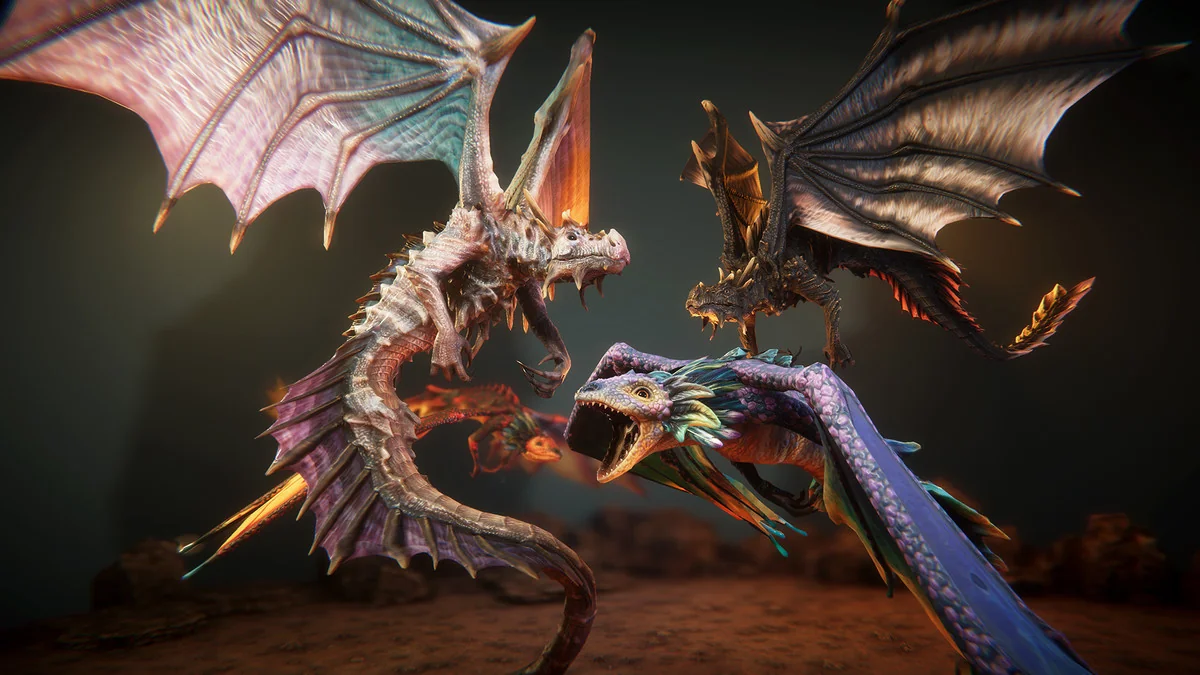
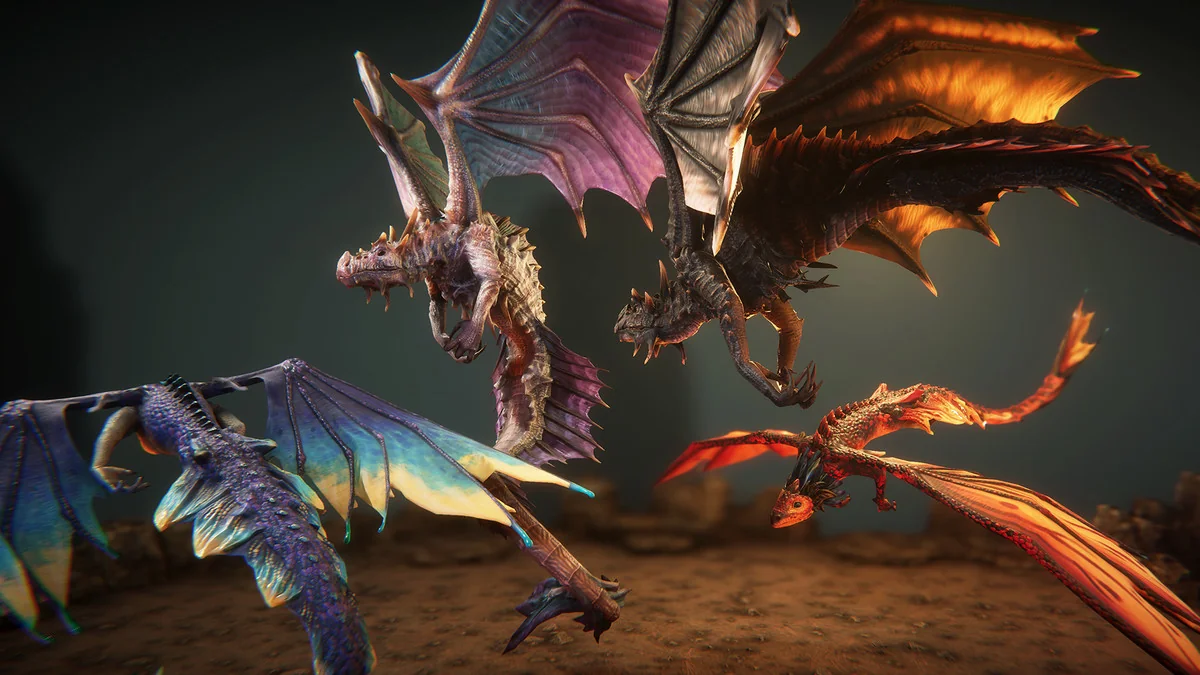
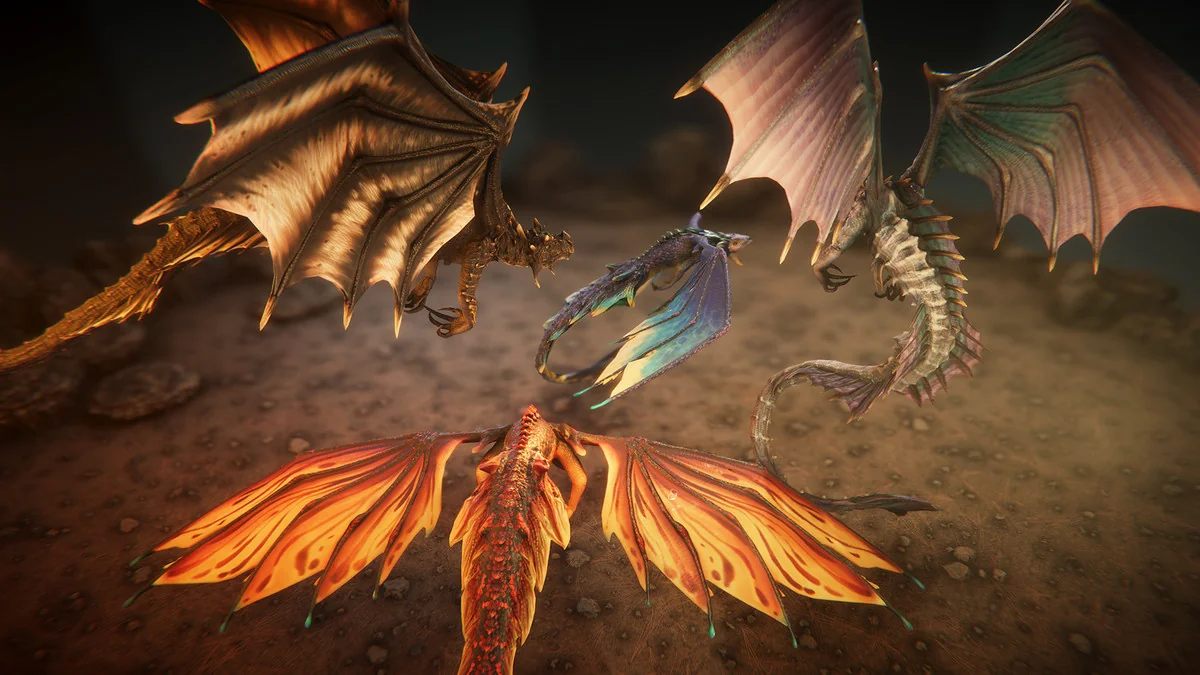
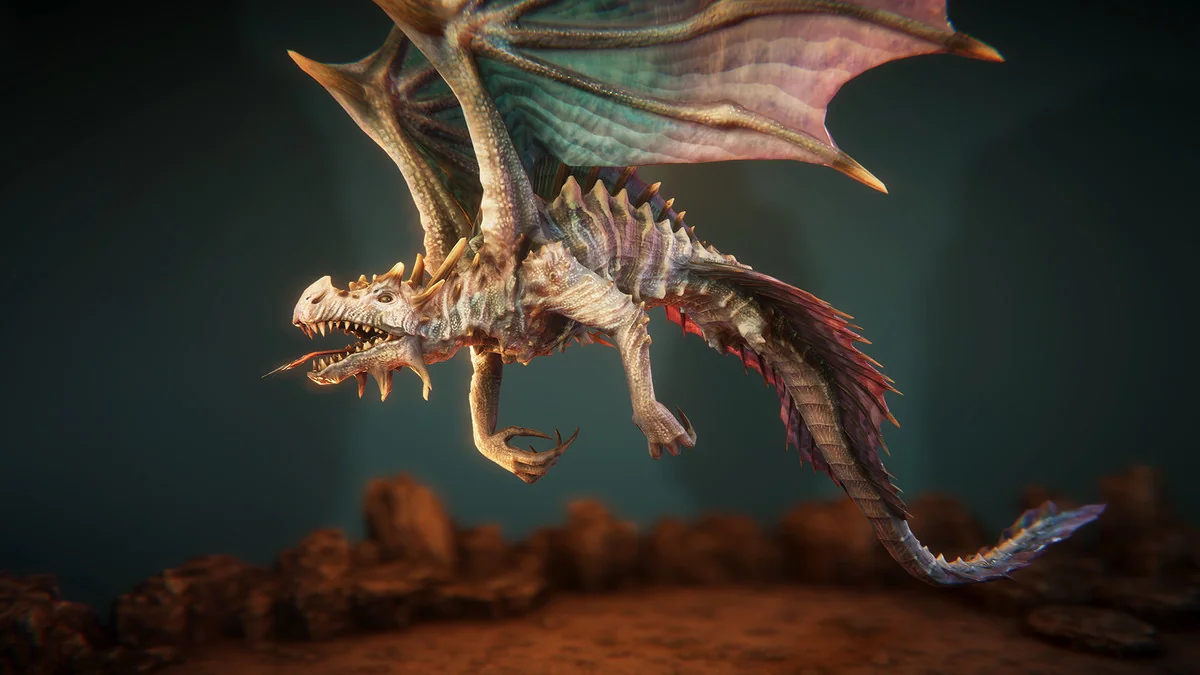
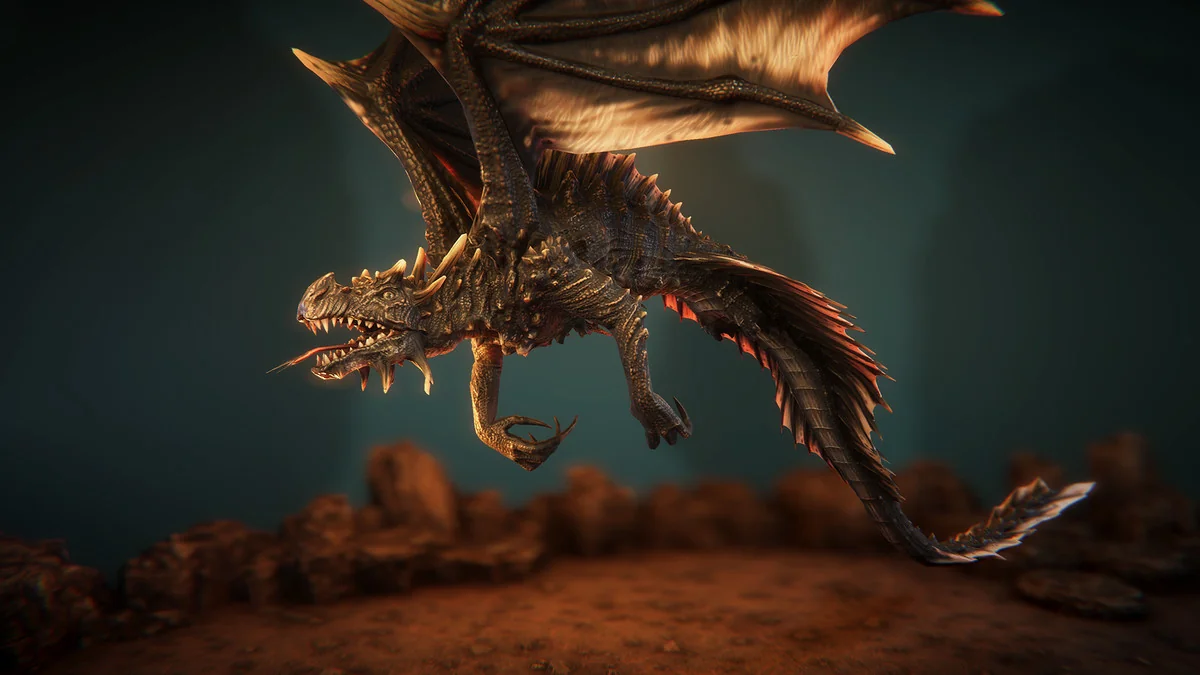
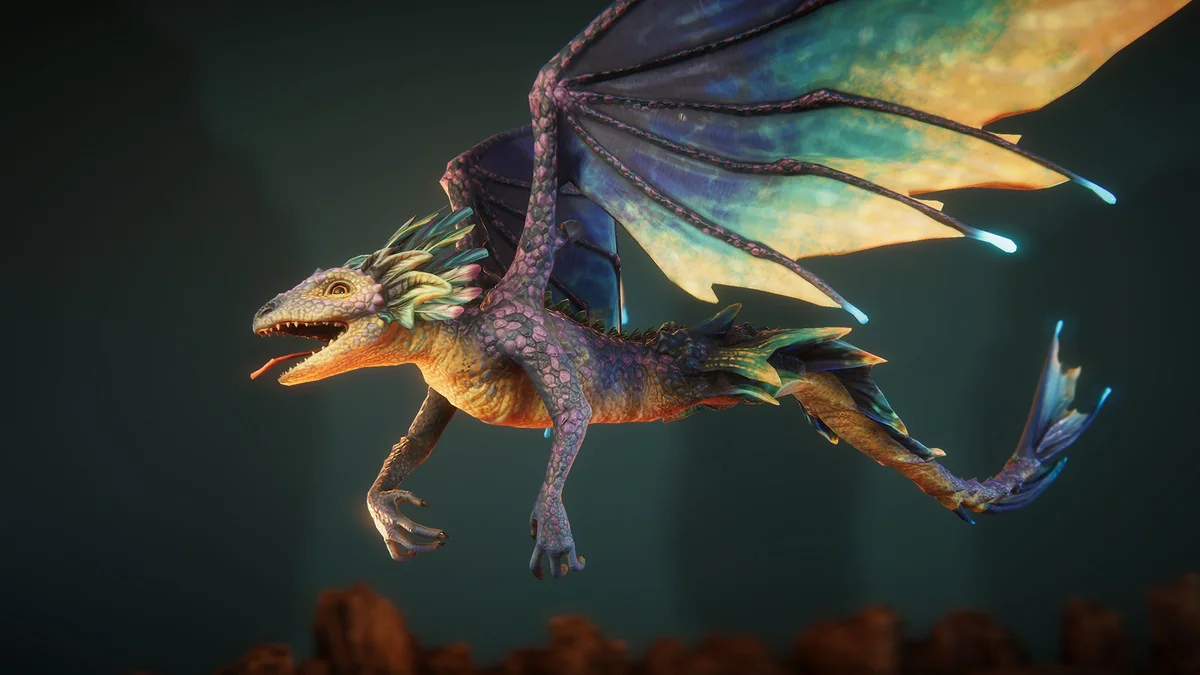
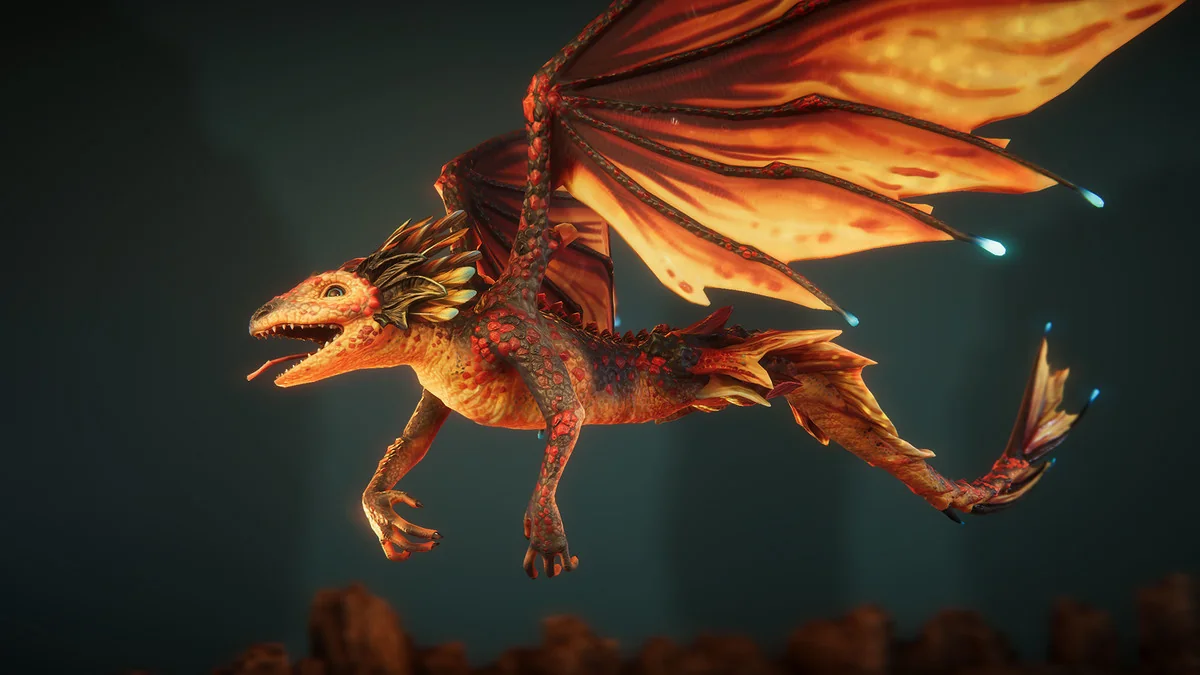
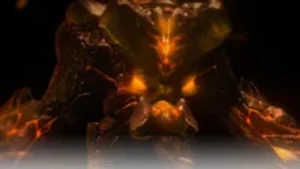
The Wyrms asset pack provides two distinct character models, each designed to fill the role of a mystical creature within a 3D environment. These models are differentiated not only by their visual design but also by their geometric density. The first model, Wyrm1, consists of 26,461 triangles, while the second model, Wyrm2, is slightly leaner at 21,534 triangles. This variation in polygon count allows for a degree of flexibility when populating scenes, ensuring that the creatures can serve as prominent focal points or as part of a larger group of enemies.
To further differentiate these creatures, the developer has included two different PBR material sets for each wyrm. This results in four distinct visual appearances available across the two base models. By utilizing PBR (Physically Based Rendering) materials, the surfaces of these creatures are built to react realistically to lighting conditions within the scene, maintaining visual consistency across different times of day or environmental settings.
A Specialized 14-Animation Suite
Functionality is a core component of this pack, which includes a list of 14 specific animations designed to cover a wide range of gameplay and cinematic behaviors. These animations allow the wyrms to transition between ground-based presence and aerial maneuvers. The inclusion of both a landing animation and a takeoff animation provides the necessary logic for developers to create seamless transitions between different states of movement.
For aerial encounters, the pack offers both fast and slow flying animations, which can be used to vary the pace of a creature’s approach or patrol pattern. While in the air, the wyrms can utilize an idle animation to maintain their position. On the ground, a separate land-based idle animation ensures the creature looks natural when not in flight. This dual-state idle system is essential for creating believable creature AI that interacts with the terrain as much as the sky.
Combat and Feedback Mechanics
Interaction within a game environment often requires robust combat feedback, and this asset addresses that through specific attack and reaction clips. There are three distinct attack animations provided, allowing for variety in how the wyrms engage with other characters or the player. This variety helps prevent repetitive combat sequences and allows for more complex encounter design.
Defensive feedback is equally detailed, featuring animations for getting hit from four different sides. This directional hit system allows developers to trigger specific reactions based on where an impact occurs, adding a layer of physical weight to combat interactions. Should a wyrm be defeated, two different death animations are available, providing options for how the creature finally falls in the game world.
Technical Integration and Pipeline Support
The technical structure of the Wyrms asset is designed to accommodate various rendering workflows. It includes support for both the Universal Render Pipeline (URP) and the High Definition Render Pipeline (HDRP) through specific shaders. This ensures that whether a project is targeting performance-oriented platforms or high-end visual fidelity, the creatures can be integrated without significant shader reworking.
The package contains a total of 223 assets, contributing to a total file size of 1.3 GB. Originally published for Unity version 2020.2.6, the asset maintains compatibility with that version’s built-in release and subsequent render pipeline configurations. This substantial asset count suggests a deep level of organizational structure, covering the models, textures, and the full animation library required to bring these mystical lizards to life in a fantasy or RPG setting.
Application in Fantasy World-Building
Given the attributes of these creatures—ranging from their “ancient” and “mystical” tags to their dragon-like lizard appearance—they are primarily suited for fantasy RPGs or adventure titles. The combination of high-resolution PBR materials and a versatile animation set allows them to function as either formidable enemies or atmospheric background creatures. Because they possess both flying and landing capabilities, they can be utilized in open-world environments where verticality and movement across different terrain levels are key components of the exploration experience.
Asset Gallery