"95fdaf16012263fa"{"id":"1002355","slug":"steam-locomotive","title":"Steam Locomotive","category":"Trains","engine":"4.26+,5.0+","assetVersion":"","engineVersion":"Engine Version: 4.26+,5.0+","tag":"Trains","accent":"blue","visual":"mech","summary":"A fully textured old German steam locomotive based on DRG class 24, with an animated rod mechanism for rail, vehicle, and engine-focused scenes.","platform":"Unreal Engine","indexPolicy":"index","publishedAt":"2026-11-06T07:01:50.481Z","updatedAt":"2026-11-06T07:01:50.481Z","sourceNotes":[],"fileContents":[],"compatibility":["Unreal Engine","Engine Version: 4.26+,5.0+"],"featuredImage":{"alt":"Steam Locomotive","src":"/wp-content/uploads/published/2026/11/f82f3528d3b8-d84222b3-310b-44e8-a24b-9759576a4033-f67e9ef24e.webp"},"hasDownloadLink":true,"downloads":0,"terms":[{"taxonomy":"category","slug":"trains","name":"Trains"}],"galleryImages":[{"src":"/wp-content/uploads/published/2026/11/966a768eaea1-49f2bb48-d4a8-4a79-8bcf-51a825232ad4-d761882dc7.webp","alt":"Steam Locomotive"},{"src":"/wp-content/uploads/published/2026/11/dd37f8aa2801-ac0808c4-e15c-41e7-8196-452ad60a5fe1-fa9a166857.webp","alt":"Steam Locomotive"},{"src":"/wp-content/uploads/published/2026/11/22ca54297673-c70d837c-3f85-40e9-b63c-299cdc75803f-fb08db667e.webp","alt":"Steam Locomotive"},{"src":"/wp-content/uploads/published/2026/11/1d09e683f649-c0f85663-4593-49ba-9410-3fd6148e11b9-cceab9599c.webp","alt":"Steam Locomotive"},{"src":"/wp-content/uploads/published/2026/11/66348ea7e3ed-dd5260e3-4d55-46d2-b7fb-f04632ff3011-b72f1467d8.webp","alt":"Steam Locomotive"},{"src":"/wp-content/uploads/published/2026/11/aebed64eda1d-21788f9e-3e68-4e0c-998a-25cd2b8a9e96-bfe6aa4b01.webp","alt":"Steam Locomotive"},{"src":"/wp-content/uploads/published/2026/11/8595018232b0-223135f3-47ef-4bbd-a152-936ee57fcc26-066f0f47f2.webp","alt":"Steam Locomotive"}],"accessPanel":{"kind":"resource","title":"Get this resource","eyebrow":"Free resource","message":"3DCGHUB is the service provider for this listing. Access is fulfilled through the official publisher channel.","fileName":"Steam Locomotive.7z","safetyNote":"Resources are manually reviewed before listing to improve quality and reduce obvious risks.","actionLabel":"Get this resource","resourceType":"Resource archive","versions":[]},"contentHtml":"\u003cp\u003eA rail scene gains a working mechanical rhythm when the rod mechanism moves. This old German steam locomotive carries that motion as an animated part of the model, while the rest of the engine is fully textured. The reference point is DRG class 24, giving the train a specific German steam-era identity rather than a generic locomotive shape.\u003c/p\u003e \u003ch2\u003eAnimated rods give the DRG class 24 model a working center\u003c/h2\u003e\n\u003cp\u003eThe rod mechanism is the detail that changes how the locomotive reads in motion. A static train model can hold a track position, but moving rods give the eye a mechanical event to follow. That makes the model more than a parked shell: it has a visible working part that can carry a shot, a turntable moment, or a slow pass.\u003c/p\u003e\n\u003cp\u003eThe animation is concentrated in the rod mechanism, so the moving rods are the clear mechanical event in the model. That focus is useful. A scene builder knows exactly what will move and can plan the camera around the rods rather than assuming a full simulation.\u003c/p\u003e\n\u003cp\u003eFor a close view of the running gear, the animated rods offer a natural focal point. For a wider rail scene, the same motion keeps the locomotive from feeling inert when it sits at the head of a train. The effect is mechanical and specific to a steam locomotive, which is the behavior the model puts first.\u003c/p\u003e \u003ch2\u003eFully textured surfaces across an old German engine\u003c/h2\u003e\n\u003cp\u003eTexturing covers the model, so the locomotive's forms are not left as bare geometry. That matters on a steam engine, where the boiler, frame, and rod assembly create large surfaces and tight mechanical areas in the same object. Full texturing lets those areas hold visual detail across both broad and close views.\u003c/p\u003e\n\u003cp\u003eThe Old and Realistic tags set the intended visual register. This is not a bright toy train or a stylized caricature; it is an old German locomotive based on a named class. The DRG class 24 reference gives the model a historical anchor, and the texturing supports that identity across the body and mechanical parts.\u003c/p\u003e\n\u003cp\u003eBecause the model is fully textured, it can serve as a hero vehicle in a rail shot or as a believable part of a larger rail environment. The same surface work remains relevant whether the camera is far enough to see the whole engine or close enough to study the rods.\u003c/p\u003e \u003ch2\u003eRail, Railway, Train: the tag set as a scene map\u003c/h2\u003e\n\u003cp\u003eThe tags attached to the model outline its place in a project. Rail and Railway point to track infrastructure. Train and Steam describe the vehicle and its power source. Vehicle and Engine identify the mechanical subject. Transport gives it a broader role, while Old and Realistic set the period and visual tone.\u003c/p\u003e\n\u003cp\u003eRead together, those terms describe a steam locomotive that belongs in rail settings rather than a generic vehicle lineup. A station platform, a depot, a length of track, or a transport-themed layout can all use the model without changing what it is. The tags do not promise a full railway kit; they locate the locomotive inside railway and transport contexts.\u003c/p\u003e\n\u003cp\u003eThe word Realistic is paired with Old, not with modern. That combination is the clearest guide to placement. The locomotive fits scenes that want an aged steam-era train, and the DRG class 24 reference gives that old character a specific class to stand on.\u003c/p\u003e \u003ch2\u003eWhere the locomotive earns its place in a project\u003c/h2\u003e\n\u003cp\u003eRail-focused scenes are the most direct use. The model can anchor a station view, sit in a depot, or form part of a rail transport sequence. Its animated rods give those scenes a moving mechanical detail, while its full texturing keeps the engine visually grounded when the camera moves closer.\u003c/p\u003e\n\u003cp\u003eVehicle and engine close-ups are another natural fit. A shot structured through the rod mechanism can use the animation as the main action. A wider shot can treat the locomotive as the central rail vehicle. In both cases, the model's identity as an old German steam engine is the point, not an incidental detail.\u003c/p\u003e\n\u003cp\u003eTransport-themed projects can use the locomotive as a clear rail element. The Transport tag is broad, but the model itself is specific: a steam train on rails, with a named class reference and a working rod mechanism. That specificity helps a scene read as rail traffic rather than generic industrial motion.\u003c/p\u003e\n\u003cp\u003eHistorical or period rail scenes benefit from the DRG class 24 base. The model does not need to carry a whole railway system to be useful. One textured locomotive with animated rods can supply the rail vehicle, the engine subject, and the old train character in a single object.\u003c/p\u003e \u003ch2\u003eWho gets the most from this old steam train model\u003c/h2\u003e\n\u003cp\u003eTeams building rail scenes with a period steam focus will find the clearest use. The model gives them a fully textured locomotive, a specific DRG class 24 reference, and an animated rod mechanism without asking them to assemble those qualities from separate parts.\u003c/p\u003e\n\u003cp\u003eArtists who need an engine close-up or a vehicle hero shot also benefit. The moving rods provide a built-in focal point, and the full texturing supports the camera moving in. For a transport scene that needs a recognizable rail vehicle, the tag set and the locomotive's form make its role easy to read.\u003c/p\u003e\n\u003cp\u003eThe strongest takeaway is the combination: an old German steam locomotive, full texturing, and animated rods in one model. That combination is what makes the Steam Locomotive useful when a rail scene needs a working steam-era engine rather than a static train shape.\u003c/p\u003e\n\n\u003ch2\u003eMore From The Same Workflow\u003c/h2\u003e\n\u003cul\u003e\n\u003cli\u003e\u003ca href=\"https://3dcghub.com/ultimate-train-system-train-locomotive-steam-engine-wild-west-train/\" rel=\"noopener noreferrer\"\u003eUltimate Train System (Train, Locomotive, Steam Engine, Wild West Train)\u003c/a\u003e\u003c/li\u003e\n\u003cli\u003e\u003ca href=\"https://3dcghub.com/vintage-train/\" rel=\"noopener noreferrer\"\u003eVintage train\u003c/a\u003e\u003c/li\u003e\n\u003cli\u003e\u003ca href=\"https://3dcghub.com/soviet-electric-locomotive/\" rel=\"noopener noreferrer\"\u003eSoviet Electric Locomotive\u003c/a\u003e\u003c/li\u003e\n\u003cli\u003e\u003ca href=\"https://3dcghub.com/classic-vehicles-bundle-driveable-functional-classic-vehicles-car-cars-3d/\" rel=\"noopener noreferrer\"\u003eClassic Vehicles Bundle / Driveable / Functional (Classic Vehicles Car Cars 3D)\u003c/a\u003e\u003c/li\u003e\n\u003cli\u003e\u003ca href=\"https://3dcghub.com/steam-trains-and-stations-low-poly/\" rel=\"noopener noreferrer\"\u003eSteam Trains and Stations (Low Poly)\u003c/a\u003e\u003c/li\u003e\n\u003c/ul\u003e","contentTextLength":5615,"navigation":{"current":13,"total":4291,"previous":{"id":"1002356","slug":"stone-age-environment","title":"Stone Age Environment","category":"Historical","platform":"Unreal Engine","updatedAt":"2026-11-06T07:02:55.147Z"},"next":{"id":"1002354","slug":"space-music-pack","title":"Space Music Pack","category":"Music","platform":"Unreal Engine","updatedAt":"2026-11-06T07:00:40.875Z"}},"relatedResources":[{"id":"1000703","slug":"ultimate-train-system-train-locomotive-steam-engine-wild-west-train","title":"Ultimate Train System (Train, Locomotive, Steam Engine, Wild West Train)","category":"Trains","engine":"5.1+","assetVersion":"","engineVersion":"Engine Version: 5.1+","tag":"Trains","accent":"blue","visual":"mech","summary":"A comprehensive train and locomotive blueprint system featuring a wild west Canyon demo map, modular smart carts, spline snapping rails, and full VFX.","platform":"Unreal Engine","indexPolicy":"index","publishedAt":"2026-07-24T00:46:43.909Z","updatedAt":"2026-07-24T00:46:43.909Z","sourceNotes":[],"fileContents":[],"compatibility":["Unreal Engine","Engine Version: 5.1+"],"featuredImage":{"alt":"Ultimate Train System (Train, Locomotive, Steam Engine, Wild West Train)","src":"/wp-content/uploads/published/2026/07/d5fce1e52a39-4446054c-f677-4496-98b4-a722dabf852f-01ccf08ec5.webp"},"hasDownloadLink":true,"downloads":0},{"id":"1001372","slug":"vintage-train","title":"Vintage train","category":"Trains","engine":"4.25+,5.0+","assetVersion":"","engineVersion":"Engine Version: 4.25+,5.0+","tag":"Trains","accent":"blue","visual":"mech","summary":"Examine the animated Vintage train asset pack, featuring a 128,800-triangle vintage locomotive alongside tender, hopper, freight, and coach wagons.","platform":"Unreal Engine","indexPolicy":"index","publishedAt":"2026-10-04T10:39:53.047Z","updatedAt":"2026-10-04T10:39:53.047Z","sourceNotes":[],"fileContents":[],"compatibility":["Unreal Engine","Engine Version: 4.25+,5.0+"],"featuredImage":{"alt":"Vintage train","src":"/wp-content/uploads/published/2026/10/0e167efa526f-ef01bd2e-91e1-42e3-872f-27a70dde532e-0489bdb2df.webp"},"hasDownloadLink":true,"downloads":0},{"id":"1000682","slug":"soviet-electric-locomotive","title":"Soviet Electric Locomotive","category":"Trains","engine":"4.27,5.0+","assetVersion":"","engineVersion":"Engine Version: 4.27,5.0+","tag":"Trains","accent":"blue","visual":"mech","summary":"Game-ready Soviet Electric Locomotive 3D model with railway tracks and trolley props. PBR materials, ORM texture sets, Unreal Engine blueprint, Unity and Blende","platform":"Unreal Engine","indexPolicy":"index","publishedAt":"2026-07-22T15:43:21.918Z","updatedAt":"2026-07-22T15:43:21.918Z","sourceNotes":[],"fileContents":[],"compatibility":["Unreal Engine","Engine Version: 4.27,5.0+"],"featuredImage":{"alt":"Soviet Electric Locomotive","src":"/wp-content/uploads/published/2026/07/f58379deba0c-d1b2c520-c892-448f-b4c4-37d7372ac634-504cfdce01.webp"},"hasDownloadLink":true,"downloads":0}]}
Trains
Steam Locomotive
A fully textured old German steam locomotive based on DRG class 24, with an animated rod mechanism for rail, vehicle, and engine-focused scenes.
Category:Unreal Engine,TrainsPlatform: Unreal EngineEngine Version: 4.26+,5.0+Published: Nov 6, 2026
Trains
Resource overview
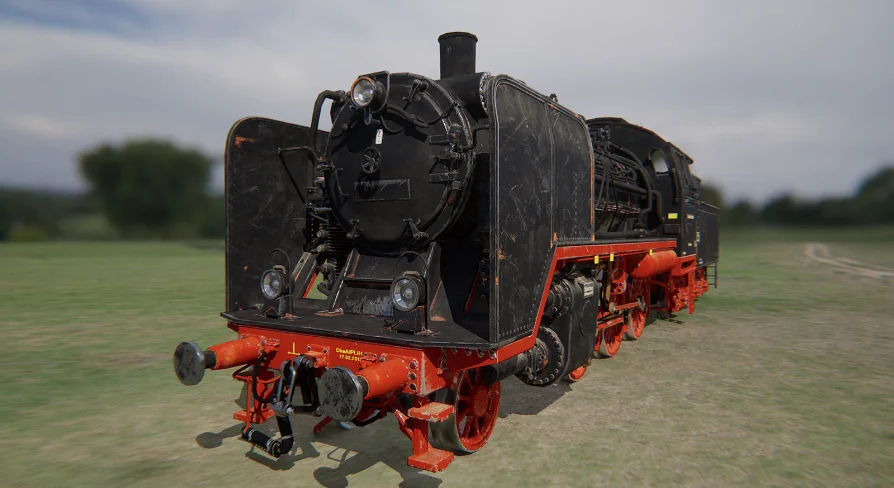
A rail scene gains a working mechanical rhythm when the rod mechanism moves. This old German steam locomotive carries that motion as an animated part of the model, while the rest of the engine is fully textured. The reference point is DRG class 24, giving the train a specific German steam-era identity rather than a generic locomotive shape.
Animated rods give the DRG class 24 model a working center
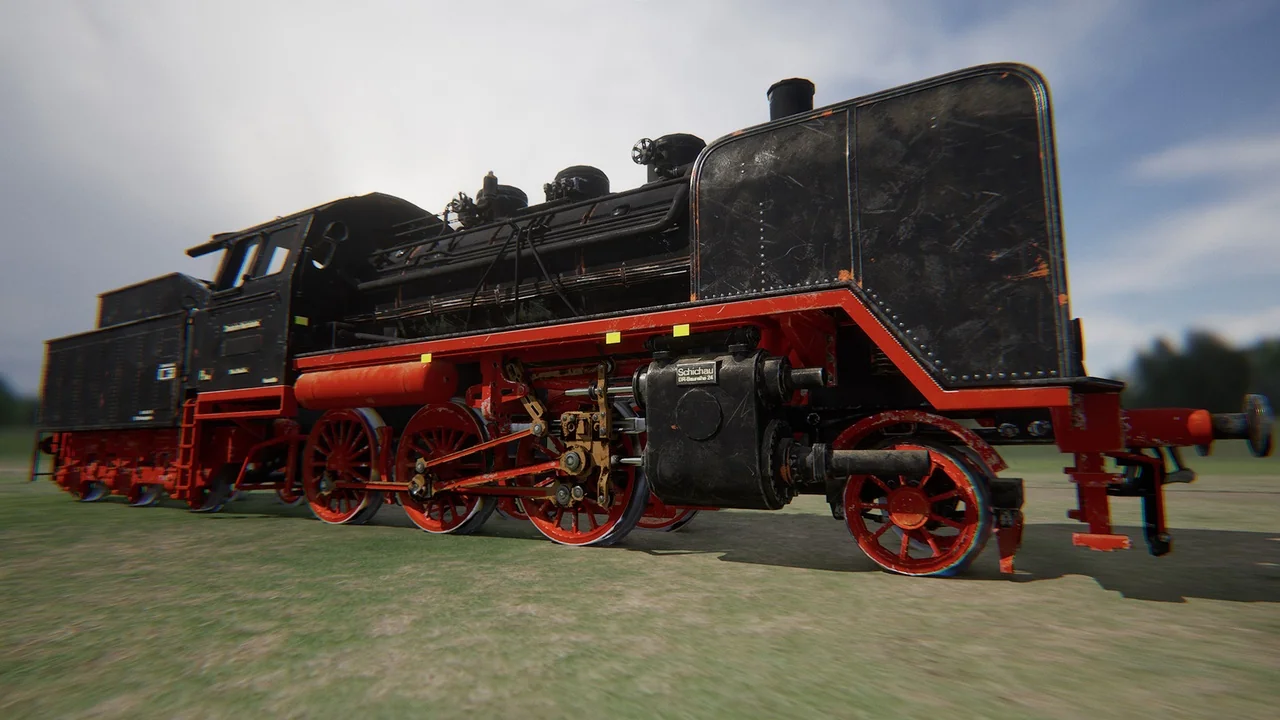
The rod mechanism is the detail that changes how the locomotive reads in motion. A static train model can hold a track position, but moving rods give the eye a mechanical event to follow. That makes the model more than a parked shell: it has a visible working part that can carry a shot, a turntable moment, or a slow pass.
The animation is concentrated in the rod mechanism, so the moving rods are the clear mechanical event in the model. That focus is useful. A scene builder knows exactly what will move and can plan the camera around the rods rather than assuming a full simulation.
For a close view of the running gear, the animated rods offer a natural focal point. For a wider rail scene, the same motion keeps the locomotive from feeling inert when it sits at the head of a train. The effect is mechanical and specific to a steam locomotive, which is the behavior the model puts first.
Fully textured surfaces across an old German engine
Texturing covers the model, so the locomotive's forms are not left as bare geometry. That matters on a steam engine, where the boiler, frame, and rod assembly create large surfaces and tight mechanical areas in the same object. Full texturing lets those areas hold visual detail across both broad and close views.
The Old and Realistic tags set the intended visual register. This is not a bright toy train or a stylized caricature; it is an old German locomotive based on a named class. The DRG class 24 reference gives the model a historical anchor, and the texturing supports that identity across the body and mechanical parts.
Because the model is fully textured, it can serve as a hero vehicle in a rail shot or as a believable part of a larger rail environment. The same surface work remains relevant whether the camera is far enough to see the whole engine or close enough to study the rods.
Rail, Railway, Train: the tag set as a scene map
The tags attached to the model outline its place in a project. Rail and Railway point to track infrastructure. Train and Steam describe the vehicle and its power source. Vehicle and Engine identify the mechanical subject. Transport gives it a broader role, while Old and Realistic set the period and visual tone.
Read together, those terms describe a steam locomotive that belongs in rail settings rather than a generic vehicle lineup. A station platform, a depot, a length of track, or a transport-themed layout can all use the model without changing what it is. The tags do not promise a full railway kit; they locate the locomotive inside railway and transport contexts.
The word Realistic is paired with Old, not with modern. That combination is the clearest guide to placement. The locomotive fits scenes that want an aged steam-era train, and the DRG class 24 reference gives that old character a specific class to stand on.
Where the locomotive earns its place in a project
Rail-focused scenes are the most direct use. The model can anchor a station view, sit in a depot, or form part of a rail transport sequence. Its animated rods give those scenes a moving mechanical detail, while its full texturing keeps the engine visually grounded when the camera moves closer.
Vehicle and engine close-ups are another natural fit. A shot structured through the rod mechanism can use the animation as the main action. A wider shot can treat the locomotive as the central rail vehicle. In both cases, the model's identity as an old German steam engine is the point, not an incidental detail.
Transport-themed projects can use the locomotive as a clear rail element. The Transport tag is broad, but the model itself is specific: a steam train on rails, with a named class reference and a working rod mechanism. That specificity helps a scene read as rail traffic rather than generic industrial motion.
Historical or period rail scenes benefit from the DRG class 24 base. The model does not need to carry a whole railway system to be useful. One textured locomotive with animated rods can supply the rail vehicle, the engine subject, and the old train character in a single object.
Who gets the most from this old steam train model
Teams building rail scenes with a period steam focus will find the clearest use. The model gives them a fully textured locomotive, a specific DRG class 24 reference, and an animated rod mechanism without asking them to assemble those qualities from separate parts.
Artists who need an engine close-up or a vehicle hero shot also benefit. The moving rods provide a built-in focal point, and the full texturing supports the camera moving in. For a transport scene that needs a recognizable rail vehicle, the tag set and the locomotive's form make its role easy to read.
The strongest takeaway is the combination: an old German steam locomotive, full texturing, and animated rods in one model. That combination is what makes the Steam Locomotive useful when a rail scene needs a working steam-era engine rather than a static train shape.
 Trains
 Trains
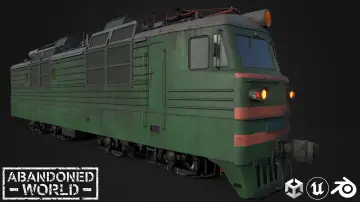
 Trains
 Trains