Constructing Level Editors and Modeling Applications
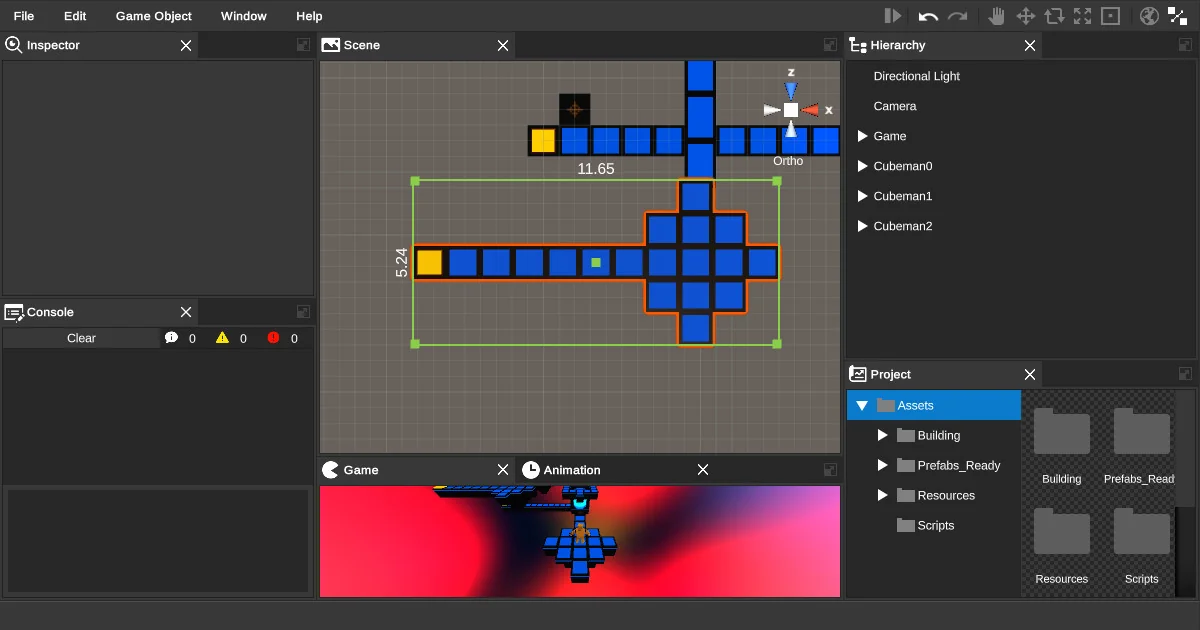
Runtime Editor functions as a specialized framework of scripts and prefabs for developers who need to implement complex editing features within a running application. It is designed to facilitate the creation of scene editors, game level designers, or standalone modeling applications by providing the core logic and interface components typically found in professional development environments. The system extends familiar Unity concepts, such as prefabs and prefab variants, to the runtime environment, allowing for sophisticated asset manipulation outside of the standard Unity Editor.
Core Manipulation and Scene Navigation
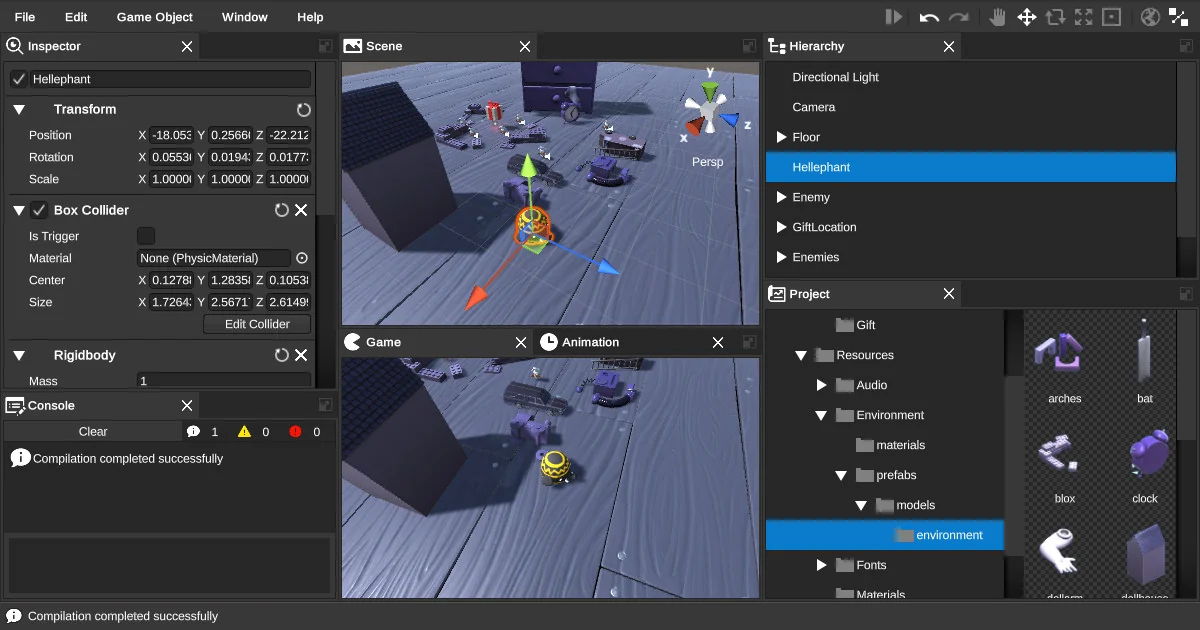
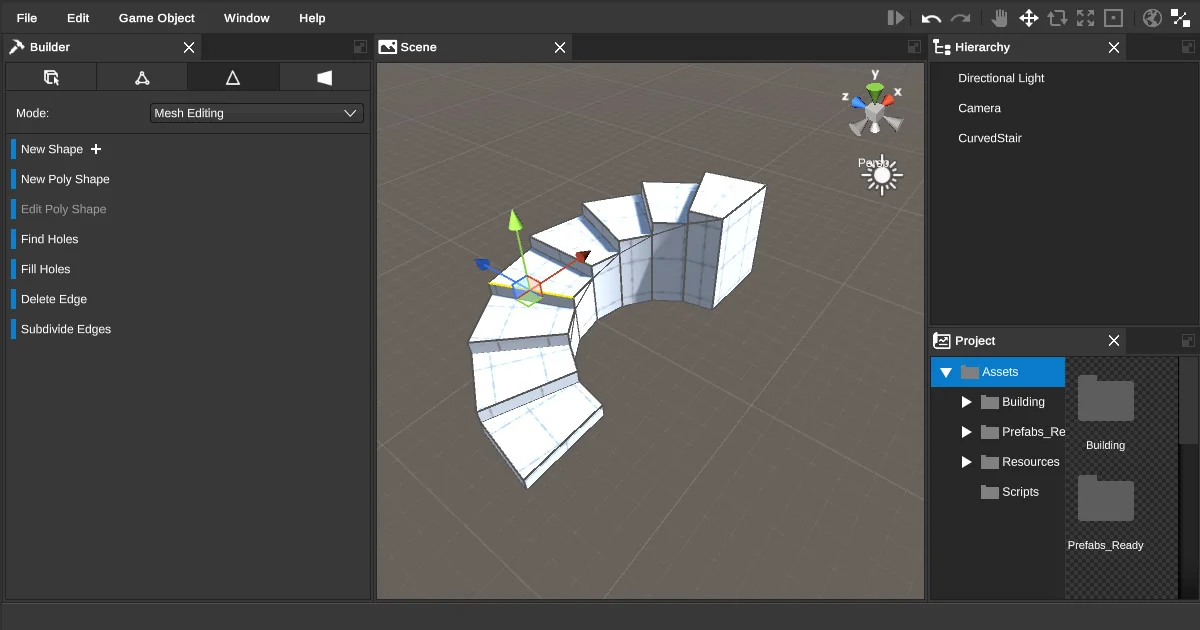
To enable precise interaction with objects, the package includes transform handles for position, rotation, and scale. These handles operate in both global and local coordinates, with support for local and center pivot point modes. For users requiring high precision, the system incorporates vertex and grid snapping alongside box and grid selection methods. Navigation within the workspace is handled through a scene gizmo and support for both orthographic and perspective views, mirroring the standard navigation workflows found in professional 3D software.
The visual representation of non-mesh components is managed through dedicated gizmos for colliders, light sources, and audio sources. This ensures that the spatial relationships of invisible game elements remain clear to the user during the editing process. Additionally, the system provides mobile-specific transform handles to accommodate touch-based interactions on portable devices.
Interface Management and Property Editing
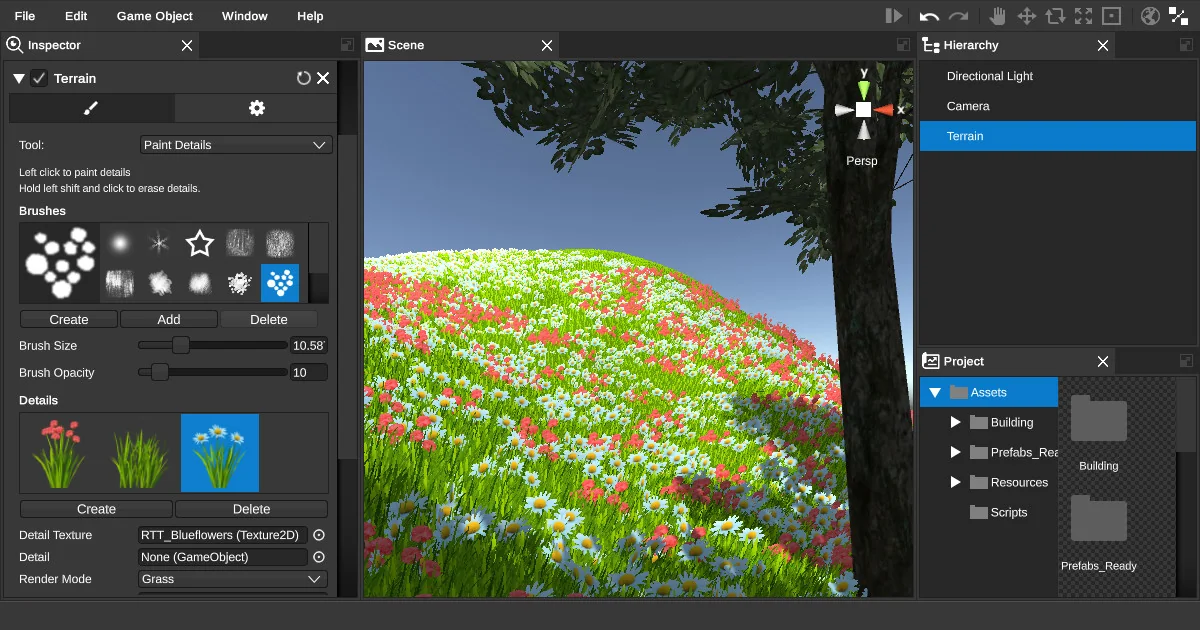
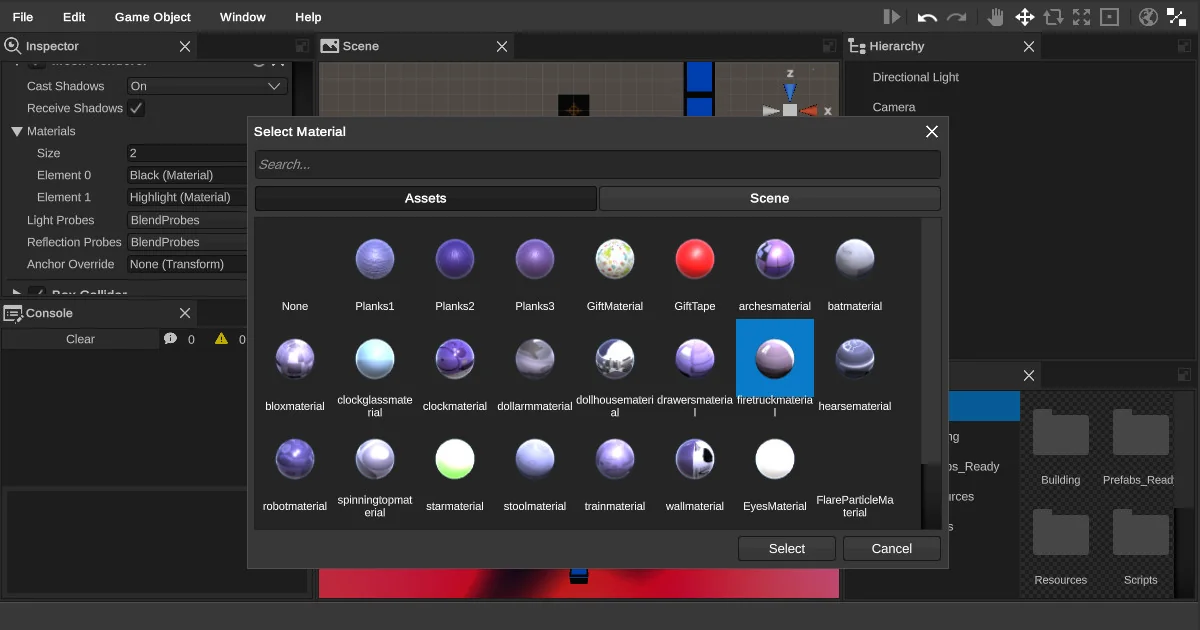
The user interface is built on a modular system of dock panels, windows, and dialog boxes. It features a fast virtualizing tree view for managing large hierarchies and a configurable inspector that supports over 20 built-in property editors. These editors allow for direct modification of components and materials at runtime. Developers can also utilize the Add Component control to dynamically expand object functionality during a session.
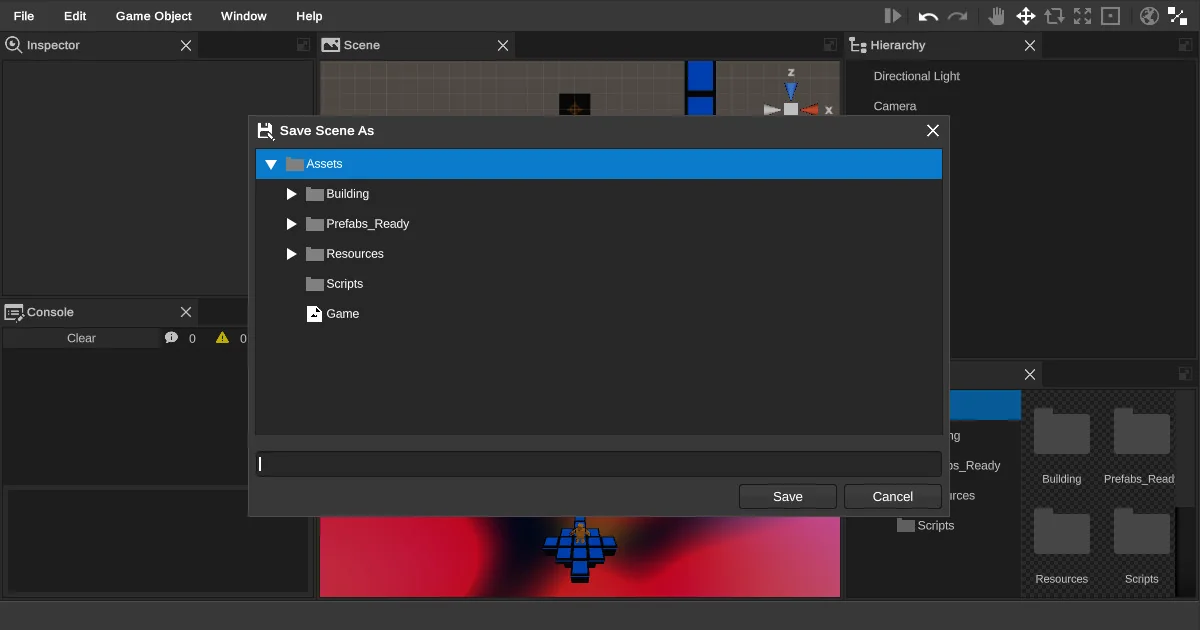
To manage the application’s flow, the toolset includes configurable main and context menus, as well as messaging systems for confirmations and alerts. This UI layer is designed to be extensible, allowing for the addition of custom windows to suit specific project requirements. Support for multiple projects, scenes, and cameras ensures that the editor can handle complex data structures without performance degradation.
Backend Architecture and Asset Handling
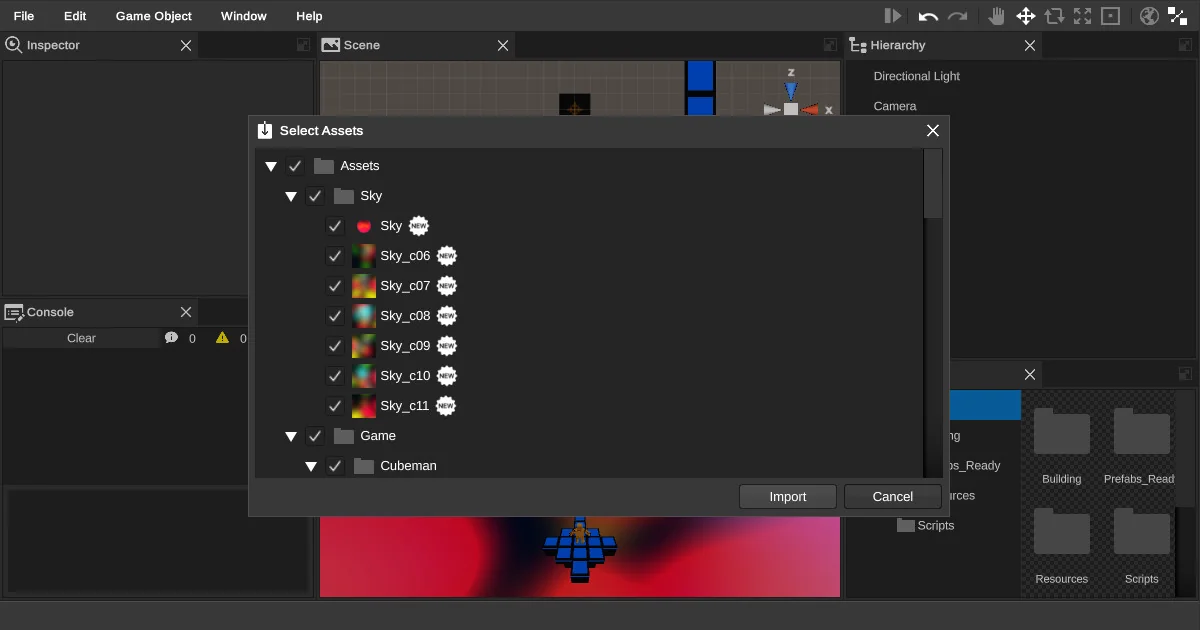
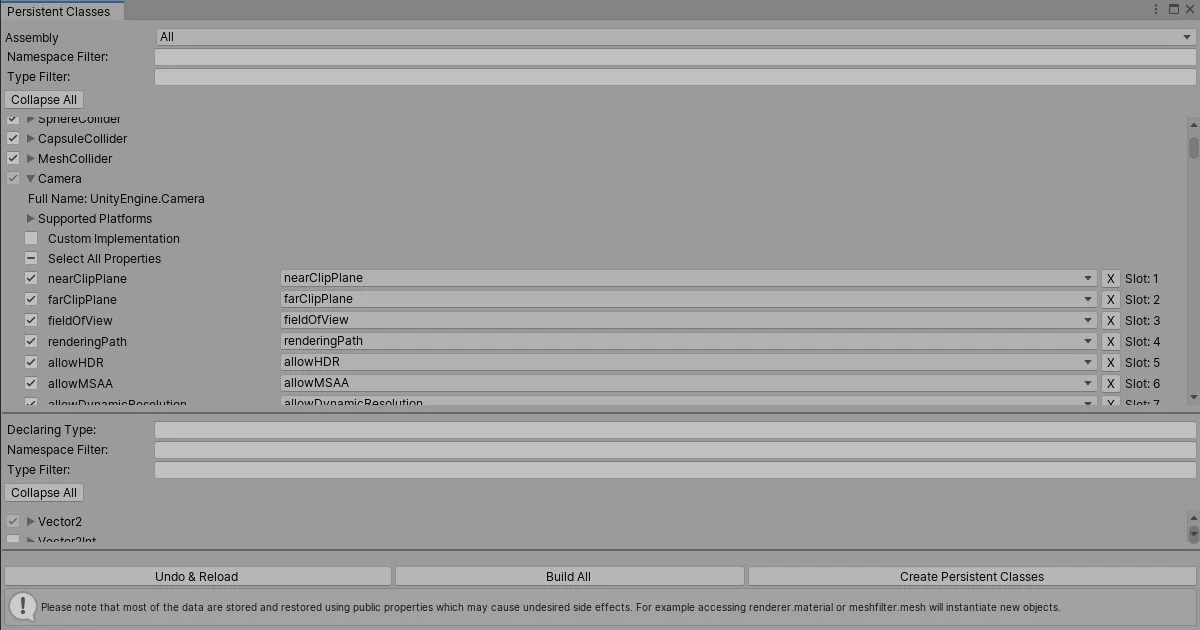
At the technical level, Runtime Editor relies on a Runtime Asset Database to manage resources. It provides full support for Addressables, allowing for efficient loading and unloading of assets. The framework includes a robust Undo and Redo API and an Object Selection API to track user actions and state changes. Object life-cycle events are integrated to help developers trigger specific logic when items are created, modified, or destroyed.
The package integrates several external libraries to handle its core functions, including the Roslyn .NET compiler for script handling, protobuf-net for data serialization, and SharpZipLib for compression. It also includes an HSV Color Picker and Jint. For rendering, the system is compatible with the Built-in Render Pipeline, the Universal Render Pipeline (URP), and the High Definition Render Pipeline (HDRP).
Workflow Integration and Pipeline Support
The toolset is intended for projects that require a bridge between “Play” and “Edit” modes, allowing users to toggle between testing a game and modifying its environment. Recent updates have addressed compatibility with modern Unity versions, including fixes for TerrainData deserialization, mobile context menu interactions, and compiler errors within the URP support package. The system is designed to handle multiple selected objects simultaneously, enabling bulk editing of components and materials across a selection set.
Preview Images
Protected download
Access this resource
All resources are 100% manually reviewed to eliminate all risks.