Modular Construction and Building Stages
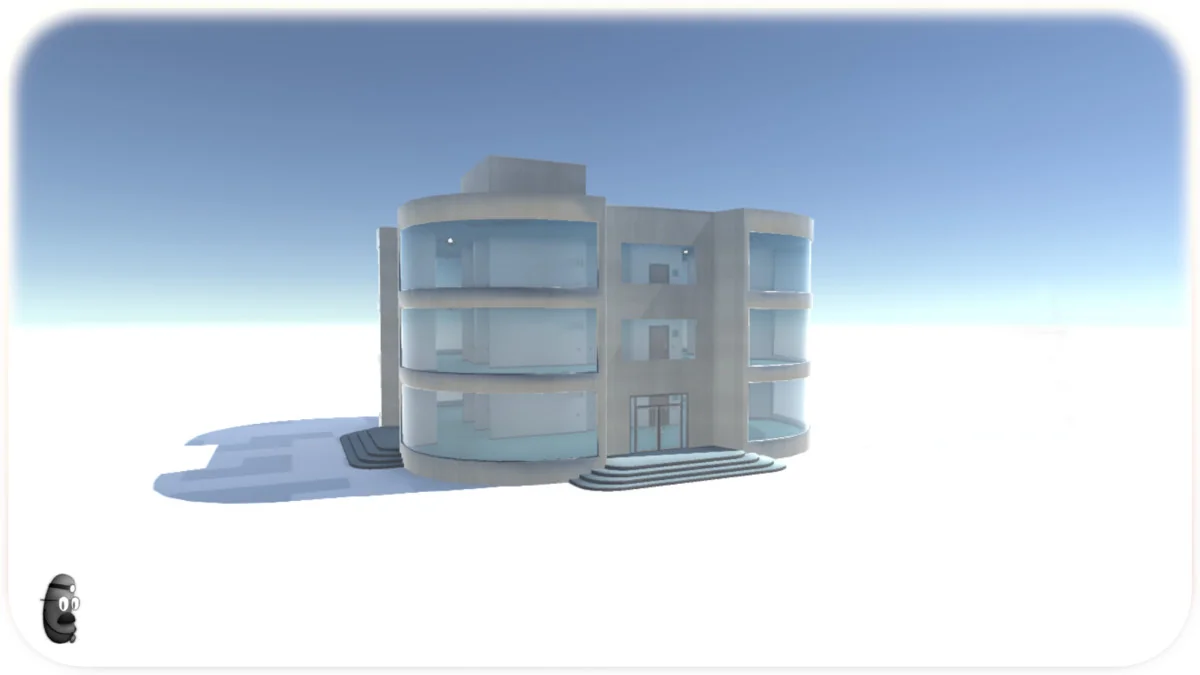
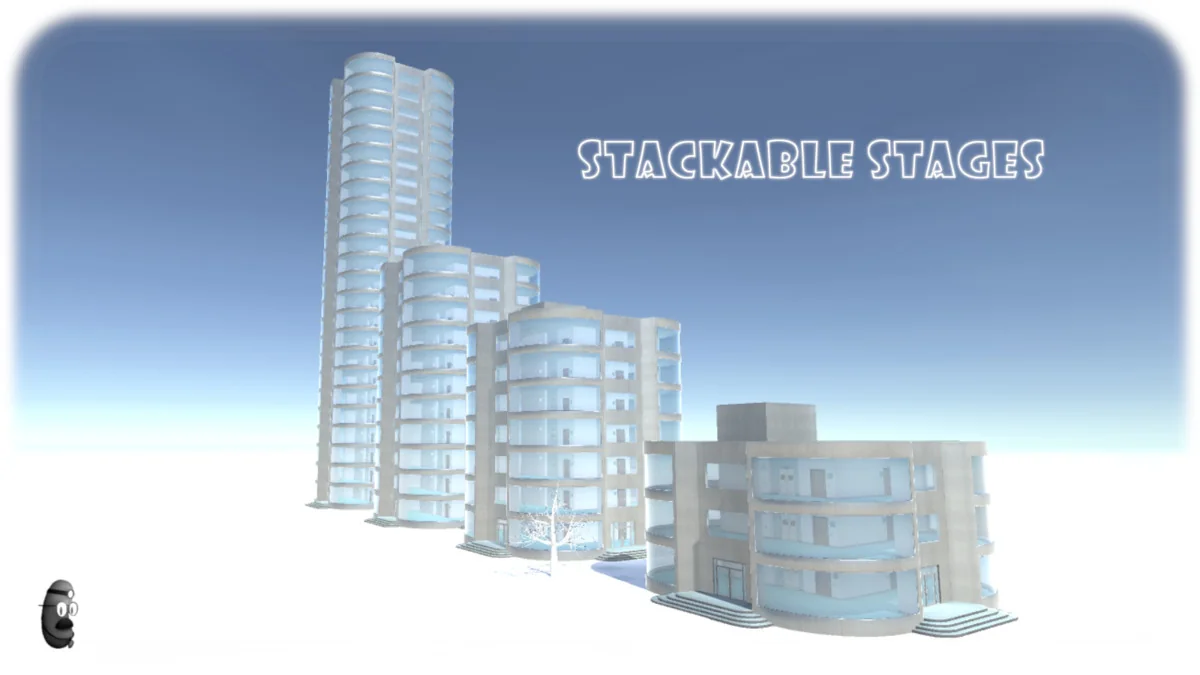
The OpenOfficeBuildings package is designed around a modular philosophy that allows for the systematic construction of interior office spaces. At the core of the asset are 111 FBX files, which were developed on DX11. These files are organized to facilitate a specific workflow where building parts are grouped stage by stage. This organizational structure is particularly useful for developers who need to manage complex scene hierarchies or who wish to build structures floor-by-floor with clear divisions between architectural components.
For those who prefer a more streamlined import process or a reference point for the entire assembly, the creator has included an all-in-one FBX file that contains the building parts in a single location. This allows for a quick overview of the kit’s scale and aesthetic before diving into the individual modular pieces. The modular nature of the 111 files ensures that the layout of the office can be adjusted to fit the specific footprint of a game level or architectural visualization project.
Corridor Systems and Spatial Scaling
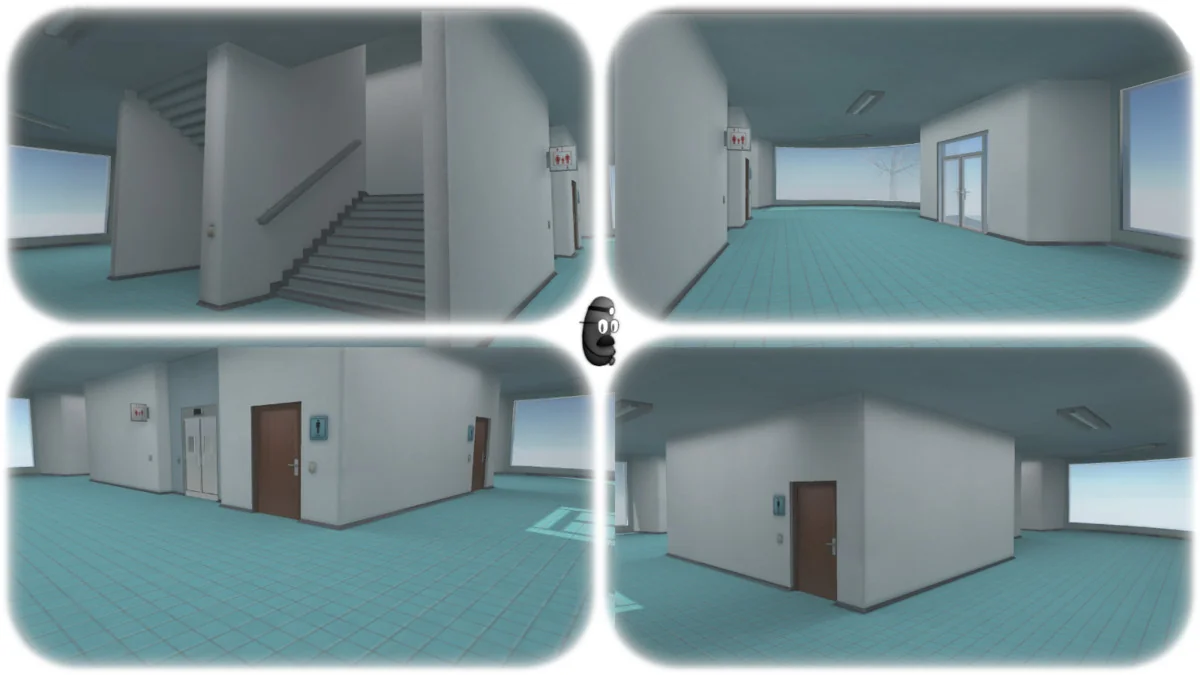
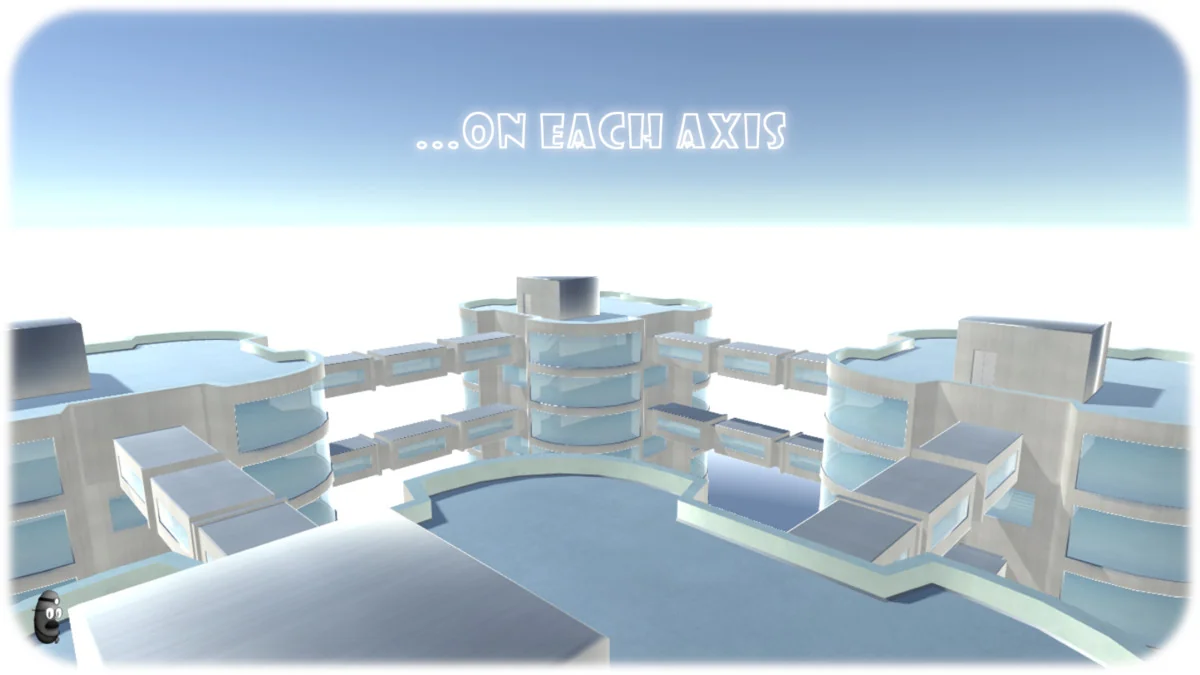
A significant portion of the kit is dedicated to the navigation spaces within the office environment. The developer has provided four distinct corridor sizes: Small (S), Medium (M), Large (L), and Extra Large (XL). These varying widths allow for different environmental tones, from cramped, functional utility halls to wide, open corporate thoroughfares. To further customize these paths, a corridor extension part is included, which enables the lengthening of halls without breaking the visual consistency of the architecture.
Because these corridors are separate from the main room modules, they can be used to link different sections of a building in a non-linear fashion. This flexibility is essential for creating complex floor plans that require more than just simple rectangular rooms. The inclusion of diverse sizes ensures that the asset can adapt to various gameplay requirements, such as AI pathfinding needs or specific camera angles that require more or less clearance.
Interior Elements and Office Props
Beyond the structural walls and floors, the kit includes a variety of interior elements that define the space as a working office. The elevator and door meshes are provided as separate entities rather than being baked into the wall geometry. This separation is a practical choice for developers who intend to implement interactive elements, such as opening doors or functional elevator systems, within their scenes.
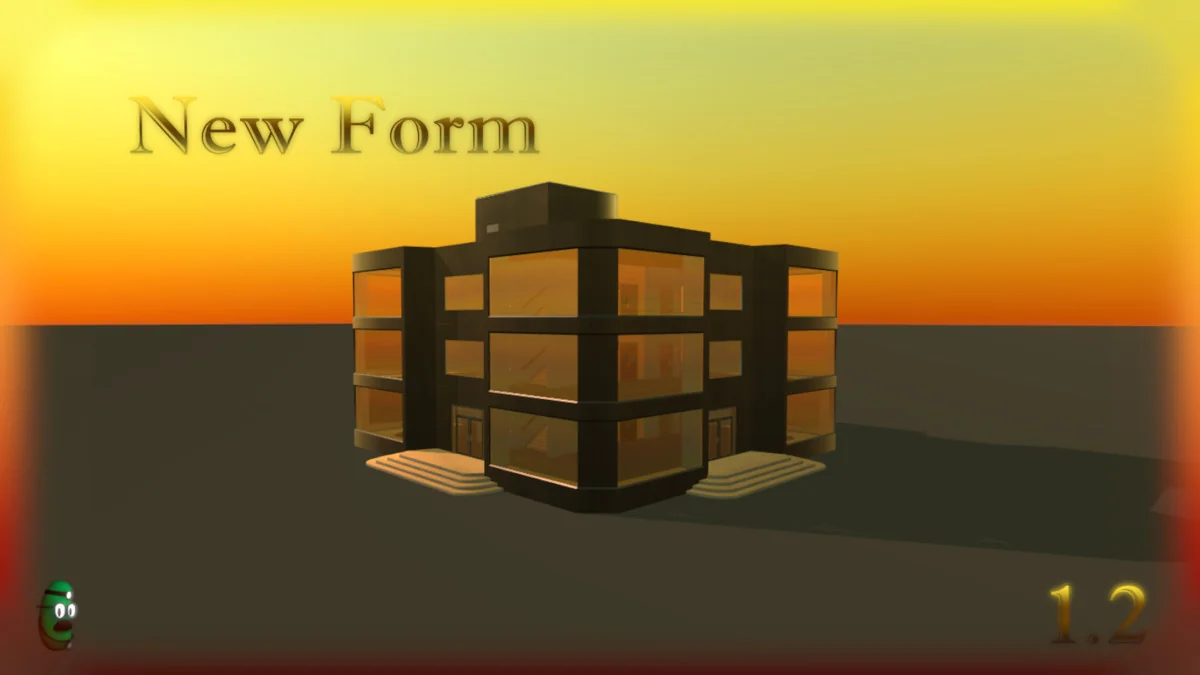
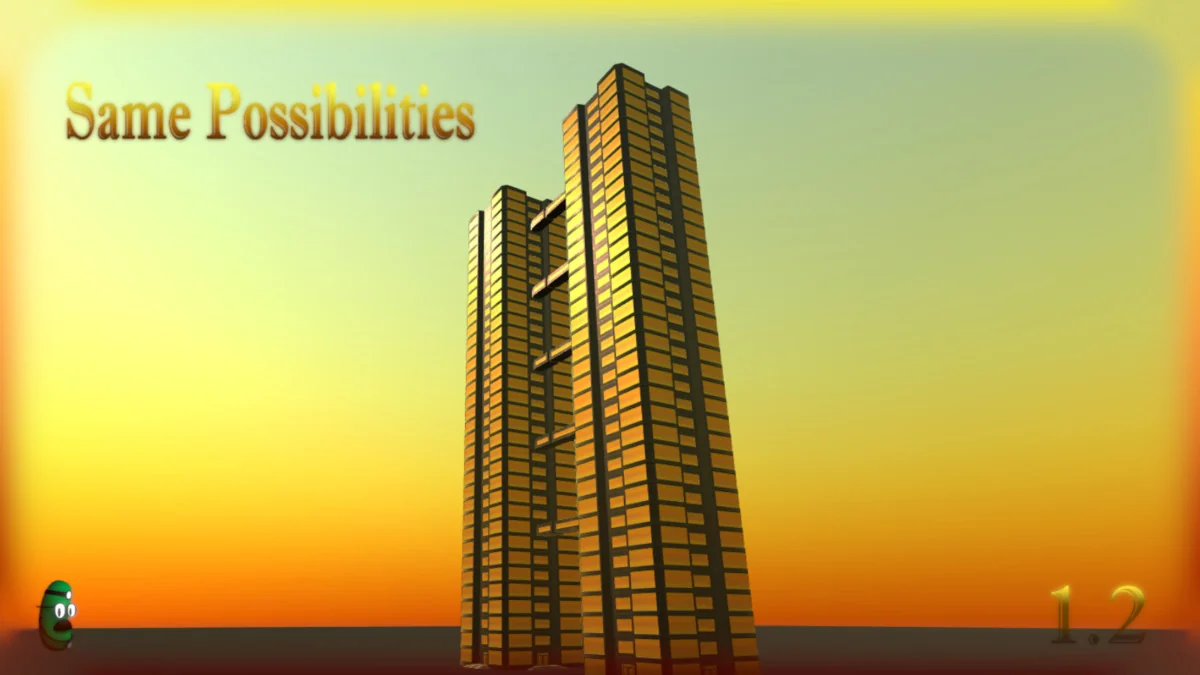
The asset has seen iterative updates that have expanded the variety of available furniture and office props. Version 1.2 introduced new forms and specific furniture items that populate the environment, moving it from a shell to a lived-in space. By keeping these props as individual FBX files and prefabs, the creator allows for high levels of customization in how each office suite is furnished. Developers can scatter these props to create unique layouts for different departments within the same building structure.
Material Efficiency and Technical Organization
From a technical standpoint, the asset is optimized for performance through the use of texture atlasing. The entire kit utilizes only three textures, which are mapped across three materials. Two of these materials are opaque—specifically a normal material and a metallic material—while the third is a transparent material intended for glass or see-through surfaces. This minimal material count is beneficial for maintaining a low draw call count, which is a critical factor in performance optimization for real-time environments.
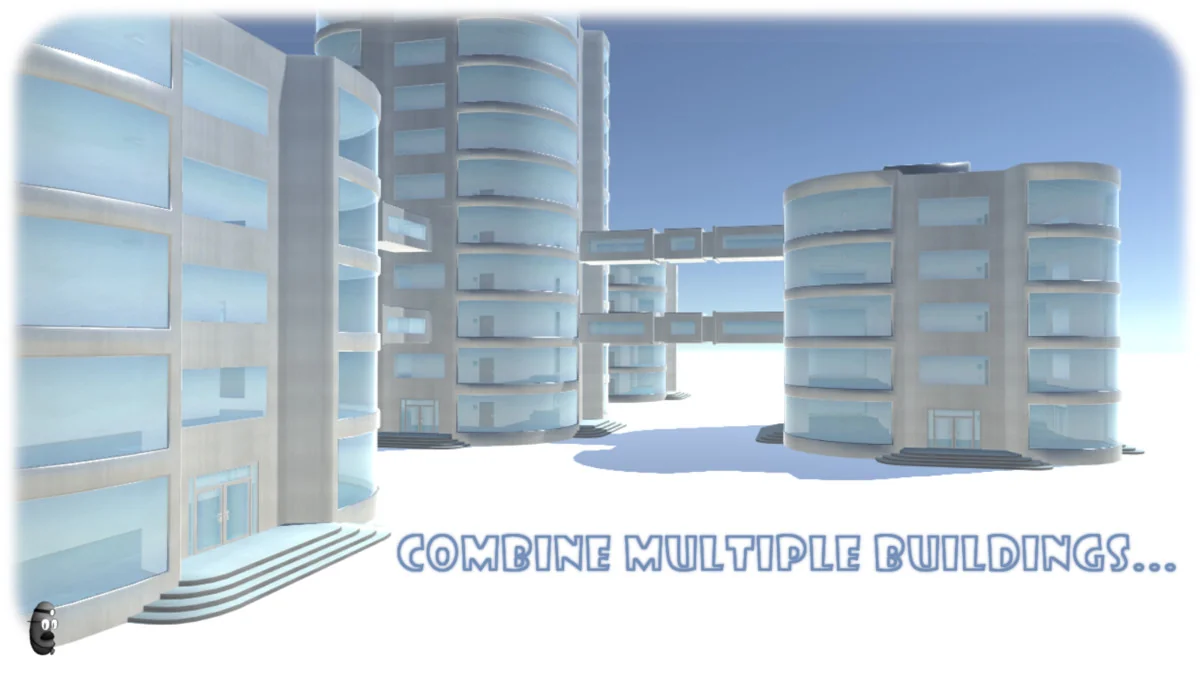
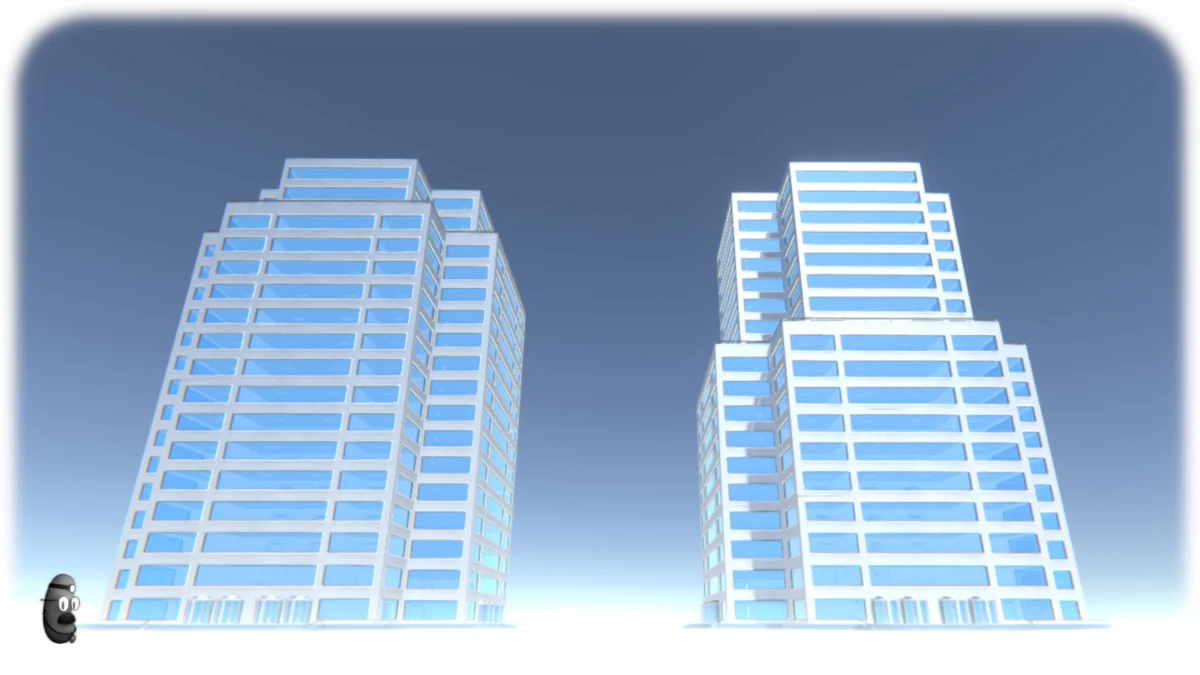
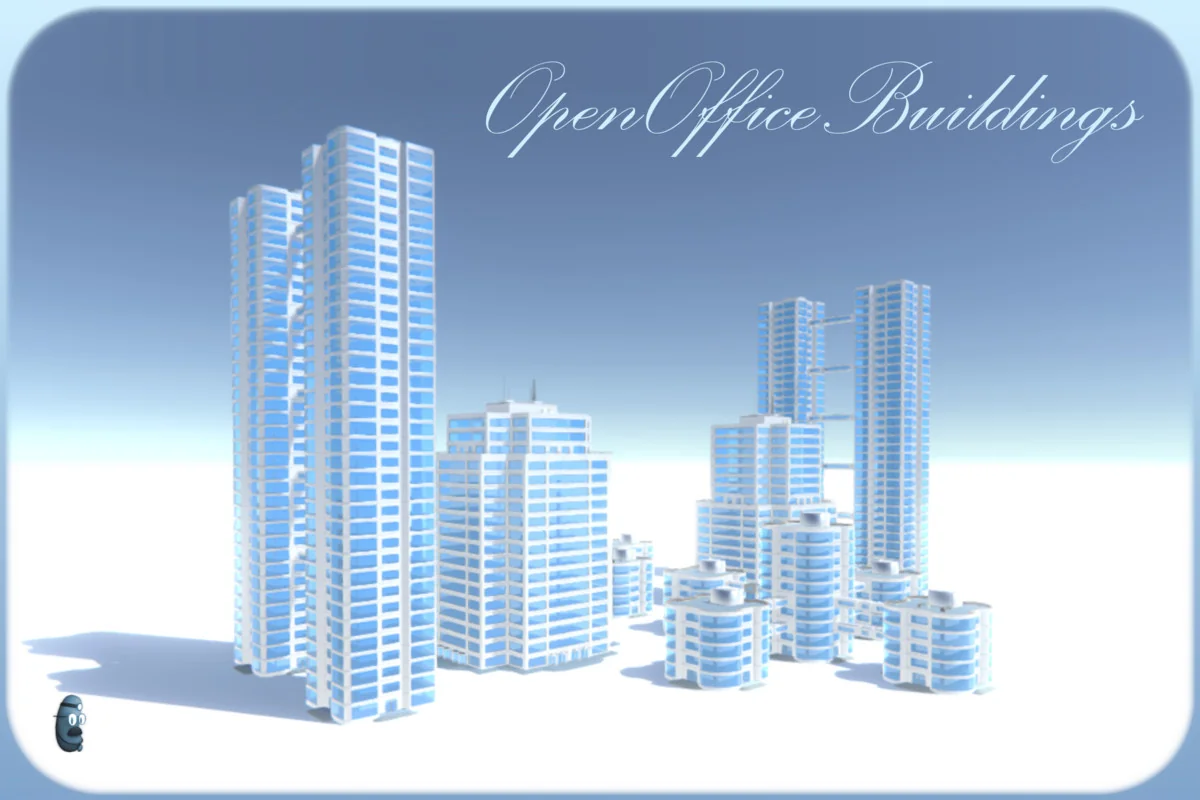
The package includes a total of 115 prefabs, which serve as ready-to-use instances of the 111 FBX meshes. Among these are several building variations provided by the developer for demonstration purposes. these variations show how the modular pieces can be combined to create different building shapes and configurations. The technical footprint of the asset is relatively compact, with a file size of 42.2 MB, making it a lightweight option for projects built in Unity 5.6.5 or later.
Evolution of the Asset Kit
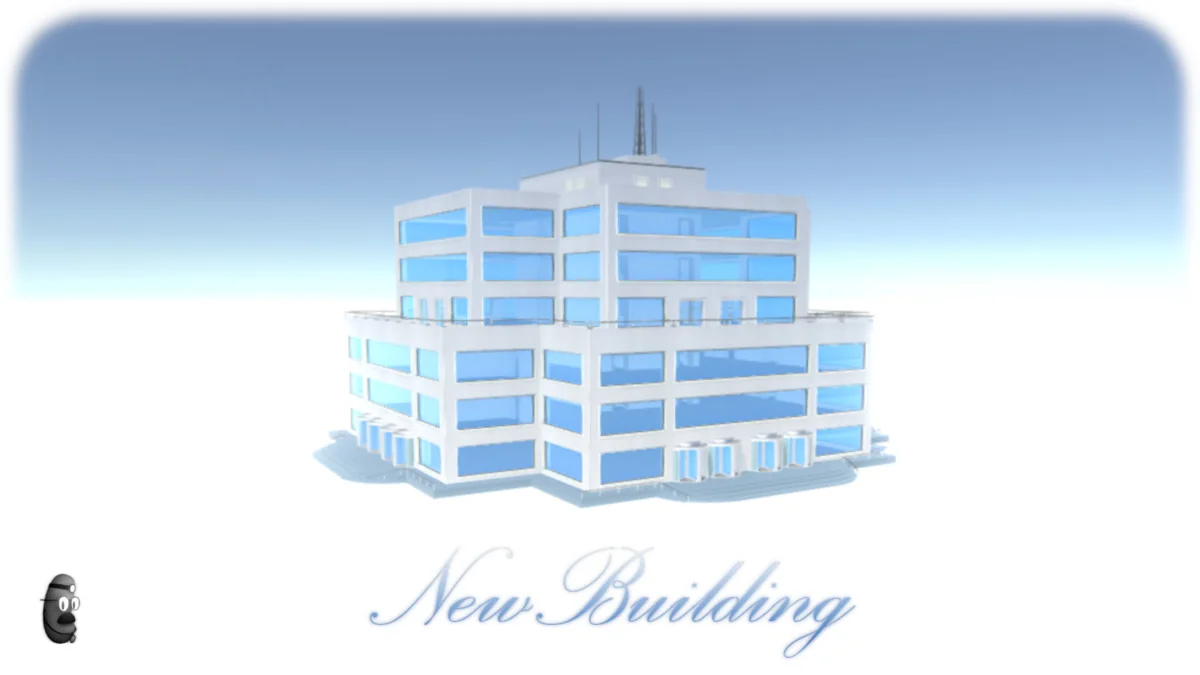
The asset has evolved through multiple versions to increase the diversity of the architectural styles available. Version 1.3 introduced an entirely new building model, while version 1.2 focused on adding new forms and the aforementioned furniture props. These updates have expanded the kit from a basic set of corridors and walls into a more comprehensive environment solution. The total asset count within the package stands at 289, encompassing the meshes, prefabs, textures, and materials required to assemble a complete office setting.
The combination of staged building parts, versatile corridor sizes, and separate interactive elements like elevators makes this kit a flexible tool for environment artists. By utilizing the provided demonstration prefabs as a starting point, or by building from the 111 individual FBX files, developers can create office environments that range from simple layouts to complex, multi-stage corporate buildings.
Project Screenshots