Character Design and Horror Aesthetics
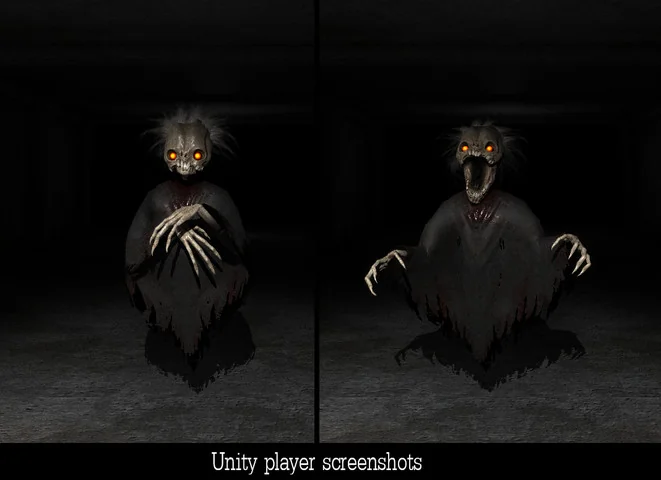
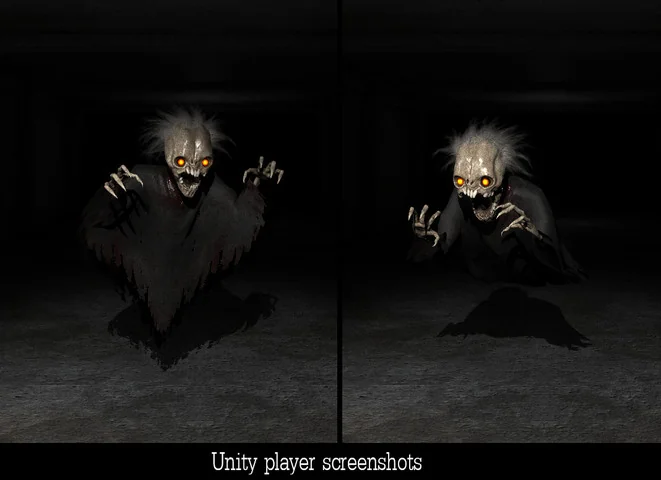
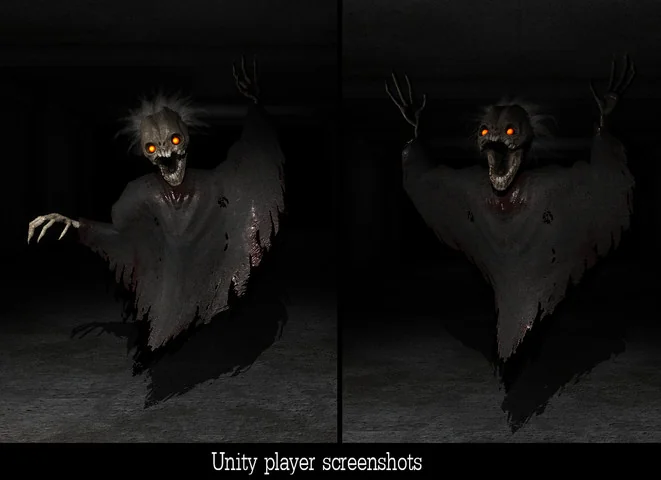
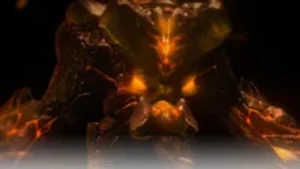
Nightmare Creature #3 is designed as a primary antagonist or environmental threat for horror-themed productions. The developer has centered the design around a series of unsettling visual themes, specifically targeting aesthetics that could be described as hellish, ghostly, and strange. The character is intended to fill roles requiring a presence that feels nasty, filthy, or detestable within a digital environment. As part of the broader Nightmare Pack #1, this creature adheres to a specific artistic direction aimed at creating a putrid and vile atmosphere suitable for spooky or horrid scenarios.
Geometry and Technical Mesh Details
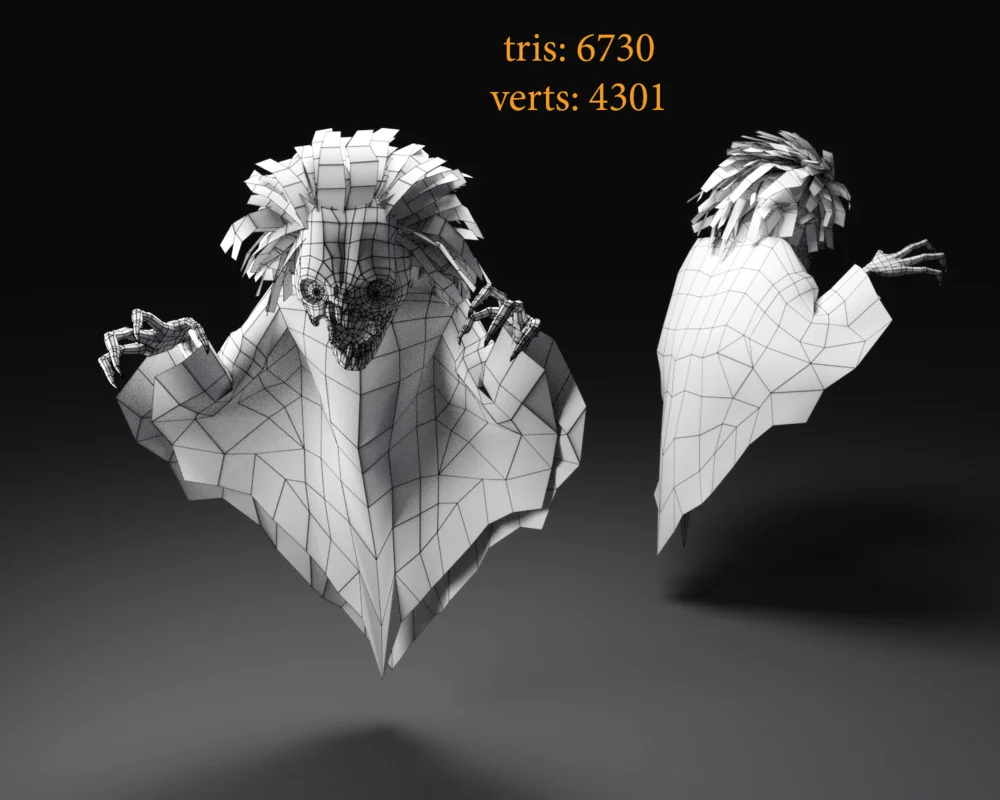
From a technical standpoint, Nightmare Creature #3 is built with a specific balance between visual fidelity and performance optimization. The mesh is composed of 6,730 triangles and 4,301 vertices. This polygon count places the asset in a versatile position for modern game development; it is detailed enough to hold its silhouette in close-proximity encounters while remaining efficient enough to be used in scenes where multiple entities might be active at once. This geometry density is particularly relevant for developers working within the constraints of real-time rendering where maintaining a consistent frame rate is essential.
The asset package has a total file size of 51.4 MB and contains 22 individual assets. These assets comprise the necessary components to bring the character into a functional state within the engine, including the model files, texture maps, and animation data required for deployment.
Texture Standards and Material Workflow
The visual surface of the character is handled through PBR (Physically Based Rendering) textures. These textures are provided at a resolution of 2048×2048, which is a standard for characters of this scale, ensuring that the ‘lousy’ and ‘vile’ details of the creature’s skin and form are preserved even under varied lighting conditions. By utilizing a PBR workflow, the developer ensures that the character interacts accurately with the Unity lighting engine, reflecting light and casting shadows based on the physical properties of its materials. This is a critical feature for horror games, where high-contrast lighting and dynamic shadows are often used to build tension.
Animation and Mecanim Integration
Movement and behavior are addressed through a collection of 14 separate animations. This suite of motions allows the creature to perform a variety of actions necessary for a standard gameplay loop. To manage these animations, the asset is fully compatible with the Mecanim system, Unity’s state-driven tool for controlling character skeletal animation. The inclusion of a ready-to-use simple controller further simplifies the implementation process, allowing the developer to transition between different animation states without building a control logic from scratch.
The use of the Mecanim system also suggests that the character can be integrated into existing animation pipelines that utilize standard Unity humanoid or generic rigs, depending on the specific skeletal structure used by the developer. This compatibility is key for projects that require the creature to react to environmental triggers or player interactions in a fluid manner.
Project Compatibility and Workflow
Nightmare Creature #3 was originally published for Unity version 5.1.1. While it is a standalone character, its placement within the Nightmare Pack #1 indicates it is designed to work alongside other assets in the same series, sharing a cohesive visual language and technical setup. For a production workflow, this means the character can be dropped into a scene as a prefab, with the simple controller and PBR materials already configured to function immediately upon import.
Because the asset includes the controller and a pre-defined animation set, it serves as a functional resource for both rapid prototyping and final production. Developers can focus on the AI logic or level design while the visual and kinetic aspects of the creature are handled by the provided 22-asset package. This makes it a practical choice for small teams or solo creators who need a high-quality, ‘strange’ horror entity that is ready for immediate deployment in a 3D environment.
Preview Images