"c14ff6bd758dadb1"{"id":"1000078","slug":"modular-modern-wine-cellar","title":"Modular Modern Wine Cellar","category":"Interior","engine":"Engine Version: 5.1+","assetVersion":"Engine Version: 5.1+","engineVersion":"","tag":"Interior","accent":"blue","visual":"mech","summary":"A modular modern wine cellar environment with procedural variation for bottles, crates, barrels, racks, and signs, plus an included showcase map.","platform":"Unreal Engine","publishedAt":"2026-06-04T16:33:00.279Z","updatedAt":"2026-06-04T16:33:00.279Z","sourceNotes":[],"fileContents":[],"compatibility":["Unreal Engine","Engine Version: 5.1+"],"featuredImage":{"alt":"Modular Modern Wine Cellar","src":"/wp-content/uploads/published/2026/06/e6fe5b230883-8aa92ea8-a1f7-49eb-8931-bc8325cce10c-a40a5955c2.webp"},"hasDownloadLink":true,"downloads":3,"terms":[{"taxonomy":"category","slug":"interior","name":"Interior"}],"galleryImages":[{"src":"/wp-content/uploads/published/2026/06/a4a156f9cf6e-a8c016bb-aa9b-425e-a668-3885dd3902c9-873e1830db.webp","alt":"Modular Modern Wine Cellar"},{"src":"/wp-content/uploads/published/2026/06/650247a1ad59-bb27242b-3ea6-4be0-a25f-a6b03c53e86d-f0e5c062de.webp","alt":"Modular Modern Wine Cellar"},{"src":"/wp-content/uploads/published/2026/06/abf4619f4d99-0689e105-ceec-4fca-bf27-847797ce478d-6bfb8ad521.webp","alt":"Modular Modern Wine Cellar"},{"src":"/wp-content/uploads/published/2026/06/5a0658e57f29-ed3e665c-c11b-4901-a6b7-01c08642f590-ece95f5c62.webp","alt":"Modular Modern Wine Cellar"},{"src":"/wp-content/uploads/published/2026/06/3e948d9de6d0-1c89fe78-aad0-4700-a6c6-b06ef9fa5a11-b49e3f62e6.webp","alt":"Modular Modern Wine Cellar"},{"src":"/wp-content/uploads/published/2026/06/196c669ac000-3c4106f0-de40-4087-8e30-1e98dfea2a97-be7f8a27d5.webp","alt":"Modular Modern Wine Cellar"},{"src":"/wp-content/uploads/published/2026/06/5727c8cc23d2-a3ae5a99-047c-45ea-ac0f-04d9d223a55a-006463cbc2.webp","alt":"Modular Modern Wine Cellar"},{"src":"/wp-content/uploads/published/2026/06/f651c2fa07c5-1d8f21e8-ef47-427d-8b8c-a794df122bb7-56dba9c8b6.webp","alt":"Modular Modern Wine Cellar"},{"src":"/wp-content/uploads/published/2026/06/eca8743fc685-c965ef47-9f74-43dc-9dd1-1fe40b5722f3-60fe585522.webp","alt":"Modular Modern Wine Cellar"},{"src":"/wp-content/uploads/published/2026/06/47ebaed97827-7b949c37-4282-431a-8cf5-5cb7a6cfe39d-65e7b38568.webp","alt":"Modular Modern Wine Cellar"}],"accessPanel":{"kind":"resource","title":"Access this resource","eyebrow":"Free Download","message":"Log in or create a free account to start your download.","fileName":"Content.7z","safetyNote":"Resources are manually reviewed before listing to improve quality and reduce obvious risks.","actionLabel":"Download Free","resourceType":"Resource archive"},"contentHtml":"\u003cp\u003eBuilding a wine storage interior can become repetitive fast when bottles, racks, crates, and barrels need to be placed in large numbers while still looking varied. Modular Modern Wine Cellar approaches that problem with a set of modular scene elements and a procedural material setup that changes parameters depending on position in space, helping scenes come together faster while producing many visual variations.\u003c/p\u003e\n\u003cp\u003eThe environment leans into a modern wine cellar look while keeping the assembly process practical. Bottles, crates, two types of barrel, racks, and the rack sign all use this procedural approach, which directly supports level building and makes it easier to create dozens of bottle variations without manually treating every asset as a separate case. For artists and developers shaping a winery interior, tasting room backdrop, cellar corridor, or storage-focused environment, that kind of variation matters less as decoration and more as a way to keep repeated modular placement from feeling flat.\u003c/p\u003e \u003ch2\u003eFaster cellar layout with procedural variation\u003c/h2\u003e\n\u003cp\u003eThe strongest identity here is not just the wine cellar theme, but the way repeated elements are handled. Bottles, crates, barrels, racks, and rack signage are all part of a material system that responds to spatial position. That gives the set a workflow angle: assembly can move quickly without every shelf or storage section looking locked into one repeated result.\u003c/p\u003e\n\u003cp\u003eIn practice, that makes the pack suitable for scenes where bottle density and rack repetition are central to the image. A wine cellar usually depends on rows of nearly identical forms, and that can easily turn into visible duplication. Here, the procedural material setup is aimed at reducing that sameness while speeding up level assembly. The package then offers a more flexible way to block out long storage walls, stacked crate zones, barrel corners, and sign-marked rack sections while still preserving a realistic winery atmosphere.\u003c/p\u003e \u003ch2\u003eWine bottles, glass and crates as the foundation\u003c/h2\u003e\n\u003cp\u003eThe included packages are anchored in wine bottles, glass, and crates. Those pieces form the base layer of the scene and define how the environment reads at both close range and across a larger room.\u003c/p\u003e\n\u003cp\u003eWine bottles naturally carry much of the visual weight in a cellar setting, and this set explicitly supports producing many bottle variations quickly. Crates help break the layout away from wall-only storage and introduce floor-level stacking or transport-oriented details. Glass extends the range of dressing options beyond storage alone, which can help a scene feel less like a stock room and more like a finished wine environment. Even within a modular setup, those three included package groups establish enough variety to move between neat display areas and more functional storage sections.\u003c/p\u003e \u003ch2\u003eRacks, rack sign, and two types of barrel in a modern winery scene\u003c/h2\u003e\n\u003cp\u003eRacks and rack signage are important here because they shift the environment from a loose collection of props into something that reads as an organized space. The rack sign shares the same procedural material logic mentioned for the other major pieces, which means the visual system extends beyond containers and into the way the storage layout is marked.\u003c/p\u003e\n\u003cp\u003eTwo types of barrel are also included in that procedural material grouping. That detail gives the scene another layer of storage language without moving away from the winery theme. In a modern wine cellar, barrels can serve as focal points, side details, or transitional objects between tightly packed rack walls and more open floor areas. When combined with crates and bottles, they help the environment avoid becoming visually one-note. The rack system, signage, bottles, crates, and barrels all contribute to a space that can read as practical, curated, or presentation-ready depending on how the scene is arranged.\u003c/p\u003e \u003ch2\u003eThe included Showcase map as a starting scene\u003c/h2\u003e\n\u003cp\u003eThe map shown in the showcase video is included in the project. That gives users a direct starting point for understanding how the modular set comes together in a complete environment rather than only as isolated pieces.\u003c/p\u003e\n\u003cp\u003eFor production work, an included map can be useful in several ways. It provides a ready-made reference for spacing, density, and overall composition inside the wine cellar theme. It also helps when evaluating how the bottles, racks, crates, barrels, and signage work together under lighting. Since the project includes the same map used for the showcased presentation, it offers a concrete scene setup that can be studied, adjusted, or used as a base for a custom cellar layout. The emphasis remains on assembly, and the project’s demonstration of modular construction reinforces that this is a set intended to be built with, not just viewed as a static environment.\u003c/p\u003e \u003ch2\u003eUE5 static lighting notes for Modular Modern Wine Cellar\u003c/h2\u003e\n\u003cp\u003eThe project’s screenshots were made with UE5 static lighting, and the lighting notes are unusually specific. That makes the implementation side important for anyone planning to reproduce the same kind of presentation inside Unreal Engine 5.\u003c/p\u003e\n\u003cp\u003eFor Unreal Engine 5.5 and above, static lighting needs to be enabled through Allow Static Lighting in Project Settings under Rendering, because that option is disabled by default in UE 5.5 and later. Light baking should be done with the GPU lightmapper. There is also a version-specific warning for UE 5.7: GPU Lightmass is broken there, and the recommended path is to use Epic’s custom GPUlightmass instead. These notes do not change the identity of the environment, but they do shape how it fits into an Unreal workflow. If the goal is to preserve the look seen in the project imagery, those static-lighting requirements are part of using the set as intended.\u003c/p\u003e \u003ch2\u003eWhere this wine cellar environment fits\u003c/h2\u003e\n\u003cp\u003eModular Modern Wine Cellar suits scenes where repeated storage elements need to look controlled without becoming visually monotonous. Its practical strength is the combination of modular assembly and procedural variation across the props that define a cellar interior.\u003c/p\u003e\n\u003cp\u003eThat makes it a strong fit for realistic winery environments, interior backdrop work, and any Unreal scene that needs shelves of bottles, crates, barrels, and rack systems to read as part of one cohesive modern cellar space. The included showcase map and the explicit UE5 static lighting guidance make it especially useful for teams or solo artists who want a clear starting structure rather than a loose collection of wine-themed objects.\u003c/p\u003e\n\n\u003ch2\u003eMore From The Same Workflow\u003c/h2\u003e\n\u003cul\u003e\n\u003cli\u003e\u003ca href=\"https://3dcghub.com/modern-apartment-archinteriors-vol-9-scene-5/\" title=\"Modern Apartment - Archinteriors Vol 9 Scene 5\"\u003eModern Apartment - Archinteriors Vol 9 Scene 5\u003c/a\u003e\u003c/li\u003e\n\u003cli\u003e\u003ca href=\"https://3dcghub.com/modern-office-environment-modern-office-environment-modern-office-3d-office/\" title=\"Modern Office Environment ( Modern Office Environment Modern Office 3D Office )\"\u003eModern Office Environment ( Modern Office Environment Modern Office 3D Office )\u003c/a\u003e\u003c/li\u003e\n\u003cli\u003e\u003ca href=\"https://3dcghub.com/modular-hotel/\" title=\"Modular Hotel\"\u003eModular Hotel\u003c/a\u003e\u003c/li\u003e\n\u003cli\u003e\u003ca href=\"https://3dcghub.com/laboratory-research-center/\" title=\"Laboratory - Research Center\"\u003eLaboratory - Research Center\u003c/a\u003e\u003c/li\u003e\n\u003cli\u003e\u003ca href=\"https://3dcghub.com/rt-archviz-furniture-chairs/\" title=\"RT ArchViz Furniture - Chairs\"\u003eRT ArchViz Furniture - Chairs\u003c/a\u003e\u003c/li\u003e\n\u003c/ul\u003e","contentTextLength":6727,"navigation":{"current":1785,"total":3719,"previous":{"id":"15061","slug":"map-system-worldmap-minimap","title":"Map System – WorldMap \u0026 Minimap","category":"Gameplay Features","platform":"Unreal Engine","updatedAt":"2026-06-05T13:14:26.831Z"},"next":{"id":"1000077","slug":"modular-desert-town-desert-city-desert-village","title":"Modular Desert Town - Desert City - Desert Village","category":"Towns \u0026 Villages","platform":"Unreal Engine","updatedAt":"2026-06-04T16:14:54.174Z"}},"relatedResources":[{"id":"1000320","slug":"parkway-home-modern-family-house-with-stylish-interior-environment","title":"Parkway Home – Modern Family House with Stylish Interior Environment","category":"Interior","engine":"5.0+","assetVersion":"","engineVersion":"Engine Version: 5.0+","tag":"Interior","accent":"blue","visual":"city","summary":"A realistic modern family house environment featuring 124 unique meshes, a preassembled interior scene, and full Nanite and Lumen support for Unreal Engine 5.0.","platform":"Unreal Engine","publishedAt":"2026-07-04T17:34:15.892Z","updatedAt":"2026-07-04T17:34:15.892Z","sourceNotes":[],"fileContents":[],"compatibility":["Unreal Engine","Engine Version: 5.0+"],"featuredImage":{"alt":"Parkway Home – Modern Family House with Stylish Interior Environment","src":"/wp-content/uploads/published/2026/07/ede34699e8de-df165350-07a4-4d65-a7a2-39364737403a-aa88356f96.webp"},"hasDownloadLink":true,"downloads":0},{"id":"4402","slug":"modern-apartment-archinteriors-vol-9-scene-5","title":"Modern Apartment - Archinteriors Vol 9 Scene 5","category":"Interior","engine":"5.2+","assetVersion":"Engine version: 5.2+","engineVersion":"5.2","tag":"Interior","accent":"blue","visual":"animation","summary":"Create stunning architectural visualizations with this modern apartment scene for Unreal Engine 5. Features Lumen, Nanite, and high-quality 3D assets.","platform":"Unreal Engine","publishedAt":"2026-02-13T07:47:55.000Z","updatedAt":"2026-04-19T15:57:09.000Z","sourceNotes":[],"fileContents":[],"compatibility":["Unreal Engine","Engine version: 5.2+"],"featuredImage":{"alt":"Modern Apartment - Archinteriors Vol 9 Scene 5","src":"https://3dcghub.com/wp-content/uploads/2026/02/3c6238b5-90d7-451c-8093-23a672cfc9e0.webp"},"hasDownloadLink":true,"downloads":3},{"id":"1001059","slug":"modern-office-environment-modern-office-environment-modern-office-3d-office-2","title":"Modern Office Environment ( Modern Office Environment Modern Office 3D Office )","category":"Interior","engine":"4.26+,5.0+","assetVersion":"","engineVersion":"Engine Version: 4.26+,5.0+","tag":"Interior","accent":"blue","visual":"city","summary":"A 110-motif office environment pack for game-ready levels and virtual production, with a preassembled scene and the Ultimate Level Art Tool included.","platform":"Unreal Engine","publishedAt":"2026-08-30T15:00:21.323Z","updatedAt":"2026-08-30T15:00:21.323Z","sourceNotes":[],"fileContents":[],"compatibility":["Unreal Engine","Engine Version: 4.26+,5.0+"],"featuredImage":{"alt":"Modern Office Environment ( Modern Office Environment Modern Office 3D Office )","src":"/wp-content/uploads/published/2026/08/3af471ecca17-ebbcd251-68b1-4993-bac2-9afdcfd49232-50bfb92917.webp"},"hasDownloadLink":true,"downloads":2}]}
Interior
Modular Modern Wine Cellar
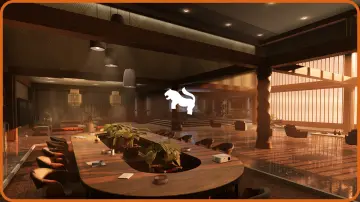
A modular modern wine cellar environment with procedural variation for bottles, crates, barrels, racks, and signs, plus an included showcase map.
Category:Unreal Engine,InteriorPlatform: Unreal EngineEngine Version: 5.1+Published: Jun 4, 2026
Interior
Resource overview
Building a wine storage interior can become repetitive fast when bottles, racks, crates, and barrels need to be placed in large numbers while still looking varied. Modular Modern Wine Cellar approaches that problem with a set of modular scene elements and a procedural material setup that changes parameters depending on position in space, helping scenes come together faster while producing many visual variations.
The environment leans into a modern wine cellar look while keeping the assembly process practical. Bottles, crates, two types of barrel, racks, and the rack sign all use this procedural approach, which directly supports level building and makes it easier to create dozens of bottle variations without manually treating every asset as a separate case. For artists and developers shaping a winery interior, tasting room backdrop, cellar corridor, or storage-focused environment, that kind of variation matters less as decoration and more as a way to keep repeated modular placement from feeling flat.
Faster cellar layout with procedural variation
The strongest identity here is not just the wine cellar theme, but the way repeated elements are handled. Bottles, crates, barrels, racks, and rack signage are all part of a material system that responds to spatial position. That gives the set a workflow angle: assembly can move quickly without every shelf or storage section looking locked into one repeated result.
In practice, that makes the pack suitable for scenes where bottle density and rack repetition are central to the image. A wine cellar usually depends on rows of nearly identical forms, and that can easily turn into visible duplication. Here, the procedural material setup is aimed at reducing that sameness while speeding up level assembly. The package then offers a more flexible way to block out long storage walls, stacked crate zones, barrel corners, and sign-marked rack sections while still preserving a realistic winery atmosphere.
Wine bottles, glass and crates as the foundation
The included packages are anchored in wine bottles, glass, and crates. Those pieces form the base layer of the scene and define how the environment reads at both close range and across a larger room.
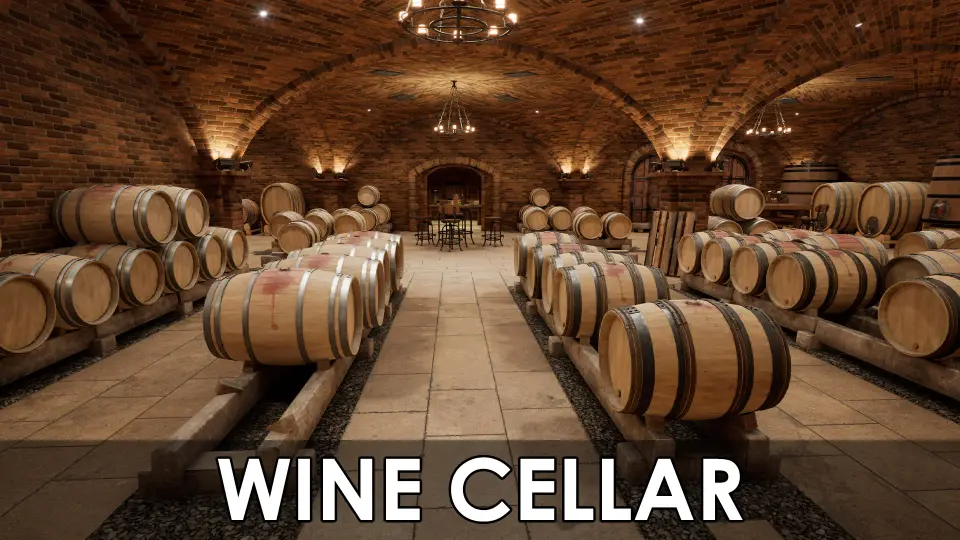
Wine bottles naturally carry much of the visual weight in a cellar setting, and this set explicitly supports producing many bottle variations quickly. Crates help break the layout away from wall-only storage and introduce floor-level stacking or transport-oriented details. Glass extends the range of dressing options beyond storage alone, which can help a scene feel less like a stock room and more like a finished wine environment. Even within a modular setup, those three included package groups establish enough variety to move between neat display areas and more functional storage sections.
Racks, rack sign, and two types of barrel in a modern winery scene
Racks and rack signage are important here because they shift the environment from a loose collection of props into something that reads as an organized space. The rack sign shares the same procedural material logic mentioned for the other major pieces, which means the visual system extends beyond containers and into the way the storage layout is marked.
Two types of barrel are also included in that procedural material grouping. That detail gives the scene another layer of storage language without moving away from the winery theme. In a modern wine cellar, barrels can serve as focal points, side details, or transitional objects between tightly packed rack walls and more open floor areas. When combined with crates and bottles, they help the environment avoid becoming visually one-note. The rack system, signage, bottles, crates, and barrels all contribute to a space that can read as practical, curated, or presentation-ready depending on how the scene is arranged.
The included Showcase map as a starting scene
The map shown in the showcase video is included in the project. That gives users a direct starting point for understanding how the modular set comes together in a complete environment rather than only as isolated pieces.
For production work, an included map can be useful in several ways. It provides a ready-made reference for spacing, density, and overall composition inside the wine cellar theme. It also helps when evaluating how the bottles, racks, crates, barrels, and signage work together under lighting. Since the project includes the same map used for the showcased presentation, it offers a concrete scene setup that can be studied, adjusted, or used as a base for a custom cellar layout. The emphasis remains on assembly, and the project’s demonstration of modular construction reinforces that this is a set intended to be built with, not just viewed as a static environment.
UE5 static lighting notes for Modular Modern Wine Cellar
The project’s screenshots were made with UE5 static lighting, and the lighting notes are unusually specific. That makes the implementation side important for anyone planning to reproduce the same kind of presentation inside Unreal Engine 5.
For Unreal Engine 5.5 and above, static lighting needs to be enabled through Allow Static Lighting in Project Settings under Rendering, because that option is disabled by default in UE 5.5 and later. Light baking should be done with the GPU lightmapper. There is also a version-specific warning for UE 5.7: GPU Lightmass is broken there, and the recommended path is to use Epic’s custom GPUlightmass instead. These notes do not change the identity of the environment, but they do shape how it fits into an Unreal workflow. If the goal is to preserve the look seen in the project imagery, those static-lighting requirements are part of using the set as intended.
Where this wine cellar environment fits
Modular Modern Wine Cellar suits scenes where repeated storage elements need to look controlled without becoming visually monotonous. Its practical strength is the combination of modular assembly and procedural variation across the props that define a cellar interior.
That makes it a strong fit for realistic winery environments, interior backdrop work, and any Unreal scene that needs shelves of bottles, crates, barrels, and rack systems to read as part of one cohesive modern cellar space. The included showcase map and the explicit UE5 static lighting guidance make it especially useful for teams or solo artists who want a clear starting structure rather than a loose collection of wine-themed objects.
 Interior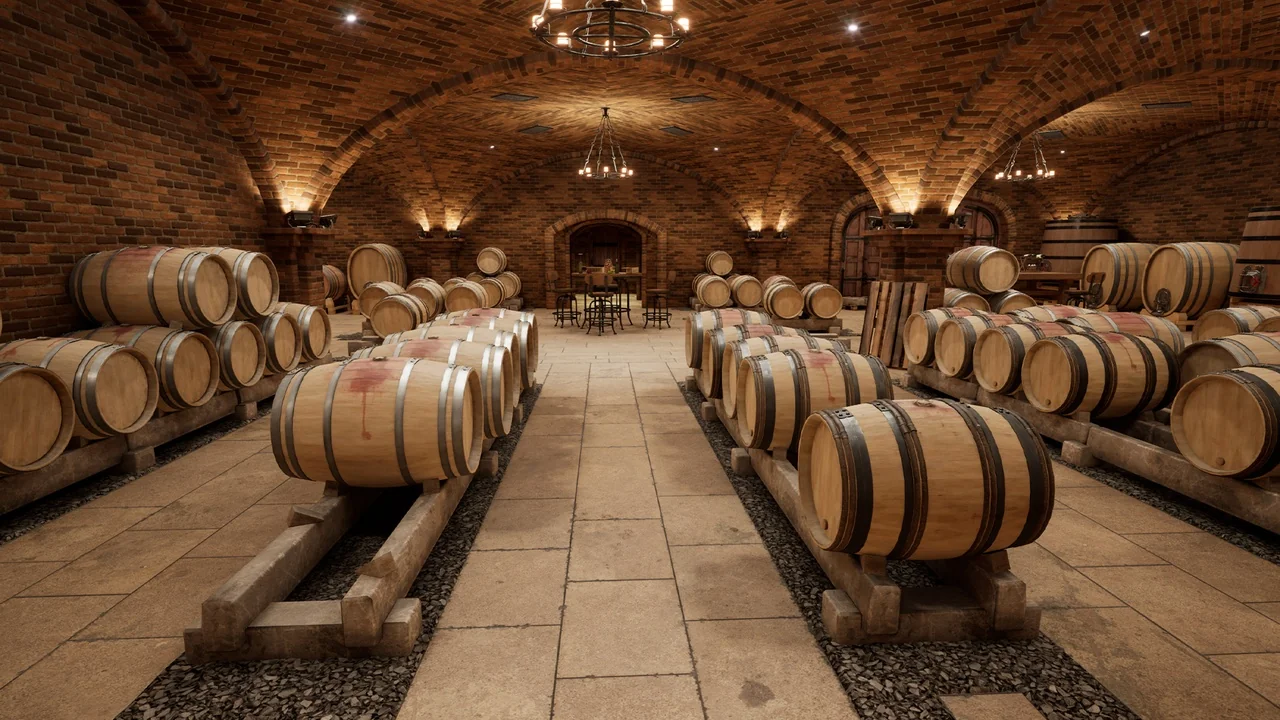
 Interior
 Interior
 Interior