Modular Landscape Construction and Grid Integration
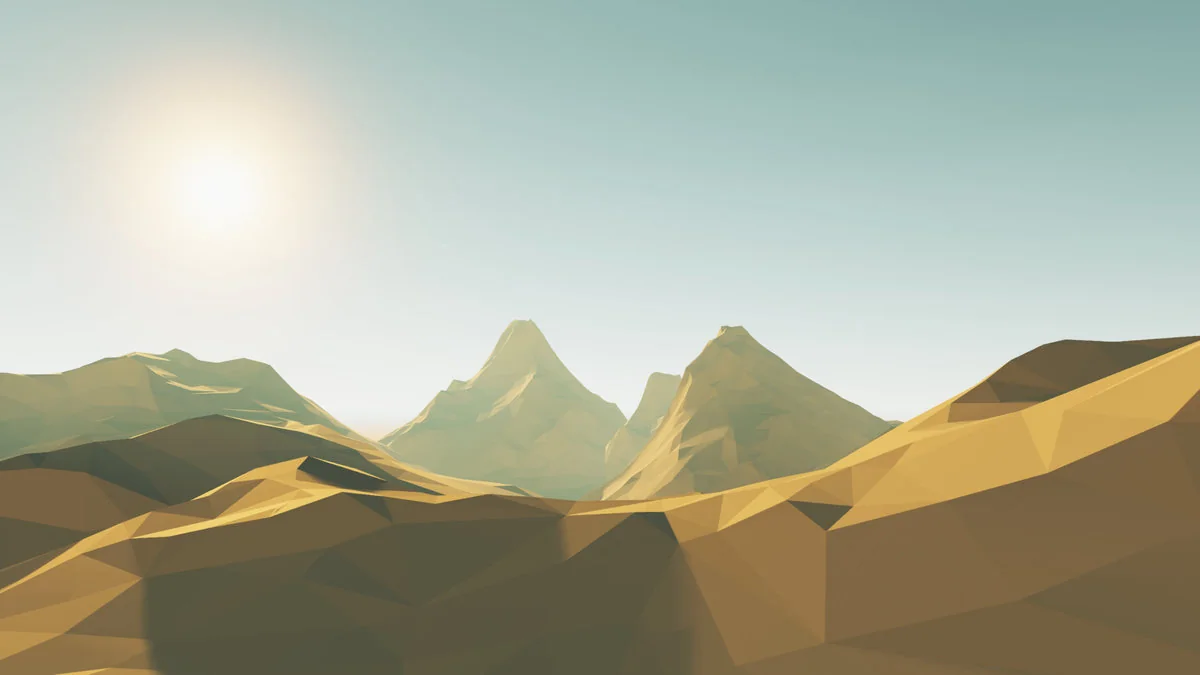
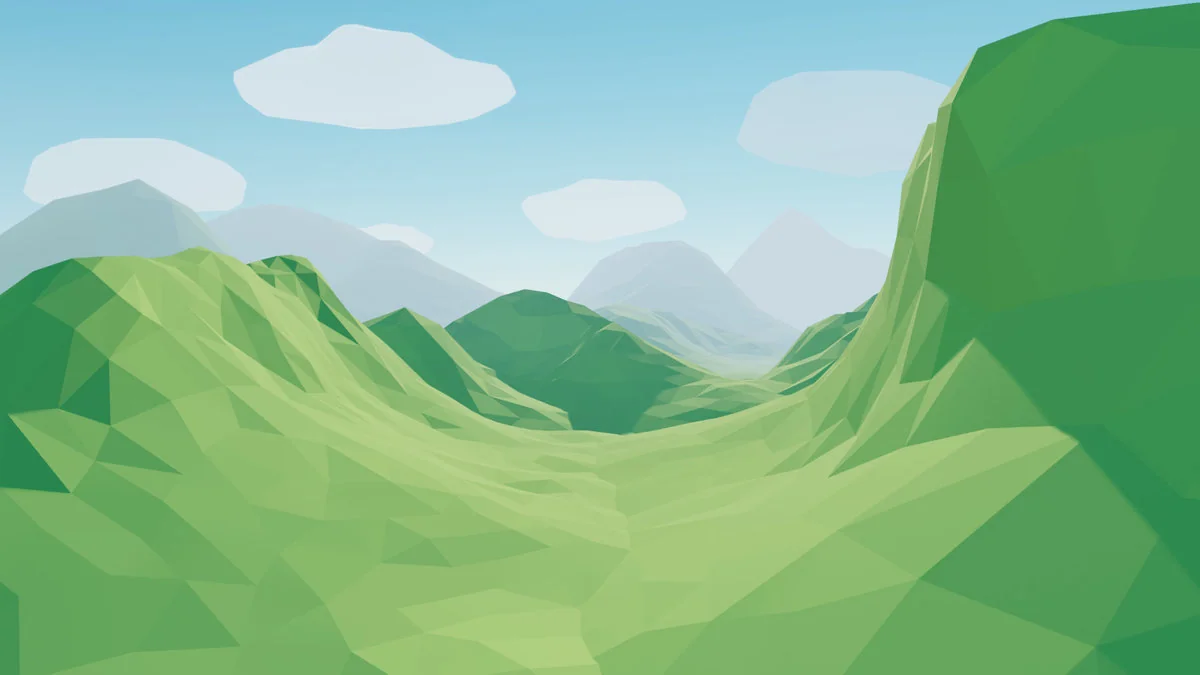
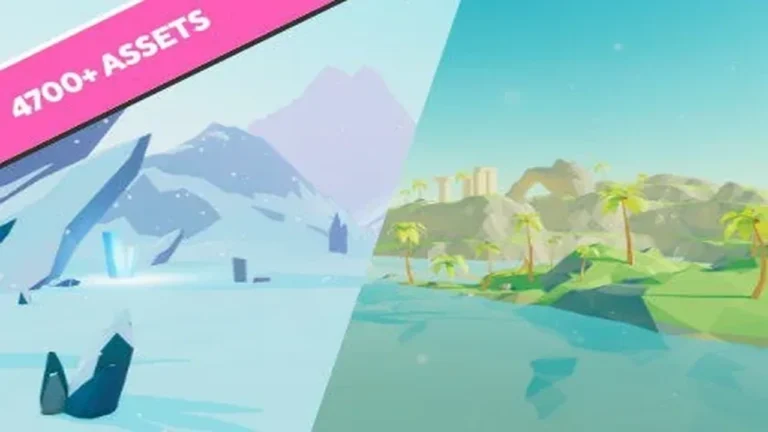
The Low Poly Modular Terrain Pack is built around a system of 3340 game-ready assets designed to streamline the creation of diverse environments. The core of the package is its modularity, allowing developers to construct landscapes by snapping prefabs to a grid. This approach ensures that various terrain types, from rolling hills to jagged peaks, can be aligned seamlessly. The assets are optimized specifically for low-end hardware, making them suitable for projects where performance is a primary constraint.
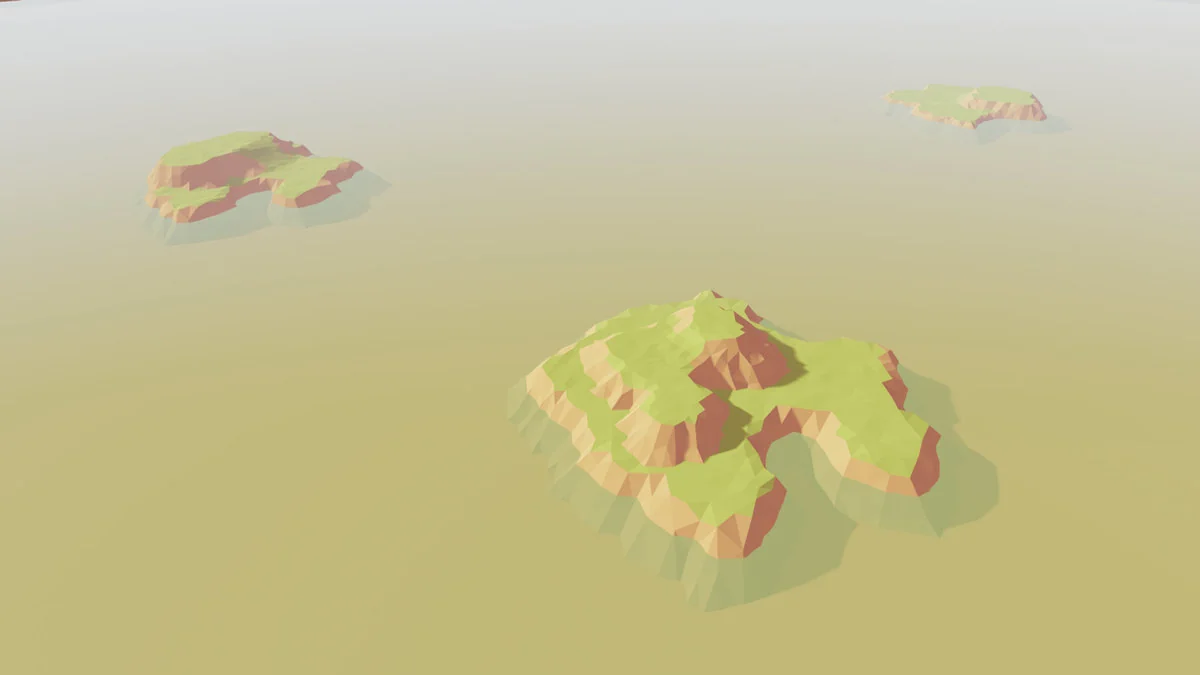
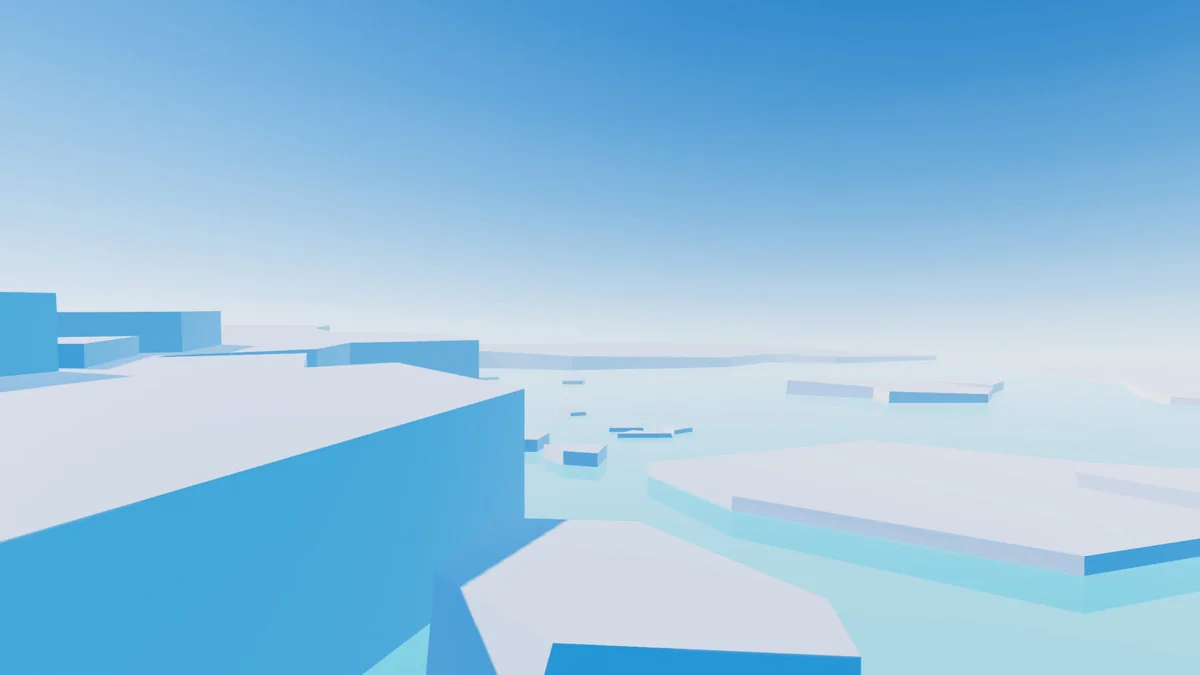
To provide variety across different scales of world-building, the terrain, mountain, and river prefabs are divided into three distinct sizes: Large (100m x 100m), Medium (50m x 50m), and Small (25m x 25m). It is important to note that these are not merely scaled versions of the same mesh; each size variant is unique and features a different sculpt. This variety prevents visual repetition when mixing sizes within a single scene. For larger geographical features, the island and ice prefabs include an additional Huge size tier, measuring 500m x 500m, alongside 200m x 200m variants.
Material Systems and Texture Workflows
The package offers three distinct technical approaches to handling materials and textures, allowing developers to choose the method that best fits their pipeline and performance targets. These systems apply to the core terrain prefabs, while mountains, islands, and rivers utilize the CPT and MT versions.
- Color Palette Texture (CPT): These prefabs are optimized for maximum efficiency. Every CPT asset uses a single material linked to a 64×64 color palette texture atlas. This setup is ideal for minimizing draw calls. The developer has included source files in .PSD and .afdesign formats (512×512) for the color palettes, making it straightforward to change global environment colors for grass, snow, sand, or dirt.
- Material and Texture (MT): These prefabs use a standard material setup that supports tileable textures. This is the preferred option for developers who want to apply seamless textures to their low-poly meshes rather than relying on flat palette colors.
- Unity Terrain (U): These prefabs are designed to work within the native Unity Terrain system. This allows for manual editing of the terrain shape, painting specific textures, and using built-in tools for drawing grass and trees directly onto the modular blocks.
Environment Variety and Asset Breakdown
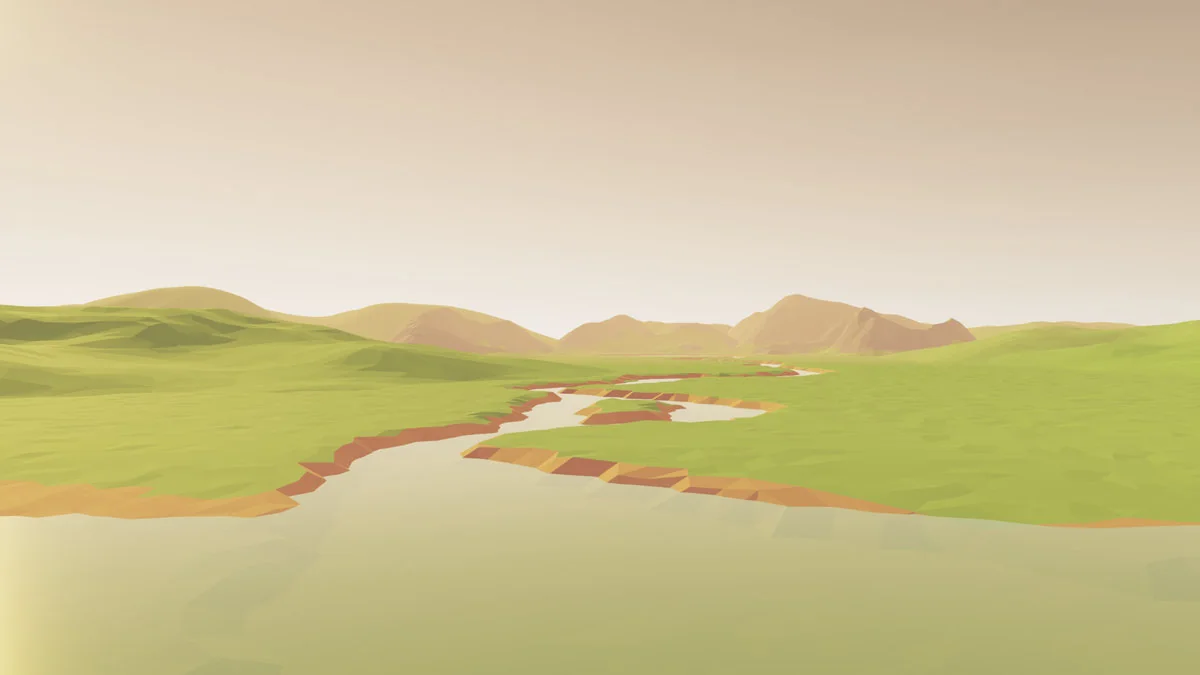
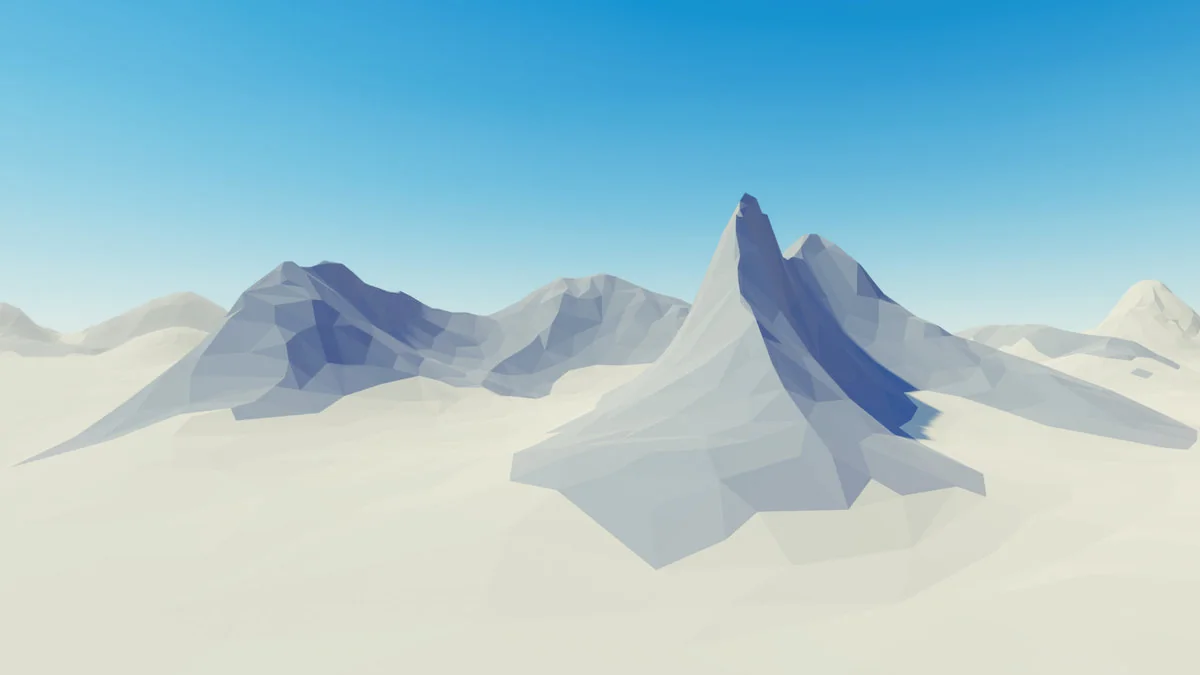
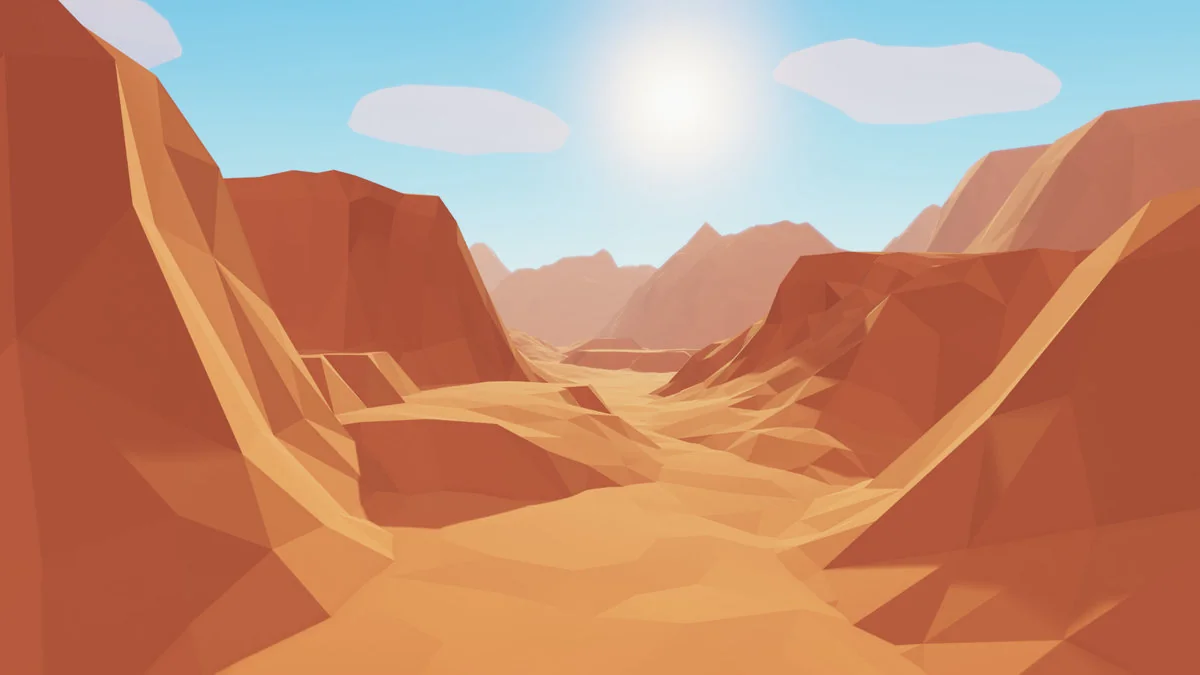
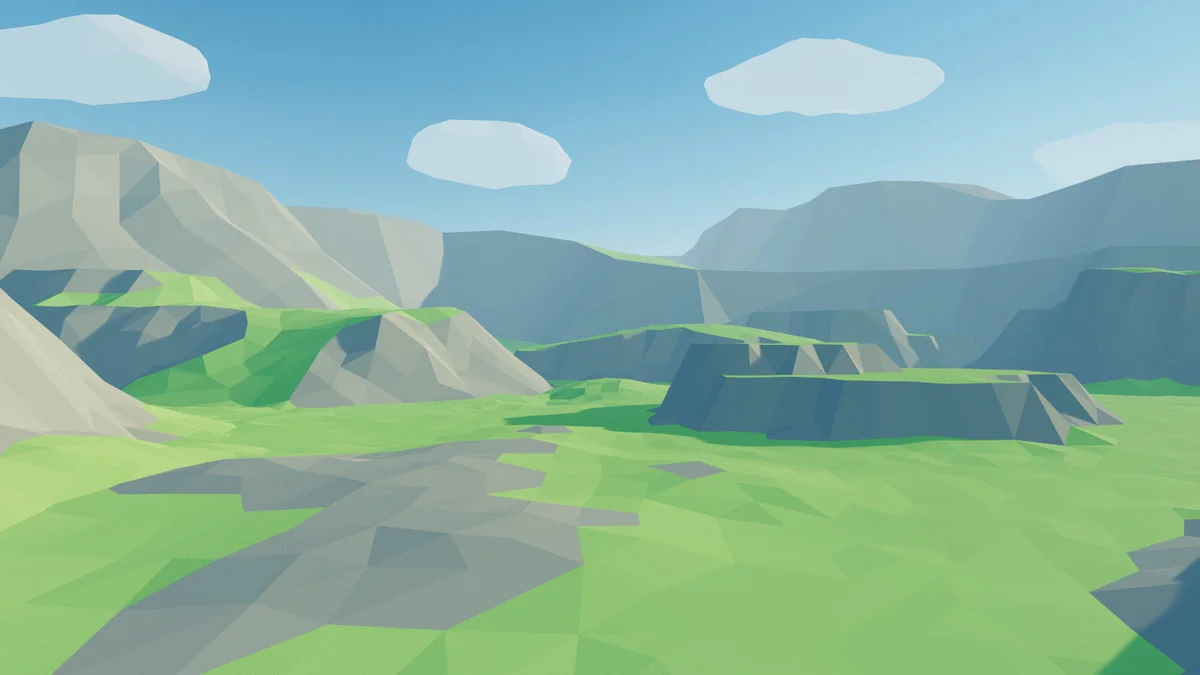
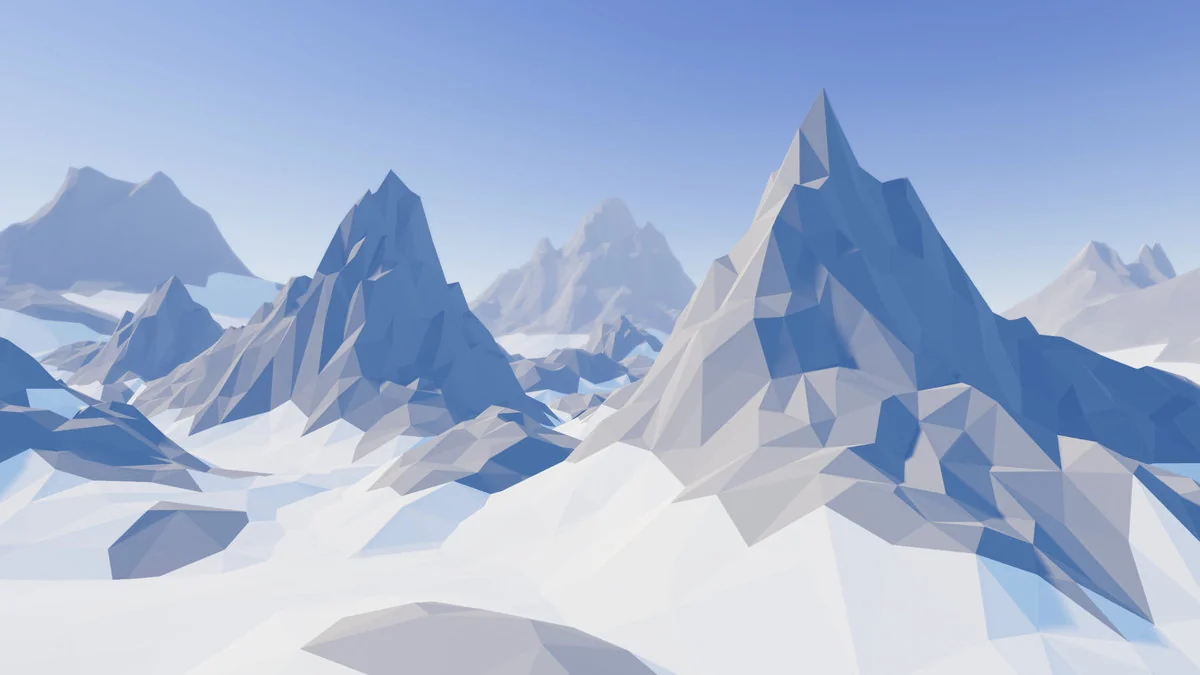
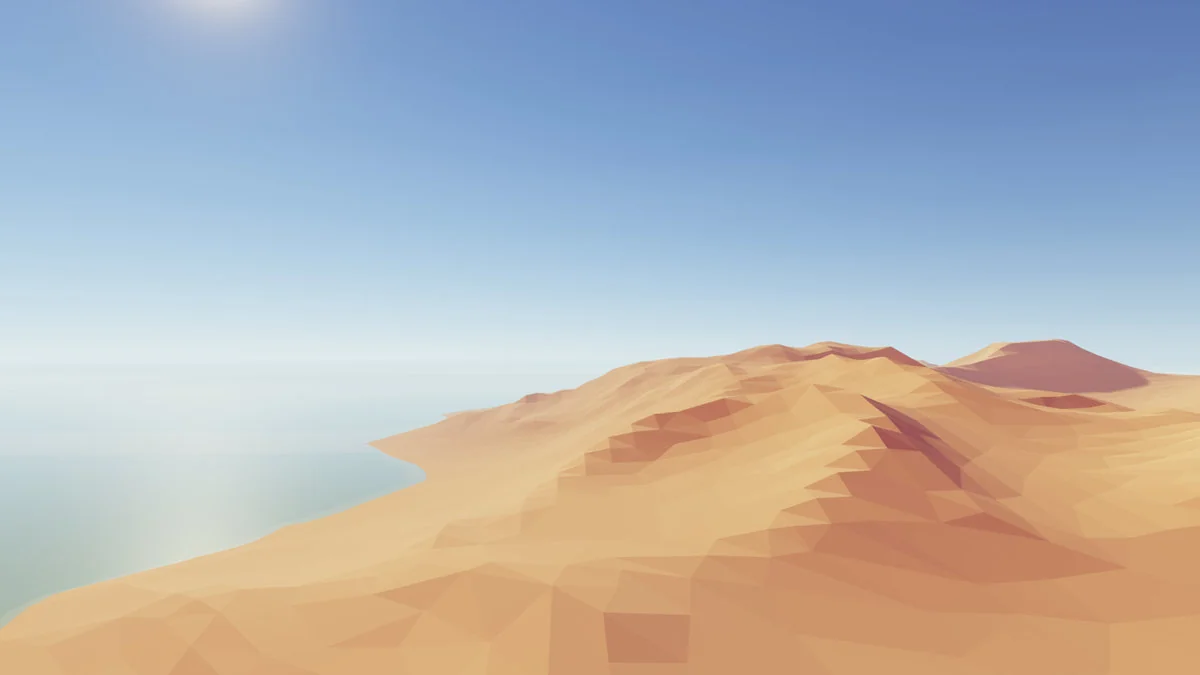
The volume of assets included allows for the creation of multiple biomes within a single project. The package contains 1538 modular terrain prefabs and 960 mountain prefabs, forming the backbone of most terrestrial scenes. To add water features, there are 338 river prefabs and 8 simple static mesh planes for water surfaces. The inclusion of 400 island prefabs and 93 ice assets facilitates the creation of oceanic or arctic environments.
Beyond the primary landmasses, the pack includes bonus assets to help populate a scene. These include cloud meshes and a selection of trees taken from the developer’s separate low-poly tree collection. To assist with scene management, three simple scripts are provided to handle basic camera movement, sun positioning, and cloud control. The assets are unwrapped and support real-world scaling, ensuring consistency when combined with other standard-scale models.
Optimization and Technical Implementation
Technical performance is addressed through several built-in features. All terrain, mountain, island, and river prefabs come in two distinct versions. The “LOD” version includes three levels of detail (LOD0, LOD1, and LOD2) to reduce polygon counts at a distance. For scenarios where LOD switching is not required, “NoLOD” mesh prefabs are also provided. Every asset is equipped with mesh colliders, ensuring they are ready for physical interaction and player movement immediately upon placement.
For lighting and visual fidelity, the assets support both Real-time and Baked Global Illumination (GI) through lightmap support. They are also compatible with Polybrush, allowing for further mesh manipulation or vertex painting within the editor. To demonstrate the potential of these tools, the developer has included 12 demo scenes and 10 showcase scenes. These examples are supported by 12 post-processing profiles compatible with both the Built-in render pipeline and the Universal Render Pipeline (URP), along with 7 unique skyboxes to establish specific atmospheric moods.
This collection serves as a foundational toolkit for building expansive, performance-oriented environments. By combining unique mesh sculpts across multiple size tiers with flexible material systems, the pack provides the necessary components for both rapid prototyping and final environment art in a low-poly aesthetic.
Visual Breakdown