"c68a05d5e51405b3"{"id":"1001888","slug":"industrial-electrical-utility","title":"Industrial Electrical Utility","category":"Industrial","engine":"4.23+,5.0+","assetVersion":"","engineVersion":"Engine Version: 4.23+,5.0+","tag":"Industrial","accent":"blue","visual":"mech","summary":"Explore the Industrial Electrical Utility pack, featuring modular conduits, power boxes, electrical panels, lamps, and catwalk-ready utility assets.","platform":"Unreal Engine","publishedAt":"2026-10-22T11:28:39.448Z","updatedAt":"2026-10-22T11:28:39.448Z","sourceNotes":[],"fileContents":[],"compatibility":["Unreal Engine","Engine Version: 4.23+,5.0+"],"featuredImage":{"alt":"Industrial Electrical Utility","src":"/wp-content/uploads/published/2026/10/b6d04ad86c10-f9764abe-abae-4277-a42c-18ce55e028bd-8b1512f9f9.webp"},"hasDownloadLink":true,"downloads":0,"terms":[{"taxonomy":"category","slug":"industrial","name":"Industrial"}],"galleryImages":[{"src":"/wp-content/uploads/published/2026/10/97a4c57fed8d-381467cb-55c9-4366-90c2-2481ec0fc1f8-1fcf251bea.webp","alt":"Industrial Electrical Utility"},{"src":"/wp-content/uploads/published/2026/10/d3b4fc713af1-56da19ed-98cf-44b7-aa47-72f8e780f34b-ddd0b0296d.webp","alt":"Industrial Electrical Utility"},{"src":"/wp-content/uploads/published/2026/10/ff81b7c31023-a509c3a2-c681-495f-8794-8fb00e5f5c79-a91c9c5b14.webp","alt":"Industrial Electrical Utility"},{"src":"/wp-content/uploads/published/2026/10/23cbc3a87a71-a038c511-bc84-404c-a2b5-69056ba664b4-38f8cedfc3.webp","alt":"Industrial Electrical Utility"},{"src":"/wp-content/uploads/published/2026/10/00815e781389-51b7692b-d956-4deb-bdaf-53eb3f1ba78e-b718e9a3b4.webp","alt":"Industrial Electrical Utility"},{"src":"/wp-content/uploads/published/2026/10/d247ef7346af-2777a60e-dbb4-4bde-8122-91de4c8f9f60-b1be2627f5.webp","alt":"Industrial Electrical Utility"},{"src":"/wp-content/uploads/published/2026/10/fb8e5ce35905-60a2ba25-9629-4847-b78c-d74297fdf1ca-08ccbe86ac.webp","alt":"Industrial Electrical Utility"},{"src":"/wp-content/uploads/published/2026/10/d13c830e4993-fb40ccb7-2e97-4aaa-b62e-7dcafc9bfe48-0e6239f59d.webp","alt":"Industrial Electrical Utility"},{"src":"/wp-content/uploads/published/2026/10/f0e7b3c7be56-df0083ed-5f28-45e1-bec1-e7cafb9bd5ae-f797ea13a2.webp","alt":"Industrial Electrical Utility"},{"src":"/wp-content/uploads/published/2026/10/40f9e388b85e-78acce5f-9613-469d-b7b9-f521ab5a4020-d427ad59c1.webp","alt":"Industrial Electrical Utility"}],"accessPanel":{"kind":"resource","title":"Download this resource","eyebrow":"Free Download","message":"Log in or create a free account to start your download.","fileName":"Content.7z","safetyNote":"Resources are manually reviewed before listing to improve quality and reduce obvious risks.","actionLabel":"Download Free","resourceType":"Resource archive"},"contentHtml":"\u003cp\u003eModular electrical conduits, varied lamps, electrical panels, power boxes, and interconnecting pipes form the foundational core of the Industrial Electrical Utility package. Rather than presenting utility dressing as isolated background clutter, this collection supplies the structural components required to map out realistic electrical runs across complex indoor and outdoor sets. Facilities such as power plants, manufacturing floors, maintenance tunnels, and warehouse interiors rely heavily on legible utility lines to make architectural volumes look operational. By providing modular pieces that physically connect with one another, the asset collection allows level designers to construct unbroken power distribution routes from source boxes to terminal fixtures.\u003c/p\u003e \u003ch2\u003eModular Electrical Conduits and Interconnecting Pipes\u003c/h2\u003e\n\u003cp\u003eAt the center of any convincing industrial facility lies a labyrinth of routing hardware. The modular electrical conduits in this pack are built to bridge large spans of wall and ceiling space, establishing structured pathways for power and wiring. Accompanying these conduit sections are dedicated connection pipes designed to feed directly into wall-mounted hardware, junction points, and auxiliary components. This modularity enables artists to direct wiring runs around corners, adjust vertical drops, and traverse irregular structural framing without visual breaks.\u003c/p\u003e \u003cp\u003eUsing interconnecting pipes alongside rigid conduit segments introduces realistic variation to wall assemblies. Industrial spaces rarely feature bare, unserviced surfaces; instead, secondary utility layers inform the age, function, and density of a room. Because the conduit and pipe assets are built to interface with one another, designers can map out primary trunk lines that branch into smaller, dedicated pathways running toward machinery, control stations, or lighting rigs.\u003c/p\u003e \u003ch2\u003eElectrical Panels and Power Distribution Boxes\u003c/h2\u003e\n\u003cp\u003eConduits and pipes require functional origins and destinations. The inclusion of distinct electrical panels and power boxes provides the necessary mechanical hubs to anchor these utility paths. Placed along corridors, tucked beside doorways, or grouped into dedicated maintenance alcoves, these panels act as focal pieces that punctuate long structural runs. They give environmental artists identifiable landmarks that explain where power originates and how circuits are managed across a given sector.\u003c/p\u003e \u003cp\u003ePower boxes and service panels serve an essential compositional purpose by breaking up repetitive wall geometry. Combining different sizes of electrical boxes alongside continuous conduit tracks helps prevent large industrial surfaces from looking monotonous. When grouped into clusters, panels suggest heavy-duty electrical distribution, whereas solitary power boxes positioned at intervals along a run can denote local shutoffs, switchgear, or machinery feeds.\u003c/p\u003e \u003ch2\u003eIndustrial Lamps and Light Fixtures\u003c/h2\u003e\n\u003cp\u003eUtility hardware extends beyond distribution boxes into operational output, represented here by different lights and lamps. Lighting hardware in industrial complexes must look tethered to actual infrastructure rather than simply floating on ceiling surfaces. The lamps included in this collection are meant to interface directly with the overhead conduits and surface pipes, creating a believable connection between power lines and actual light sources.\u003c/p\u003e \u003cp\u003eDistributing these lamps throughout a scene allows level decorators to establish intentional lighting hierarchies. Staggered fixtures can illuminate primary navigation pathways, while task lamps anchored above electrical panels highlight functional interaction zones. Because the lighting elements share the same industrial visual grammar as the conduits and breaker panels, they maintain a consistent aesthetic across low-visibility utility corridors, manufacturing hubs, and exterior work yards.\u003c/p\u003e \u003ch2\u003eLayout Reference in the Example Map\u003c/h2\u003e\n\u003cp\u003eTo assist with spatial planning and piece assembly, an example map comes included with the assets already configured into functional layouts. Constructing complex pipe and conduit networks from scratch can quickly lead to alignment mismatches or unnatural routing choices if the underlying modular rules are unclear. The pre-assembled scene acts as a practical visual reference, showing how individual conduit segments, panels, and junction points lock together to produce coherent utility paths.\u003c/p\u003e \u003cp\u003eExamining this reference space gives environment artists a clear blueprint for scale, junction spacing, and vertical transitions. By inspecting how the power boxes tie into running pipes and how lamps terminate from overhead lines in the example scene, designers can replicate established construction patterns or duplicate entire sub-assemblies directly into custom production levels.\u003c/p\u003e \u003ch2\u003eIntegration with Modular Industrial Catwalks\u003c/h2\u003e\n\u003cp\u003eThe components in the Industrial Electrical Utility set are compatible with the Modular Industrial Catwalks Set, expanding structural platforms into fully serviced engineering environments. Walkways, platforms, and stair towers frequently require integrated wiring, utility feeds, and underslung lighting to feel true to life. Running conduits beneath walking grates, mounting electrical panels to vertical support pillars, and securing lamps to catwalk framing ties structural architecture and utility systems into a unified setting.\u003c/p\u003e \u003cp\u003eDeploying these utility pieces across elevated catwalk systems also enhances verticality in environmental design. Overhead walkways gain visual weight when accompanied by suspended power lines, underside junction boxes, and downward-facing utility lights. The unified fit between the utility hardware and modular catwalk geometry ensures that multi-level factory floors, refineries, and hangar bays can be dressed with consistent, purpose-built electrical infrastructure from floor to ceiling.\u003c/p\u003e\n\n\u003ch2\u003eRelated Resources Worth Checking\u003c/h2\u003e\n\u003cul\u003e\n\u003cli\u003e\u003ca href=\"https://3dcghub.com/electrical-substation-34-assets/\" title=\"Electrical Substation / 34 Assets\"\u003eElectrical Substation / 34 Assets\u003c/a\u003e\u003c/li\u003e\n\u003cli\u003e\u003ca href=\"https://3dcghub.com/electrical-set-lamps-wires/\" title=\"Electrical set / lamps /wires\"\u003eElectrical set / lamps /wires\u003c/a\u003e\u003c/li\u003e\n\u003cli\u003e\u003ca href=\"https://3dcghub.com/abandoned-industrial-factory-environment-abandoned-industrial-factory-3d/\" title=\"Abandoned Industrial Factory Environment ( Abandoned Industrial Factory 3D )\"\u003eAbandoned Industrial Factory Environment ( Abandoned Industrial Factory 3D )\u003c/a\u003e\u003c/li\u003e\n\u003cli\u003e\u003ca href=\"https://3dcghub.com/industrial-factory-factory-warehouse-industrial-factory-modular-factory/\" title=\"Industrial Factory (Factory, Warehouse, Industrial Factory, Modular Factory)\"\u003eIndustrial Factory (Factory, Warehouse, Industrial Factory, Modular Factory)\u003c/a\u003e\u003c/li\u003e\n\u003cli\u003e\u003ca href=\"https://3dcghub.com/brooke-industrial-town/\" title=\"Brooke Industrial Town\"\u003eBrooke Industrial Town\u003c/a\u003e\u003c/li\u003e\n\u003c/ul\u003e","contentTextLength":6143,"navigation":{"current":37,"total":3860,"previous":{"id":"1001889","slug":"kitchen-accessories-pack","title":"Kitchen Accessories Pack","category":"Tools, Objects \u0026 Decor","platform":"Unreal Engine","updatedAt":"2026-10-22T11:29:29.726Z"},"next":{"id":"1001887","slug":"health-packs","title":"Health Packs","category":"Tools, Objects \u0026 Decor","platform":"Unreal Engine","updatedAt":"2026-10-22T11:27:51.342Z"}},"relatedResources":[{"id":"1001598","slug":"electrical-substation-34-assets","title":"Electrical Substation / 34 Assets","category":"Industrial","engine":"4.20+,5.0+","assetVersion":"","engineVersion":"Engine Version: 4.20+,5.0+","tag":"Industrial","accent":"blue","visual":"mech","summary":"Explore the Electrical Substation package featuring 34 PBR assets, modular electrical props, Lumen lighting support, and desert environment elements.","platform":"Unreal Engine","publishedAt":"2026-10-10T16:20:45.572Z","updatedAt":"2026-10-10T16:20:45.572Z","sourceNotes":[],"fileContents":[],"compatibility":["Unreal Engine","Engine Version: 4.20+,5.0+"],"featuredImage":{"alt":"Electrical Substation / 34 Assets","src":"/wp-content/uploads/published/2026/10/657800d9334f-efc25585-3b6f-406d-8e0b-564d2955d35a-f29c1f615a.webp"},"hasDownloadLink":true,"downloads":0},{"id":"4034","slug":"electrical-set-lamps-wires","title":"Electrical set / lamps /wires","category":"Lighting","engine":"4.27,5.0+","assetVersion":"Engine version: 4.27,5.0+","engineVersion":"4.18","tag":"Lighting","accent":"blue","visual":"mech","summary":"Enhance your digital environments with this comprehensive electrical asset pack. Includes realistic lamps, wires, sockets, and boxes for 3D game development.","platform":"Unreal Engine","publishedAt":"2026-02-09T13:10:10.000Z","updatedAt":"2026-04-19T15:57:31.000Z","sourceNotes":[],"fileContents":[],"compatibility":["Unreal Engine","Engine version: 4.27,5.0+"],"featuredImage":{"alt":"Electrical set / lamps /wires","src":"https://3dcghub.com/wp-content/uploads/2026/02/cd5de920-0e75-4e8e-85b0-780e3176ac87.webp"},"hasDownloadLink":true,"downloads":0},{"id":"1001699","slug":"abandoned-industrial-factory-environment-abandoned-industrial-factory-3d","title":"Abandoned Industrial Factory Environment ( Abandoned Industrial Factory 3D )","category":"Industrial","engine":"5.2+","assetVersion":"","engineVersion":"Engine Version: 5.2+","tag":"Industrial","accent":"blue","visual":"city","summary":"Explore the Abandoned Industrial Factory Environment, featuring 180 game-ready meshes, Lumen lighting support, and the Ultimate Level Art Tool.","platform":"Unreal Engine","publishedAt":"2026-10-14T13:28:27.773Z","updatedAt":"2026-10-14T13:28:27.773Z","sourceNotes":[],"fileContents":[],"compatibility":["Unreal Engine","Engine Version: 5.2+"],"featuredImage":{"alt":"Abandoned Industrial Factory Environment ( Abandoned Industrial Factory 3D )","src":"/wp-content/uploads/published/2026/10/4542d5ed6110-f0bb63a1-32f1-4adc-992d-9875eb15bad2-deb57c934b.webp"},"hasDownloadLink":true,"downloads":2}]}
Industrial
Industrial Electrical Utility
Explore the Industrial Electrical Utility pack, featuring modular conduits, power boxes, electrical panels, lamps, and catwalk-ready utility assets.
Category:Unreal Engine,IndustrialPlatform: Unreal EngineEngine Version: 4.23+,5.0+Published: Oct 22, 2026
Industrial
Resource overview
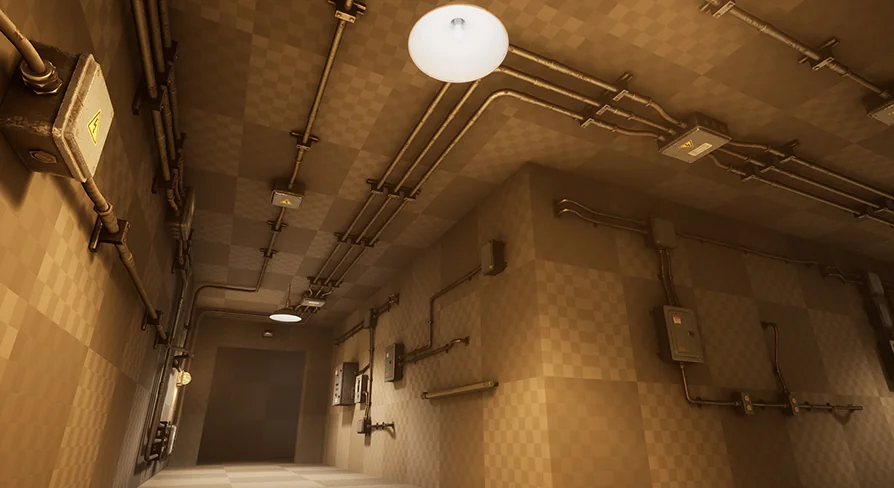
Modular electrical conduits, varied lamps, electrical panels, power boxes, and interconnecting pipes form the foundational core of the Industrial Electrical Utility package. Rather than presenting utility dressing as isolated background clutter, this collection supplies the structural components required to map out realistic electrical runs across complex indoor and outdoor sets. Facilities such as power plants, manufacturing floors, maintenance tunnels, and warehouse interiors rely heavily on legible utility lines to make architectural volumes look operational. By providing modular pieces that physically connect with one another, the asset collection allows level designers to construct unbroken power distribution routes from source boxes to terminal fixtures.
Modular Electrical Conduits and Interconnecting Pipes
At the center of any convincing industrial facility lies a labyrinth of routing hardware. The modular electrical conduits in this pack are built to bridge large spans of wall and ceiling space, establishing structured pathways for power and wiring. Accompanying these conduit sections are dedicated connection pipes designed to feed directly into wall-mounted hardware, junction points, and auxiliary components. This modularity enables artists to direct wiring runs around corners, adjust vertical drops, and traverse irregular structural framing without visual breaks.
Using interconnecting pipes alongside rigid conduit segments introduces realistic variation to wall assemblies. Industrial spaces rarely feature bare, unserviced surfaces; instead, secondary utility layers inform the age, function, and density of a room. Because the conduit and pipe assets are built to interface with one another, designers can map out primary trunk lines that branch into smaller, dedicated pathways running toward machinery, control stations, or lighting rigs.
Electrical Panels and Power Distribution Boxes
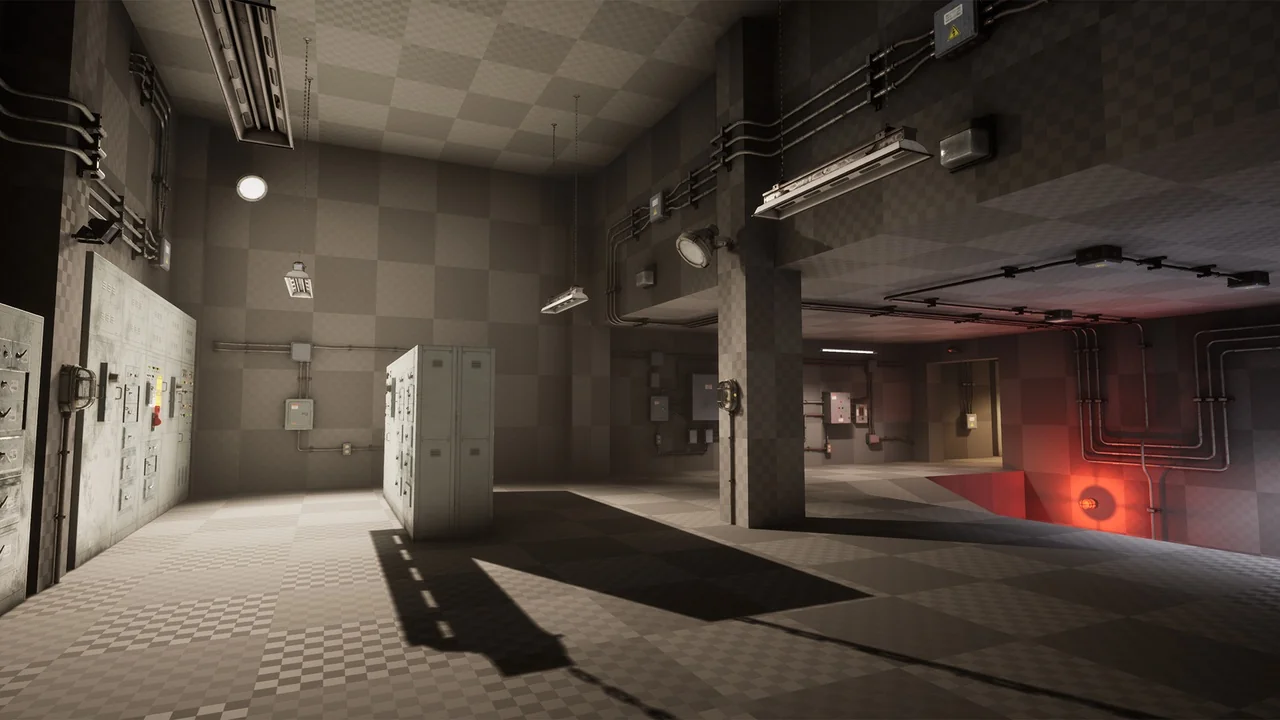
Conduits and pipes require functional origins and destinations. The inclusion of distinct electrical panels and power boxes provides the necessary mechanical hubs to anchor these utility paths. Placed along corridors, tucked beside doorways, or grouped into dedicated maintenance alcoves, these panels act as focal pieces that punctuate long structural runs. They give environmental artists identifiable landmarks that explain where power originates and how circuits are managed across a given sector.
Power boxes and service panels serve an essential compositional purpose by breaking up repetitive wall geometry. Combining different sizes of electrical boxes alongside continuous conduit tracks helps prevent large industrial surfaces from looking monotonous. When grouped into clusters, panels suggest heavy-duty electrical distribution, whereas solitary power boxes positioned at intervals along a run can denote local shutoffs, switchgear, or machinery feeds.
Industrial Lamps and Light Fixtures
Utility hardware extends beyond distribution boxes into operational output, represented here by different lights and lamps. Lighting hardware in industrial complexes must look tethered to actual infrastructure rather than simply floating on ceiling surfaces. The lamps included in this collection are meant to interface directly with the overhead conduits and surface pipes, creating a believable connection between power lines and actual light sources.
Distributing these lamps throughout a scene allows level decorators to establish intentional lighting hierarchies. Staggered fixtures can illuminate primary navigation pathways, while task lamps anchored above electrical panels highlight functional interaction zones. Because the lighting elements share the same industrial visual grammar as the conduits and breaker panels, they maintain a consistent aesthetic across low-visibility utility corridors, manufacturing hubs, and exterior work yards.
Layout Reference in the Example Map
To assist with spatial planning and piece assembly, an example map comes included with the assets already configured into functional layouts. Constructing complex pipe and conduit networks from scratch can quickly lead to alignment mismatches or unnatural routing choices if the underlying modular rules are unclear. The pre-assembled scene acts as a practical visual reference, showing how individual conduit segments, panels, and junction points lock together to produce coherent utility paths.
Examining this reference space gives environment artists a clear blueprint for scale, junction spacing, and vertical transitions. By inspecting how the power boxes tie into running pipes and how lamps terminate from overhead lines in the example scene, designers can replicate established construction patterns or duplicate entire sub-assemblies directly into custom production levels.
Integration with Modular Industrial Catwalks
The components in the Industrial Electrical Utility set are compatible with the Modular Industrial Catwalks Set, expanding structural platforms into fully serviced engineering environments. Walkways, platforms, and stair towers frequently require integrated wiring, utility feeds, and underslung lighting to feel true to life. Running conduits beneath walking grates, mounting electrical panels to vertical support pillars, and securing lamps to catwalk framing ties structural architecture and utility systems into a unified setting.
Deploying these utility pieces across elevated catwalk systems also enhances verticality in environmental design. Overhead walkways gain visual weight when accompanied by suspended power lines, underside junction boxes, and downward-facing utility lights. The unified fit between the utility hardware and modular catwalk geometry ensures that multi-level factory floors, refineries, and hangar bays can be dressed with consistent, purpose-built electrical infrastructure from floor to ceiling.
 Industrial
 Industrial
 Lighting
 Industrial