Physics hands as the starting point
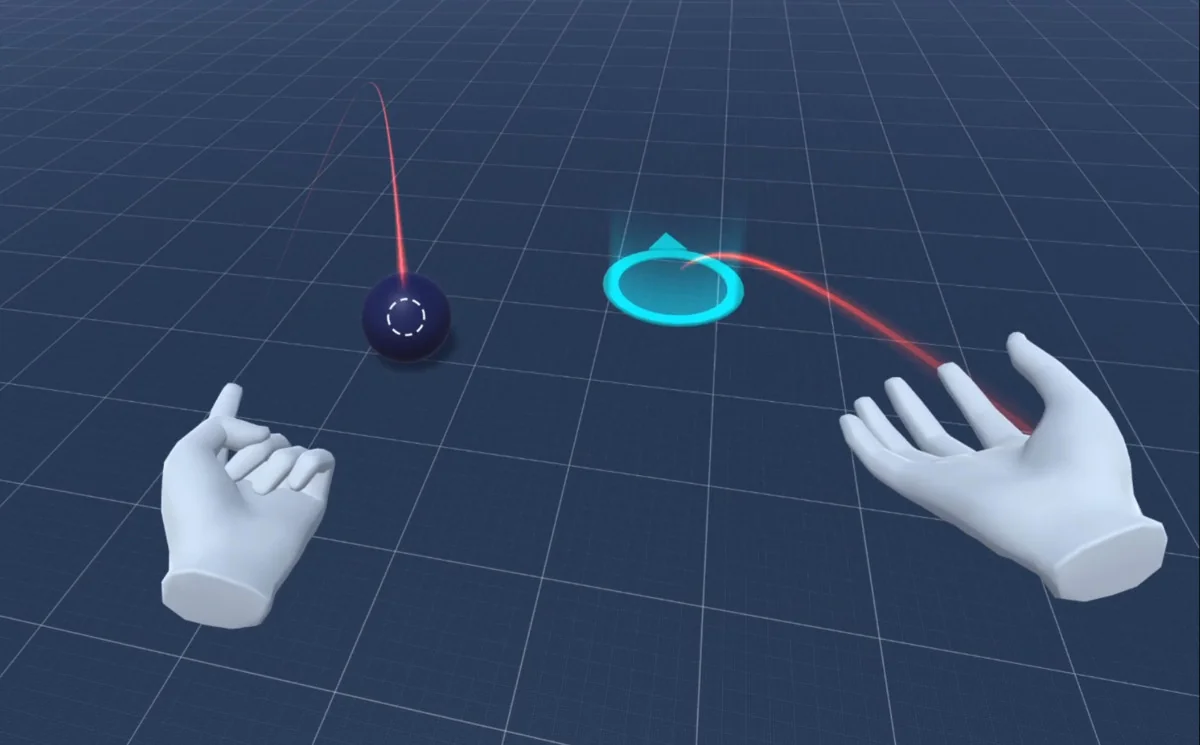
HurricaneVR is a complete VR interaction framework for Unity with a heavy emphasis on quality physics interactions. The hand system is driven by tuned PD Controllers, which gives the physics hands a smooth and responsive feel instead of a stiff or disconnected motion style. That matters when the same setup has to handle collision, two-handed holding, throwing, and regular interaction with physics objects in the same scene.
Supported Unity versions run from 2019.4 through 6.3, and Unity 2019 and up is supported across major headsets and XR plugins. In practice, that makes the framework relevant when a project needs to reach multiple devices and platforms without changing the core interaction logic each time.
The package also pairs well with the BW Style Hexabody Player Controller for a more complete physics experience. That places it in a useful spot for projects that want the hands, player body, and held objects to behave as part of one system rather than as separate pieces.
Grabbing, pose control, and socket behavior
The grabbing side focuses on more than simply attaching an object to the hand. Smooth and responsive one- and two-handed physics grabbing is supported, along with custom rigged hand models. An advanced pose editor provides per-finger animations and bone mirroring, while dynamic auto pose solving uses physics to shape the hand around held objects.
There is also a dynamic auto poser with live updates in the editor view, which is useful when creating or adjusting poses quickly. Gravity Gloves or Force Grab style remote grabbing is part of the framework, along with Line Grab, which lets an object be grabbed anywhere along the line with optional grip adjustment. Configurable one- and two-hand strength per grabbable gives more control over how each object responds.
- Pose Zones
- Socketable Orientation UI Helper for multiple socket types
- Haptic enhancements for guns, hand and force grabber, and hand-held object collisions
- Force Grabber and Hand Grabber hover and grab poses
- Pose swapping on held objects, including flipping knives in hand
- Advanced stabbing system with customizable stab difficulty and friction
The socket system is described as powerful, with easy filtering and auto scaling by mesh size. SteamVR Finger Tracking Integration is included for Knuckles and similar hardware, and Valve Knuckles XRHand OpenXR support extends to the middle, ring, and pinky fingers.
Player control for seated or standing setups
HurricaneVR does not stop at hand interactions. The player controller includes sit and standing modes with height calibration, smooth locomotion with smooth and snap turning, crouching, sprinting, and jumping. Teleporting is also covered, with a dash-to-destination option for faster movement across a scene.
A post-teleport collision safety check for hands and held objects is included as well. That detail fits the frameworkâs physics-first approach, since the player can move between spaces without leaving the hands or carried objects in an awkward state right after travel.
This makes the toolkit useful for scenes where movement and interaction have to stay in sync. The same package handles the hand response, the playerâs body mode, and the movement options that connect one interaction area to the next.
Interactables, weapons, and sample scenes
The included samples cover a wide range of physical interactions. Doors, drawers, dials, buttons, levers, and a combination safe are all represented. The package also includes an over-the-shoulder backpack inventory with auto collect, an auto-collecting chest inventory, waist holsters with configurable orientation, and keypad door unlock.
Weapon examples are part of the setup as well. There is a gun system and gun creation editor, customizable physics-based gun recoil, physics-based bow and arrows, and the advanced stabbing system with customizable stab difficulty and friction. The sample list also includes SMG and pump shotgun content, which shows how the framework handles weapon-specific interaction patterns alongside the general physics tools.
A brand new Examples scene is loaded with demonstrations of asset features, so the interactions can be inspected in context instead of pieced together from isolated parts. That is useful when a team wants to see how the grab system, sockets, weapons, and environmental interactables sit inside the same project structure.
Where it fits in production
HurricaneVR fits projects that need a single VR interaction foundation for physical hands, grabbing, sockets, movement, and weapon handling. It reaches across Unity 2019 and up, supports major headsets, and works with XR plugins, which keeps it relevant when the target setup is still changing during development.
For production work, the value is in how many core VR tasks are already covered in one framework. Hand physics, remote grabbing, pose work, player movement, interactable props, holsters, inventory, and weapon examples all sit in the same package. That makes it easier to keep the physical feel consistent when the scene moves from simple object handling to doors, inventory, and combat-style interactions.
The practical takeaway is straightforward: if a VR project depends on physical hand response and believable object interaction, HurricaneVR gives you the systems to start building around that loop without having to separate the hands, player control, and interactable examples into different workflows.
Visual Breakdown
Protected download
Access this resource
All resources are 100% manually reviewed to eliminate all risks.