A Unified Engine Solution for Multi-Genre Projects
Game Kit Controller (GKC) is a technical framework designed to handle the core requirements of 3D and 2.5D game development. Rather than focusing on a single perspective, the system provides a foundation for first-person, third-person, top-down, isometric, and point-and-click views. This versatility allows the developer to pivot between genres—such as fast-paced shooters, fixed-camera horror, or slow-paced puzzle games—within a single environment. The core of the package is built around saving development time by offering a pre-configured suite of mechanics that are highly customizable and can be extended with custom code.
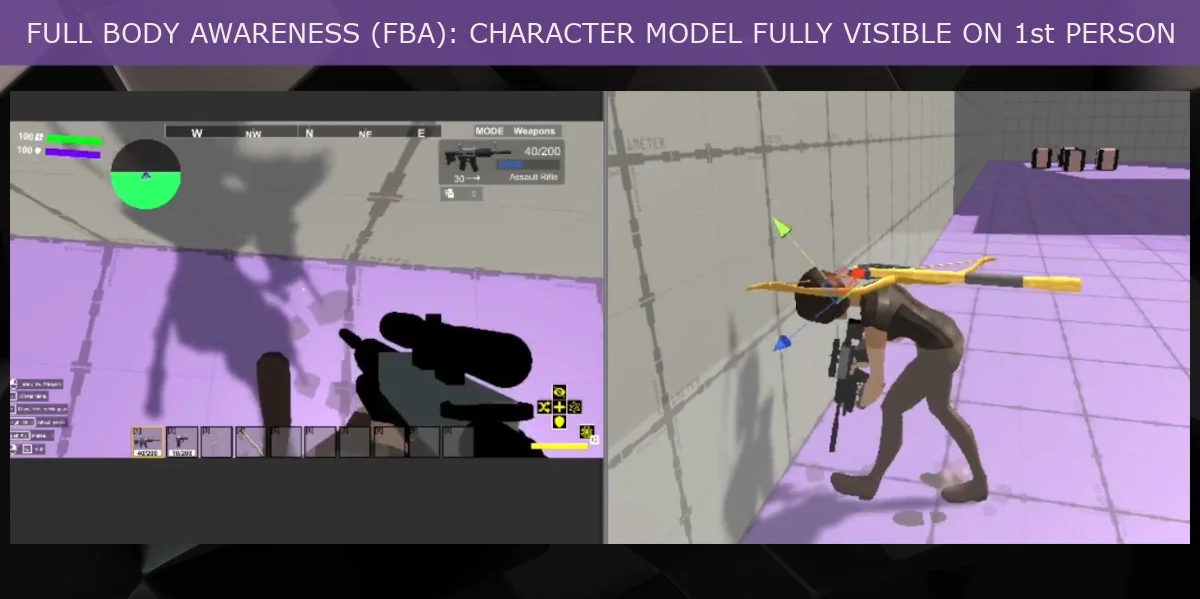
The system is particularly suited for projects requiring high levels of character interaction. It includes full body awareness for both first and third-person perspectives, ensuring that the character’s physical presence is consistent across different camera states. This foundation is designed to be modified, allowing creators to enable or disable specific features to suit the needs of a particular project, whether that involves a complex RPG system or a straightforward action-adventure title.
Physics-Based Locomotion and Character Management
At the center of GKC is a character controller that utilizes physics and root motion to create dynamic movement. To ensure the character interacts realistically with the environment, the system employs Inverse Kinematics (IK) for the feet, legs, upper body, and hands, alongside head tracking. This setup allows for precise ground adherence, enabling characters to navigate slopes, steps, and irregular surfaces with mesh colliders. The controller also supports tank controls and 360-degree direction rolls or evades.
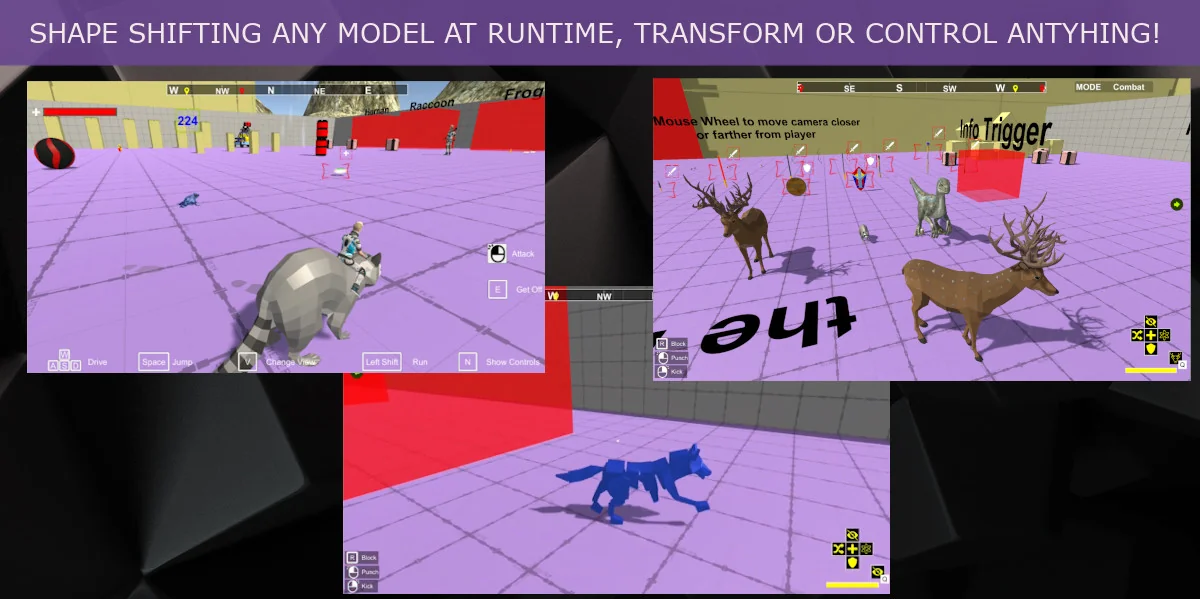
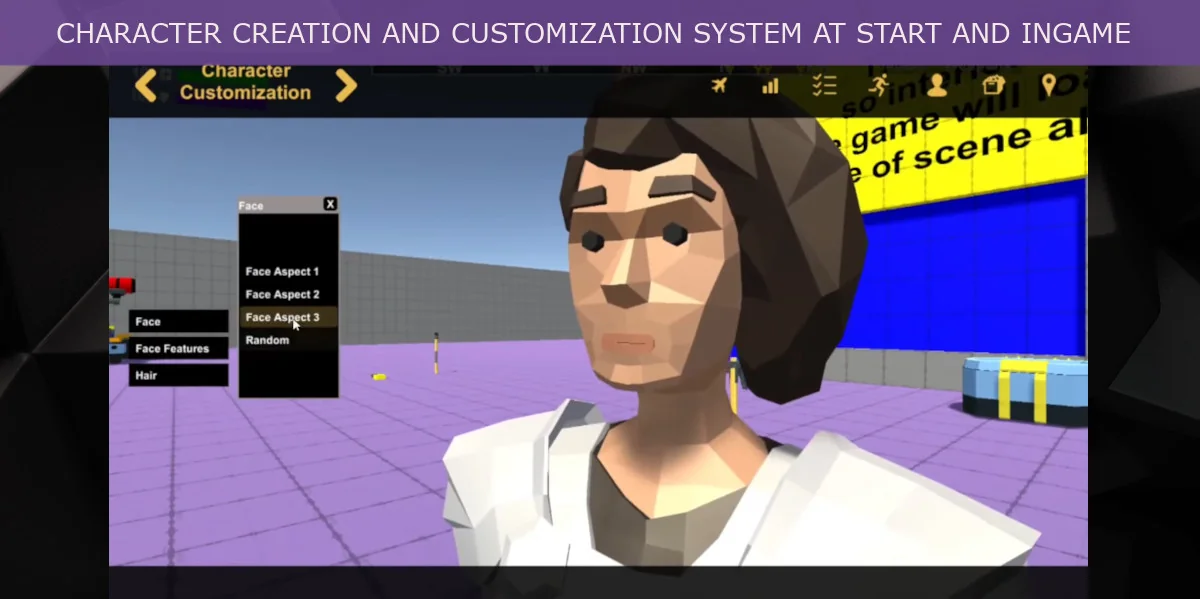
Recent updates have introduced specific tools to streamline character setup. The tool height configuration allows for the adjustment of large or small character models with minimal steps. Furthermore, the system supports model swapping at runtime for both players and NPCs, which includes functionality for gender selection. For environmental navigation, the ground system has been improved to handle complex terrain, while ladders have been updated to remain fully functional within the full body awareness and third-person frameworks.
Advanced Traversal and Action Systems
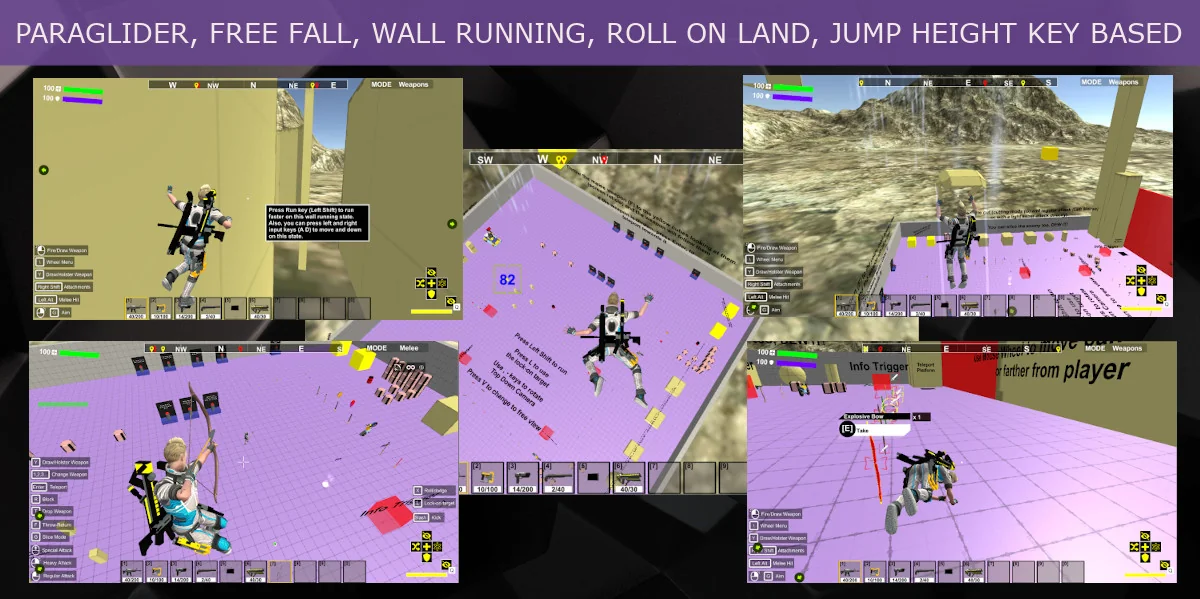
The traversal mechanics in GKC are designed with a focus on fluidity, often associated with MetroidVania-style gameplay. The system includes a variety of movement options such as wall running, wall jumping, and a free climb system. Players can perform slides, crouch sliding, and rolls upon landing to mitigate fall damage. The jumping mechanics are nuanced, offering different jump heights based on the duration of the key press, alongside transitions between jumping, air time, and landing.
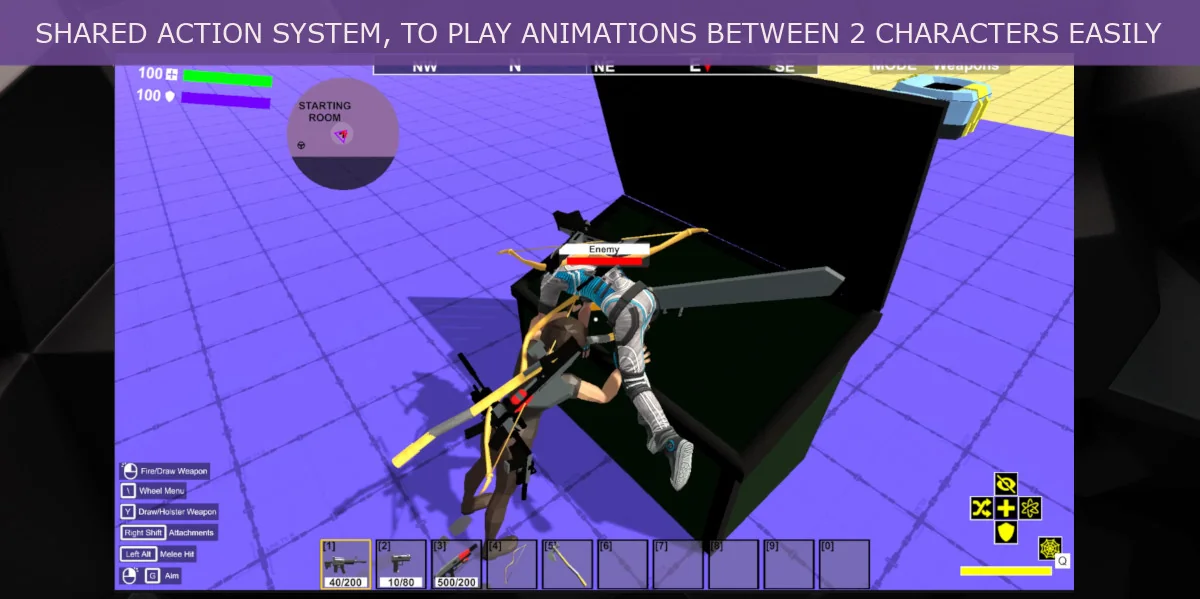
Beyond basic movement, the kit features a dedicated action system. This allows the creator to configure custom actions triggered by animations within specific zones or situations. These interactions include:
- Sitting on chairs or interacting with furniture.
- Picking up objects directly from the ground.
- Opening doors and pressing buttons.
- Vaulting over obstacles and walking along cliff edges.
- Paragliding and interacting with wind zones.
- Swimming and diving mechanics.
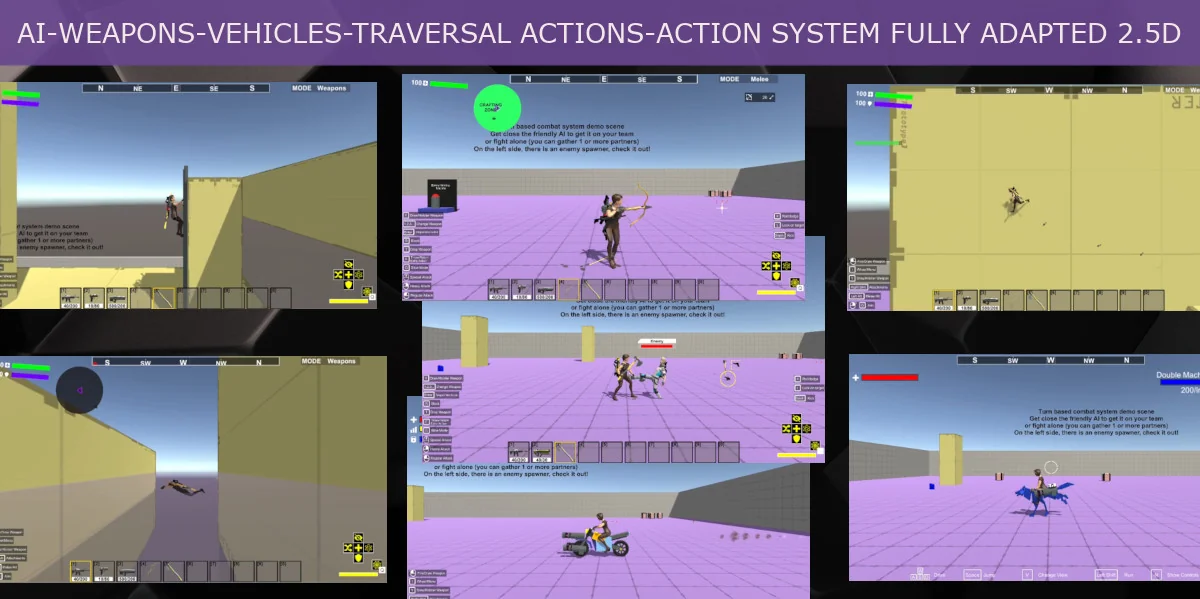
These actions are fully adapted for 2.5D environments, ensuring that the transition between 3D and side-scrolling gameplay does not compromise the character’s capabilities.
Combat, Vehicles, and RPG Integration
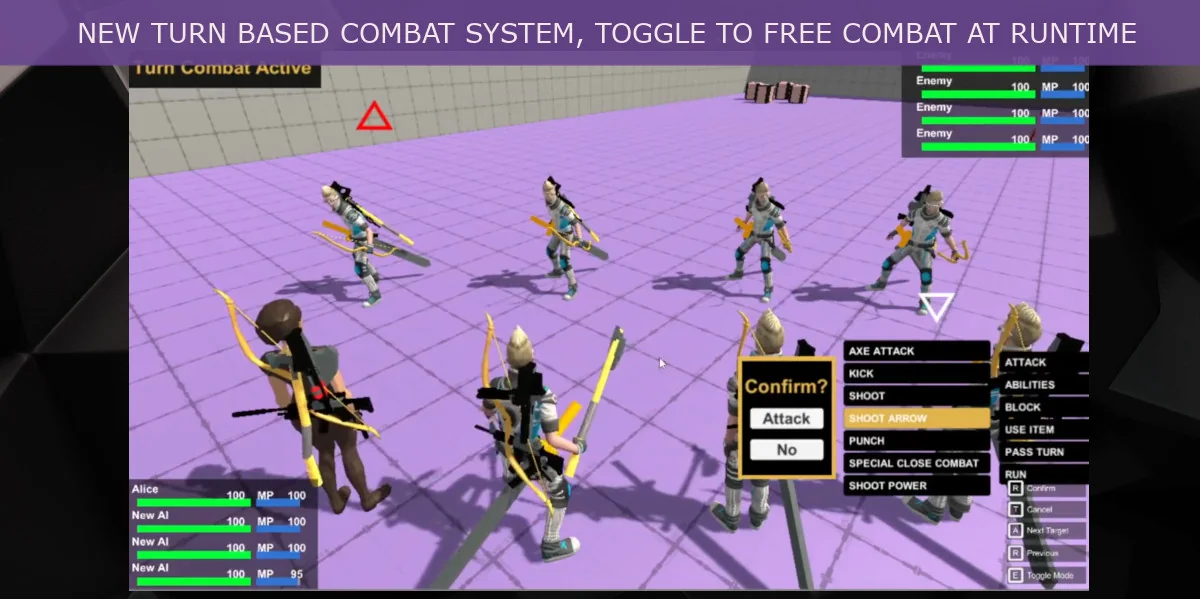
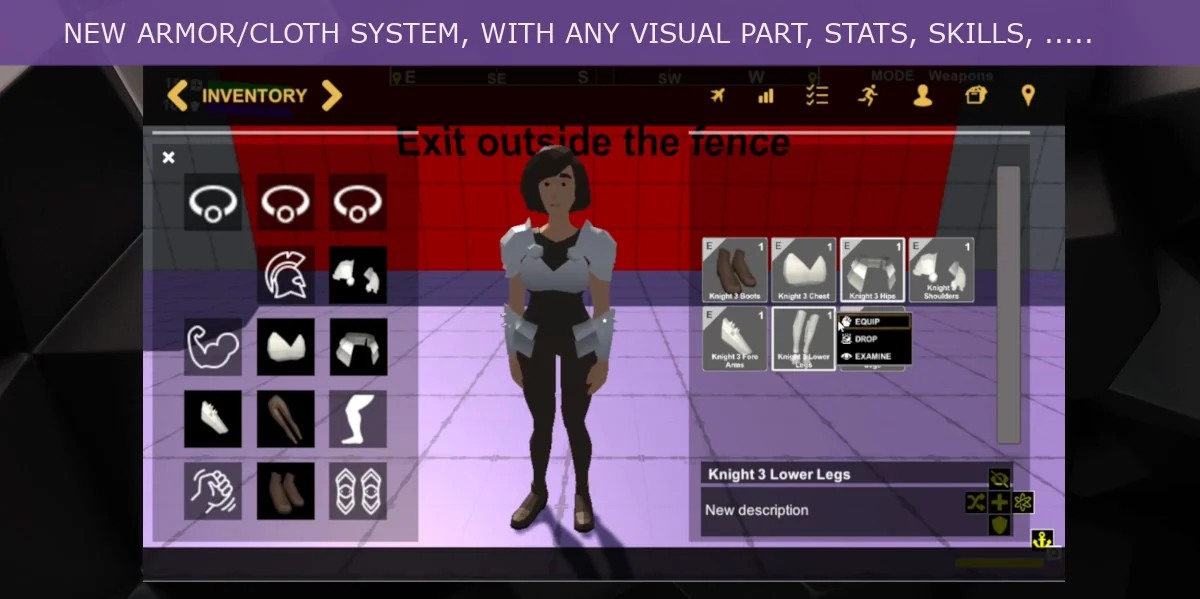
For projects involving combat and complex systems, GKC integrates weapons and powers alongside RPG elements like crafting. The system is built to handle sci-fi mechanics, including gravity manipulation. The developer can set up players or AI entities quickly, with the AI capable of detecting and attacking players who are using vehicles or special powers.
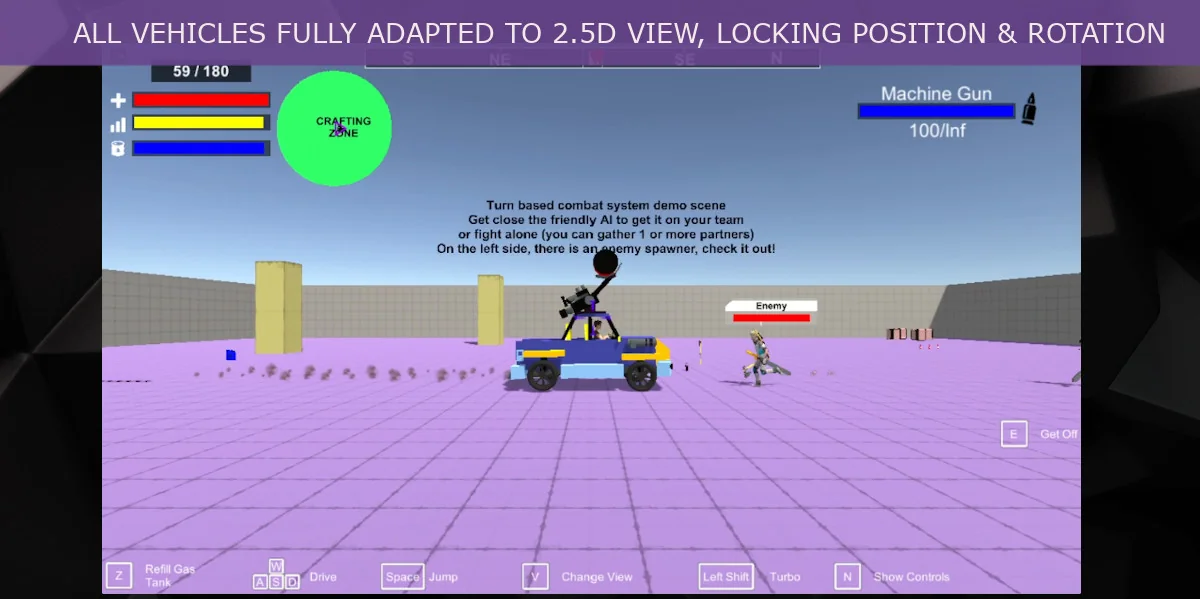
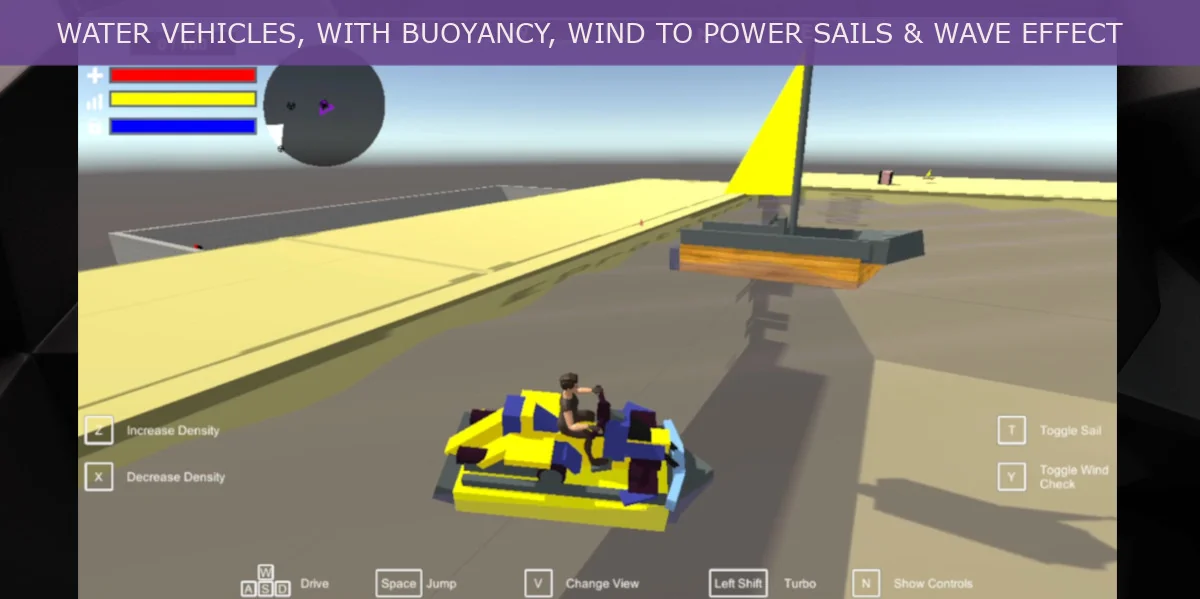
The vehicle system is designed for broad compatibility, allowing creators to use various driving frameworks such as Edy’s, RCC, SCK, or NWH. Characters can enter and exit these vehicles, use weapons while driving, and be detected by the AI. This integration extends to the UI and control schemes, with support for touch controls, custom input keys, and highly customizable camera transitions. Other environmental effects like headbob, footsteps, and specific camera states can be adjusted to match the desired tone of the project.
Practical Workflow Application
In a production workflow, GKC functions as a modular base. Because it covers everything from inventory and crafting to complex traversal and vehicle integration, it allows a team to focus on level design and story rather than building foundational character logic from scratch. The ability to toggle features on or off means the framework can be stripped down for a simple horror game or expanded for a feature-heavy shooter. The inclusion of tools for runtime model swapping and quick AI setup makes it a viable option for projects requiring a high volume of character variety or complex NPC interactions.
Preview Images
Protected download
Access this resource
All resources are 100% manually reviewed to eliminate all risks.