Modular Foundation and Unity 6 Compatibility
FPS Framework 2.0 is built as a comprehensive solution for developers creating first-person shooters within the Unity engine. The framework is designed with a focus on a solid, clean code foundation that prioritizes smooth performance across various project types. One of the central aspects of this version is its compatibility with the latest iterations of the engine, including full support for Unity 6. This ensures that developers can utilize current rendering and performance features while maintaining a stable workflow.
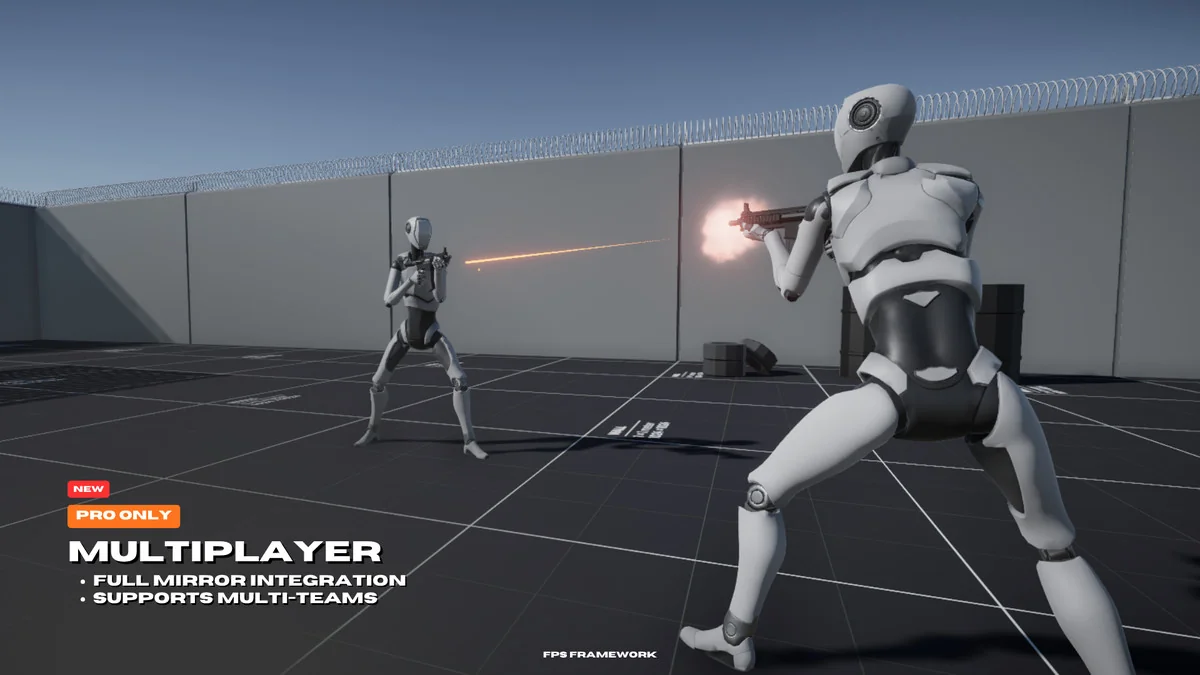
The architecture is intentionally modular, which allows for extensive modification. This design philosophy is intended to make the implementation of complex features, such as external systems or multiplayer integration, more straightforward. While the base framework provides the core mechanics for a single-player experience, the developer has structured the code to be adaptable for those who choose to expand into multiplayer environments through separate upgrades.
Adaptable Movement and Controller Logic
The movement system in FPS Framework 2.0 centers on a modular character controller. This setup allows developers to add or remove features within the controller logic without disrupting the entire movement stack. For those who prefer different physics interactions, the framework supports the replacement of the standard character controller with a Rigidbody FPS Controller. This flexibility is a key feature for projects that require specific physical behaviors or environmental interactions that a standard controller might not provide.
Beyond the primary controller, the framework allows for the replacement of core systems entirely. If a project already has a custom movement script or a specific set of physics rules, the framework is designed to accept these custom replacements while maintaining its connection to the rest of the FPS systems, such as the camera or weapon logic. This makes it a viable option for developers who are looking to upgrade the mechanics of an existing project rather than starting from a blank slate.
Firearm Customization and Ballistic Features
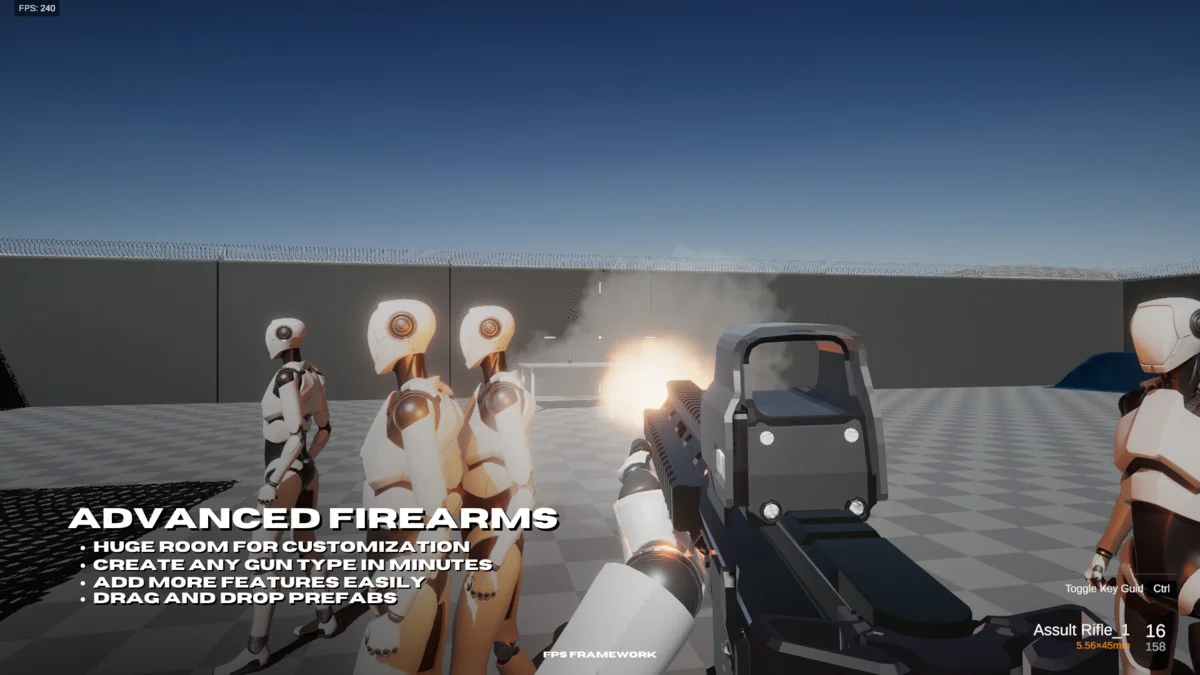
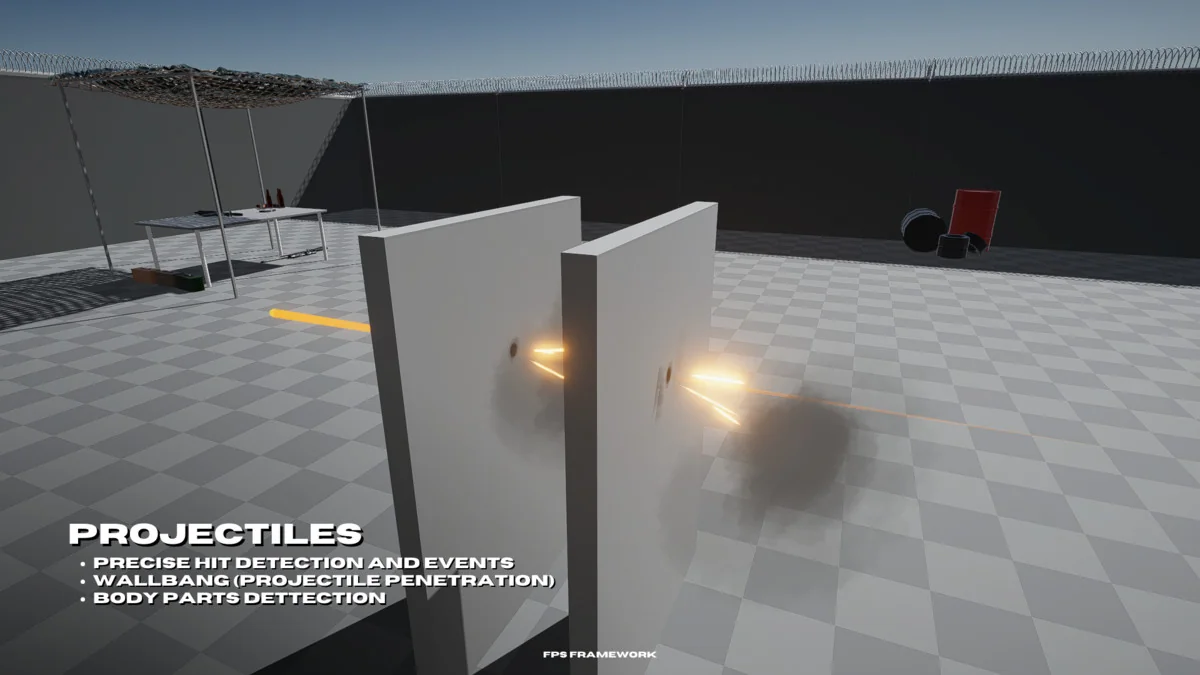
The firearm system is one of the most detailed components of the framework. It is built to be modular, enabling the creation of diverse weapon types. Developers can define custom spray patterns for firearms, which provides a level of precision and control over the shooting mechanics. These patterns are intended to enhance the gameplay experience by giving players predictable or skill-based recoil mechanics to master.
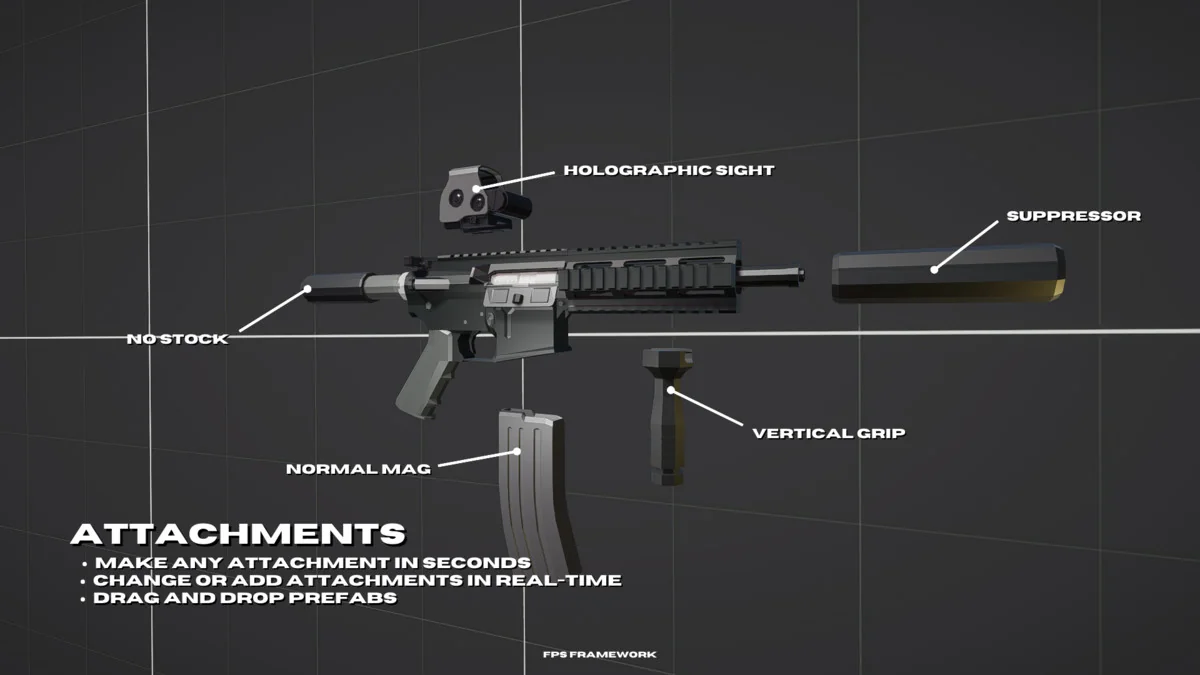
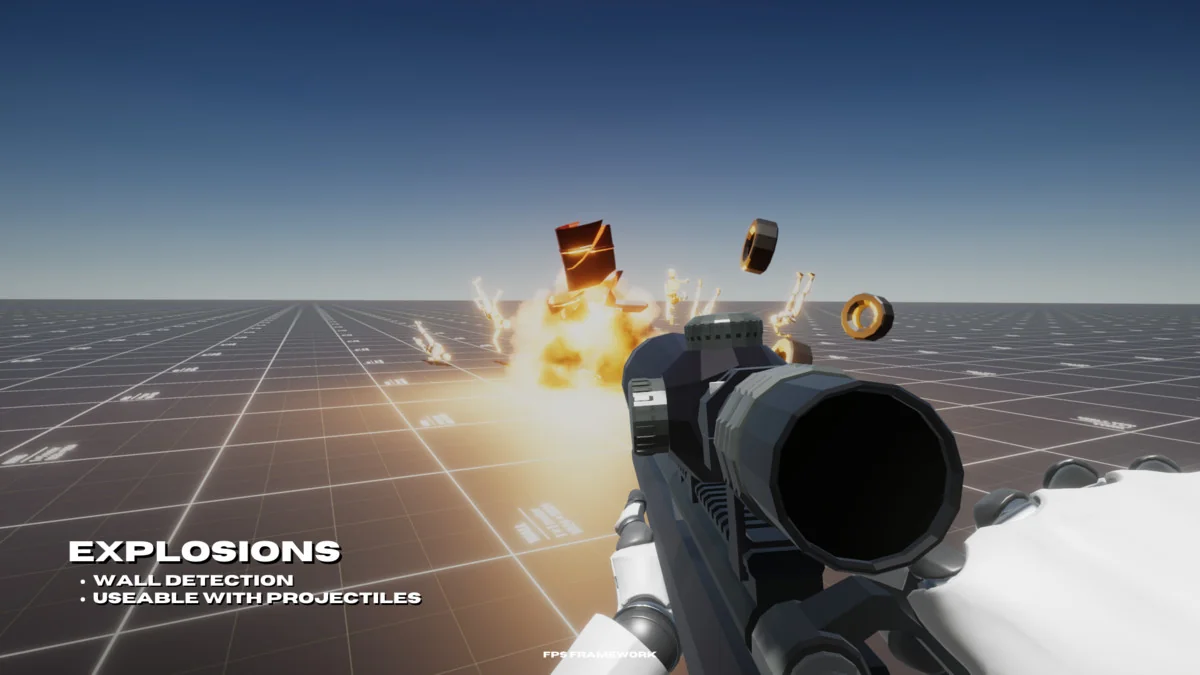
The system also includes a modular attachment framework. Attachments can be added to weapons through a quick process, and these modifications directly affect the gun’s performance and behavior based on the developer’s specifications. This allows for a high degree of weapon variety without requiring unique scripts for every individual firearm configuration. Additionally, the firearm system supports explosive projectiles. This capability allows for the creation of heavy weaponry, such as rocket launchers, where projectiles trigger modular explosion systems upon impact. These explosion systems are designed to be both visually accurate and mechanically functional within the game world.
Dynamic Inventory and Resource Handling
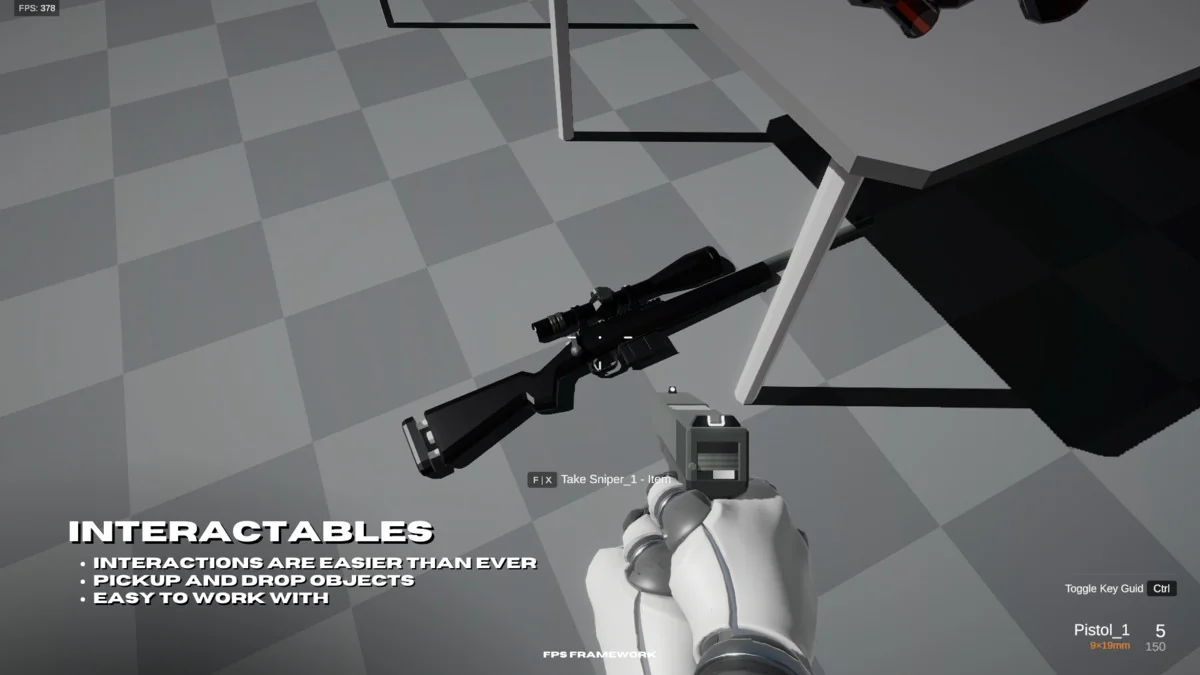
The inventory system within FPS Framework 2.0 is designed to be flexible and agnostic toward the types of items it holds. It is built to accept custom guns, consumable items, and other miscellaneous objects seamlessly. Developers can create entirely new item types, and the framework is programmed to handle these custom definitions without requiring deep structural changes to the inventory logic. This versatility is essential for games that feature complex looting systems or a wide variety of equipment.
To manage the lifecycle of players and non-player characters, the framework includes an integrated respawn system. This system is designed to be easy to use and facilitates the spawning and respawning of actors, which applies to both bots and player-controlled characters. This ensures that the flow of combat remains consistent and that the developer has direct control over where and when entities reappear in the scene.
Visual and Auditory Feedback Systems
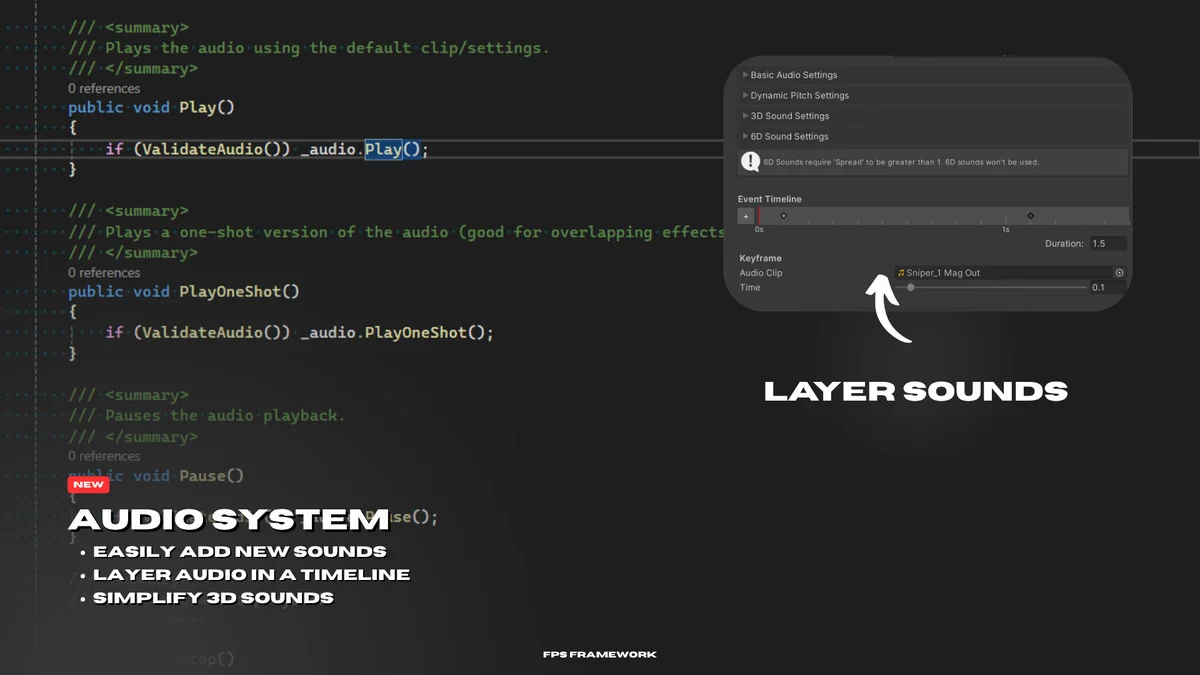
To enhance the sensory experience of the game, FPS Framework 2.0 includes an advanced, modular audio system. This system allows for the management of audio clips in a way that provides deeper 6D sounds. It supports custom events, giving developers maximum control over how and when sounds are triggered in relation to gameplay actions. This modularity means that audio behaviors can be adjusted for specific weapons, environments, or character actions without a one-size-fits-all approach.
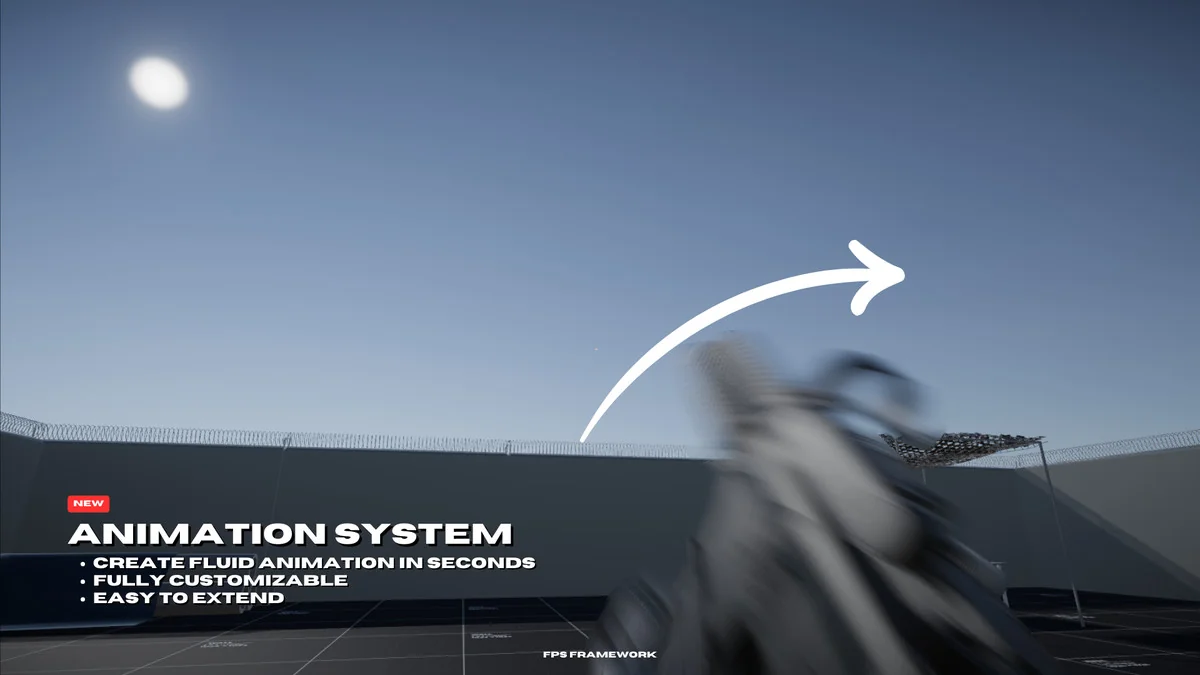
Complementing the audio is a procedural animation system. This system is designed to handle character and weapon movements dynamically rather than relying solely on pre-baked animation clips. By using procedural methods, the framework can create more fluid and responsive movements that react to player input and environmental changes. This modular animation logic is a significant part of the framework’s ability to provide a high-quality feel to the first-person perspective.
For those looking to dive deeper into the technical side of the asset, the developer provides access to source files and documentation. This transparency allows for a better understanding of the underlying code, which is beneficial for both new Unity users and experienced developers who wish to customize the framework to fit the specific needs of their project.
Visual Breakdown
Protected download
Access this resource
All resources are 100% manually reviewed to eliminate all risks.