Modular Creature Design for RPG Environments
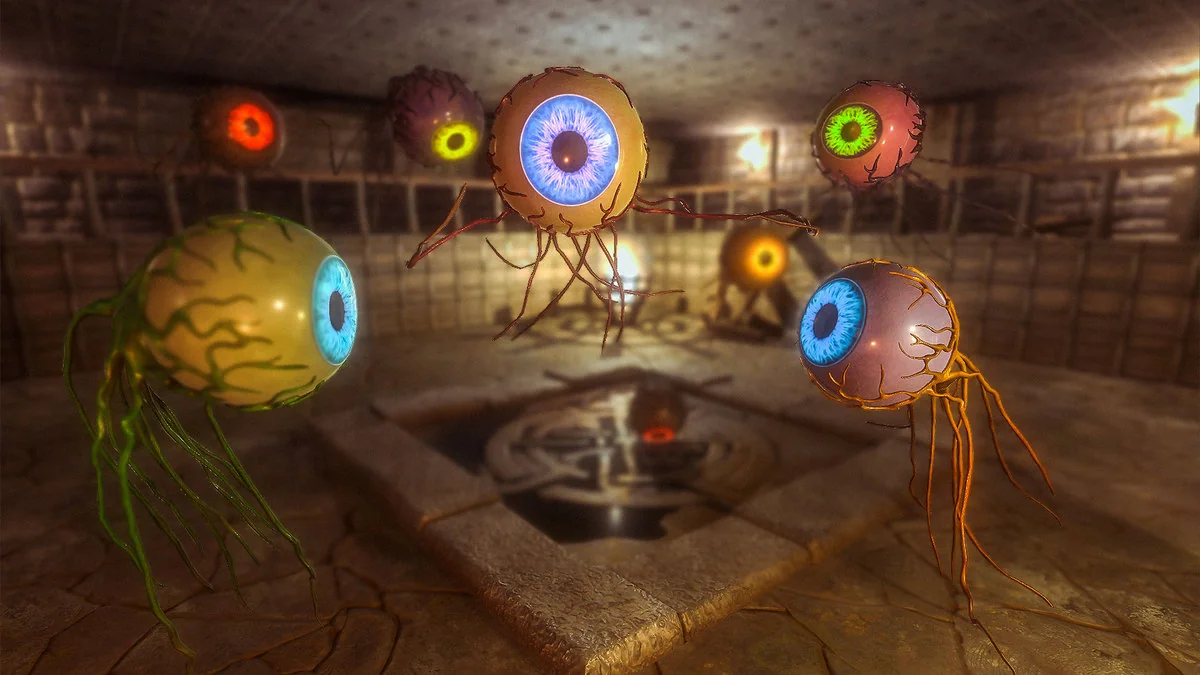
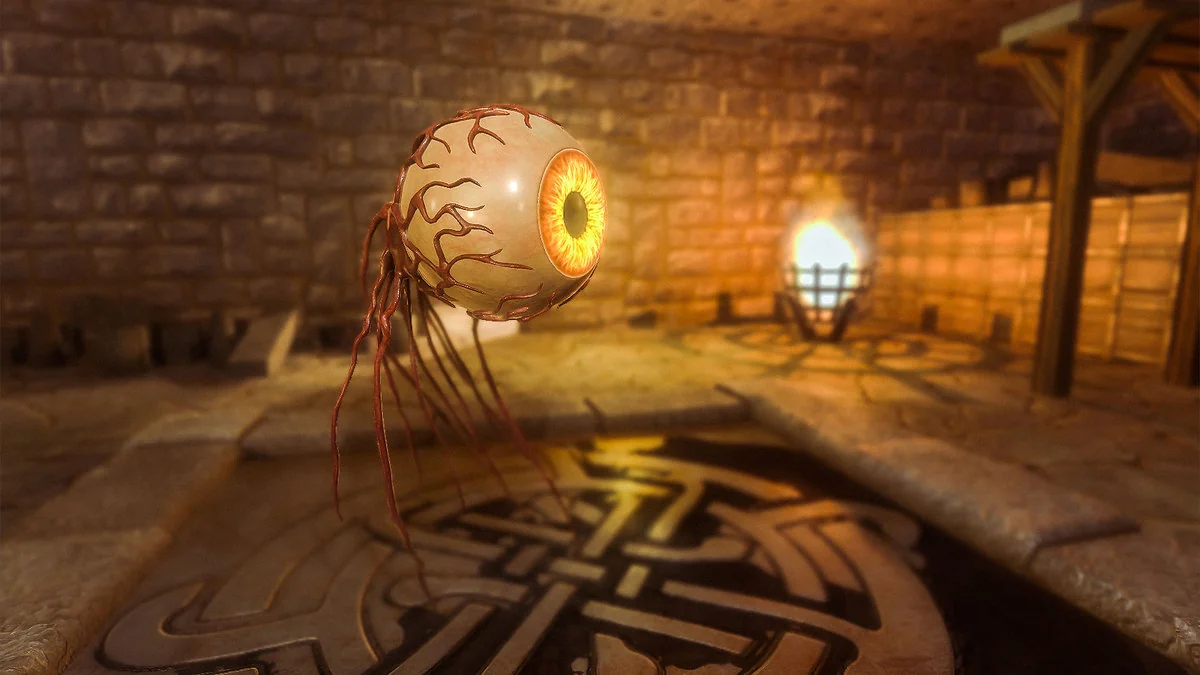
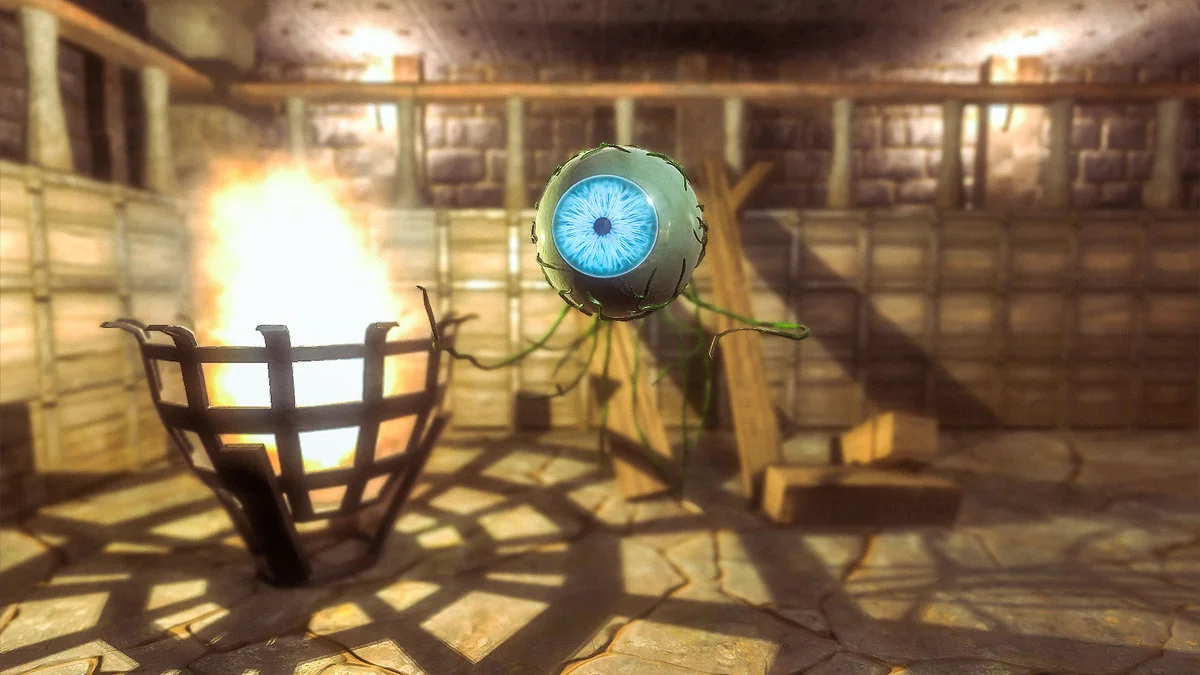
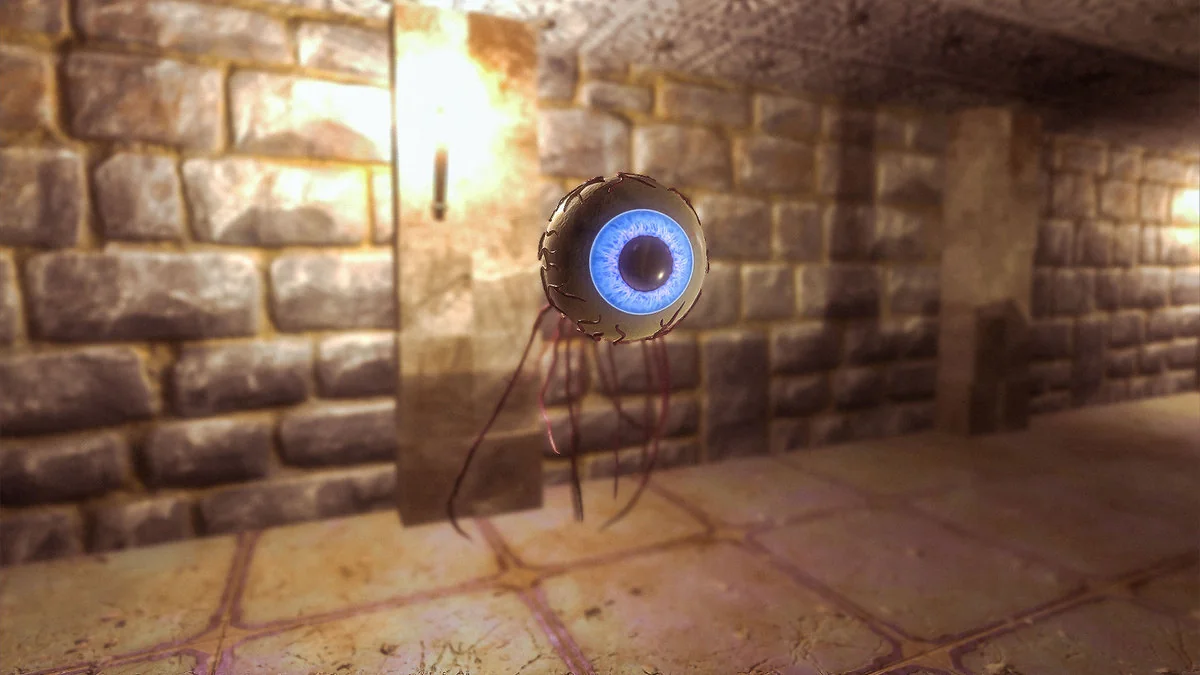
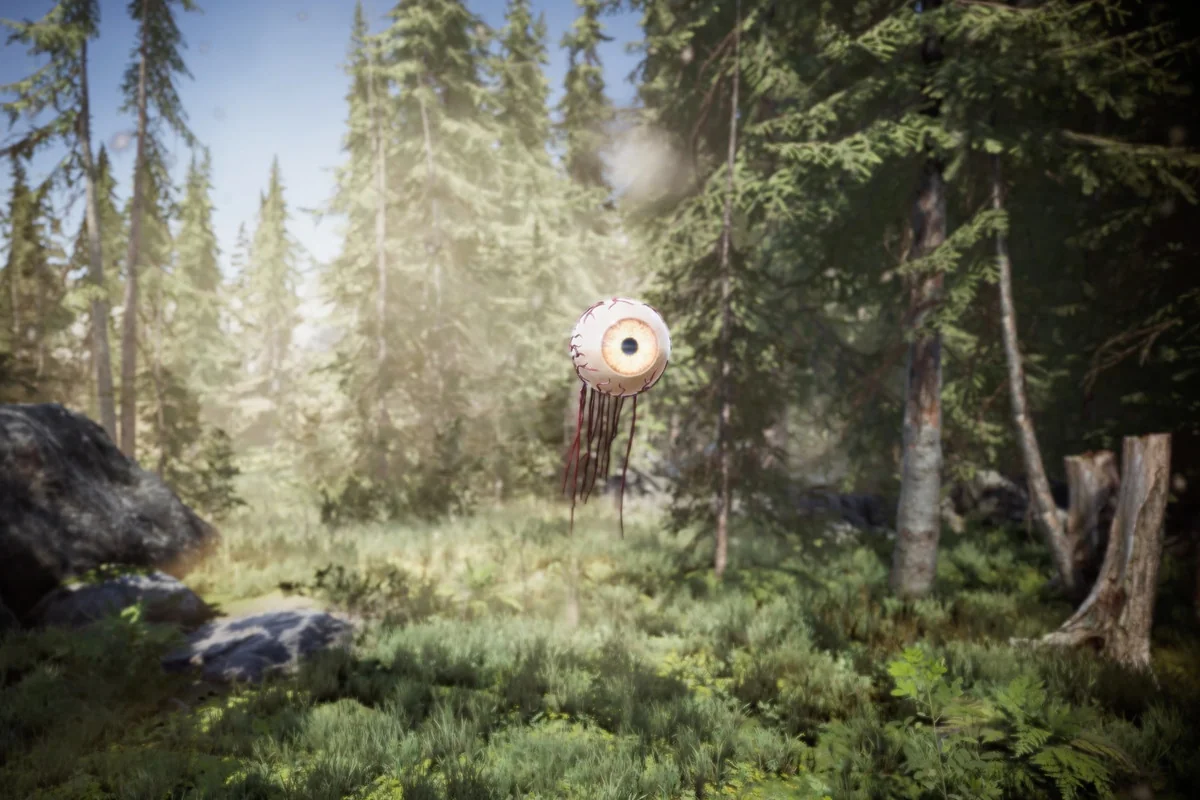
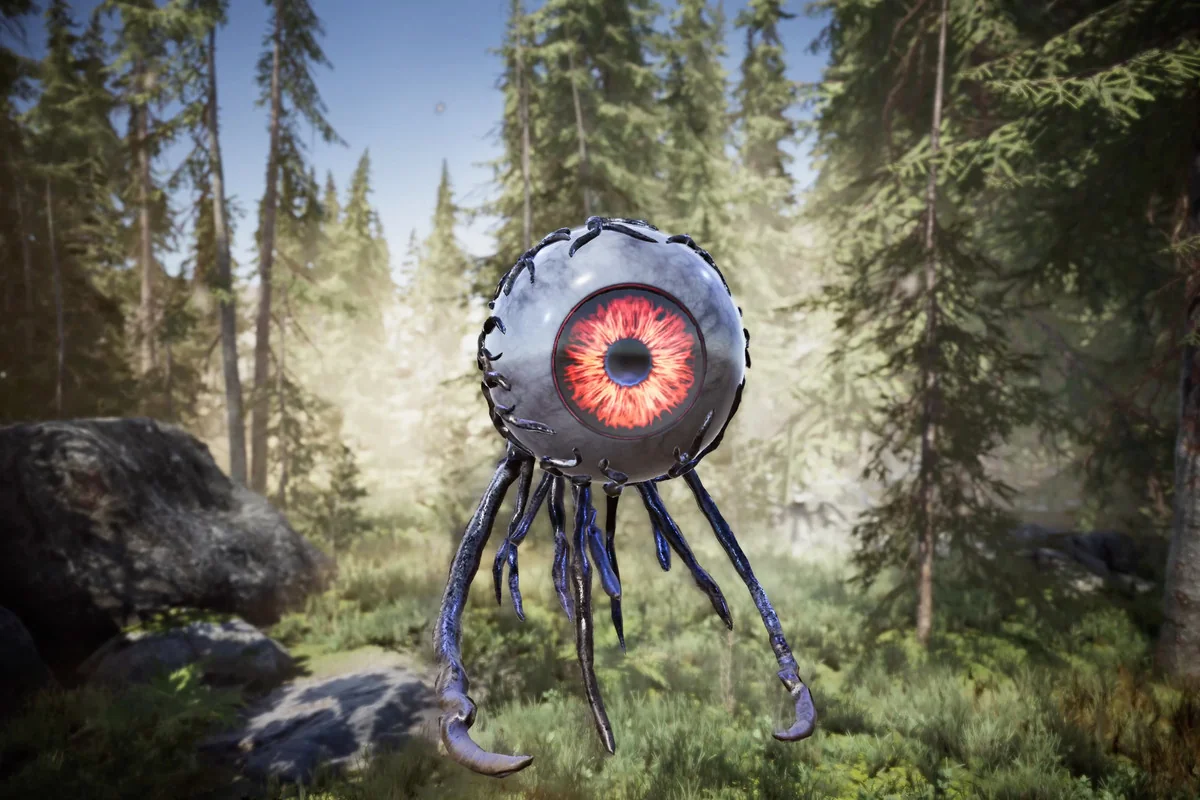
Implementing a classic monster like the Flying Eye requires a balance between distinct visual identity and functional versatility. This asset pack provides a PBR-based eyeball creature equipped with tentacles, designed to serve as a staple enemy or NPC within fantasy RPG settings. Rather than a static mesh, the character is built around the concept of emotional expression and physical variety, allowing developers to adjust the creature to fit specific environmental themes or difficulty tiers.
At its core, the pack focuses on a creature that communicates through its singular eye. The developer has emphasized a realistic approach to these movements, including specific animations for the dilation of the iris. This level of detail allows the creature to appear more reactive to the player and the game world, moving beyond simple attack cycles to provide a sense of personality through its visual state.
Visual Customization and Mesh Morphing
One of the primary tools for implementation within this pack is the use of Blend Shapes. These allow for extensive mesh morphing, enabling the developer to physically alter the shape of the Flying Eye. By adjusting these parameters, you can create multiple variations of the same base monster, ensuring that players do not encounter identical enemies throughout a long campaign.
These physical mesh adjustments work in tandem with the PBR textures. While the asset is shipped for the Built-in Render Pipeline, the textures are compatible with legacy shaders (Unity 5 and beyond). For projects utilizing modern workflows, the textures are designed to be upgraded for use in the Universal Render Pipeline (URP) and the High Definition Render Pipeline (HDRP). This flexibility ensures the creature maintains its visual fidelity across different lighting environments and rendering setups.
Animation Fidelity and Combat Mechanics
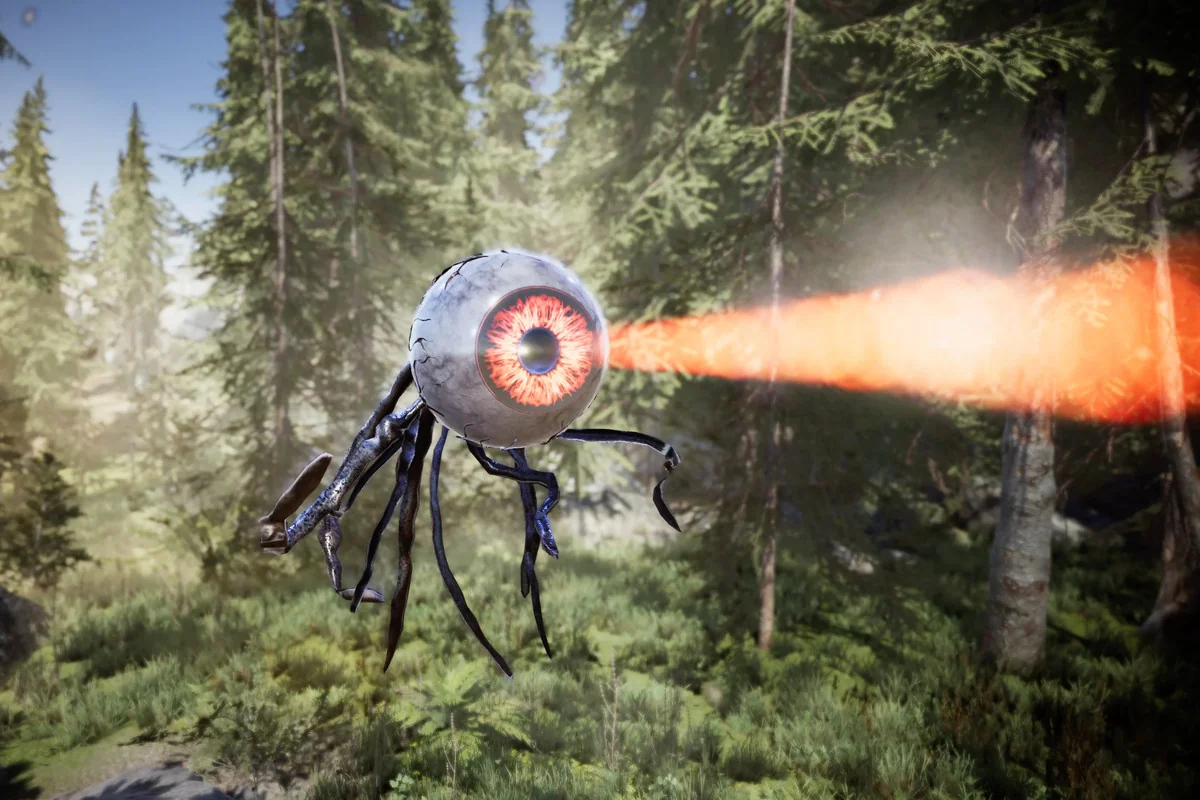
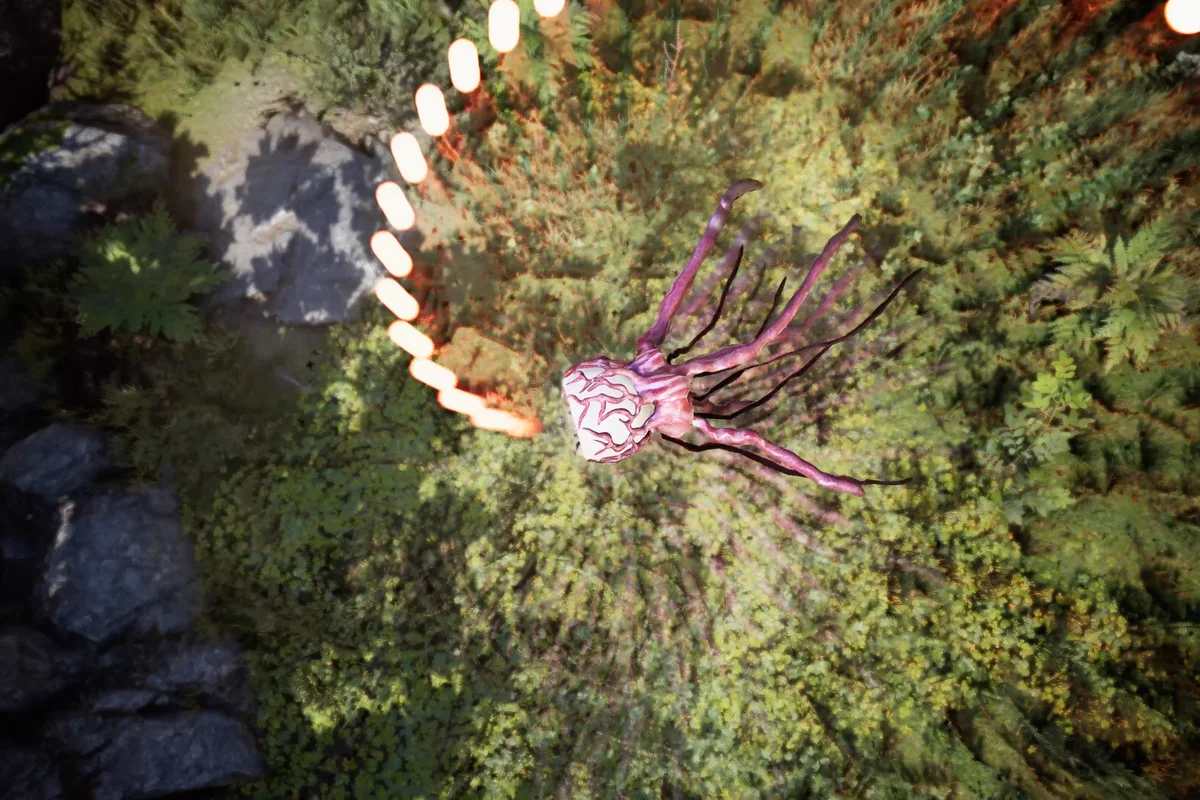
Combat implementation is supported by a variety of attack styles and movement states. The Flying Eye is equipped with animations for laser beams and melee attacks, utilizing its tentacles for wild, erratic movements. These detailed animations are intended to feel realistic, grounding the fantasy creature in a believable physical space.
Beyond combat, the character rig is provided as a bonus file. Having access to the animation rig allows for deeper integration within a project’s specific animation controller, potentially enabling custom movements or procedural adjustments to the tentacle physics. The inclusion of particles further supports the combat mechanics, providing the necessary visual feedback for the laser and melee interactions without requiring the developer to source external effects for basic functionality.
Integrated Audio and Visual Bonus Assets
To streamline the setup process, the pack includes several categories of support files that extend beyond the 3D model itself. For developers looking to establish a specific atmosphere, the pack contains dedicated music and sound effects designed to complement the creature’s movements and attacks. These audio assets provide a baseline for the creature’s presence in a scene, reducing the need for separate sound design phases for this specific entity.
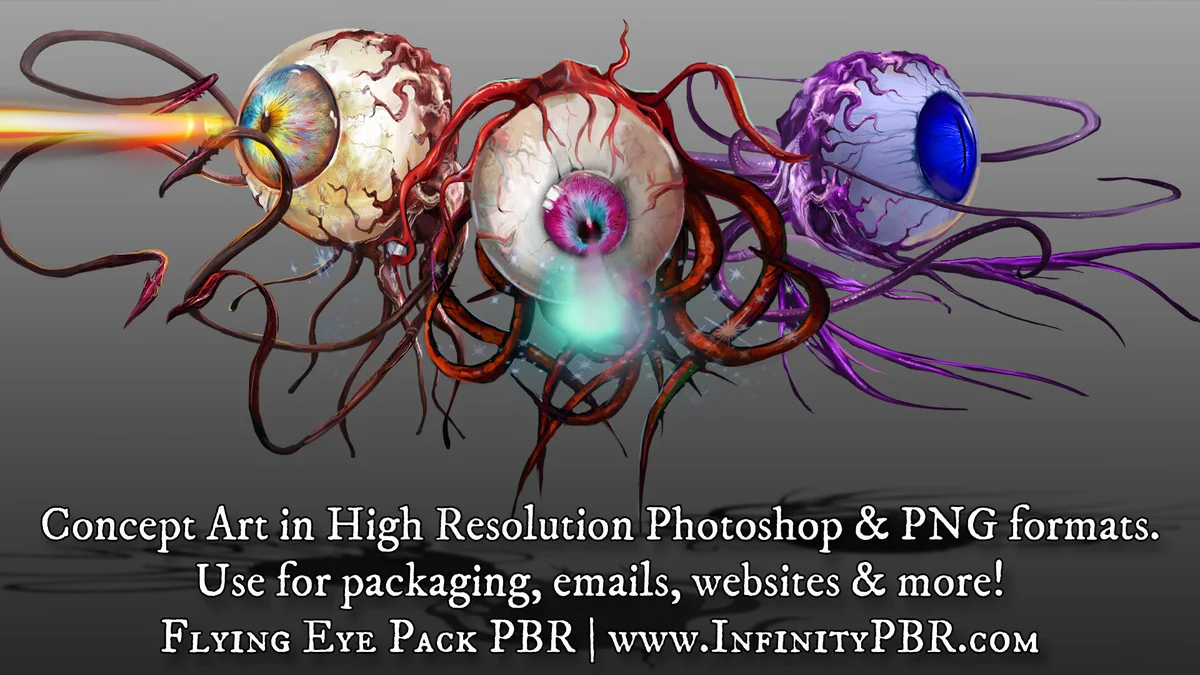
In addition to the audio, the pack provides concept art and Atavism-ready files. The concept art serves as a reference for world-building and UI design, while the Atavism files offer a direct path for integration into projects using that specific framework. These additions are part of a broader philosophy of providing a complete resource package that covers multiple stages of development, from initial design to final implementation.
Technical Integration and LOD Strategy
When it comes to performance optimization, the asset takes a specific approach to Level of Detail (LOD) management. Rather than providing pre-made LODs that might not fit the specific polygon budget of every platform, the creator suggests using external optimization tools to generate LODs tailored to the project’s needs. This allows the high-quality base mesh to be decimated exactly as required for mobile, console, or PC targets.
The pack is organized into various bonus files, including rigs and shared scripts, which are accessible to ensure the latest versions of the implementation tools are always available. This structure supports a workflow where the developer can selectively import the components they need—whether that is just the mesh and animations or the full suite of music, concept art, and particles—to maintain a clean project hierarchy.
Visual Breakdown