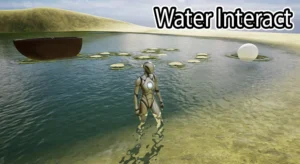
Introduction to Fluid Flux
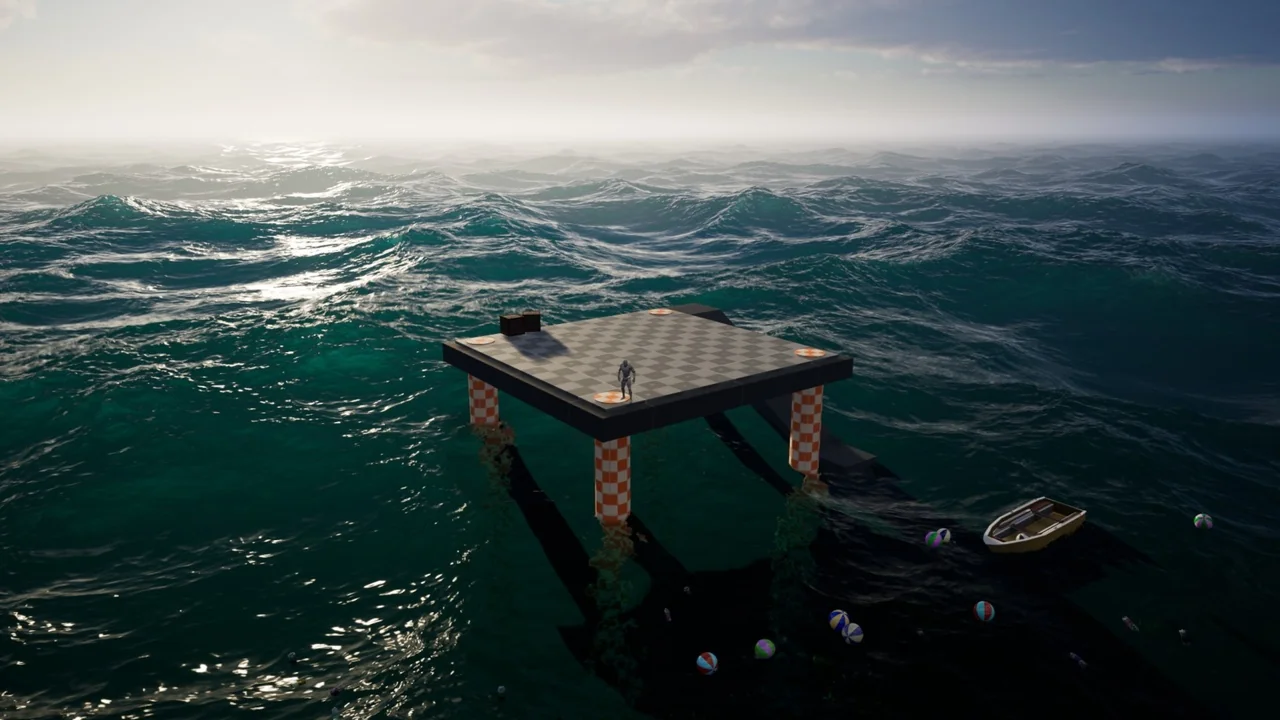
Fluid Flux provides a robust real-time shallow water simulation for game developers. This tool focuses on high-quality fluid surface rendering and interactive water elements. Therefore, it is an excellent choice for creators needing efficient and visually striking aquatic environments. The system is designed with a clean, GPU-friendly implementation that follows simple design principles.
Advanced Simulation and Rendering Features
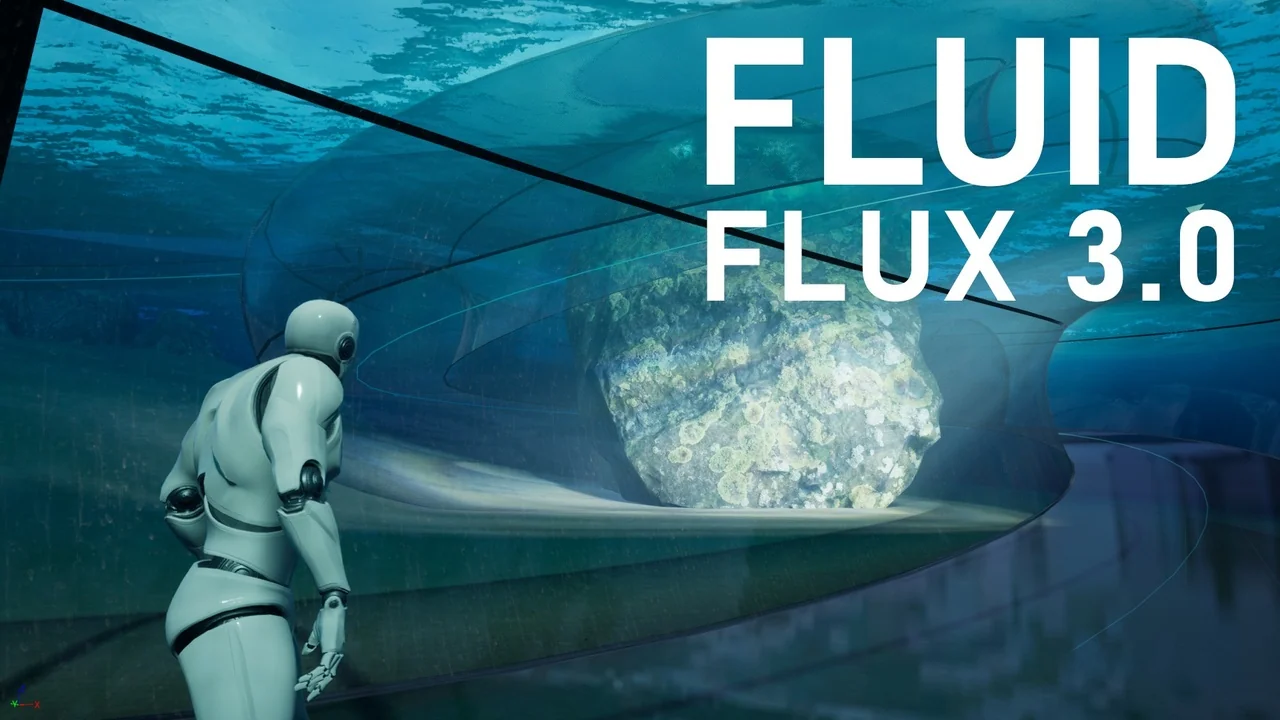
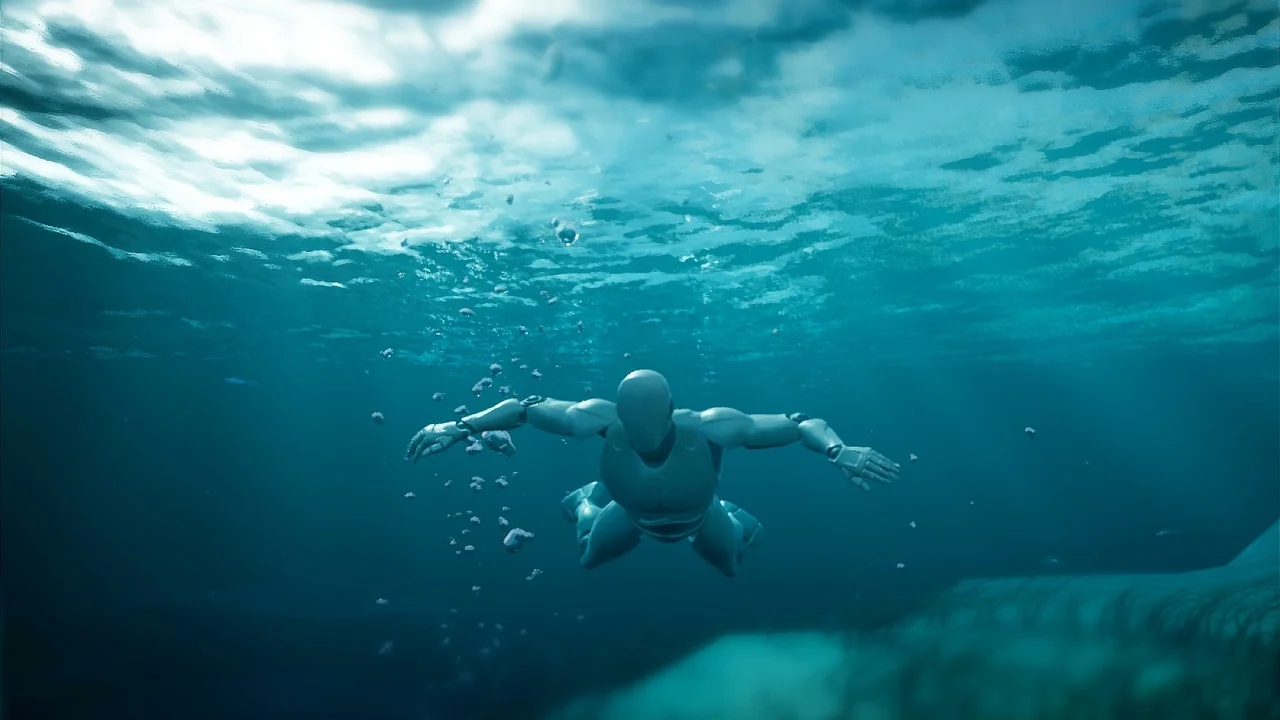
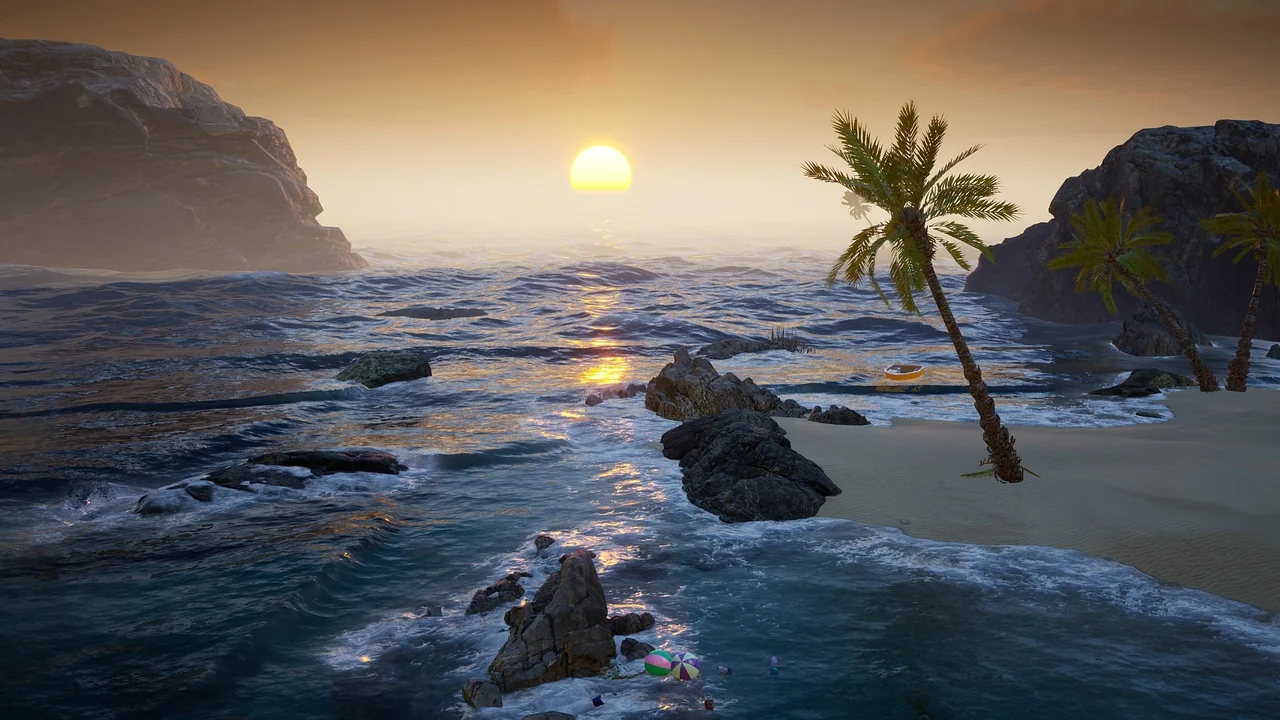
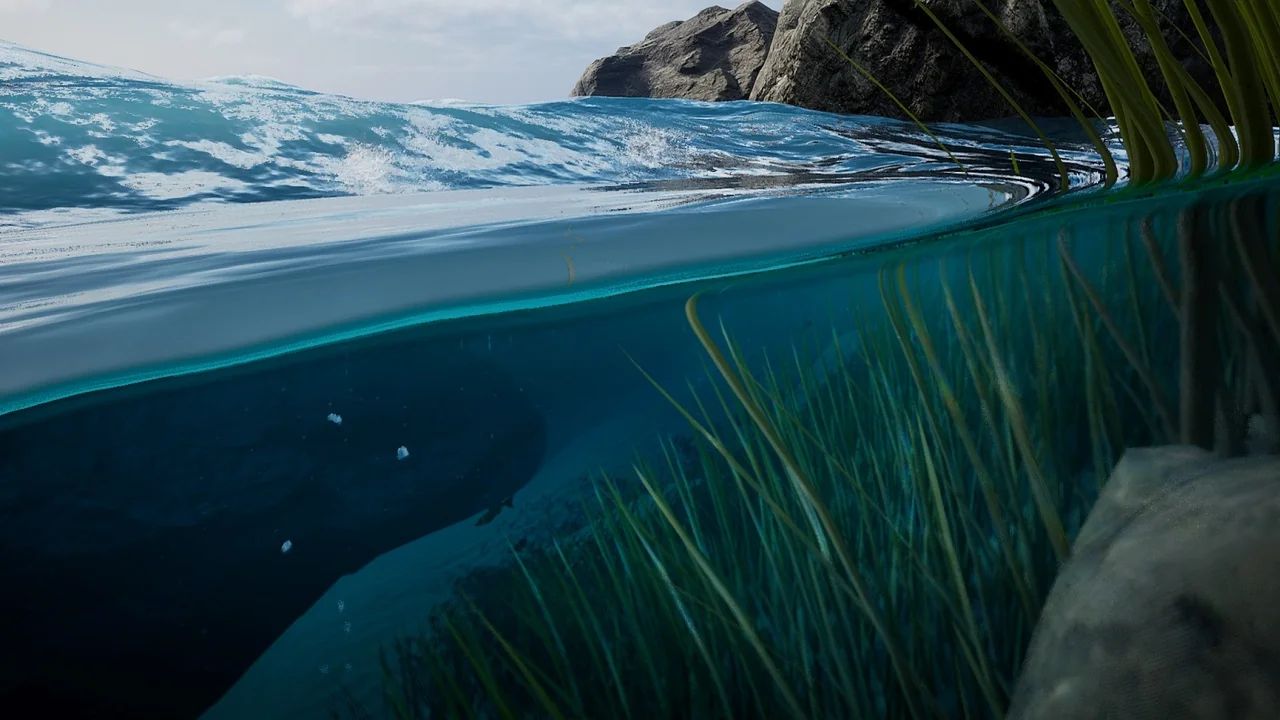
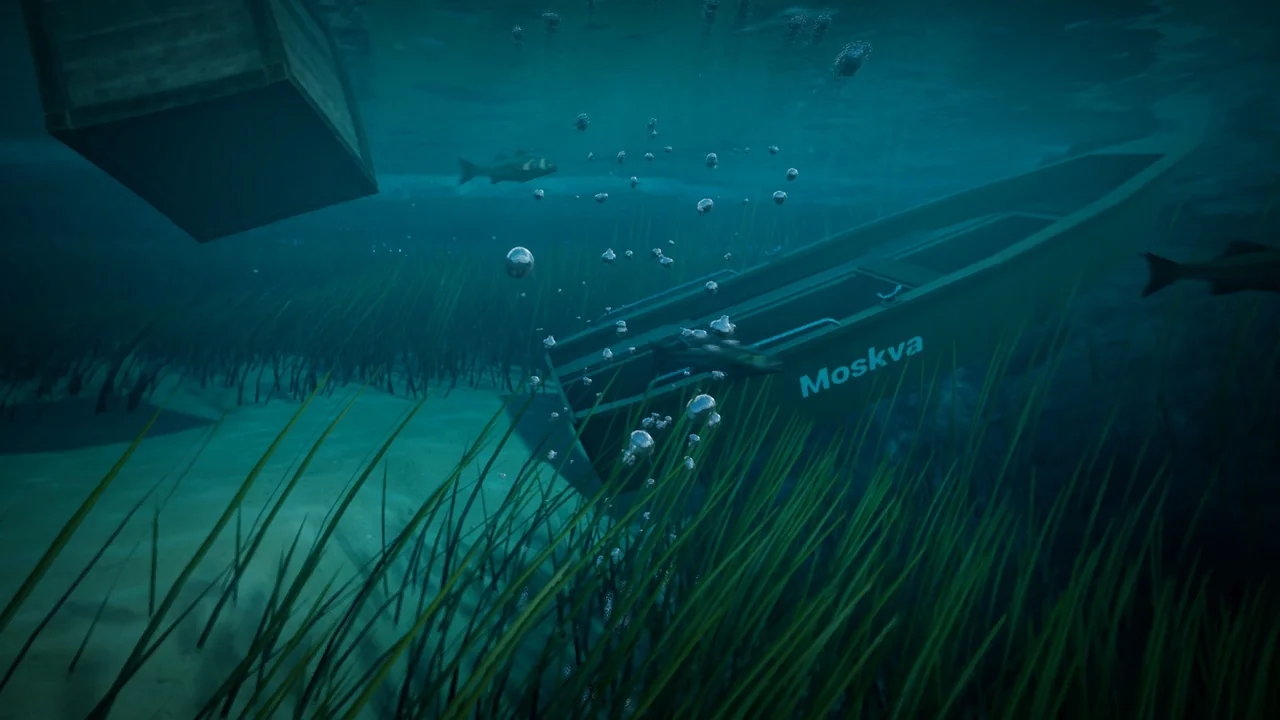
The system utilizes a real-time shallow water simulation that includes fluid data modifiers and a wave generator. Moreover, the extendable interface allows for significant customization. The rendering engine supports features like caustics, wetness, and advected foam. Additionally, it offers underwater effects and a unique volumetric glass system for realistic visuals.
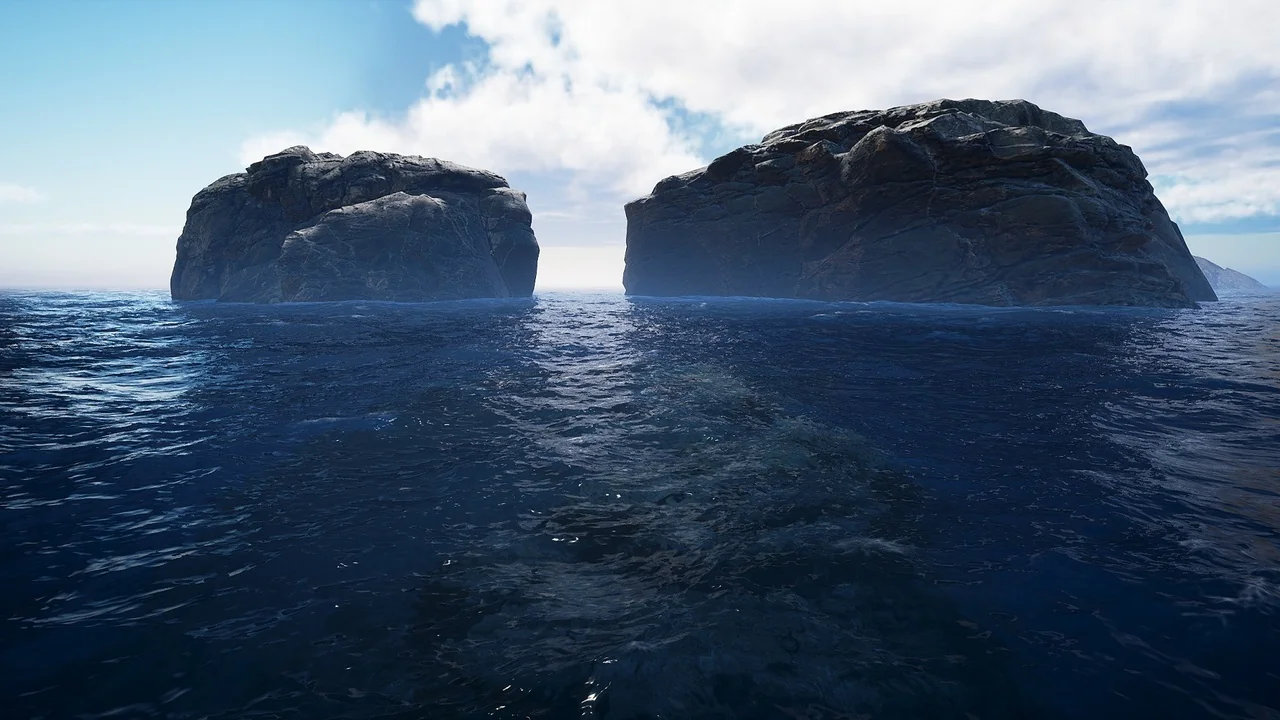
Fluid Flux uses a velocity-based fluid flow advection method for foam and waves. This method handles caustics effectively. Furthermore, the tool supports large-scale nonsimulated coastlines up to 10×10 kilometers. These coastlines utilize wave profile technology to manage wave breaks efficiently. The underwater rendering is based on the SLW material mode and supports a changeable time-of-day system.
Niagara and Environment Interaction
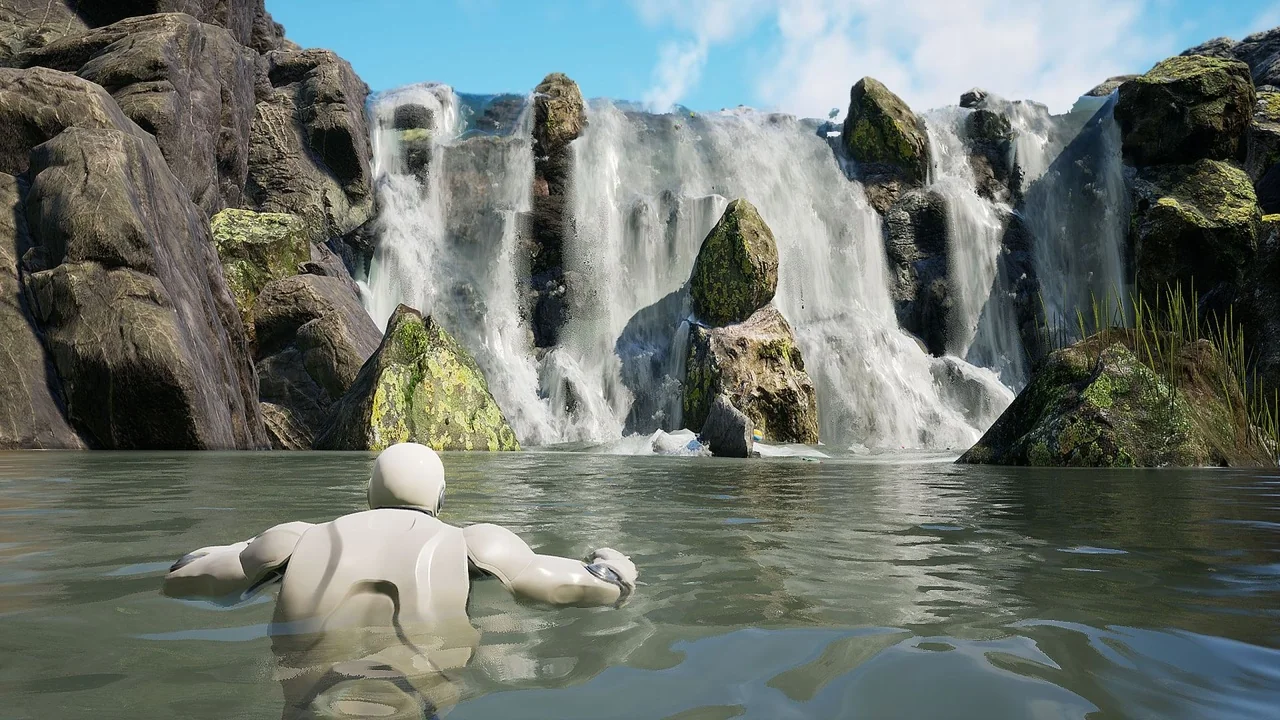
The developer designed Fluid Flux to work seamlessly with Niagara for high-quality environment interaction. This includes bouncy animated plants and realistic character swimming. Furthermore, the system includes a simple ripple solver that moves with the character. This interaction is optimized to an absolute minimum to ensure high performance across various scenes.
Another key feature is the dynamic audio analyzer. The system positions sound sources based on fluid movement. Consequently, the audio experience matches the visual simulation perfectly. The Niagara fluid async readback system also allows for sampling height and flow within blueprints. This makes the water data accessible for various gameplay mechanics.
Optimization and Technical Tools
Efficiency is a core focus of this implementation. The creator ensured the tool has a small memory footprint and a low performance impact. Consequently, it includes a tool for generating fast static meshes with flow maps baked into vertex colors. This allows for high-speed rendering in specific scenarios.
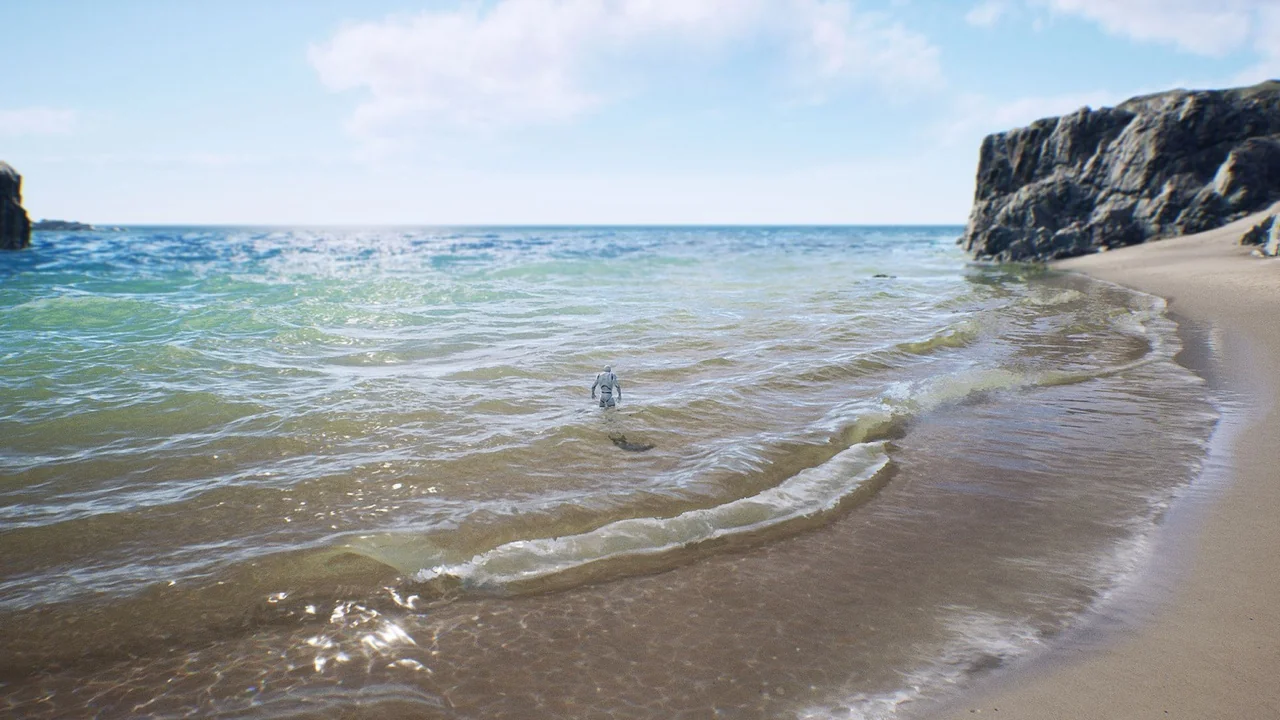
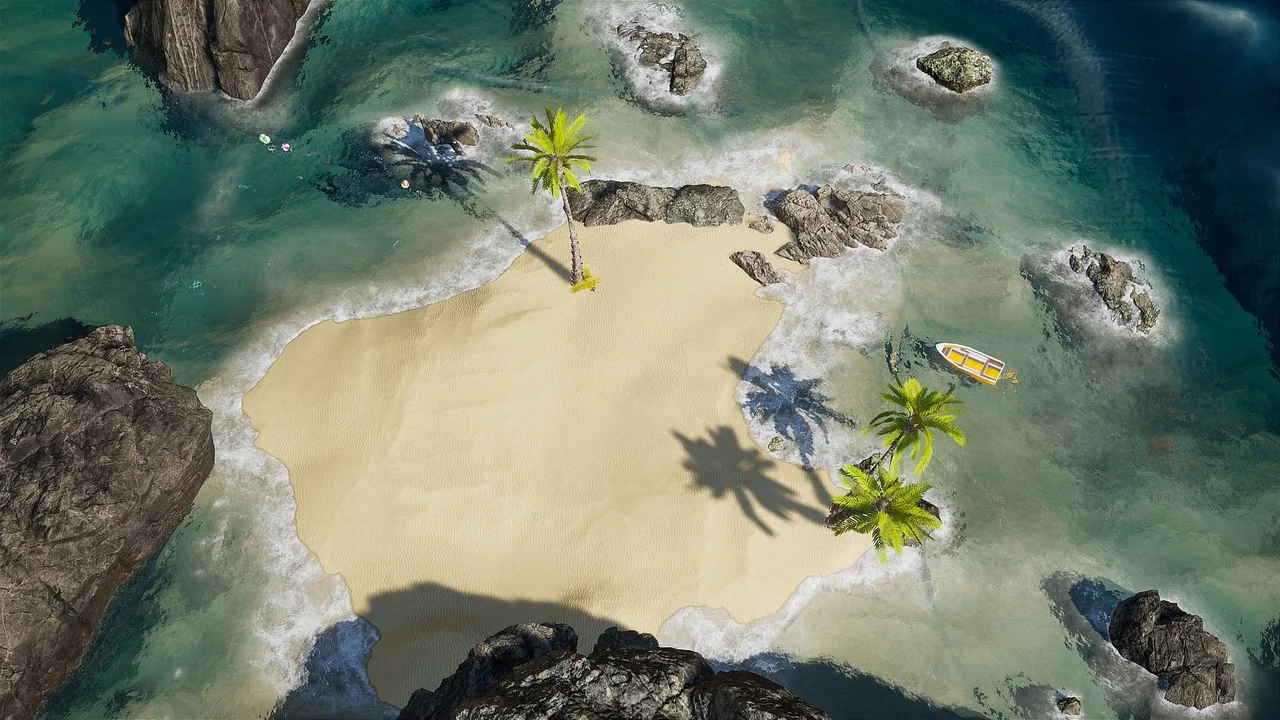
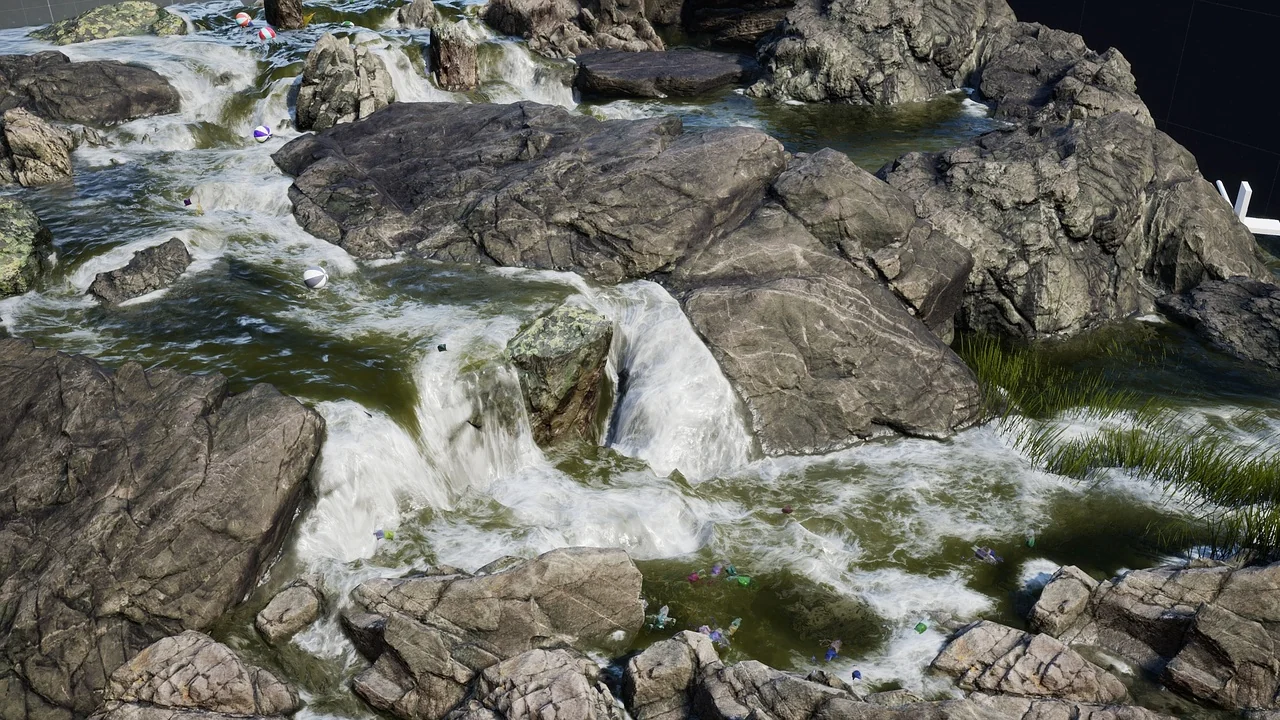
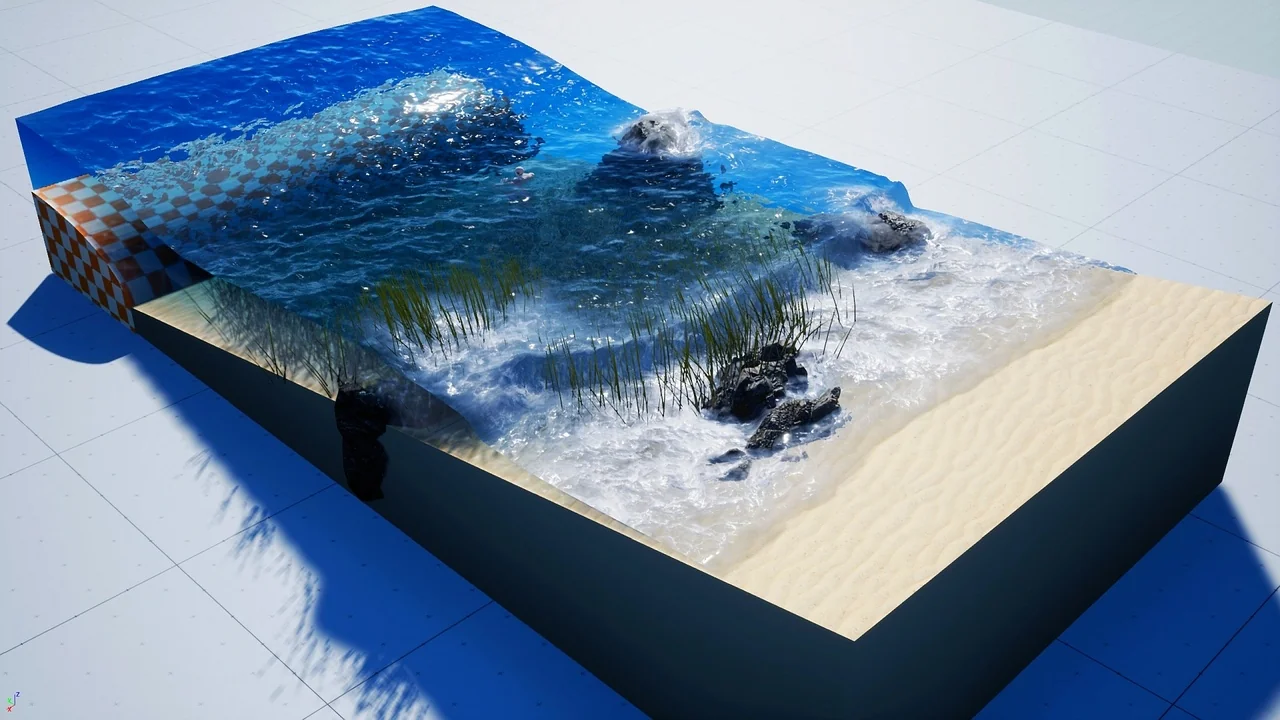
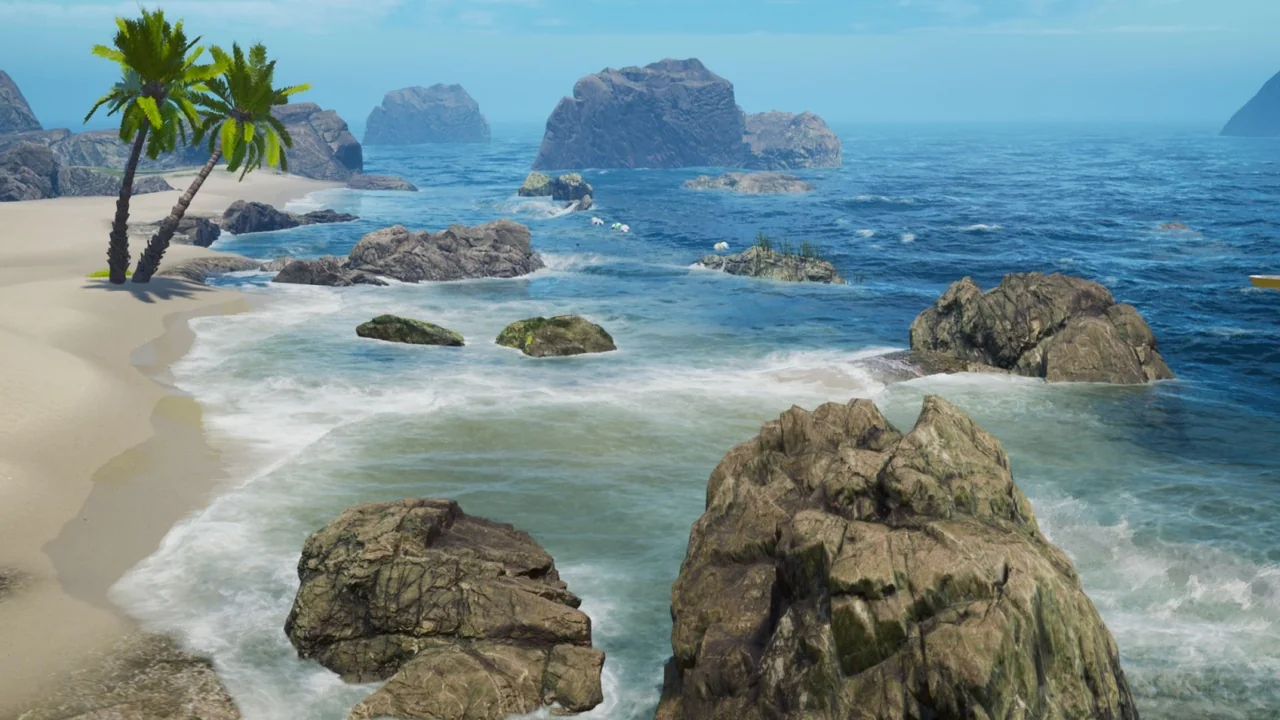
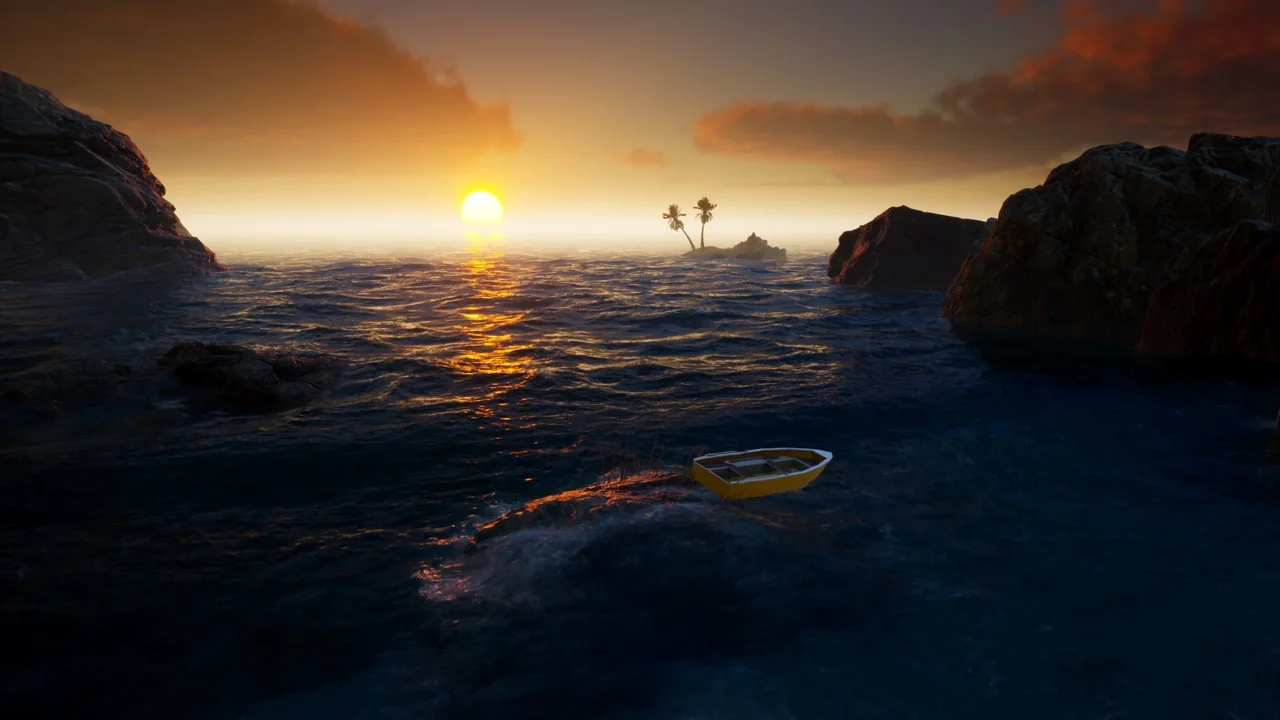
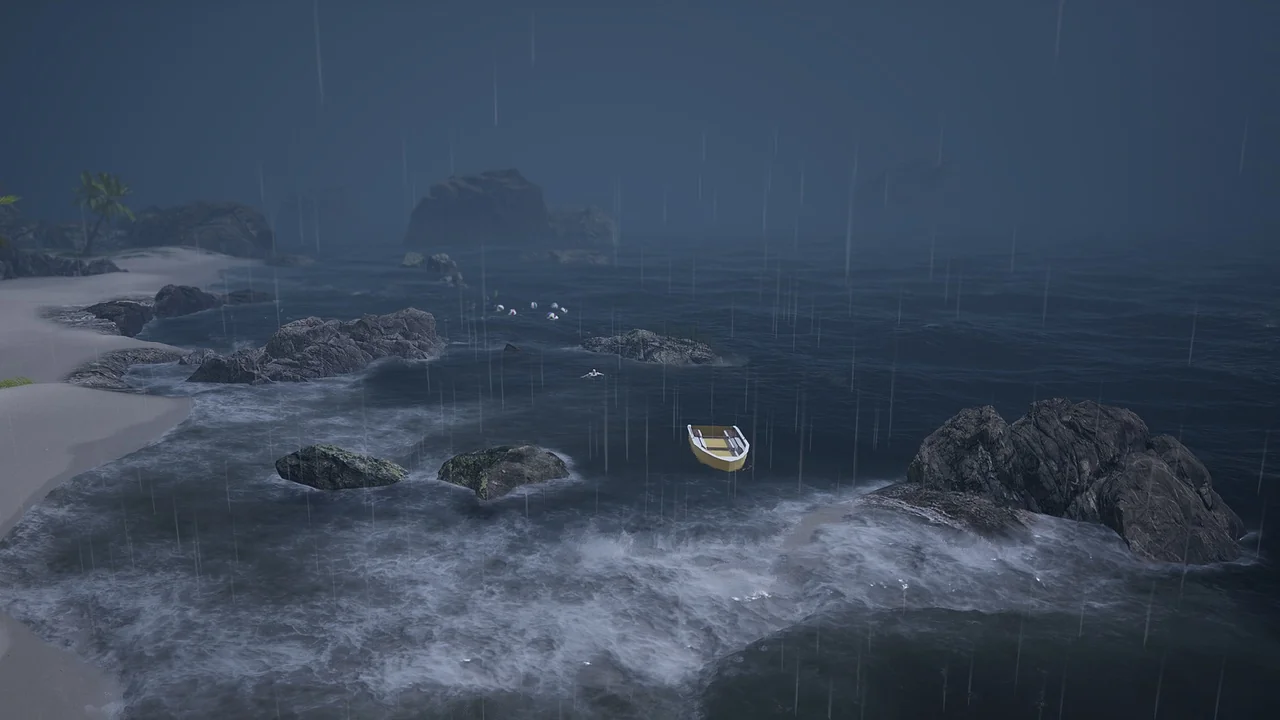
Users can explore four example maps to understand the system’s capabilities. These maps include a beach, an island, a river, and a baked static river. These examples demonstrate features like water cross-section rendering and infinite mesh grid rendering based on Niagara. Additionally, the watercolor presets offer advanced scattering settings and a brush painter for artistic control.
Understanding the Limitations
While powerful, users should be aware of specific limitations before implementation. For example, open-world environments are currently not supported. Additionally, multiplayer functionality is only partially supported at this time. Therefore, developers should consult the documentation for detailed explanations regarding network compatibility.
The simulation calculates on a 2D grid projected onto the captured ground heightfield. However, wave breaks are not simulated; they rely on predefined wave profile animations. Furthermore, the mobile platform is not supported. Forward rendering for VR works but remains limited in its functionality. Finally, there is no integration with the standard Water Plugin.
Conclusion
Fluid Flux is a professional-grade solution for real-time water effects. It has been utilized in major projects such as Senua’s Saga: Hellblade II and Kayak VR: Mirage. By balancing high-end visuals with GPU efficiency, it offers a comprehensive toolkit for modern developers seeking realistic water simulations.
Screenshots & Gallery