"a19e0535960bd083"{"id":"1002022","slug":"fantasy-wings","title":"Fantasy Wings","category":"Variety","engine":"4.20+,5.0+","assetVersion":"","engineVersion":"Engine Version: 4.20+,5.0+","tag":"Variety","accent":"blue","visual":"mech","summary":"Fantasy Wings delivers fiery visual effects paired with multiplayer-ready flight and dash blueprint systems for classic RPG characters and enemies.","platform":"Unreal Engine","publishedAt":"2026-10-26T12:59:53.603Z","updatedAt":"2026-10-26T12:59:53.603Z","sourceNotes":[],"fileContents":[],"compatibility":["Unreal Engine","Engine Version: 4.20+,5.0+"],"featuredImage":{"alt":"Fantasy Wings","src":"/wp-content/uploads/published/2026/10/eb4f736f604d-3d0449ab-fa11-4ad0-a4fa-285ac1ff3dd6-9a14cb26a0.webp"},"hasDownloadLink":true,"downloads":0,"terms":[{"taxonomy":"category","slug":"variety-vfx","name":"Variety"}],"galleryImages":[{"src":"/wp-content/uploads/published/2026/10/8a29a7b130a4-891572a5-7e97-42a9-83dd-17a65d10bd4e-8eff5d92a8.webp","alt":"Fantasy Wings"},{"src":"/wp-content/uploads/published/2026/10/71206bc9e1bd-79f4b431-16ff-4be0-9855-c45b0ebb61e6-26532229a5.webp","alt":"Fantasy Wings"},{"src":"/wp-content/uploads/published/2026/10/d678a7919f31-af6fcab2-8e30-485f-9277-551d68b7350c-4b06c2d269.webp","alt":"Fantasy Wings"},{"src":"/wp-content/uploads/published/2026/10/fc0e4da1ab95-c2d4ad92-9de1-4416-8aa7-b2181e64c6fb-9467447886.webp","alt":"Fantasy Wings"},{"src":"/wp-content/uploads/published/2026/10/353acb8994df-69a3a382-7bc3-40fa-ab1d-0566a1a96220-5b7ae1e04c.webp","alt":"Fantasy Wings"}],"accessPanel":{"kind":"resource","title":"Download this resource","eyebrow":"Free Download","message":"Log in or create a free account to start your download.","fileName":"Content.7z","safetyNote":"Resources are manually reviewed before listing to improve quality and reduce obvious risks.","actionLabel":"Download Free","resourceType":"Resource archive"},"contentHtml":"\u003cp\u003eA character suspended mid-air with plumes of flame trailing from their shoulder blades instantly establishes an imposing silhouette. Fantasy Wings provides this exact aesthetic through a set of fiery wings tuned for high-fantasy titles. Grounded in the exaggerated visual conventions of classic fantasy and role-playing games, the package combines distinct visual effects with functional locomotion mechanics, moving beyond purely decorative character attachments to alter how actors navigate 3D space.\u003c/p\u003e \u003ch2\u003eFiery Wings and Classic RPG Character Presentation\u003c/h2\u003e \u003cp\u003eWings in traditional role-playing experiences carry specific gameplay connotations. They denote elevated power tiers, transcendental states, mid-battle boss phases, or specialized mobility upgrades for primary characters. The fiery visual effects driving this package deliver that exact visual language. With bright, burning plumage, the design provides an aggressive visual footprint that suits high-stakes enemy encounters just as comfortably as an awakened player character.\u003c/p\u003e \u003cp\u003eBecause the visual effect emphasizes fire, it immediately complements fantasy settings dealing in elemental magic, draconic powers, or infernal confrontations. When placed on a primary antagonist, the fiery wings present an intimidating, airborne threat profile that forces players to look upward and read combat cues at a distance. Conversely, mounting them onto a playable hero transforms standard ground-bound combatants into dynamic aerial fighters, shifting character readability during complex encounters filled with particle effects and spells.\u003c/p\u003e \u003ch2\u003eFlight and Dash Blueprint Systems in Aerial Motion\u003c/h2\u003e \u003cp\u003eVisual presentation is only half of the implementation equation when introducing wings to a character rig. Fantasy Wings bridges the gap between aesthetics and gameplay by providing dedicated flight and dash blueprint systems. Instead of leaving the developer to calculate lift, acceleration, and aerial steering from scratch, the included flight blueprints establish responsive airborne traversal out of the box.\u003c/p\u003e \u003cp\u003eThe dash blueprint system injects necessary agility into that aerial traversal loop. In classic fantasy titles, sustained flight without sudden directional changes can feel sluggish or vulnerable during combat encounters. Adding a stylized dash mechanic gives characters the ability to evade incoming projectiles, close gaps against floating adversaries, or execute rapid spatial repositioning mid-flight. Together, the flight and dash setups transform passive hovering into an active mobility toolkit that directly impacts level design, encounter spacing, and vertical navigation.\u003c/p\u003e \u003ch2\u003eMultiplayer-Ready Flight Across Dynamic Encounters\u003c/h2\u003e \u003cp\u003eImplementing non-standard movement modes in networked titles often presents technical friction. Aerial locomotion introduces unique vertical tracking, velocity updates, and state changes that can quickly break if movement logic is confined strictly to a single-player architecture. Fantasy Wings addresses this directly by delivering a flight system that is multiplayer ready.\u003c/p\u003e \u003cp\u003eHaving network readiness built into the flight blueprint system means character positional data and airborne movement states replicate cleanly across clients. Whether a project features cooperative dungeon crawls where party members fly side-by-side or competitive fantasy arenas where airborne targets must be tracked accurately by rival players, the underlying movement mechanics support multiplayer synchronization. This significantly streamlines the integration pipeline for teams building online RPG experiences, eliminating the need to rewrite movement logic for replication compliance.\u003c/p\u003e \u003ch2\u003eCompatibility with VFX Attack Trails and Ongoing Pipeline Expansions\u003c/h2\u003e \u003cp\u003eMovement aesthetics rely heavily on continuity between character motion and particle systems. Fantasy Wings maintains compatibility with VFX Attack Trails, allowing developers to link fluid visual weapon swings, strike arcs, and trajectory ribbons directly to airborne dashing and wing-driven attacks. When a character dashes through the air with fiery wings extended, trailing attack effects follow the movement vectors seamlessly, tying weapon strikes and character locomotion into a cohesive visual language.\u003c/p\u003e \u003cp\u003eThe asset setup also features an evolving feature set. A dedicated wing spawn animation is currently in active development, designed to handle the critical transition between a character being grounded and deploying their fiery appendages. In game design, the moment wings appear often marks a transformation sequence, an ultimate ability activation, or the triggering of a second combat phase. Having an explicit spawn animation ensures that this deployment feels integrated rather than suddenly popping onto the character mesh. Alongside upcoming additions to the wing selection, Fantasy Wings serves as a versatile aerial kit for fantasy developers looking to blend striking fire VFX with functional, multiplayer-ready movement.\u003c/p\u003e\n\n\u003ch2\u003eMore From The Same Workflow\u003c/h2\u003e\n\u003cul\u003e\n\u003cli\u003e\u003ca href=\"https://3dcghub.com/flight-vfx-sovereign-wings/\" title=\"Flight VFX - Sovereign Wings\"\u003eFlight VFX - Sovereign Wings\u003c/a\u003e\u003c/li\u003e\n\u003cli\u003e\u003ca href=\"https://3dcghub.com/fantasy-vfx-collection-2/\" title=\"FANTASY VFX COLLECTION \u0026#039;2\u0026#039;\"\u003eFANTASY VFX COLLECTION \u0026#039;2\u0026#039;\u003c/a\u003e\u003c/li\u003e\n\u003cli\u003e\u003ca href=\"https://3dcghub.com/fantasy-vfx-collection-5/\" title=\"FANTASY VFX COLLECTION \u0026#039;5\u0026#039;\"\u003eFANTASY VFX COLLECTION \u0026#039;5\u0026#039;\u003c/a\u003e\u003c/li\u003e\n\u003cli\u003e\u003ca href=\"https://3dcghub.com/runesvfx/\" title=\"RunesVFX\"\u003eRunesVFX\u003c/a\u003e\u003c/li\u003e\n\u003cli\u003e\u003ca href=\"https://3dcghub.com/arcs-and-sparks/\" title=\"Arcs and Sparks\"\u003eArcs and Sparks\u003c/a\u003e\u003c/li\u003e\n\u003c/ul\u003e","contentTextLength":5120,"navigation":{"current":69,"total":4026,"previous":{"id":"1002023","slug":"female-lounge-singer","title":"Female Lounge Singer","category":"Gestures","platform":"Unreal Engine","updatedAt":"2026-10-26T13:00:24.859Z"},"next":{"id":"1002021","slug":"fantasy-mining-dungeon","title":"Fantasy Mining Dungeon","category":"Fantasy","platform":"Unreal Engine","updatedAt":"2026-10-26T12:59:17.114Z"}},"relatedResources":[{"id":"17131","slug":"flight-vfx-sovereign-wings","title":"Flight VFX - Sovereign Wings","category":"Variety","engine":"4.26+,5.0+","assetVersion":"Engine version: 4.26+,5.0+","engineVersion":"4.20","tag":"Variety","accent":"blue","visual":"audio","summary":"Flight VFX - Sovereign Wings is a comprehensive asset pack designed to bring AAA-quality magical wings to your fantasy projects. It features handcrafted meshes, materials, and animations for diverse character types.","platform":"Unreal Engine","publishedAt":"2026-03-13T13:43:55.000Z","updatedAt":"2026-04-19T15:43:36.000Z","sourceNotes":[],"fileContents":[],"compatibility":["Unreal Engine","Engine version: 4.26+,5.0+"],"featuredImage":{"alt":"Flight VFX - Sovereign Wings","src":"https://3dcghub.com/wp-content/uploads/2026/03/99797357-4d31-4819-ab44-81673a8e9171.webp"},"hasDownloadLink":true,"downloads":1},{"id":"1001805","slug":"fantasy-vfx-collection-2","title":"FANTASY VFX COLLECTION '2'","category":"Variety","engine":"4.26+,5.0+","assetVersion":"","engineVersion":"Engine Version: 4.26+,5.0+","tag":"Variety","accent":"blue","visual":"mech","summary":"FANTASY VFX COLLECTION '2' delivers elemental visual effects for simple game creation, featuring fantasy magic elements and Trail Master compatibility.","platform":"Unreal Engine","publishedAt":"2026-10-21T07:56:33.422Z","updatedAt":"2026-10-21T07:56:33.422Z","sourceNotes":[],"fileContents":[],"compatibility":["Unreal Engine","Engine Version: 4.26+,5.0+"],"featuredImage":{"alt":"FANTASY VFX COLLECTION '2'","src":"/wp-content/uploads/published/2026/10/72eed2384356-5760cb26-f3d1-4308-8c12-110eab7ac191-410d522251.webp"},"hasDownloadLink":true,"downloads":0},{"id":"17105","slug":"fantasy-vfx-collection-5","title":"FANTASY VFX COLLECTION '5'","category":"Variety","engine":"4.26+,5.0+","assetVersion":"Engine version: 4.26+,5.0+","engineVersion":"4.19","tag":"Variety","accent":"blue","visual":"character","summary":"Enhance your project with the FANTASY VFX COLLECTION '5', a pack featuring various elemental effects. It is designed to provide the necessary visual components for building simple games.","platform":"Unreal Engine","publishedAt":"2026-03-13T13:41:20.000Z","updatedAt":"2026-04-19T15:43:37.000Z","sourceNotes":[],"fileContents":[],"compatibility":["Unreal Engine","Engine version: 4.26+,5.0+"],"featuredImage":{"alt":"FANTASY VFX COLLECTION '5'","src":"https://3dcghub.com/wp-content/uploads/2026/03/34133067-a06d-40d6-86a8-d12caef28570.webp"},"hasDownloadLink":true,"downloads":1}]}
Variety
Fantasy Wings
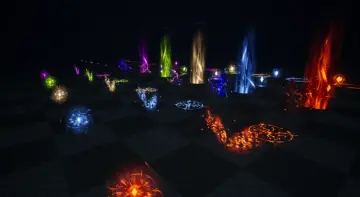
Fantasy Wings delivers fiery visual effects paired with multiplayer-ready flight and dash blueprint systems for classic RPG characters and enemies.
Category:Unreal Engine,VarietyPlatform: Unreal EngineEngine Version: 4.20+,5.0+Published: Oct 26, 2026
Variety
Resource overview
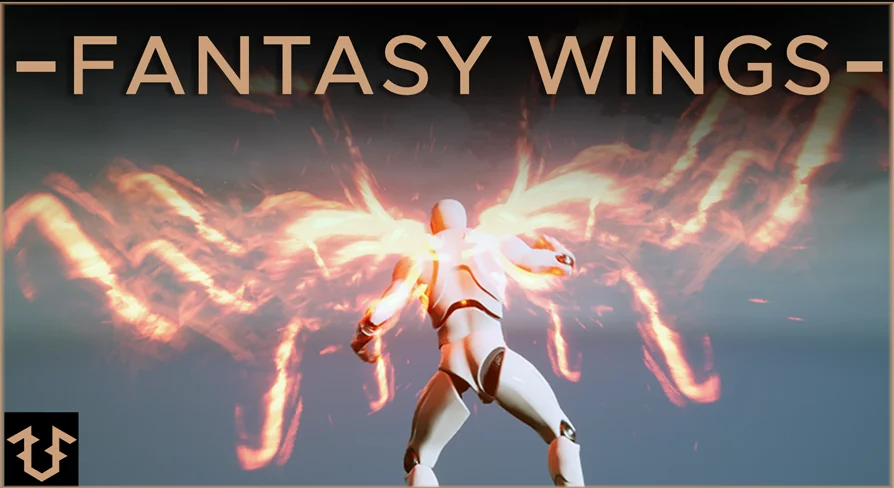
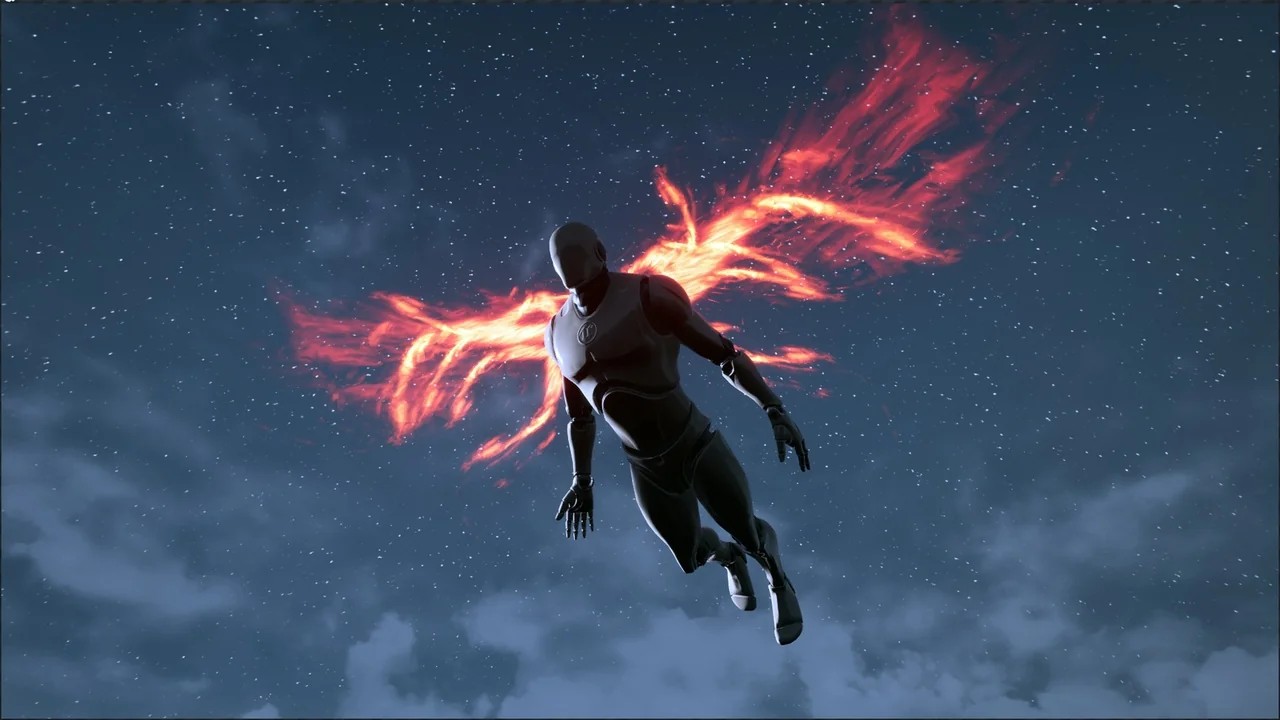
A character suspended mid-air with plumes of flame trailing from their shoulder blades instantly establishes an imposing silhouette. Fantasy Wings provides this exact aesthetic through a set of fiery wings tuned for high-fantasy titles. Grounded in the exaggerated visual conventions of classic fantasy and role-playing games, the package combines distinct visual effects with functional locomotion mechanics, moving beyond purely decorative character attachments to alter how actors navigate 3D space.
Fiery Wings and Classic RPG Character Presentation
Wings in traditional role-playing experiences carry specific gameplay connotations. They denote elevated power tiers, transcendental states, mid-battle boss phases, or specialized mobility upgrades for primary characters. The fiery visual effects driving this package deliver that exact visual language. With bright, burning plumage, the design provides an aggressive visual footprint that suits high-stakes enemy encounters just as comfortably as an awakened player character.
Because the visual effect emphasizes fire, it immediately complements fantasy settings dealing in elemental magic, draconic powers, or infernal confrontations. When placed on a primary antagonist, the fiery wings present an intimidating, airborne threat profile that forces players to look upward and read combat cues at a distance. Conversely, mounting them onto a playable hero transforms standard ground-bound combatants into dynamic aerial fighters, shifting character readability during complex encounters filled with particle effects and spells.
Flight and Dash Blueprint Systems in Aerial Motion
Visual presentation is only half of the implementation equation when introducing wings to a character rig. Fantasy Wings bridges the gap between aesthetics and gameplay by providing dedicated flight and dash blueprint systems. Instead of leaving the developer to calculate lift, acceleration, and aerial steering from scratch, the included flight blueprints establish responsive airborne traversal out of the box.
The dash blueprint system injects necessary agility into that aerial traversal loop. In classic fantasy titles, sustained flight without sudden directional changes can feel sluggish or vulnerable during combat encounters. Adding a stylized dash mechanic gives characters the ability to evade incoming projectiles, close gaps against floating adversaries, or execute rapid spatial repositioning mid-flight. Together, the flight and dash setups transform passive hovering into an active mobility toolkit that directly impacts level design, encounter spacing, and vertical navigation.
Multiplayer-Ready Flight Across Dynamic Encounters
Implementing non-standard movement modes in networked titles often presents technical friction. Aerial locomotion introduces unique vertical tracking, velocity updates, and state changes that can quickly break if movement logic is confined strictly to a single-player architecture. Fantasy Wings addresses this directly by delivering a flight system that is multiplayer ready.
Having network readiness built into the flight blueprint system means character positional data and airborne movement states replicate cleanly across clients. Whether a project features cooperative dungeon crawls where party members fly side-by-side or competitive fantasy arenas where airborne targets must be tracked accurately by rival players, the underlying movement mechanics support multiplayer synchronization. This significantly streamlines the integration pipeline for teams building online RPG experiences, eliminating the need to rewrite movement logic for replication compliance.
Compatibility with VFX Attack Trails and Ongoing Pipeline Expansions
Movement aesthetics rely heavily on continuity between character motion and particle systems. Fantasy Wings maintains compatibility with VFX Attack Trails, allowing developers to link fluid visual weapon swings, strike arcs, and trajectory ribbons directly to airborne dashing and wing-driven attacks. When a character dashes through the air with fiery wings extended, trailing attack effects follow the movement vectors seamlessly, tying weapon strikes and character locomotion into a cohesive visual language.
The asset setup also features an evolving feature set. A dedicated wing spawn animation is currently in active development, designed to handle the critical transition between a character being grounded and deploying their fiery appendages. In game design, the moment wings appear often marks a transformation sequence, an ultimate ability activation, or the triggering of a second combat phase. Having an explicit spawn animation ensures that this deployment feels integrated rather than suddenly popping onto the character mesh. Alongside upcoming additions to the wing selection, Fantasy Wings serves as a versatile aerial kit for fantasy developers looking to blend striking fire VFX with functional, multiplayer-ready movement.
 Variety
 Variety
 Variety
 Variety