Structural Foundation for First-Person Horror
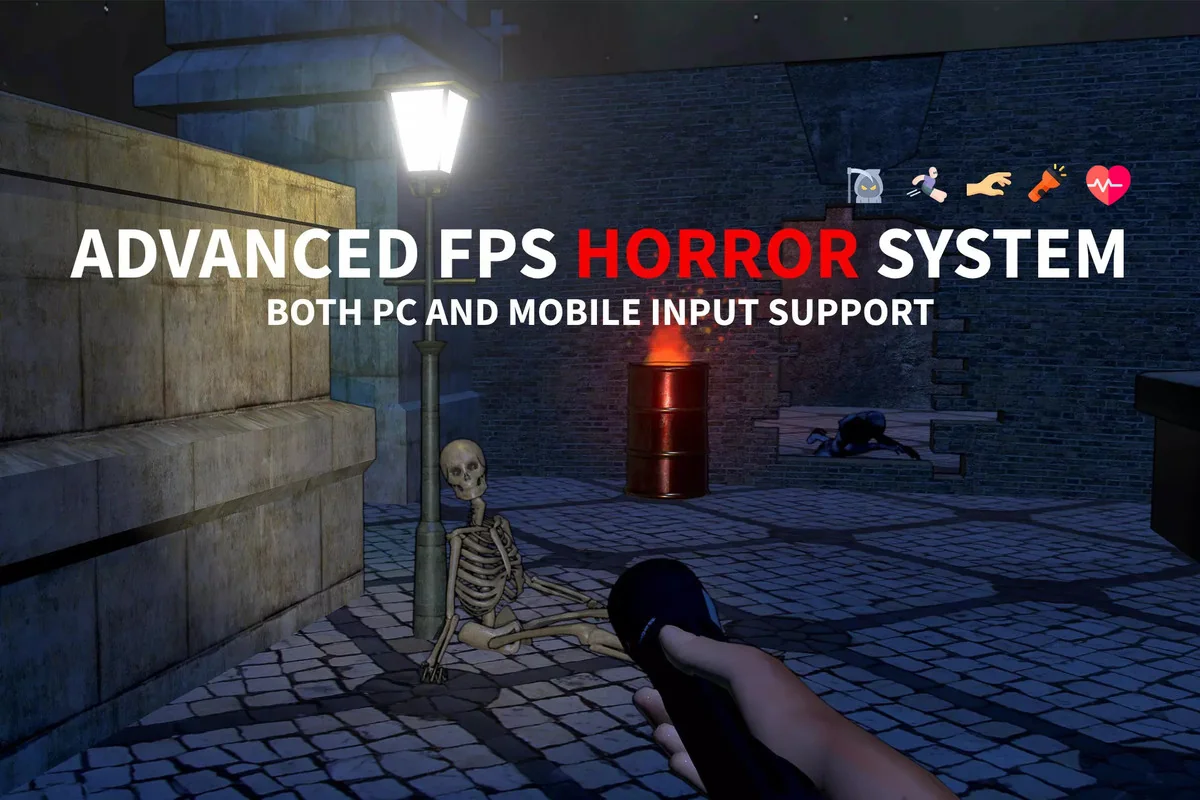
The Advanced Horror FPS Kit is designed as a scalable framework for developers working within Unity 6 or Unity 2022.3 and above. It provides a structured environment for creating first-person shooter horror games, survival experiences, or complex puzzle titles. The kit is built to be well-documented and optimized, ensuring that the heavy lifting of core systems—such as character movement, inventory management, and save/load cycles—is already established for both high-end PC builds and mobile platforms.
One of the central functional identities of this kit is its versatility in perspective. Developers have the option to activate or deactivate FPS hands, allowing for a more immersive visual representation or a minimalist approach depending on the project’s artistic direction. The character controller is fully featured, supporting essential movements like jumping, crouching, and sprinting, all of which are compatible with the New Input System.
Interactive Environments and Puzzle Logic
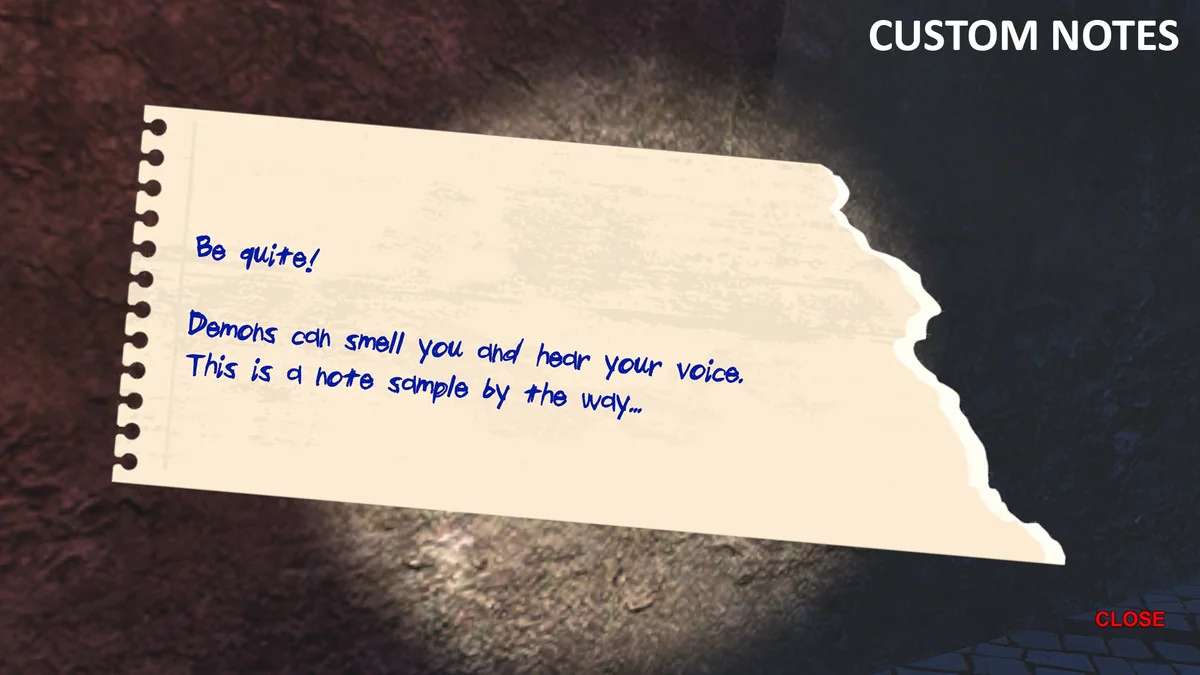
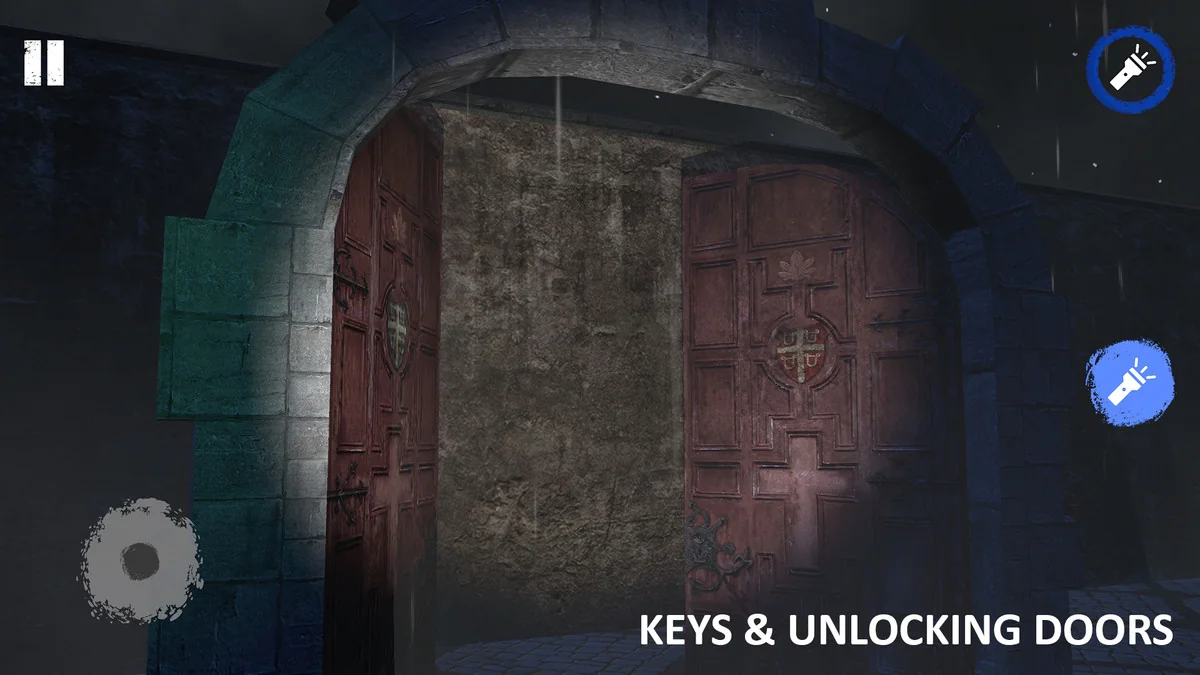
Atmosphere in horror games is often driven by the player’s ability to interact with the world. This kit includes a variety of interactive props that serve both narrative and gameplay functions. Developers can utilize interactable notes for storytelling, while mechanical progression is handled through systems like keys, padlocks, and cabinet interactions. The kit features a specific “Blink System” for interactable objects, ensuring players can identify what they can use within the environment.
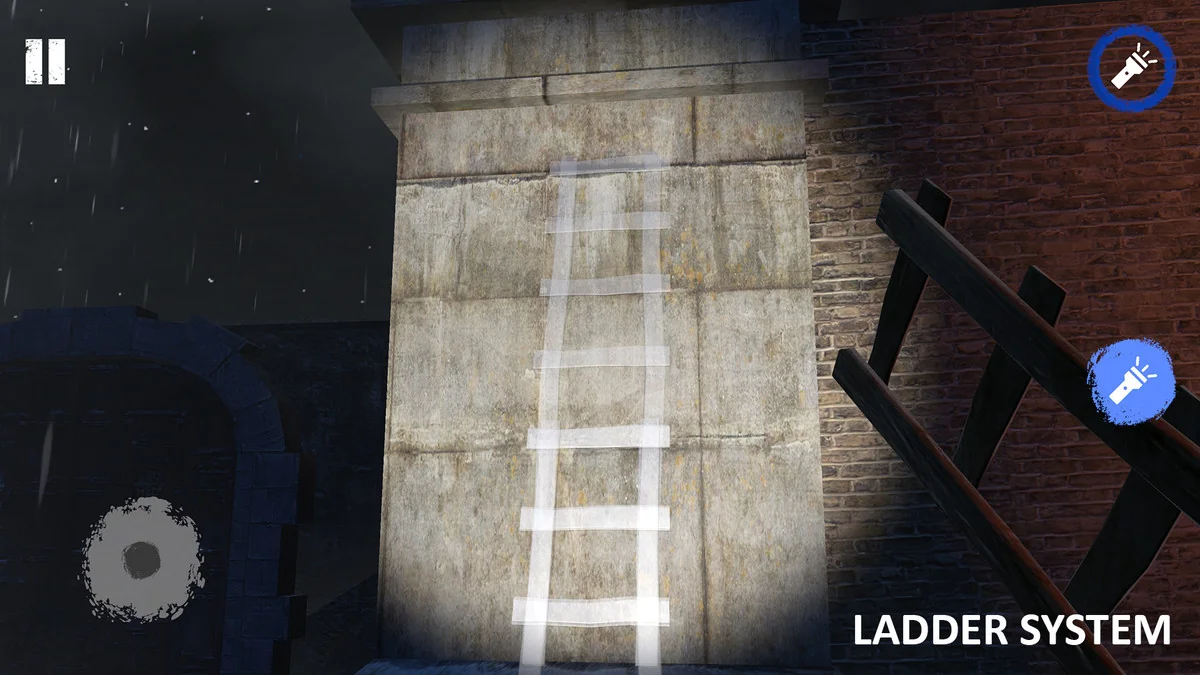
More complex interactions include a “Press and Hold” mechanic for maintaining or fixing objects, which can be used to create tension-filled repair sequences. Environmental navigation is further enhanced by a ladder system that allows players to grab, carry, and place ladders to reach new heights. Small details, such as interactable drawers, cabinets, and detachable woods on walls, provide a tactile feel to the game world.
Enemy AI and Survival Combat
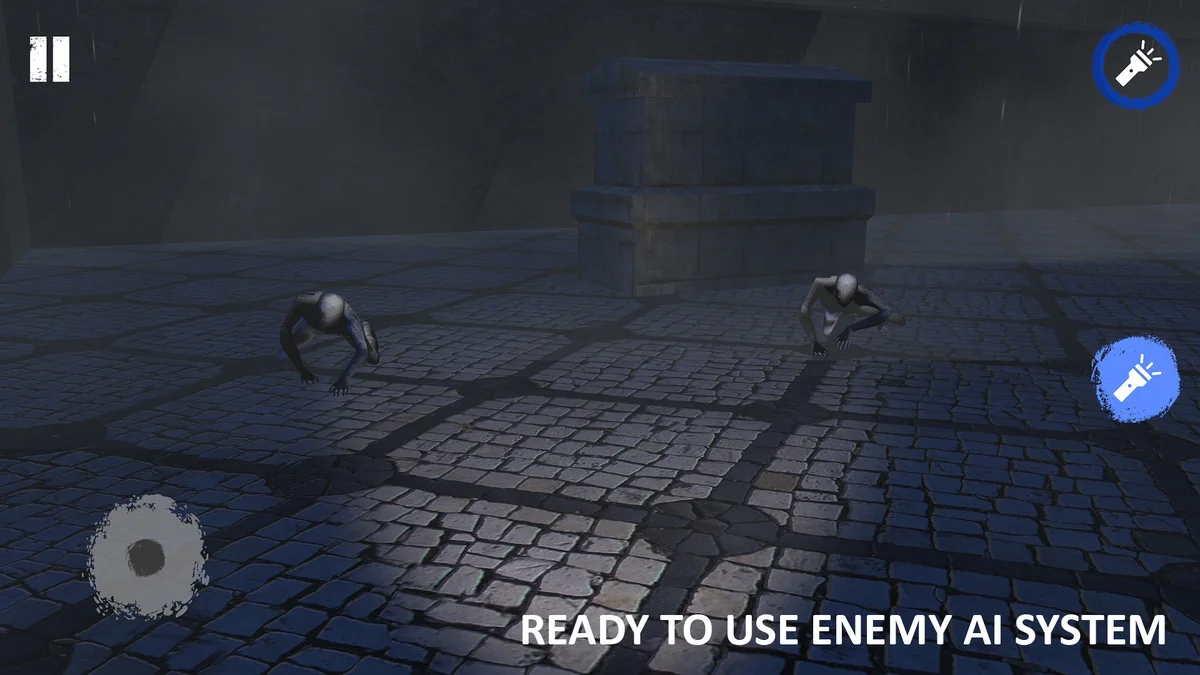
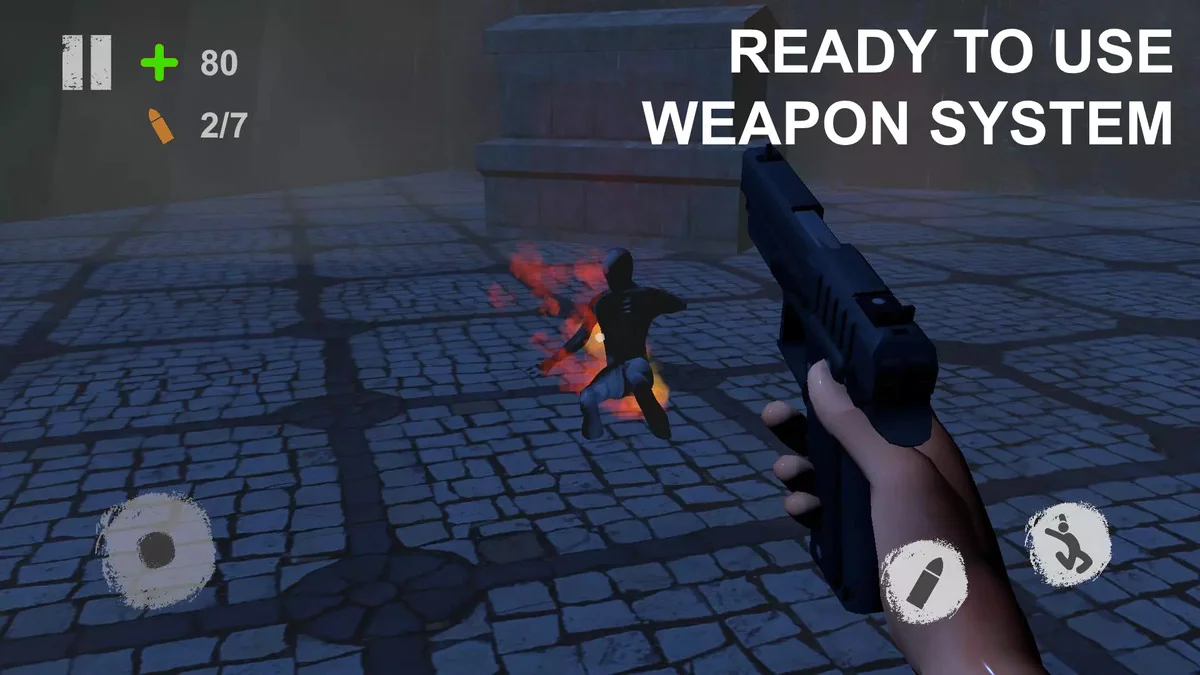
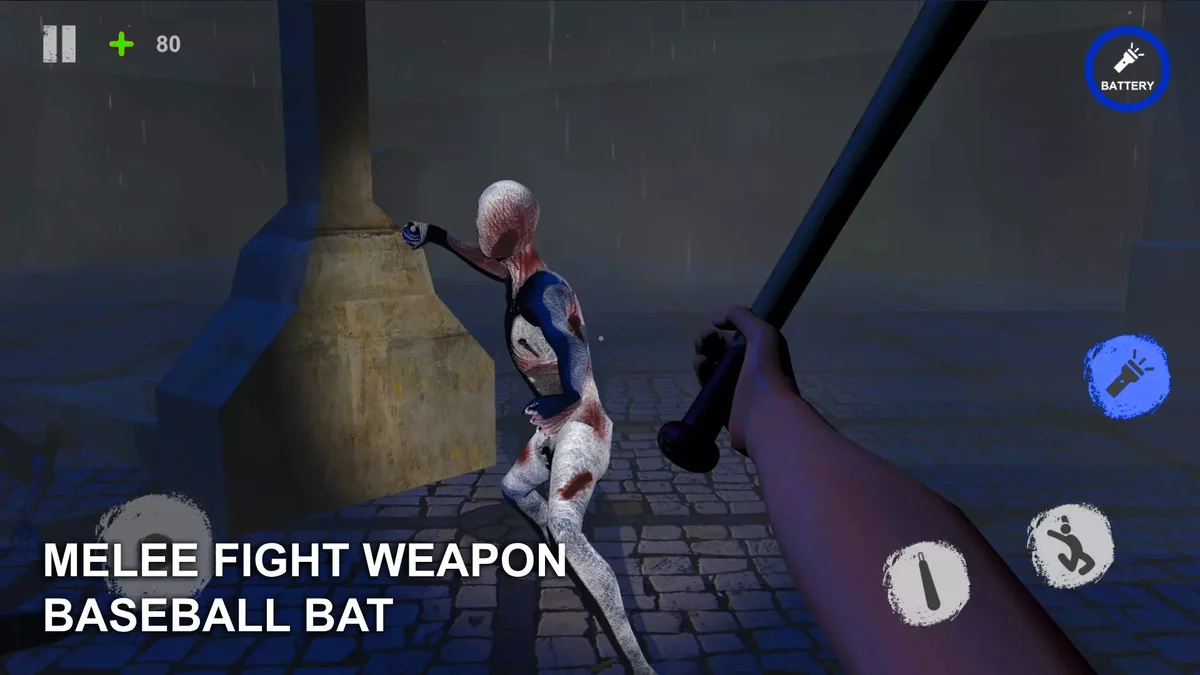
The kit utilizes Unity’s official Navigation AI to drive enemy behaviors. Two distinct types of enemy movement are included: crawling and walking. This allows for variety in enemy design and encounter types. Combat and defense are handled through multiple systems, including a standard pistol and ammo mechanic for traditional FPS gameplay, and a more specialized Blue UV light system. This UV light provides a unique tactical option, as it is used specifically to burn enemy AI.
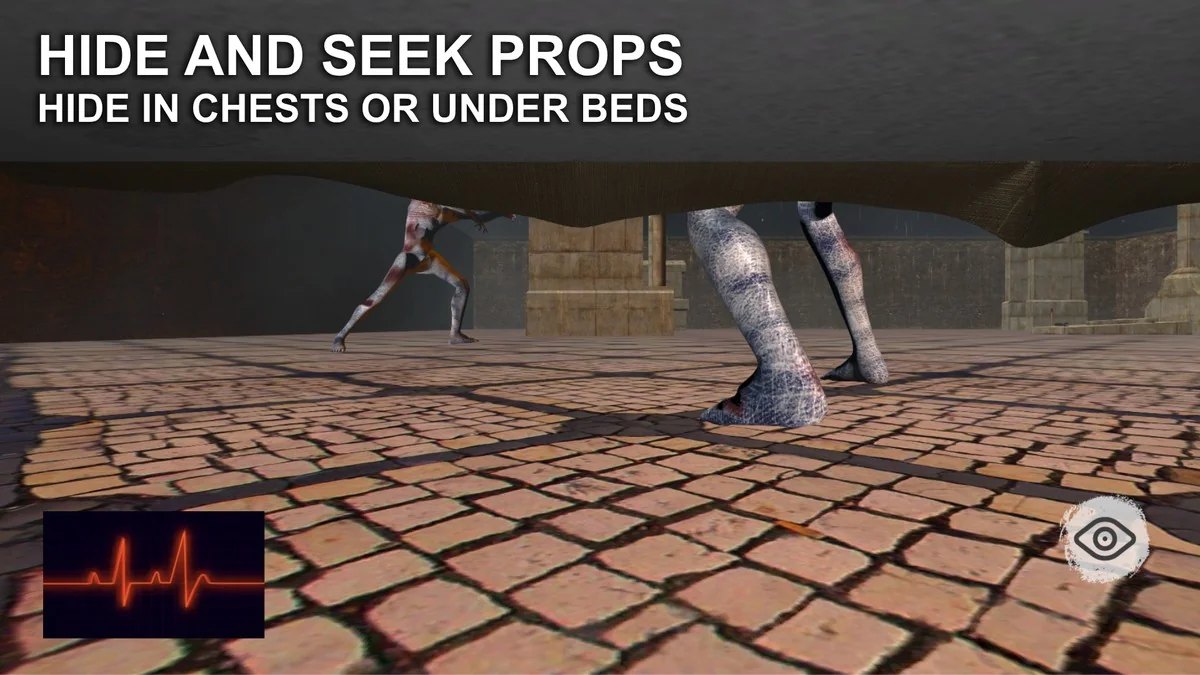
For games focusing on stealth rather than direct confrontation, a Hide and Seek feature is integrated, utilizing chest and bed props as hiding spots. If a player is caught, the kit includes an escape challenge where the player must tap or click rapidly within a certain duration to break free from the enemy’s grasp. Developers can choose between two primary game-over conditions: immediate death upon being caught or a health-based system where players succumb after their health bar is depleted.
Atmospheric Effects and Sensory Design
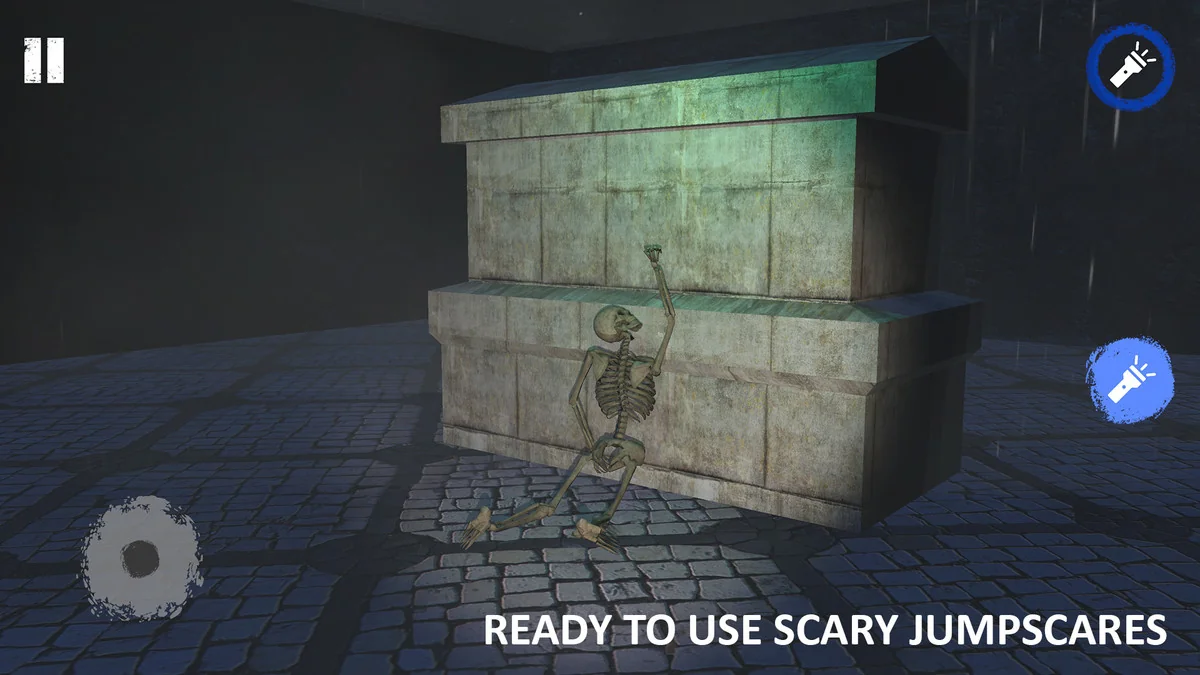
Visual and auditory ambience is pre-configured to help shape the horror experience. The kit includes a weather system featuring fog, rain, and thunder lights, accompanied by synchronized sound effects. Lighting is a core mechanic, with the player having access to a standard flashlight, the tactical UV light, and interactable candles for low-tech illumination. To heighten the tension, four ready-to-use jumpscare triggers are included, which can be customized to suit specific scares.
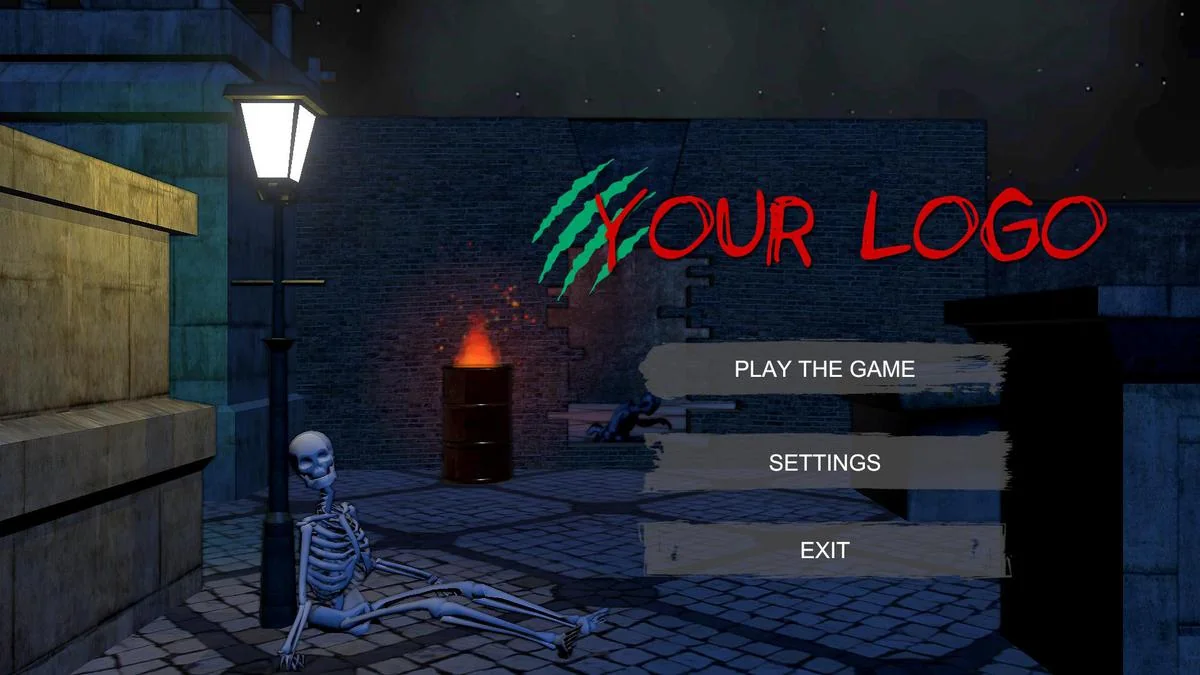
The UI systems are equally comprehensive, providing a health bar with blood damage effects to visually represent player injury. The kit also includes a progressive loading screen with hints, a start button, and a full suite of menu screens—from the main menu and settings panel to pause and game-over interfaces.
Platform Compatibility and Input Systems
The kit is built for cross-platform deployment, featuring native support for both PC and mobile inputs. For PC players, the system is configured for standard mouse and keyboard controls. For mobile development, the kit includes a joystick and touchpad interface. This makes it a viable choice for developers looking to port a project between platforms without rebuilding the underlying interaction or movement logic. The inclusion of carriable boxes, barrel props, and fire particles further adds to the list of ready-to-use assets that can be dropped into a scene to build out a level quickly.
Asset Gallery