"d037b61901c110d2"{"id":"1002649","slug":"abandoned-cathedral","title":"Abandoned Cathedral","category":"Abandoned","engine":"5.3+","assetVersion":"","engineVersion":"Engine Version: 5.3+","tag":"Abandoned","accent":"blue","visual":"mech","summary":"A gameready modular environment kit featuring high-poly architectural assets, Lumen cinematic lighting, and Nanite support for Unreal Engine 5.0+.","platform":"Unreal Engine","indexPolicy":"index","publishedAt":"2026-11-16T21:47:34.110Z","updatedAt":"2026-11-16T21:47:34.110Z","sourceNotes":[],"fileContents":[],"compatibility":["Unreal Engine","Engine Version: 5.3+"],"featuredImage":{"alt":"Abandoned Cathedral","src":"/wp-content/uploads/published/2026/11/67cd74f7d74c-b12a9346-7e4b-4263-8c38-af87e425df21-42acc3bf10.webp"},"fileSizeBytes":7411356726,"hasDownloadLink":true,"downloads":0,"terms":[{"taxonomy":"category","slug":"abandoned","name":"Abandoned"}],"galleryImages":[{"src":"/wp-content/uploads/published/2026/11/a223087ec949-3ecd97b0-ad16-46a8-bd17-5bb4caa3bd56-273ea65066.webp","alt":"Abandoned Cathedral"},{"src":"/wp-content/uploads/published/2026/11/dba327d756f9-d646c028-c1f4-46ac-81fb-a5125e962b20-ee8da5ce68.webp","alt":"Abandoned Cathedral"},{"src":"/wp-content/uploads/published/2026/11/18b1455ff277-10a40815-de1e-4725-885f-57bae3bc2912-3ecb0a6346.webp","alt":"Abandoned Cathedral"},{"src":"/wp-content/uploads/published/2026/11/96bdb225dc5e-88c3deae-4bd0-472c-9cc8-c88122c20126-e03573ca53.webp","alt":"Abandoned Cathedral"},{"src":"/wp-content/uploads/published/2026/11/760708fa093b-41c69179-404a-450e-94a1-e7d0ea2f90ad-a3c26125b4.webp","alt":"Abandoned Cathedral"},{"src":"/wp-content/uploads/published/2026/11/233dfc32f0a9-6e1fd195-eb42-4d67-bf39-c8ff3a6205b6-f26730f005.webp","alt":"Abandoned Cathedral"},{"src":"/wp-content/uploads/published/2026/11/93007c4a5bef-06c4af7e-5b39-4080-a4ae-ee3002437a29-b94dfe50b1.webp","alt":"Abandoned Cathedral"},{"src":"/wp-content/uploads/published/2026/11/abab959066be-79bb0c51-3a65-4adc-b97d-1057904a076a-ce6c0b32c2.webp","alt":"Abandoned Cathedral"},{"src":"/wp-content/uploads/published/2026/11/fa2eb8e92ff4-df910764-7085-4750-be4a-c4ff0f824a3c-e1203b9cdf.webp","alt":"Abandoned Cathedral"},{"src":"/wp-content/uploads/published/2026/11/0c8effd05fb7-e4de943c-3601-4571-aef1-ed4f399a102a-8ebdc46a99.webp","alt":"Abandoned Cathedral"}],"accessPanel":{"kind":"resource","title":"Get this resource","eyebrow":"Free resource","message":"Download this resource in your browser.","fileName":"Content.7z","safetyNote":"Resources are manually reviewed before listing to improve quality and reduce obvious risks.","actionLabel":"Get this resource","resourceType":"Resource archive","versions":[]},"contentHtml":"\u003cp\u003eDecaying stone archways, collapsed naves, and weathered ecclesiastical spaces define the spatial identity of abandoned sanctuaries. Creating these locations for real-time production requires architectural assets that communicate immense structural weight alongside the fine surface wear that comes from decades of disuse. Abandoned Cathedral targets this balance directly, serving as a dedicated environment kit for building derelict religious architecture. The asset collection centers on modular assembly, photorealistic surface treatment, and modern geometry handling, providing game developers and cinematic artists with the components needed to construct atmospheric ruin environments.\u003c/p\u003e \u003ch2\u003eConstructing Ruined Sanctuaries with the Abandoned Cathedral Meshes\u003c/h2\u003e\n\u003cp\u003eThe core building blocks of the collection consist of modular architecture meshes intended for quick spatial layout and straightforward assembly. Recreating ecclesiastical architecture often presents distinct spatial challenges: expansive vaulted halls, towering vertical spans, repeating colonnades, and complex intersections between naves, aisles, and altars. Modular components allow level designers to freely alter structural footprints, transitioning from sprawling ruined basilicas down to confined, claustrophobic crypts or ancillary chapels without breaking architectural consistency.\u003c/p\u003e \u003cp\u003eBecause the structural assets are engineered to be modular and easy to assemble, level construction proceeds with minimal friction. Seams align cleanly across walls, pillars, and ceiling vaults, reducing alignment artifacts and geometry clipping during the blocking phase. The modular approach directly benefits gameplay pacing, as developers can adjust sightlines, player traversal paths, and cover points by moving structural columns or breaking up continuous wall sections. Whether a project demands a linear corridor sequence through decaying cloisters or an open-ended arena centered under a crumbling dome, the pieces provide the necessary structural flexibility.\u003c/p\u003e \u003ch2\u003eVisual Fidelity: Photorealism, High Poly Counts, and Nanite Execution\u003c/h2\u003e\n\u003cp\u003eRealism in dilapidated architectural environments depends on physical surface relief. In historical stone structures, stone blocks chip, mortar recedes, decorative carvings erode, and masonry shifts out of true alignment. Standard low-polygon meshes mapped with flat normal textures often struggle to portray this heavy tactile depth when viewed from close distances or grazing light angles. Abandoned Cathedral addresses this limitation by using dense, high polygon count assets that capture physical surface irregularities directly in the underlying geometry.\u003c/p\u003e \u003cp\u003eTo sustain interactive performance despite this high geometric density, the package is specifically intended to run on Nanite within Unreal Engine 5.0 and higher. Nanite's virtualized micro-polygon system streams and scales geometric detail on a per-frame basis, allowing the intricate architectural carvings, fractured stone steps, and decaying wall profiles to retain cinematic fidelity without the performance penalties traditionally tied to high-density models. Supporting this structural geometry is a complete physically based rendering (PBR) material workflow, ensuring that weathered stone, aged woodwork, and environmental decay respond naturally to changing camera distances and exposure values across the entire level.\u003c/p\u003e \u003ch2\u003eLumen Lighting and Atmosphere in the Cathedral Demo Map\u003c/h2\u003e\n\u003cp\u003eLighting serves as the decisive factor in selling the mood of an abandoned sacred space. Included alongside the modular kit is a finished demo map configured with cinematic lighting that demonstrates the environment in its complete, assembled state. The scene is tailored to take advantage of Unreal Engine's Lumen dynamic global illumination and reflections, tracking indirect light as it scatters across deep architectural recesses.\u003c/p\u003e \u003cp\u003eIn a large hall, natural illumination behaves unpredictably when filtered through fractured roofs, shattered clerestory windows, or partially collapsed side portals. Lumen dynamically bounces daylight across dust-laden flagstones and up into the shadows of ribbed vaults, softening high-contrast areas and grounding floating architectural forms. Secondary reflections off weathered PBR materials expose damp patches, chipped plaster, and dust accumulation without demanding manual lightmap baking. For teams using the finished demo map directly, the cinematic lighting configuration offers an immediate visual baseline that showcases how light, shadow, and architectural scale interact to evoke desolation.\u003c/p\u003e \u003ch2\u003eLevel Design Adaptability: Horror, History, and Environmental Narratives\u003c/h2\u003e\n\u003cp\u003eWhile religious architecture inherently carries specific cultural and historical motifs, an abandoned church or cathedral carries wide cross-genre utility. The distressed physical state of the structural meshes naturally complements dark fantasy worlds, historical period pieces, post-apocalyptic ruins, and psychological or survival horror titles. In horror design specifically, towering verticality paired with deep shadows creates an atmosphere of vulnerability, where every vaulted arch and hollow corridor amplifies tension.\u003c/p\u003e \u003cp\u003eBeyond interactive gameplay, the environment works effectively for cinematic set pieces, virtual production backgrounds, and environmental storytelling vignettes. The modularity of the architecture allows creators to arrange specific camera framing, directing focus toward collapsed altar spaces, shattered rose windows, or isolated confessionals. Because the assets are optimized as high-quality gameready pieces, staging cutscenes within the environment does not necessitate secondary mesh replacements or distinct cinematic-only versions of the room geometry.\u003c/p\u003e \u003ch2\u003eProduction Suitability and Workflow Integration\u003c/h2\u003e\n\u003cp\u003eAbandoned Cathedral is built specifically for creators operating within modern Unreal Engine pipelines who need ready-to-use, high-fidelity gothic and ecclesiastical spaces. Teams building survival games, atmospheric walkthroughs, cinematic shorts, or environmental portfolios can bypass the weeks required to sculpt high-poly stone trims, assemble modular kits, and establish dynamic lighting rigs from scratch. The combination of easy modular assembly, high-detail Nanite meshes, and native Lumen support provides a reliable, production-ready foundation for any scene that calls for ruined grandeur.\u003c/p\u003e\n\n\u003ch2\u003eMore From The Same Workflow\u003c/h2\u003e\n\u003cul\u003e\n\u003cli\u003e\u003ca href=\"https://3dcghub.com/1850s-post-office-environment-medieval-abandoned-village/\" rel=\"noopener noreferrer\"\u003e1850s Post Office Environment (Medieval,Abandoned,Village)\u003c/a\u003e\u003c/li\u003e\n\u003cli\u003e\u003ca href=\"https://3dcghub.com/asian-abandoned-temple/\" rel=\"noopener noreferrer\"\u003eAsian Abandoned Temple\u003c/a\u003e\u003c/li\u003e\n\u003cli\u003e\u003ca href=\"https://3dcghub.com/abandoned-industrial-tunnel/\" rel=\"noopener noreferrer\"\u003eAbandoned Industrial Tunnel\u003c/a\u003e\u003c/li\u003e\n\u003cli\u003e\u003ca href=\"https://3dcghub.com/the-carnival-environment-post-apocalyptic-circus-amusement-parks-carnival/\" rel=\"noopener noreferrer\"\u003eThe Carnival Environment ( Post Apocalyptic Circus Amusement Parks Carnival )\u003c/a\u003e\u003c/li\u003e\n\u003cli\u003e\u003ca href=\"https://3dcghub.com/abandoned-shed/\" rel=\"noopener noreferrer\"\u003eAbandoned shed\u003c/a\u003e\u003c/li\u003e\n\u003c/ul\u003e","contentTextLength":6628,"navigation":{"current":40,"total":4611,"previous":{"id":"1002650","slug":"ancient-constructions-and-platforms","title":"Ancient Constructions and Platforms","category":"Historical","platform":"Unreal Engine","updatedAt":"2026-11-16T21:49:47.514Z"},"next":{"id":"1002648","slug":"1850s-post-office-environment-medieval-abandoned-village","title":"1850s Post Office Environment (Medieval,Abandoned,Village)","category":"Abandoned","platform":"Unreal Engine","updatedAt":"2026-11-16T21:41:06.585Z"}},"relatedResources":[{"id":"1002648","slug":"1850s-post-office-environment-medieval-abandoned-village","title":"1850s Post Office Environment (Medieval,Abandoned,Village)","category":"Abandoned","engine":"5.0+","assetVersion":"","engineVersion":"Engine Version: 5.0+","tag":"Abandoned","accent":"blue","visual":"city","summary":"Explore the 1850s Post Office Environment for UE5, featuring 262 modular meshes, a vast foliage library, Lumen lighting, and four dynamic atmosphere setups.","platform":"Unreal Engine","indexPolicy":"index","publishedAt":"2026-11-16T21:41:06.585Z","updatedAt":"2026-11-16T21:41:06.585Z","sourceNotes":[],"fileContents":[],"compatibility":["Unreal Engine","Engine Version: 5.0+"],"featuredImage":{"alt":"1850s Post Office Environment (Medieval,Abandoned,Village)","src":"/wp-content/uploads/published/2026/11/eb67f413acb6-b09e804c-bca7-4efb-b86f-0b885b895f1c-7ea9710811.webp"},"fileSizeBytes":3782632516,"hasDownloadLink":true,"downloads":0},{"id":"1001791","slug":"asian-abandoned-temple","title":"Asian Abandoned Temple","category":"Abandoned","engine":"5.5+","assetVersion":"","engineVersion":"Engine Version: 5.5+","tag":"Abandoned","accent":"blue","visual":"mech","summary":"Examine the technical layout, modular architecture, Nanite assets, and Lumen lighting systems inside the Asian Abandoned Temple environment pack.","platform":"Unreal Engine","indexPolicy":"index","publishedAt":"2026-10-21T07:43:49.272Z","updatedAt":"2026-10-21T07:43:49.272Z","sourceNotes":[],"fileContents":[],"compatibility":["Unreal Engine","Engine Version: 5.5+"],"featuredImage":{"alt":"Asian Abandoned Temple","src":"/wp-content/uploads/published/2026/10/f4942f236e3a-36d5fe2e-afc9-40c5-a03c-897e2978b96c-bc2cf66534.webp"},"fileSizeBytes":5175702231,"hasDownloadLink":true,"downloads":0},{"id":"1000277","slug":"abandoned-industrial-tunnel","title":"Abandoned Industrial Tunnel","category":"Abandoned","engine":"5.5+","assetVersion":"","engineVersion":"Engine Version: 5.5+","tag":"Abandoned","accent":"blue","visual":"mech","summary":"Create a dark, damp, and claustrophobic atmosphere with the Abandoned Industrial Tunnel, featuring weathered brick architecture, rusted props, and PBR materials","platform":"Unreal Engine","indexPolicy":"index","publishedAt":"2026-07-02T18:13:30.323Z","updatedAt":"2026-07-02T18:13:30.323Z","sourceNotes":[],"fileContents":[],"compatibility":["Unreal Engine","Engine Version: 5.5+"],"featuredImage":{"alt":"Abandoned Industrial Tunnel","src":"/wp-content/uploads/published/2026/07/f72e8c99d970-ae1a092c-b417-4e26-a8bd-88a190e800b8-1fea9fb82a.webp"},"fileSizeBytes":745825502,"hasDownloadLink":true,"downloads":0}]}
Resource screenshots
1 / 10
Abandoned
Abandoned Cathedral
A gameready modular environment kit featuring high-poly architectural assets, Lumen cinematic lighting, and Nanite support for Unreal Engine 5.0+.
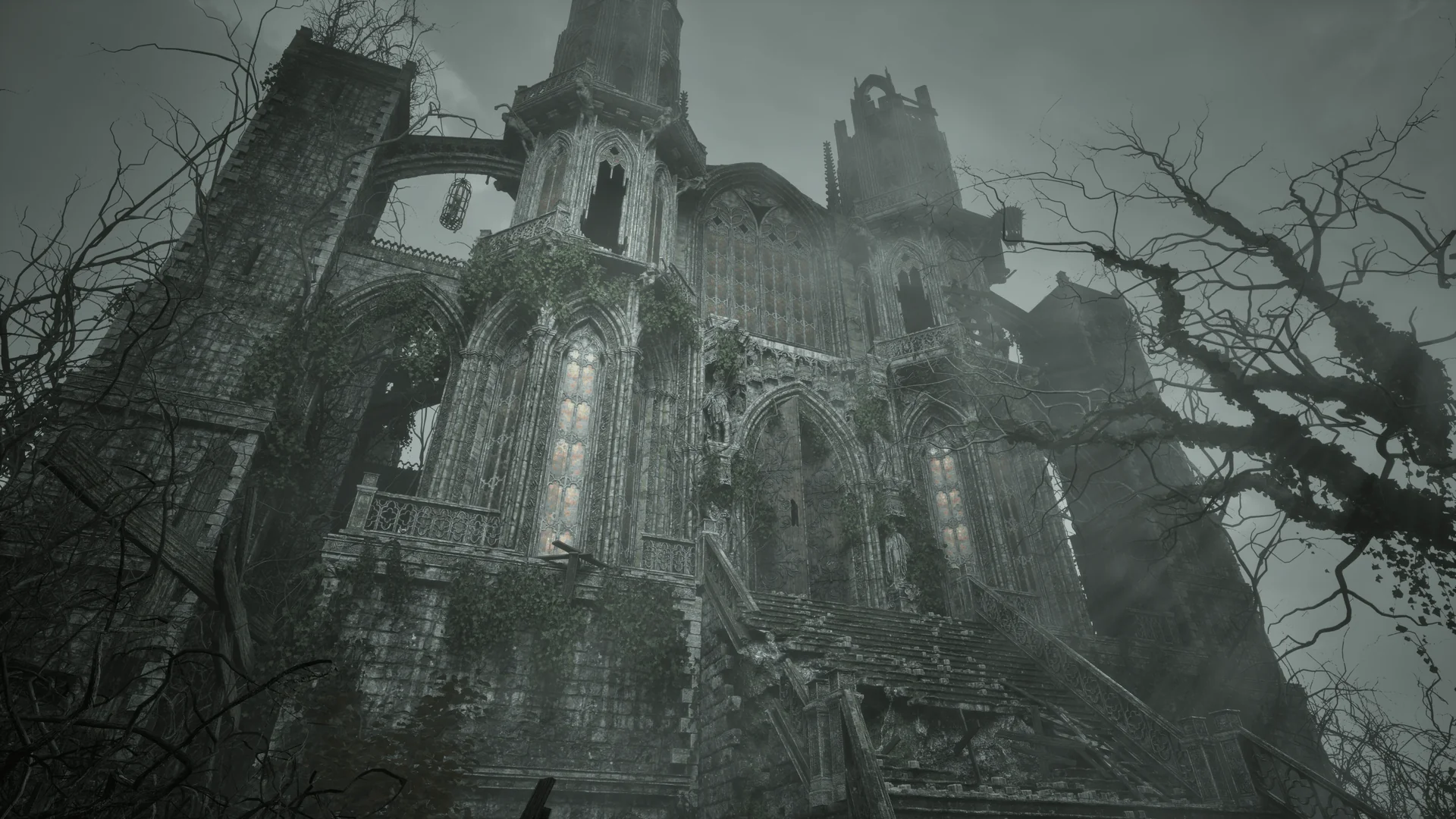
Decaying stone archways, collapsed naves, and weathered ecclesiastical spaces define the spatial identity of abandoned sanctuaries. Creating these locations for real-time production requires architectural assets that communicate immense structural weight alongside the fine surface wear that comes from decades of disuse. Abandoned Cathedral targets this balance directly, serving as a dedicated environment kit for building derelict religious architecture. The asset collection centers on modular assembly, photorealistic surface treatment, and modern geometry handling, providing game developers and cinematic artists with the components needed to construct atmospheric ruin environments.
Constructing Ruined Sanctuaries with the Abandoned Cathedral Meshes
The core building blocks of the collection consist of modular architecture meshes intended for quick spatial layout and straightforward assembly. Recreating ecclesiastical architecture often presents distinct spatial challenges: expansive vaulted halls, towering vertical spans, repeating colonnades, and complex intersections between naves, aisles, and altars. Modular components allow level designers to freely alter structural footprints, transitioning from sprawling ruined basilicas down to confined, claustrophobic crypts or ancillary chapels without breaking architectural consistency.
Because the structural assets are engineered to be modular and easy to assemble, level construction proceeds with minimal friction. Seams align cleanly across walls, pillars, and ceiling vaults, reducing alignment artifacts and geometry clipping during the blocking phase. The modular approach directly benefits gameplay pacing, as developers can adjust sightlines, player traversal paths, and cover points by moving structural columns or breaking up continuous wall sections. Whether a project demands a linear corridor sequence through decaying cloisters or an open-ended arena centered under a crumbling dome, the pieces provide the necessary structural flexibility.
Visual Fidelity: Photorealism, High Poly Counts, and Nanite Execution
Realism in dilapidated architectural environments depends on physical surface relief. In historical stone structures, stone blocks chip, mortar recedes, decorative carvings erode, and masonry shifts out of true alignment. Standard low-polygon meshes mapped with flat normal textures often struggle to portray this heavy tactile depth when viewed from close distances or grazing light angles. Abandoned Cathedral addresses this limitation by using dense, high polygon count assets that capture physical surface irregularities directly in the underlying geometry.
To sustain interactive performance despite this high geometric density, the package is specifically intended to run on Nanite within Unreal Engine 5.0 and higher. Nanite's virtualized micro-polygon system streams and scales geometric detail on a per-frame basis, allowing the intricate architectural carvings, fractured stone steps, and decaying wall profiles to retain cinematic fidelity without the performance penalties traditionally tied to high-density models. Supporting this structural geometry is a complete physically based rendering (PBR) material workflow, ensuring that weathered stone, aged woodwork, and environmental decay respond naturally to changing camera distances and exposure values across the entire level.
Lumen Lighting and Atmosphere in the Cathedral Demo Map
Lighting serves as the decisive factor in selling the mood of an abandoned sacred space. Included alongside the modular kit is a finished demo map configured with cinematic lighting that demonstrates the environment in its complete, assembled state. The scene is tailored to take advantage of Unreal Engine's Lumen dynamic global illumination and reflections, tracking indirect light as it scatters across deep architectural recesses.
In a large hall, natural illumination behaves unpredictably when filtered through fractured roofs, shattered clerestory windows, or partially collapsed side portals. Lumen dynamically bounces daylight across dust-laden flagstones and up into the shadows of ribbed vaults, softening high-contrast areas and grounding floating architectural forms. Secondary reflections off weathered PBR materials expose damp patches, chipped plaster, and dust accumulation without demanding manual lightmap baking. For teams using the finished demo map directly, the cinematic lighting configuration offers an immediate visual baseline that showcases how light, shadow, and architectural scale interact to evoke desolation.
Level Design Adaptability: Horror, History, and Environmental Narratives
While religious architecture inherently carries specific cultural and historical motifs, an abandoned church or cathedral carries wide cross-genre utility. The distressed physical state of the structural meshes naturally complements dark fantasy worlds, historical period pieces, post-apocalyptic ruins, and psychological or survival horror titles. In horror design specifically, towering verticality paired with deep shadows creates an atmosphere of vulnerability, where every vaulted arch and hollow corridor amplifies tension.
Beyond interactive gameplay, the environment works effectively for cinematic set pieces, virtual production backgrounds, and environmental storytelling vignettes. The modularity of the architecture allows creators to arrange specific camera framing, directing focus toward collapsed altar spaces, shattered rose windows, or isolated confessionals. Because the assets are optimized as high-quality gameready pieces, staging cutscenes within the environment does not necessitate secondary mesh replacements or distinct cinematic-only versions of the room geometry.
Production Suitability and Workflow Integration
Abandoned Cathedral is built specifically for creators operating within modern Unreal Engine pipelines who need ready-to-use, high-fidelity gothic and ecclesiastical spaces. Teams building survival games, atmospheric walkthroughs, cinematic shorts, or environmental portfolios can bypass the weeks required to sculpt high-poly stone trims, assemble modular kits, and establish dynamic lighting rigs from scratch. The combination of easy modular assembly, high-detail Nanite meshes, and native Lumen support provides a reliable, production-ready foundation for any scene that calls for ruined grandeur.
 Abandoned
 Abandoned
 Abandoned