Framework Architecture and Multi-Perspective Support
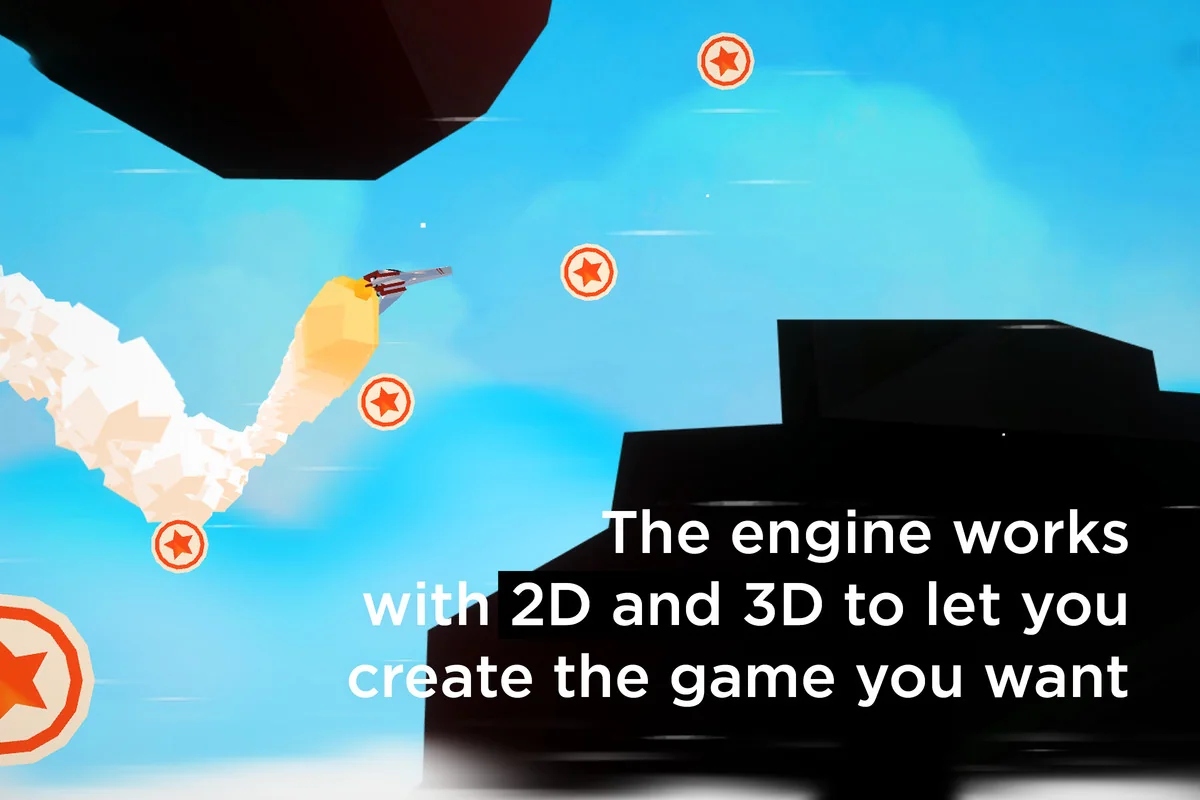
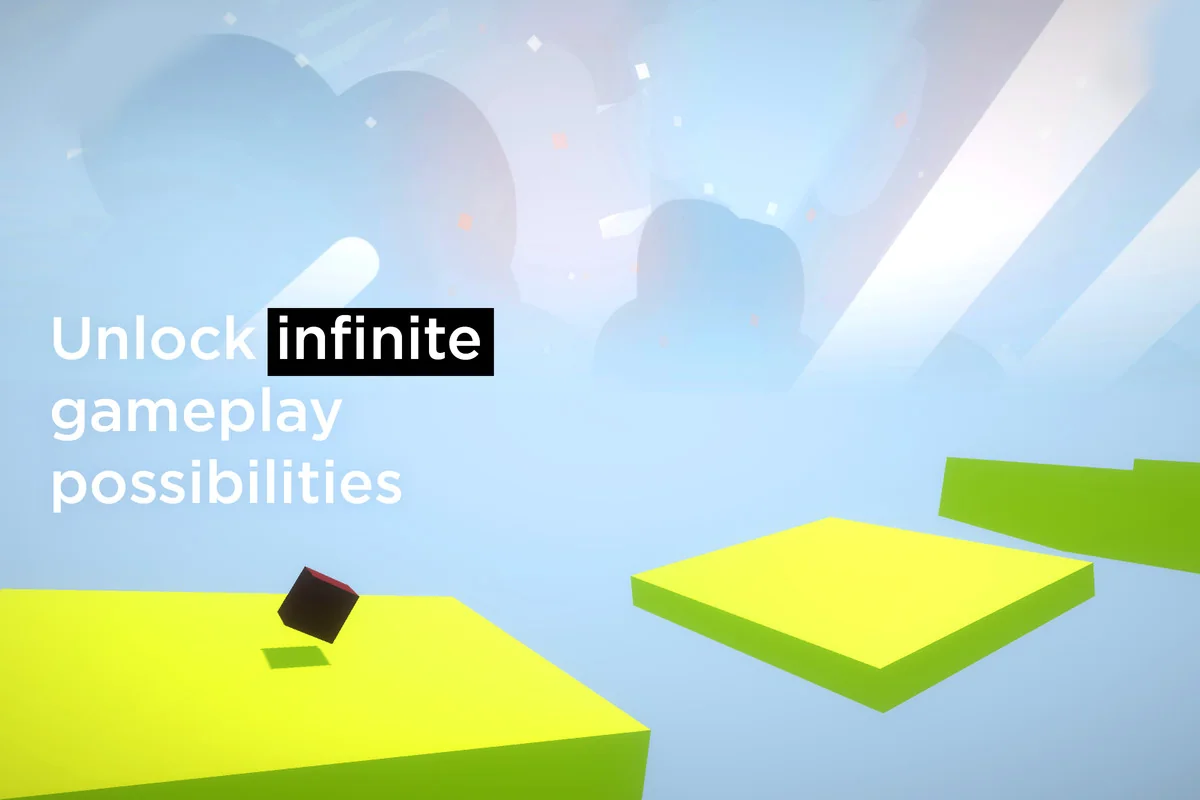
The Infinite Runner Engine is designed as a specialized solution for developers looking to move beyond basic movement scripts into a fully integrated endless gameplay system. Developed by the creator of the Corgi Engine, this kit transitions between 2D and 3D environments, providing a foundation for diverse sub-genres. The engine supports a variety of runner styles, ranging from fast-paced side-scrolling mechanics reminiscent of titles like Canabalt to curved-world runners such as Ski Safari or Tiny Wings. It also extends functionality to third-person perspectives, common in lane-based games like Temple Run.
The implementation process is centered on high customizability. Rather than forcing a single gameplay loop, the engine provides a library of common use classes that can be adapted to specific project needs. These classes handle the fundamental logic required for endless games, including object spawning, camera management, and game state tracking. By using these pre-built components, developers can focus on unique gameplay hooks rather than the underlying math of infinite world generation.
Optimization and Mobile Readiness
Performance is a primary consideration for the Infinite Runner Engine, particularly for mobile deployment. The system utilizes object recycling and pooling to maintain a stable frame rate. By reusing game objects instead of constantly instantiating and destroying them, the engine reduces the overhead on the CPU and minimizes garbage collection spikes. This optimization is critical for maintaining the high-speed fluidity required in the runner genre across various hardware configurations.
The engine is touch-ready out of the box, facilitating immediate testing and deployment on mobile platforms. To further support mobile development, the package includes Nice Touch and MMFeedbacks as integrated additions. These tools allow for refined input handling and the addition of tactile or visual responses to player actions, such as screen shakes, haptic triggers, or particle bursts, without requiring external plugins.
Core Systems and Inspector-Level Control
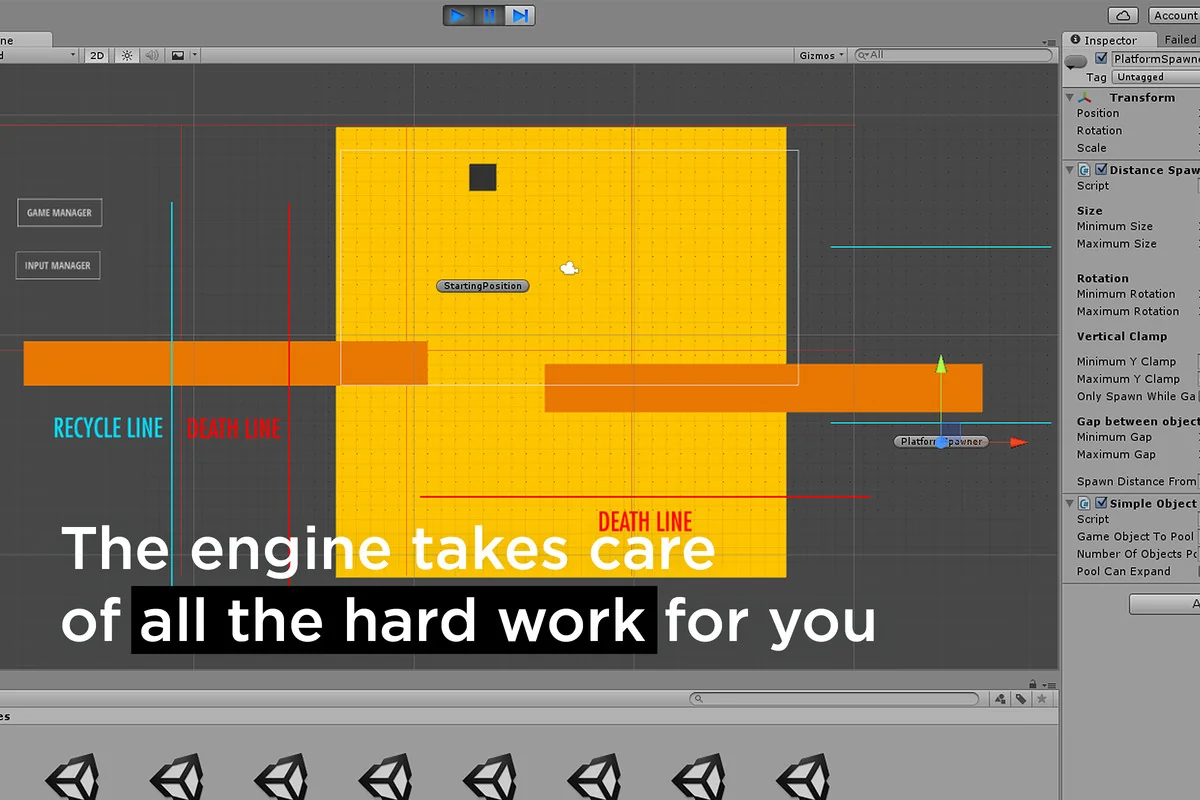
The development workflow within the Infinite Runner Engine emphasizes accessibility through the Unity Inspector. Core engine objects can be tweaked directly via the interface, allowing for rapid iteration on variables like movement speed, gravity, or spawn frequency. The engine manages several complex systems simultaneously:
- Spawners and Object Pools: Automated systems for generating obstacles, platforms, and pickable items at specific intervals or locations.
- Camera Controllers: Pre-configured camera scripts that handle the specific framing requirements of side-scrollers and third-person perspectives.
- Game Status and Events: A centralized system for monitoring high scores, player progress, and game-over triggers.
- Character Management: Built-in support for multiple characters and complex movement states.
- Achievement and Score Systems: Integrated logic for tracking player milestones and persistent high scores.
The entire codebase is commented, providing transparency for developers who need to extend or override default behaviors. This is complemented by documentation that covers the specific roles of each class within the system.
Technical Integration and Pipeline Compatibility
The Infinite Runner Engine is compatible with Unity 6 and supports a wide range of earlier versions starting from 2019.4.3. This versioning flexibility ensures that projects can be maintained or upgraded as the engine evolves. The asset package is substantial, containing 2698 individual assets and weighing in at approximately 195.7 MB, which includes various examples like platformers and lane runners to serve as functional templates.
Regarding visual rendering, the engine maintains compatibility across all major Unity render pipelines. Whether a project is utilizing the Built-in Render Pipeline, the Universal Render Pipeline (URP), or the High Definition Render Pipeline (HDRP), the engine’s core logic and included assets remain functional. It also supports Custom Scriptable Render Pipelines (SRP). This cross-pipeline support allows developers to choose the visual fidelity and performance profile that best suits their target platform without worrying about breaking the underlying runner mechanics.
Practical Implementation and Included Templates
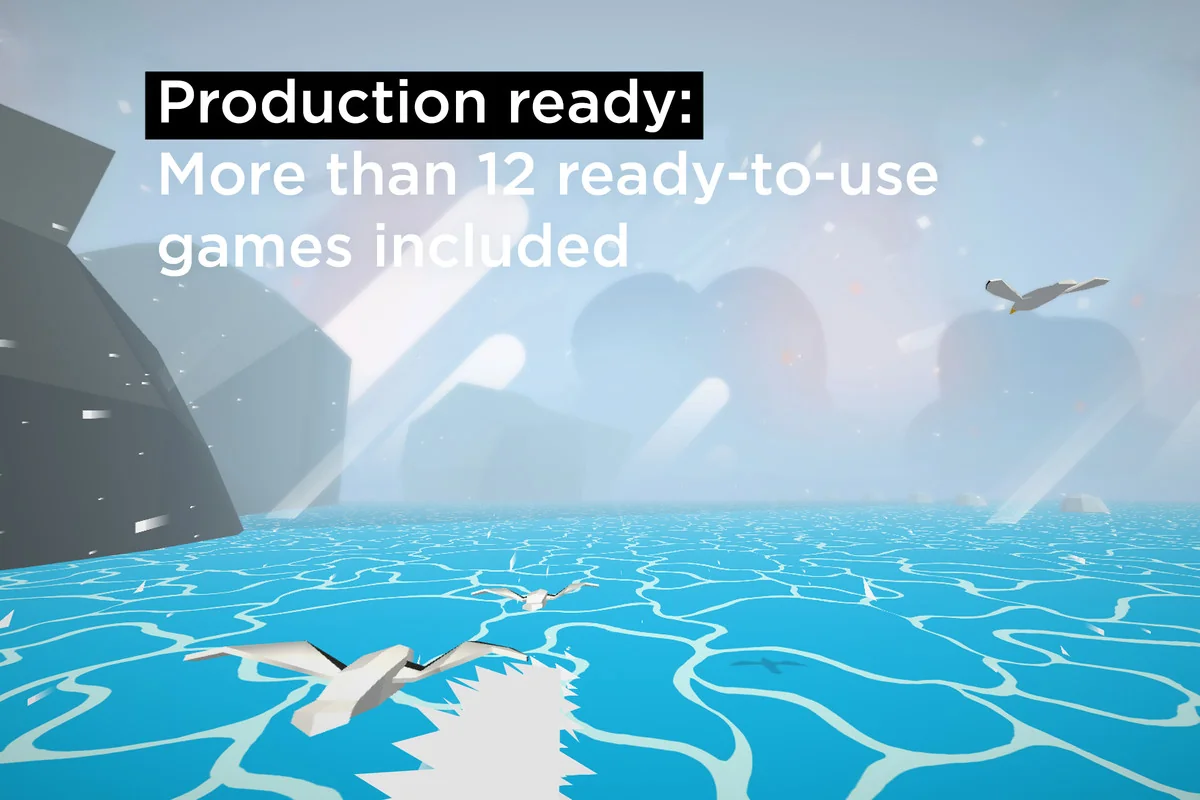
To help developers understand the logic of the engine, it includes several complete game examples. These are not merely demonstrations but functional templates that showcase how to set up different types of runner games. By dissecting the platformer or lane runner examples, developers can see how the spawners, pickable objects, and camera controllers interact in a live environment. This hands-on approach simplifies the learning curve for setting up complex interactions like multiple character selection or procedural level progression, providing a clear path from a blank scene to a functional endless game prototype.
Project Screenshots