Framework for 2D Action RPG Development
Mythril2D is an engine designed for the Unity platform that focuses on streamlining the creation of 2D Action RPGs. It functions as a comprehensive framework, allowing developers to build out core RPG mechanics such as combat, exploration, and narrative progression. The engine is built to support a workflow that minimizes the need for manual programming, utilizing a system where gameplay events are constructed by assembling commands and conditions directly within the Unity editor.
The No-Code Event System
At the core of Mythril2D is its no-code architecture. Developers can create unique gameplay events by combining various commands and conditions. This approach is designed to be modular, similar to assembling building blocks, which allows for the creation of complex interactions without writing script files. This system governs how players interact with the world, how events trigger, and how the game responds to specific player actions or environmental changes.
Core RPG Mechanics and Systems
The engine includes a suite of integrated systems essential for the RPG genre. These systems are designed to work together to form a cohesive gameplay loop:
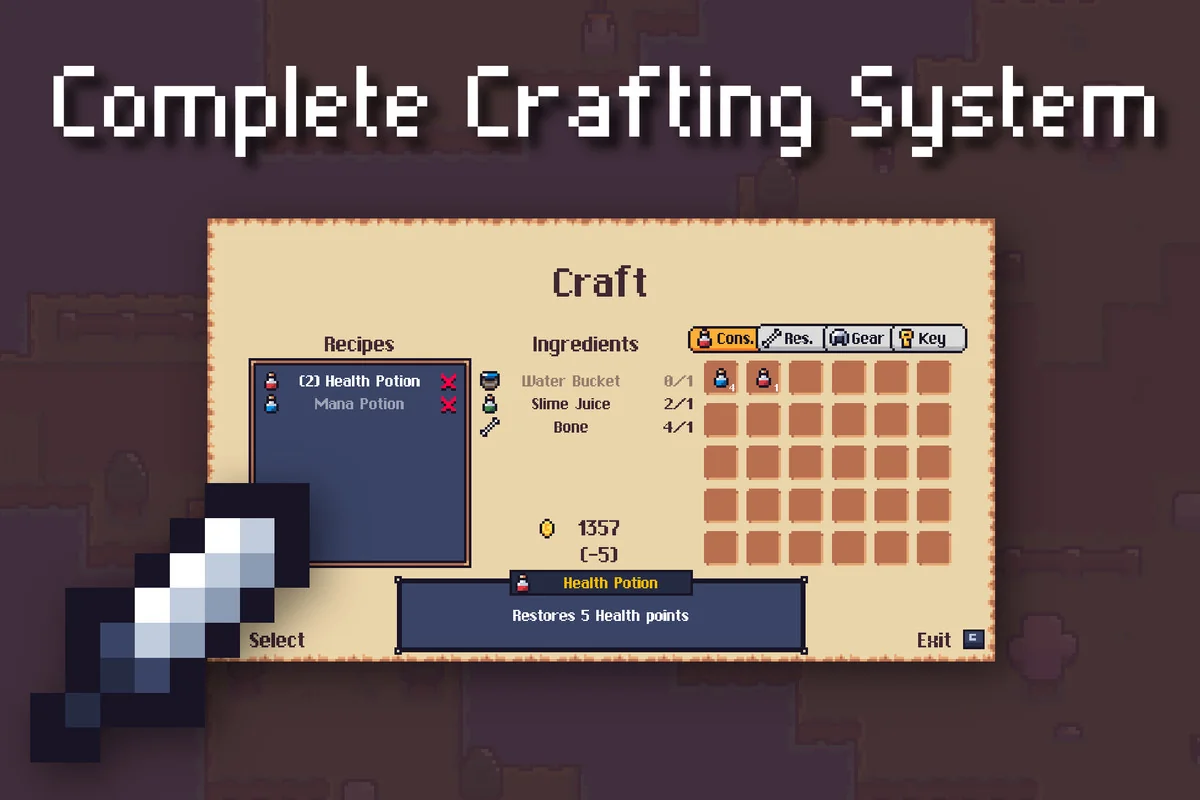
- Items and Crafting: Developers can design unique items and equipment. The crafting system allows for the creation of recipes, enabling players to transform collected resources into new gear.
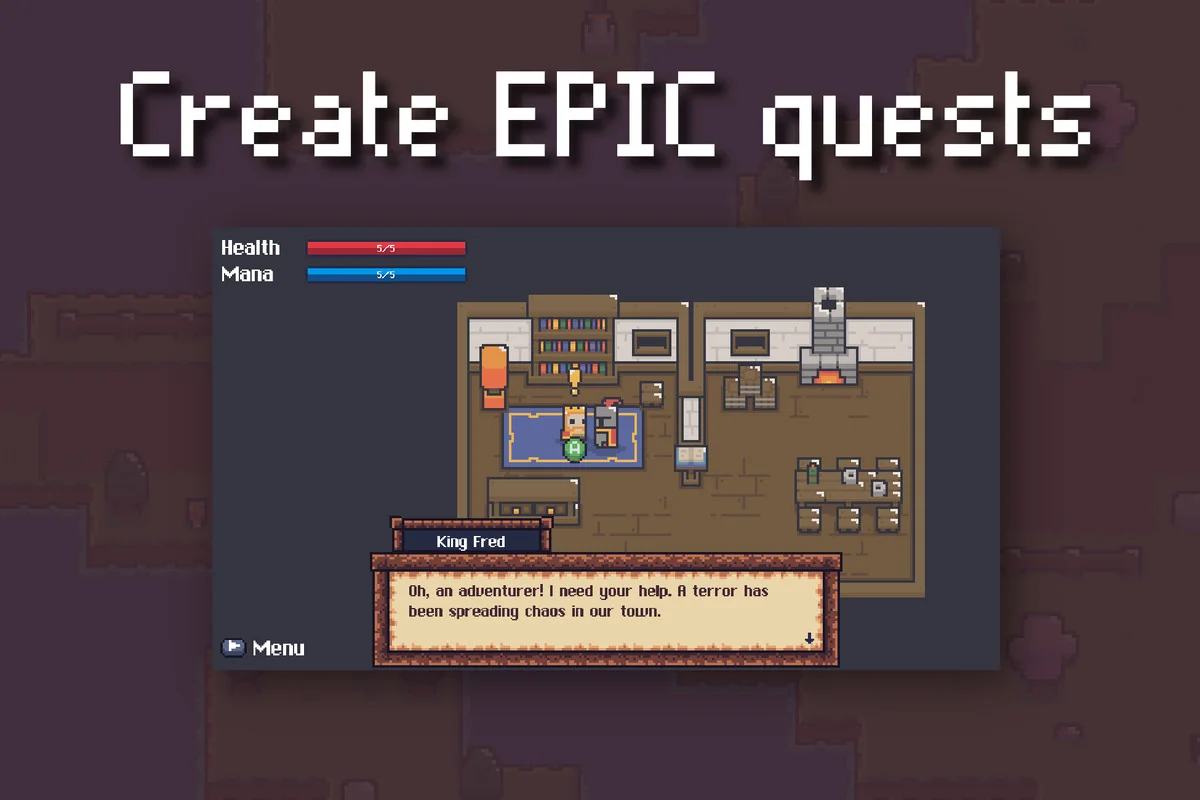
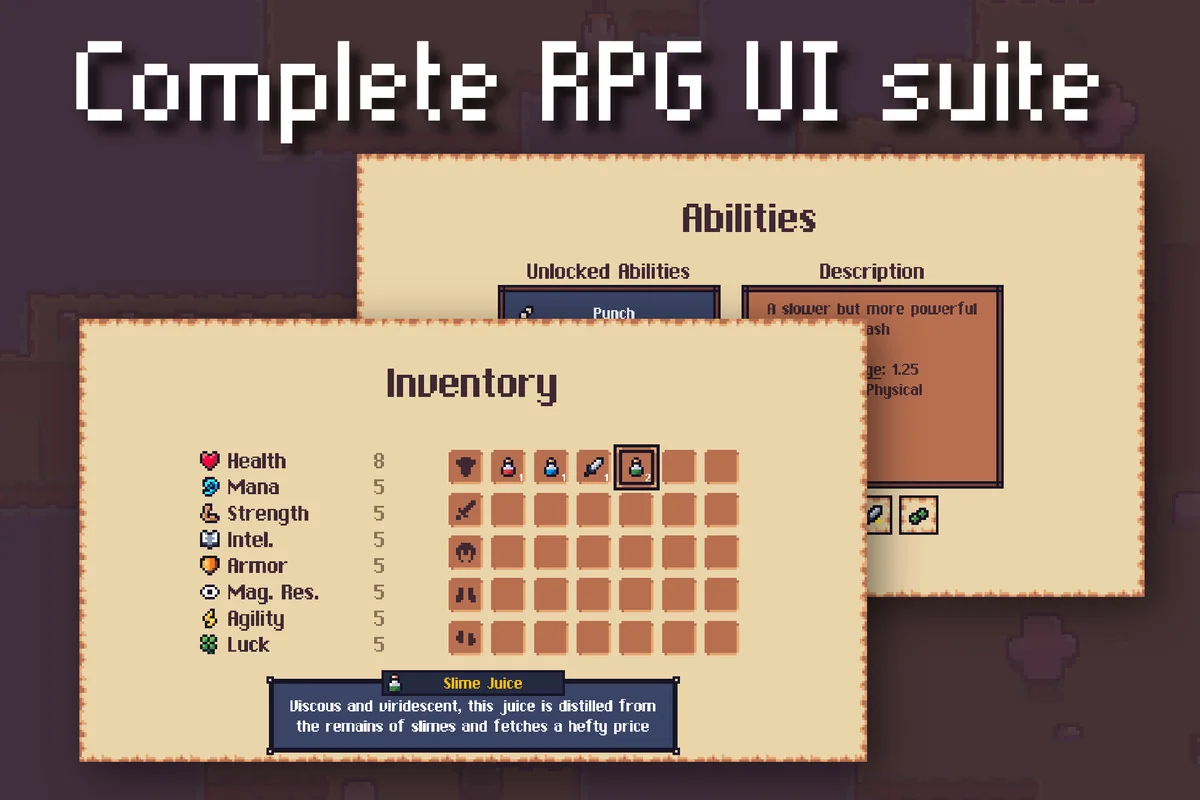
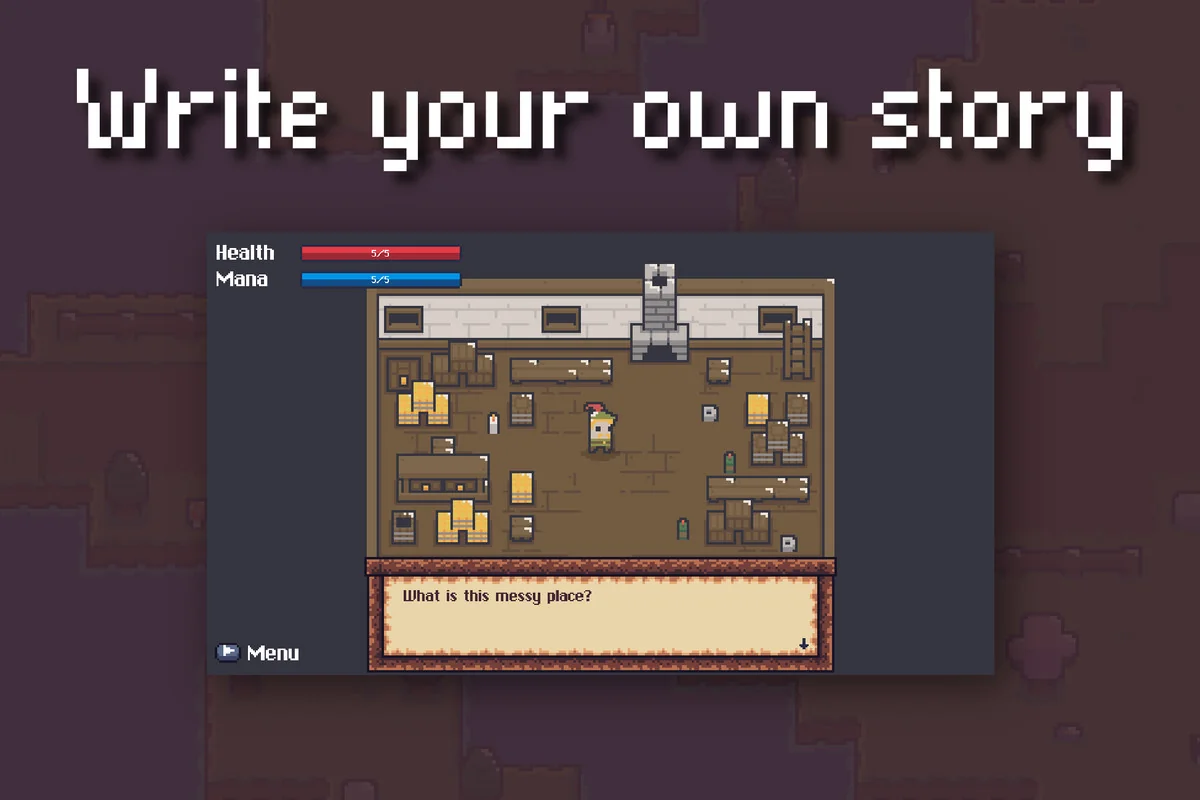
- Quests and Dialogues: Narrative tools are included to facilitate story-driven gameplay. This includes a quest system for managing objectives and adventures, alongside a dialogue system for character interactions.
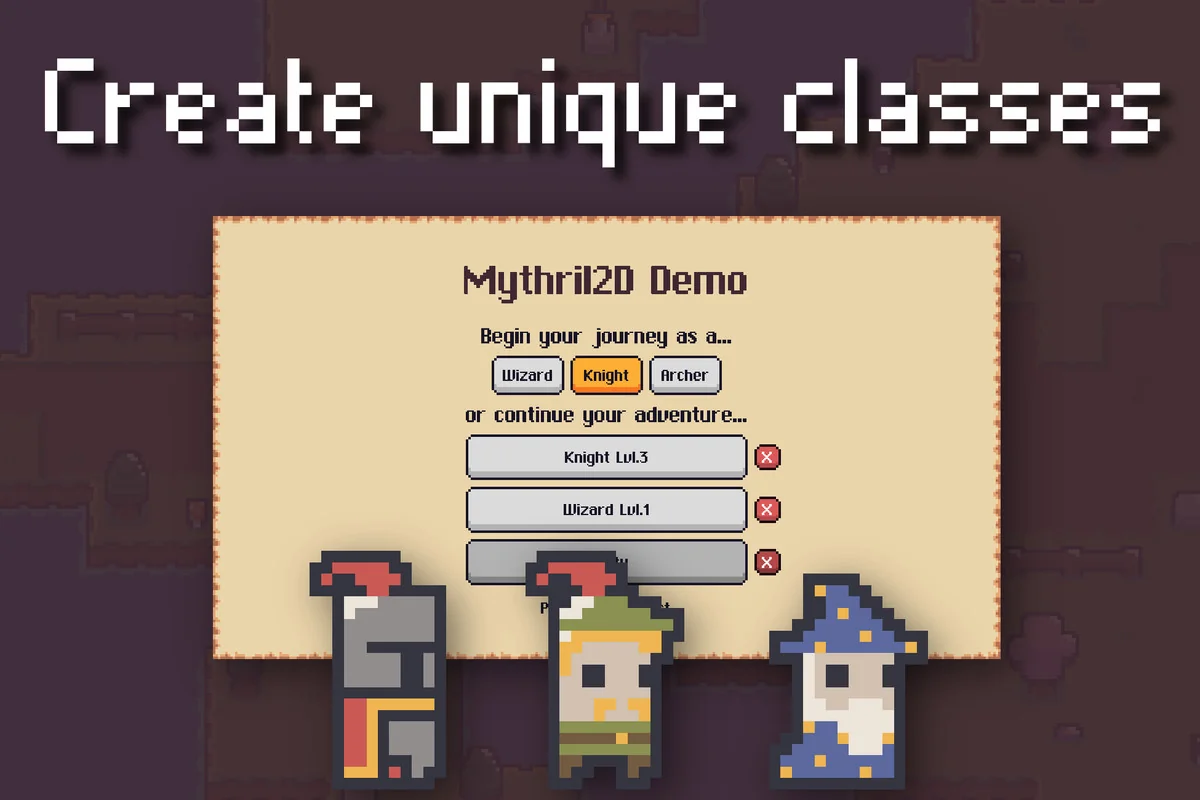
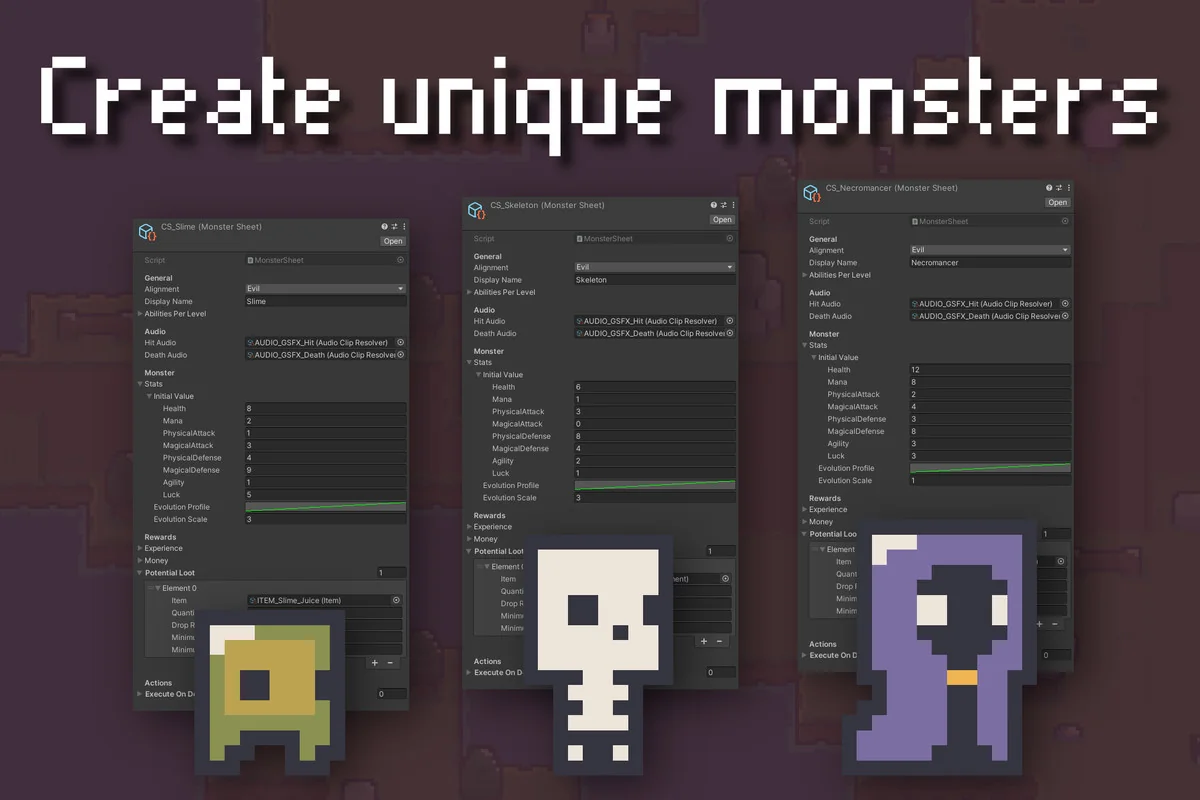
- Hero and Monster Management: The engine allows for the definition of unique hero classes, giving players different paths to choose. Developers can also populate their worlds with custom monsters and non-player characters (NPCs).
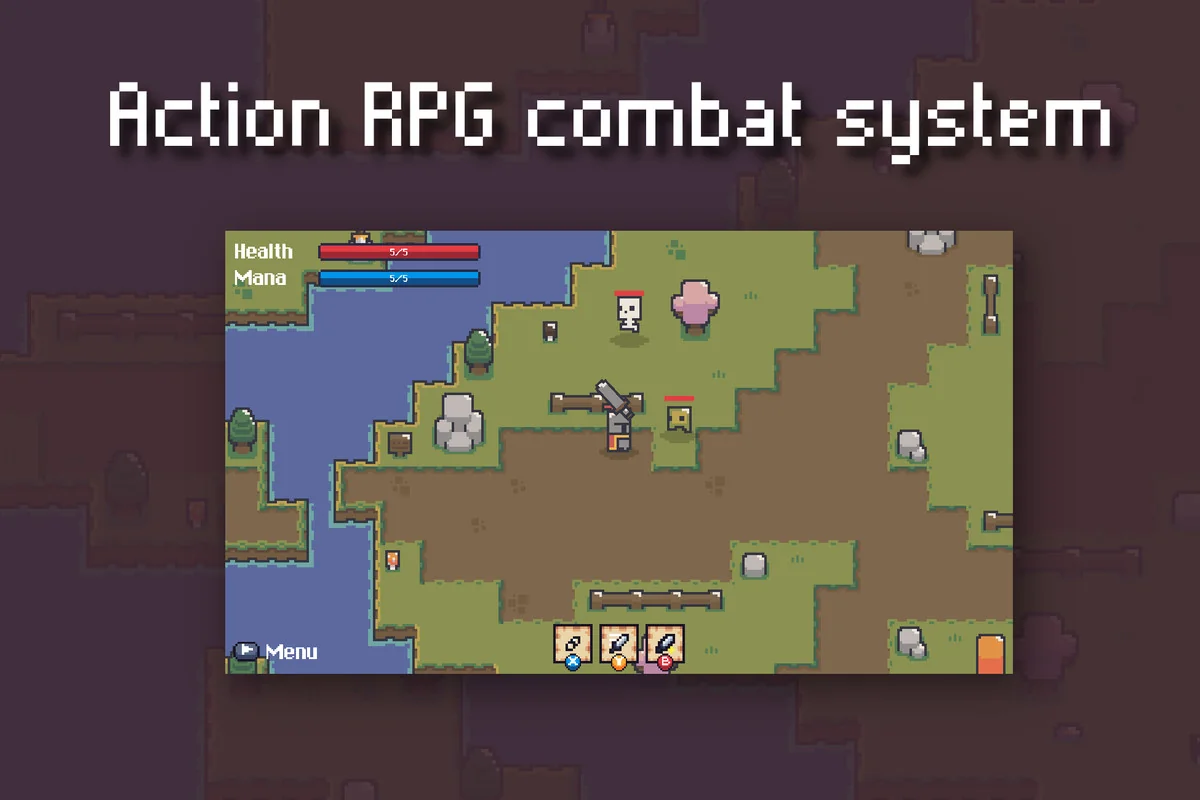
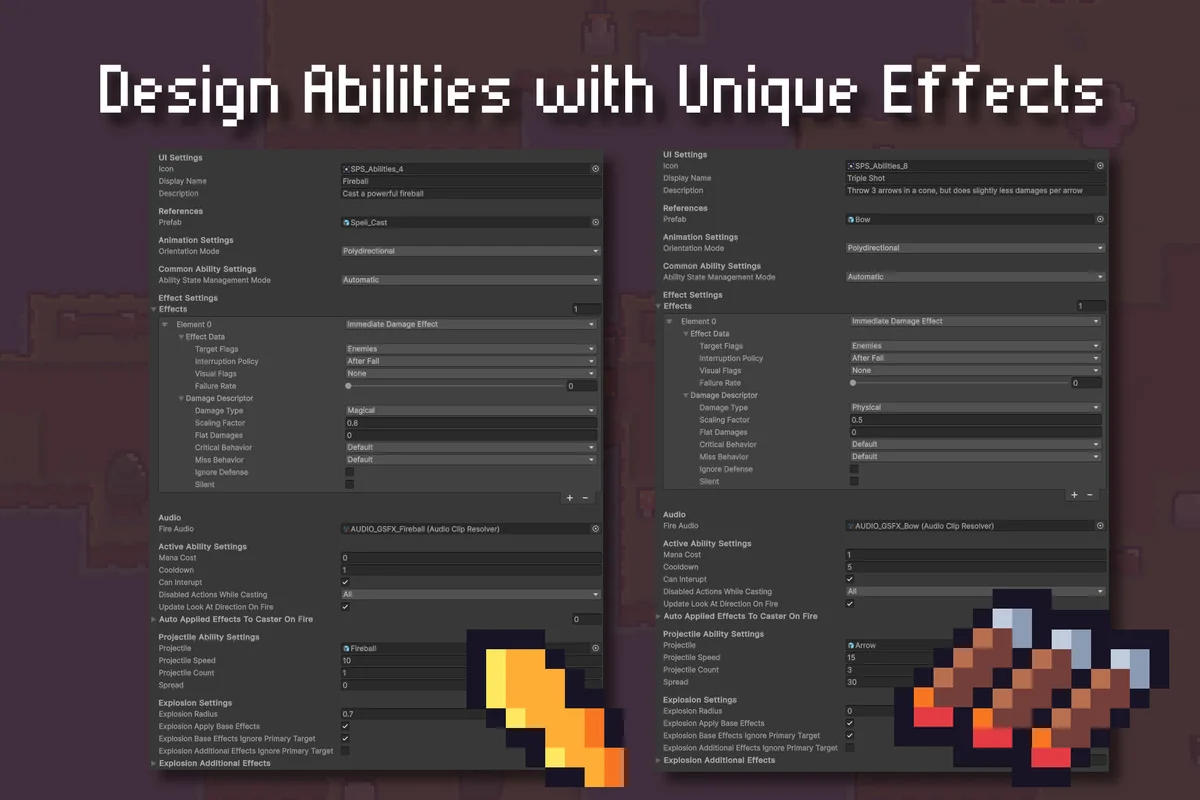
- Abilities and Effects: Mythril2D features an ability system that supports dozens of customizable effects. These can be assigned to both heroes and monsters to define combat variety.
World Interaction and Persistence
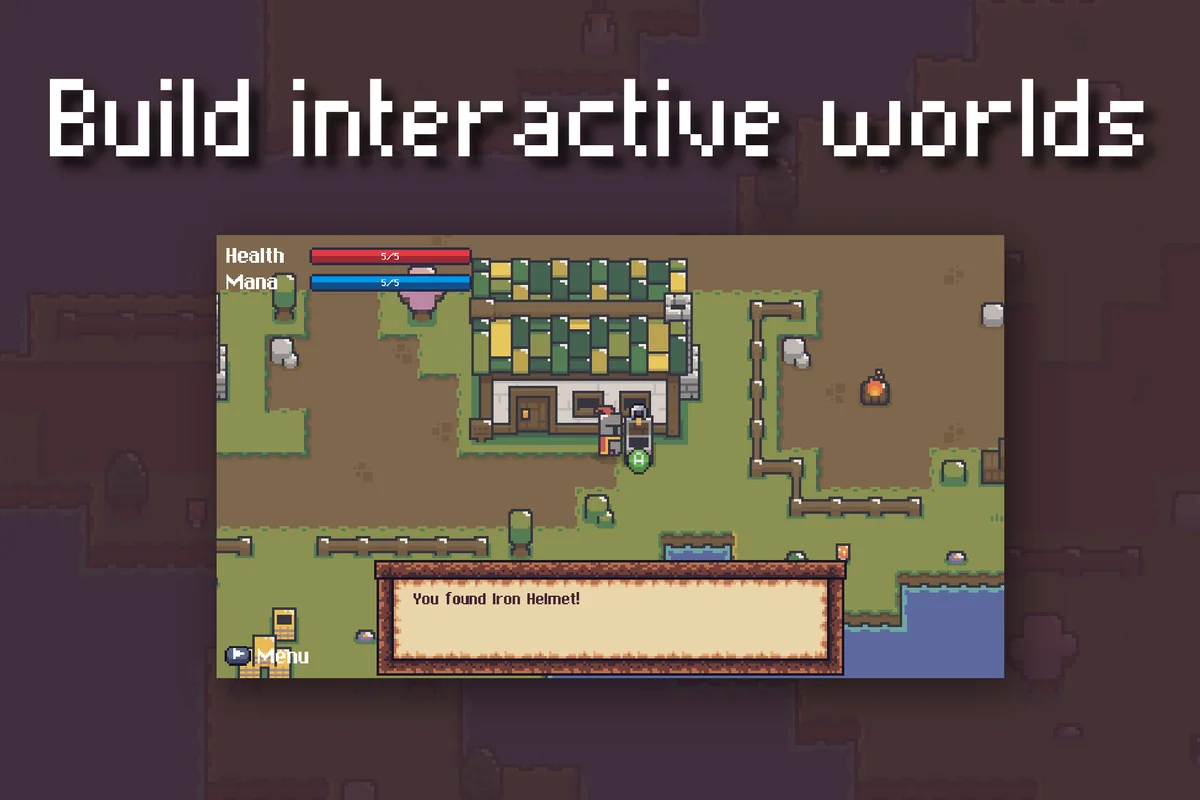
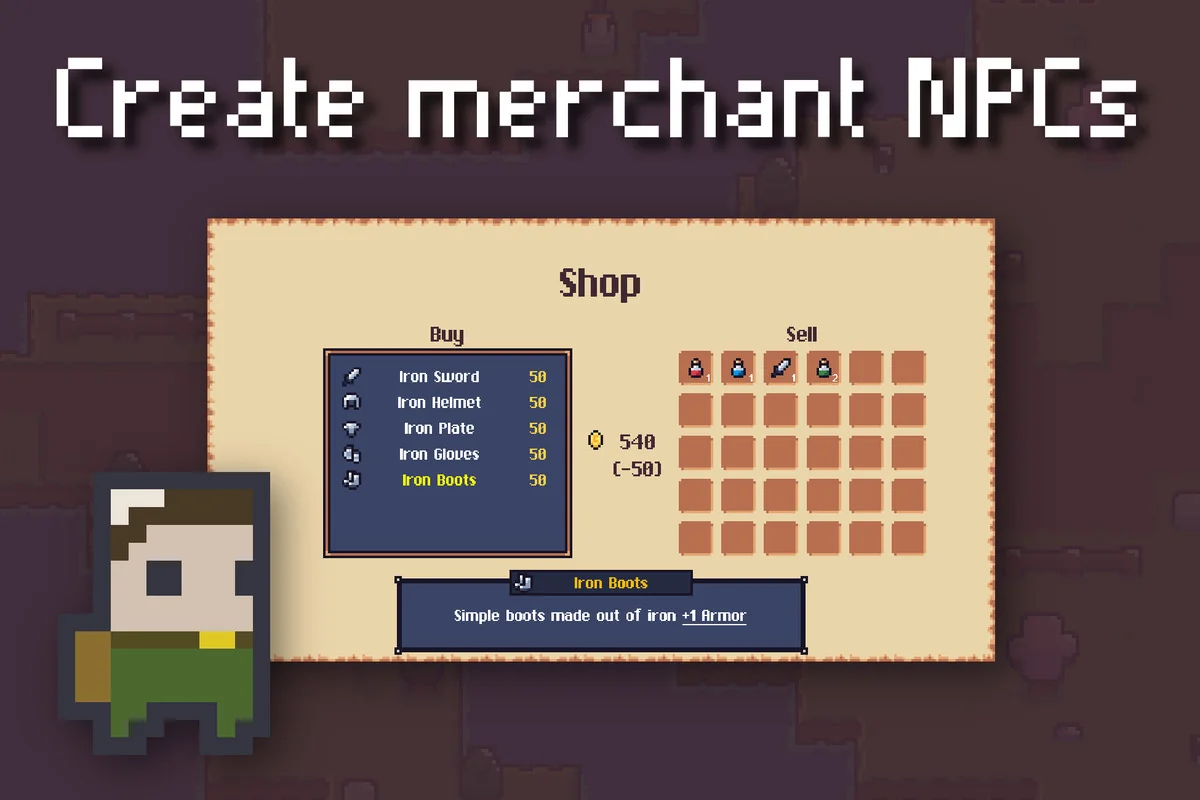
To populate the game world, the engine provides specific tools for common RPG tropes. This includes functional chests for distributing items and gold, as well as merchant NPCs for trading goods. Developers can also set up inns where player characters can rest to recharge their health and mana. To manage player progress, a built-in save and load system is included, handling the data persistence required for long-form RPGs.
Audio and Input Handling
The audio system in Mythril2D is designed for efficiency, allowing developers to manage sounds through multiple channels. One of its utility features is the ability to update a specific music track or sound effect across dozens of instances with a single click. Regarding player control, the engine utilizes Unity’s Input System. It provides native support for keyboard, mouse, and gamepads, including pre-integrated icons for Xbox and PlayStation controllers. While the base package does not include XR or touch control support in its demo, these can be added manually using the Input System framework.
Technical Integration and Dependencies
Mythril2D version 3.4 is built to work with specific Unity dependencies. It requires the com.unity.feature.2d and com.unity.inputsystem packages to function correctly. For installation, the developer recommends using Unity 6000.3.10f1 or a later version. The package also incorporates various third-party assets under specific licenses, including utility scripts from azixMcAze and MackySoft, as well as creative assets (sprites and audio) from contributors like analogStudios_, MatheusFrantz, PaperHatLizard, and several audio creators like Holizna and SubspaceAudio.
Practical Implementation
For developers working in Unity, Mythril2D serves as a foundational layer that handles the mechanical heavy lifting of an RPG. By utilizing the pre-built systems for inventories, questing, and save states, the production focus can shift toward world design and narrative content. The recommended workflow involves starting with a project in Unity 6000.3.10f1, ensuring the required 2D and Input System packages are active, and then building out the game world using the modular command system for event logic.
Visual Breakdown