Foundations for Tactical Grid Design
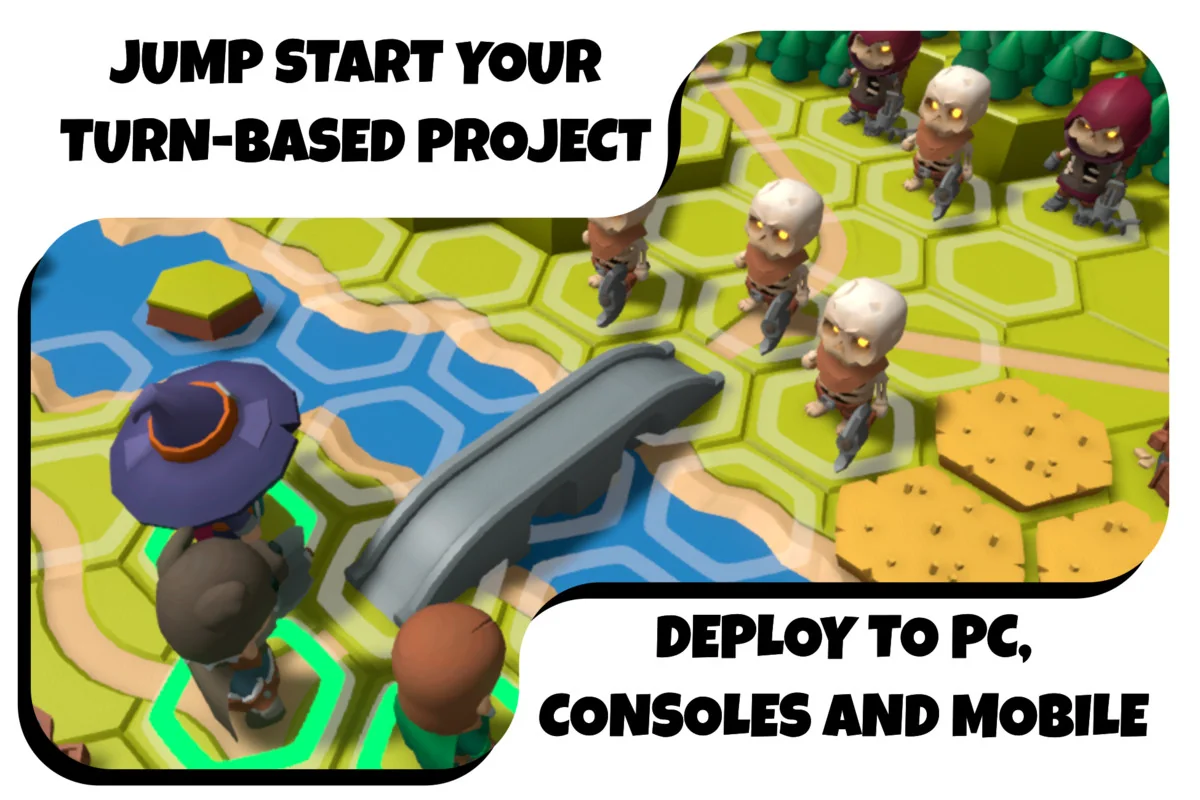
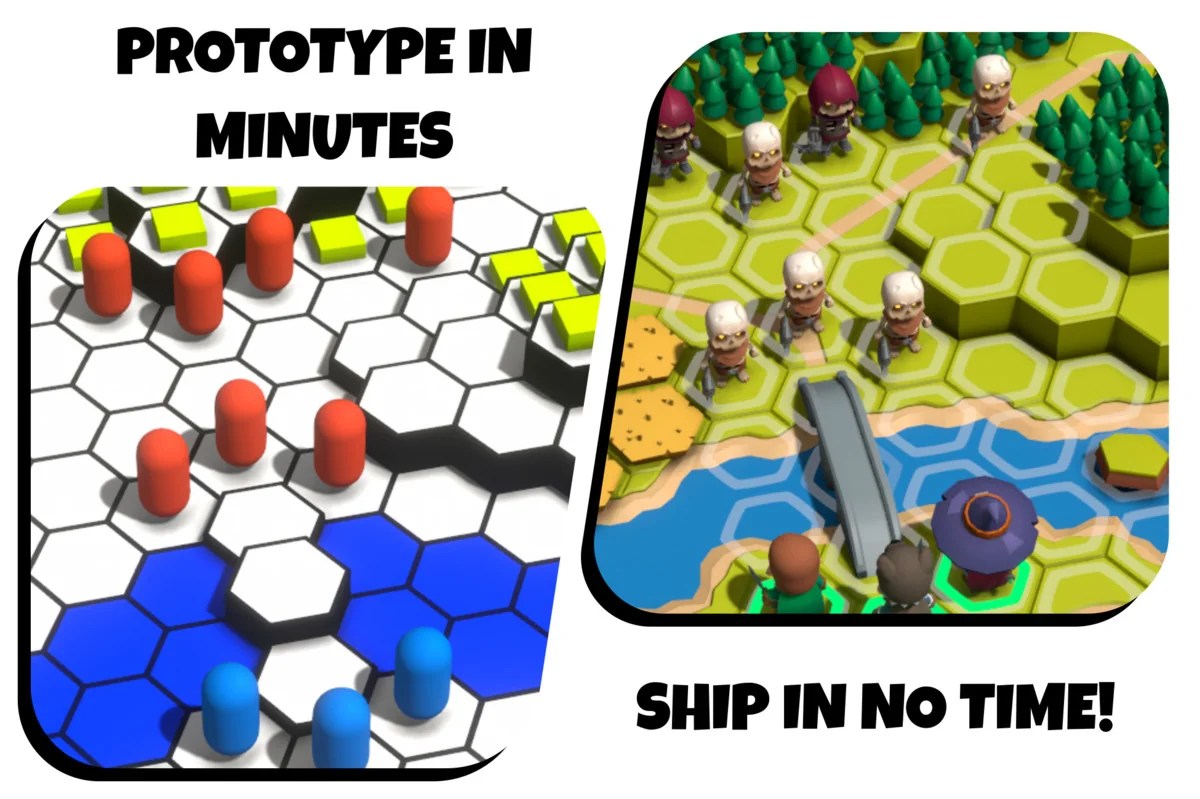
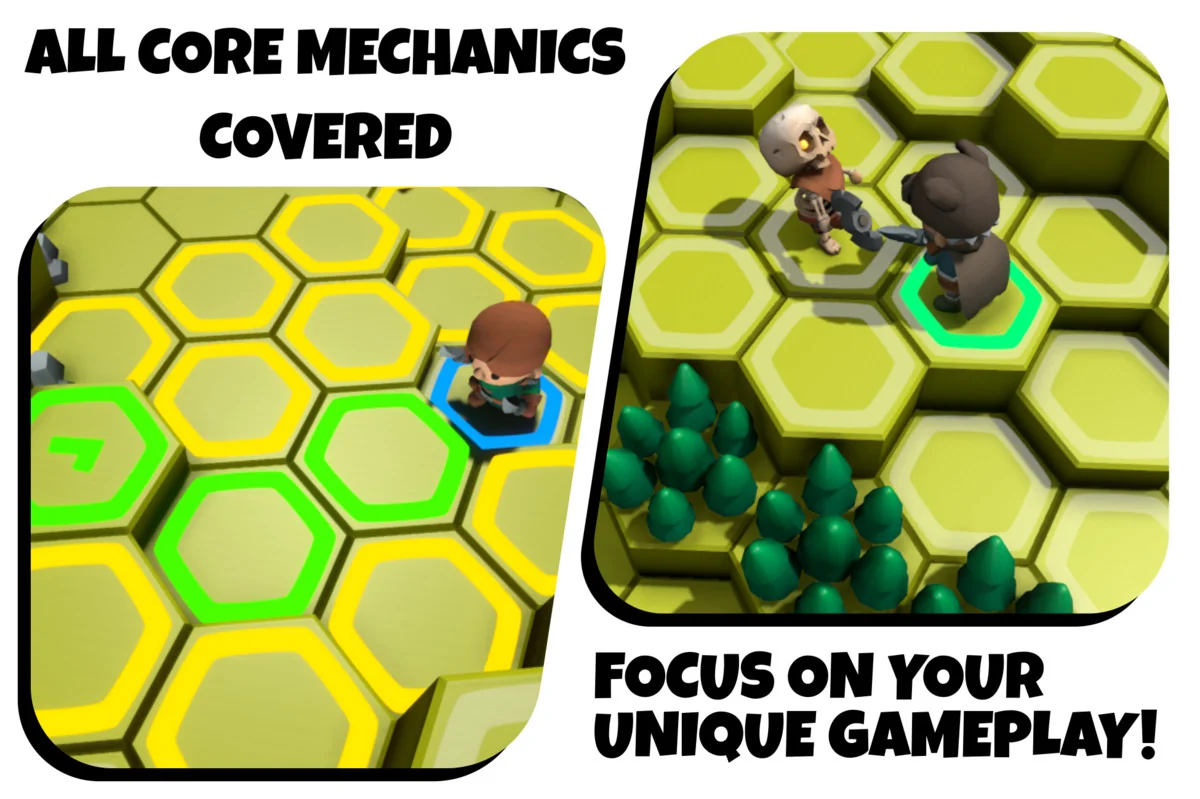
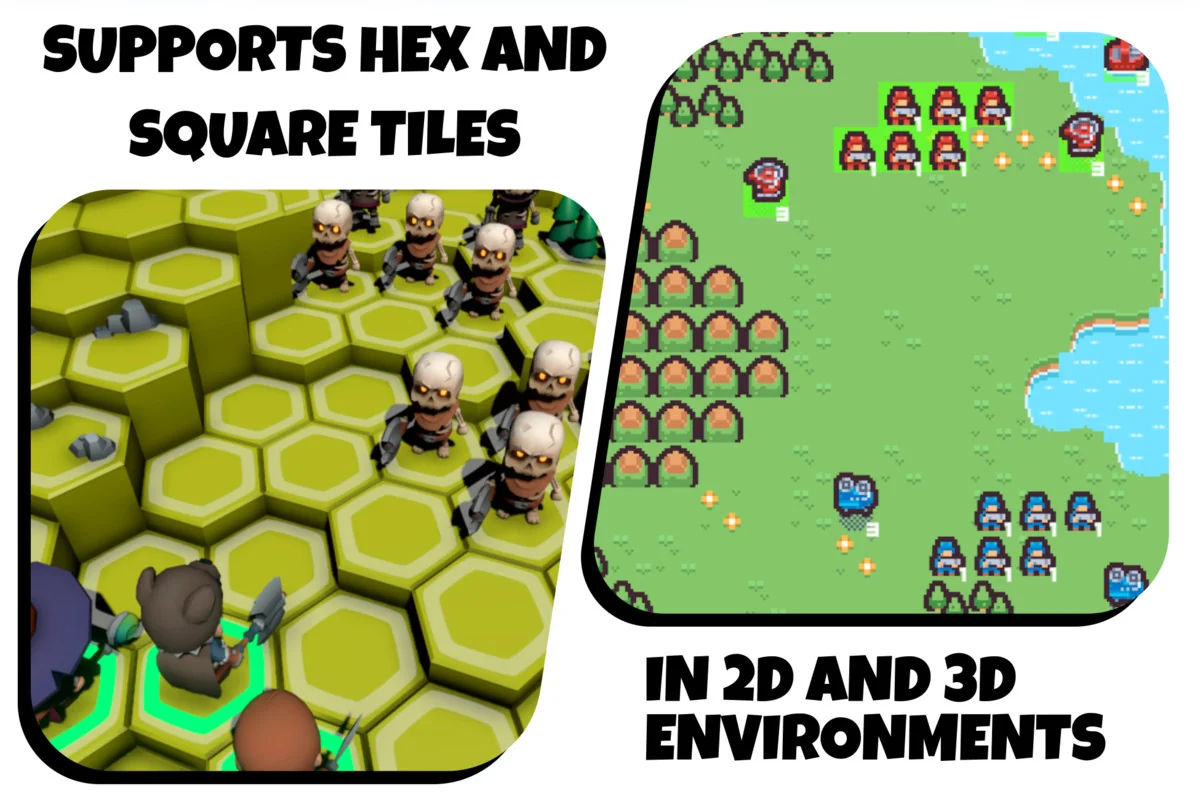
The Turn Based Strategy Framework serves as a foundational toolset for developers looking to build tactical games without reconstructing core mechanics from scratch. It supports both hex and square tile grids, allowing for flexibility in how players navigate the game world. These systems function across both 2D and 3D environments, enabling creators to apply the same logic to flat sprites or high-fidelity 3D models. The framework handles the underlying grid generation and pathfinding, which are essential for defining how units move and interact within a defined space.
To assist with the initial setup, the framework includes a Grid Helper tool. This utility streamlines the process of assigning prefabs to cells and ensures that camera raycasters are correctly configured for different scene types, such as 2D environments. This focus on setup efficiency allows developers to spend more time on the visual identity and specific mechanics of their projects rather than the mathematical complexities of tile-based navigation.
Combat Systems and Unit Management
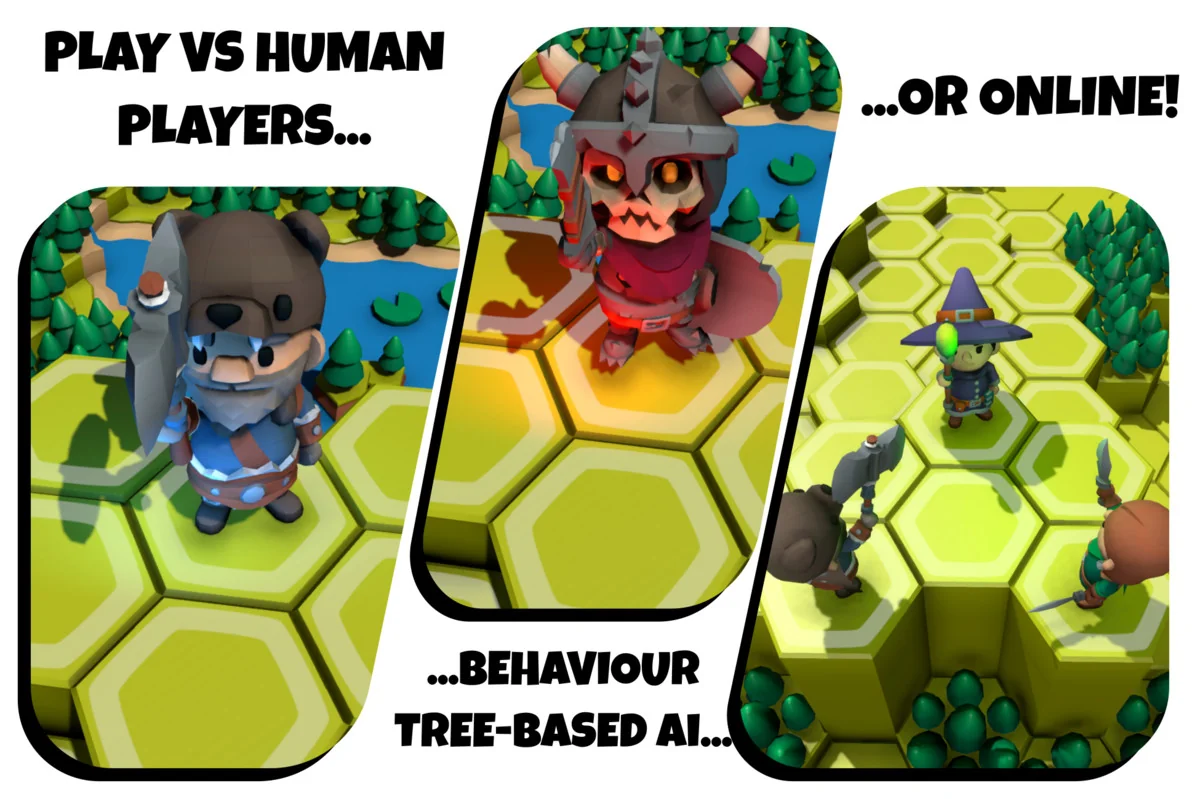
Beyond simple movement, the framework covers the essential pillars of turn-based gameplay, including combat systems and special abilities. It is designed to accommodate both human players and AI, making it possible to create solo experiences or competitive environments. Recent updates have expanded these capabilities by introducing support for multi-cell units, which allows for larger-scale entities that occupy more than a single tile, adding a layer of spatial complexity to map design and tactical positioning.
Unit management is further supported by deployment features. Developers can implement specific deployment phases, allowing players to position their forces before an encounter begins. This functionality is showcased through dedicated demo scenes that illustrate how to integrate these phases into a standard gameplay loop. Whether the goal is a small-scale skirmish or a complex tactical simulation, the framework provides the hooks necessary to manage unit states and abilities.
Multiplayer Implementation and Mobile Optimization
The framework includes built-in support for online multiplayer, addressing one of the more technically demanding aspects of strategy game development. This implementation allows for turn-based synchronization across networks, enabling developers to scale their projects from local prototypes to online titles. For those targeting handheld platforms, the system is mobile-ready, featuring optimizations specifically for touch controls and performance on mobile hardware.
Performance is a recurring focus within the framework’s architecture. Recent technical refinements have moved away from generic interfaces in favor of direct implementations like Vector3Impl and Vector2IntImpl to reduce runtime allocations. Pathfinding has also seen significant architectural changes; the system now uses Lists instead of Linked Lists and reconstructs paths dynamically rather than storing every potential path in memory. These optimizations, along with the caching of grid coordinates and hashes within individual cells, are intended to keep the game responsive even as the complexity of the map or the number of active units increases.
Proven Professional Application
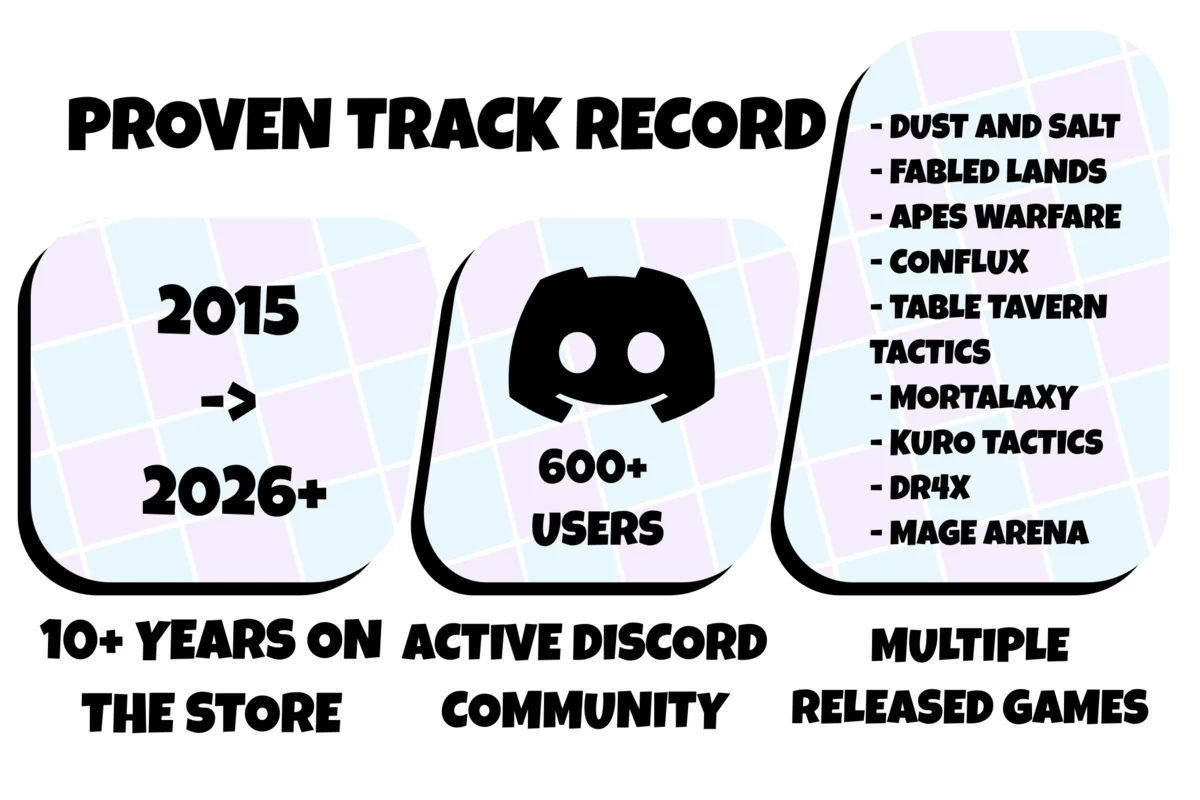
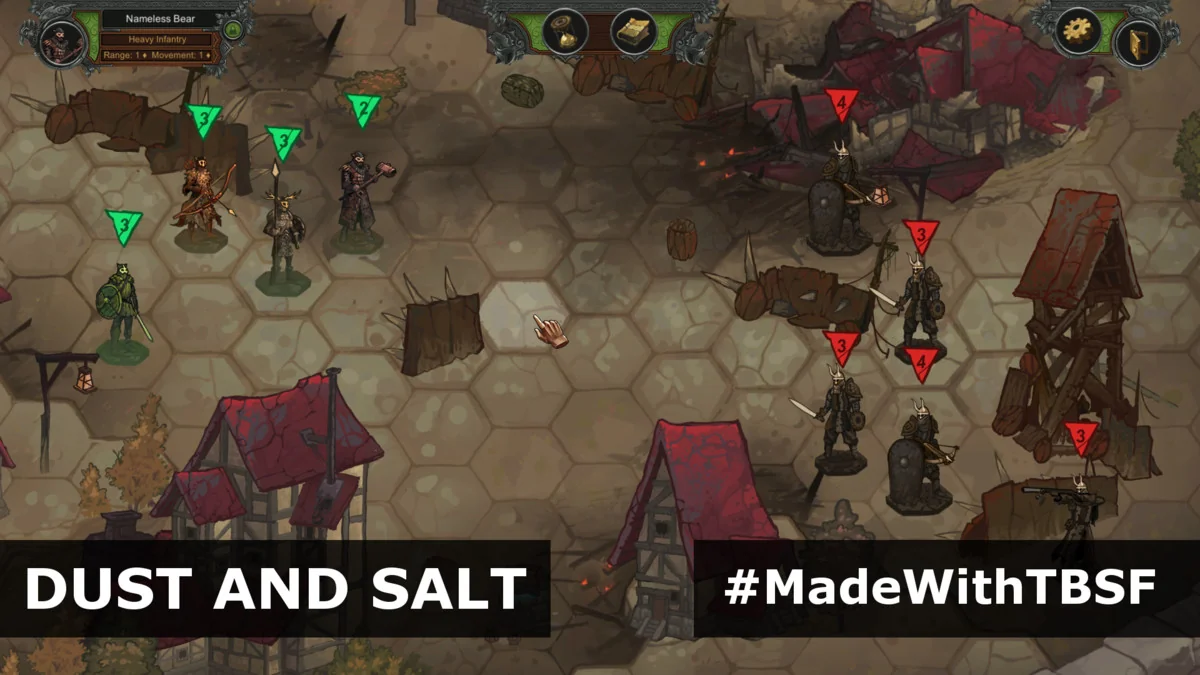
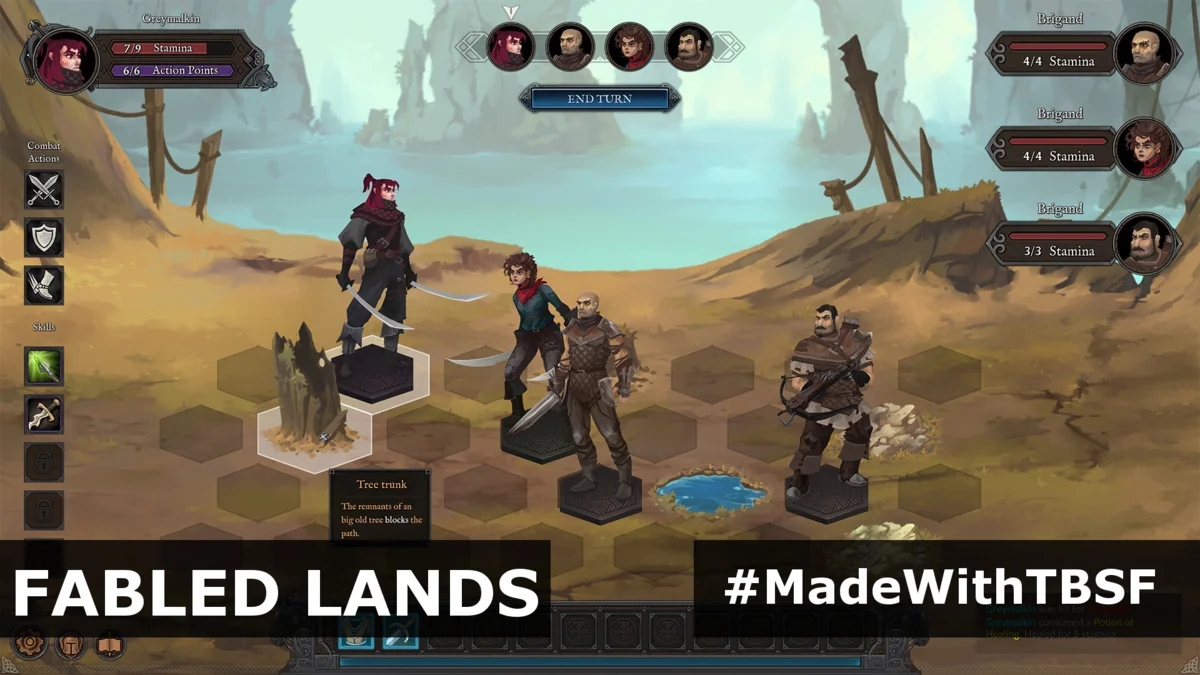
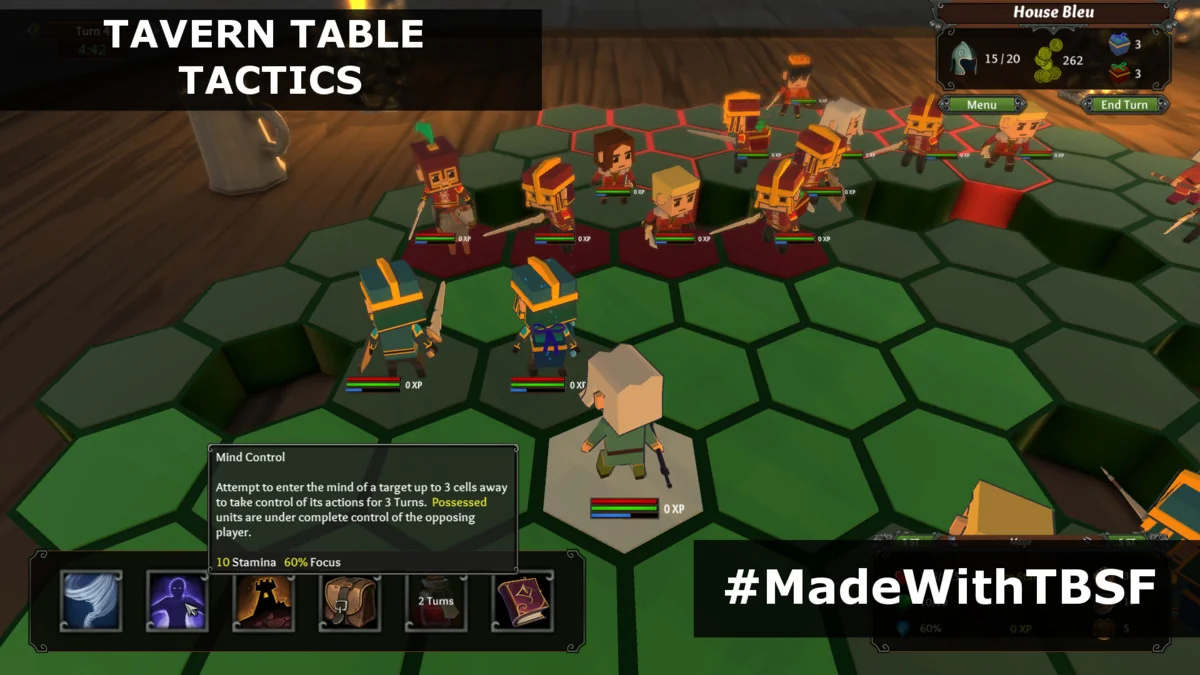
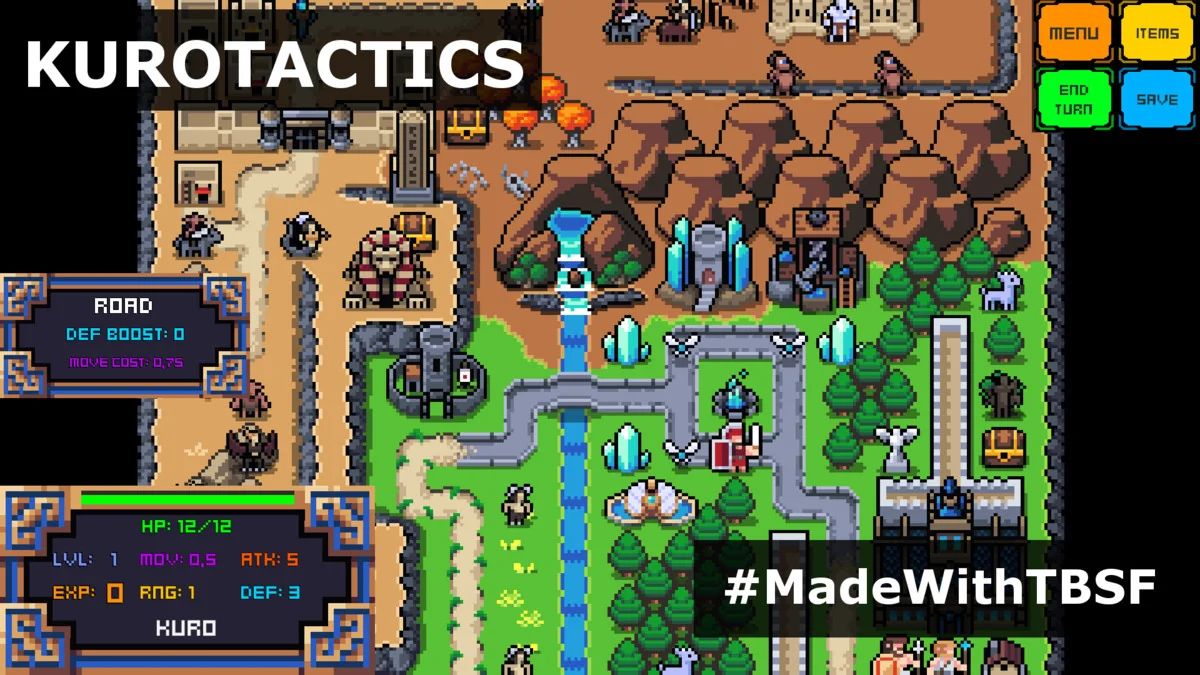
The Turn Based Strategy Framework has been utilized in a variety of released titles, demonstrating its stability in professional environments. Games such as Dust and Salt, Fabled Lands, Apes Warfare, and KuroTactics have all employed the framework to power their tactical systems. This track record spans various genres and art styles, from traditional tabletop aesthetics to more modern strategy formats. With over 1,600 individual assets included in the package, the framework provides a dense library of resources for developers to integrate into their production pipelines.
Developers using the framework can also access an active community for support and inspiration. This collective knowledge base, combined with extensive documentation and multiple demo scenes—including a web-based mobile demo—provides a roadmap for understanding how to leverage the system’s more advanced features, such as custom render pipeline compatibility (HDRP, URP, and Built-in) and flexible grid controllers.
Project Screenshots
Protected download
Access this resource
All resources are 100% manually reviewed to eliminate all risks.