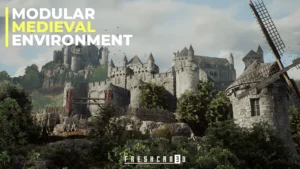
Introduction to Sharur’s Lost Monastery Ruins
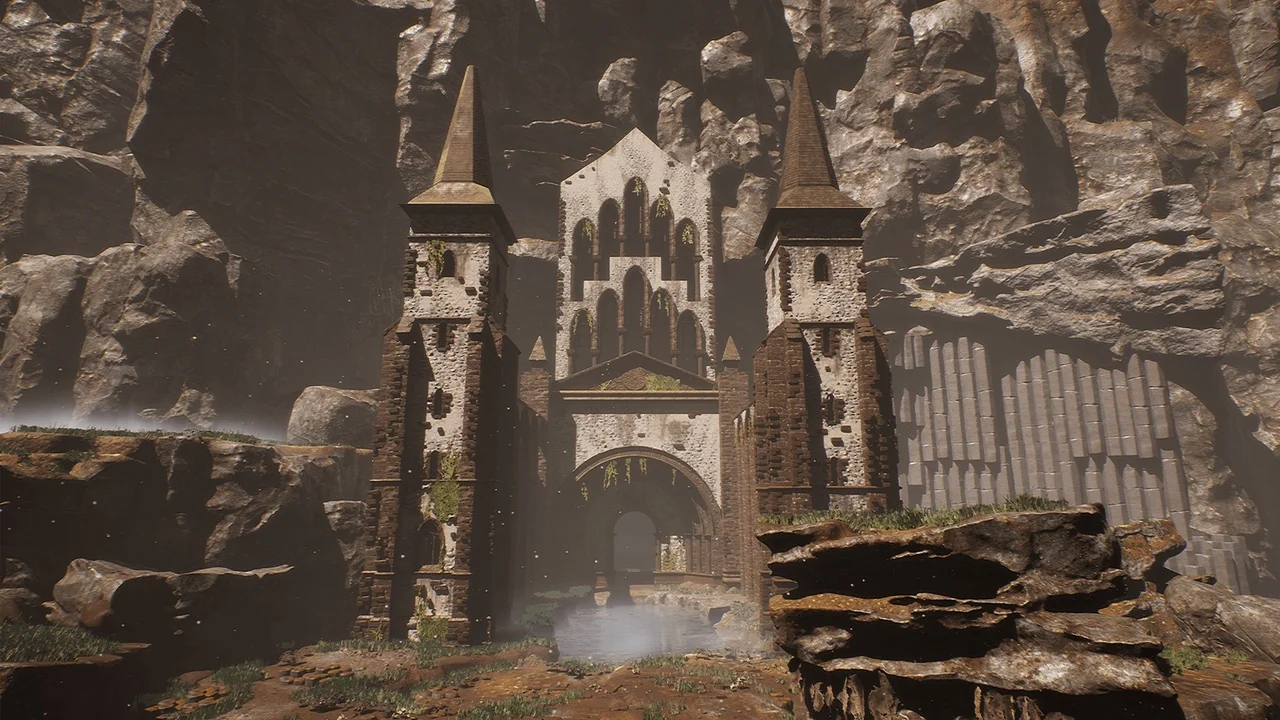
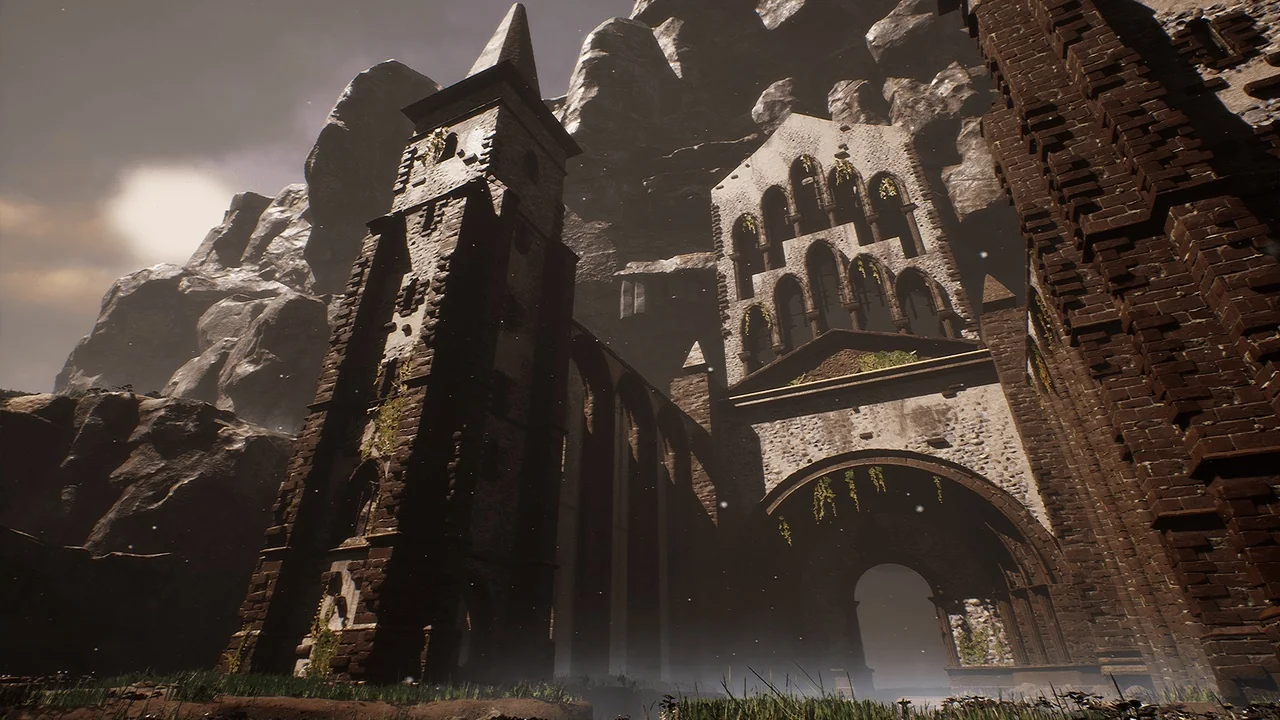
Sharur’s Lost Monastery Ruins is a comprehensive collection of modular assets designed for high-quality environment creation. This pack provides developers with 91 distinct assets to build detailed and atmospheric scenes. Consequently, users can create diverse structures ranging from ancient towers to intricate bridge systems. The developer designed every piece to fit together quite nicely, ensuring a smooth workflow during level assembly.
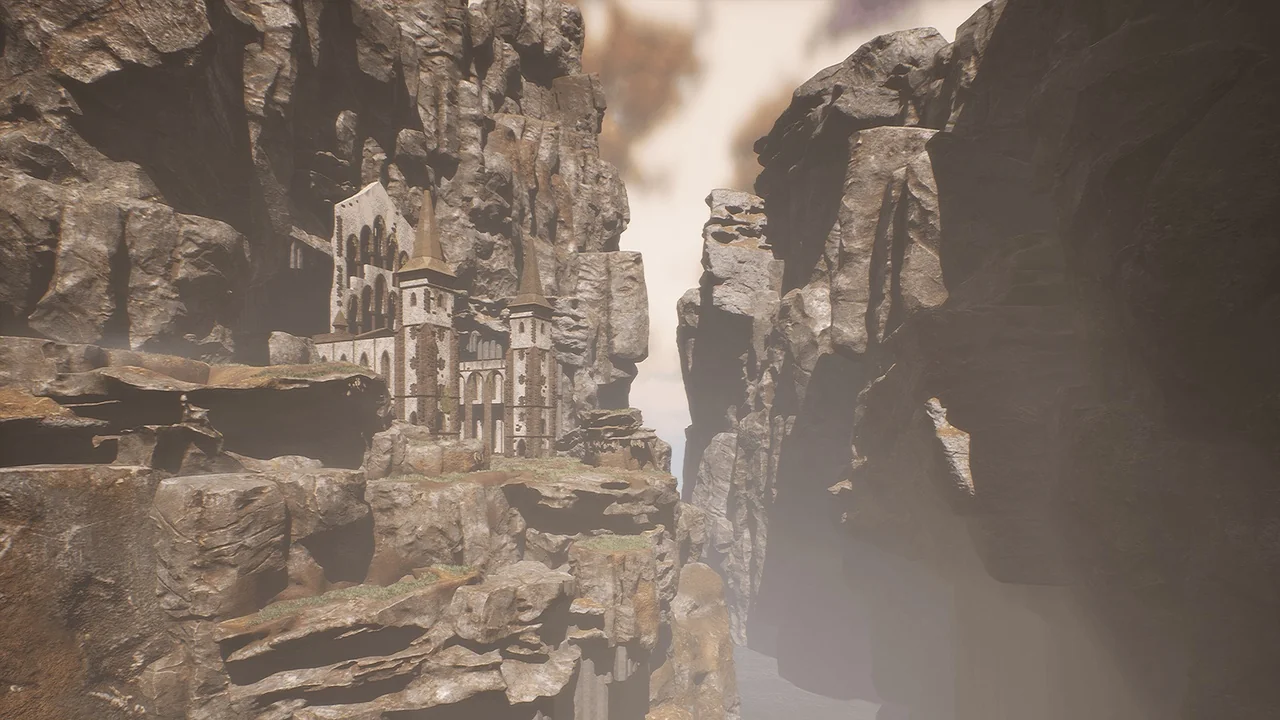
This asset collection is ideal for both realistic and fantasy-themed projects. Because the pieces are modular, they offer significant flexibility for various architectural layouts. Furthermore, the design takes inspiration from the historical Sazava monastery. This provides a grounded, authentic feel to the medieval architecture included in the set.
Comprehensive Modular Architectural Assets
The core of Sharur’s Lost Monastery Ruins consists of 91 modular components. These include essential structures such as towers and tower bridges. Moreover, these architectural elements allow for the construction of complex monastery layouts. Each piece maintains a consistent aesthetic to ensure visual harmony across the environment. Therefore, level designers can focus on creativity without worrying about asset compatibility.
In addition to the main buildings, the pack includes smaller structural details. For instance, wood planks are available to add character to the ruins. These elements help in telling a visual story within the game world. Additionally, the modular nature of the pack supports the rapid prototyping of large-scale medieval environments.
Natural Terrain and Foliage Elements
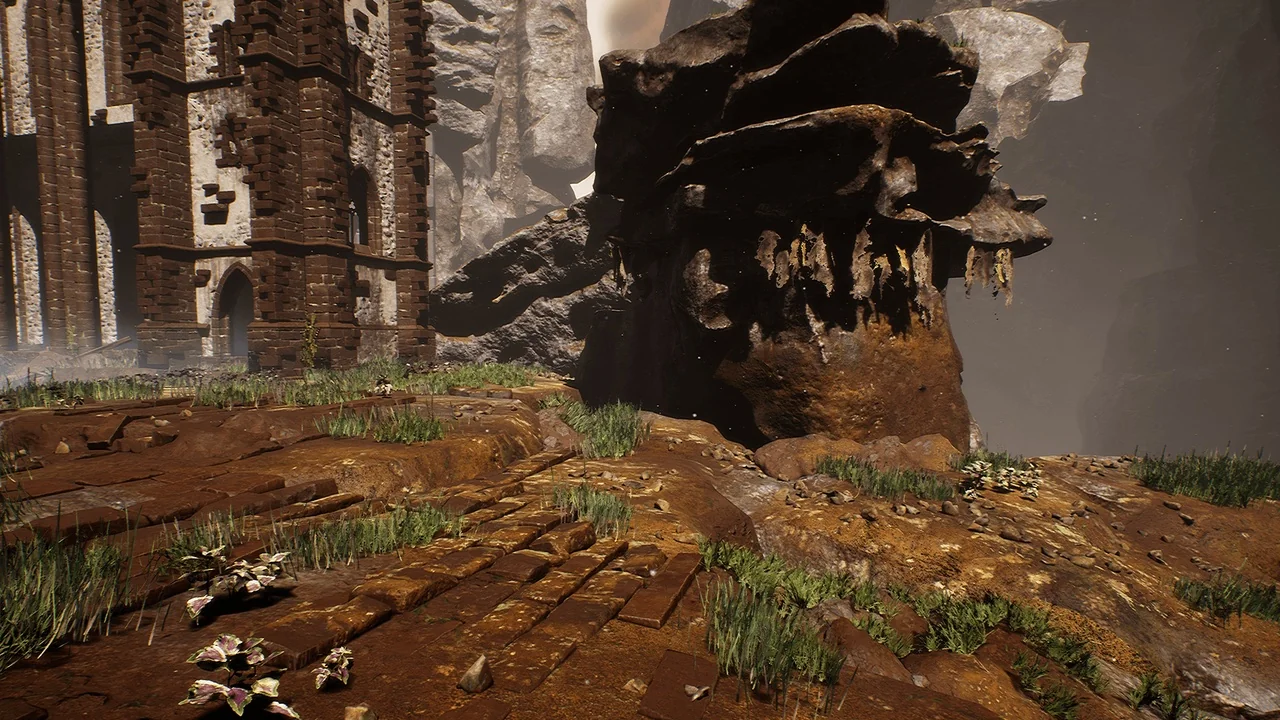
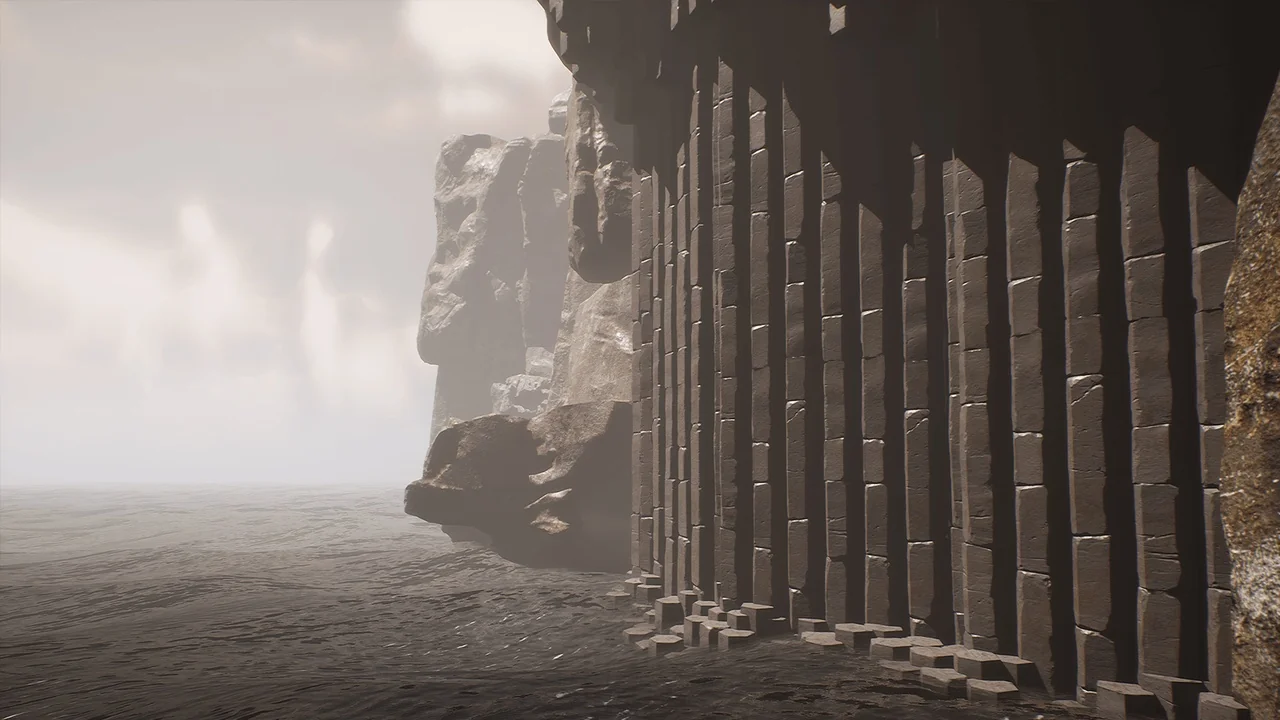
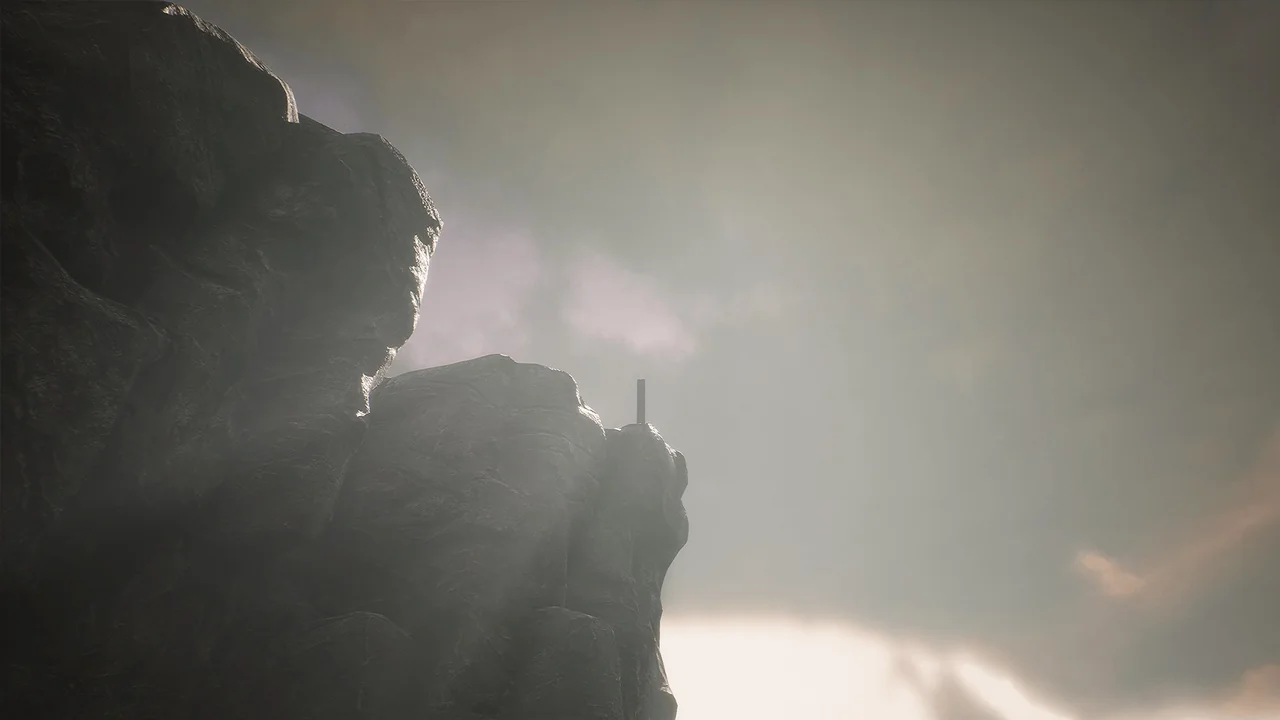
Sharur’s Lost Monastery Ruins excels at blending architecture with natural surroundings. The pack features a variety of terrain assets like cliffs, rocks, and basalt columns. Furthermore, the inclusion of ground pebbles and smaller stones adds a layer of ground-level detail. These assets work together to create a believable, weathered landscape around the monastery.
Nature is further represented through a selection of foliage. The set includes grass and flowers to populate the monastery grounds. These organic elements provide a necessary contrast to the stone structures. Consequently, the environment feels alive and integrated with the surrounding wilderness.
Advanced Shaders and Visual Effects
Technical features in Sharur’s Lost Monastery Ruins enhance the visual fidelity of the assets. The cliffs utilize a vertex paint shader and an adjustable texture shader. These tools allow for customized blending and unique visual variations across the terrain. Additionally, the pack includes two distinct water shaders.
These water shaders feature vertex wave animation to simulate movement. As a result, water bodies within the scene appear dynamic and realistic. To further improve the atmosphere, the developer included two types of fog. Moreover, decals are provided to add specific surface details and wear to the models. These technical additions ensure that the environment remains visually engaging under different lighting conditions.
Versatile Use Cases for Game Developers
Sharur’s Lost Monastery Ruins is a versatile tool for any 3D artist. Its balance of realistic textures and modular design makes it suitable for various genres. Whether you are building a historical simulation or a dark fantasy world, these assets provide a strong foundation. Specifically, the inspiration from the Sazava monastery adds a unique cultural touch to the assets.
The combination of 91 assets, advanced shaders, and natural elements makes this a complete environment solution. Everything was designed to fit together quite nicely, which simplifies the level design process. Consequently, developers can produce professional-grade ruins with ease.
Conclusion
In conclusion, Sharur’s Lost Monastery Ruins is a robust asset pack for creating detailed medieval environments. It provides a wide array of modular buildings, natural terrain, and foliage. Furthermore, the included shaders and fog types offer the technical depth needed for modern game standards. This collection is a valuable resource for anyone looking to build high-quality realistic or fantasy ruins.
Screenshots & Gallery