Introduction to the Procedural Escalator & Travelator
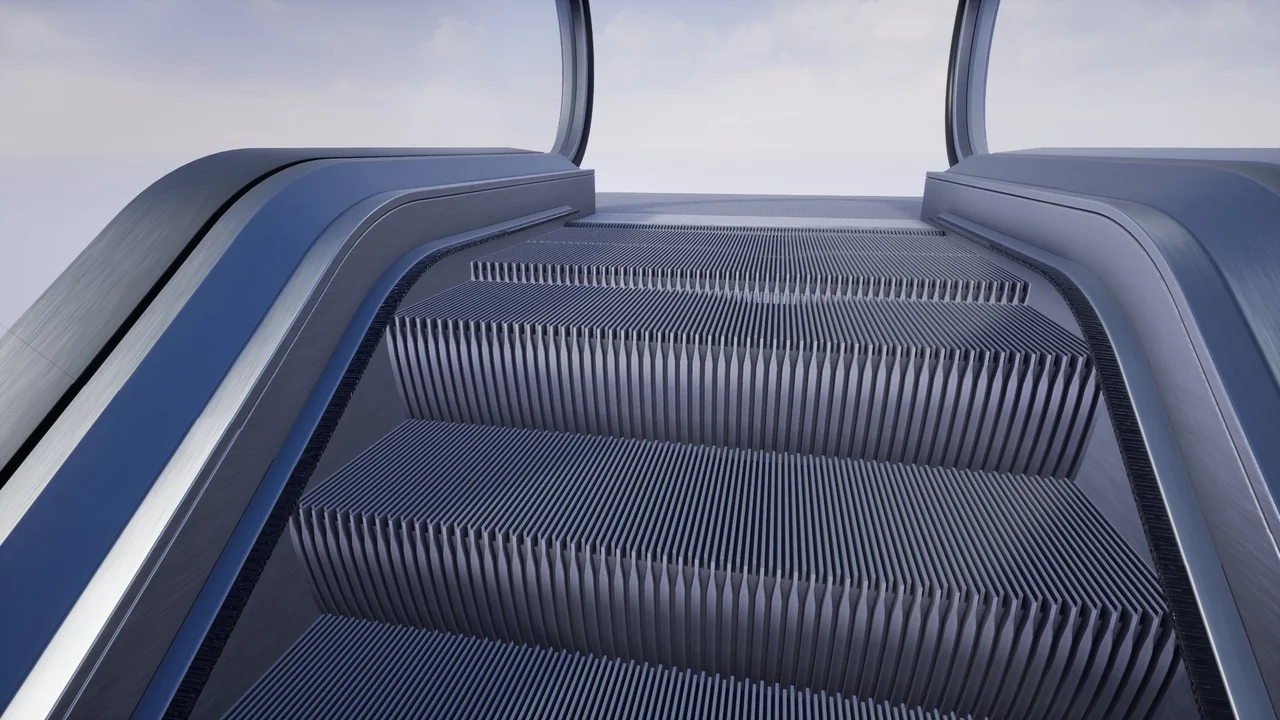
The Procedural Escalator & Travelator is a versatile blueprint system designed for modern 3D environments. It allows developers to create functional moving walkways and stairs with minimal effort. Because the system is procedural, it offers significant flexibility for various architectural layouts. You can quickly integrate these assets into your project to enhance realism.
Core Procedural Features
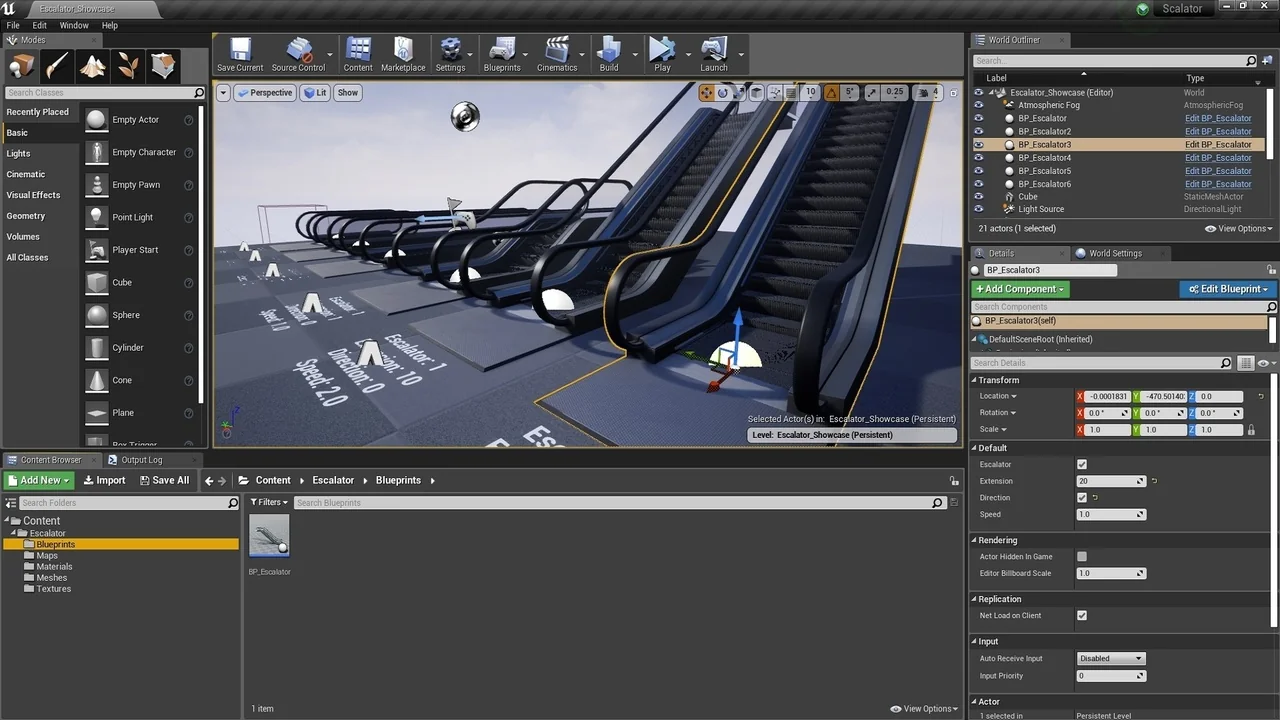
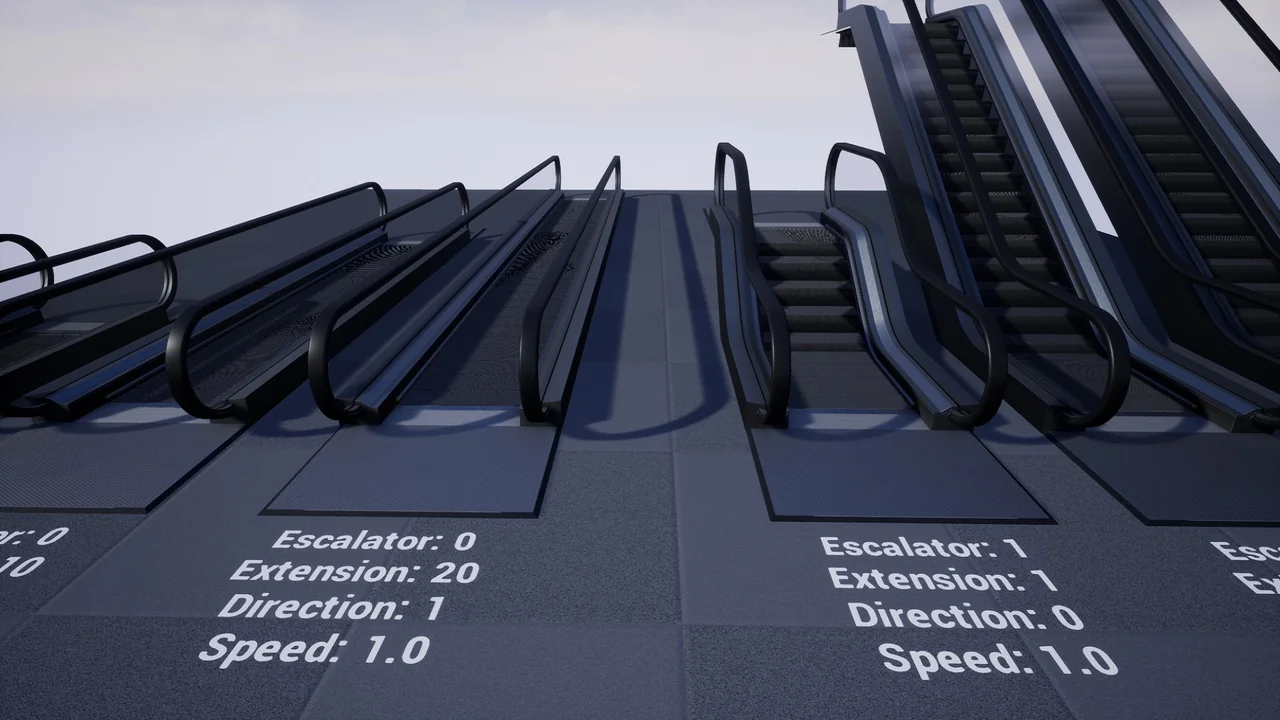
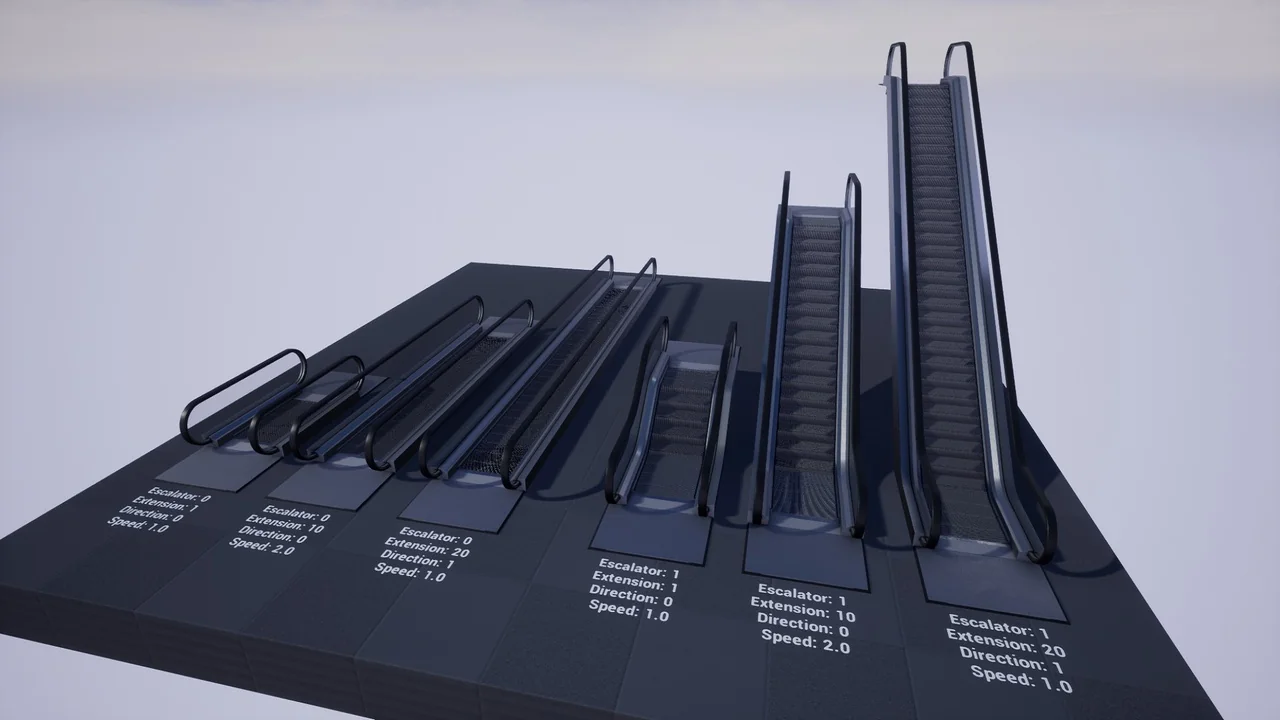
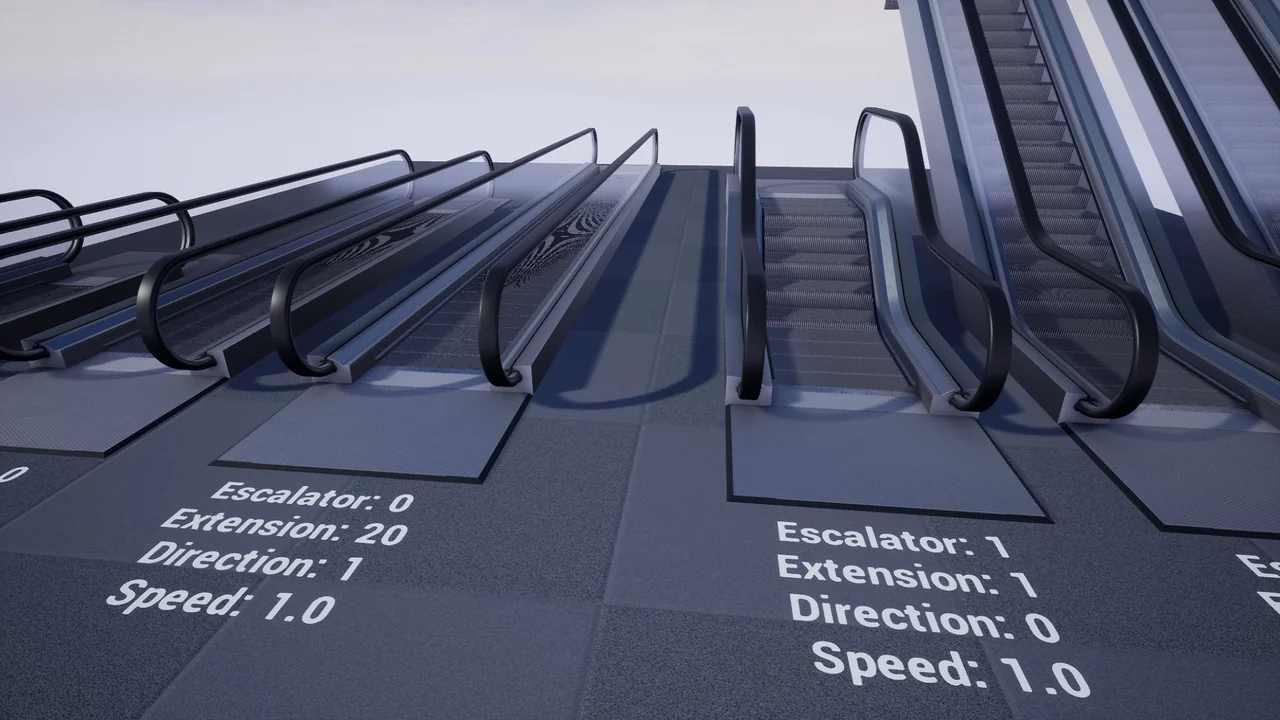
This tool includes a powerful blueprint with several adjustable parameters. For instance, you can procedurally modify the length of the escalator or travelator using the extension settings. This ensures the asset fits your specific scene requirements perfectly. Additionally, the creator has included simple toggles for speed and direction.
Users can easily switch between an escalator and a travelator type within the same blueprint. Moreover, the logic supports Sequencer animations. This makes it an ideal choice for both interactive gameplay and cinematic sequences. The improved blueprint logic ensures a smooth experience during development.
Technical Specifications and Assets
The project is built using a modular approach for maximum efficiency. It features seven different mesh modules that form the core structure. In addition, the package includes three sets of textures, totaling nine high-quality texture files. These assets work together with two materials and four material instances.
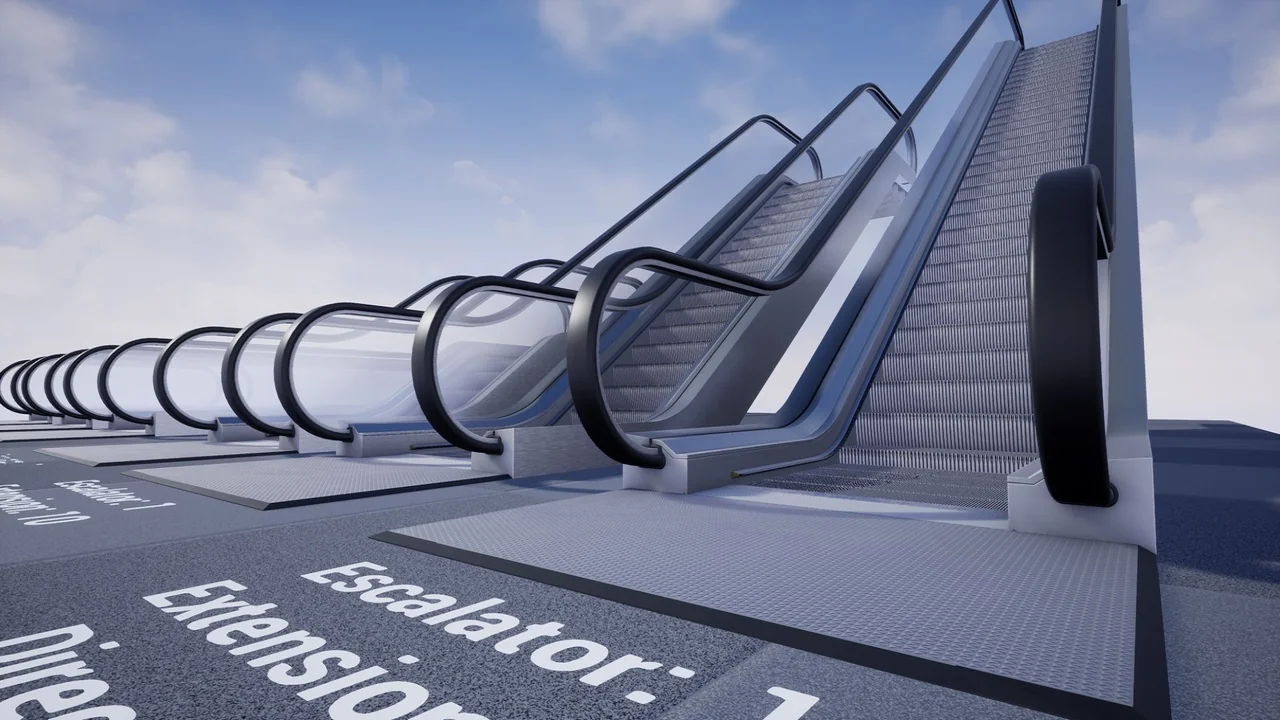
Furthermore, the developer has optimized the mesh setup for modern rendering. The glass meshes are split from the modules. This specific change allows for the use of Nanite without breaking the associated materials. Consequently, you can maintain high visual fidelity without sacrificing performance.
Optimization and Performance Tools
Performance is a key focus for the Procedural Escalator & Travelator system. To keep your project running smoothly, the developer included the BP_EscalatorManager. By adding this manager to your scene, you can run all escalators on a single Tick. This reduces the overall processing overhead significantly.
Moreover, the system includes proximity-based activation settings. You can define a proximity radius to enable the blueprints only when a player is nearby. Therefore, the blueprints do not run unnecessarily when they are out of range. To improve visual performance at a distance, the creator also added custom LODs for the step meshes. These LODs effectively solve the Moiré effect often seen from far away.
Conclusion
The Procedural Escalator & Travelator offers a comprehensive solution for realistic transit systems. It combines ease of use with deep optimization features like proximity triggers and manager blueprints. Whether you need a simple walkway or a complex set of stairs, this system provides the necessary tools. It is a reliable resource for any developer looking to add dynamic, procedural movement to their digital worlds.
Screenshots & Gallery