Modular Urban Foundations for Futuristic Scenes
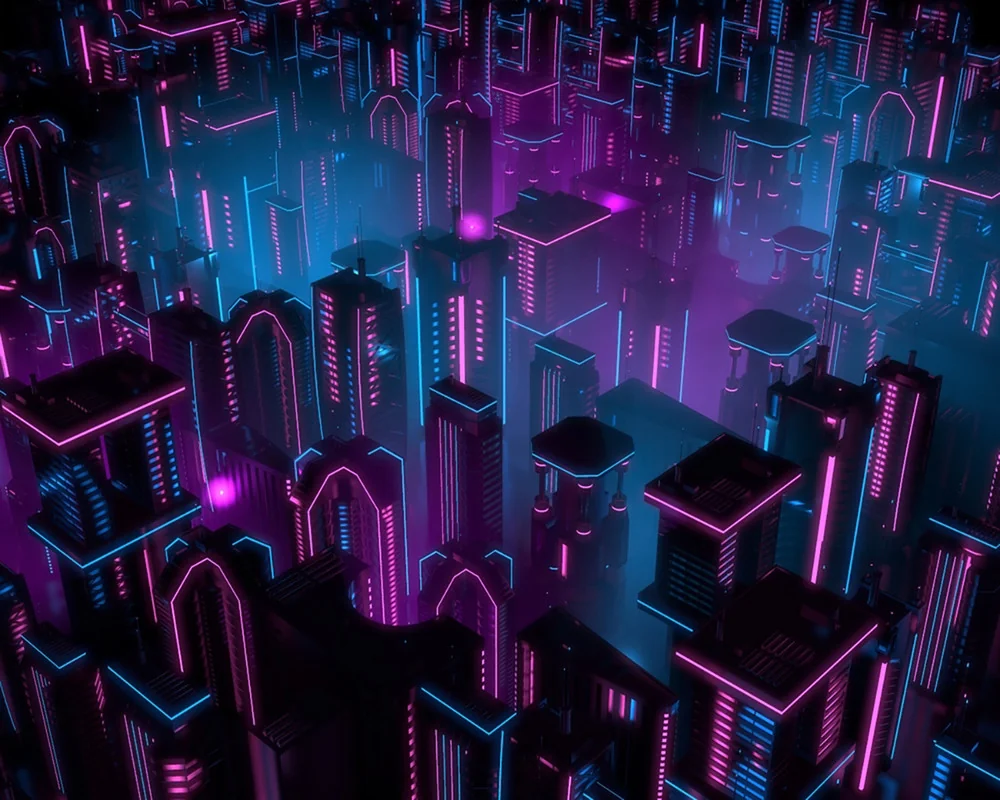
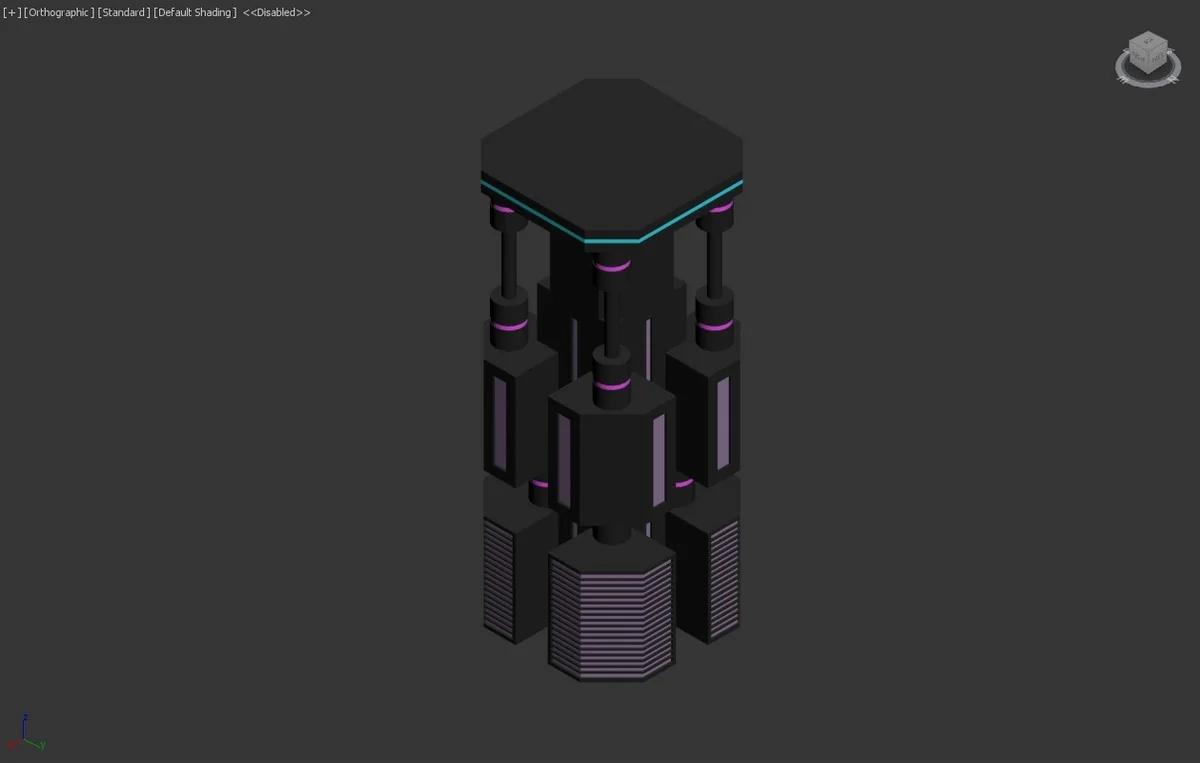
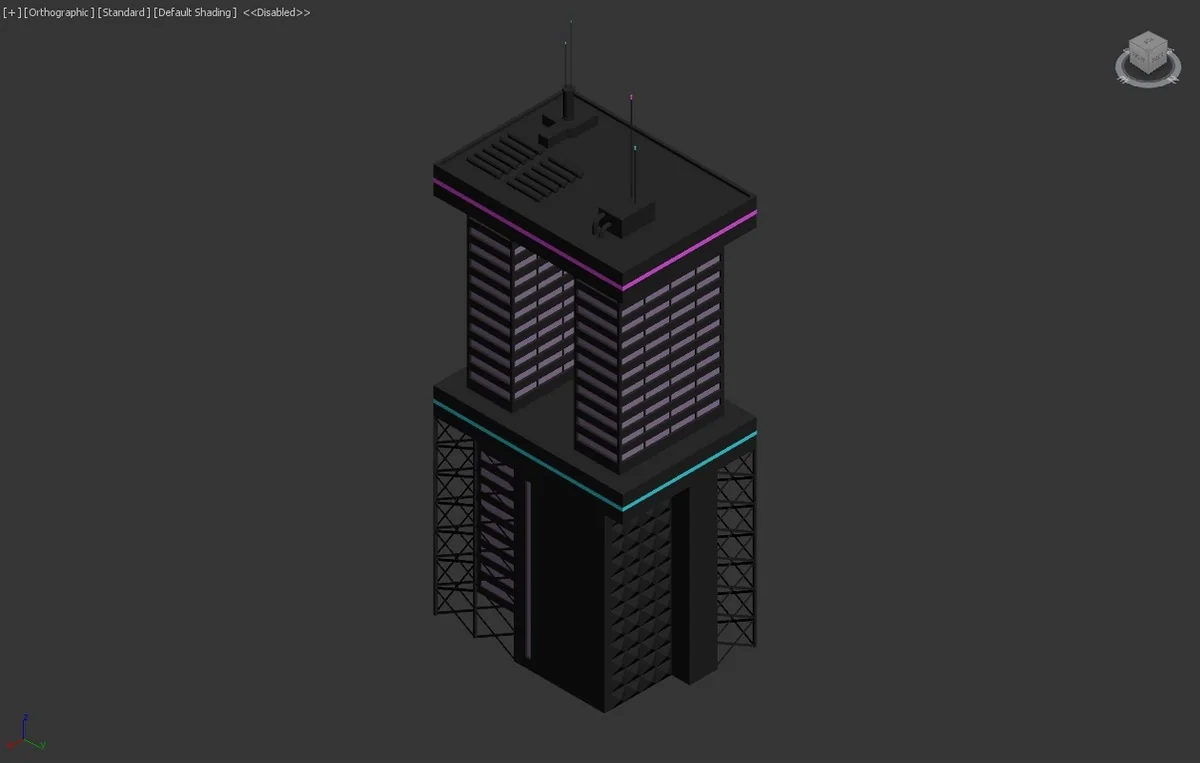
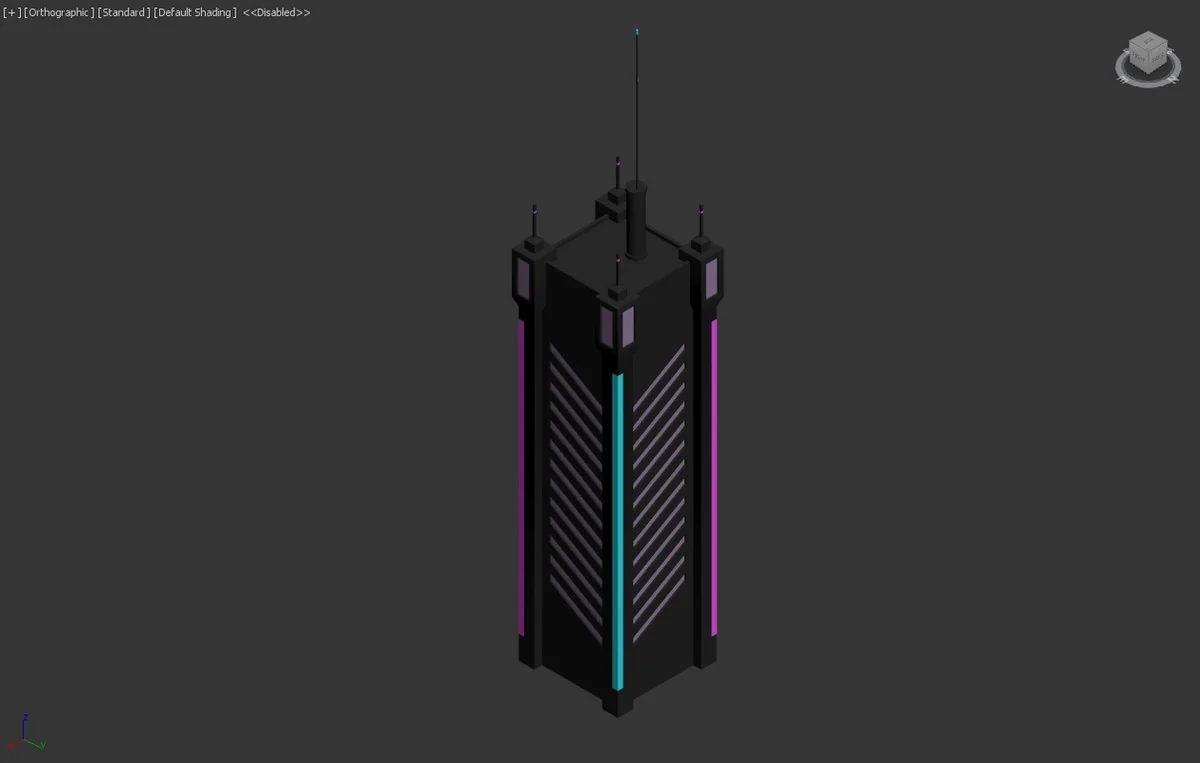
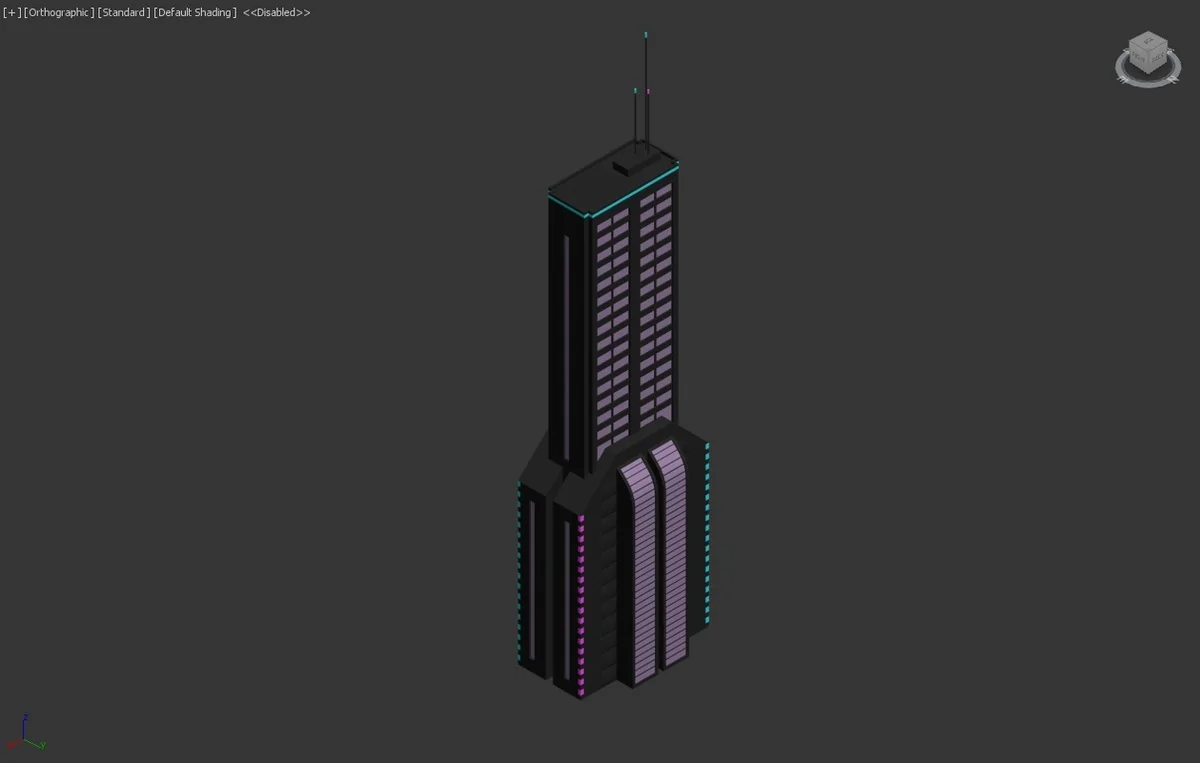
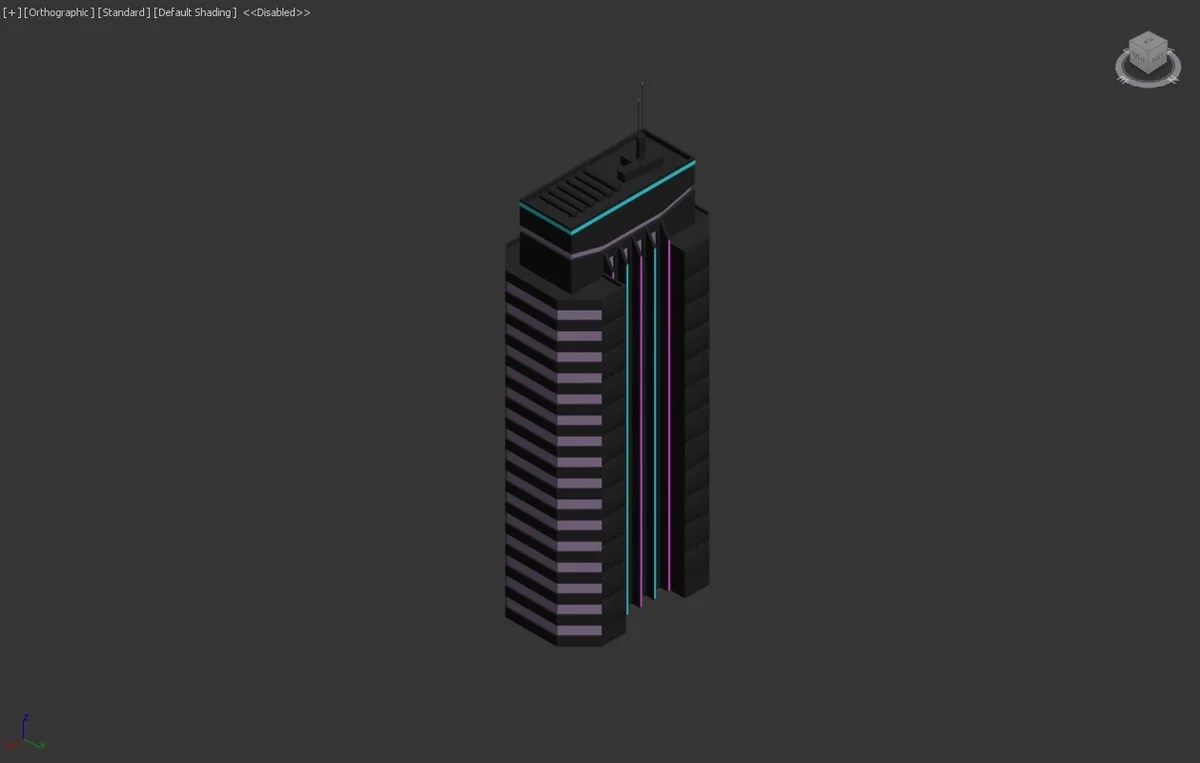
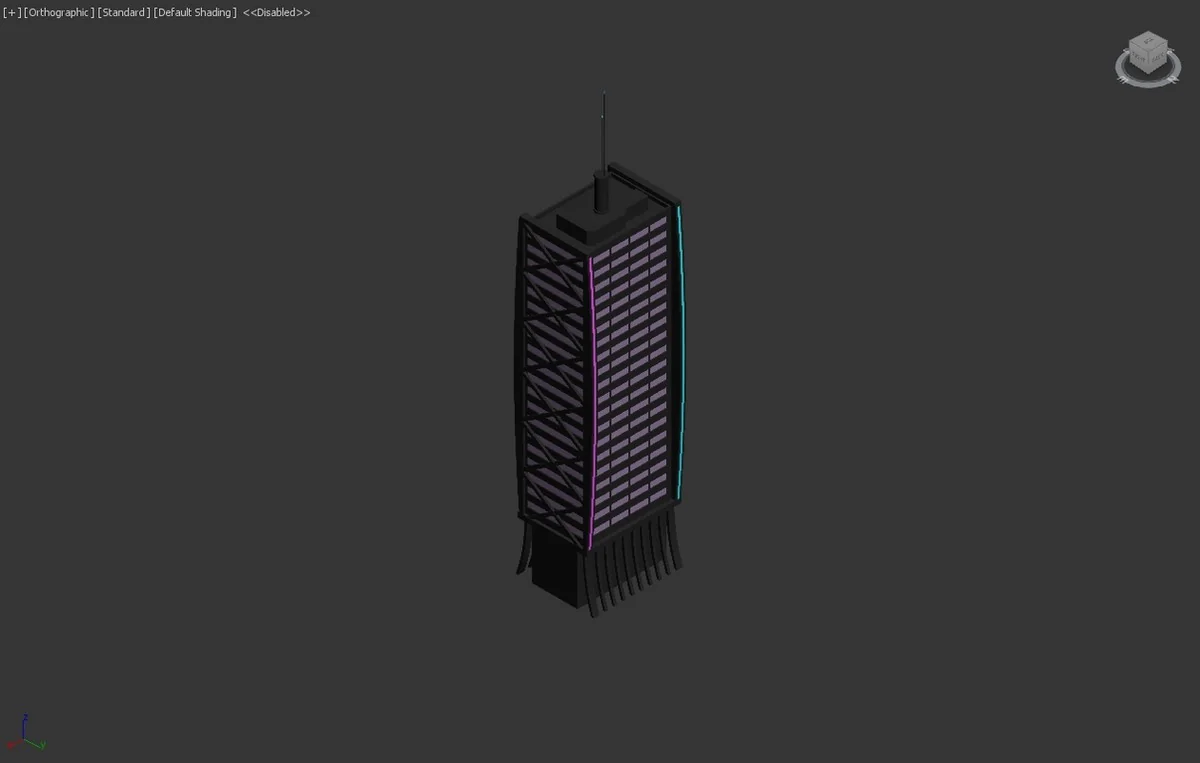
Constructing a futuristic cityscape requires a specific architectural language that balances geometric complexity with performance optimization. The Neon Buildings pack provides ten distinct architectural structures designed to serve as the primary building blocks for sci-fi environments. These assets are built as low-poly meshes, making them suitable for projects where draw calls and geometry overhead are critical considerations, such as mobile games or immersive AR and VR experiences.
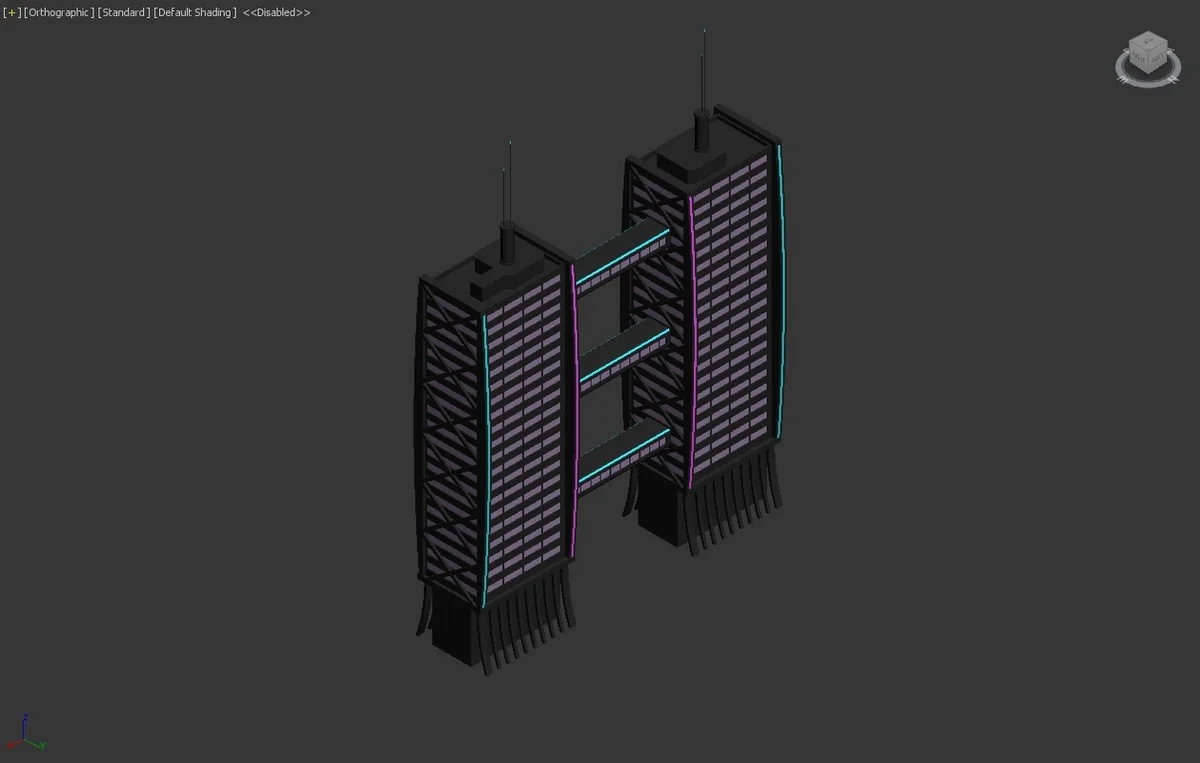
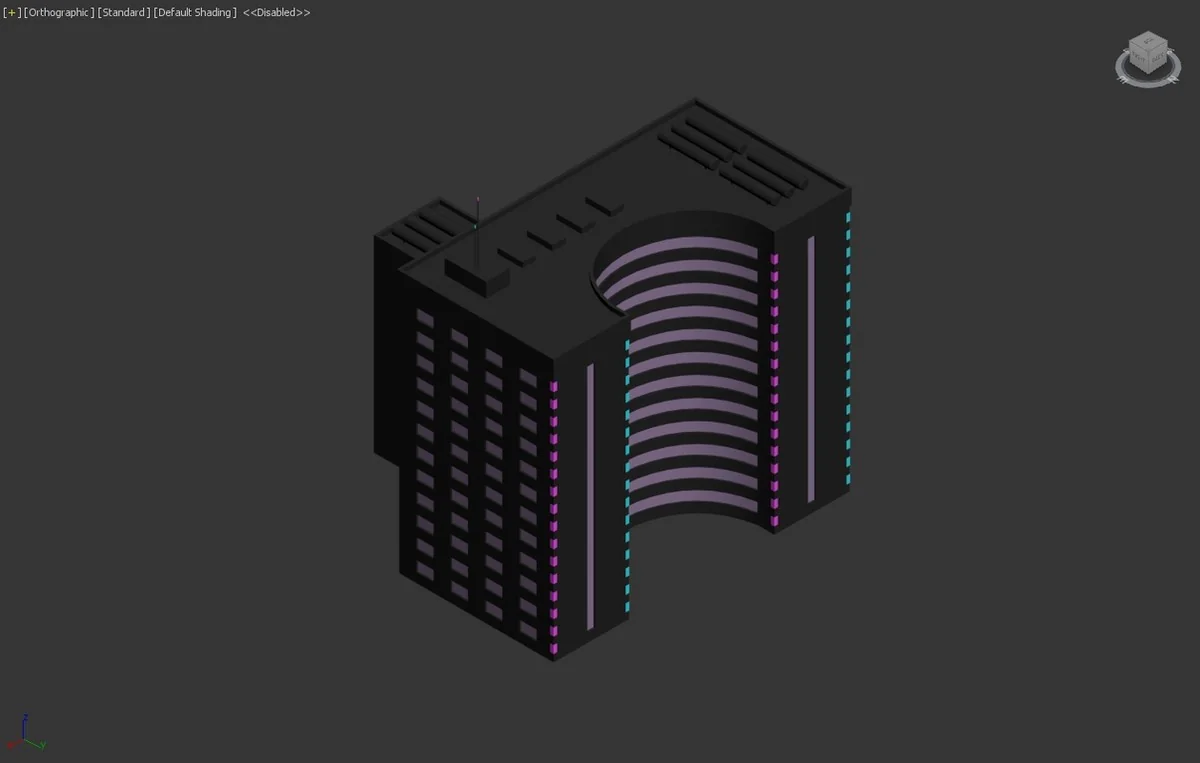
Each of the ten building types in the collection follows a consistent design logic, ensuring they can be placed in close proximity to form a cohesive urban environment. The creator has designed these meshes to be game-ready, appearing as prefabs that can be directly integrated into a scene. This setup allows for a rapid layout process during the level design phase, where the focus is on silhouette and spatial arrangement within a sci-fi context.
Material-Based Aesthetics and Lighting
A notable characteristic of this asset pack is its reliance on solid color materials rather than traditional texture maps. By forgoing textures in favor of material-based coloring, the assets maintain a sharp, clean aesthetic regardless of the camera’s proximity to the mesh. This approach is particularly beneficial for projects targeting high-resolution displays or VR headsets, where texture pixelation can break immersion.
Every building in the set is organized around four specific material IDs. This structure gives developers granular control over the look of the structures without needing to edit external image files. The assigned material IDs are:
- Wall: The primary structural surface of the building.
- Glass: Dedicated surfaces for windows or reflective architectural elements.
- Bluelight: Emissive zones designed to provide a cool-toned neon glow.
- Magentalight: Emissive zones for warm-toned or contrasting neon accents.
The inclusion of specific light-based material IDs allows for easy integration with post-processing effects like Bloom. By adjusting the properties of the Bluelight and Magentalight materials, developers can dictate the intensity of the city’s glow across the entire level simultaneously.
Technical Optimization for Real-Time Performance
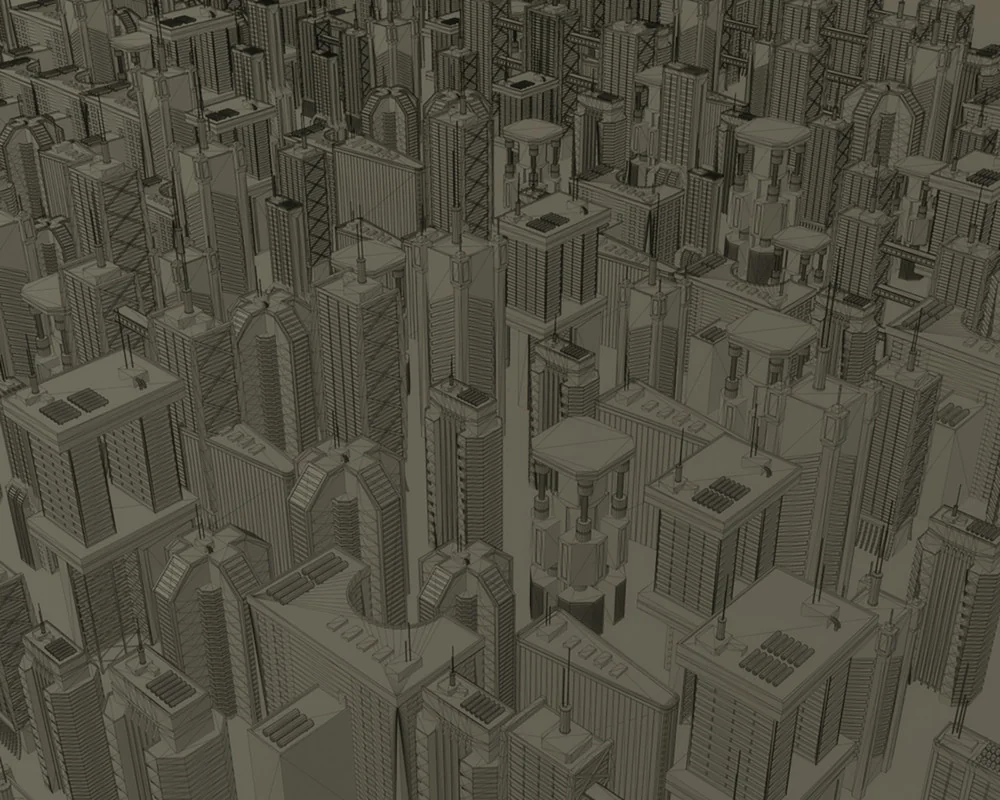
In terms of geometry, the buildings are optimized for performance-heavy applications. Each structure consists of approximately 3,000 polygons. This polygon count sits in a specialized niche—it is high enough to provide clear architectural detail and sharp edges for futuristic designs, yet low enough to be used in large numbers throughout a scene. This balance is essential for maintaining high frame rates in virtual reality or on mobile hardware where complex geometry can quickly become a bottleneck.
The package is delivered as a .unitypackage file, specifically compatible with Unity version 2019.3.0 and newer. The file size is exceptionally small, under 1 MB, due to the material-based workflow and lack of bulky texture files. This makes the asset pack a lightweight addition to a project’s overall footprint, allowing for faster iteration and shorter loading times during development.
Workflow Integration and Prefab Usage
The transition from importing an asset to seeing it in the game world is streamlined through the use of prefabs. The pack includes 16 total assets, providing variations that can be dragged and dropped into the Unity Hierarchy. Because the buildings are categorized as game-ready polygonal meshes, they respect standard transformation tools, allowing for easy scaling, rotation, and placement.
For developers working on sci-fi or cyberpunk projects, these buildings function as the backbone of the environment. The material ID system ensures that while the buildings come with pre-set magenta and blue lighting, the colors can be swapped or modified at the material level to fit a specific art direction. This flexibility, combined with the low-poly nature of the meshes, provides a versatile toolkit for building expansive, neon-lit cities without the technical overhead of high-fidelity architectural models.
The assets provide a direct solution for populating futuristic levels with structures that are already optimized for the performance demands of modern game engines and hardware. By utilizing these prefabs, developers can focus on the macro-level design of their city rather than the micro-level technicalities of mesh optimization and texture mapping.
Project Screenshots